
Stevens Point, WI July 22, 2014
We had a later start this morning as we enjoyed conversation and home-made breakfast at the Victorian Swan on Water B & B in Stevens Point. The other couple staying last night was from Kentucky, originally Chicago and also enjoying a few days in the area. Breakfast was a potato-egg casserole with home made cinnamon rolls. Very yummy. Tomorrow is stuffed french toast I believe.
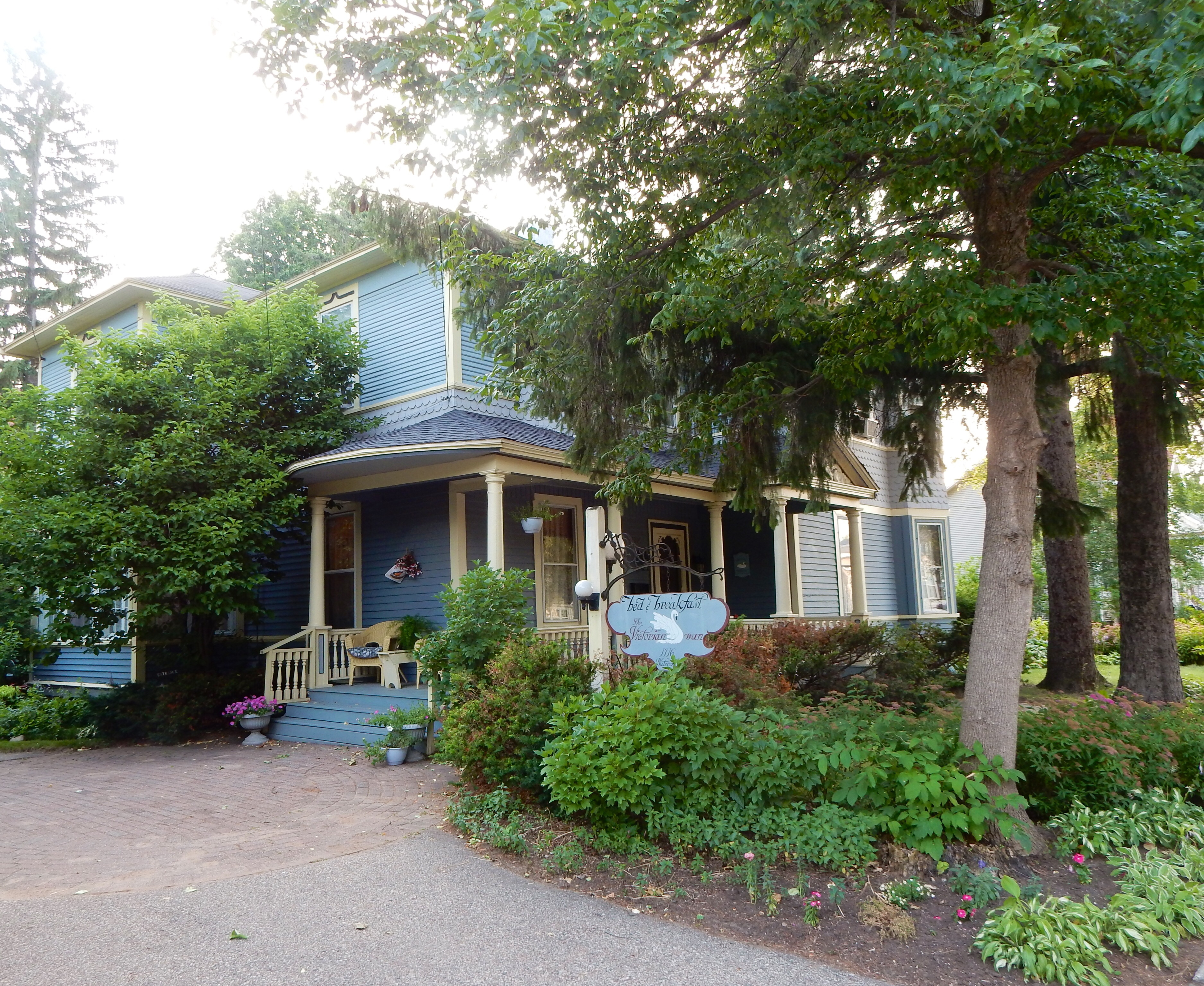
A Victorian Swan on Water
The B and B was originally built in 1888-1890. One of its claims to fame is that was originally located downtown but was moved here in 1938. When moved, the house lost its third floor and a second kitchen. We have one of the smaller rooms here (we got a tour) and it suits us very nicely. Joan is a wonderful host and has done her share of traveling also. In addition, her garden in back makes a wonderful place to sit and relax-as we did at dinner time Monday night.
We headed out for Warrens WI, home to the Cranberry Discovery Museum. Cranberries are big here since WI is the number one producing state in the nation, growing about 2/3 of the US crop. Right now cranberries are growing. Blossoms were in mid-June and we did not make it up here after the Fennimore trip. Harvesting is mid-September to mid-October and we just might miss that also as we return from our post Labor Day trip to Canada, the Adirondacks, and Deb and Rebecca’s wedding in Ct.
We thought we should stop in now since we were relatively in the area.
Our drive from Stevens Point to Warrens took us through cranberry growing territory. The museum in Warrens is a modest size and took us about 45 minutes to explore and read the displays. The displays do an admirable job of explaining how cranberries are grown and harvested. We had known about harvesting them in flooded fields but the museum explains the details of the whole process in an easy to comprehend process. For instance, we did not know about the addition of sand to the fields during winter when the fields are frozen; or the meticulous monitoring of soil and water that occurs throughout the year. We did taste test cranberry ice cream-delicious and purchased some cranberry mustard, salsa, chutney and jam.
Cranberries, Concord Grape and blueberries are the only fruits native to the US. They are among the highest of all fruits in antioxidants.

Two sandhill cranes
Our return trip was through the cranberry fields again but the return trip by another route brought us by several sandhill cranes. The growing of cranberries takes up about 180,000 acres in Wisconsin. Only about 18,000 of those acres are actually growing cranberries. The remaining acres,called support land, consists of natural and man-made wetlands, woodlands,and uplands. Because of this, waterfowl, like the sandhill crane, are plentiful in the area. Sandhill cranes are supposed to be aggressive in defending their territory but we managed to get several photos without hassle.
Lunch was at a rest stop at Dexter County Park at Lake Dexter. Really fancy, two cans of pop with the left over sausage, cheese and crackers from yesterday. But we helped the local economy by buying the two cans of pop at the Dexter Drive-In.

An example of a paper making mold from Siam (Thailand)
Wisconsin Rapids is the home to the Wisconsin River Papermaking Museum. This is a small museum in the historic home of Stanton Mead. The Mead family ran the Consolidated Water Power and Paper Company for most of its 100 year history. The company has gone through several recent changes and is now owned by New Page Corporation. The company is a major employer in Wisconsin Rapids and in Stevens Point-the factory behind A Victorian Swan on Water is a New Page factory.
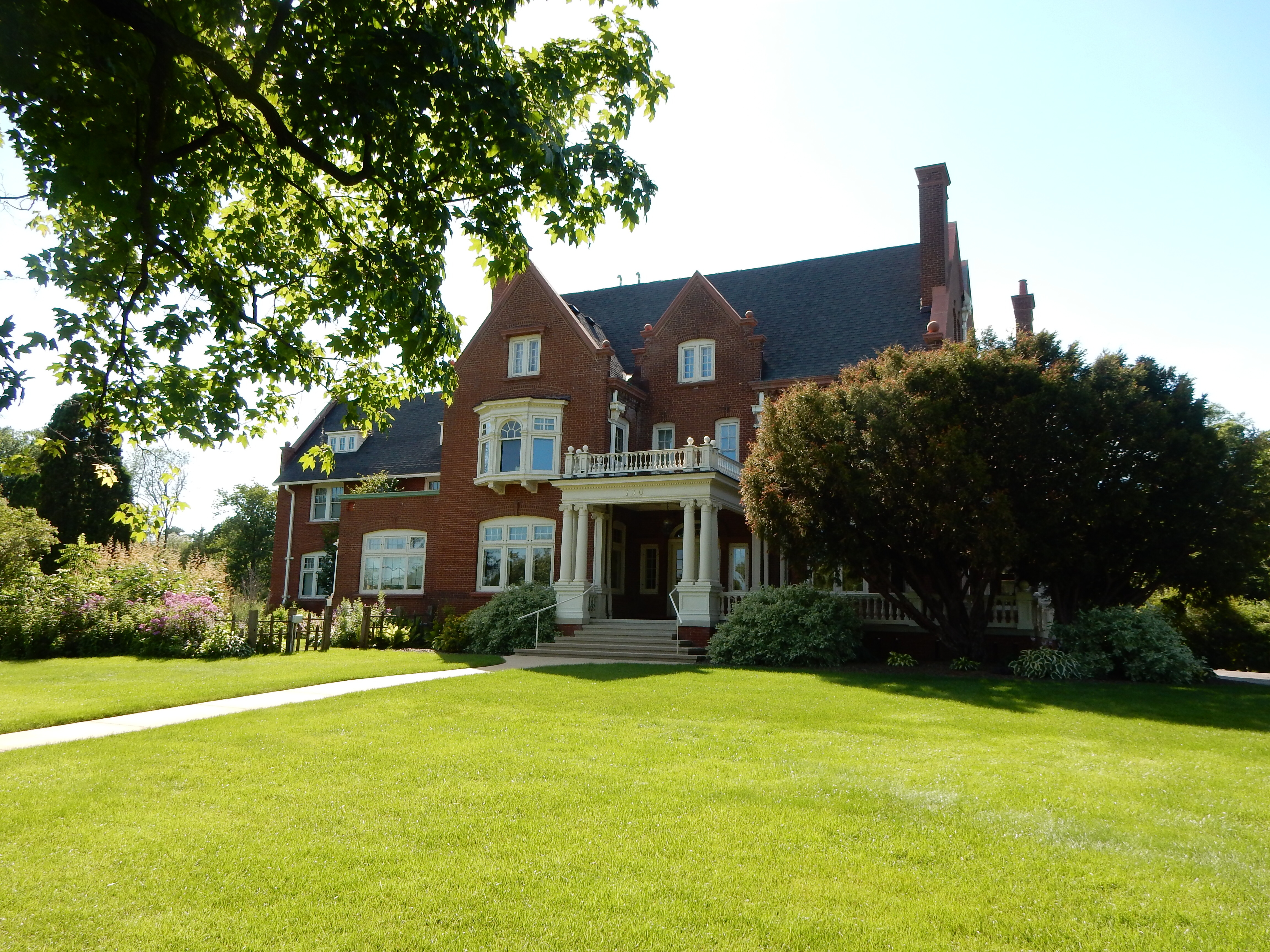
The Wisconsin River Papermaking Museum
The museum had three exhibits that interested us and we had the pleasure of having two docents explain various portions of the exhibit. The first was about Dard Hunter, a man born in 1883 who spent the majority of his life researching the paper making process, particularly hand-made paper.
The second exhibit was about the history of the Consolidated Water Power and Paper Making Company. It began in the early 1900s and controlled most of the paper making in the Wisconsin River valley. From the size of the facilities we have seen, it is a big player in a dying market-it focuses in this region on coated papers (for magazines) and other specialty papers. It’s early history would make a good novel with skullduggery and broken contracts.

Gib Endrizzi mural
The final exhibit was about art made by Gib Endrizzi. Endrizzi was the design engineer for Consoweld and the company during WWII made a product similar to Formica. Layers of paper are coated with a resin and heat pressed to create a very strong product. It was even used to make glider planes during WWII. (That is another whole story.) After the war, the product was produced in multiple designs and colors. Endrizzi used the product (no longer made) to create art work. Several of his murals were on display and were quite remarkable.

Deer at Schmeeckle Reserve
We drove back to Stevens Point and walked some of the trails at Schmeeckle Reserve, part of the University of Wisconsin-Stevens Point. It was a relaxing way to end the afternoon. We saw several deer; I know, they are everywhere nowadays but these were kinda cute.

Schmeeckle Reserve
Dinner was at Father Fats, a local eatery serving tapas. We shared three selections and all were great.
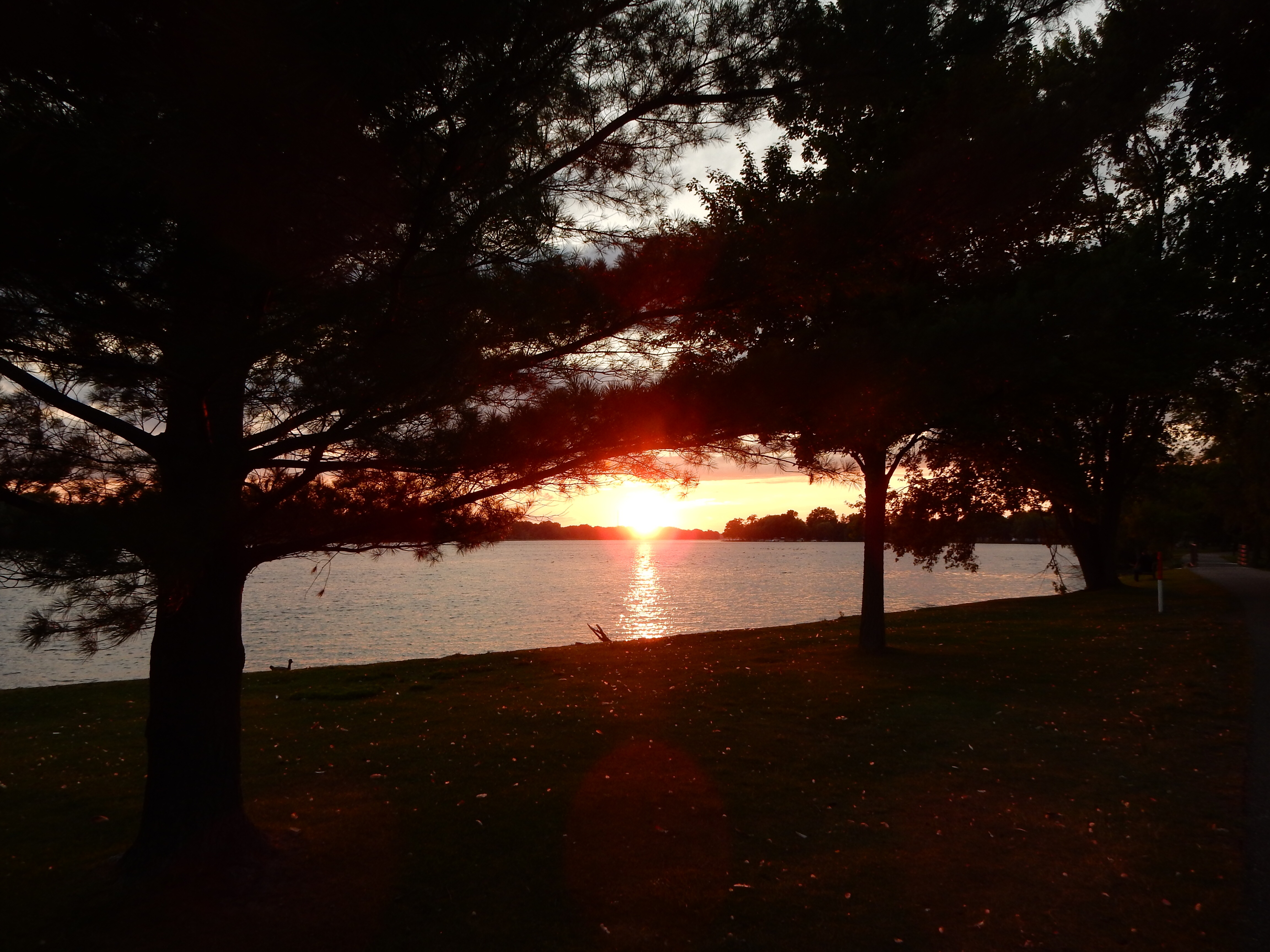
Sunset on Wisconsin River Tuesday night
Ed and Chris July 22 11 pm
 Chris Klejbuk and Ed Heimel travel adventure
Recent Comments