
Winnipeg, Manitoba July 15, 2023

The Canadian Museum for Human Rights opened in 2014 after 3.5 years of construction and costing $350 million. It is a striking vision both as one approaches it from outside as well the internal layout of the exhibits. It is full of symbolism, used cutting edge construction techniques, and incorporated numerous methods to be environmentally and culturally sensitive.
The museum describes the building as: “Perched on the Prairie landscape at the forks of two rivers, the Museum rises from four stone “roots” that symbolize humanity’s connection to Mother Earth. The structure embodies aspects of the Canadian landscape: a craggy limestone mountain is surrounded by a glass cloud and topped with an icy peak. But look again, and the cloud becomes the wings of a dove embracing the building beneath a glowing beacon of hope. The structure’s multiple faces and changing moods also symbolize the value of diverse points of view. Once inside, visitors progress upwards from darkness to light – reflecting our hopes for human rights education.”
We spent several hours here on Saturday . One could easily double the amount of time we spent if they read and watched all displays and listened to all of the audio recordings. It is truly a space in which audio and visual displays predominate with benches and chairs to make it easier to look and listen. Of course, there is an app based tour but we chose to experience the museum the old fashioned way by walking, reading, listening, and viewing the portions of the exhibits that appealed to us.

There is a predominance of Canadian themed exhibits but as Americans we noted a symmetry with our own country’s history; segregation, maltreatment of native peoples, Japanese internment, Chinese exclusion, anti-immigrant acts, anti-Semitism, discrimination against LGBTQ and disabled people, etc. Genocide around the world is another series of displays.

Hope and positive action are not ignored. The museum is not just a “downer” of bad actors and bad actions. People, from the famous to the unknown, are shown making a difference through political action, art, music, and personal interactions. Visitors are encouraged to take their own small steps, that when combined with others, uplift all.
After walking up the seven levels of ramps that themselves are a work of art, there is an eighth level providing an expansive, 360 degree view of Winnipeg. We wrapped up the experience with lunch in their cafe.
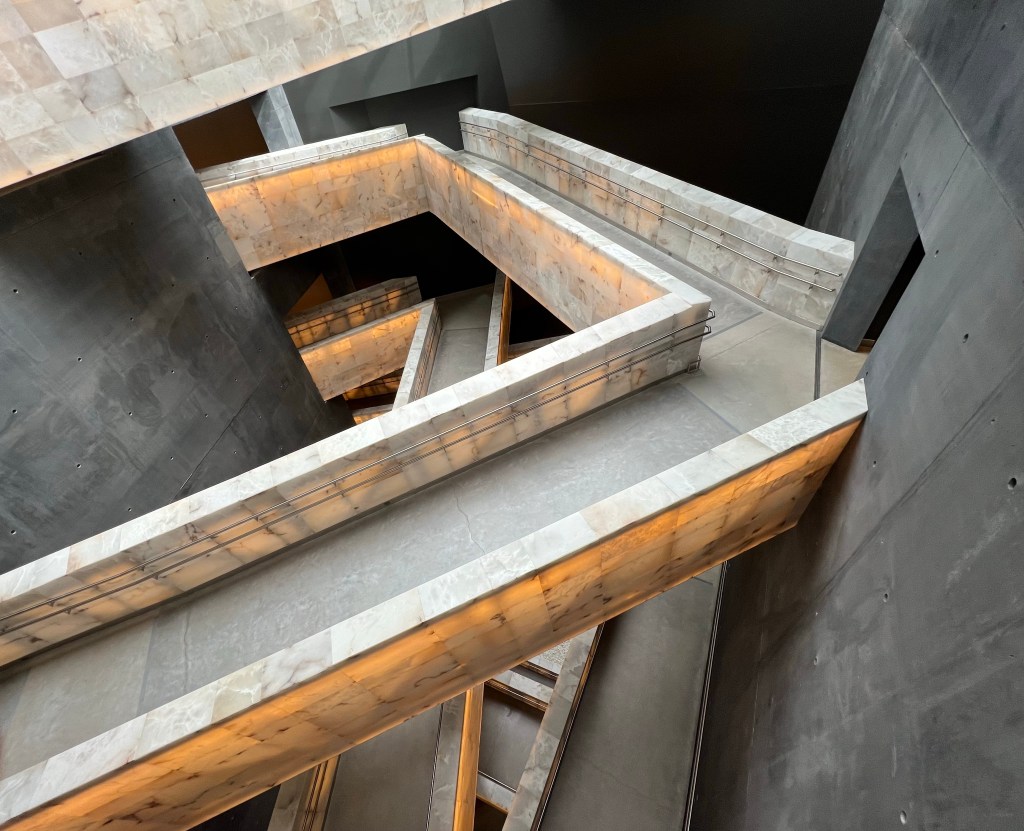

For a museum devoted to human rights, it is not without its own controversies. First Nation peoples objected to aspects of its location and construction practices. International groups believed the genocide or discrimination they experienced wasn’t sufficiently explored. Others complained too much attention given to anti-Semitism or actions against First Nation peoples. Some wanted tours to not discuss topics they were opposed to such as same sex marriage while the self-censorship the museum practiced when giving tours to groups opposed to same sex marriage was criticized. Finally the museum itself was criticized for its internal hiring and management practices.
We put the criticisms aside and as out of town visitors found the museum well worth the time it takes to visit.
After the Human Rights Museum, we walked around “The Forks”. This is the area in Winnipeg where the Red River of the North and the Assiniboine River meet. The Forks has been the meeting place for First Nation peoples and then European traders and Red River Metis. The Red River flows northward from the States while the Assiniboine flows from the northwest. These rivers provided transit routes for First Nation peoples for 6000 years. The Red River flows up to Hudson Bay and provided access for English traders and the Hudson Bay Company to reach portions of interior Canada.

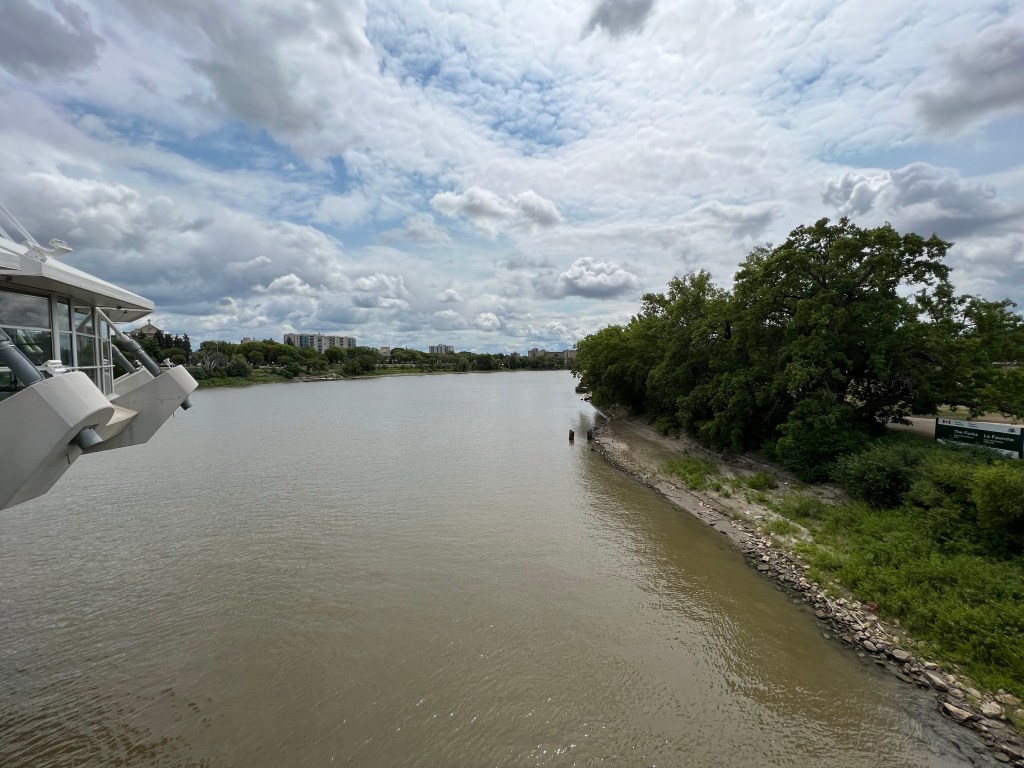
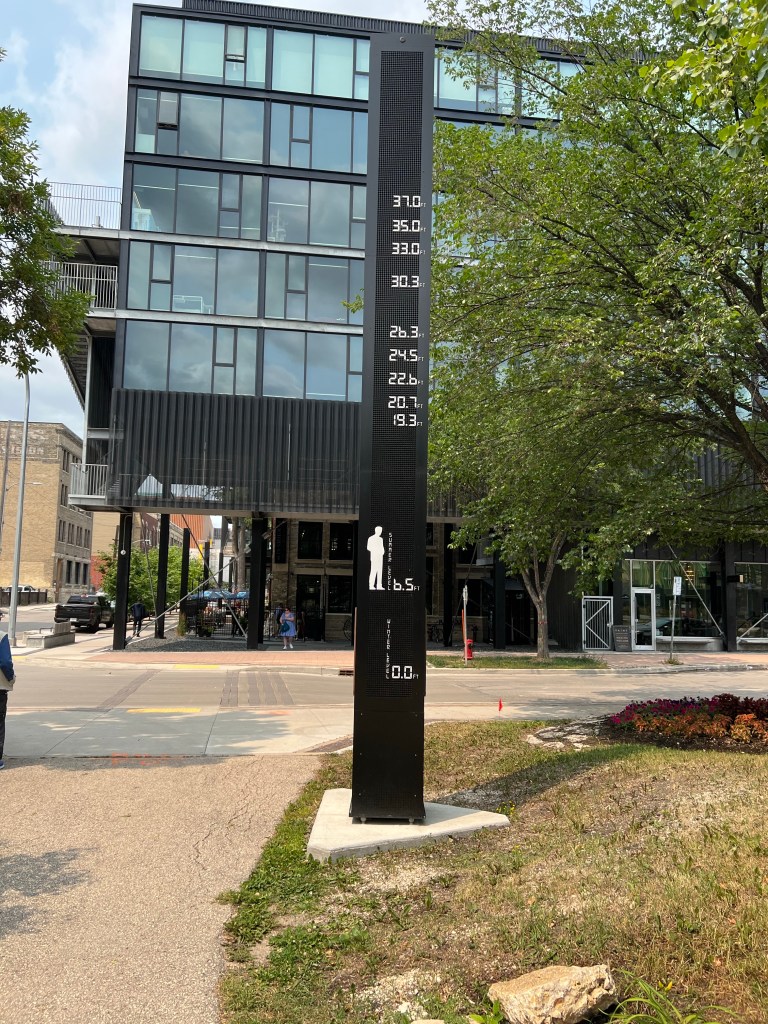
Today it is a park and home to a hotel and shopping market. There are walkways along both rivers. The flood factor here is high as the land is generally flat and northward flowing melt water runs into the frozen river in the spring.
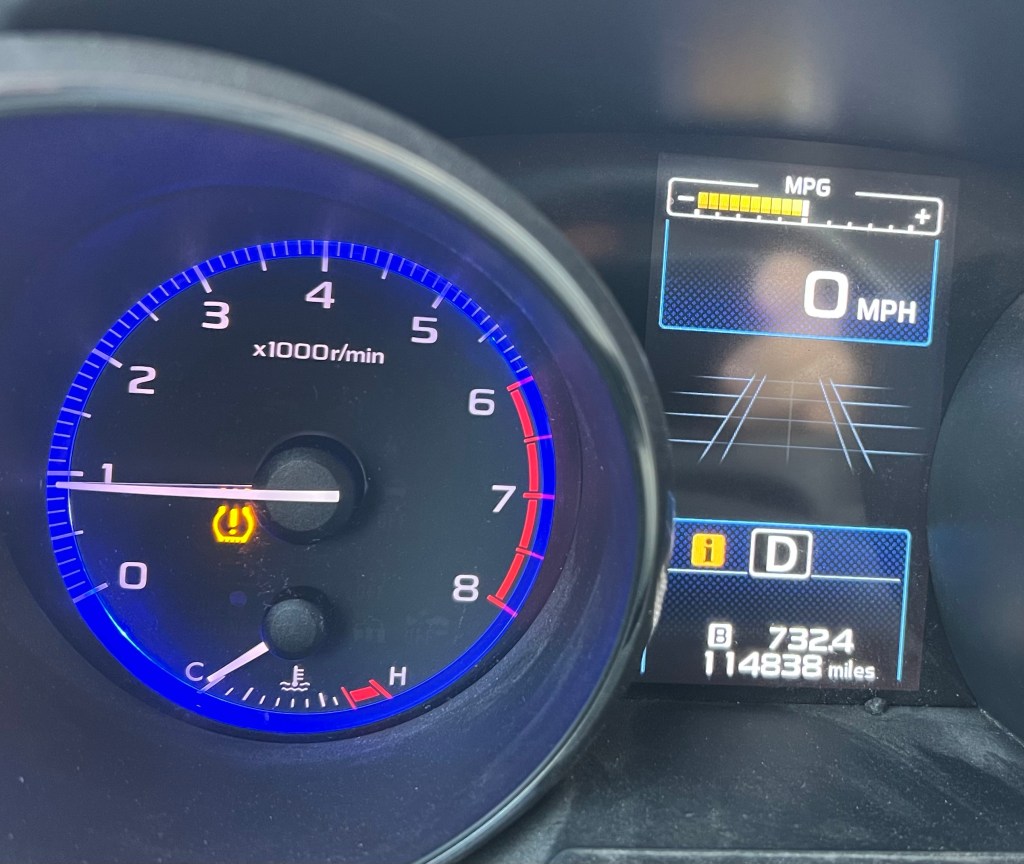
Friday started out at the local Subaru dealer. As we drove into town late Thursday afternoon, the tire pressure gauge warning light came on. It was too late to stop in Thursday so we arrived at the dealer at 7 am Friday when service opened. Their tire people did not arrive until 8 so we waited for an hour but they were able to check out the car. There was a nail in the rear passenger side tire so they pulled that and patched the tire. We were out of there in two hours, including waiting time with a $40 charge.
For the rest of the morning, we had a walking tour of the Exchange District. This is part of historical Winnipeg where the earliest warehouses, railroads, and commercial businesses were established. Our tour guide explained the development of the town, the history of many of the oldest buildings, and stories of interesting characters.
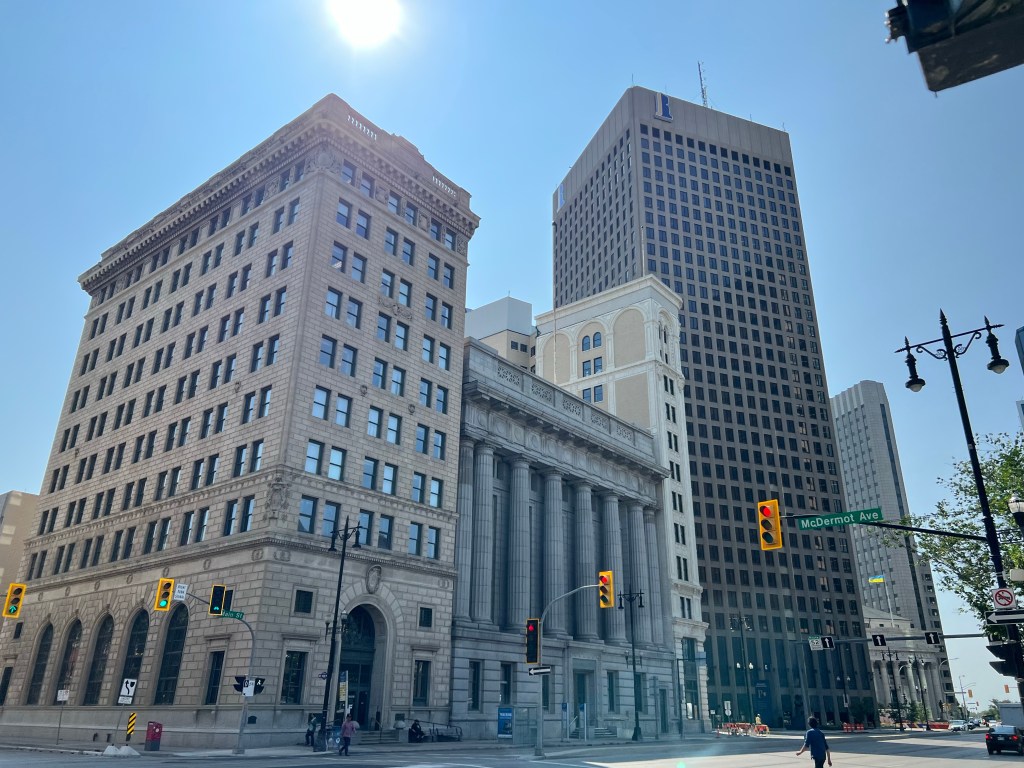
The story of the 1919 Winnipeg General Strike was the longest single portion of her presentation. This 6 week strike in May-June of 1919 involved 12,000 unionized strikers supported by another 20,000 workers and their families. In the end, the strikers did not achieve their short term goals. The collective power of business, Church, and government prevailed. Over a longer period of time though, some of the union goals were achieved through greater union organizing and the increased election of labor sympathetic legislators.
After the tour, Chris and I commented how the traits and failings of people seem universal. Many of today’s rivalries, jealousies and poor decisions that we complain about were repetitions of similar actions taken over a hundred years ago.
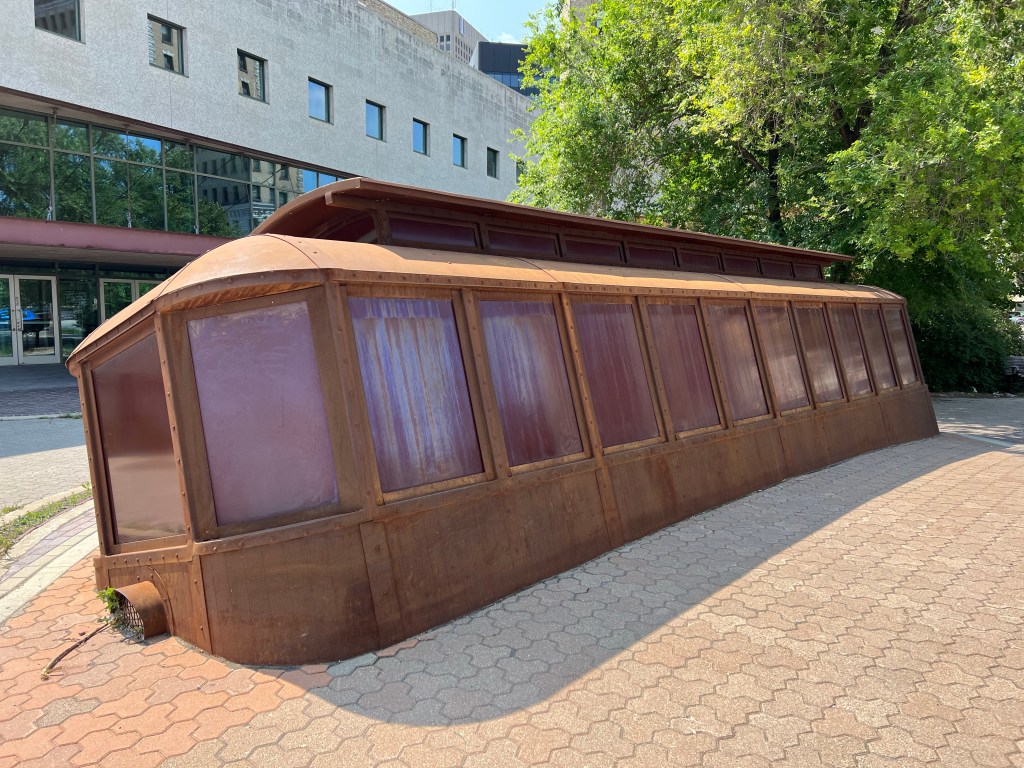
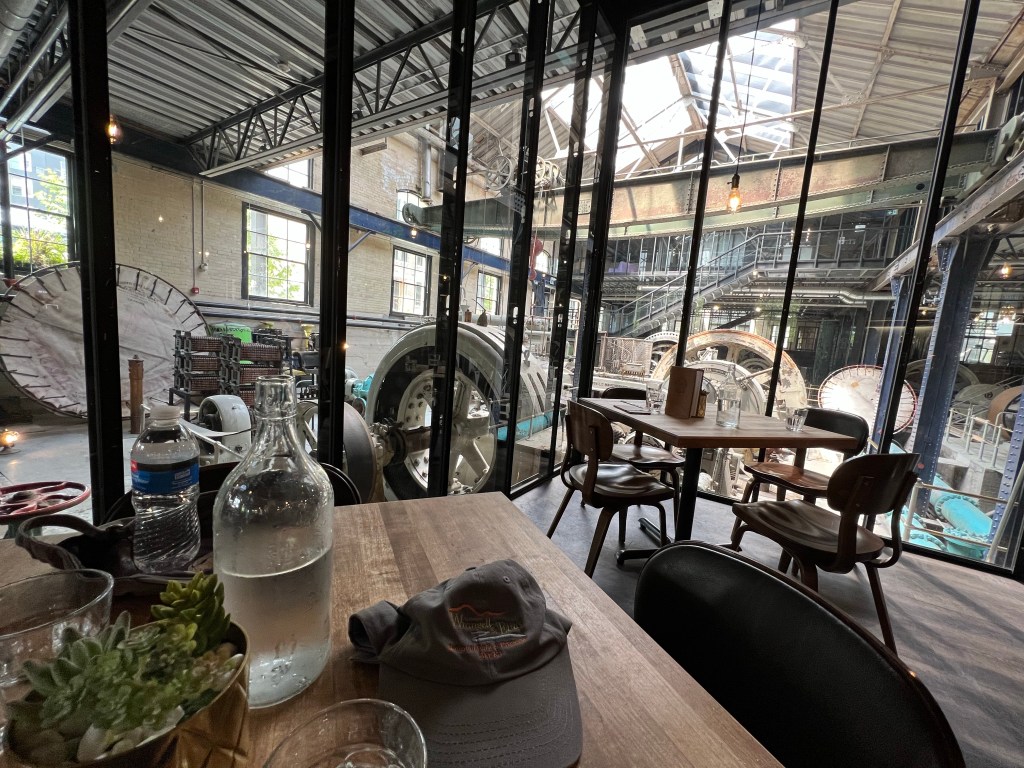
After lunch at a restaurant in an old water works building, we explored the Manitoba Museum. We were interested in the history portion of this combined history, science, and planetarium museum. It was enjoyable although we found ourselves getting tired, particularly after the walking tour and ongoing hip issues.
Ed and Chris, Winnipeg July 16


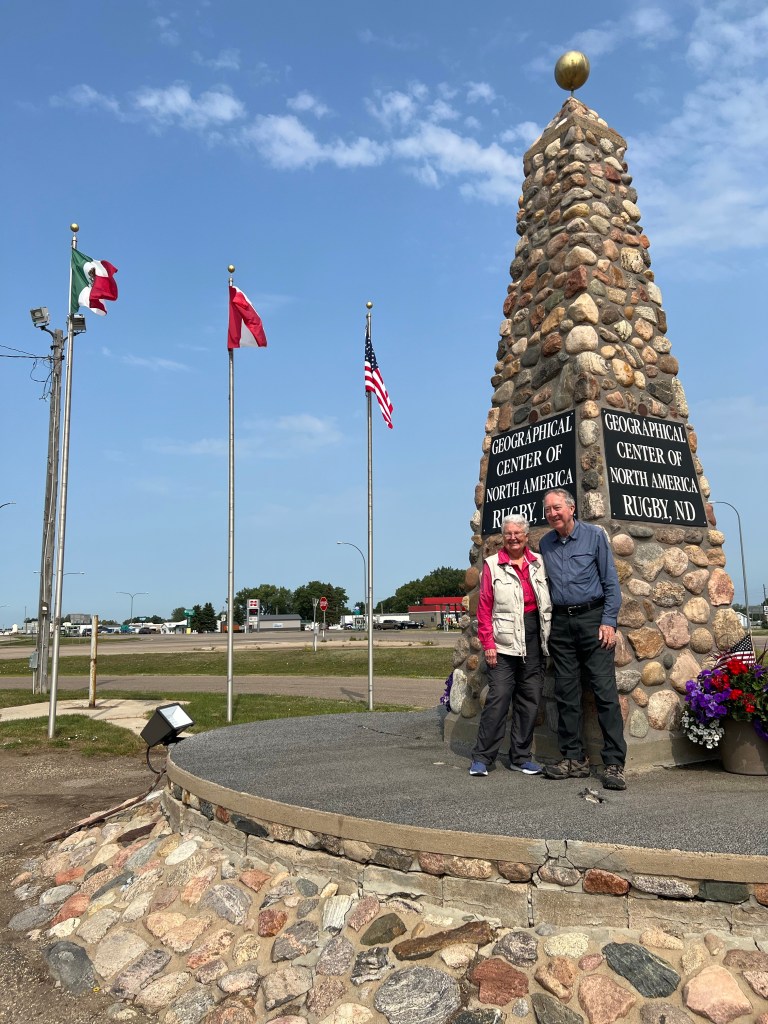



 Chris Klejbuk and Ed Heimel travel adventure
Recent Comments