

Lake Hood Floatplane Base, Anchorage
Anchorage, AK. Sunday September 8
Saturday was the first day of consistent rain since we began this trip three weeks ago. Luckily Seward had a few options for indoor activities. The Alaska Sealife Center is basically an aquarium although one with a heavy research and conservation emphasis. The admission is pricey at $30 per person but again the Alaska Tour Saver Book came in handy with a buy one, get one coupon.
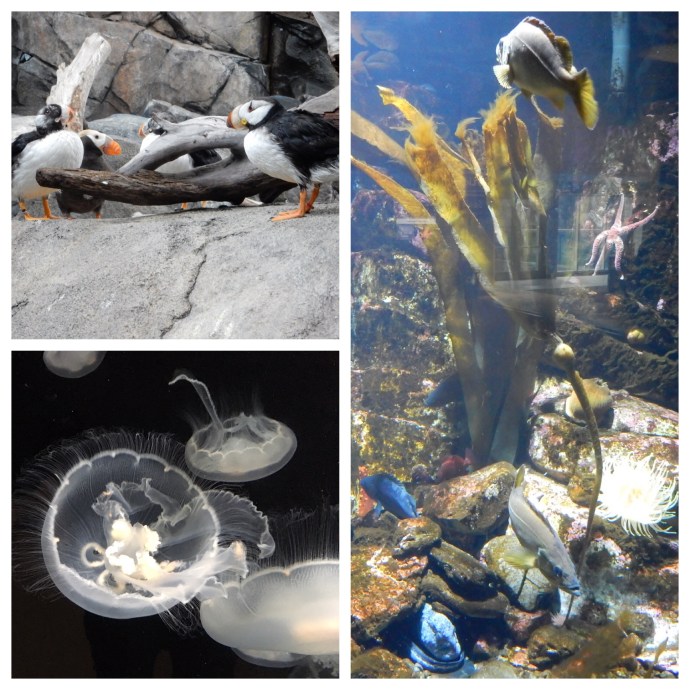
Alaska Sealife Center in Seward
Besides keeping us dry, the Sealife Center gave us an opportunity to closely observe some of the animals we have been seeing. The puffins, for instance, were much cuter when seen from a close distance. Although the fish were ugly, the underwater creatures like jellyfish, anemones, etc. are always cute and surprising.
Educating the visitor to climate change and pollution’s impact was a consistent, secondary theme presented by the Sealife Center. Given the importance of the Alaskan fisheries to the production of seafood supplies, the theme is timely. It has taken a while for the world to understand sustainable fishing, now it has to more fully practice it.

Two of the many murals in Seward Alaska
During our time in Seward, we had the occasion to enjoy the many murals painted on the walls of buildings. Seward has been proclaimed the mural capital of Alaska, with about thirty murals scattered around the community. Local artists paint local scenes and topics. I will admit some of our photos came while driving from place to place during rainy Saturday rather than walking all over town to observe them. Seward is not the first town we have visited using murals to make a statement about local history and pride, but whenever it is done, we have enjoyed it.
A second indoor stop was at the Seward Community Library and Museum. The museum is small but was a visual insight into life in early Alaska. Seward’s ice free port, Resurrection Bay is over 900 feet deep, had long been its claim to fame for fishing and shipping. The 1964 earthquake changed that into tourism as the destruction by the earthquake and tsunami wrecked the piers and railroad line. The lengthy rebuilding process and less severe destruction in Anchorage switched the shipping function to Anchorage harbor and to Anchorage’s airports.

Statue in Seward honoring the Iditarod Trail, dog and man
The library/museum hosts two half hour films daily which we viewed. The first recaps the severity and impact of the earthquake. The second discusses the Iditarod National Historic Trail. Not to be confused with the Iditarod race, the Iditarod Trail was a dog sled route that predated the railroad and provided a means of travel for the early gold rush. The almost 1,200 mile trail began in Seward and ended in Nome, utilizing many trails used by indigenous peoples. Later supplanted by the railroad and then highways, the Iditarod Trail was an important supply route in the early days of Alaska. It has been recognized as one of the first historic trails in the U.S. by the Bureau of Land Management.
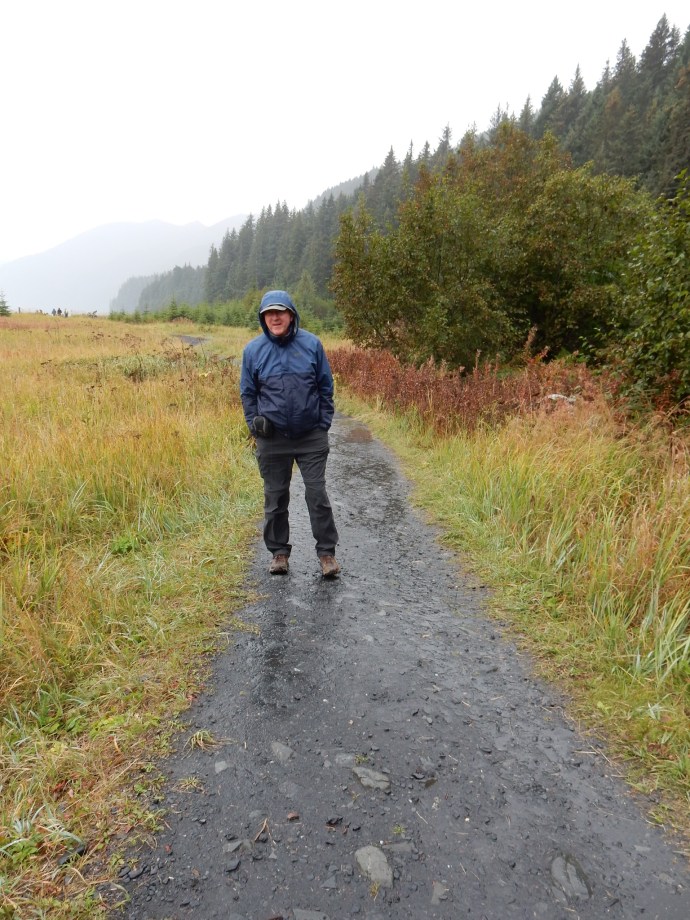
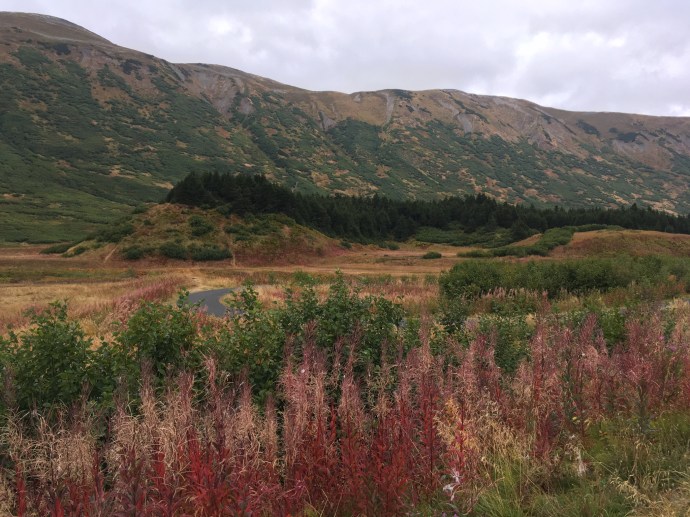
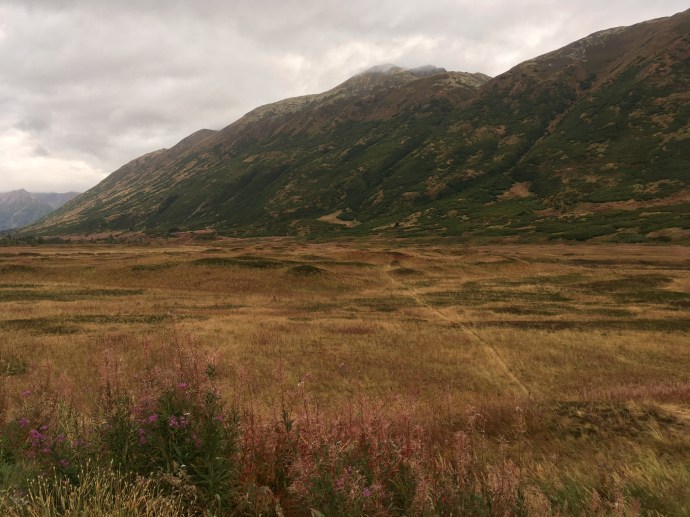
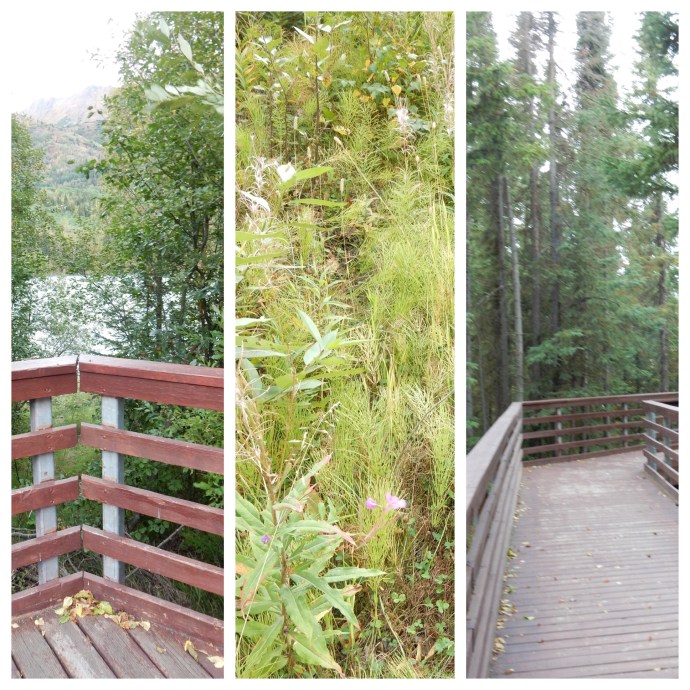
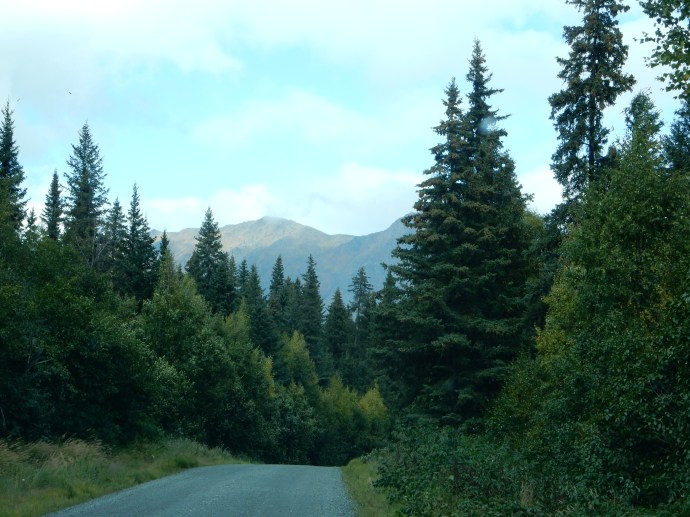
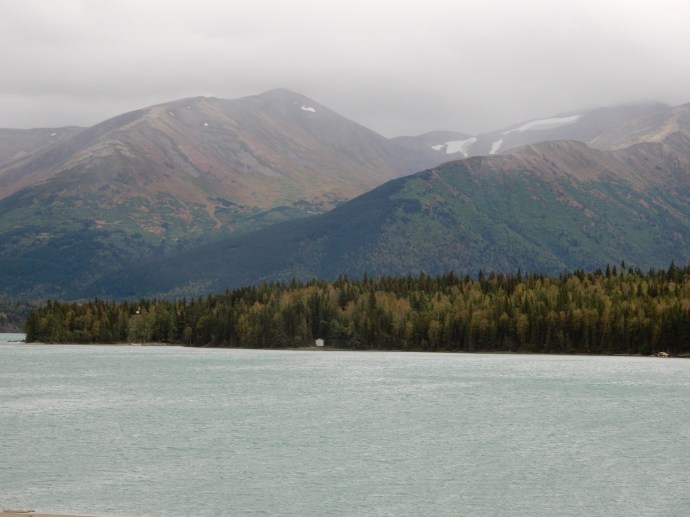
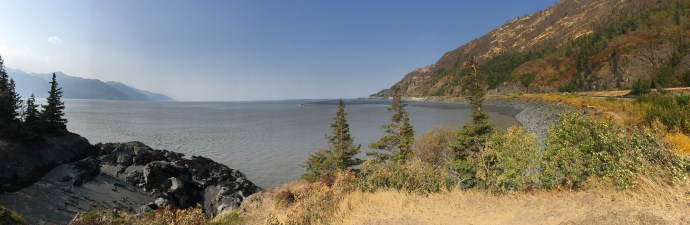
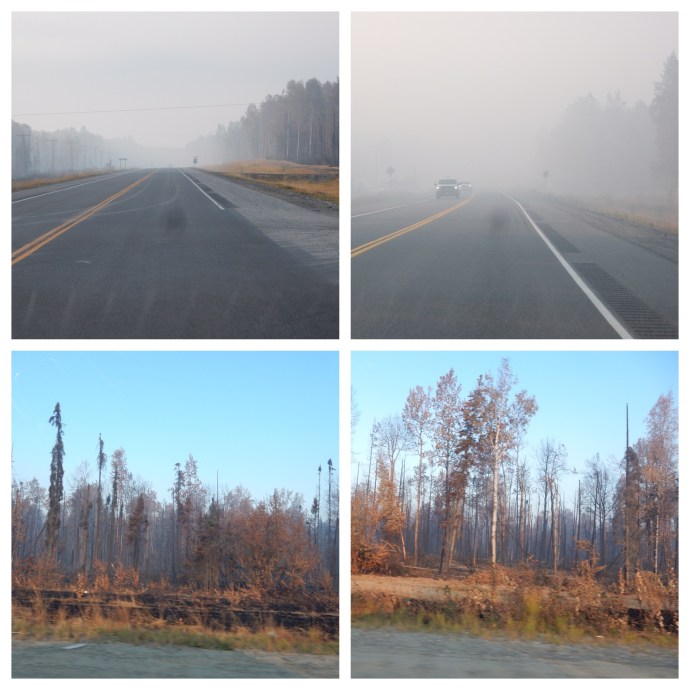
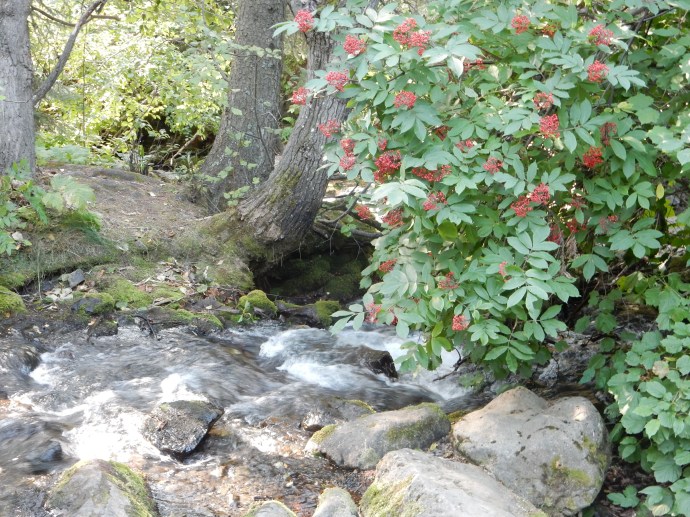
Fall in Alaska

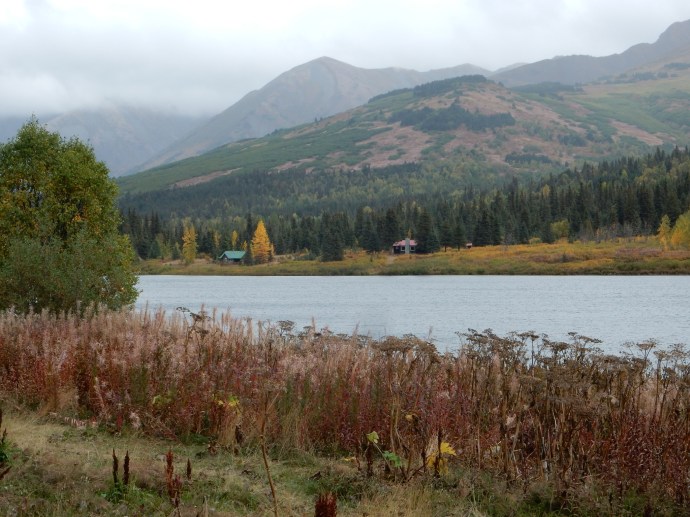
Fall in Alaska

After the videos, we left Seward for our last Alaskan destination, Anchorage. We will be here until Tuesday morning when we fly to Seattle. Sunday morning’s church service had another Minnesota connection as we met a woman who had recently been back there to visit family and had made sure she took in the Minnesota State Fair. It was a low-key day, still a bit drizzly. We walked along Earthquake Park, built around a portion of town that actually slid into Cook Inlet during the 1964 earthquake. The signs here confirmed the earthquake impact but that Anchorage was spared the tsunami that destroyed so much of Valdez and Seward.

Fixed wheel plane using road to reach runway at Lake Hood Floatplane base
The highlight of the day was time spent at Lake Hood Floatplane Base. This is the largest seaplane base in the world with over 2,000 take-offs daily. There is a runway for fixed wheel planes also so we were constantly turning our heads to determine if the sound of another plane’s engine came from the land runway, the water runway, or the skies. Besides large closed hangers, open storage of planes occurred at large marina like locations but also stacked alongside the roadway. Frequently a small building would be built alongside the planes along the roadway. Signs warn you to yield to planes on the road which we thought was cute until we actually observed a plane warm up and head down the road to the land runway.
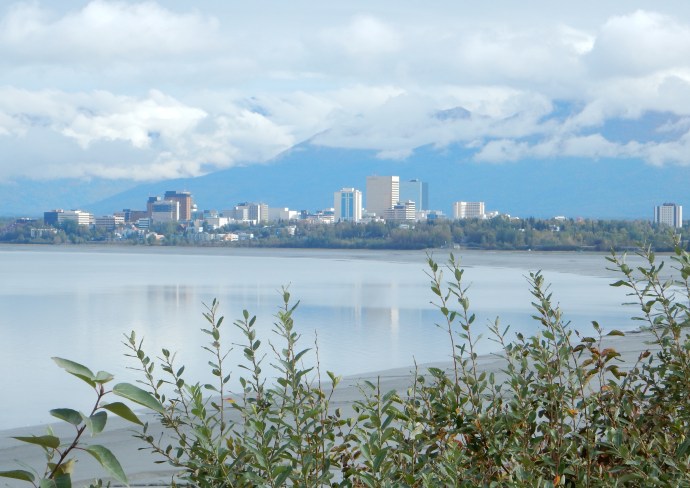
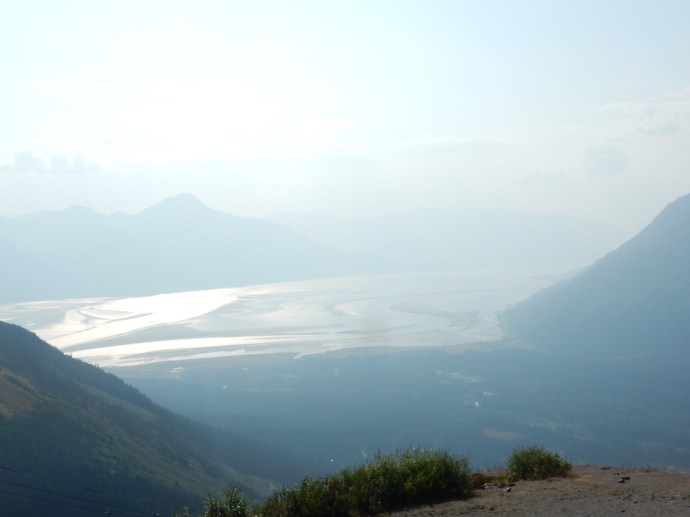
Anchorage Alaska skyline
Ed and Chris Monday September 9 4 AM





 Chris Klejbuk and Ed Heimel travel adventure
Recent Comments