

Missoula, Montana
Tonight we were supposed to be staying in Butte, MT. Yesterday as we reviewed our upcoming plans, we made a mid course correction. Given the narrowness of the northern section of Idaho, we found it easier to drive back and forth between the two both today and again later in the trip.
The objective for today was to visit Grant-Kohrs Ranch, a NPS National Historic Site in Deer Lodge, Montana. Originally, we had planned to go to Butte to spend the night, just 40 minutes away from Deer Lodge. If we had time, there were one or two other places to visit. Then tomorrow we would drive back to Idaho over the mountains on scenic route US 12. But driving back to Missoula tonight instead would save us 90 minutes of driving time tomorrow before we even started on U.S. 12
The drive on U.S. 12 is supposed to be very scenic, curvy, slow, two lanes, with scenic overlooks, and some Nez Perce historic stops also. It was the drive most difficult to predict how long it would take. Extra time could not hurt. We canceled our Hampton Inn reservation for Butte and made one for Fairfield Inn, Missoula.
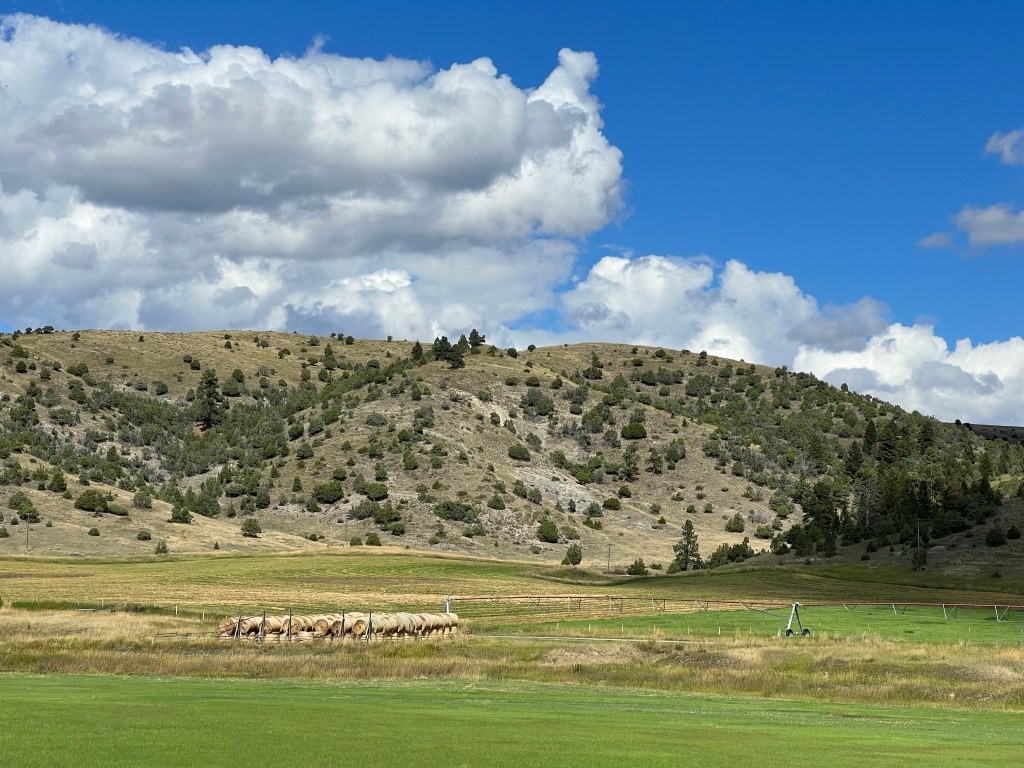
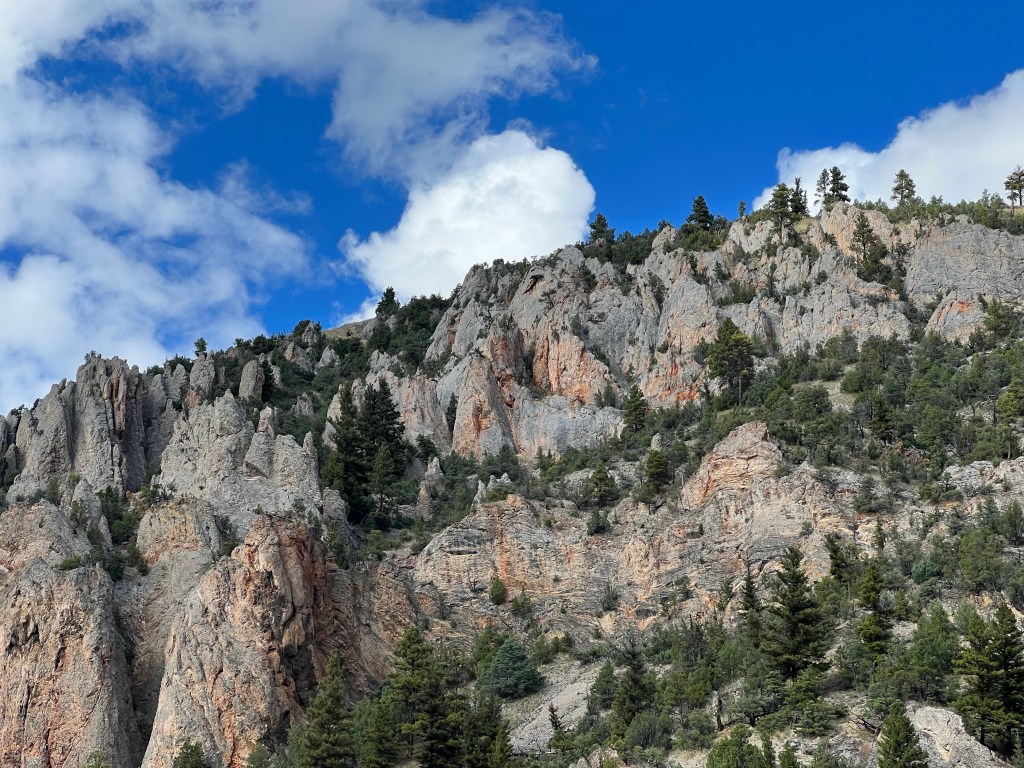
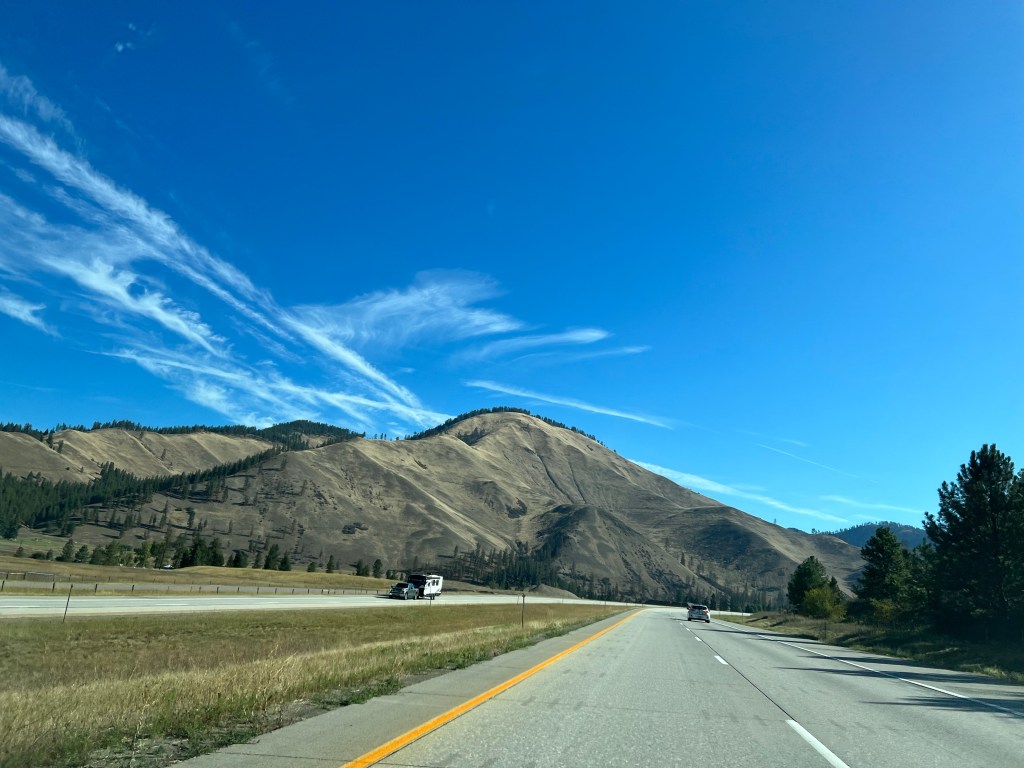
Leaving Kellogg we were driving on I-90 with steep-sided Bitterroot Mountains on either side of us. Low hanging clouds were just slightly above our car. It took about an hour of driving until we were out of the mountains and down into the high plains of Montana. It was another 2 1/2 hours, plus an hours worth of time zone change, until we reached Grant Kohrs.
This national historic site is dedicated to the preservation and memory of the open range time in Montana. From 1860 until about 1900, the open range cattle raising system switched to the new fenced in cattle raising method. A very major factor prompting this change was the terrible winter of 1886–1887. A hard snow, a thaw, followed by another hard snow and freeze left the range covered with ice. The cattle were unable to break the snow and ice in order to reach the grass beneath. Bison, the previous grazers on the open range, did not have difficulty with these types of conditions. However, they had been pretty much exterminated by this time.

Ranchers realized they needed a better knowledge of the location of their cattle and greater supplies of hay to feed them in difficult times. In order to do this, fenced in land started to sprout up along the range, reducing the open areas for cattle, and cutting off the cattle trails.
Johnny Grant was of Metis ancestry and knew the area. He realized this valley would provide a luxuriant grassy valley for winter grazing of cattle. He convinced others from a variety of backgrounds to join him and the town of Deer Lodge was begun. As times changed and new people moved in, Grant moved back to Canada.
Grant sold his land and holdings to Conrad Kohrs, a German immigrant. Kohrs, his wife, and brother worked hard, diversified their holdings, and eventually amassed ten million acres of ranch land across three states. They conquered the challenges of the great winter, as well as normal business challenges. They bred horses. They began shipping cattle directly to market in Chicago. Their heirs continued the ranch, eventually selling off the land and dedicating 1600 acres to the National Park Service, along with family furniture and mementos. The ranch is managed actively by the Park Service with cattle, horses, chickens, etc.
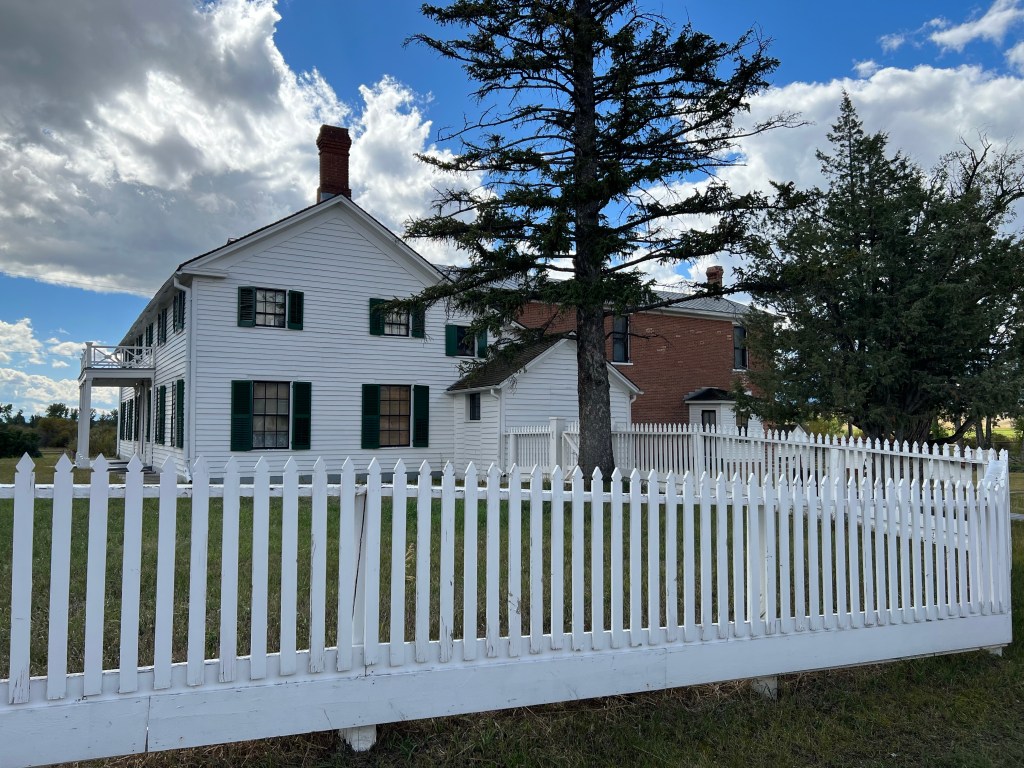
We were lucky enough to have an hour long tour of the home begun by Johnny Grant and expanded by Conrad Kohrs. The park ranger provided background and historical setting for the two families in greater detail than what we have discussed here. I came here, uncertain of what to expect, but walked away with greater knowledge and appreciation for the area than I had before hand.

Ed and Chris, Missoula, Montana Sept. 5





 Chris Klejbuk and Ed Heimel travel adventure
Recent Comments