Posts Tagged With: North Shore of Lake Superior

2018 Trip 6: The Gunflint Trail, Dec. 5-6

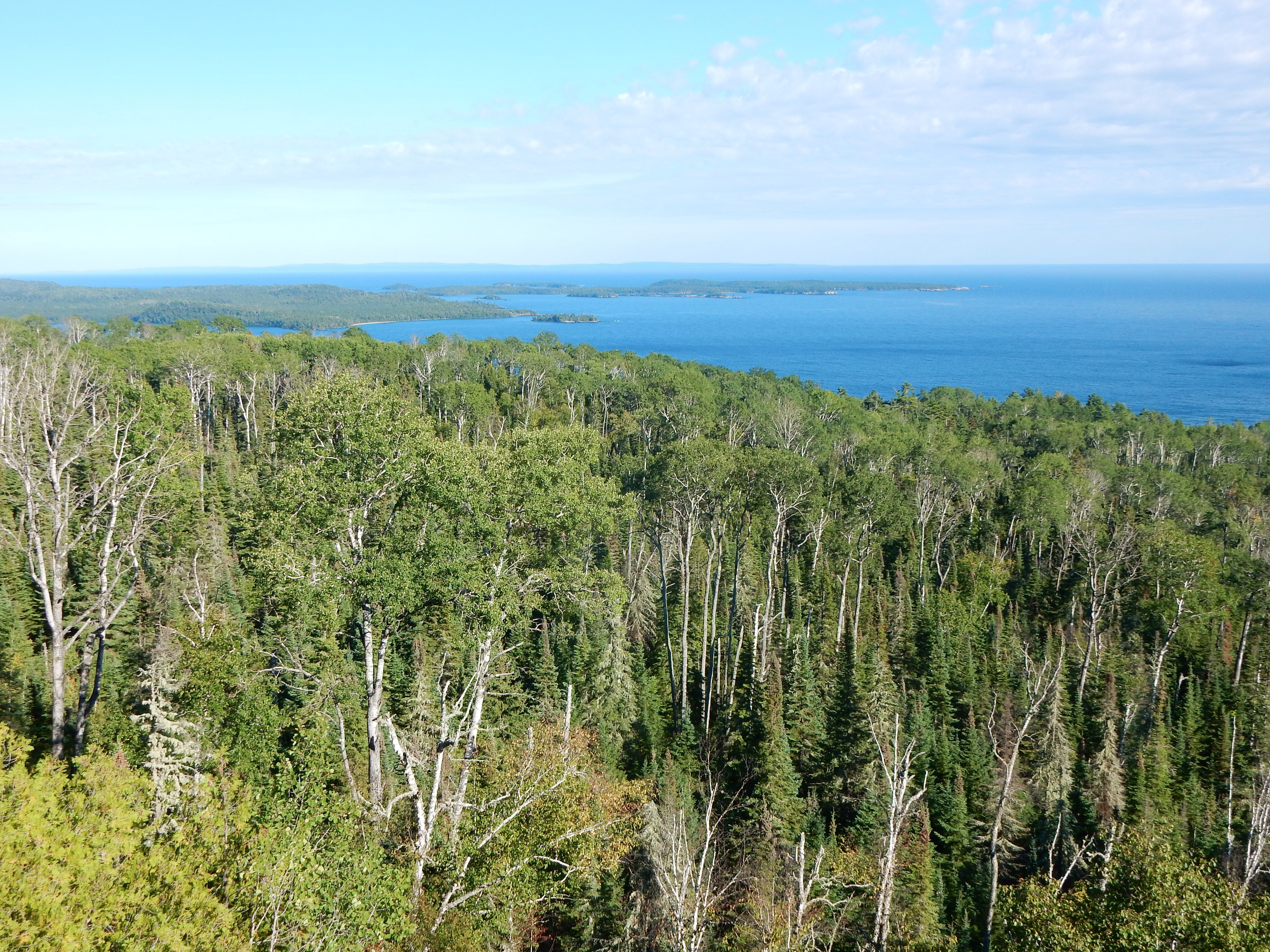
Gunflint Lake from Lookout Point

Gunflint Trail, Grand Marais, MN Dec. 5-6

Wednesday was our last full day at Gunflint. We hiked up to Lookout Point for a high view of the still unfrozen Gunflint Lake. We overheard at the lodge that almost all other lakes had frozen over, evidently Gunflint is frequently one of the last lakes in the area to freeze over. Of course, this is the same place where I heard one gentleman state: ” I used to drink Pabst Blue Ribbon but then in high school I switched over to Miller’s.”

Driving to the end of the Gunflint Trail

Still hoping to see moose, who did not come wandering in front of our cabin window, we drove the last 12 miles of the Gunflint Trail. The day had started to lightly snow, sort of the snow that you know is fake on the Hallmark Channel Christmas movies; a light, wispery couple of flakes here and there. As we drove to the end of the trail, seeing neither people, autos, or moose, the snow increased. We probably ended up with an additional two inches of light, powdery snow that day. Chris took a few pictures of rocks to prove we had been here.

We even skipped lunch, despite it being paid for in our meal plan. We have just been enjoying the food, eating more than we normally would at home. Another meal might have had us explode-and it would have made it difficult to finish the larger meals served at dinner time. Our last Christmas cards were addressed, completing one of the tasks we had brought with us to work on during slow times. One more naturalist program awaited us. John, the naturalist, is a jack of all trades and gave an afternoon performance of country music. Besides enjoying the music, we conversed with him about various country artists. John knew much more than we did, but we were able to pitch in about several country western museums that our 2018 travels had brought us to.
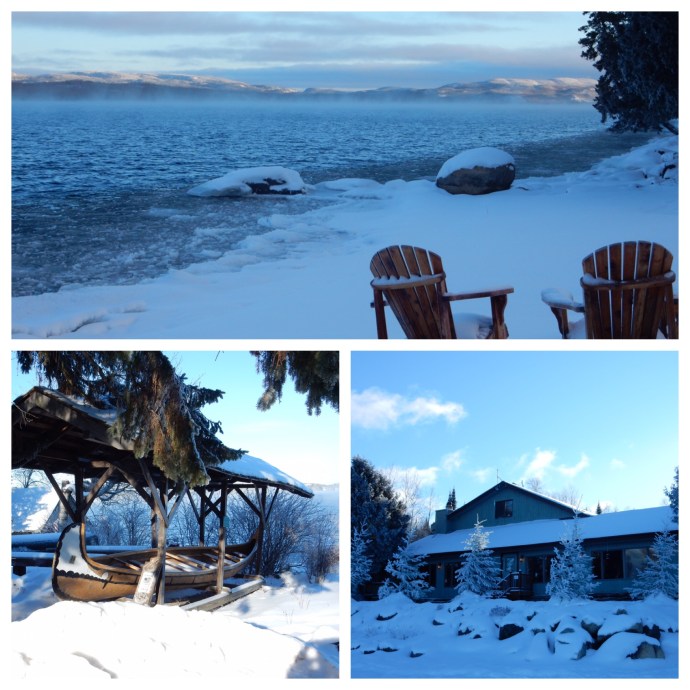
Thursday morning at Gunflint Lodge
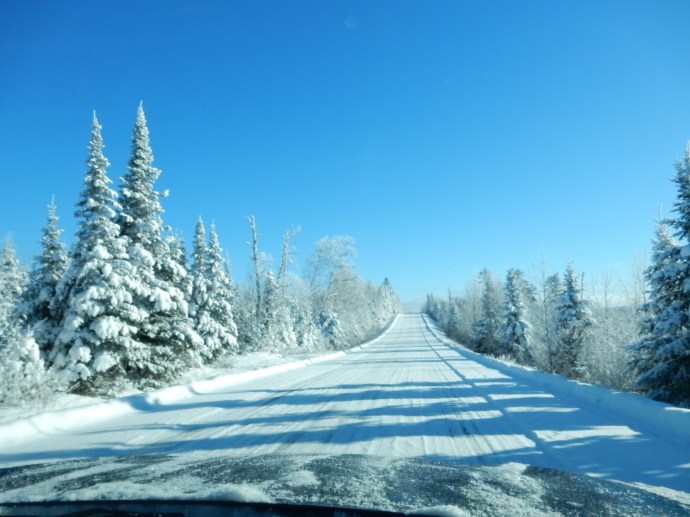
Leaving Gunflint Lodge and driving back to Grand Marais

Thursday morning we packed up and said good-bye, thoroughly enjoying our time at the Gunflint Lodge. I know I drove slower than the locals on the way back to Grand Marais and Highway 61 since I pulled over several times to let cars pass. The two inches of powder from the day before was primarily packed down; the snow plow we saw was heading up the Gunflint and had no impact on our driving lane. A shopping stop in Grand Marais was successful for some items for me and a few Christmas gifts. The drive to St. Paul was still another 4.5 hours but under sunny skies. The truism that cloudy skies in winter are usually warmer than clear skies was accurate today. The blue skies made for brighter pictures but it was probably 10-15 degrees colder than Monday through Wednesday.

Have you ever been asked by a company how you found them, internet, direct mail, etc? In most cases, when I even remember, it is a mix of factors. Such it was for our next stop, Wild Country Maple Syrup. We had left Grand Marais and were heading home. Along the side of the road, I observed one of those state transportation signs thanking a person, family, company, etc for picking up litter along a particular section of the road. This sign thanked Wild Country Maple Syrup. It rang a bell. My cousin and her husband had mentioned this place after their recent visit to the North Shore of Lake Superior. Chris did a quick search and found that the company was about a 20 minute drive off Highway 61. We looked at each other and said why not, we are retired, what is another hour or so for the drive home.

Sap collecting tubing lines at Wild Country Maple Syrup

The 20 minute one-way estimate was accurate even those the miles were much less. Once again, the paved clear road transitioned down to a snow-covered lane and a half road lightly traveled. As we neared Wild Country, we noticed the plastic lines my cousin had mentioned. This company taps into thousands of maple trees over the 320 acres of land they own. 60 plus miles of food grade PVC tubing collect the sap in the spring and bring it into the sugaring house. When sugaring is over, all of the lines and 18,000 plus taps have to be cleaned. At the site, the sales building had an open sign. Well, that was accurate. The door was open and interior notices indicated this was an honor system of payment. You took your selections of maple syrup, noted them in the ledger, and then dropped cash or a check in one box or used an app program to pay by credit card. We dutifully complied and left without seeing a soul.

We made two other quick stops, one at the gift store at Split Rock Lighthouse (nothing of interest) and at the Rustic Inn Cafe for a meal/snack. From there, it was all clear sailing until reaching St. Paul around 7 PM. Next trip, two weeks in Orlando in mid-January.

Wild Country Maple Syrup sales building

Ed and Chris Saint Paul MN Dec. 7

Categories: road trip, travel | Tags: , , , , , , | Leave a comment

2018: Staying Home for Awhile, September

Lake Superior sunset

October 1, 2018

We know that September has only 30 days, but did this past month just seem to fly by for you? It did for us. Some time at the North Shore, a mini getaway to Minneapolis and celebrating old and new “friends” had us busy for most of September.

Fun at our cabin on Lake Superior

After saying good-bye to Deb and Rebecca as they returned home to the Boston area, we picked up Chris’ sister Kathy and headed up to the North Shore. We stayed at a “mom and pop” cabin lodging in Little Marais, right at the edge of the mighty Lake Superior. This was our 4th time at this cabin and Ed noticed that the shoreline seemed “higher” than last year. In talking with Dean (the “pop”), Ed learned that in the fall of 2017, the shoreline at the cabins at Little Marais experienced a battering of 30 foot waves that washed away some of the shoreline. In the spring, as part of the restoration from the damage, they decided to add more dirt to create a little wall above the rocks.

The first home of the 3M Corporation

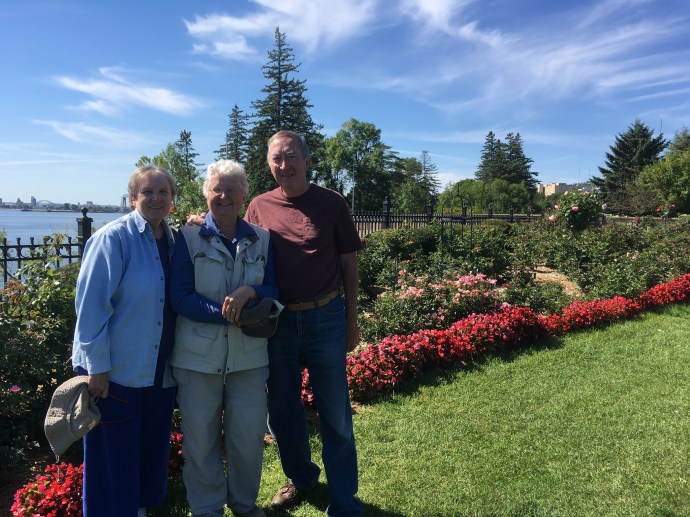
One of our regular stops when traveling to the North Shore, the Duluth Rose Garden

The weather was generally quite nice and we were able to enjoy walks and drives in the area. In Two Harbors, we introduced Kathy to the 3M museum. In this small town in 1902, today’s huge conglomerate named 3M (formerly named Minnesota Mining and Manufacturing) had its origins. The museum is small but cute, run by the local town, not the corporation.

Mid-month we had an urgent request from an Evergreener from North Carolina asking if she could spend a week with us to flee from Hurricane Florence. She had stayed with us in August and has 2 sisters in the Minneapolis area; however, both have dogs and she is allergic to animal fur. We were able to host her for the time and believe her house in Raleigh was not damaged.

The Mississippi National River and Recreation Area closed its coverage at the St. Anthony Falls in Minneapolis at the end of September. Ed did several 6-hour volunteer shifts there throughout the month and had his last shift on 9/28. He locked his keys in the car that day, so Chris enjoyed the nice fall day to bus/light rail to bring over her key set. Ed is continuing his National Park volunteering at the main visitor center in St. Paul on Thursday and both Ed and Chris are volunteer docents on Tuesdays at the Bell Museum.

The Minneapolis Federal Reserve Bank

Speaking of Minneapolis, we had an evening fundraiser (for the Mississippi River) to attend in Minneapolis and decided to stay overnight (for 2 nights) to “walk around” town. The day for our exploration was not raining but a bit chilly. However, we tried out new restaurants for breakfast and lunch, had a wonderful tour of the Federal Reserve Bank in Minneapolis and ended the day with 11 miles on our step counter.

The train ride in Osceola WI

We celebrated our 46th wedding anniversary this month by taking in a lovely fall train ride from Osceola, Wisconsin to Marine on St. Croix, Minnesota.

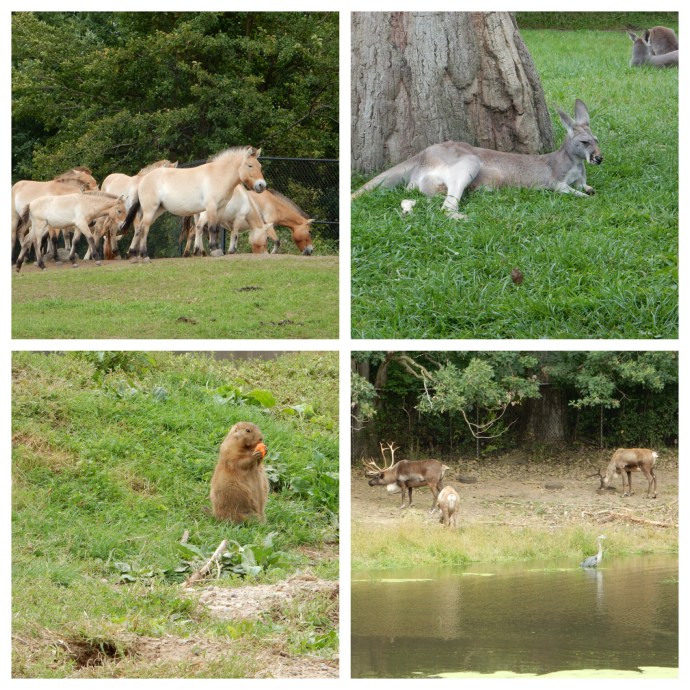
Some animals from the MN Zoo

One of Ed’s National Park volunteers arranged for an outing to the Minnesota Zoo with a talk there by a naturalist on mussels. Mussels originally had been very plentiful in the Mississippi River but had been harvested for years to make buttons. Plastic is now the material of choice for buttons. There are efforts underway to restore the river’s mussel population.

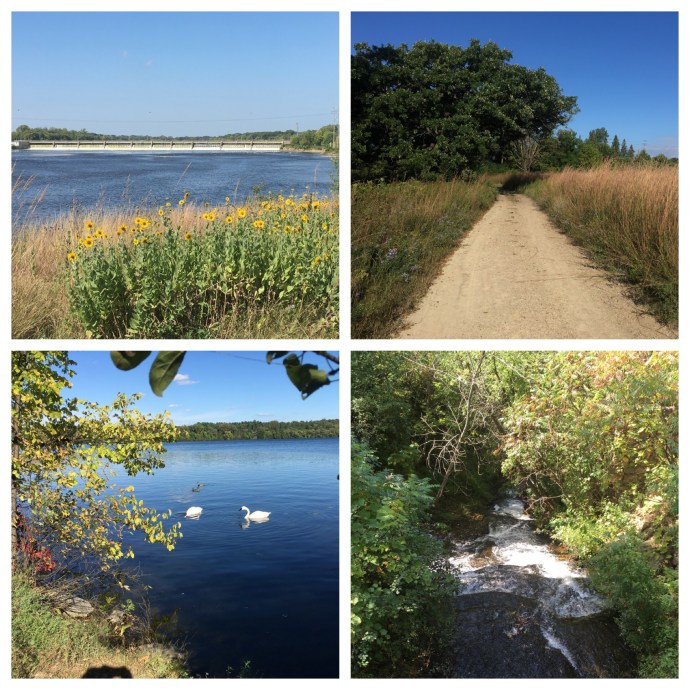
Some of our hikes during September

While it seemed that we had a lot of rainy days in September, there were enough nice fall days to get us walking to area local parks. We are so very, very fortunate to have a fabulous free park system near to us, from right across the street, to right over the bridge, to an easy bike ride, to a short drive. We enjoy water, trees, wildflowers, occasionally animals, and plentiful birds. Sometimes we have been the only car in the parking lot and see no one on our hikes. We bring a picnic lunch and for a short time are able to forget about the conflicts in our country.

Some views on the Nooks and Crannies Tour at MN Landmark Center

Last week, we went to another evening function, the 40th anniversary of the Minnesota Landmark Center. This elaborate old federal building was on the verge of being demolished when two women joined together and began a succesful movement to save, restore and re-use it. Ed’s mom was a volunteer here for numerous years before she died in 2007. Over the years we have attended events here but at its 40th anniversary celebration we were able to take a “Nooks and Crannies” tour. Highlights included the enormous old boiler room, the Elvis memorabilia display kept by the maintenance staff, and an amazing view of the St. Paul skyline from one of the open air towers.

Coon Rapids dam on the Mississippi River

Chris and Ed
Oct. 1, 2018

Categories: travel | Tags: , , , , , , , | 2 Comments

2014 Trip Six, Sept.8, Fall in Canada and Deb and Rebecca’s Wedding

Thunder Bay, Ontario Monday September 8, 2014

Trip Six is underway, thankfully since we must have spent too much time at home between trips. We were not completely into our travel mode today. We got out of town an hour later than planned. The Finnish restaurant we were going to have dinner at in Thunder Bay closed an hour before we arrived. The planned hike to a falls just over the border took longer than expected and we decided to not complete it.

Not all was discombobulated though. We purchased Canadian money before leaving home. We had our hotel reservation for tonight as several people called or stopped at the hotel while we were checking in and they were told the hotel was full. We left our bear spray behind and did not have to declare it at Canadian customs/border. We knew we would be in the Eastern time zone once we crossed the border and thus lost an hour of travel time.

Sunday we had the car washed to start the trip on a nice note. But Highway 61 starting south of Grand Marais and for 10 miles into Canada was under construction, much of it a gravel surface that has eliminated any vestiges of cleanliness for the car.

Just a hint of the changing fall colors to come

Just a hint of the changing fall colors to come

As we begin this fall trip, the leaves are still green. We have observed a few shrubs starting to change colors. As time goes on, we expect to observe fall color changes in differing stages across the two countries.

First stop at Two Harbors MN

First stop at Two Harbors MN

Taconite plant in Two Harbors

Taconite plant in Two Harbors

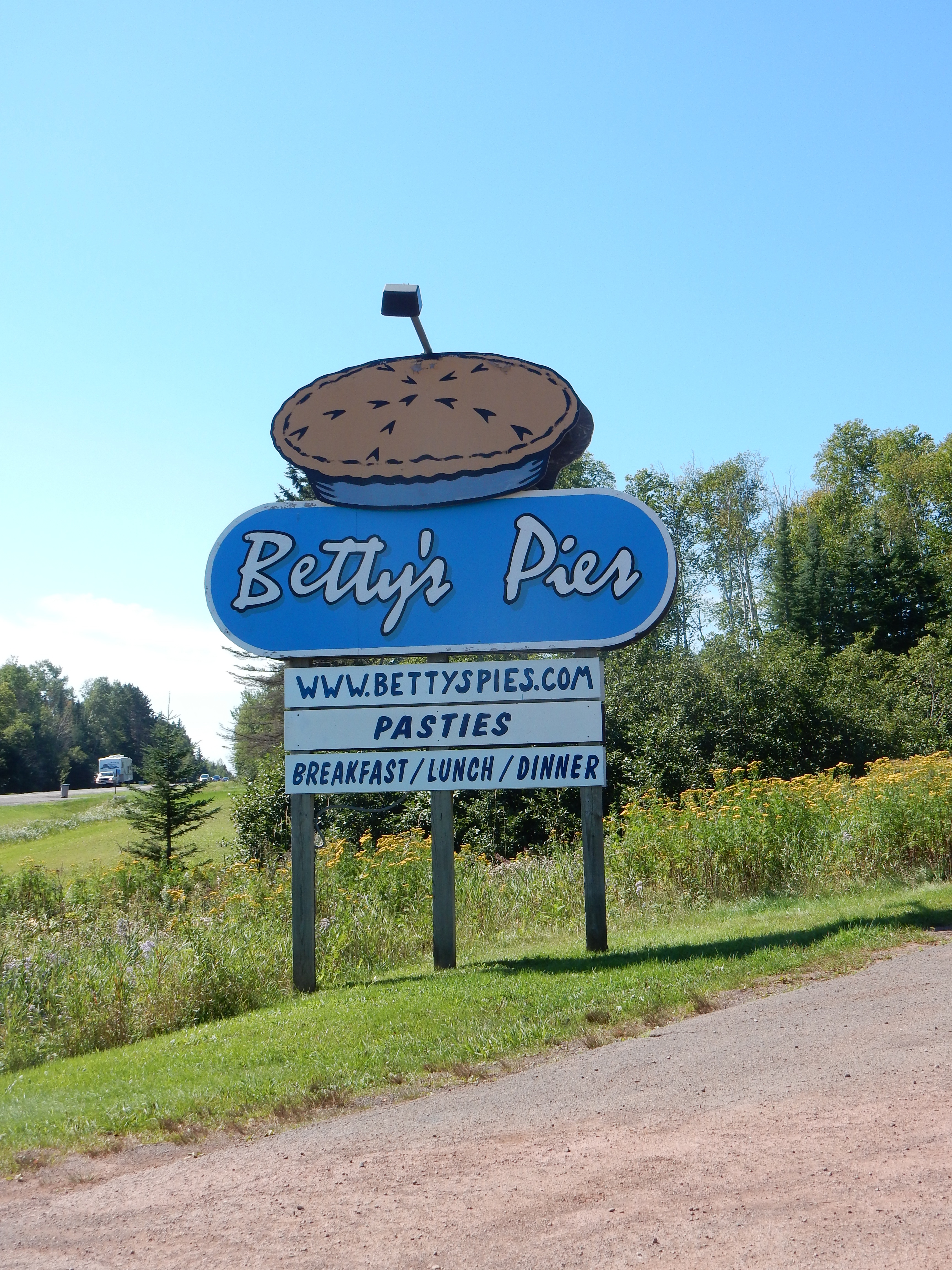
We made sure our first stop was valuable; we had lunch at Betty’s Pies in Two Harbors, a landmark on the North Shore of Lake Superior. Two Harbors has a nice overlook of the lake and a taconite processing plant courtesy of Cliffs Mining. I write that somewhat tongue in cheek. Those of you who are older might recall that Two Harbors was the site of the first taconite plant on the Iron Range, owned by Reserve Mining. A lawsuit in the early 1970s gained nationwide attention to the effect of the taconite tailings being dumped (legally at the time) into Lake Superior. After months of testimony, the federal judge gave the EPA permission to regulate and stop the lake dumping of tailings. There were long term economic and environmental ramifications, the case remaining notable to this day.

Lake Superior

Lake Superior

Lake Superior

Lake Superior

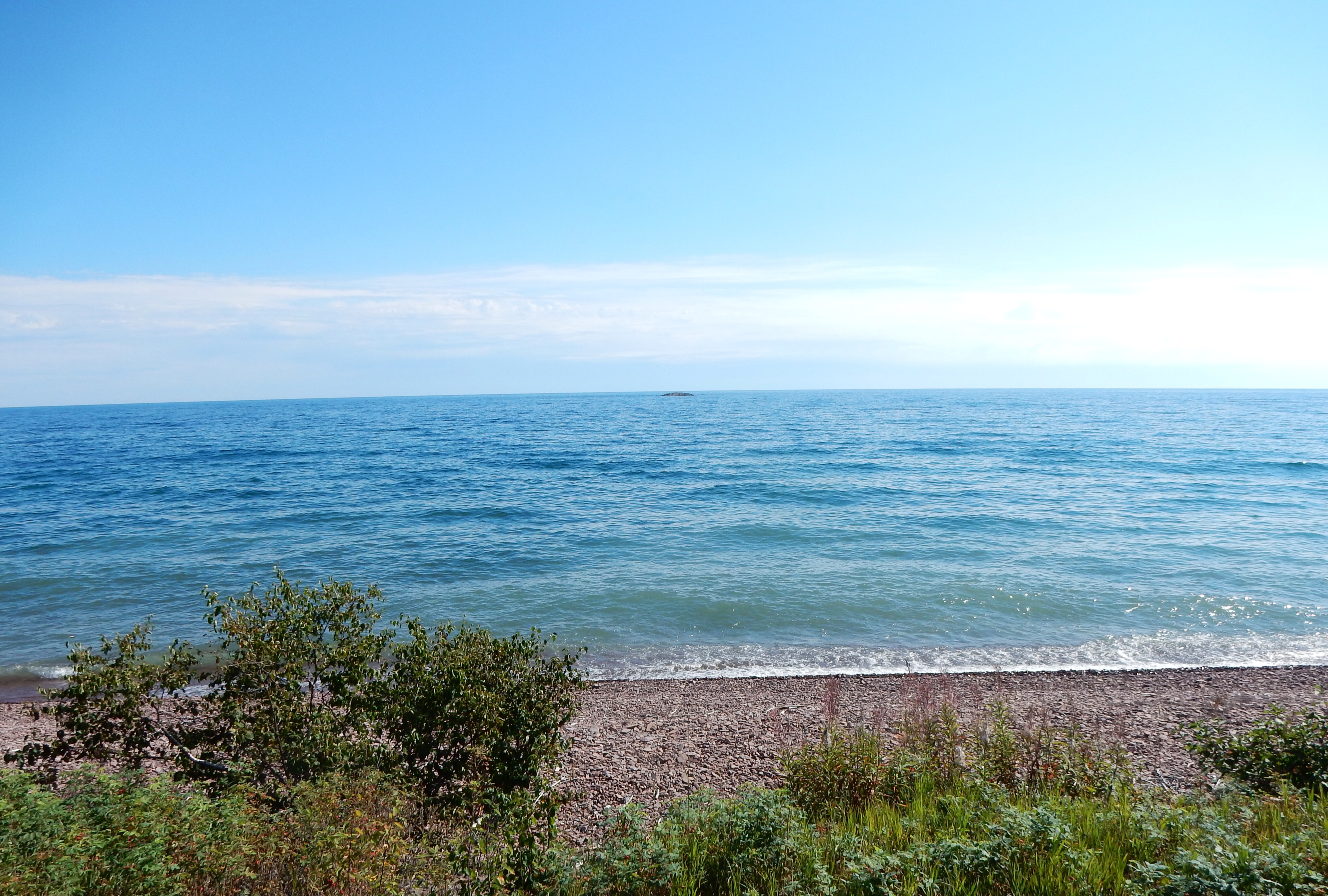
The North Shore of Lake Superior is not unfamiliar to us. The lake was beautiful today with blue water and skies. Tomorrow is likely to be stormy and the vast expanse of the lake creates dangerous weather for shippers.

The history of the area includes fortunes made and lost in logging and mining. The environmental movement preserved lakes and woods at the cost of high-paying mining jobs, a tension that still exists in the area today. Tourism has gained a strong foothold as those same forests and lakes attract tourists, fishers, boaters, hikers, etc. The North Shore Drive was one of the early scenic drives in American, drawing over 1,000,000 visitors a year before WWII. Split Rock Lighthouse is a well known landmark and numerous rivers fall over cliffs rushing to the lake creating myriad waterfalls.

Given the time change at the border, we only made one tourist type stop. We visited Grand Portage National Monument six miles south of the Canadian border. The name goes all the way back to the 1700s when fur trading was an important trade between North America and Europe. Trappers shipped beaver and other furs from western Canada, and the US, to Montreal for trans shipment to Europe. However, the Pigeon River which leads into the interior of Ontario has miles of rapids and falls before it reaches Lake Superior. An 8.5 mile trail portaged around the rapids and led to a sheltered bay at what is now Grand Portage.

Looking down at part of the bay at Grand Portage

Looking down at part of the bay at Grand Portage

The North West Company established a headquarters at Grand Portage to barter and ship the pelts east. However, after the U.S. won the American Revolution, the border with Canada was set at the Pigeon River. Grand Portage was in the U.S. and the headquarters had to be re-located into British-controlled Canada. The friendly and mutually economic transactions ended for the Ojibwe. U.S. control ended up with the Native Americans losing most of their land and left them with the usual unfulfilled treaties.

Tonight we are in Thunder Bay, about 40 miles north of the border. Thunder Bay has a population of about 110,000 people and was formed in 1970 combing the cities of Port Arthur, Fort William and two townships. After years of competition, local communities got together and requested the provincial government to create a larger, merged community. This far thinking act has been successful in attracting more educational institutions and businesses. We passed the large paper plant run by Resolute which provides the newsprint we observed at our tour of the Minneapolis Star.

Ed and Chris Sept. 8;

Categories: road trip, travel | Tags: , , | 2 Comments

Blog at WordPress.com.