

Pipestem, WV April 25
In a short stretch of southcentral West Virginia sit three national parks: New River Gorge National Park and Preserve, Gauley River National Recreation Area, and Bluestone National Scenic River. Previously we had visited New River, so Gauley and Bluestone were our targets for this trip. We are using McKeever Lodge at Pipestem Resort State Park as our headquarters, staying here for three nights.
Our route from Appomattox was about 200 miles through valleys and up and down mountains. Part of the route was on two lane, curvy, twisty, narrow roads. The other part was on I-64, 4 lanes and faster but still hilly. Greenery has increased mightily with redbud and dogwood providing variety of color. Before arriving at our lodging, we stopped at the National Park Service’s Sandstone Visitor Center for New River, gathering brochures and tips from the park ranger-who was quite familiar with Minnesota and the Twin Cities.

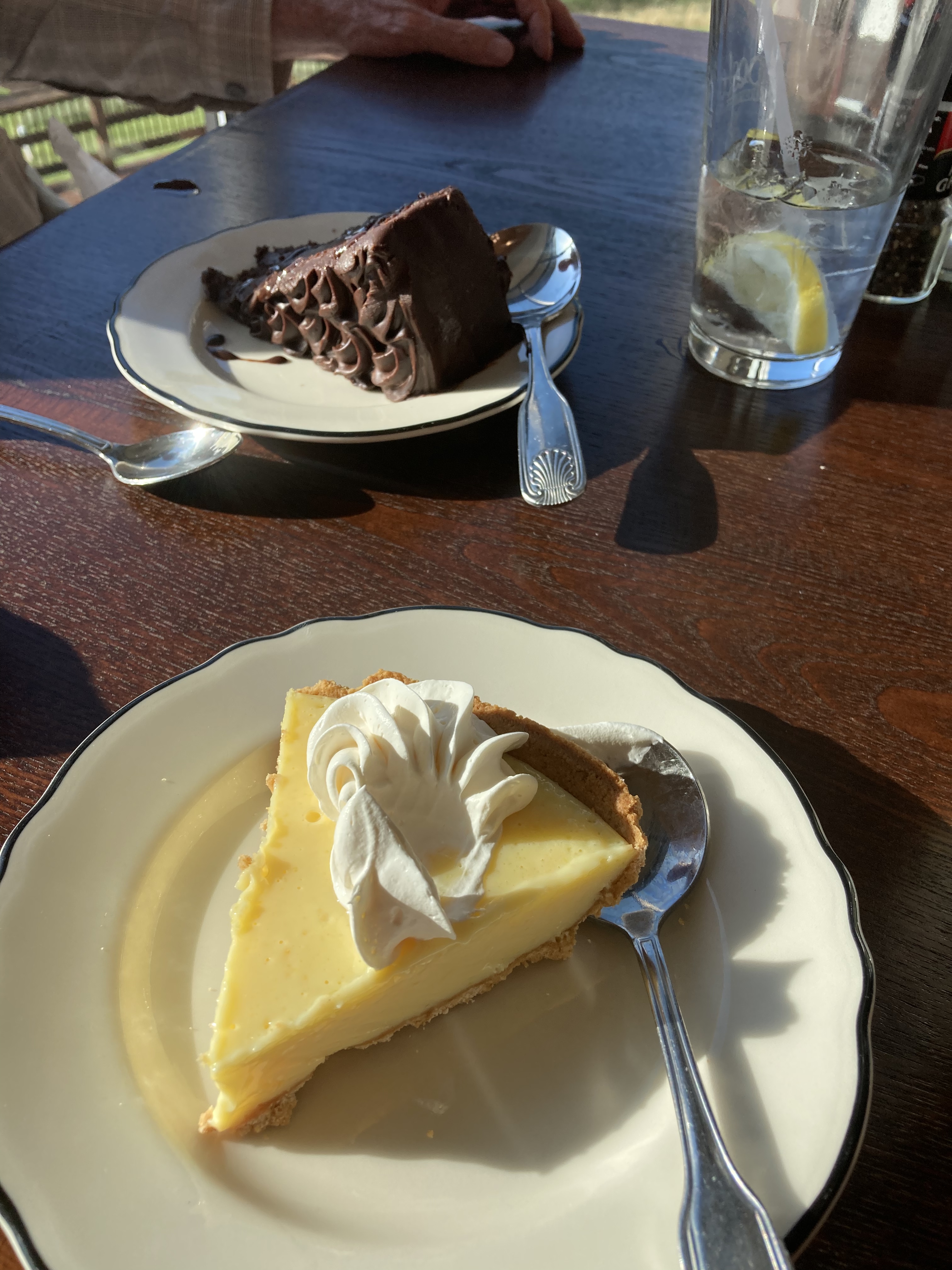
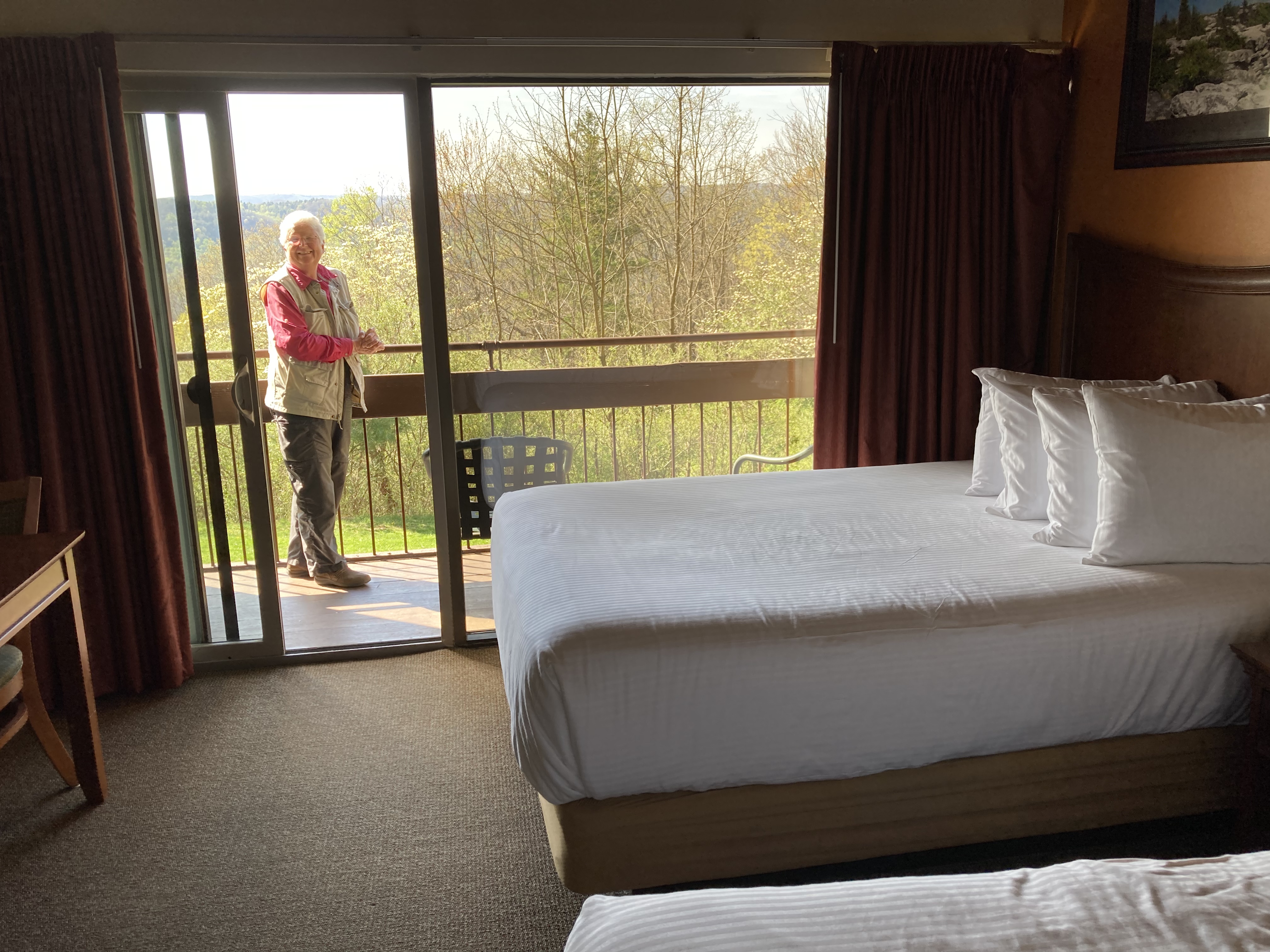
We arrived Sunday night in time for dinner at the Lodge’s restaurant. Our lodging rate is very reasonable, cheap even, but we do need to pay for our meals, Even so, with the cost of breakfast tossed in, it is still less expensive than our usual motel type. Food is excellent. View of the Bluestone River canyon is great. Monday weather was great, Tuesday is rainy so we are staying in, watching the clouds over the mountains, and working on miscellaneous tasks. Last evening Chris watched the sunset from our patio. During the night I watched the stars from our patio.

Monday was spent traveling to and visiting Gauley and Bluestone. Both of these NPS sites are geared toward recreation. Gauley was established in 1988 and includes 25 miles along the Gauley River and five miles of Meadow River. Gauley’s claim to fame is whitewater rafting. But, Gauley’s waters are regulated by the U.S. Army Corps of Engineers Summersville Dam. The dam’s primary purpose is flood control. This results in periods of low flows on the Gauley and then great whitewater rapids in the fall.
The river falls 668 feet through its run here with boulders, rapids, and huge waves bringing crowds of whitewater enthusiasts. The river includes many Class IV and V rapids, well above our level. Names of the rapids include pure screaming hell rapids, heaven help you rapids, and lost paddle rapids. Much of the year, like now, the river is low and the crowds non-existent. A few campers, hikers and people fishing were wandering around.
We did not ignore the New River. The historic town of Thurmond along the New River is under restoration by the NPS. Most of it is open during the summer but we visited anyway. The New River is actually one of the oldest rivers in the world, beginning near Blowing Rock in North Carolina’s Blue Ridge Parkway. On its journey through West Virgina, the New River connected over 80 coal mines and towns to industries along the river and around the nation. Railroads, primarily the Chesapeake and Ohio, followed the river on both banks.

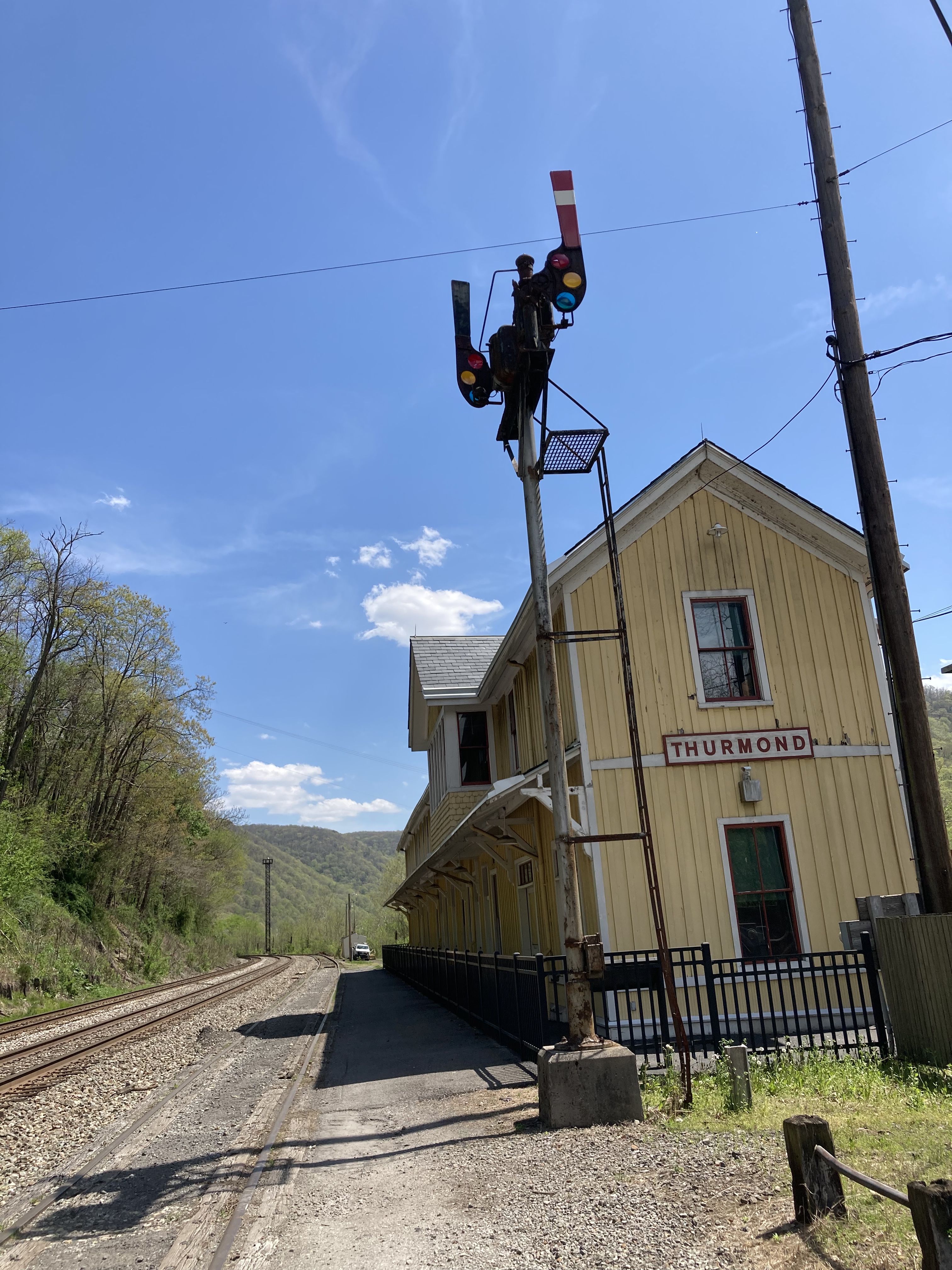

Thurmond was the bustling center of activity in the early 1900s. It was the rare widening in the river that allowed for company stores, railroad repair shops, steam locomotive refueling, etc. Thurmond was the major money maker for the C & O during that time, the banks here were overflowing with cash. Passenger trains stopped here 12-15 times a day. Freight trains rumbled through every 15 minutes. It was quite the place.
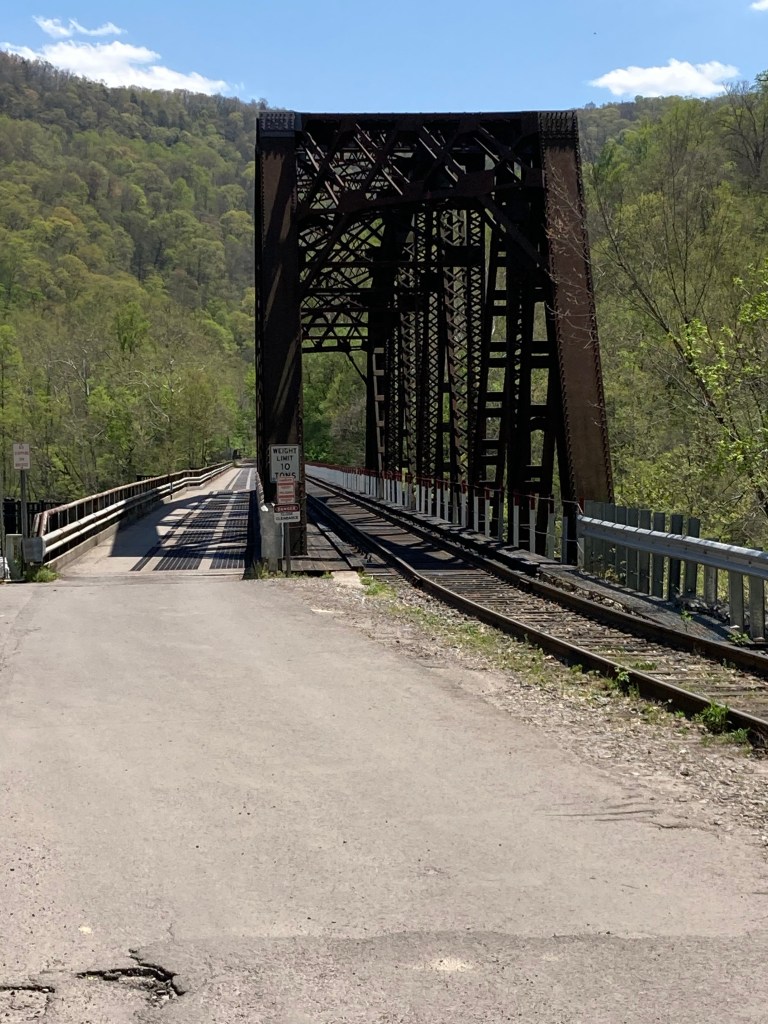
Times change. Diesel replaced coal fired steam locomotives. The use of coal from other parts of the country expanded. Autos replaced trains as major people conveyors. To reach Thurmond we took a narrow and little traveled road. The last step involves traversing a bridge with one way auto traffic and one set of railroad tracks. A town that once boasted numerous coal millionaires now has housing that does not have high market values. Thurmond, and several other small WV towns, are still stops on the Cardinal line of Amtrak as a ”Flag” stop with unmanned stations.

The last stop of the day was along the banks of the Bluestone River. When the Army Corps of Engineers completed the Bluestone Dam on the New RIver in 1949, it backed up the Bluestone River also. As we were told, the Corps calculated too high about the size of the likely impoundment area. They condemned and purchased more land than they needed. The excess land, including the former town of Lilly, was transferred to the NPS as a Wild and Scenic River in 1988. It only goes for 10.5 miles. Ed

Ed and Chris Pipestem WV April 26
National Park Service sites visited: 311
 Chris Klejbuk and Ed Heimel travel adventure
Recent Comments