Posts Tagged With: Mississippi River Headwaters

2022 Mississippi River Headwaters-Itasca State Park

Park Rapids, MN Feb. 5, 2022

If you’ve read this blog for a while, you know that we have been at the headwaters of the Mississippi River before. It’s located in Itasca State Park in northern Minnesota. We are here for a late celebration of Chris’s January birthday. She enjoys coming to Itasca in winter time. We stay at heated lodging called the Fourseason suites at the state park. We came in Friday and will leave Monday morning.

The weather has been pretty decent, particularly considering we were told it was 42 below just 24 hours before we arrived. Temperatures for us have ranged from zero to about 18 above. This morning we got about 2 to 3 inches of fresh snow which dressed up the area very nicely. Wind was reasonable except when we were at the headwaters where there was no tree shelter from the wind.

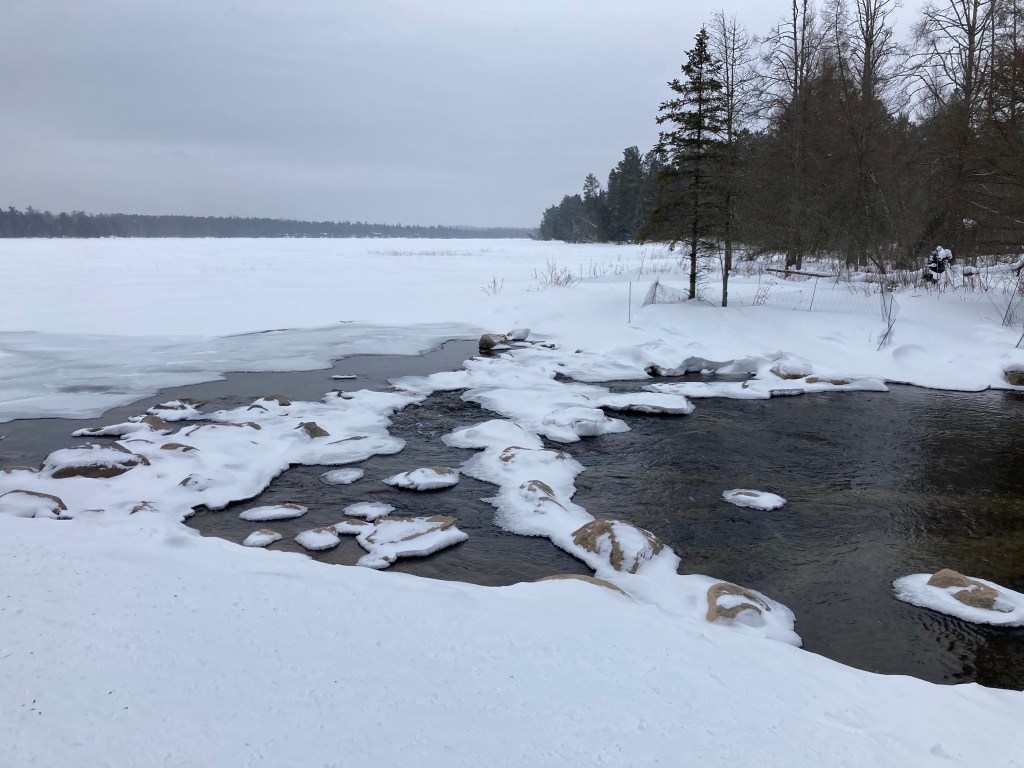
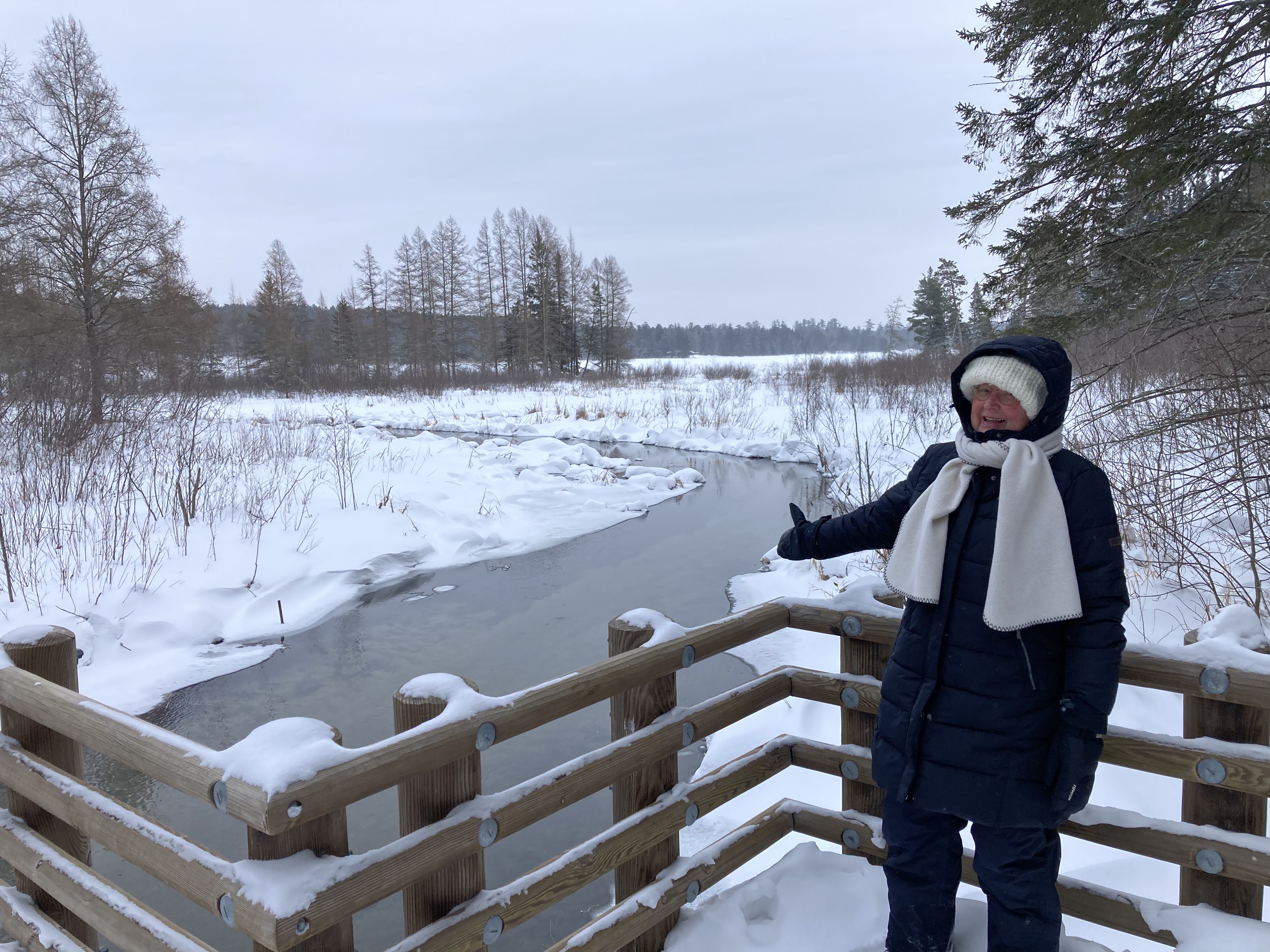
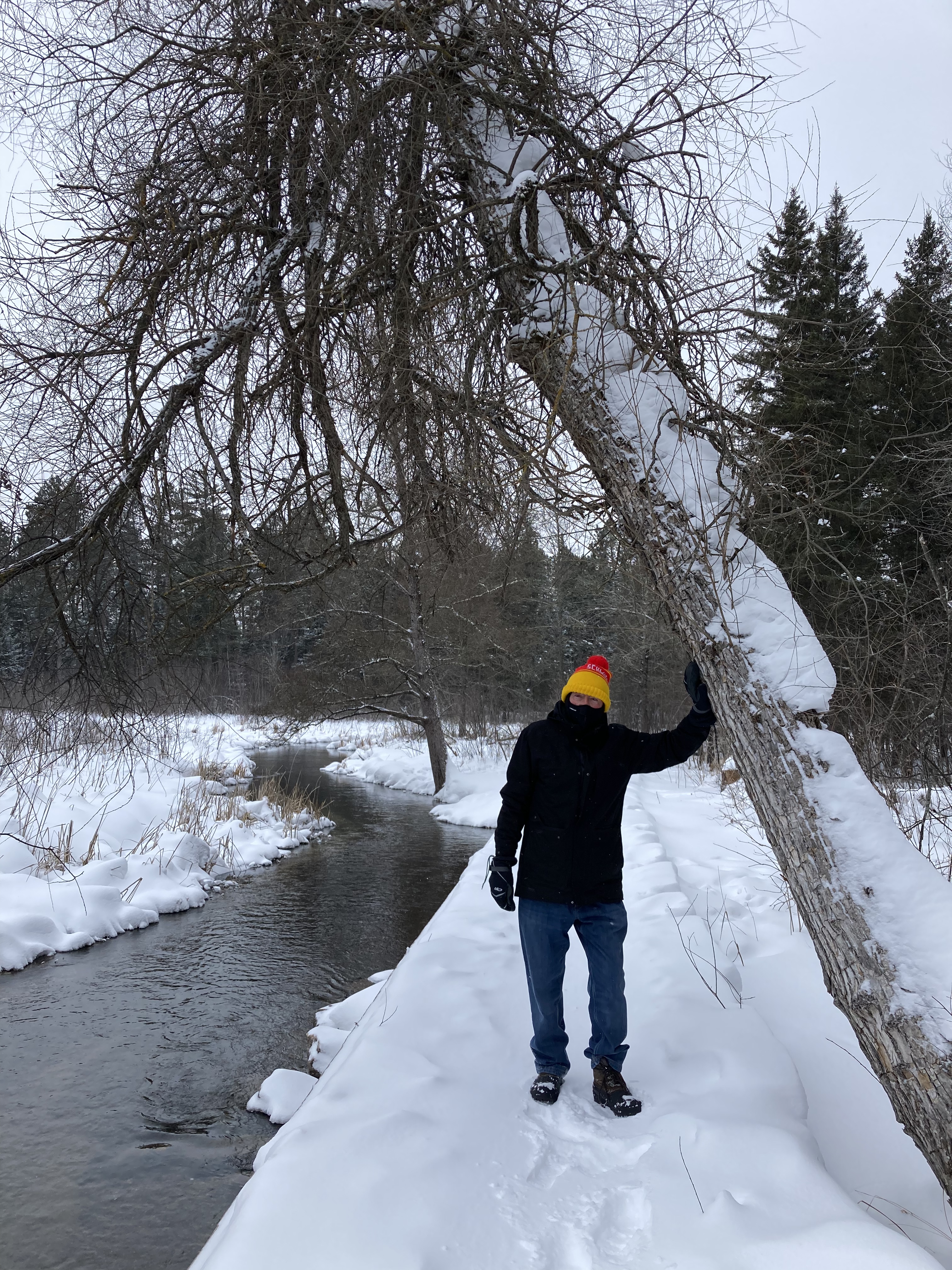
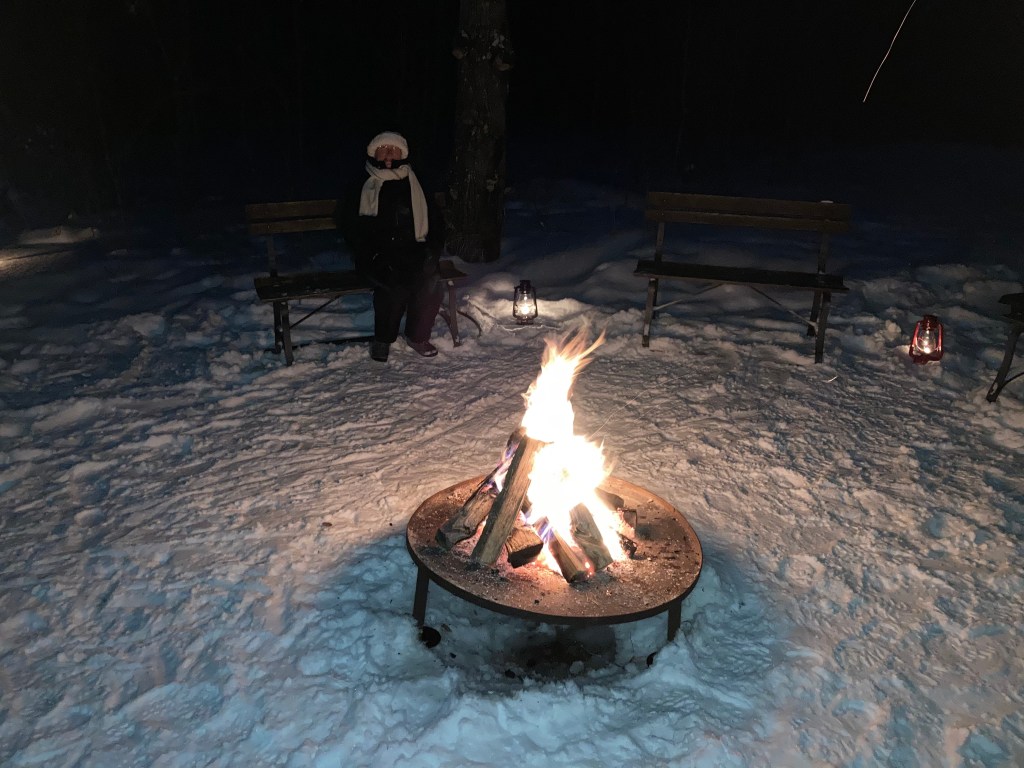
We did three walks, ranging from half an hour to an hour. This morning we went to the headwaters and to the Schoolcraft Trail. This afternoon was the Dr. Roberts Trail and this evening was back to the headwaters where they had lanterns lighting along the trails and a bonfire.

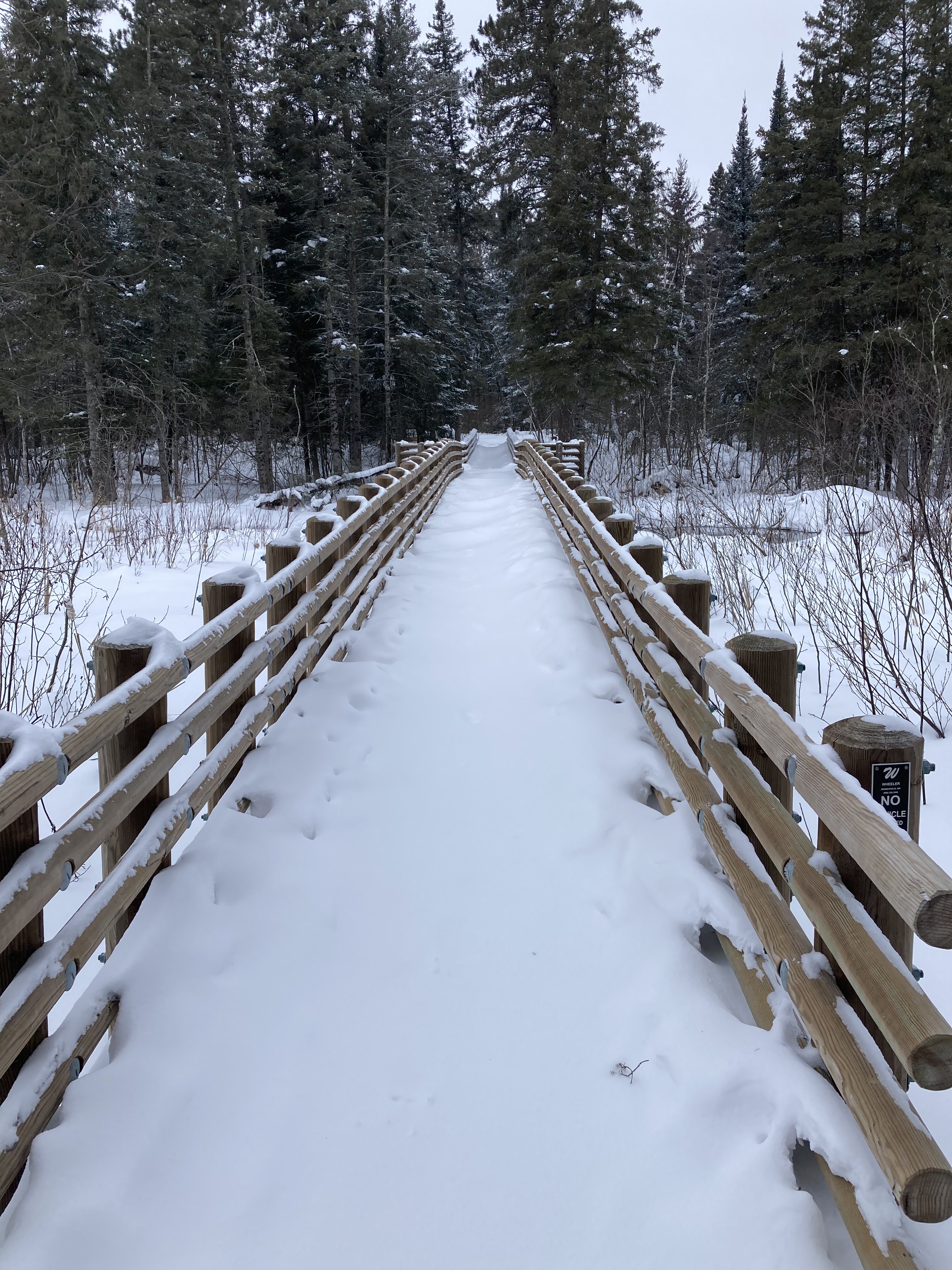
Most of the other visitors were using snowshoes, except of course the snowmobilers. However, over time we have found snowshoes aren’t that beneficial for us. We just used our boots walking on the trails which are in good shape.

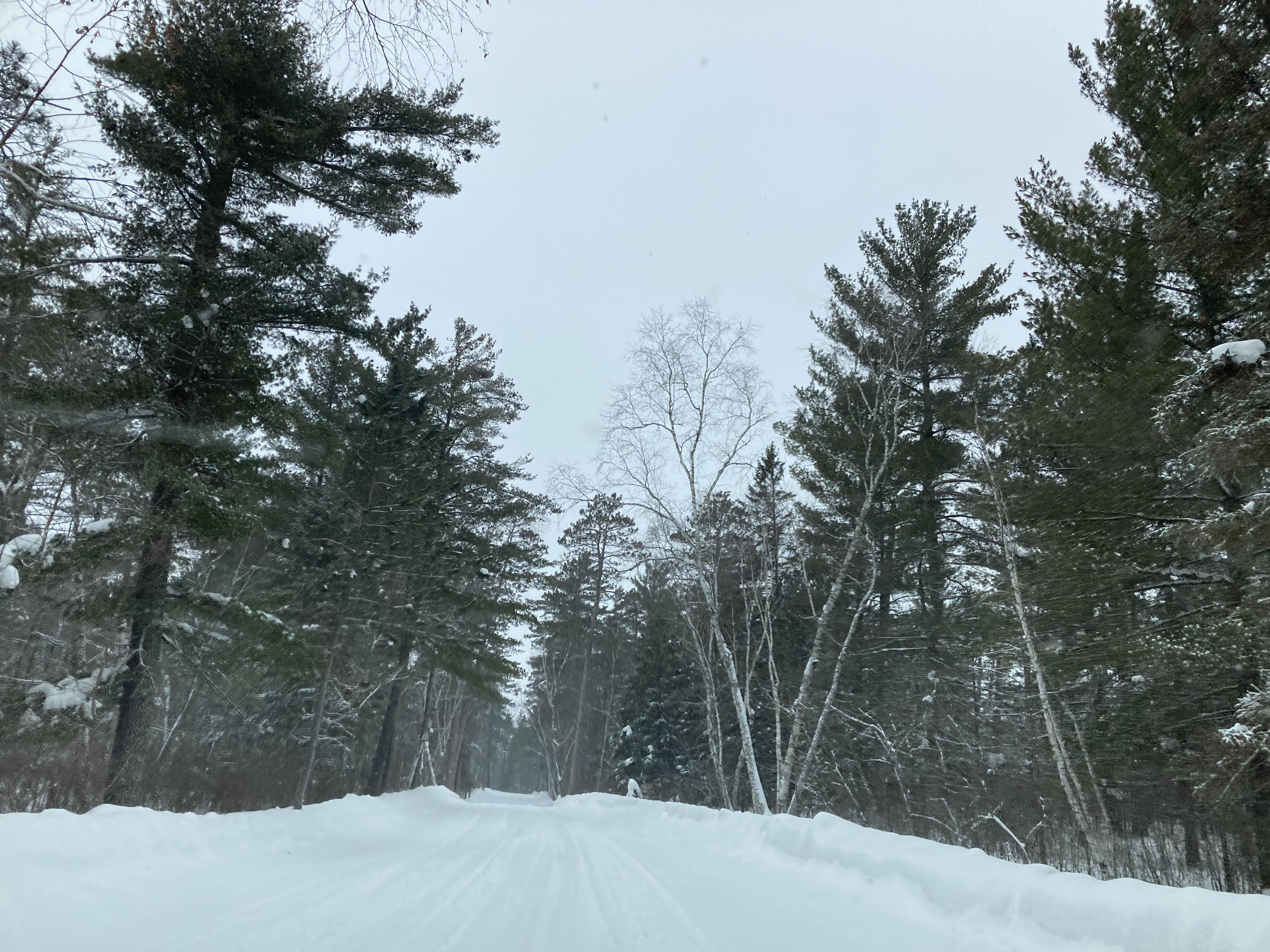
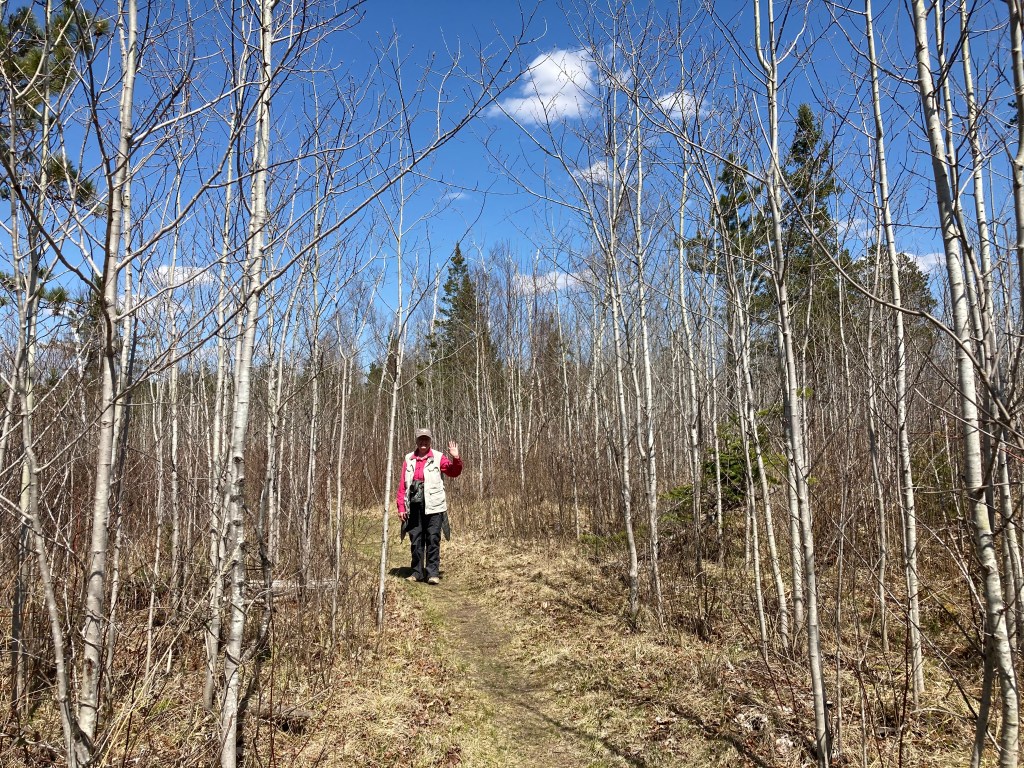
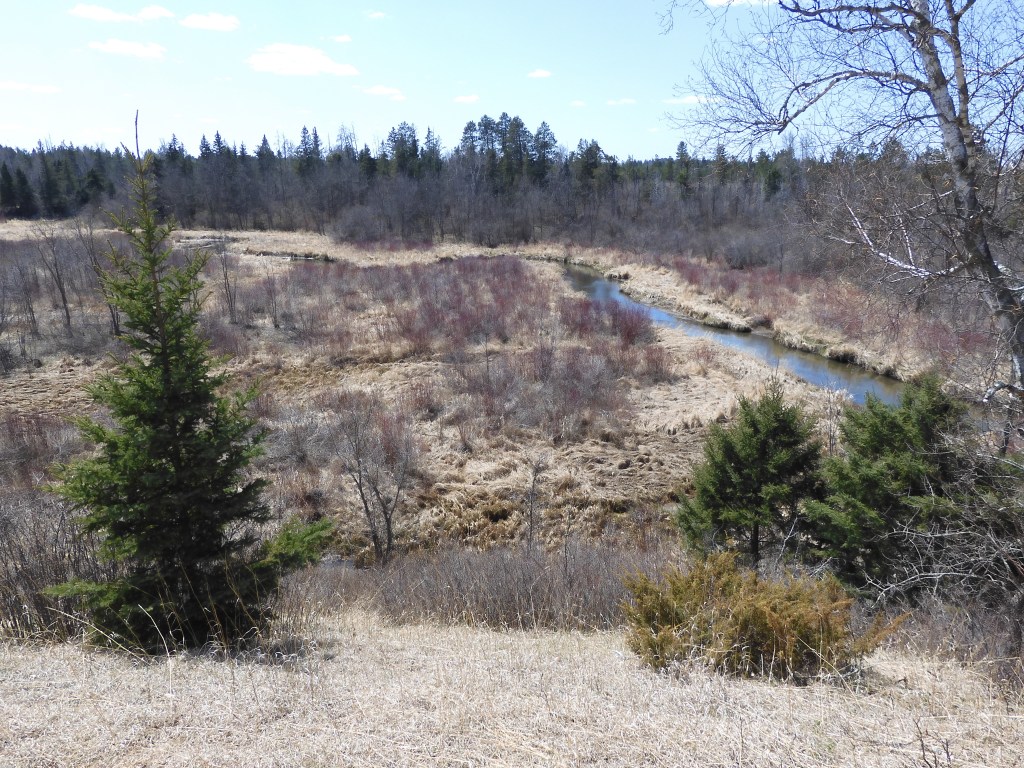
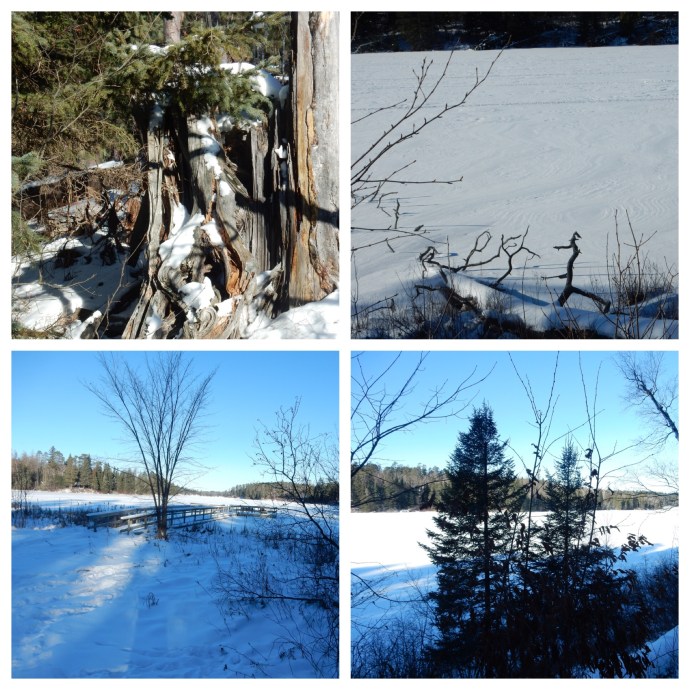
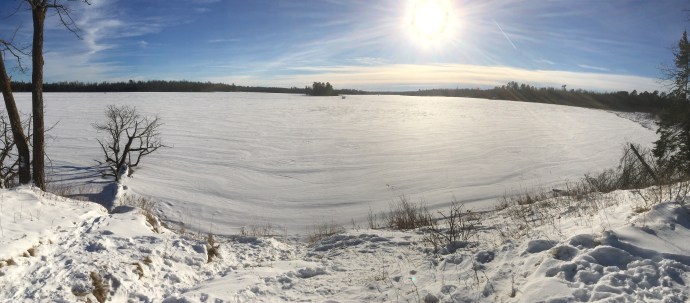
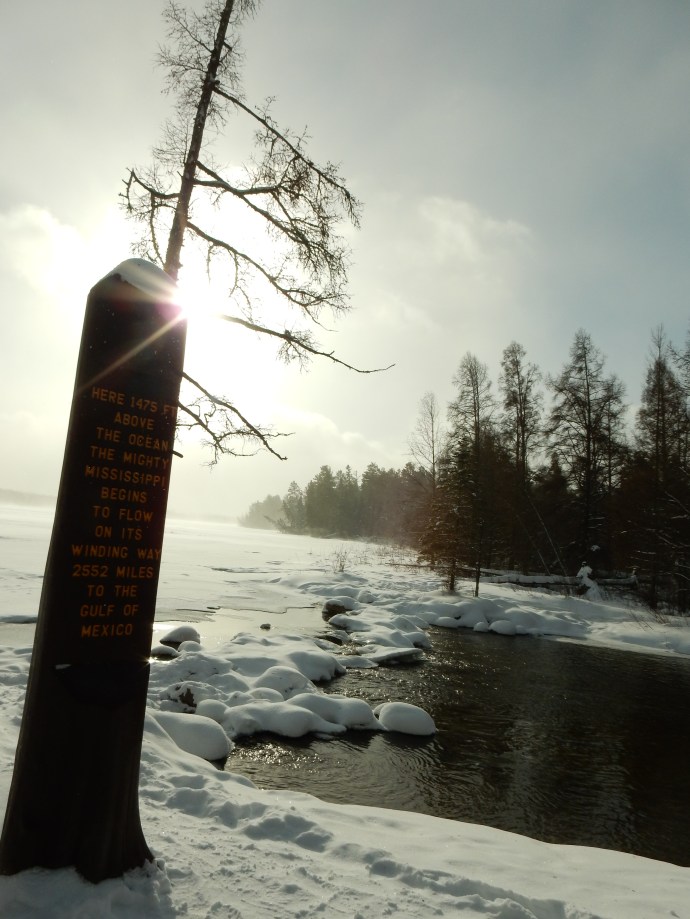
So we’re just gonna give you a sampling of pictures on a beautiful winter day at the headwaters of the Mississippi River.

Headwaters at Night and Day

Ed and Chris, February 5, 2022

Categories: travel | Tags: , , | Leave a comment

Back on the Road Again-Finally

Itasca State Park, Tuesday May 11, 2021

Well, it has been 15 months since our last post. This is a travel blog, so I don’t intend to relive our pandemic experience. We each have our own stories. Luckily for us, healthwise and moneywise, our families have done OK during this time period. During the course of the next blog posts, I’m sure I will squeeze in some various experiences and comments about the last 15 months, but they are simply an embellishment, not the storyline.

This trip will be to put our toes in the water and get used to travel again. It’s only three nights, spending time at Itasca State Park in Minnesota, the headwaters of the Mississippi river. On Sunday, May 30, we begin an almost 3 week trip down to Arizona in which we will stop at about a dozen units of the National Park system.

We left Saint Paul at 9 AM for the 4 hour drive to Itasca State Park. The city center blends into the suburbs which blend into the exurbs and finally to agricultural land. North of the cities, agriculture is large scale crop growing with big farm houses, barns, silos and related buildings. As we get farther north, the land is less rich. Pasturelands and grazing for cattle and dairy cows are inter-mixed with timbering operations. Farm houses and barns are smaller and less well-maintained.

Back in the Twin Cities, grass is green, most trees are in full leaf, and wildflowers are growing. As we reach the Itasca State Park area, the trees are just starting to bud and the only flowers are the early, small ephemeral wildflowers. It’s like we went back in time about four weeks.

The temperature was in the low 60s and sunny so we had our picnic lunch outside the visitors center at Itasca State Park. Then we headed to LaSalle Lake State recreation area. This area was established in 2011 around the deepest fully contained lake in Minnesota at 213 feet. A secondary purpose was to protect the rare plants and cultural resources in the forest and wetlands of the glacial valley. However, just after it was established, a heavy wind experience took a devastating toll on the area of old growth jack pine. There are very few remaining stands of old growth jack pine in Minnesota so the damage was particularly ruinous. After discussion and reflection, the Department of Natural Resources decided to replant the jack pine with the seeds from the fallen trees. A portion of the land was enclosed with 10 foot tall heavy duty fence to keep out deer and other animals that would eat the newly planted trees.

As we took our hike, we could see that the trees planted within the enclosure were doing much better than those outside the fence. Outside the fence, the aspen trees, which grow quickly in disturbed areas such as occurred here, have already created a dense area of young growth. While there are young jack pine trees, they are vastly outnumbered and look like they will soon be losing the battle for sufficient sunlight to thrive.

The hike was an out and back so at the turnaround point, one can look down on the Mississippi River. The mighty Mississippi is mighty minimal at this point. It is only a few miles from its headwaters-which was our next stop.

We have been here before, most frequently, but not only, in winter time. we have not told you the story of Mary Gibbs in previous blog post. For those who are younger and more hip, this is not the Mary Gibbs who asked for Disney programming. Or Mary Gibbs was born in 1879 and her father was the first superintendent of Itasca State Park, the first state park created in Minnesota. Mary gives work for her father as a secretary and he died when she was just 24 years old. She was appointed the park superintendent to replace him.

The logging industry was important and influential in the area. One of the logging companies attempted to lower the water level in the park area in order to facilitate its cutting of lumber. At a head to head confrontation at the dam involved, Mary Gibbs ordered the loggers to cease-and-desist and was successful. Briefly. Back in Saint Paul, The Minnesota State Attorney General reversed Mary’s order. Mary was demoted and a new park superintendent appointed, one friendly to the logging industry. Timber was cut in the park area until the supply was no longer financially viable. Mary left the state and moved to Canada where she raised a family and died at age 104 in 1983. There is even a You Tube short video about her.

Since our last posts in 2020, WordPress has instituted a new method of composing and editing. The learning process has grasped the basics and hopes to advance a bit more as time goes on. Maybe eventually the blog can have more graphics and include more creativity in design.

Ed and Chris, Itasca State Park, MN May 11, 2011

Categories: travel | Tags: , , , | Leave a comment

2018 Trip One: Return to Mississippi Headwaters: Jan.7-10

Looking at the headwaters of the mighty Mississippi River as it flows out of Lake Itasca in northern MN

Itasca State Park, MN

To start off the year 2018, Chris and I have returned to the headwaters of the mighty Mississippi River found in Itasca State Park near Park Rapids MN. 230 miles north of Saint Paul, we drove a slightly different stretch, one more westward than the usual U.S. route 10. I-94 took us to Sauk Rapids, scene of the Sinclair Lewis novel “Main Street”. U.S. 71, goes from Ely at the Canadian border to the Iowa border by Jackson MN and Spirit Lake IA. Our stretch took us through agricultural fields used for potato growing and turkey raising. In this stretch, we saw three Amish horse and buggy combos.

Along US 71 north of Sauk Centre MN

Towns like Wadena, Long Prairie, and Park Rapids have about 4,000 people each with thriving downtowns that support the smaller towns of 200-800 people. The agricultural lands closer to I-94 gave way to mixed hardwood fields and forests as we traveled north, with snowmobiles riding the roadside ditches instead of the buggies. In Long Prairie, we had a late breakfast at the Countryside Restaurant, a staple in town. Other than us, everyone seemed to know at least one other customer. The woman with the walker due to a broken pelvis took longer to leave the restaurant as she talked with people than it took her to eat her meal.

In Park Rapids, we stopped at the “Beagle and Wolf” bookstore. Family and friends were helping take inventory with newfangled optical scanners used here even in a small store. As visitors, we had numerous discussions with the staff as we purchased several books, just for the heck of it. We did already bring books to read along with us.

Last year about this time we spent two nights at Itasca. The all-season suites are heated, with well equipped kitchens and with linens. We are staying three nights this year and brought an extra blanket and slippers since last year the concrete floors, even with carpet, were cool to the touch. Wouldn’t you know it, the heaters were replaced this past summer so the cabin was toasty warm right off the bat.

The weather is cooperating. Last week, the temperatures at night were in the minus 30 to minus 40 degree range. Today the temperature during the day was in the mid to high twenties (F) with just a mild wind. Sunny, blue skies set off the snow. We had planned to do some snowshoeing but the snow amount is meager and better just for hiking. Last year the snow was much deeper.

Views from our morning hike at Itasca State Park

Our Monday morning hike was on a trail along Lake Itasca. The visitor center gave us a map since trails here during the winter are specified specifically for snowmobiling, hiking, skate cross-country skiing, or classic cross-country skiing. Our four mile hike took us about two hours, it is slow going on the uneven terrain. The park is quiet, some birds, a few snowmobiles, and periodic wind rustling the remaining leaves on bushes. The loudest noise has been the crunching of the packed snow under our boots.

Soup and crackers for lunch re-invigorated us and we went to the Headwaters of the Mississippi River for our afternoon hike. The Mississippi begins as a small stream leaving under the ice-covered lake at its northern end. The clear water ripples over the rocks as it heads northward before eventually beginning its southward trek. It is a much different river than what we are used to.

Back in St. Paul the Mississippi is already running strong and deep through the gorge area between Minneapolis and St. Paul. The river widens as new tributaries add muscle to its flow. We have viewed the river from locks and dams along the Wisconsin border; from a canoe south of St. Paul; from a 30’ x 100’ long car ferry with its deck just a few feet above the river south of St. Louis; from the painted murals along the levees at Vicksburg; and from the walkway along the river at New Orleans where it is 200 feet deep. Here the slight stream with the clear water seems a mystery from that which it becomes later.

Schoolcraft Island in Lake Itasca

Henry Schoolcraft is credited with the “discovery” of the headwaters. Before him, other European explorers believed sources south of here were the beginning of the river. Unlike those earlier explorers, Schoolcraft was humble enough to ask the Native Americans for assistance and an Anishinabe Indian named Ozaawindib led Schoolcraft’s team to the source of the river.

Our brief moment of fame on the Internet

The headwaters area has a web cam available for viewing over the Internet. We texted our daughters and Sarah was able to log in and view us at the site. Our two minutes of fame over, we headed out on the trail to visit Schoolcraft Island. The trail was snow packed but pleasant as we hiked through the woods along the western edge of Lake Itasca. It was another two mile hike out and back and we returned to our cabin around 4 PM, tired but satisfied and glad that we brought our crockpot to have dinner ready for us.

Ed and Chris Monday Jan. 8, 2018

Categories: road trip, travel | Tags: , , , , , , | Leave a comment

2017 Trip One; January 11-13: Mississippi River Headwaters

January 11-13, 2017

Mississippi River Headwaters marker as the river exits Lake Itasca

Mississippi River Headwaters marker as the river exits Lake Itasca

We live in Minnesota, right? And January is the month of Chris Klejbuk’s birthday, right? In Minnesota in January, you celebrate the experience of winter, right? Right.

So we are enjoying three days and two nights in northern Minnesota. We are staying at a winterized cabin at Itasca State Park, 20 miles north of Park Rapids Minnesota, and 250 miles north of the “Cities” (Minnesota speak for St. Paul, Minneapolis, and their suburbs.) Itasca was the first state park established in Minnesota, in 1891. It was the second state park to be created in the United States. It is large, at over 32,000 acres. And while it has over 100 lakes within its boundaries, one small stream is its main claim to fame.

The end of Lake Itasca and the start of the river

The end of Lake Itasca and the start of the river

Flowing out of Lake Itasca, the Mississippi River begins its 2500 mile journey to the Gulf of Mexico. The terrain up here has been formed from the glacial ages. Without being scientific, there are depressions and hillocks caused by glacial action and/or glacial melting that form wetlands and forest regions. This area was under threat of having its timber, primarily red pine, harvested in the late 1800s. By a narrow vote in the state legislature, the area was saved from timber harvesting and some of the areas here still have virgin red pine forest.
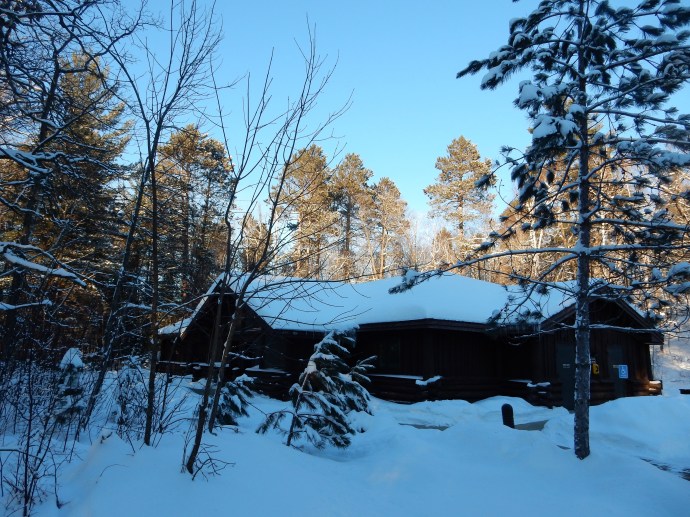
Four Season Suites at Itasca

Four Season Suites at Itasca

It has been several decades since Chris and I have been here. For her birthday, she likes to do something different. Her choice this year was to spend two nights in a cabin here at Itasca State Park. Luckily the cabin is insulated, winterized, and heated. The temperature for these three days will range from about five above to about 20 below. That is Fahrenheit, and not wind chill. The cabin is built on a concrete slab and while the temperature at head level is nice and warm, the floor is still a bit chilly. Shoes or two pairs of socks are required.

We left the Cities at the tail end of a minor snowstorm. The total was only about 4 inches but a fair amount of blowing accompanied the storm. The road surface was usually compacted snow into icy patches. For those of you not living in northern climes, road salt does not have much effect on clearing road surfaces at temperatures around 0° as we were experiencing.

We had lunch in Wadena Minnesota, a town of about 4000 people, at The BBQ Smokehouse. This is primarily a meat market with a side business of lunch and early dinner. We had the daily special, turkey sandwich with cowboy beans and potato salad for $6.50. The sandwich was huge and very tasty. The sides were great also.

Sunset walk at Itasca State Park

Sunset walk at Itasca State Park

We checked in around 4 PM. After unpacking, we had time for a sunset walk before settling in for the night. Wednesday, we slept in and then headed out for our first walk, to the headwaters of the Mississippi River. It took the European explorers several decades to agree on the source of the Mississippi River. One simple reason for the delay was that the first explorers never asked the Native Americans to help them. Once Henry Schoolcraft decided to ask for assistance from Ozawindib, a Ojibwe chief, the headwaters were “found” quickly. After all the Native Americans lived here for centuries and knew all about “Great River”.

The Mississippi River had great political significance to the United States. Primarily, it marked the early western boundary when the American people revolted against the British and won their independence. Yet the river had never been fully surveyed. The Mississippi was also one of the great trade routes for the new country. Rivers provided clearly marked and easily navigable transportation sources.

The Mississippi River starts flowing north as it leaves Lake Itasca.

The Mississippi River starts flowing north as it leaves Lake Itasca.

As we know now, the Mississippi River runs for 2500 miles from northern Minnesota to the Gulf of Mexico. It provides the boundary between numerous states along that route. While it runs primarily in a southern direction, from here it actually runs for 80 miles to the north, due to elevations created by the glacial age, before it starts its southerly course.

The headwaters are officially marked as the location where Lake Itasca drains into the creek beginning the Mississippi. There are scientific requirements to meet to designate the beginning of a river. While the lake and creeks draining into Lake Itasca stretch farther back from the official beginning, there has to be a sufficient flow to be considered as a river. This is what occurs at the northern channel of Lake Itasca where the Mississippi River begins.
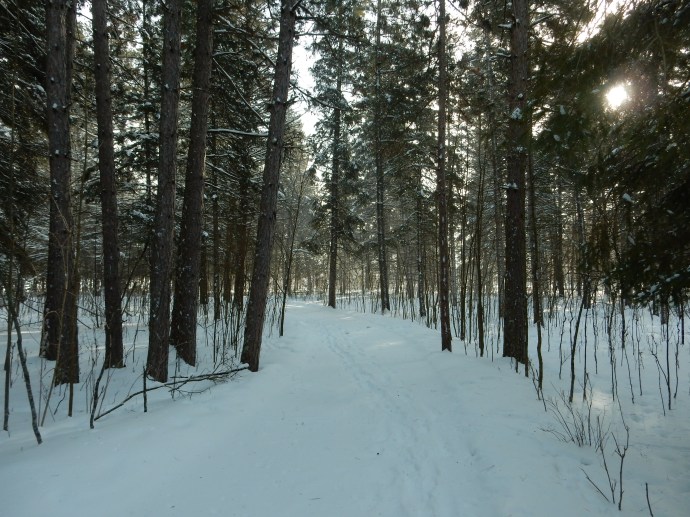
Walking in the woods

Walking in the woods

Lake Itasca with winds

Lake Itasca with winds

Today, the air temperature was about -5 F with a 15 mph wind. Wind makes the cold air worse. Standing by open spaces, like lakes, allows the wind to have full effect. Walking in woods, however, tends to minimize the wind. So we experienced both the full wind effect at the shore of Lake Itasca and its muted form in walking through woods to reach the headwaters. But the sun was usually out and we enjoyed the varied views provided by the park.

Itasca State Park includes both pine trees and mixed deciduous hardwood trees. The pine trees were here first but, like numerous other locations around the U.S., the loggers in the late 1800s cut the pine trees indiscriminately. The park was formed partially to save some of those virgin pine forests. Interestingly, the daughter (Mary Gibbs) of the first Itasca Park superintendent was named the interim superintendent when her father died. During her short term, she stood up to logging companies who while logging legally on private land, were illegally damming up the Mississippi River to aid in floating the cut logs downstream. They were not pleased by her courageous stand, and the new permanent superintendent that was appointed was more favorable to the logging interests.

Chris walking over the headwaters of the Mississippi River

Chris walking over the headwaters of the Mississippi River

After the headwaters, we made a brief stop at the visitor center to warm up (they have two fireplaces and heated restrooms that are open 24 hours a day) and to explore the interesting museum there. Then it was back to our cabin for lunch. The smell of apple cider with cinnamon sticks and brown sugar greeted us as we entered the cabin. Our afternoon walks were through the woods where the wind was quiet and the sun peered pleasantly through the tree trunks. A quick warm-up in the cabin was followed by another walk at sunset.

Tonight the full moon is out so we waited a sufficient period to make sure it was above the trees. We drove to the lake and watched the moon shining on the ice covered lake and the shadows cast by the trees. However, since it was now 13 below and heading down further, we did not take a long walk but headed back to the cabin.

Friday, January 13th.
Our final goal of this trip was to visit La Salle Lake State Recreation Area. It would be our 59th state park visited since we began that program in 2015. I took a wrong turn and added 20 miles on to what should have been a quick jaunt from Itasca State Park. But that time was justifiable to obtain the park stamp since this recreation area is basically closed during the winter. The web site does not state that DNR does not plow the access roads in the winter. Since we do not have a snowmobile, we just drove by and turned around to head home.

One last view of the headwaters.
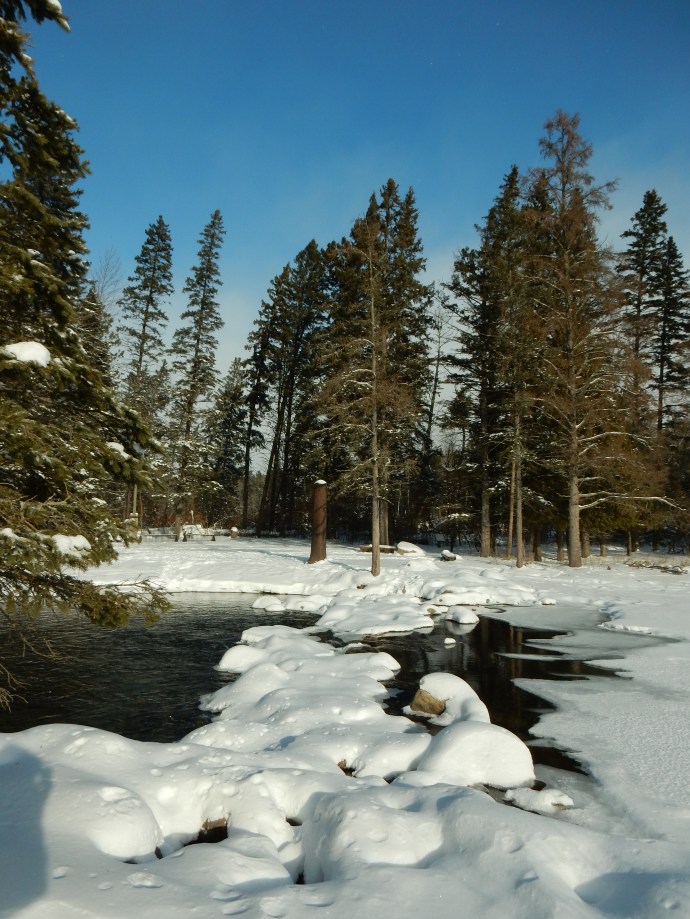
dscn3873

Trip One for 2017 completed. Just a teaser really before the first big one begins on March 1 and under current planning, will go for 63 days.

Ed and Chris.

Categories: road trip, travel | Tags: , , , , , , , | Leave a comment

Blog at WordPress.com.