

Washington, D.C. April 13
With five days in D.C., we have sufficient time to wander around and see some old haunts. On Tuesday, we walked down to the National Mall again, enjoying the architecture in the city and observing spring flowers. Although the flowers had been planted by the landscaping companies responsible for various buildings, the colors brightened up our day. We passed by numerous memorials, people deemed important to the U.S. or to their country. No police motorcade today but several occasions of a trio of fire and rescue vehicles responding to some emergency.

We had decided to spend time in one of the Smithsonian museums that had been updated since we left Pennsylvania 20 years ago. We chose the Museum of Natural History. It might have been a mistake. Most families with children also chose that museum for the day’s outing. Given the difficulty of truly enjoying the displays, we left earlier than we had planned.
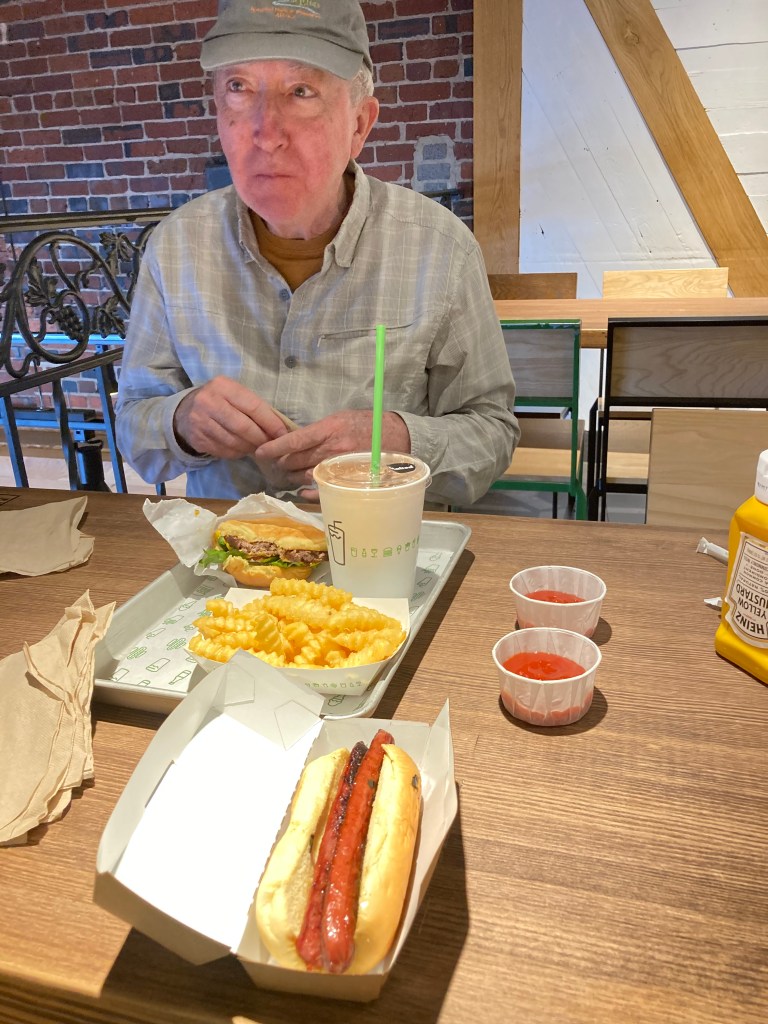
The food experts that we are, we tried a new restaurant for us. Don’t laugh. We had not been to Shake Shack before. Certainly had heard of it, but never felt a need to stop in. We were pleased; Chris enjoyed her hotdog. My malt, even though it was made with chocolate custard rather than vanilla ice cream and chocolate syrup, was pretty good.
We had to be back at the hotel in mid afternoon for another Zoom meeting which I had to attend. Dinner was downstairs in the hotel restaurant and then it was to bed early.
Today we changed up our schedule. It was originally thought we would visit another museum. Friday was going to be a long day. Friday after checking out of the hotel early we would head out, tackling three new, for us, National Park Service sites. Friday’s first site would be just south of DC, go down to Richmond, VA, and finish close to Mount Vernon. Instead we did part of Friday’s journey today.
The day started out at Prince William Forest Park. This park is 15,000 acres, located 35 miles south of DC. It was originally established as Chopawamsic Recreation Demonstration Area (RDA) in 1935. This was the first RDA in the country and was a model for other similar parks. You may recall this concept from Catoctin Park that we visited a week ago. During WWII, the military used the area. The Marine base Camp Quantico is located next to the park. The park’s visitor center is only open Friday to Monday. No passport stamp for us. All outside park brochure holders were empty so my history and description of the park are basic.
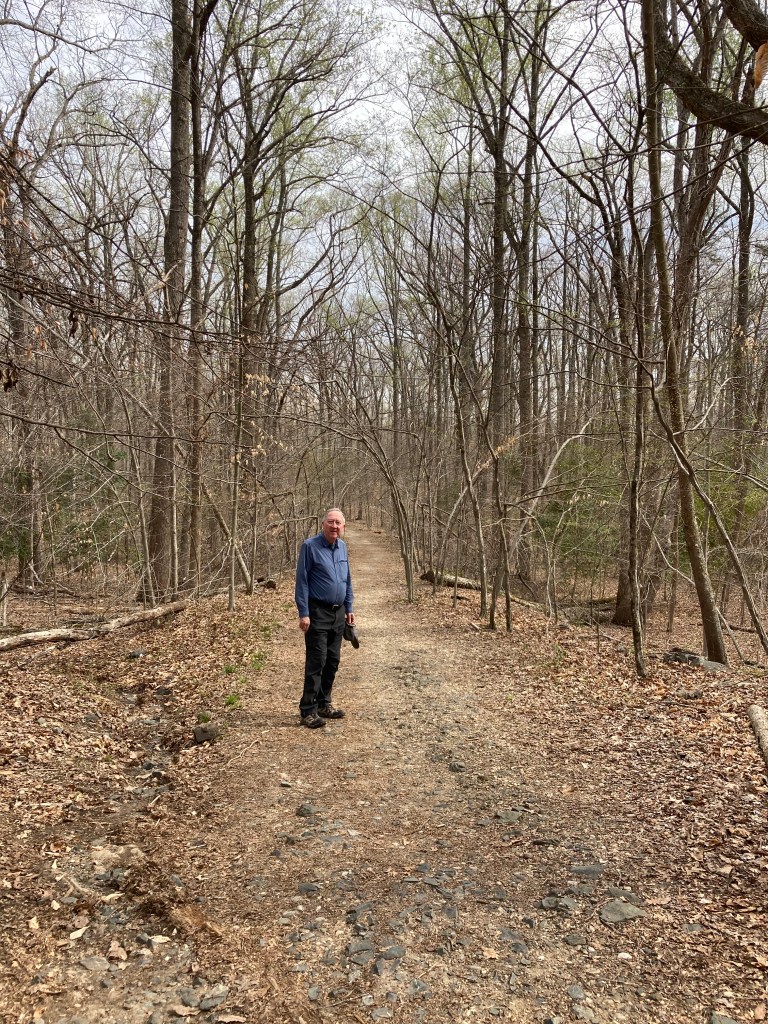
We hiked the Laurel Trail. Surprising to us, the vegetation was still primarily brown. Not much greenery on the leaves or understory. It took almost halfway through the hike before we found any significant numbers of small, early spring flowers. This park offers camping. There were numerous people utilizing the trails and picnic areas.
After hiking in the park, we continued our journey driving down to Richmond Virginia. We had visited Richmond in 2013 but this next national park site was not on our radar then. The Maggie L Walker National Historic Site has been a part of the National Park Service since 1979. You, like us, may well ask: who was Maggie L Walker? A very impressive woman. A quick, but incomplete, answer would be that she was the person who established the first chartered bank in the United States founded by a black woman.

Maggie Walker understood the multitude of problems facing black women. As a teacher, she was forced to quit her profession when she got married. She was determined to empower black women both economically and educationally. She spoke out for civil rights, equal rights and fair employment. In 1899 she took responsibility for transforming a struggling benevolent society (think insurance and medical care for blacks) and molded it into a successful financial organization.
In 1903 she began the Saint Luke Penny Savings Bank. She oversaw the bank to successfully survive the bank failures of the Great Depression and it still exists today through several mergers and bank consolidations. For 30 years she published a local black newspaper, only to see it unable to survive the Great Depression. In all of her endeavors, newspaper, banking, benevolent society, it was a point of pride for her to employ African-Americans, particularly women. In the community, she was an activist and humanitarian. For the last six years of her life, she was required to use a wheelchair due to complications from diabetes.
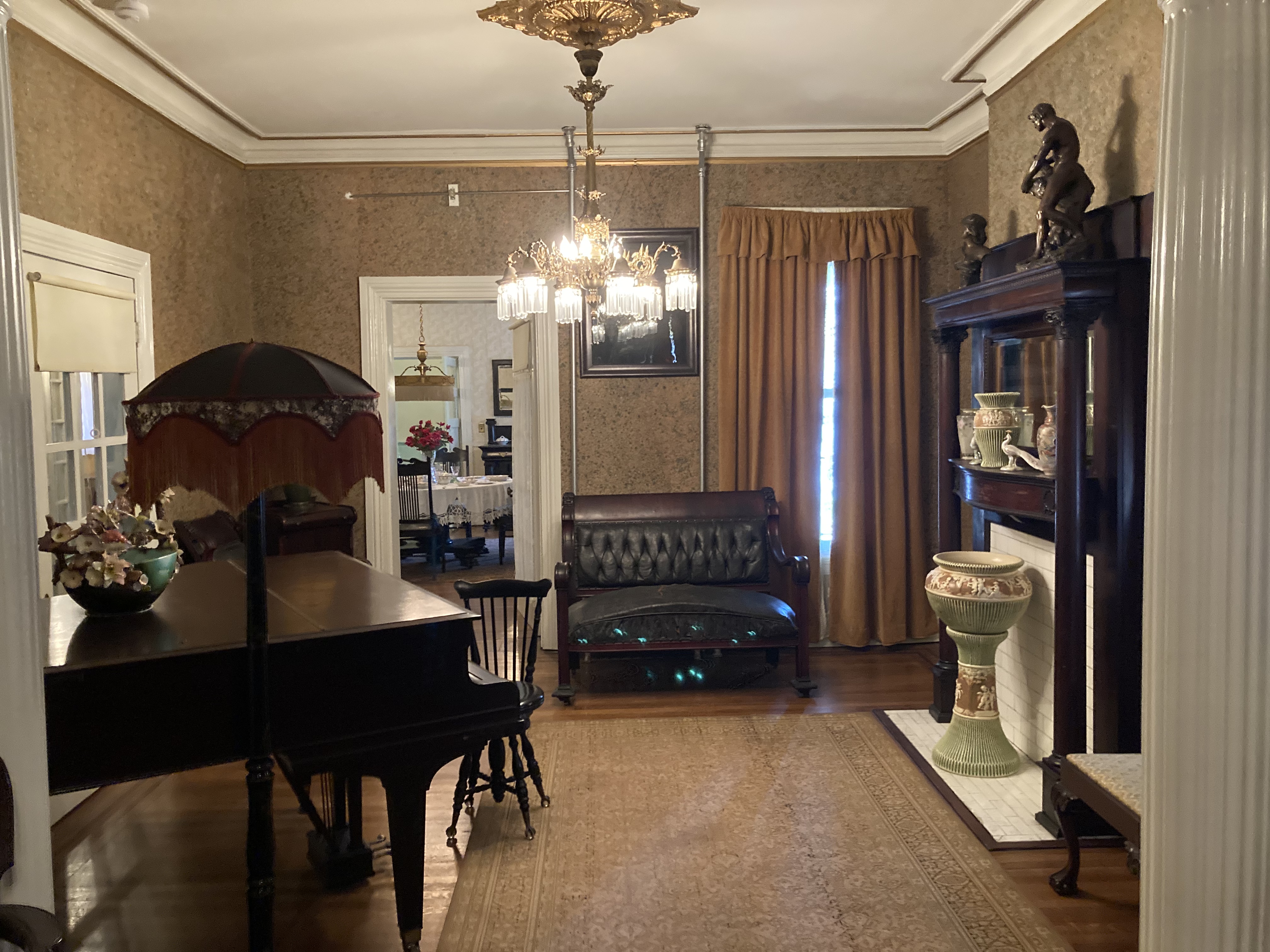
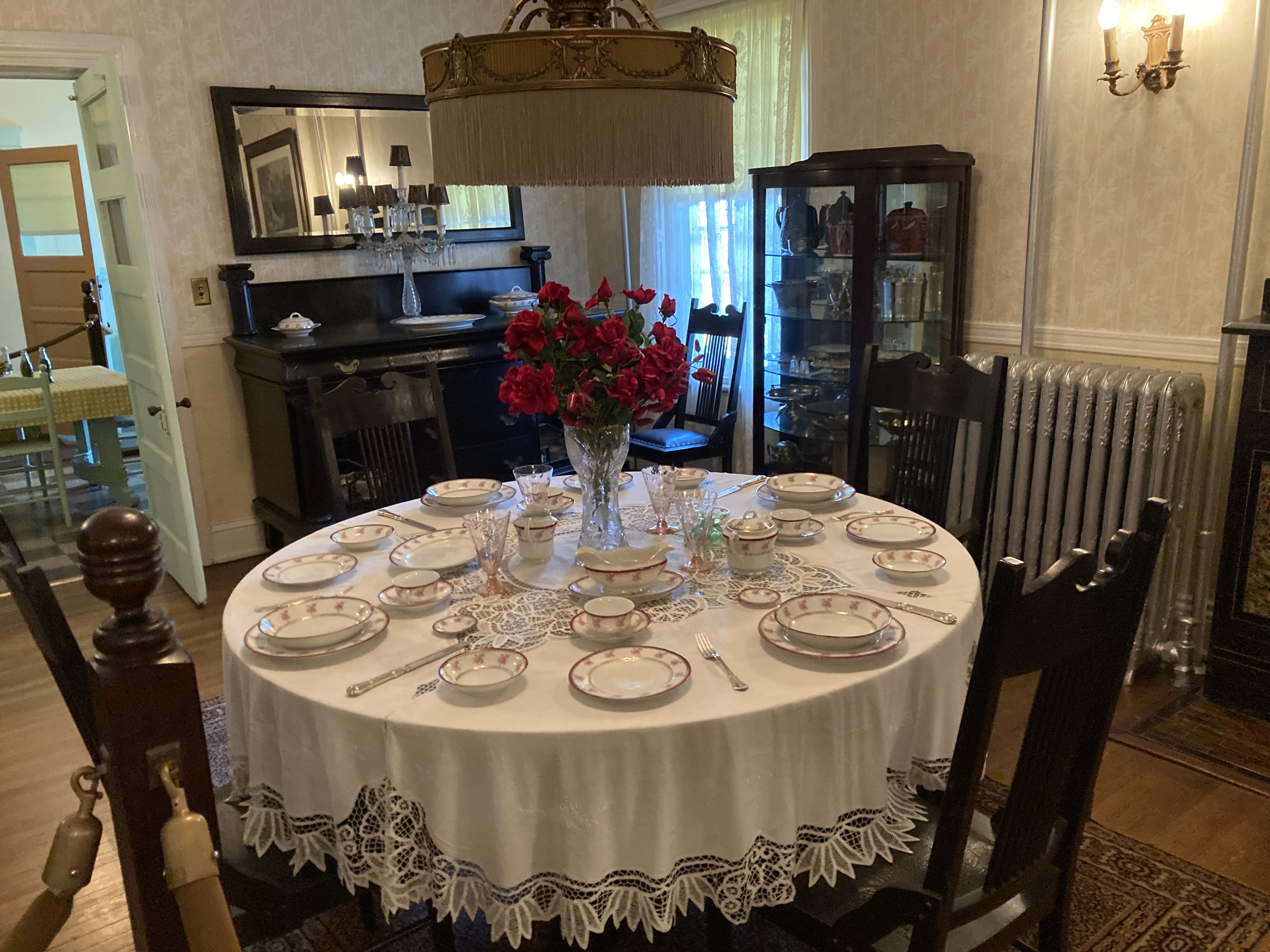
The national historic site preserves her home and tells the many stories of her accomplishments. We truly enjoyed the opportunity to tour her home, learn about her, and can’t understand why it didn’t come up during our trip research and planning back in 2013.

Ed and Chris, Washington DC Wednesday April 13
National Park Service sites visited: 297
 Chris Klejbuk and Ed Heimel travel adventure
Recent Comments