
Baraga, MI Wednesday, September 11
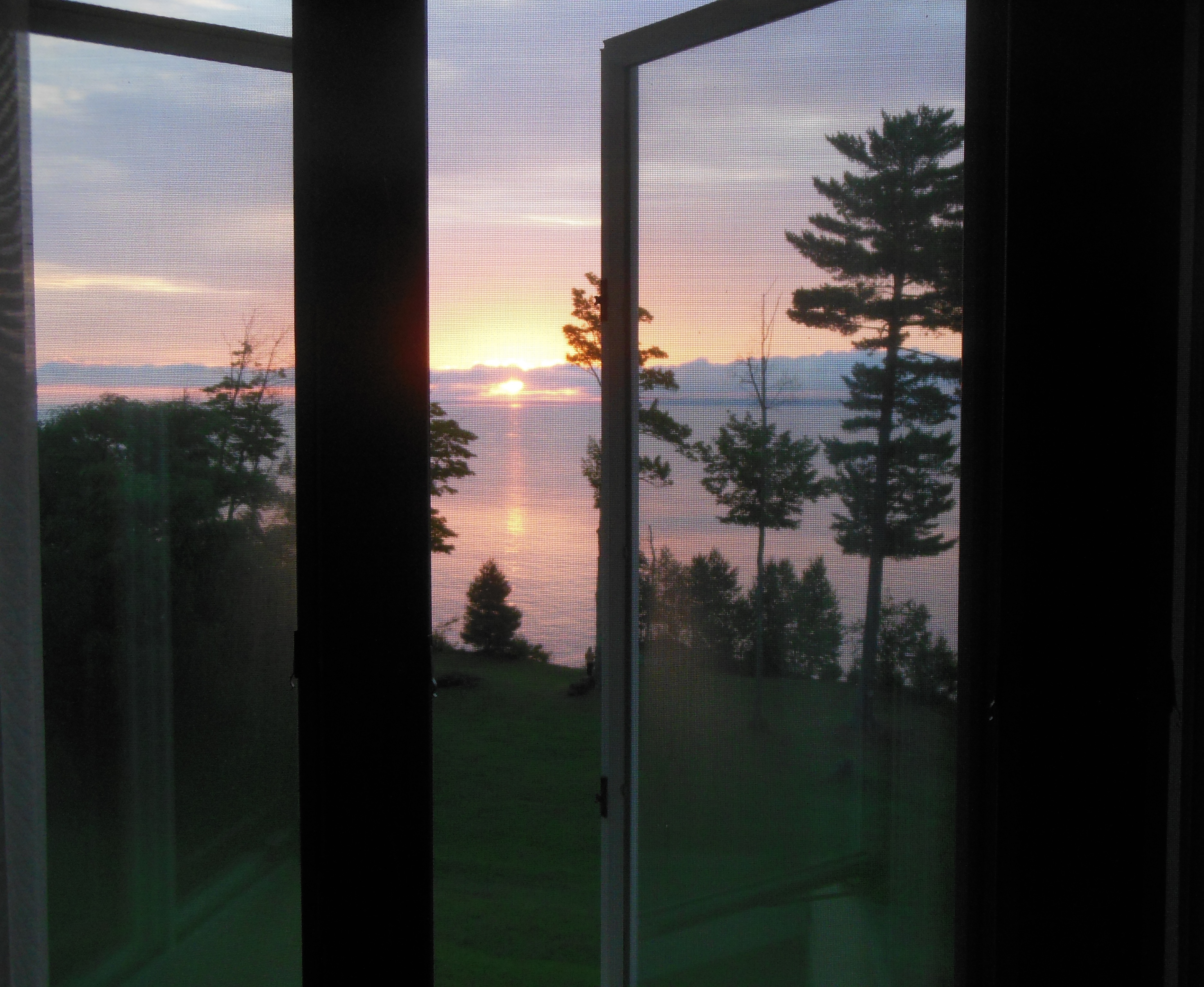
Sunrise from our room at La Rose Wellness Retreat
Wednesday was our day to explore the Keweenaw National Park and Peninsula in the Upper Peninsula of Michigan. The Keweenaw Peninsula is a peninsula jutting out into Lake Superior as part of the total Upper Peninsula of Michigan. (How many times can I get the word peninsula into one sentence?) It is maybe half way between Duluth and Sault Ste. Marie.

Exhibit area at Keweenaw National Park visitor center
The K.P. is home to most of the mineral resources of Michigan. It was the site of the first mineral rush in the 1840s, predating the gold rush in CA. Here the mineral was copper. Huge quantities have been hauled out of the area over the years. Cheaper supplies in the west and other countries have caused all of the major mines here to close down.
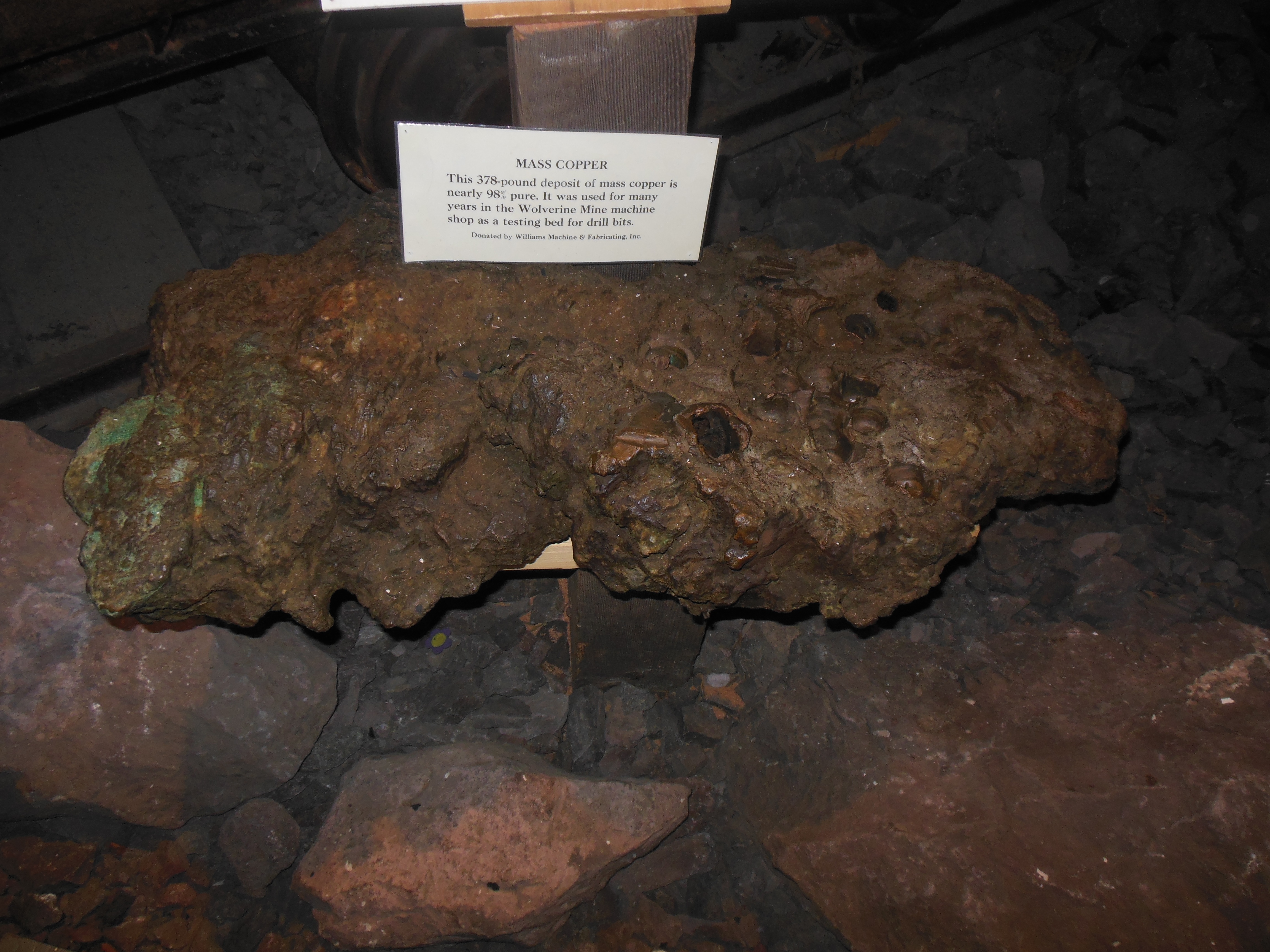
Sample of copper ore at Copperworld Mining Museum
As we saw yesterday, iron ore was a second major mineral extracted from the ground. Copper was located more in the northern part of the KP, iron further south in the main art of the UP, closer to the WI border.
The national park was established in 1992 and in 2011 opened a new visitor center in Calumet. Like several other new national parks, this one does not own vast acreage but works with other organizations to coordinate the historical heritage of the area. In this case, it is copper, how copper mining developed the area, and the ethnic and social heritage were changed.

Arch from Italian Hall. Destruction of building began conservation effort of buildings.
Like most mining operations, particularly in the 1800s and early 1900s, major damage was done to the area. Forests were stripped, waste piles left uncovered, mines abandoned, mine leachate fouling the water. The area is still working to clean up the residue.
Having visited a copper mine in British Columbia in August, we passed on taking another mine tour. Instead we focused on the area itself. The visitor center has wonderful exhibits and videos on life in the KP. Along with a copper museum, we were educated on copper mining and life in a mining community.
The major mining company was a benevolent despot. Owned by Boston financiers, it provided health services, schools, good homes, etc. It also vociferously opposed unions, increased pay, shortened hours, etc. It faced competition from out west as the mines here had to dig deeper to mine the copper ore.
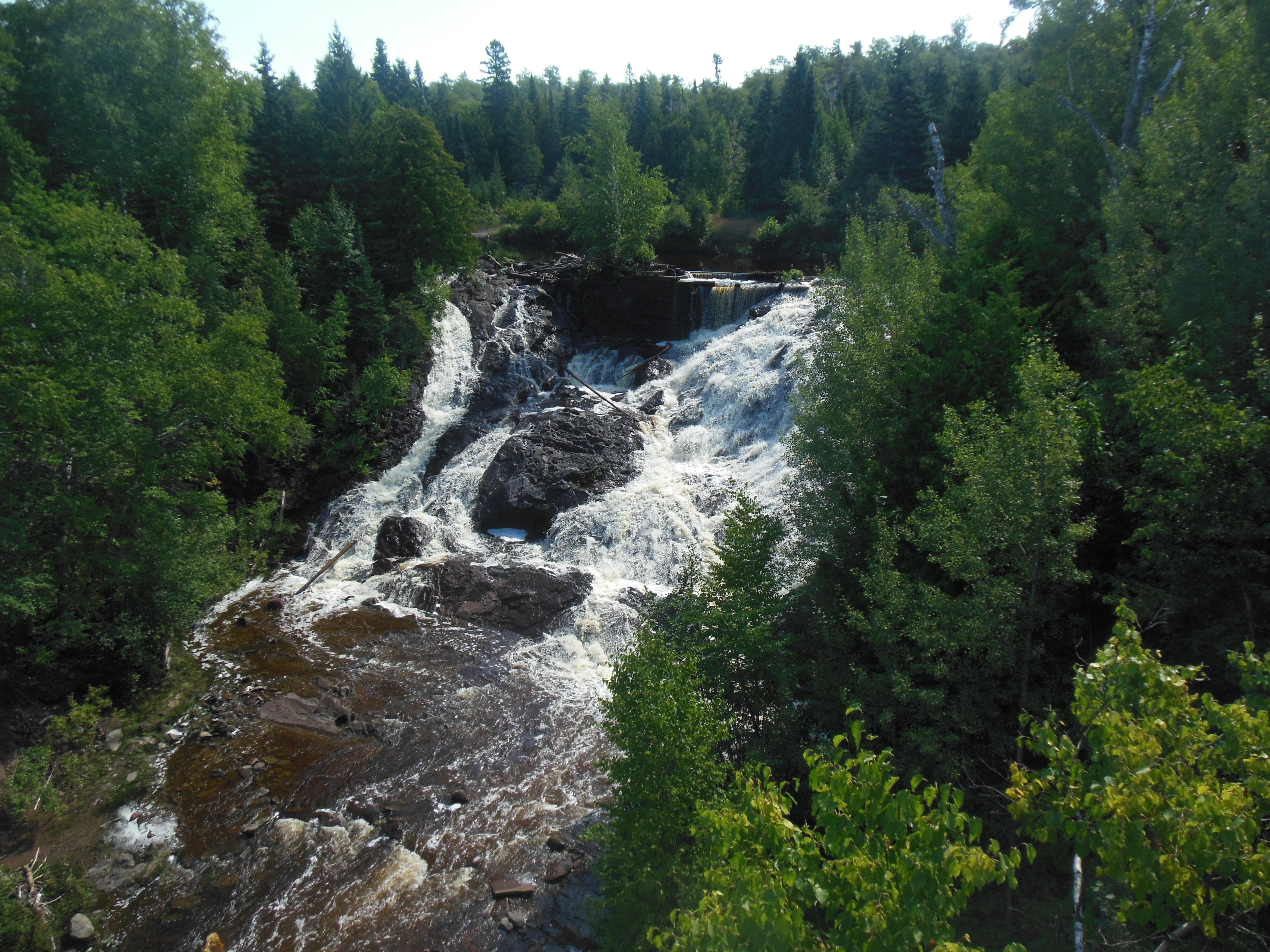
Eagle River falls along Lake Superior coast
Strikes in 1913 divided the community and a major catastrophe occurred on Christmas Eve while the strike was still ongoing. At a Christmas Eve party sponsored by the union for families, someone yelled “Fire”. There was no fire but 73 people, mainly children, died in the rush to exit the building.
Eventually the strike was resolved but the slow process of mine closings and economic decay had begun. Immigrants from many countries had moved here for jobs, they began to move to other areas even as the ethnic diversity enriched the area. Today tourism is the main economic engine. The natural beauty of the area continues to draw people. As time heals or hides the environmental damage, the beauty increases. As one statement said about living here and jobs, “If you want to live in the UP, that is your career.” You do what is necessary to obtain sufficient income to live here.
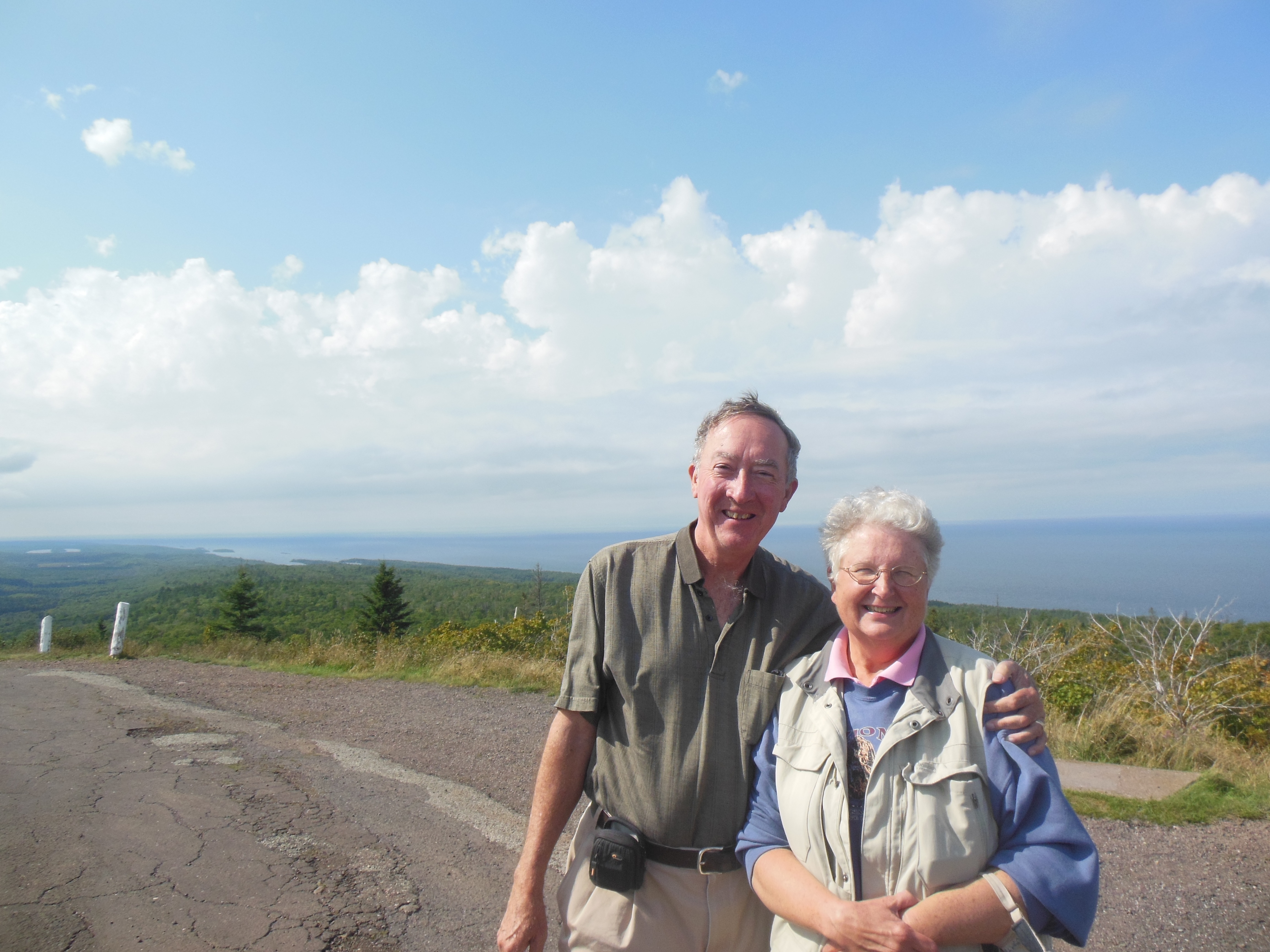
Along Brockway Mountain Drive by Copper Harbor
Our journey continued through small towns that had once been bustling. We saw three more waterfalls. One was of a nice size.
We stopped at a monastery along the coast to buy cookies and jam and then ate the cookies at a rest stop right on the shoreline.

Copper Harbor
The Brockway Mountain Drive in Copper Harbor provided a great view of the lake from up high. At the major overlook there, we ran into a couple from Farmington, MN that we had talked to several times previously. We are traveling with differing timetables but by coincidence have crossed paths at remote locations.
It was an enjoyable day. Tomorrow we head for home via the Porcupine Mountains and then Wisconsin.
 Chris Klejbuk and Ed Heimel travel adventure
Recent Comments