Posts Tagged With: Boston

2016 Trip Three, Boston, April 29-May 1

Boston, Sunday May 1

Boston is a great city to visit. I do not intend to try to cover the city in detail, our blog posts only cover our current activities. Since we have been here often, we keep searching out activities we have not done before. Three National Park Service units fell into this category; one, Blackstone River, we covered in the previous post.

Friday, Deb took the day off from work and joined us as we toured the Boston African-American National Historic Site. Through exhibits, video, walks, and ranger talks we learned about the role Boston played in the early days of abolition; and by implication, the mixed history of advances and retreats in how America has dealt with slavery. For while recent history is not the focus of this historic site, one can not help but remember the difficult days in Boston of the 1970s when school integration and busing showed the undercurrent of bias still present in American society.
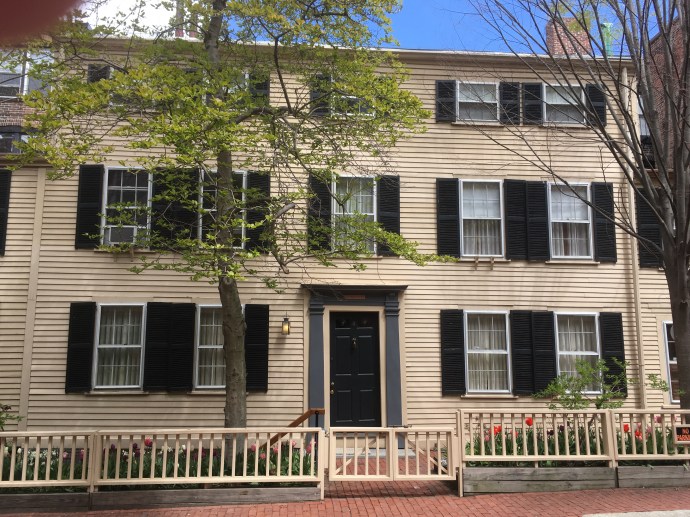
An important stop on the Underground Railroad in Boston

An important stop on the Underground Railroad in Boston

But the focus here is the 1700 and 1800s. Boston can rightly be proud of the steps taken to end slavery and discrimination. A small population of African-Americans were at the core of the efforts, individually and as a group. Due to the efforts of one slave, Quok Walker who sued for his freedom, Massachusetts was the first state to abolish slavery, in 1783.
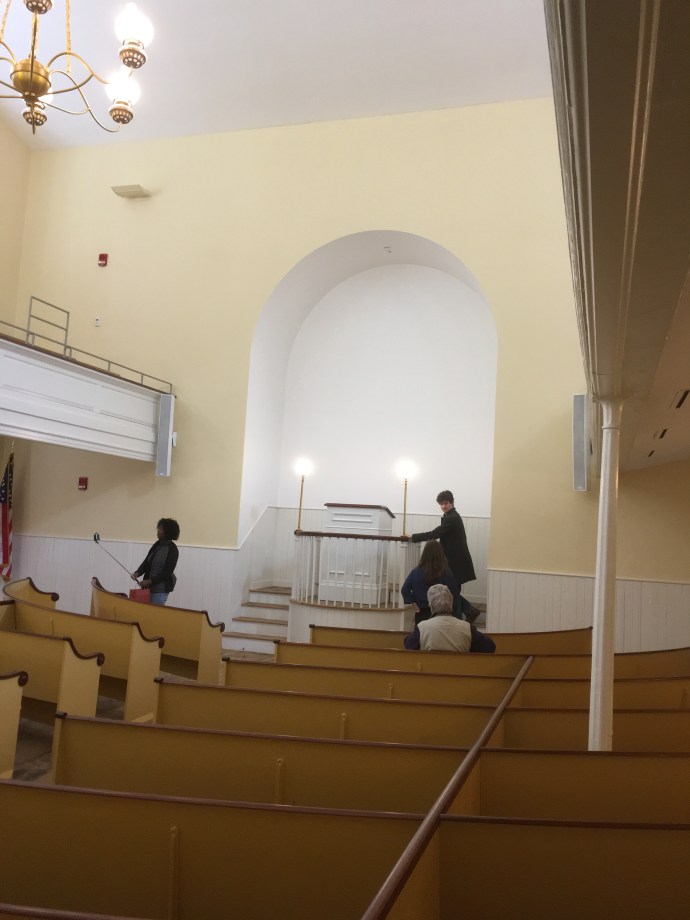
Interior of African Meeting House

Interior of African Meeting House

While slavery was abolished, discrimination was not. Schools were segregated until 1855. Until then, separate but unequal schools were the norm. This National Historic site occupies the site of the first public school, Abiel Smith School, which was the first black public school opened in 1835. Before that, the community educated their children at the African Meeting House, next door to Abiel Smith.

Black Americans were strong in their efforts to bring slaves north through the Underground Railroad. Writers were an important source of protest throughout the country. The African Meeting House, another part of this historic site, was the center of speakers and activists. White churches, however, were not necessarily the leaders in integration. When one member of the Third Baptist Church of Boston invited black friends to join him in his pew, he was expelled from the church.

In 1863, two years after the start of the Civil War, Massachusetts formed the first all-black regiment raised in the north. Most of its member came from Boston. The regiment was the basis of the 1989 film “Glory” that won Academy Awards.

After all of that learning, we replenished our spirit at Legal Sea Foods and decided to call it a day.
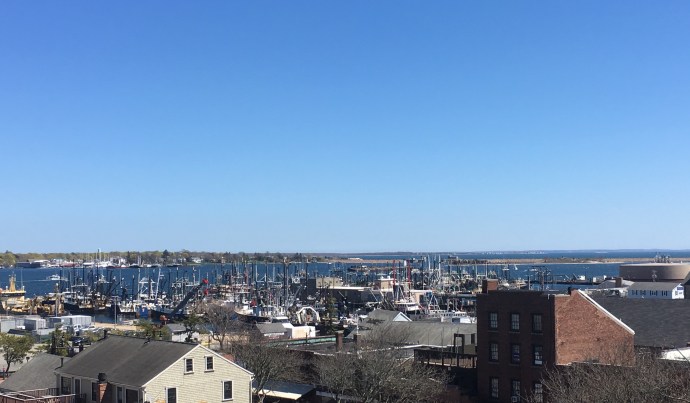
New Bedord Massachusetts harbor today

New Bedord Massachusetts harbor today

Saturday Rebecca joined the three of us and we headed an hour south to New Bedford. Last year Chris and I visited Salem, a city that was the center of international shipping for the U.S.beginning after the Revolutionary War and continuing to about the time of the Civil War. New Bedford, in contrast, was a whaling center. From 1780 to 1920, ships from many countries hunted whales for their oil. Whale oil was used for lighting homes and lubricating machinery. Whales were hunted in the North Atlantic, Pacific, and Arctic Oceans. While petroleum started to be produced in the 1860s in Pennsylvania, whale oil continued to be used for several decades.
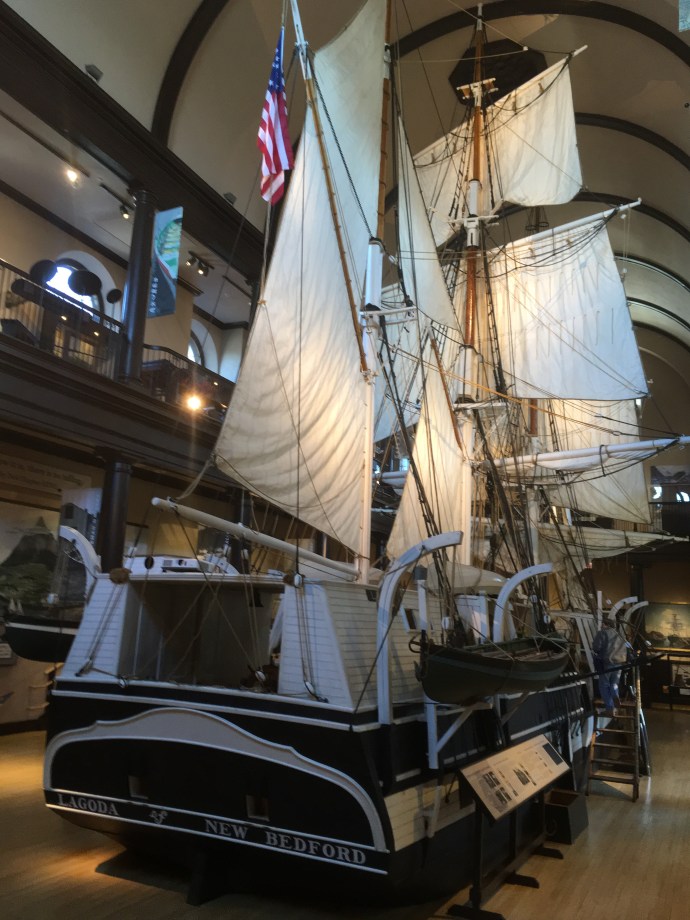
1/2 scale model of whaling vessel

1/2 scale model of whaling vessel

During the first half of the 1800s, New Bedford became the whaling capital of the world. Fortunes were made, and lost. The work was hard and unglamorous. The men who worked on the ships made their pay only if the ship was succesful in finding whales and in getting it back to New Bedford safely. The owners of the ships made the big bucks and while, as usual, hard work was part of the foundation of their wealth; the role of luck and the hard work of low paid men always seemed to be glossed over.
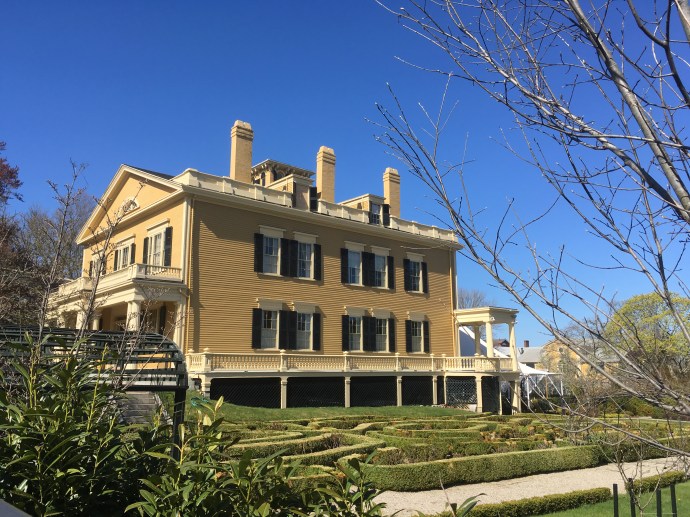
Rotch-Jones-Duff home in New Bedford MA

Rotch-Jones-Duff home in New Bedford MA

We toured the home of one such lucky, wealthy family, the Rotch-Jones-Duff house. It features the usual ornate fireplaces, high ceilings, delicate wallpaper, and ornate china and glass dishes. The gardens were not blooming yet, it seems that MA is blooming slower than MN this year. The original builder would have been a billionaire in today’s dollars. Rotch was wise enough to move his operations from Nantucket to New Bedford and to vertically integrate the whale oil business; sort of a precursor to the Standard Oil concept for petroleum.
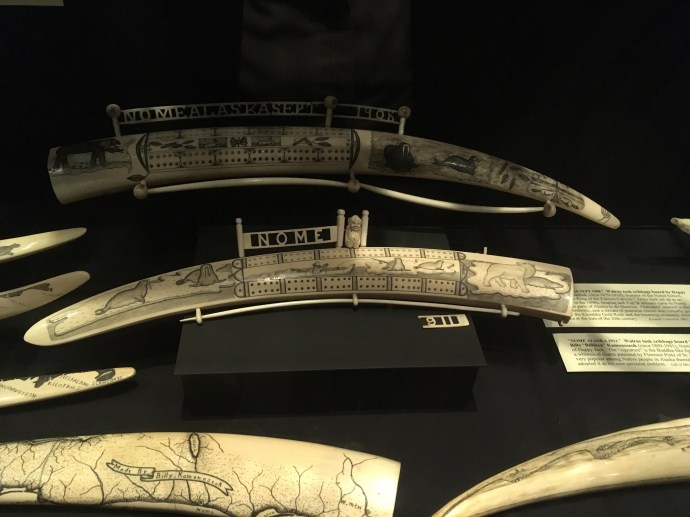
Scrimshaw cribbage boards

Scrimshaw cribbage boards

The exhibits at the New Bedford Whaling National Historical Park and at the privately owned New Bedford Whaling Museum presented well the diverse people who made whaling a success. The ships were at sea for 4-6 years. The crews became a mix of men from the U.S. but also from the Azores, Cape Verde Islands, Pacific Islands, and Hawaii. The ships became, by default, U.S. ambassadors by making international ports of call and intermingling people, ideas, and trade goods all across the globe. Barrow Alaska and New Bedford developed a connection due to the whale hunting in the Arctic Ocean.

Whale skeleton at New Bedford Whaling museum

Whale skeleton at New Bedford Whaling museum

New Bedford as a community was founded by Quakers who led the city for many years and shaped its development. Their more pacificist attitudes and advocacy of abolition made the community an important stop in the Underground Railroad. Blacks were able to work on whaling ships. Frederick Douglas, the black abolitionist orator and writer, lived in New Bedford for a number of years.

After the Civil War, as petroleum started to supplant whale oil, forward-looking merchants began to diversify and New Bedford moved from a whaling center to an industrial center. Textile and glass manufacturing was a major industry but numerous other manufacturing factories kept the town thriving for decades.

On our way out of town, we made our expected stop at Dunkin Donuts before dinner in downtown Waltham. Biaggio’s, an Italian restaurant, served us well in wrapping up the day in fashion.

Ed and Chris
Sunday May 1, 10 PM
Categories: road trip, travel | Tags: , , , , , , | 1 Comment

2016 Trip Three, Boston, April 27-28

April 28, Boston MA

So when you visit a big city, where do you head first? A cemetery, right? Well that was our first stop Wednesday April 27th as we returned to visit Boston again. Well, technically we went to Cambridge.

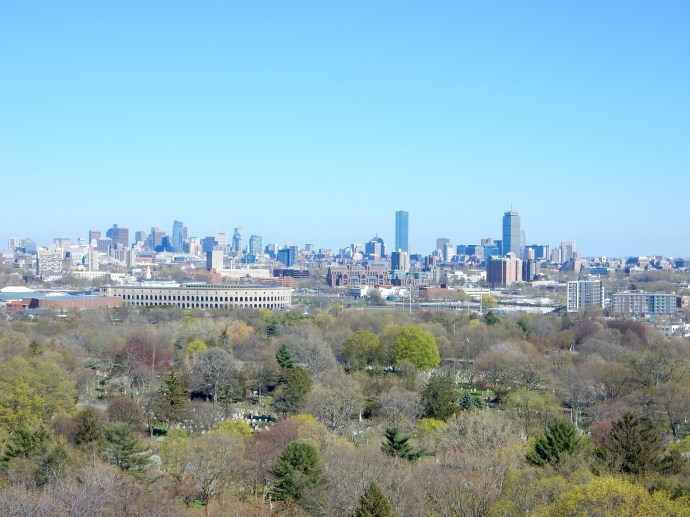
Boston skyline from Washington Tower at Mt. Auburn Cemetery

Boston skyline from Washington Tower at Mt. Auburn Cemetery

Mount Auburn Cemetery is ranked first on TripAdvisor for things to do in Cambridge, ahead of Harvard, MIT, the Peabody, Longfellow House, etc. Chris actually was searching re: spring flowers and the cemetery came up. I was checking Atlas Obscura for places to go and Mount Auburn came up. It is on the way from the airport to Deb and Rebecca’s so we made it our destination of the day for Wednesday after landing at 2 PM at the airport.

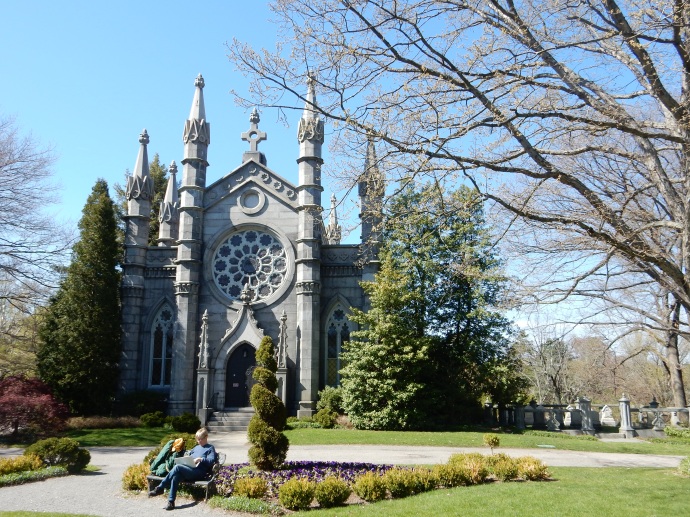
Bigelow chapel at Mt. Auburn cemetery

Bigelow chapel at Mt. Auburn cemetery

Mount Auburn is 175 acres of more than 98,000 dead bodies in a park-like setting. It was founded in 1831 as America’s first landscaped cemetery and the first large-scale designed green space that was open to the public. It creates a tranquil place where families could commemorate their loved ones in a natural setting in an urban area. The cemetery influenced the advance of art and architecture as families vied to erect suitable monuments to family members.

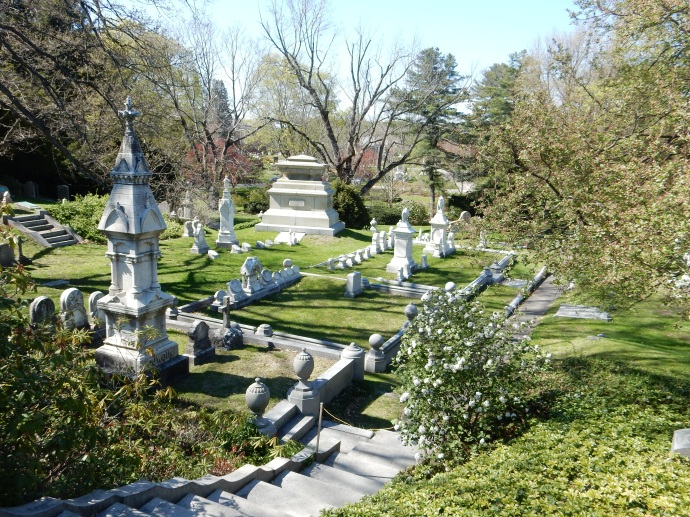
Family plot at Mt. Auburn cemetery

Family plot at Mt. Auburn cemetery

In early times, families bought a plot of land and were responsible for the design, erection of monuments, and maintenance of the plot. Later on, Mount Auburn pioneered the concept of perpetual care and later still, the requirement that the cemetery handle all arrangements and landscaping. Now the grounds are an internationally renowned arboretum and botanical garden. It is a bird sanctuary, is on the National Register of historic Places, and has over 60,000 monuments spanning three centuries. Some of the U.S.and Boston notables buried here include Henry Cabot Lodge, William Wadsworth Longfellow, Charles Bullfinch, Mary Baker Eddy, Buckminster Fuller, Isabella Stewart Gardner, B.F. Skinner, I.F. Stone, Julia Ward Howe, and many others.

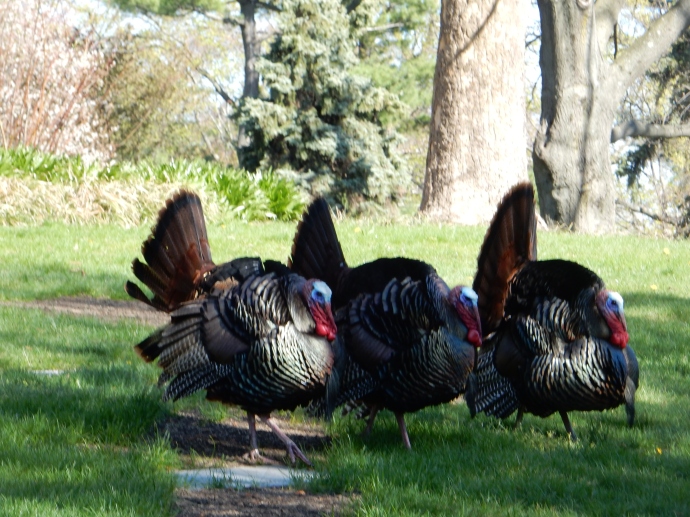
3 Turkeys strutting their stuff at Mt. Auburn cemetery

3 Turkeys strutting their stuff at Mt. Auburn cemetery

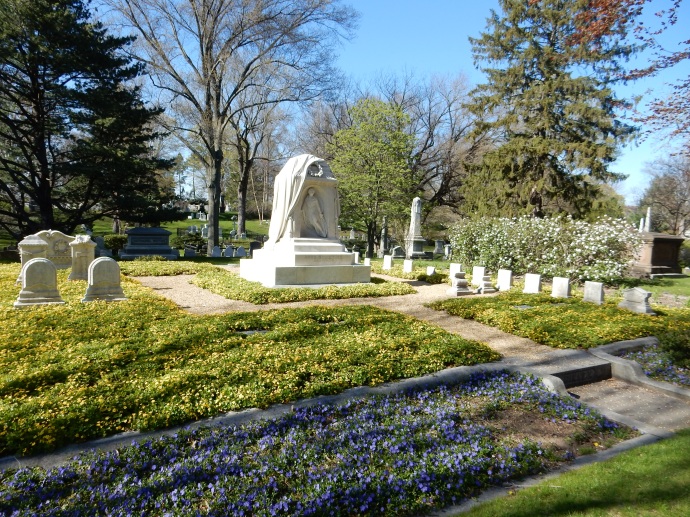
Mt. Auburn cemetery

Mt. Auburn cemetery

We spent two hours wandering the grounds. The only notable we really searched out was Longfellow. Otherwise we hiked around, saw birds, wondered at various family plots, admired sculptures, climbed Washington Tower, and generally enjoyed the day. First time I can remember us ever just walking through a cemetery without having a family member grave as a destination.

Deb and Rebecca were working late so we had dinner in Waltham at the Moody’s Delicatessen and Provisions. This place has been open about a year and specializes in preparing its own cheeses and cured meats. I had their pastrami sandwich and potato salad while Chris had their gnocchi. Each item was crafted with their own touch and was excellent.

Thursday morning, today, we headed 30 miles west to Blackstone River Valley National Historic Park. This is a new unit (2014) to the National Park Service. In my mind, it aims to enhance the previously existing Blackstone River Valley National Historic Corridor. National Corridors are a type of national historic site but are not part of the US National Park Service. Upgrading the Blackstone River Corridor to a national park gives it greater status but like the Pullman site we just visited, more money and time are needed before this national park really creates its own identity. For now, it is a partnership park and we set out to visit a few of the sites making up the partners.

The Blackstone River Valley illustrates the major revolution in America of the Industrial Revolution. America’s first factory was built on the banks of the Blacksone River which runs from Worcester Massachusetts to Narrangansett Bay in Rhode Island. The 46 mile corridor has a history of farming, water power, mills, and factories. The change from farming to wage labor began here as mill owners provided and controlled the jobs, housing, schools, roads and stores in exchange for 60 hour work weeks and more security.

Ethnic diversity followed. The first settlers were English and Anglican but were followed by Quakers, Puritans, Baptists, Catholics, and Jews. Later the English were joined by Irish, French Canadians, Germans, Dutch, and Swedes. The Blackstone River Valley was enriched in the latter part of the 1800s and early 1900s by Italians, Portuguese, Greeks, Ukranians, Polish, Armenians and Syrians. Finally after WWII, a new wave of African-Americans came with later immigrants from South and Central America and Southeast Asia.

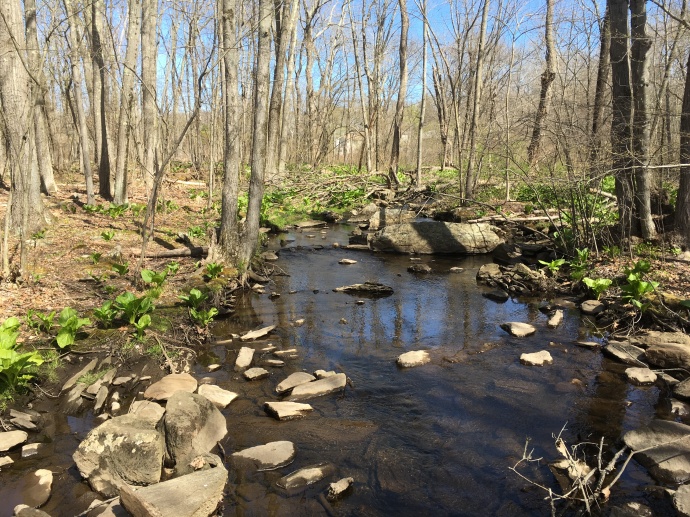
Broad Meadow Brook

Broad Meadow Brook

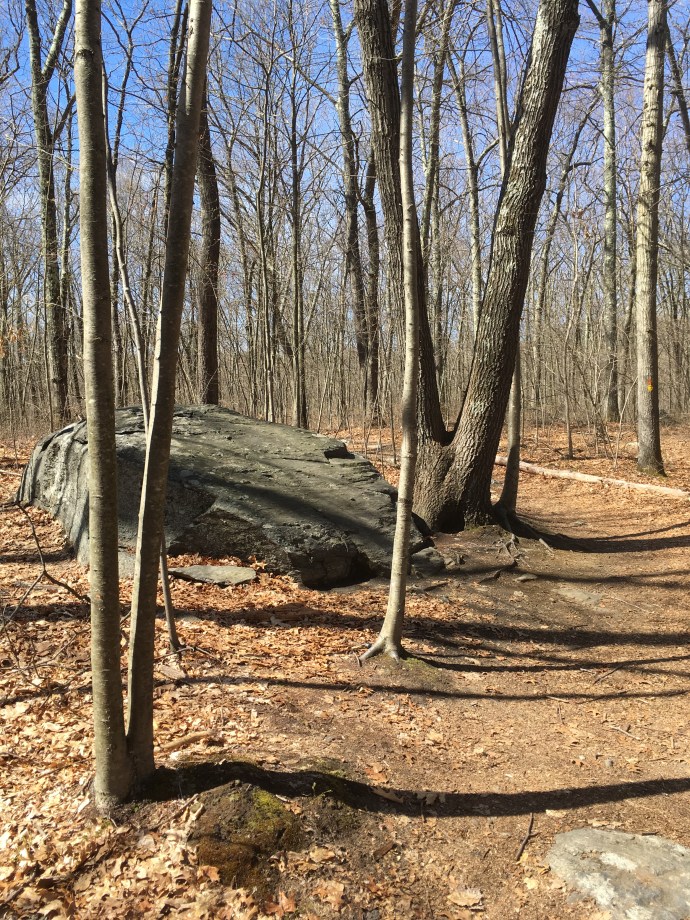
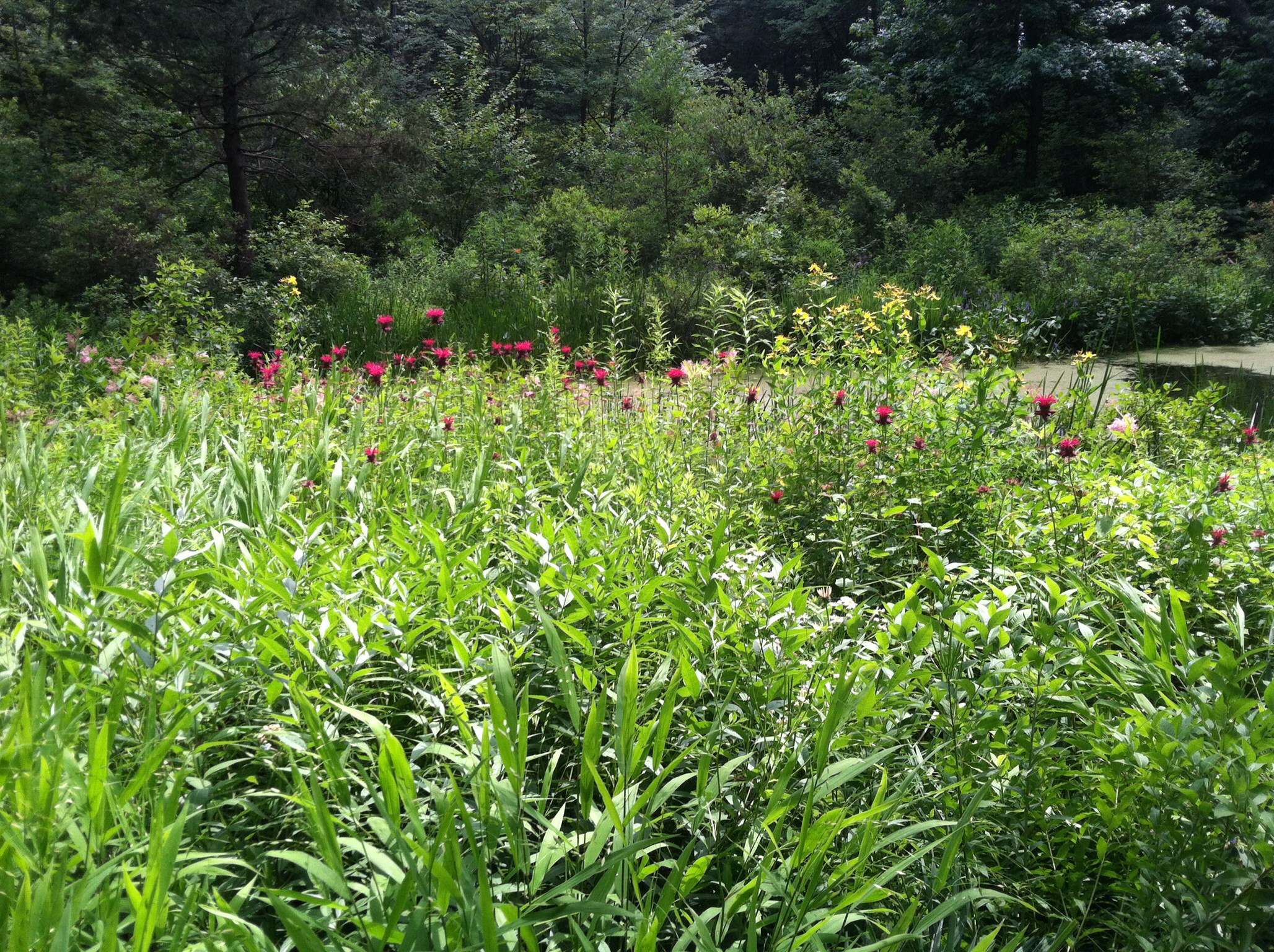
Hiking at Broad Meadow Brook

Hiking at Broad Meadow Brook

The Broad Meadow Brook Conservation Center and Wildlife Sanctuary in Worcester is one of the partners and supposed to act as a visitor center. Well, they had one pamphlet and no NPS stamps. They did have trails and birds so we hiked for an hour.

We moved on to downtown Worcester and stopped at the Worcester Historical Museum. They were more aware of the NPS program but also did not have the “official” NPS stamp that Chris prefers. We exercised our flexibility and changed our plans; deciding to make a second visit to Worcester sometime in the future and visit the Historical Museum and Art Museum then. Instead, we had lunch at a nearby cafe and drove half an hour to Uxbridge and to the Blackstone River and Canal Heritage State Park.

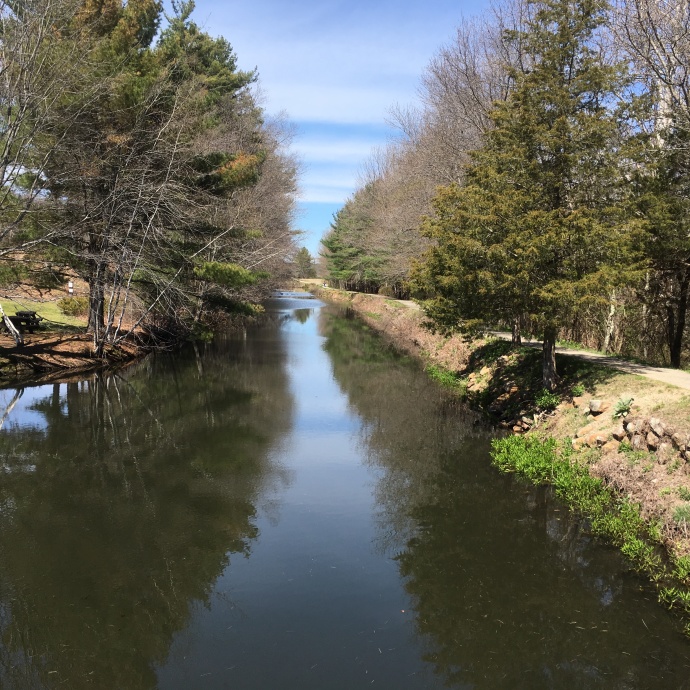
A remnant of the old canal at Blackstone River & Canal Heritage State park

A remnant of the old canal at Blackstone River & Canal Heritage State park

Here was nirvana: exhibits about the area, portions of the canal that connected Worcester and Providence, hiking trails, and the “official” NPS stamp. The exhibits discussed the change in transportation from mud roads, to improved roads, to canals, to railroads,and back to improved roads of today. Each new transportation improvement disrupted the old; changing habits, making some people wealthy and others bankrupt, allowing some towns to die and others to grow. Similar changes occurred in farming, industry, home-making, education, etc.

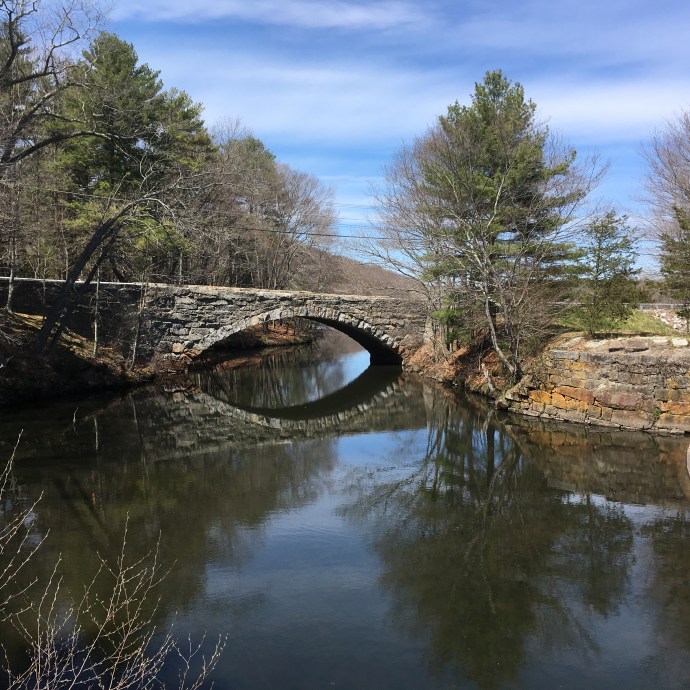
Stone arch bridge at Blackstone River

Stone arch bridge at Blackstone River

Chris and I hiked along the canal. Instead of the numerous birds we heard and saw at Mt. Auburn, the animal highlight was hordes of turtles sunning themselves on rocks and tree limbs suspended over the water.

In Sutton, we stopped at an old mill building that has been converted into offices and visited the Vaillancourt folk art shop. Here hand-painted collectible Chalkware figures are moulded from antique chocolate moulds. The originator of the business, Judi Vallaincourt, has a collection of antique European chocolate moulds that were used for making chocolate but now she uses them for making the Chalkware figures. The moulds are tin and brass and work well for this new purpose. The local artists paint the figures in the style designed by Vallaincourt. It was interesting but the figures did not appeal to me-and they were priced out of our comfort zone.

The excursion ended at Christopher’s Ice Cream Parlor in Millbury. Millbury was another farming community that saw changes due to the Industrial Revolution. It was a crossroads for traffic between Boston, Hartford, Worcester, and Providence. While its heyday was probably in the early to mid-1800s, it seems to be transforming again. Christopher’s was housed in another old mill that had been converted into offices abd retail.

Dinner was home-made chicken pot pie at Deb and Rebecca’s.

Chris and Ed. 11 PM

Categories: road trip, travel | Tags: , , , , , | 3 Comments

2015 Trip 4, Boston, July 14-18

Boston-Saint Paul, July 18

This was a brief trip to visit Deb and Rebecca in Boston. It is a tribute to Boston and the eastern Massachusetts area that we still are able to find new places to visit despite our frequent trips there. We flew out on Sun Country Airlines, our first time using them. Seats are as cramped as other airlines but we liked their process to board the passengers. There is the usual first class, people who need help, parents with young kids, etc. But they then board passengers who have no overhead compartment luggage and passengers who have given up their overhead compartment luggage to be checked at the gate. This loads a group of people who can get into their seats quickly. Then the seating is more random, some up front and some from the back. It avoids the mad rush we have seen on Delta when passengers jam the front of the waiting area, hoping to get on early enough in their seating order to get their luggage up in the overhead compartments.

Garden in the Woods, Framingham MA

Garden in the Woods, Framingham MA

Deb picked us up at the airport and drove us to Waltham where we picked up our rental car, saving us the rental charges tacked on at airports. We only had one destination for the day, the Garden in the Woods in Framingham. This garden is sponsored by the New England Wildflower Society and was listed in a book we have, the National Geographic Guide to America’s Public Gardens.  The garden is home to the largest collection of wildflowers in New England. It was the dream and creation of one man, Will Curtis, beginning in 1931. The 45 acre garden was turned over to the New England Wildflower Society in 1965.

We found it a pleasant, although not overwhelming, diversion for the afternoon. This might be due to the fact that no one area was overwhelming in blooms or due to having seen so many wildflowers in the last few weeks that we did not dawdle and examine numerous smaller plants and flowers. In any event, our Como Park membership once again meant we did not have to pay an admission fee and maybe that allowed us to be more cavalier in our impression.

But the primary reason for the trip was to see Deb and Rebecca and while they had to be at work sometimes, tonight we were able to have dinner grilled on their deck. Chris got her burnt hot dogs and thus all was well with the world.

Longfellow House-Washington's Headquarters Cambridge MA

Longfellow House-Washington’s Headquarters Cambridge MA

Wednesday the 15th was my 65th birthday-Welcome to Medicare, Ed.  Chris and I drove and then rode the “T”- Boston’s subway – to Cambridge. Rain was  a likely possibility but we managed to avoid all but a few sprinkles. The Longfellow House-Washington’s Headquarters is a National Historic Site managed by the National Park Service.  The site’s history began with the construction of a country estate by a John Vassall in 1759. On the eve of the American Revolution, Vassall and his family fled to Boston, being Tories.  For nine months beginning in July 1775, Washington used the abandoned buildings as his headquarters during the battle of Boston until the British decamped and moved on to New York. In 1791, the property was purchased by Andrew Craigie and after his death in 1819, it was the property of his wife until she died in 1841. Craigie left his wife with many debts in 1819 and she rented out portions of the property to many tenants, one of them being Henry Wadsworth Longfellow, the poet.

The gardens at Longfellow House

The gardens at Longfellow House

After Longfellow’s marriage to Fanny Appleton in 1843, the couple were given the property as a wedding gift by his wife’s parents. Fanny and Henry re-planted the garden which then fell into dis-repair after his death; then restored in 1904 and 1924 by their daughter Alice. In 2003 another restoration took place. We were able to tour the garden with a park ranger and enjoy its renaissance.

We also toured the house with a ranger, the furnishings all belonging to Longfellow’s family. The house was the home for Longfellow during the most prolific and influential times of his life. He wrote his poetry here, he was a professor at Harvard,  he hosted many influential members of society here ( Emerson, Hawthorne, Oliver Wendell Holmes, Charles Sumner, Charles Eliot Norton, James Russell Lowell, etc.). His poetry included “Song of Hiawatha”, “Paul Revere’s Ride”, in 1842 he wrote a series of poems condemning slavery, and others.  His poetry informed Americans of their roots and he became an American hero. The last and somewhat diminished stage of Longfellow’s career began in 1861 with the tragic death of his wife Fanny. In the midst of melting sealing wax, she set fire to her own gauzy clothing and was enveloped in flames. She died the next day. In his futile efforts to put the fire out, Longfellow burned his hands and face. To hide his facial scars, he eventually grew the beard that gave him the sage, avuncular look reproduced in so many later paintings. It was during this time that he translated Dante’s Divine Comedy; the first American translation and still a solid classic available today.

After our time at Longfellow’s house, we headed over to Harvard and its Museum of Natural History. This museum had been highly praised and was a “GEM” in the AAA Tour Book. However, once again, maybe we have been traveling too long and visited too many museums.  We were not impressed; possibly the best section in my mind was the section on Native American cultures but even that struck me as so-so.

As stated earlier, this was my 65th birthday. Deb and Rebecca treated us to dinner at Jimmy’s Steer House in Arlington. Another place that had been recommended to us, this time accurately. The menu was extensive, reasonably priced and very good food. We could not finish all of our desserts, however, just too much food.

Saugus Iron Works National Historic Site

Saugus Iron Works National Historic Site

Thursday was our long day of touring. Our first stop was Saugus Iron Works in Saugus. This National Historic Site is the home of the first successful iron works in the United States, operating from 1646 to 1668. Saugus had ample quantities of timber to run the furnace, a quantity of iron ore in bogs nearby, water power, and access to the ocean for shipping the product. AND, I was amazed to find out, the Puritan government of Massachusetts  offered tax incentives to build and operate the iron works.  Even in the 1640s, tax incentives were being given out in America. The workers who ran the iron works were generally indentured servants from Wales and England. The Puritans ran the town, most of the iron workers were not assimilated into the Puritan society until the forge closed down and families moved elsewhere, their children became freemen and intermarried. The cause of the cessation of the iron works seems to be a combination of poor management and some bad years for river flow to provide power. The workers trained here were highly skilled and moved on to other iron works in New England.

The Iron Works as viewed by us are a reconstruction, the site had generally been destroyed over the intervening centuries. In 1943 the community formed a local group and with funding from the American Iron and Steel Association, began digging  through the site and cataloging their discovery. They uncovered the remains of the blast furnace, a large section of the waterwheel, a 500 pound hammer-head and the footprint of the principal structures. The lead archeologist was Roland Wells Robbins, a self-taught archeologist who also discovered the location of Thoreau’s Walden Pond cabin. Evidently his success and methods upset later, better educated archeologists who downplayed his role in helping to discover early American sites in New England. The National Park Service took over the site in 1968.

Thomas Hart Benton painting at Peabody Essex Museum in Salem MA

Thomas Hart Benton painting at Peabody Essex Museum in Salem MA

Our second and third stops were in Salem, the Peabody Essex Museum and the Salem Maritime National Historic Site. The Peabody was hosting a special exhibit on Thomas Hart Benton, the American painter and muralist we have come across before (2013 Trip 8, Missouri State Capitol). The exhibit here used as a theme Benton’s work for Hollywood movies. Once again, we took advantage of a docent’s tour through the exhibit and found it quite fascinating. The exhibit demonstrated his use of multiple sketches and three-dimensional plaster casts used as models and ideas before the painting of the final product. His realistic portrayal of working class people, Native Americans, and African-Americans was a delight to behold.

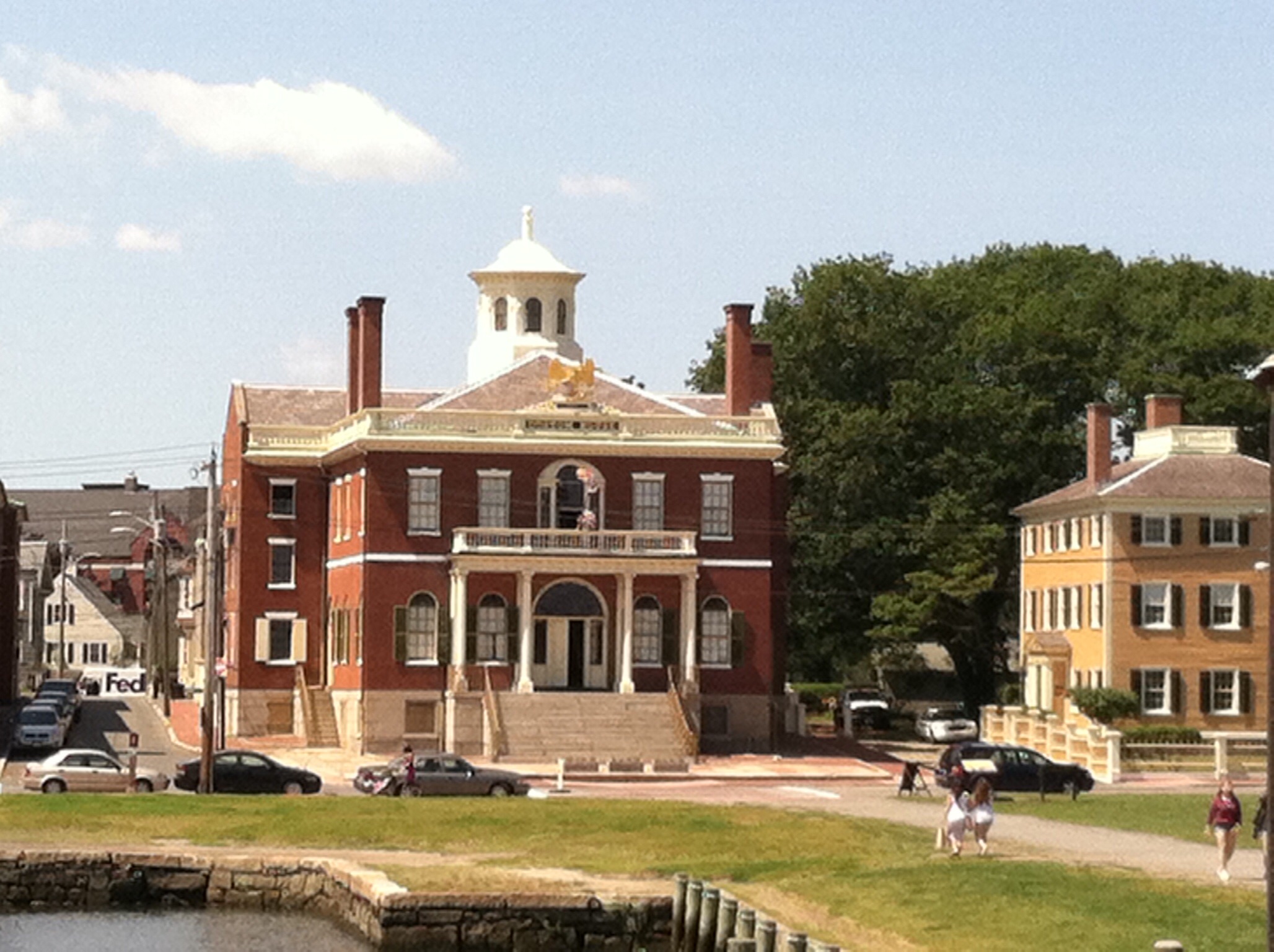
Custom House at Salem Maritime National Historic Site

Custom House at Salem Maritime National Historic Site

We then headed over to the Maritime Historic Site (note we made a conscious decision to ignore the Salem Witch Trial portions of town, particularly the commercial endeavors). Before the enactment of the income tax in America, tariffs (taxes on imported goods) provided the vast majority of the revenue to run the country. Thus, ports had a collection of buildings related to shipping and custom duties; wharves, warehouses, scales, the custom house to collect duties/tariffs, etc. Salem was at one time the nation’s sixth largest city and its port collected 17% of the nation’s tariffs. This was during its glory days from the Revolution to the War of 1812. Its ships sailed to the East Indies and the shipowners here were most likely the nation’s first millionaires. During our countries early days, private vessels operated as privateers, essentially government authorized pirates who captured enemy ships and warships for their own profit. Salem had a high percentage of these ships. The disruption of the War of 1812, an 1807 embargo on foreign trade, and better road networks in Boston and New York ended Salem’s dominance. Our visit included the Custom House, the Public Stores, the Scale House, and a recreated sailing vessel from that era.

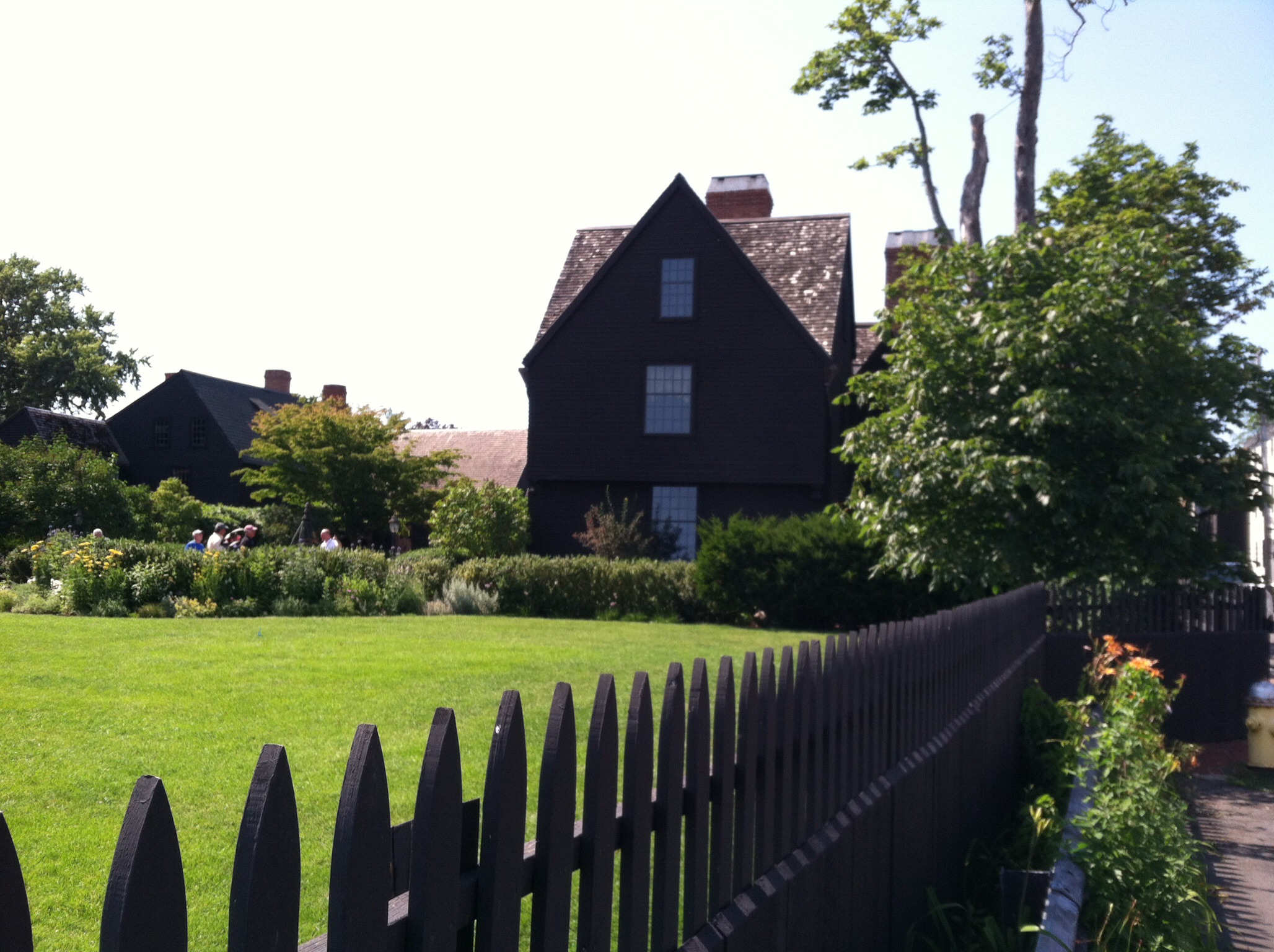
The House of Seven Gables in Salem

The House of Seven Gables in Salem

The House of Seven Gables is a classic American novel by Nathaniel Hawthorne, written in 1851, which is set in this town around an actual house erected in 1668 and which still exists. We walked by it but decided not to take the tour.  The first candy store in America was our last stop to purchase a few treats. Ye Olde Pepper Company dates back to the early 1800s. Their first product, a hard sugar candy called “Gibraltar” is still made although the taste did not impress us.

Dinner in Waltham

Dinner in Waltham

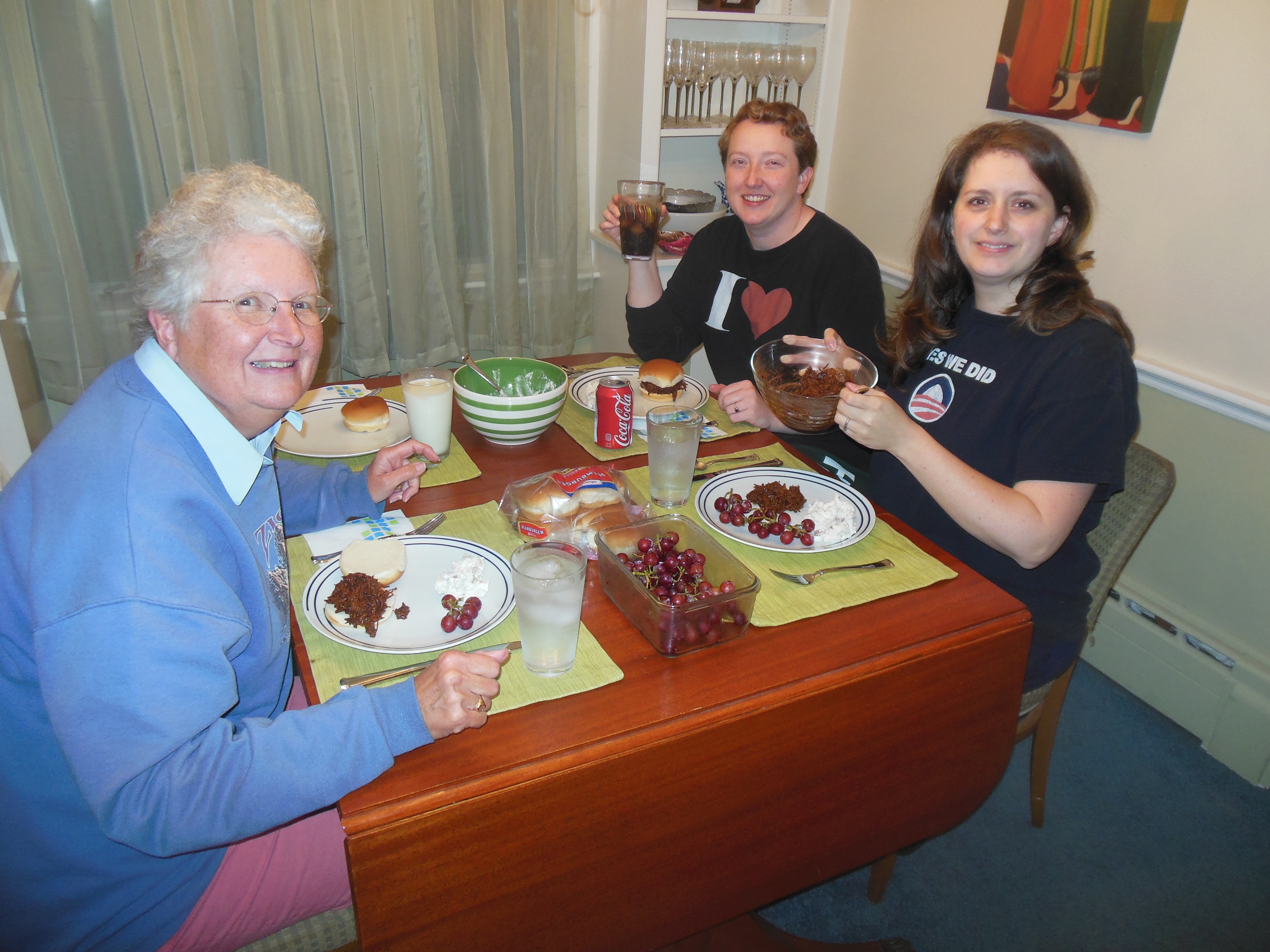
Friday was a day off for all of us. We stayed home, viewed the photos of Deb and Rebecca’s trip to Portugal and Spain, Chris went in the pool, and we walked to downtown Waltham for dinner. A very pleasant way to end a great trip.


Ed and Chris   St. Paul, Saturday July 18


Categories: road trip, travel | Tags: , , , , , , , , , , | 2 Comments

2015 Trip 2, April 2, Boston at Easter

Boston MA Thursday April 2

Boston is such a great city to visit. Vibrant, loads of history and culture, wonderful streets on which to get lost over and over again. Seriously, there is no grid network of streets here, just curvy roads that change names every mile or so. Very few arterial streets that continue for more than a few miles. You have to constantly switch from one road to another in order to make your way across town. It must be an effort to keep Bostonians sharp, they have to constantly use their minds to remember how to get anywhere so the brain is constantly being exercised.

We are here to visit Deb and Rebecca at Easter in early April after one of the worst winters in Boston’s history. Much more snow than Minnesota. Many yards still are snow covered but streets are well clear of snow. Sidewalks frequently have a mound of encrusted snow piles blocking the path where someone just gave up trying to keep the path clear; usually on the south side of the street where a building blocked the southerly sun from any melting action. Since Deb and Rebecca are not retired, they had to go to work and a diversion/destination was necessary to be found. And, of course, success was had in finding diversions.

Chestnut Hill Reservoir

Chestnut Hill Reservoir

The Chestnut Hill Reservoir was today’s first destination. It is in Brookline and is an impound lake for water for the city’s municipal water supply. Actually, that is only somewhat correct. It is now part of their emergency back up system, but it had a trail around it and it seemed a nice location to take a hike on the way to another destination. The ice had only partially melted, but the trail was snowfree. The morning temp was 36 degrees, so walking was a good way to keep warm.

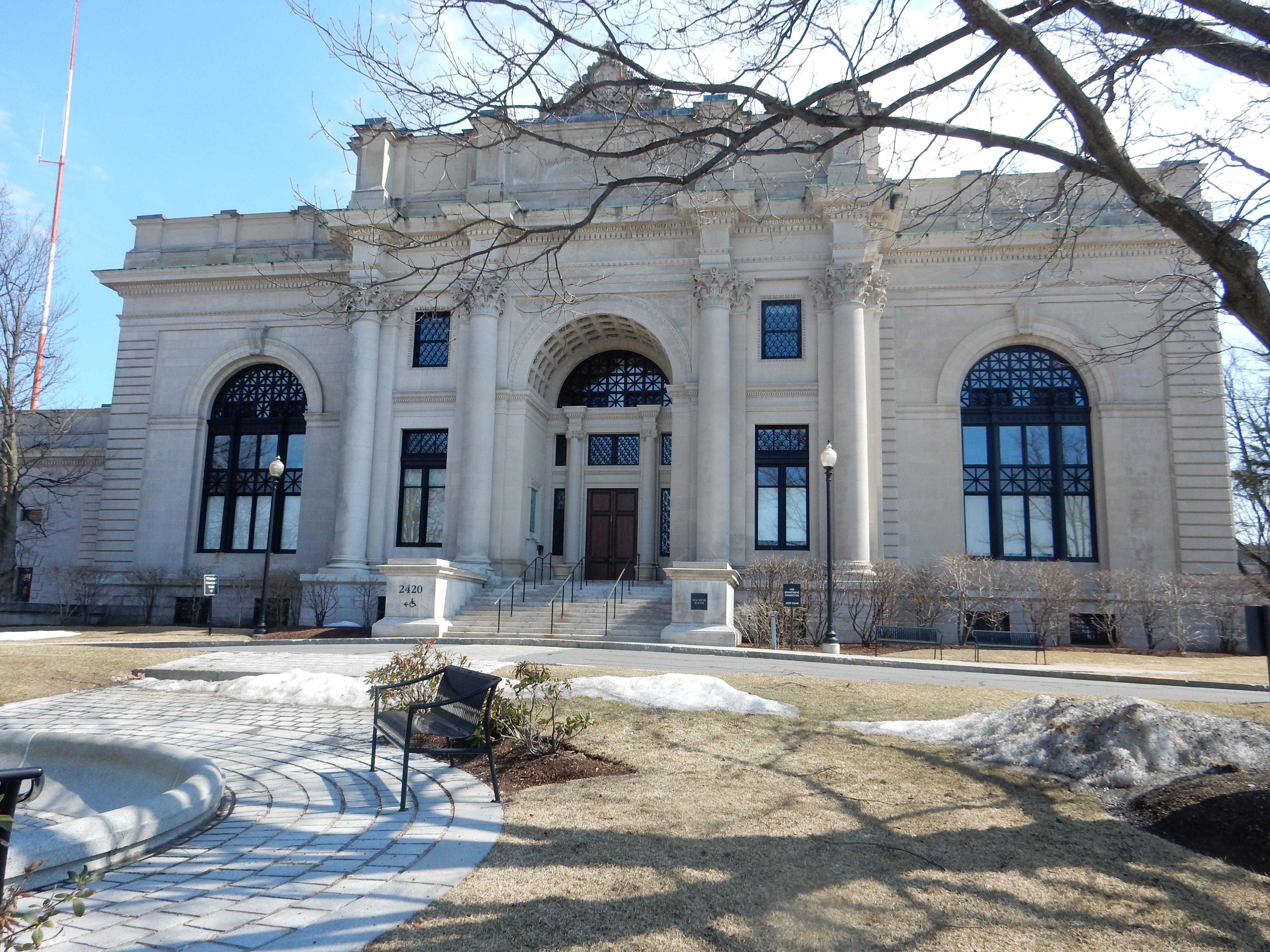
Metropolitan Waterworks Museum, Brookline

Metropolitan Waterworks Museum, Brookline

Half way around the 1.6 mile trail, I noticed a series of interesting buildings across the street. Upon closer inspection, there appeared a sign indicating this was the Waterworks Museum, open to the public beginning in half an hour. Well, hey, this was an opportunity to try something unscheduled and not on any tour list previously seen. So, the walk was resumed and completed (after a discussion with a local Bostonian about: his chronic fatigue syndrome, and how best for pedestrians to use the crosswalks, and his marriage) and the museum returned to by car.

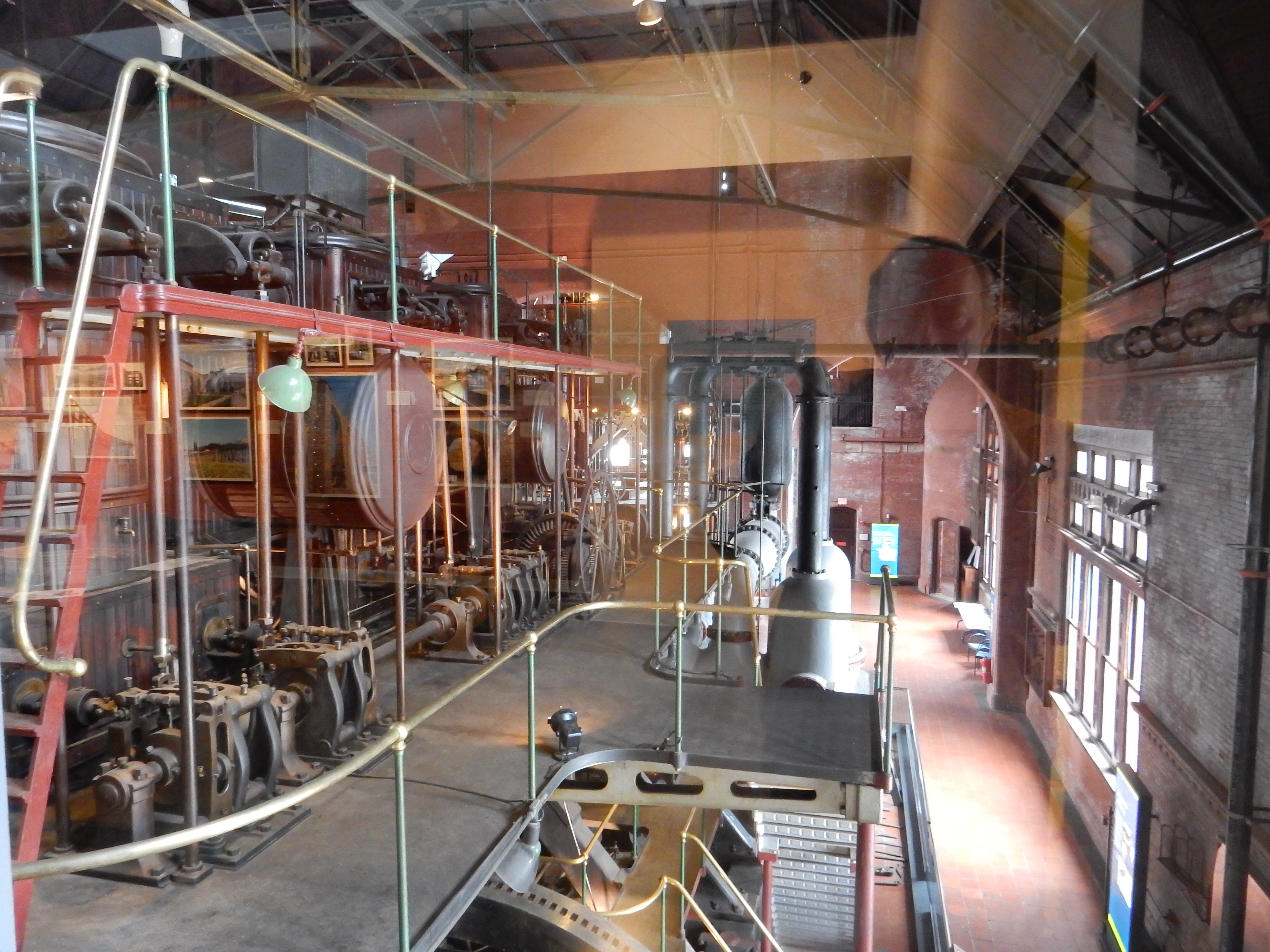
Inside the pumping station room at Waterworks Museum

Inside the pumping station room at Waterworks Museum

Pumps inside the building

Pumps inside the building

The museum is housed in the old High Pumping Station used to pump water into Boston’s water system. The museum staff were very friendly and eager to show one around. Technically, the Boston water now comes from the Massachusetts Water Resources Authority which serves 2.5 million Massachusetts residents. The system pumps an average of 215 million gallons of water a day. Most of the drinking water now comes from the Quabbin Reservoir in central Massachusetts, 60 miles away by South Hadley.

One of the former pumphouse buidlings now condos

One of the former pumphouse buidlings now condos

This pumping station was closed in the 1970s and after twenty years of neglect, people came up with a entrepreneurial way to restore the building and its massive equipment. Part of the museum building and two ancillary buildings were sold and converted into high-end condominiums. Part of the open land area was sold and another condominium built. The proceeds went into an endowment to restore the building. On an ongoing basis, each time a condo is sold, a portion (I do not know how much) of the price goes into the endowment to maintain the museum.

The museum itself does a nice job of education about the connection between clean water and health. Boston was the first municipal water company to have its own biological station to conduct research into water borne illnesses and water quality. Part of the incentive to build this large pumping station also germinated after a 1872 Boston fire which killed 30 people and burned out 65 acres of Boston’s downtown. All in all, a very nicely done museum and an enjoyable hour.

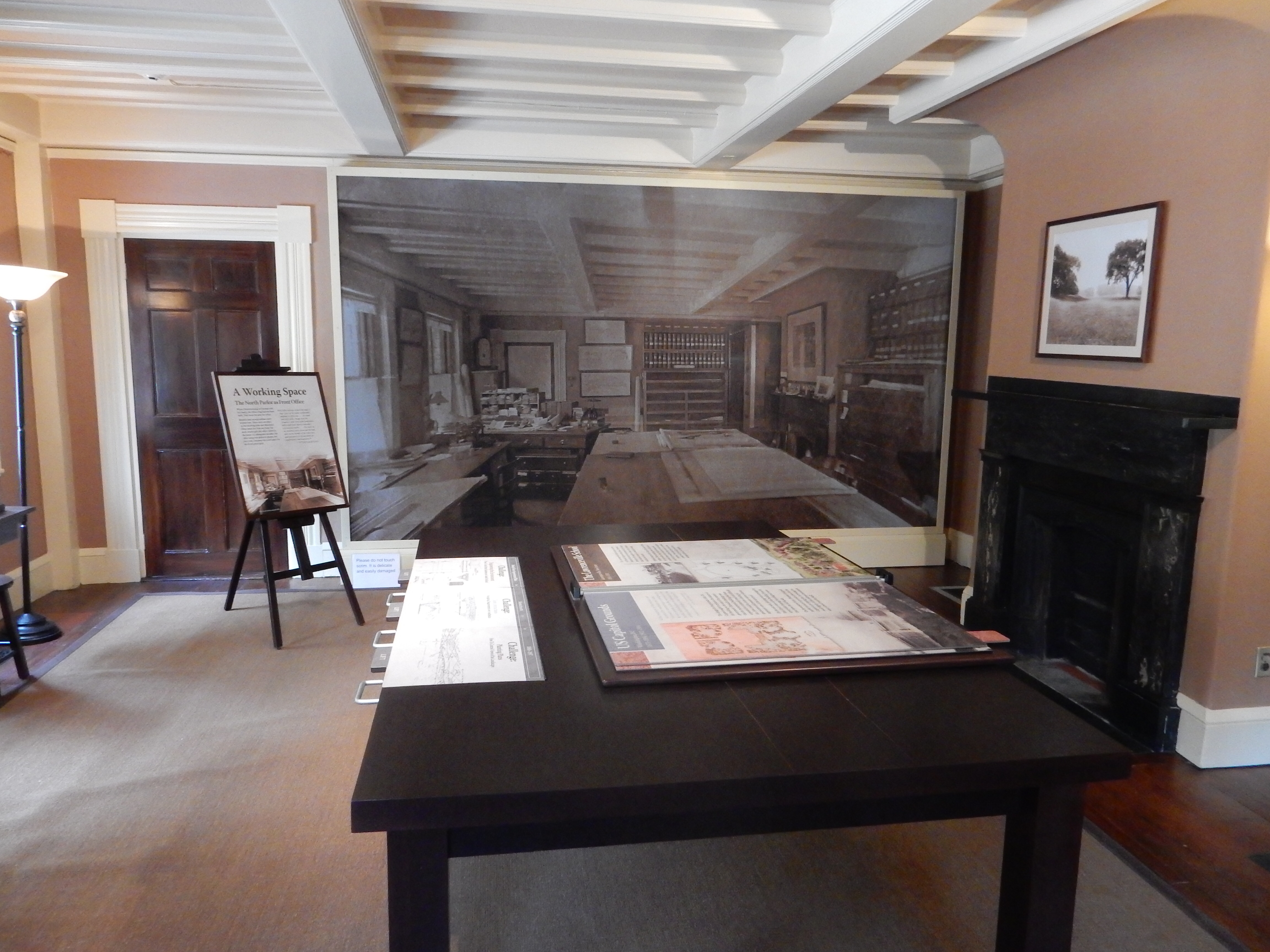
Olmsted office

Olmsted office

The second destination was the Frederick Law Olmsted National Historic site, also in Brookline. The first thing learned was that while Frederick Law Olmsted is considered the founder of landscape architecture in America, his work was continued by his two sons and the firm Frederick Sr. founded. Frederick Law Olmsted was born in 1822, retired in 1895, and died in 1903, so works discussed after his retirement are due to his sons (Charles and Frederick Jr.) and the firm.

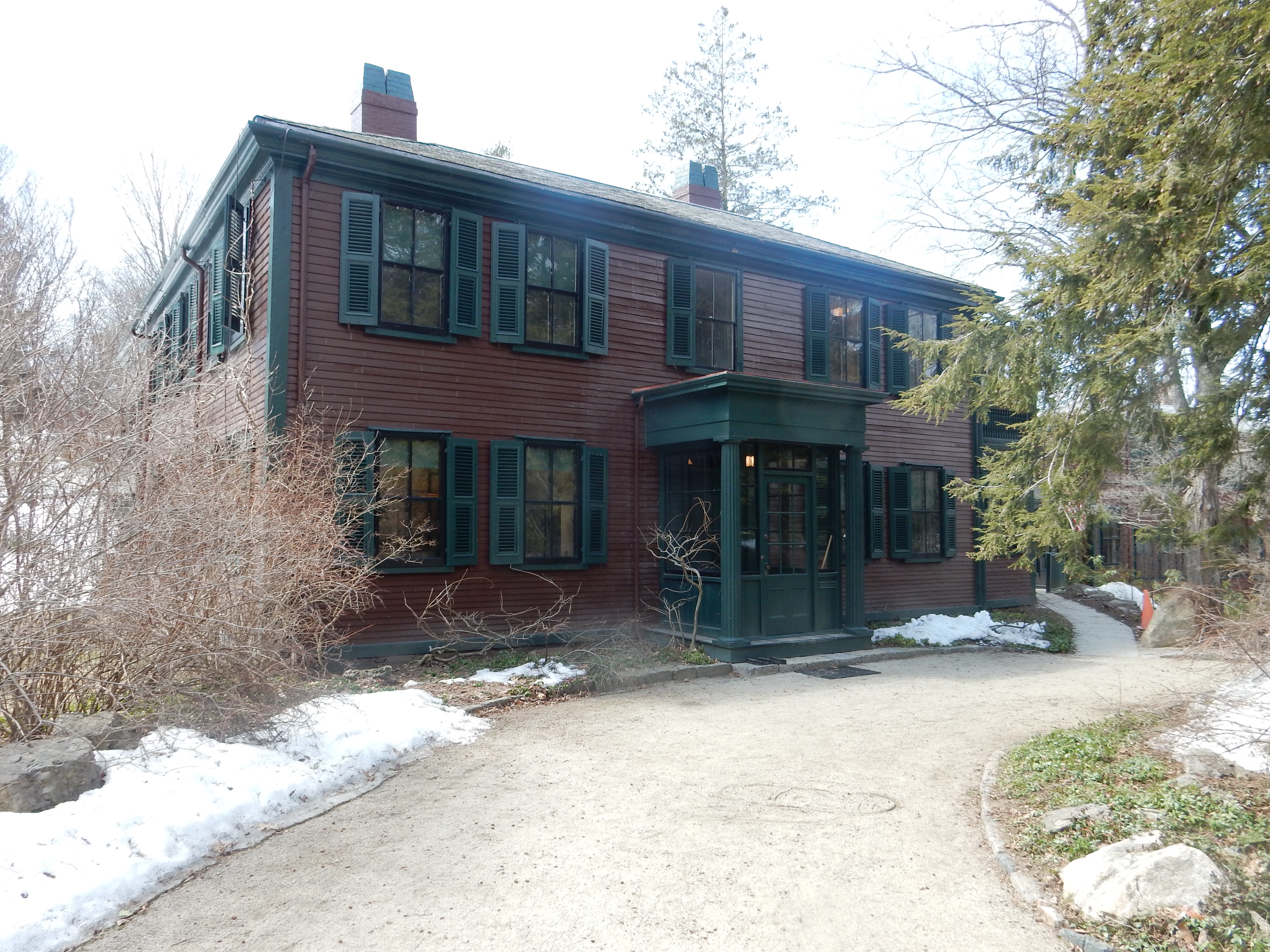
The Frederick Law Olmsted National Historic Site

The Frederick Law Olmsted National Historic Site

Frederick Sr. designed Central Park in New York City, the grounds of the U.S. Capitol, the 1893 Chicago World’s Fair, and innumerable other projects. His vision allowed him to view an area of unlikely value and create a park system that also drained mosquito breeding swamps and provided a parkway to transport people and carriages. His ideas provided for multi-use large park areas in urban areas that previously had none. His ideas were borne less out of education than experience; seaman, walker, farmer, draftsman, clerk, engineer, and traveler in Europe and Asia. He was one of several influential citizens pushing for the creation of Yosemite Valley as a park. The National Historic Site is located in the building he moved into from New York City in 1883 and was his home and the office for the firm (with several additions) until 1980 when the Park Service took over the building and its archives of 120 years of drawings. Olmsted moved to Brookline because he had a major contract to design a series of parks and parkways for Boston that came to be known as the Emerald Necklace.

Drawing showing the site and size of the Waltham Watch factory

Drawing showing the site and size of the Waltham Watch factory

A poster for Waltham watches

A poster for Waltham watches

Today’s third destination was a walk along the Charles River in Waltham, passing by the former Waltham Watch factory. Like many other New England towns, Waltham was the home to early factories. In its case, it was the first factory to truly mass-produce watches. In its time, 1854-1957, the Waltham Watch Company made almost 40,000,000 watches. At its peak, it employed 4,000 workers. The 400,000 square foot factory site is now lofts and offices, aided I am sure by tax credits and subsidies. There is a small exhibit area in the building with displays relating to the history of the company and its workers. (All three numbers begin with 4, a co-incidence I am sure. The numbers come from the display in the exhibit area.)

This evening was the Holy Thursday service at the Paulist Center in downtown Boston. Deb and Rebecca know a lot ot people there so it is always refreshing to attend a service with them.

Ed and Chris April 2 10 pm

Categories: road trip, travel | Tags: , , , | Leave a comment

2014 Trip Three, April 20, Boston

Easter Sunday, April 20, Boston

Final full day in Boston. We return home tomorrow and will be home until departing for Trip Four on Tuesday April 29 for 7 weeks in the Southwest.

MA State Capitol from Boston Commons

MA State Capitol from Boston Commons

Easter has been a great day. We drove downtown to the Paulist Center in Boston again, for 10 AM Mass. It was projected to be crowded, aren’t most Easter services crowded? We arrived early so I went for a walk around Boston Commons. Tomorrow is the big day for the race and while the finish line is well before this area, the Commons area is one of many post-race gathering areas and the staging area for satellite TV trucks. People in spandex were everywhere, getting in a run or just being a tourist.

Easter  Brunch at Scollay Square

Easter Brunch at Scollay Square

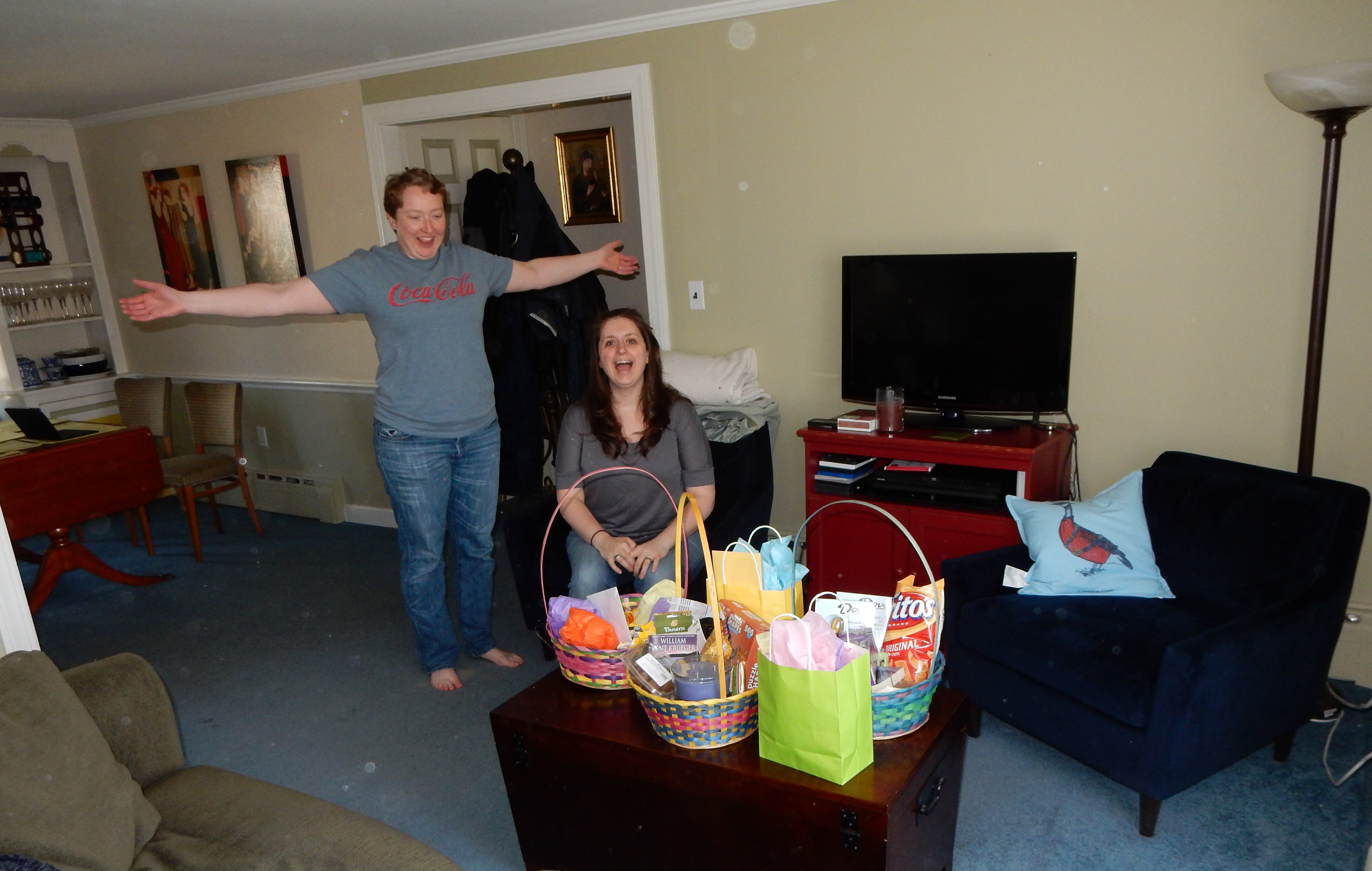
After Mass we went to Scollay Square for brunch and then back home for a restful afternoon. We exchanged Easter baskets, your kids never really grow up, you know. One item we brought was a puzzle of Pictured Rocks National Lakeshore (2013 Trip 7, UP of Michigan). Upon completion, it was obvious quality control was faulty since about six border pieces were missing. I managed to finish the second of the two paperback novels I had received upon arrival.

Easter baskets

Easter baskets

I was put to work however. Apple crisp is one of my few cooking specialties so a large pan was prepared, and as of now, has not yet been completely devoured.

Apple crisp

Apple crisp

Ed and Chris Sunday April 20 7:30 pm

Categories: road trip, travel | Tags: , | Leave a comment

2014 Trip Three, April 16-17, Boston

Boston, Friday April 18

We are in Boston to visit Deb and Rebecca for the Easter weekend. This will likely be the only trip this year by air and will be the shortest at 6 days. Trip One, Dogsledding in Ely was planned to be only five days but stretched to seven due to the winter car problems.

We had good news yesterday. Silver, our 2001 Saturn with 194,000 miles on it (50,000 in the last year) only needs minor maintenance work to put it ready for the next 8,000 or so miles. The brakes were acting up a bit towards the end of the trip but minor tweaking will resolve that.

Our Nikon camera has been replaced. It is still just a point and shoot but a slightly upgraded version. This one has a flash that pops up automatically when needed. Deb and Rebecca say it reminds them of Wall-E, from the movie of the same name. So it has been christened. The other camera was not unique enough to be named.

I had packed the camera in my suitcase for the flight. Would you not know that this is the first flight we can recall to Boston in which we arrived during daylight hours without cloud cover. The view of Boston Harbor and its island was great. You will have to take my word for it.

This trip will be more relaxing and less rushing around. We have been to Boston many times. The roads are still confusing and the drivers still aggressive. But we made it to Deb’s without getting lost.

Walden Pond

Walden Pond

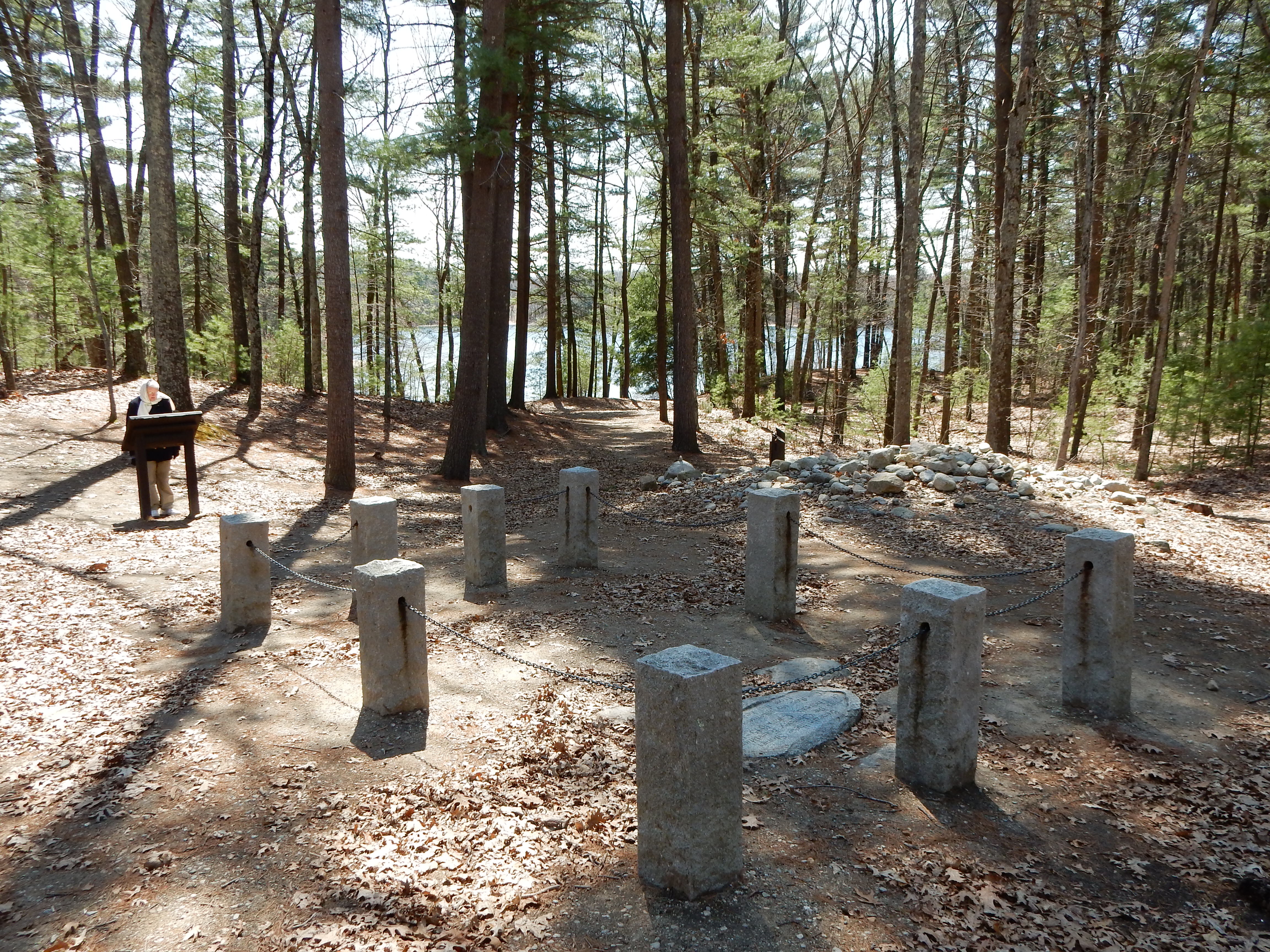
Thursday we went on just one little jaunt, out to Walden Pond, site of Henry David Thoreau’s famous book. It is a state park today. By the way, he was originally named David Henry Thoreau. We walked around the lake on a chilly but sunny day. The pond was not frozen although there were a few patches of icy snow deep in the shade. Grass is green but most trees have not leafed out yet, not much different from St. Paul. You can see the lake and train tracks from his cabin area. The train tracks were here when he was here in the 1840s, today Amtrak zips along them.

View of Walden Pond from Thoreau's cabin site

View of Walden Pond from Thoreau’s cabin site

The Civil Rights theme from Trip Two, Deep South, seems to want to keep us thinking. In the bookstore at the State Park are numerous books about slavery and the abolitionist movement that was prominent in the Boston area. There were also two books about slavery in this area. I did not buy any, I am still reading “The Warmth of Other Suns” picked up in Birmingham about black migration from the South to the North during the period form WWI to the 1970s.

Deb

Deb

In the evening we went to Maundy Thursday services at the Paulist Center in downtown Boston where Deb and Rebecca go. The Mass includes the ritual of washing of feet as Christ did. Unlike Pope Francis who only washed the feet of twelve men and women in Rome, anyone in the church could come up and have their feet washed and then wash those of the next person in line. While we passed, many people participated which of course adds to the length of the service. My dad and Chris’s dad would have fretted at the length of time the service went on. I only got antsy.

Monday is Patriots Day in Boston and the Boston Marathon will be run. We saw numerous signs of the preparation for it. “Boston Strong” signs and colors are numerous. Boston Commons
had numerous tents up though the finish line is a few blocks away near the Convention Center. Chris and I had observed one marathon many years ago when we were here for a legal administrators conference.

Ed and Chris Friday April 18

Categories: road trip, travel | Tags: , | 1 Comment

2013 Trip Five, Boston, Deb and Rebecca, June 13

June 13

Boston. No Bears but Deb had brownies for us. (Notice the use of consonance, 3 words all beginning with ‘b’. Something we all learned back in school, right?)

Okay, I admit it. I got lost again. Boston does that to me. No matter how prepared something always goes wrong. Got 2/3 of the way to Deb and Rebeccas and made a right turn which should have been a left. Well we got to use the map feature of the iPhone to straighten that out. Made a learning experience out of it. Who knew us old fogies would learn to use new technology?

Airline flight was fine. We used our free coupons we got on trip one to Florida when we got bounced from the flight home from Orlando. No chance at the MSP airport to pick up another set. Our flight was overbooked but Delta had enough no-shows that they did not offer vouchers to fly later. Maybe on the way home we will luck out.

Logan airport Dunkin Donuts

Logan airport Dunkin Donuts

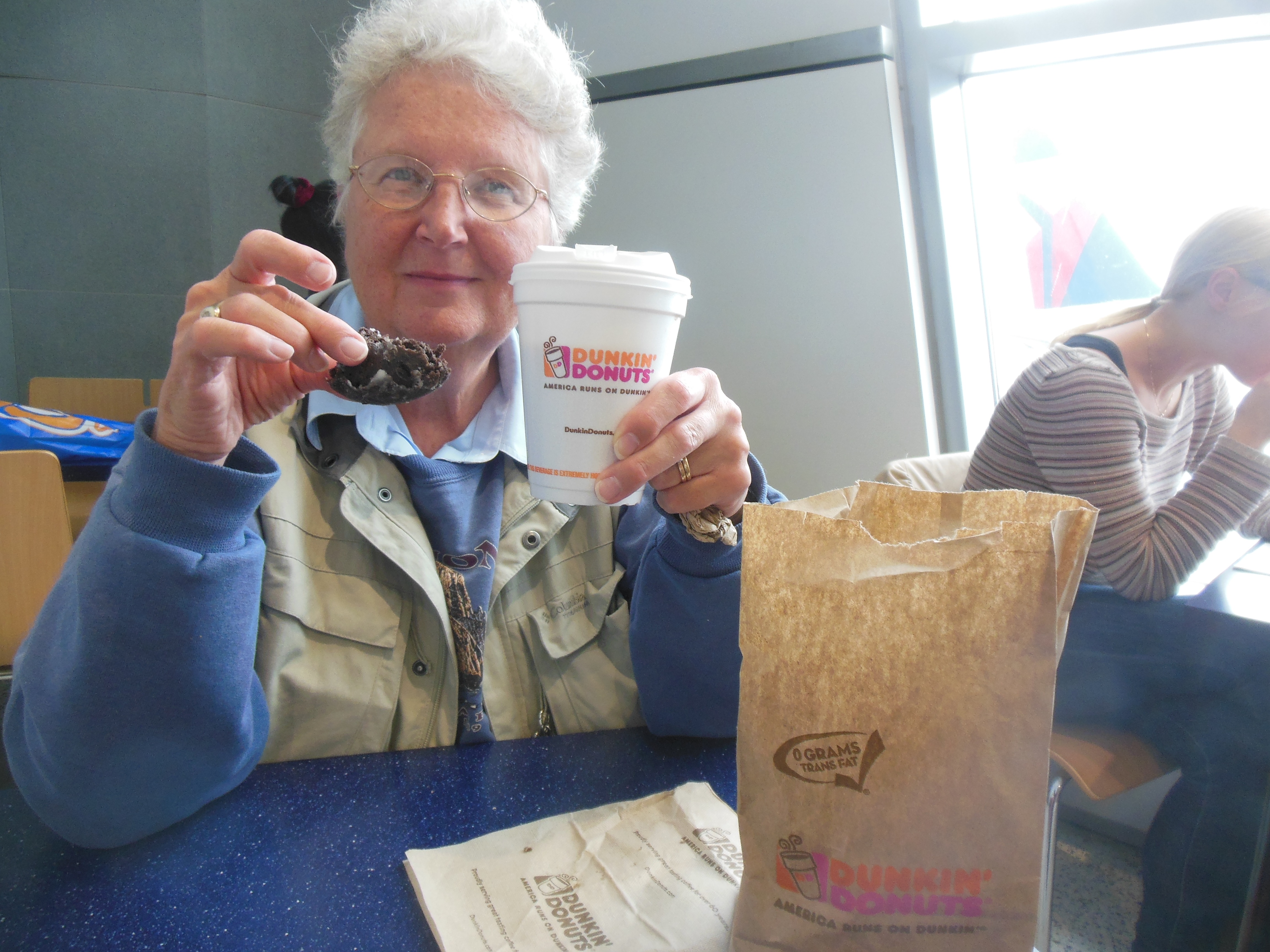
Once at Logan airport, we made our usual stop at Dunkin Donuts. Then we had the brownies to hold us over until Deb and Rebecca made it home from work.

We wrapped up the night with stories from our trip and current events in their lives. I got to relay stories of Sarah and Sarah playing hockey.

image

Our rainless streak has ended. It is raining consistently here with the forecast for more. It seems easier to handle when we are not planning to be out hiking in the woods all day.

Ed and Chris June 13 10 pm

Categories: road trip, travel | Tags: | 1 Comment

Blog at WordPress.com.