
Page, AZ. June 1

Lower Antelope Canyon
Antelope Canyon is all that it is cracked up to be-and more. Antelope Canyon is within the Lake Powell Navajo Tribal Park and features slot canyons with amazing views. All of the reviews raved about its beauty-and its lines and crowds and how certain times (usually mid-day) are best, certain tours are reserved for photographers with tripods, etc. And there are two canyons. You must visit the canyons through a Navajo Nation tour guide. It all seemed a little daunting.
The noon time tours were booked when we went online for Upper Canyon. We made a reservation for 5 PM. For Lower Antelope, there appeared to be plenty of openings just about whenever you showed up. Seemed like it would be a faint cousin of Upper ANtelope given the fewer number of people taking the tour. We decided to take our chances and just check in when we arrived there after driving up from Moenkopi.
At 9:45 AM we arrived in Page and checked in with Ken’s Lower Antelope Tours. We were told there would be openings at 9:00 AM, in 15 minutes. Oops. we had the time zones mixed up again. Anyway, we signed up for the 9 AM tour. John was our tour guide and had only been doing this for two months. Not a big deal, there is some history and geology involved but the real task for John was to: a. make sure our camera settings were adjusted; and b.) take some photos of us; and c.) show us some of the best views. After that, the canyon takes over and does all of the work.
And yes, there are a lot of people. There are stairs to climb. Not all people followed all of the rules exactly. But even for me, with my fussy attitude about people obeying the rules, it was a relaxing and stupendous time clicking away. Boy, if I still had Kodak rolls of film, we would have spent a fortune of film and processing.
The canyon is carved primarily by flash floods from water flowing off the mesas into the Colorado River and now, Lake Powell. Heavy rains can fill the canyon 1/2 to 2/3 full. Last major flash flood was in 2013. ANtelope Canyon was named because the Indians found pronghorn deer in here.
Enough history. Enjoy the pictures of Lower Antelope Canyon.

Lower Antelope Canyon

Lower Antelope Canyon
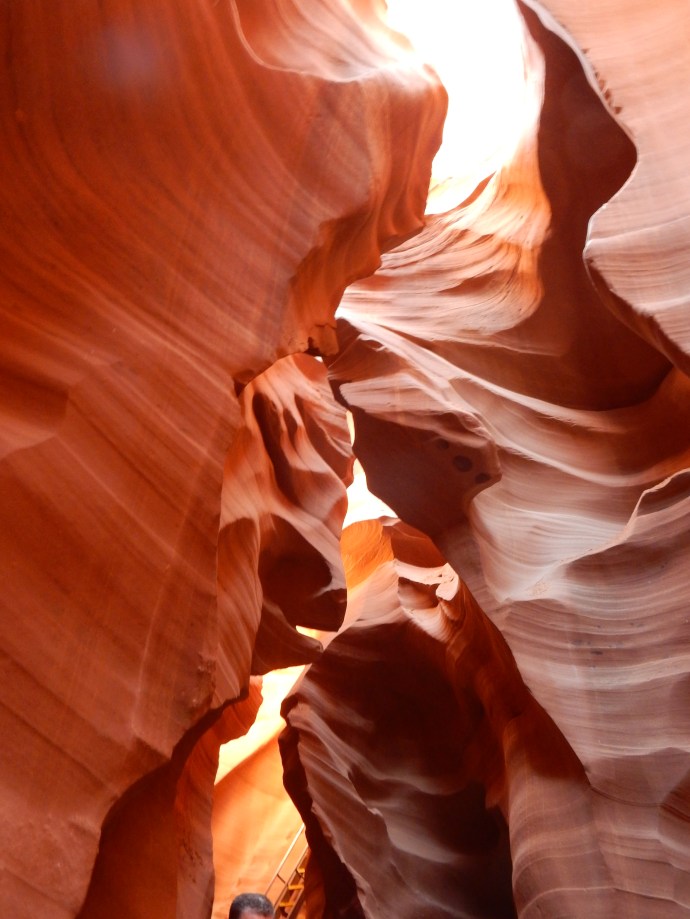
Lower Antelope Canyon
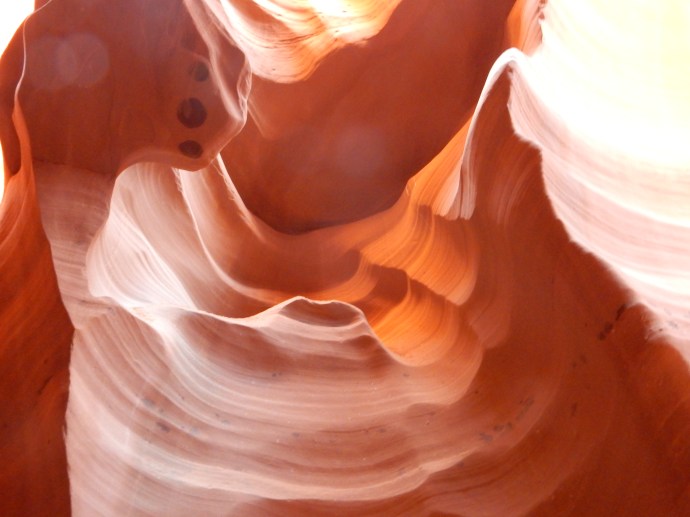
Lower Antelope Canyon
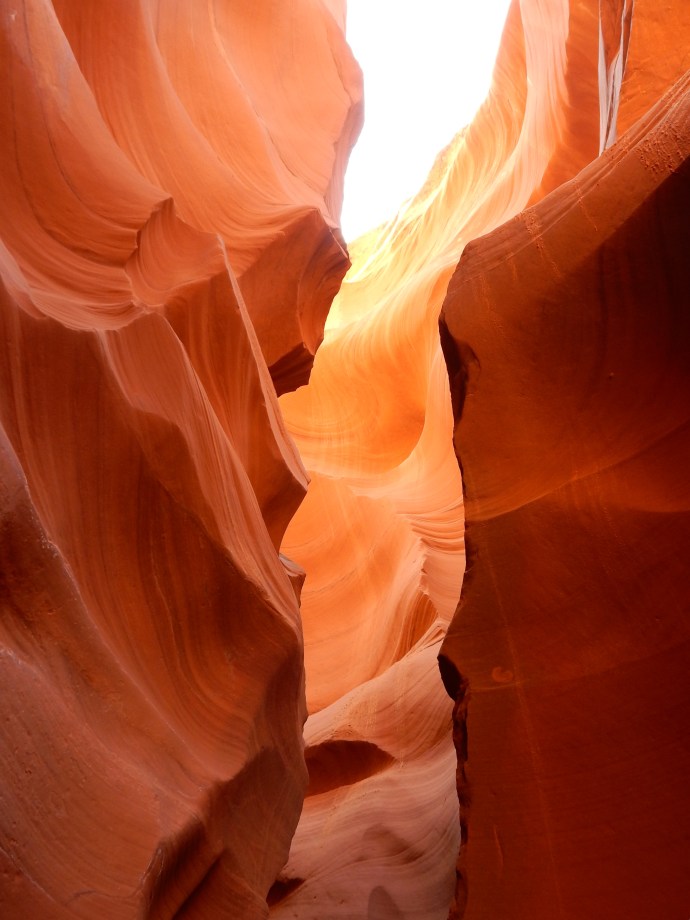
Lower Antelope Canyon

Lower Antelope Canyon

Lower Antelope Canyon

Lower Antelope Canyon

Lower Antelope Canyon
Upper Antelope Canyon was a 5 PM tour. It has good and bad points. At 5 PM, the light is not as sharp. Upper Antelope is a deeper canyon than Lower and thus more direct light is beneficial. A good part of the time we were in shadows and 30-40% of our pictures did not turn out. THere are still plenty of good ones though. At 5 PM, we were the last tour and there was less pressure to hurry up and get done. Upper Canyon is shorter and you go out and return the same way. During mid-day, making way for returning groups could be a real hassle.
Personally I would suggest doing both tours; Lower Antelope Canyon early or late; Upper Antelope during mid-day.
Our lodging this evening is the Lake Powell Resort, located on the shores of Lake Powell in Page Arizona. Glen Canyon Dam on the Colorado River creates this lake over 150 miles long. A beautiful sight.
Upper Antelope Canyon pictures. May 31 details follow the pictures.

Upper Antelope Canyon
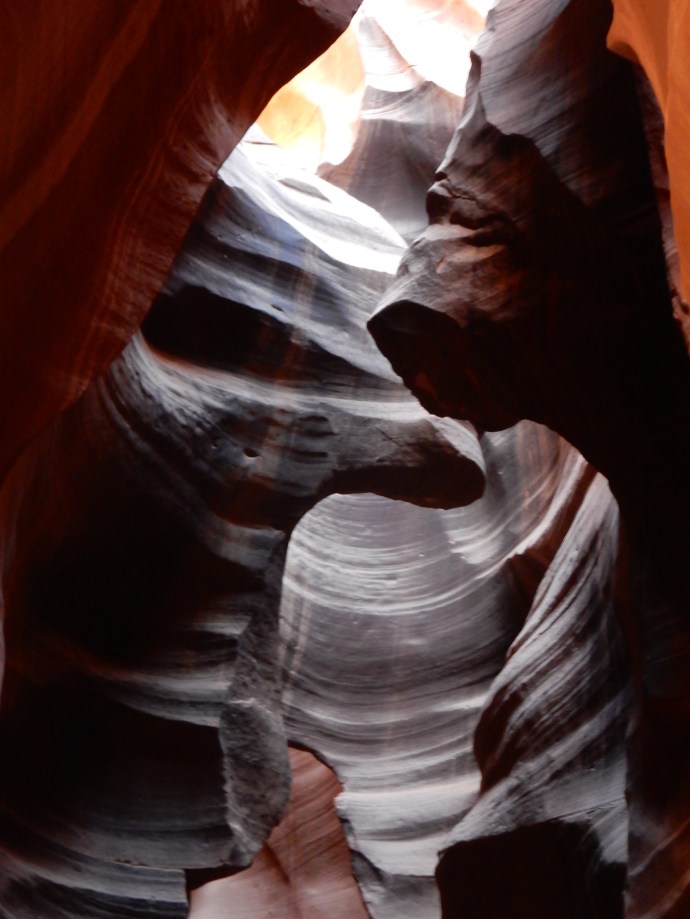
Upper Antelope Canyon
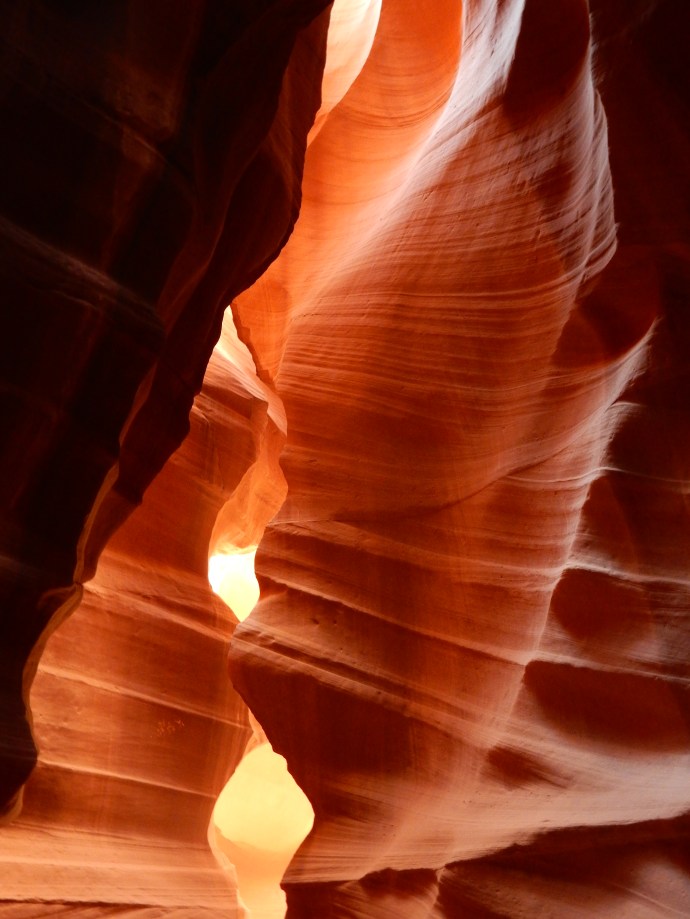
Upper Antelope Canyon

Upper Antelope Canyon

Upper Antelope Canyon
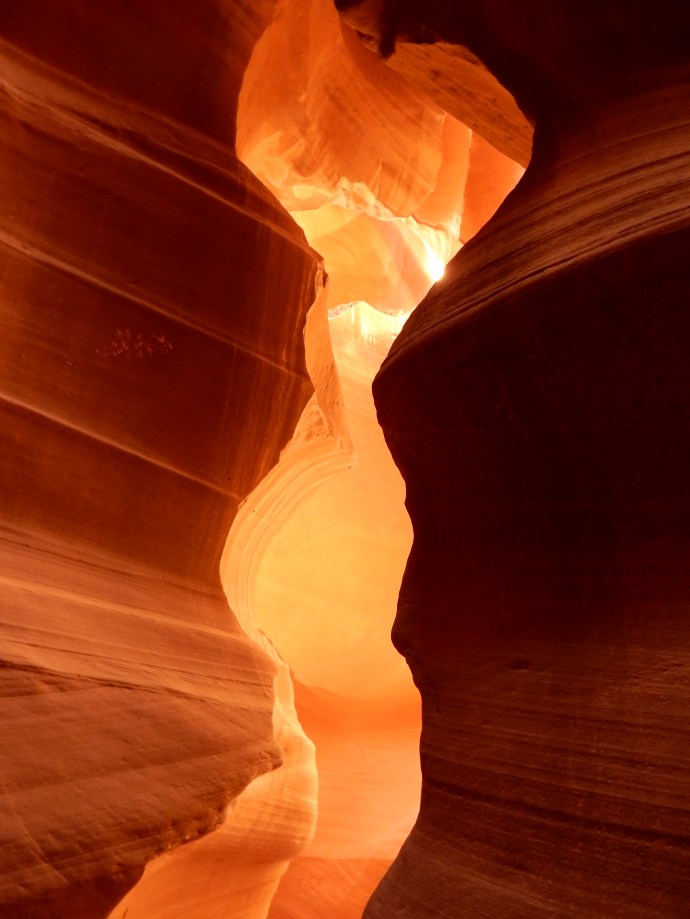
Upper Antelope Canyon

Ed and Chris at Upper Antelope Canyon
May 31.
First Mesa is a Hopi community continuously inhabited for more 1100 years. It is 70 miles from Moenkopi and Tuba City. We called and made reservations for a 10 AM tour. No pictures are allowed of First Mesa or its landscape. We have a few photos of the drive that went through Navajo Nation land but that is it.

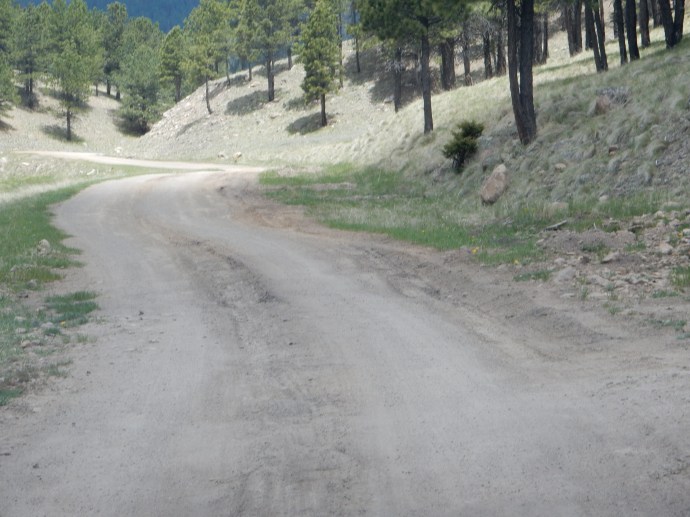
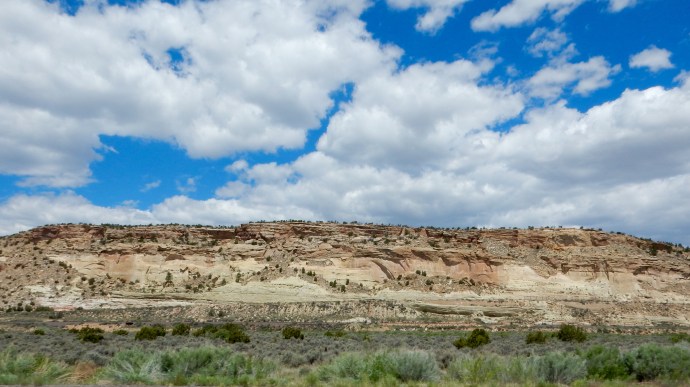
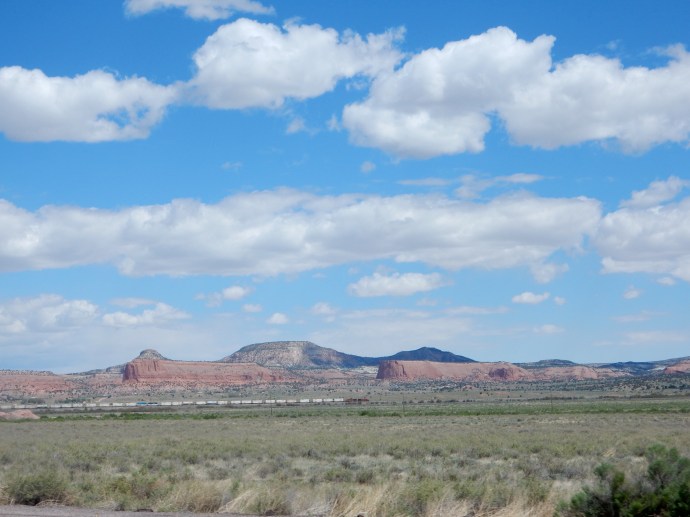
Driving to First Mesa
First Mesa is 1000 feet above the valley floor, about 6000 feet compared to the town of Polacca at 5,000 feet. Most of the Hopi now live in Polacca. There are three villages up on First Mesa, our tour was of the oldest portion. This section now is reserved for use only during weekends and ceremonial activities. Each clan, there are about 100 Hopi clans, may maintain a clan house there. Our guide was Coyote clan and she pointed her house out to us. Hopi is a matriarchal society and the property will pass on to her oldest daughter.
On weekends and for ceremonies, each house is open and clan members come and partake of food and activities all day long. On weekends during the summer, there are ceremonial dances which visitors may watch-but no pictures. The clan homes open on to one main street. Communal break baking is undertaken by the women in a special oven. There are nine kivas and the Chief of the village will lead the men in the ceremonial dances from his kiva along the street, with several plaza openings where members gather and watch.
The clans are responsible for their own home upkeep, the Hopi people as a whole will work to maintain plazas, kivas, etc. The homes in First Mesa are still constructed of stones quarried from rocks at the base of the mesa. In the other two villages, some homes are made of concrete block. One of the two villages is reserved for members of the Tiwa tribe, who came over from New Mexico at the time of the Pueblo Revolt (1680) at the request of the Hopi to help protect the Hopi.
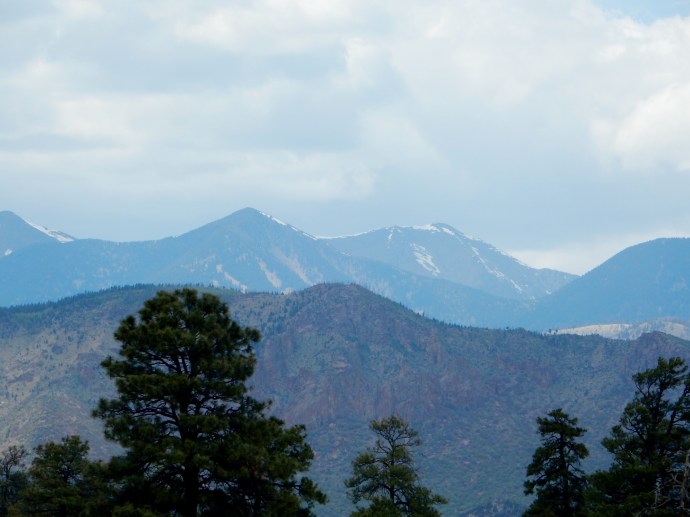
Views from on top of First Mesa offer a 360 degree view of the valley floor and neighboring mesas. Our guide oriented out her clan’s agricultural plot which looked to be a good mile or more away. The Hopi are known for their skill at dry farming; they do not irrigate but grow crops based on yearly rainfall and skill. At this altitude, snow comes late and early. The crops are just about to be planted. The Hopi can still see snow on the San Francisco Peaks by Flagstaff. When the snow is gone, then they plant. On our drive to First Mesa, we passed a small plot of land where a Hopi man was preparing the field by hand.
Our guide talked of the pressures facing the Hopi. Lack of jobs to keep the young, drugs and alcohol, land issues with the Navajo. During our tour there were several stops where Hopi were marketing their hand-made crafts. We also stopped for lunch at Second Mesa where there is a cultural center with a museum, restaurant and gift shop. The material for sale is always remarkable but it seems the Navajo have out-marketed the Hopi. Maybe it is just due to sheer numbers, but the Navajo shops seemed larger and better organized. It made us root for the Hopi who seem to be the underdog in the area.
Next we stopped at a roadside tourist trap marketing “dinosaur tracks”. We had read about this, arguments on both sides. Frankly to our eye, they are pleasant little erosions that faintly resemble tracks. Dinosaurs? I doubt it. The biggest hassle was the effort of some young men to be “our guides” to show us the tracks for a donation. We managed, with difficulty, to ignore them.
Our final stop on Tuesday was back at a Navajo museum; the Navajo Code Talkers museum. It case you are unaware, about 400 Navajo served in WWII in the Pacific with the Marines. The Navajo set up a code in the Navajo language. The Navajo Code Talkers then relayed information, by speaking this code in Navajo, from the front lines back to the commanders. The code was never broken by the Japanese and provided a quicker communication link than using code machines.
Like many other governmental and military situations, this was not made public until 25 years after WWII. The museum described their efforts and their willingness to serve the US despite our governmental history of abuse and neglect.
Ed and Chris
Two notes: First, we visited Lake Powell in May of 2014 and pictures of the Lake Powell and Glen Canyon can be viewed in the archives. Second, I do not recall if the North Rim of the Grand Canyon, our lodging for the next two nights, has any Internet service. We might be out of touch for a few days.


 Chris Klejbuk and Ed Heimel travel adventure
Recent Comments