
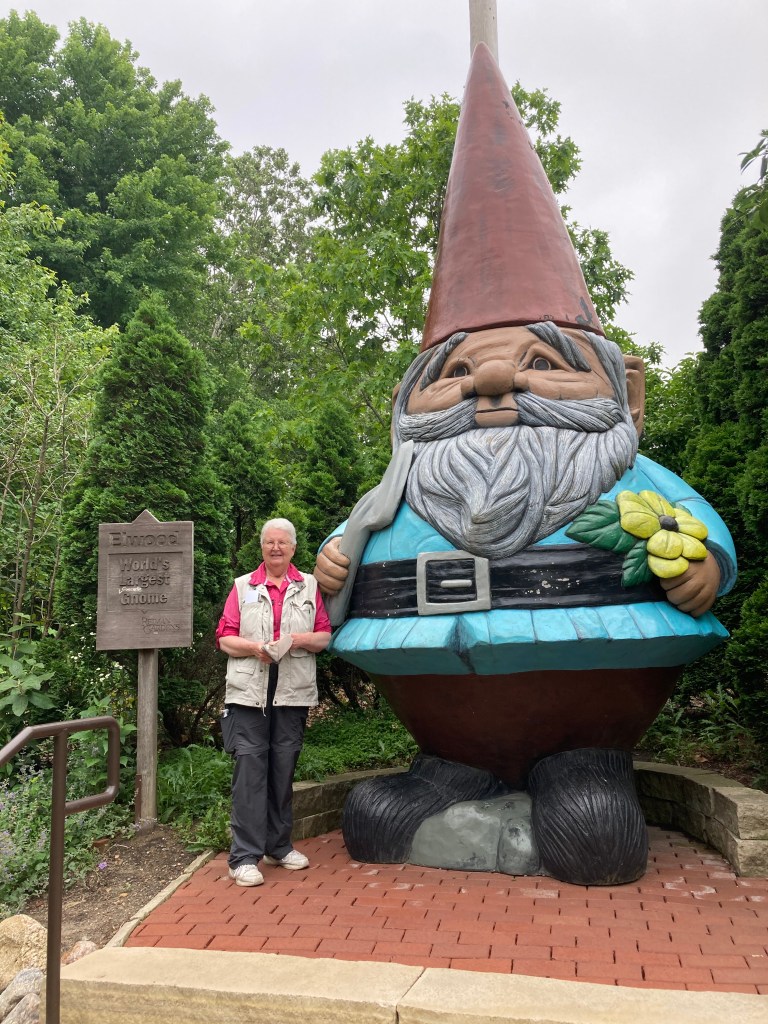
Fort Dodge, IA June 25, 2022
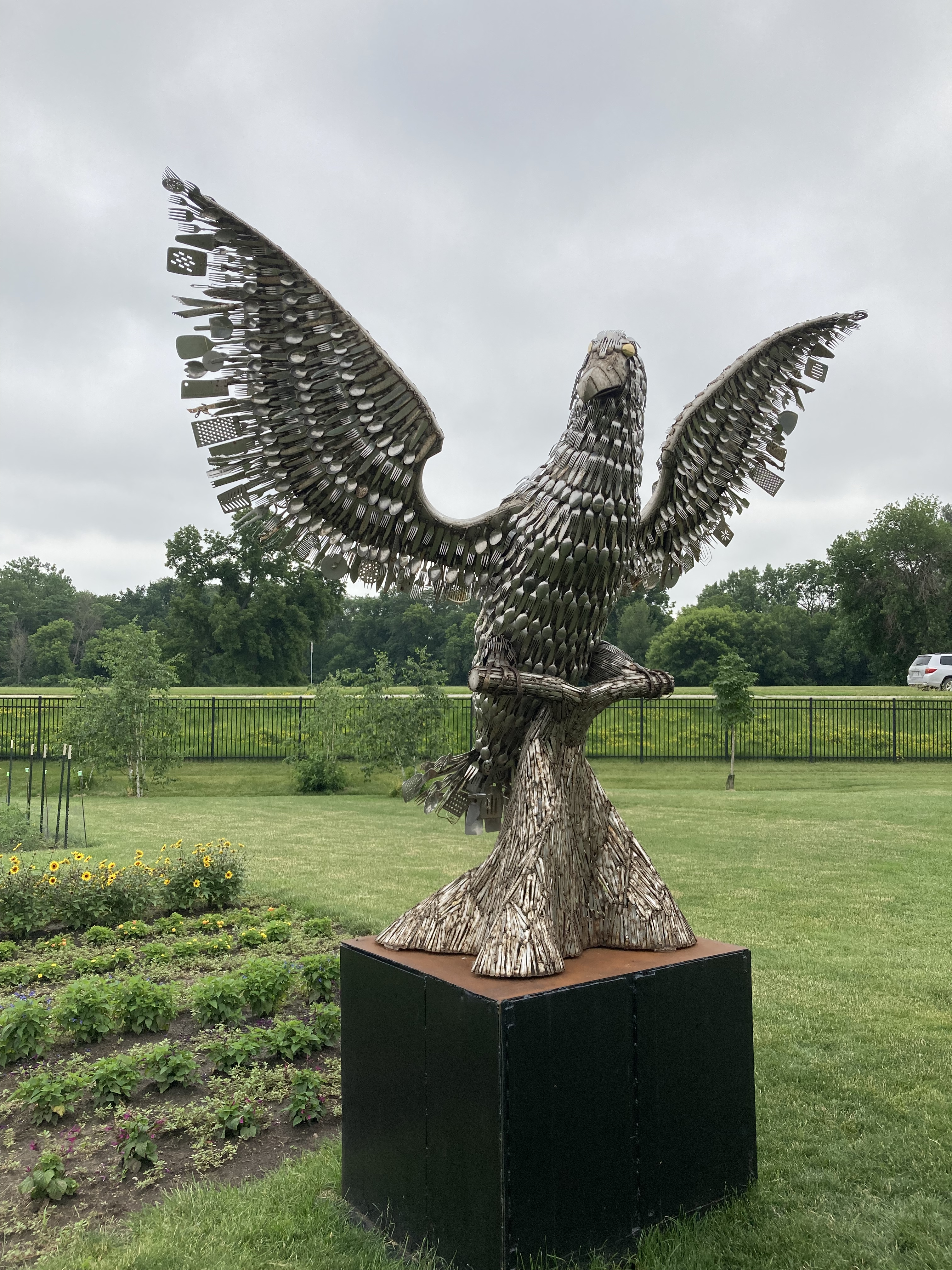
Saturday and Sunday produced a mixed bag of activities. Saturday started at Reiman Gardens at Iowa State University in Ames. Not only was there an art installation (called Lewis and Arts) featuring the whimsical use of scrap materials by MN artist Dale Lewis, the regional annual lily show was on display along with a series of exhibitors discussing pollinator gardens.

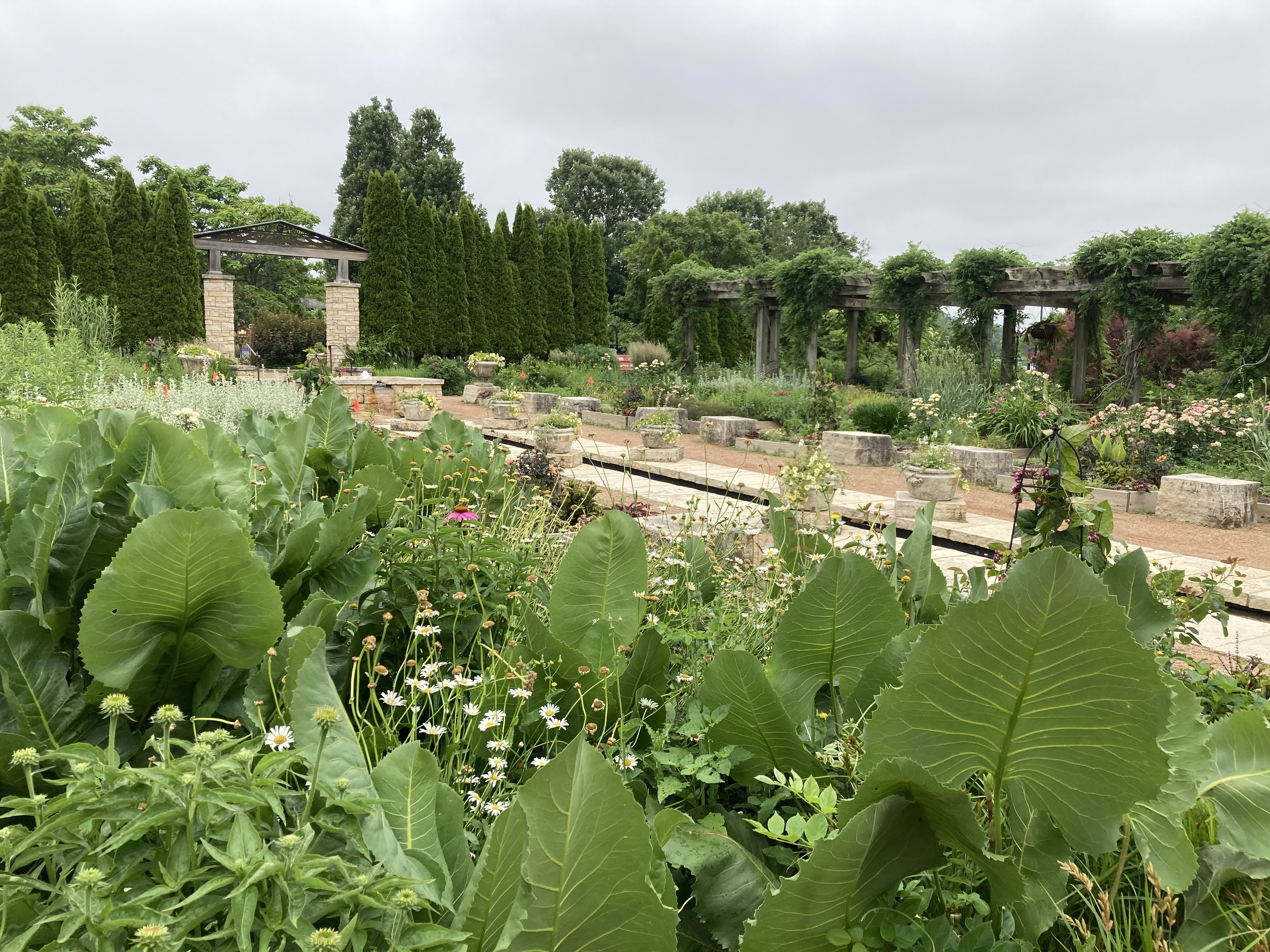

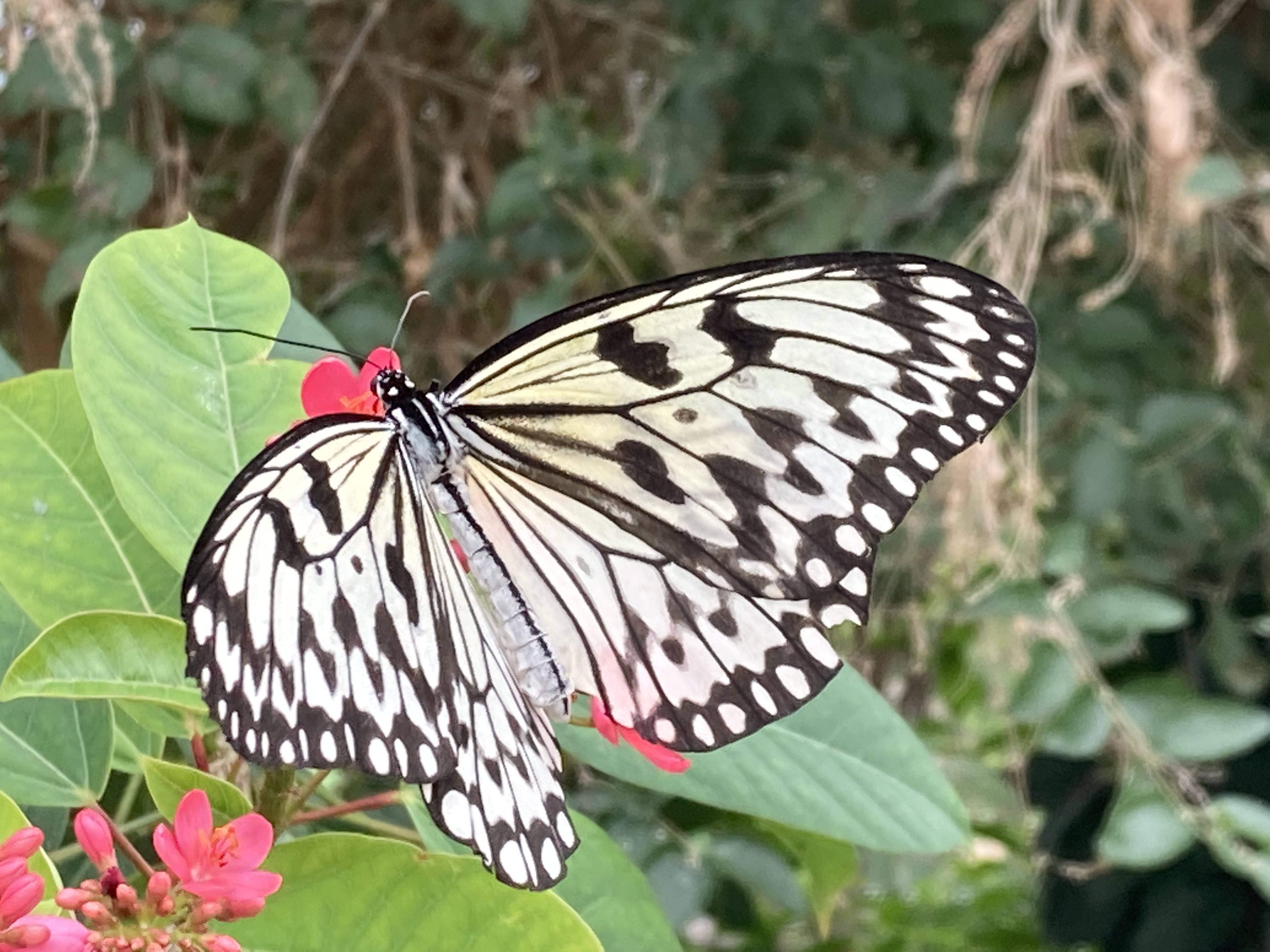
The 17 acre site is compact enough to walk around easily. Numerous areas focus on plants such as roses, herbs, flora suited for shady areas, a hillside garden minimizing water use, etc. Next to the entrance is a butterfly exhibit, always a treat. While busy, the site was never overwhelmed with people. Plenty of opportunities existed to sit and enjoy the beauty.
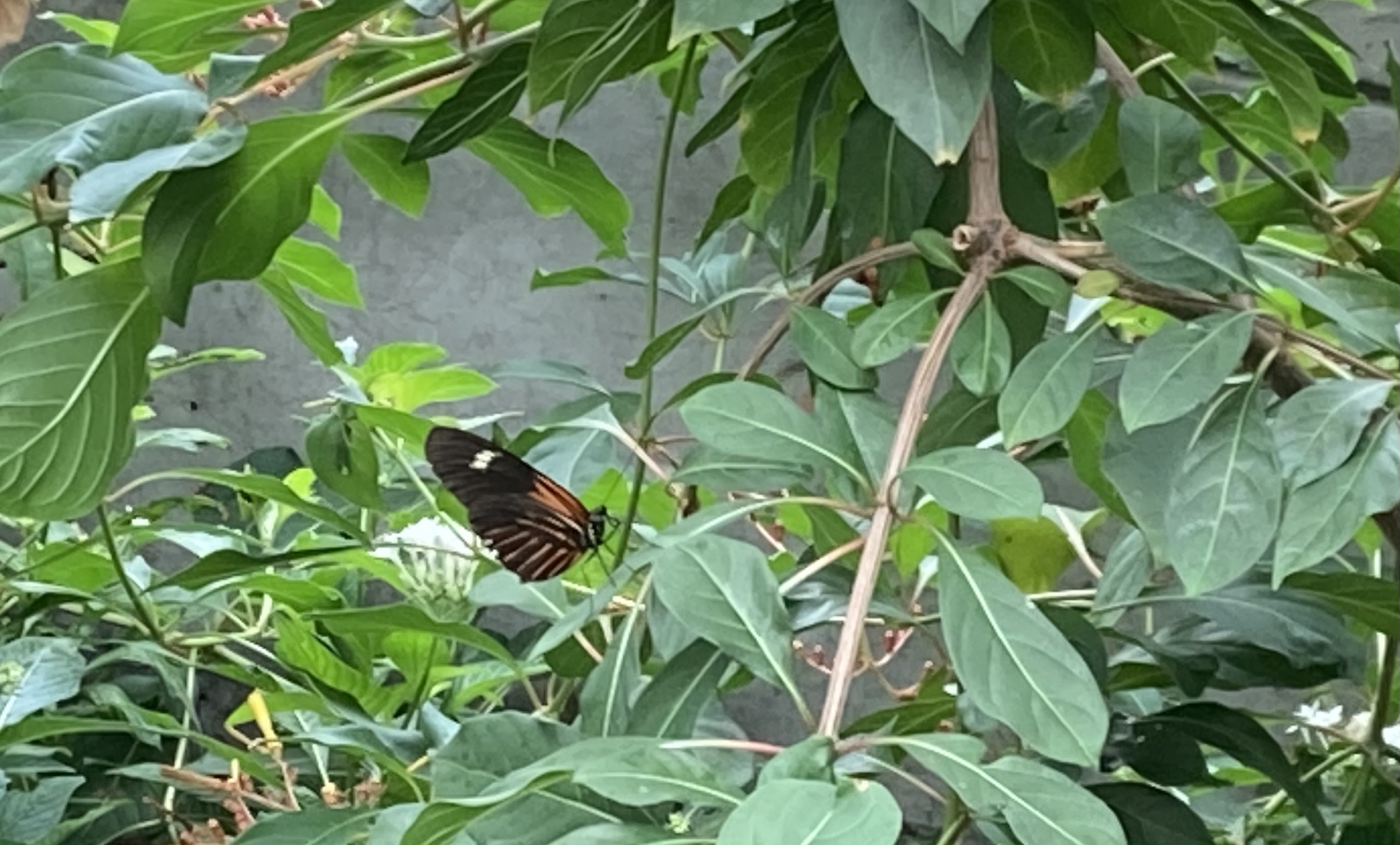


But after 90 minutes of enjoying nature’s beauty and Lewis’ art, we were off to our next adventure. The Boone and Scenic Valley Railroad has been running since 1983 on track purchased from the old Chicago and North Western line. One of the highlights was to be the crossing of the Bass Point Creek on a 156 foot high trestle bridge.
On the 1.75 hour ride, we learned that this section of Iowa had been home to coal and gypsum mines. The coal was low grade but good enough to run the steam trains until diesel engines took over. The coal mines are not visible, they were 75-100 feet underground in this section of central Iowa. However, the mining provided just enough economics to operate freight trains and a series of interurban trains operating throughout central Iowa. Now the tracks are used for the Boone and Scenic Valley passenger excursions along with a little bit of switching modern rail freight cars from the Union Pacific main line to several local industries.

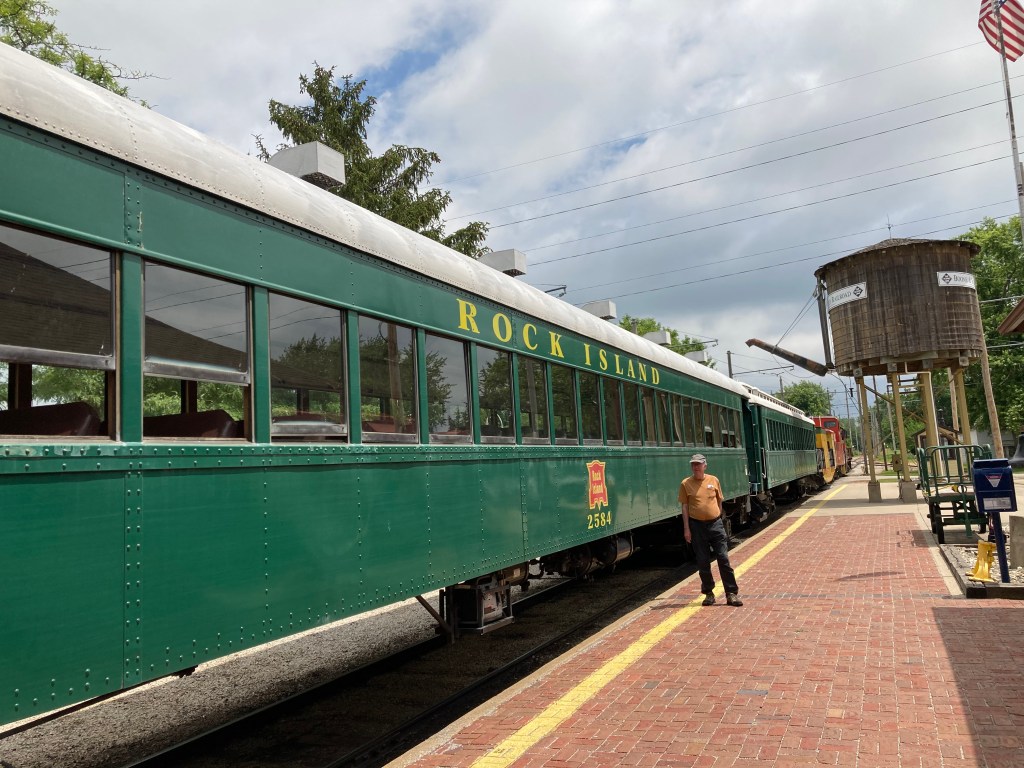
The excursion ride itself was disappointing. There is no opportunity to actually view the 156 foot high bridge. The train only averages eight miles per hour so it is just puttering along. The scenery is not overwhelming although we went through sections of woods where butterflies were everywhere; some of them hitching a ride on the window sills of the train.
After the ride we went into the museum and talked with some of the staff about the operations (they maintain the engines,cars, and tracks through volunteers), economics (the switching of freight cars for local industry) and the bridges. They mentioned to us the Kate Shelley Memorial High Bridge. This bridge was built by the Union Pacific in 1900, is one half mile long, and 185 feet tall. It is named after an Irish immigrant woman who in 1881 saved the lives of 200 passengers on a train that, except for her efforts, would have crashed down the 185 feet when the bridge supports washed away due to flooding. In the middle of the night, she crawled over downed timbers of the bridge and hiked a half mile to the next station to make sure the passenger train she knew would be coming in the middle of the night could be stopped in time.

Well, since we missed the Boone trestle bridge, we decided to go exploring. On a dead end dirt road we found a spot to view the 1900 Kate Shelley Memorial High Bridge and the new concrete supported additional bridge built by the UP in 2009. Not the bridge we came for, but impressive and with a heroic story to boot.
We drove to Fort Dodge Iowa for the night and had dinner in a pleasant local restaurant (Mineral City) with a brand new server but excellent Parmesan crusted chicken and limoncello cake. Lunch had been in a cafe/bakery back in Boone-decent but not enough to tide us over for the day.


The Shrine of the Grotto of the Redemption
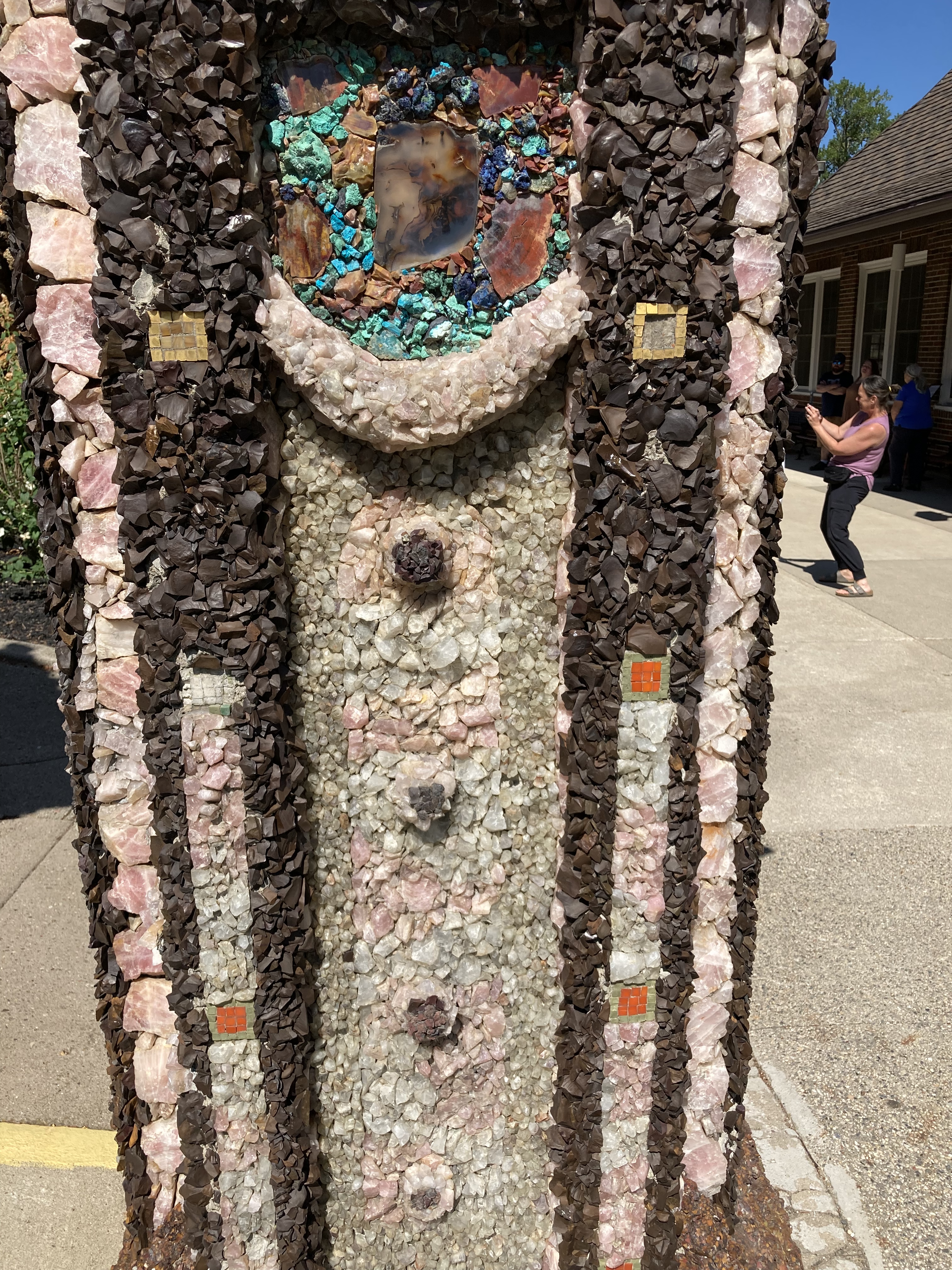
Sunday found us in West Bend Iowa viewing ”The Shrine of the Grotto of the Redemption”. This had been on my radar for some time but we never got around to actually visiting it. The Grotto is supposedly the largest man-made grotto in the world and contains the largest collection of precious stones and gems found anywhere in one location. The Grotto was built completely by hand. It was begun in 1912 by a Roman Catholic priest, Father Paul Doberstein, in gratitude for surviving the pneumonia he suffered just prior to his ordination. He labored on the grotto for 42 years, setting rocks and gems into concrete. The stones and gems come from around the world. He was assisted by one local parishioner and the work completed by his successor, Father Louis Greving.

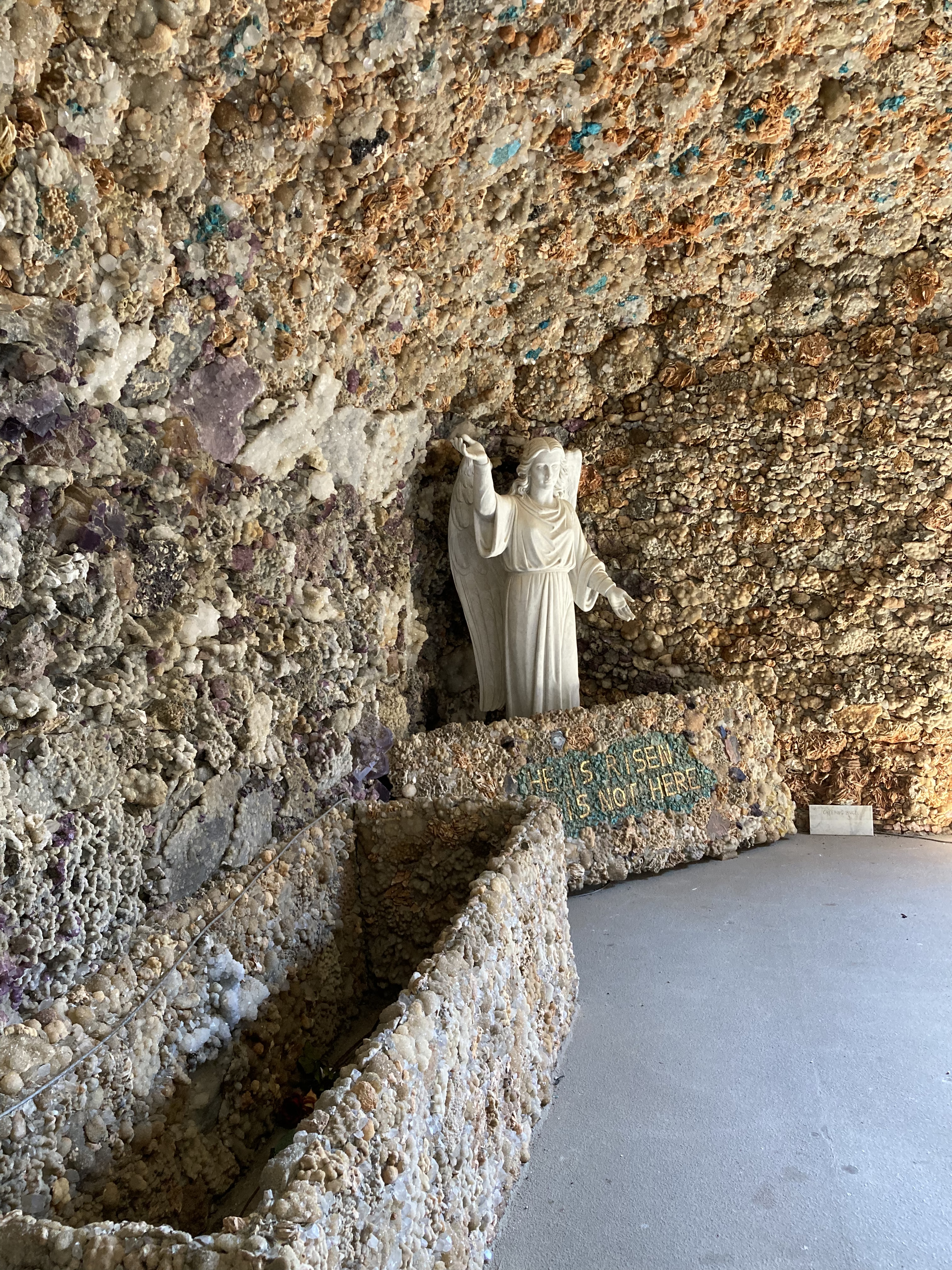
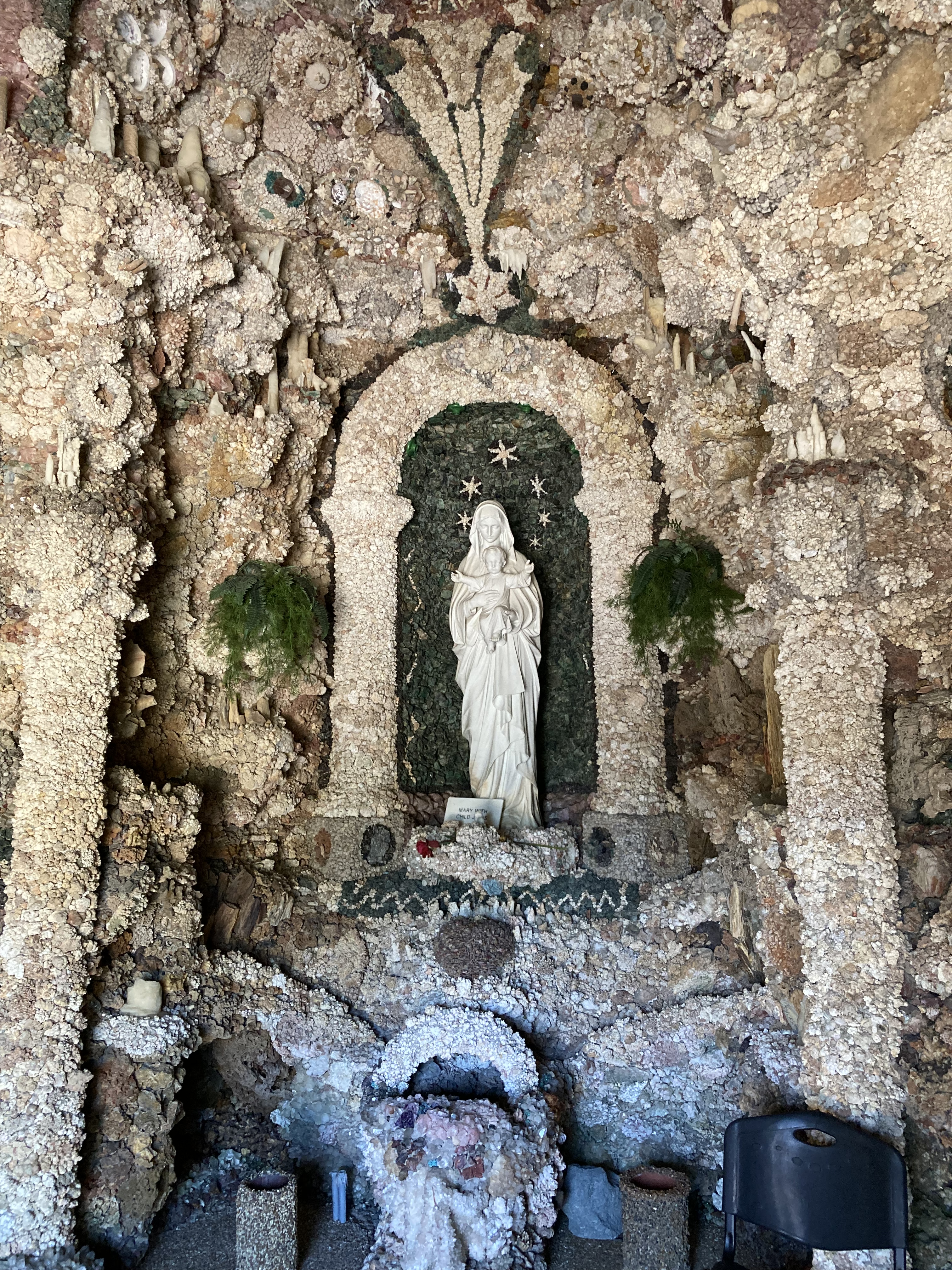
Three of the grottos
Technically the grotto is a series of nine grottos, with such tableaus as Garden of Eden, the Trinity, the Stations of the Cross, Garden of Gethsemane, Resurrection, etc. It is so complex and intertwined, even a panorama picture does not give its full scale. The intricacy of the stonework is mind blowing. We spent an hour walking around and still did not truly see its entirety.


On the way home after navigating numerous paved and gravel back roads, we stopped at Union Slough National Wildlife Refuge. The name comes from the fact that this area is a connection, or union, between two watersheds at the eastern edge of the tallgrass prairie. Land in this area had been drained though a series of levees and ditches to allow intensive agriculture. Starting in 1978, restoration efforts have made a small haven for wildlife in a region dominated by agriculture.
Only a short walk was possible due to limitations imposed to protect active breeding nests. While not prime viewing time, waterfowl were obvious. The landscape of grasses blowing in the wind, with the slough and agricultural fields framed by blue skies made for a pastoral setting.

Ed and Chris
June 26, 2022
Saint Paul MN
 Chris Klejbuk and Ed Heimel travel adventure
Recent Comments