travel

Our road trips around the U.S.

2015 Trip 1, March 14-15, Florida in Winter

Ruskin FL March 14-15, Saturday and Sunday

Saturday was a day of leisure around the resort so Sunday we returned to our job and vocation-travel. We set out for Fort Myers Florida, about 110 miles south of Ruskin. Our journey brought us to the Winter Estates of Thomas Edison and Henry Ford. You might think it an unlikely combination but Thomas Edison was a mentor to Henry Ford, did some research for the Ford Motor Company, and they became friends, despite a 16 year age difference.

The Thomas Edison House and Guest House in Fort Myers FL

The Thomas Edison House in Fort Myers FL

The Edison and Ford Winter Estate Complex is located along the Caloosahatchee River in Fort Myers. Thomas Edison enjoyed fishing and was not pleased with the fishing or weather in St. Augustine, FL, his first foray in looking for a winter retreat. Upon a friend’s recommendation, in 1885 he headed for Fort Myers. At that time, Fort Myers was small and isolated. The railroad ended north of Tampa and Edison took a boat to this area. He found land that he liked along the river a few miles up from its mouth with the Gulf of Mexico. Within a year his home was built-although the building was made in Maine and shipped here for final assembly. His architect didn’t fully understand Florida and had the home made from spruce trees-juicy food for termites. As we learned in our visit to Apalachicola, long leaf pine construction was impervious to insect problems and Ford used that in his home built later.

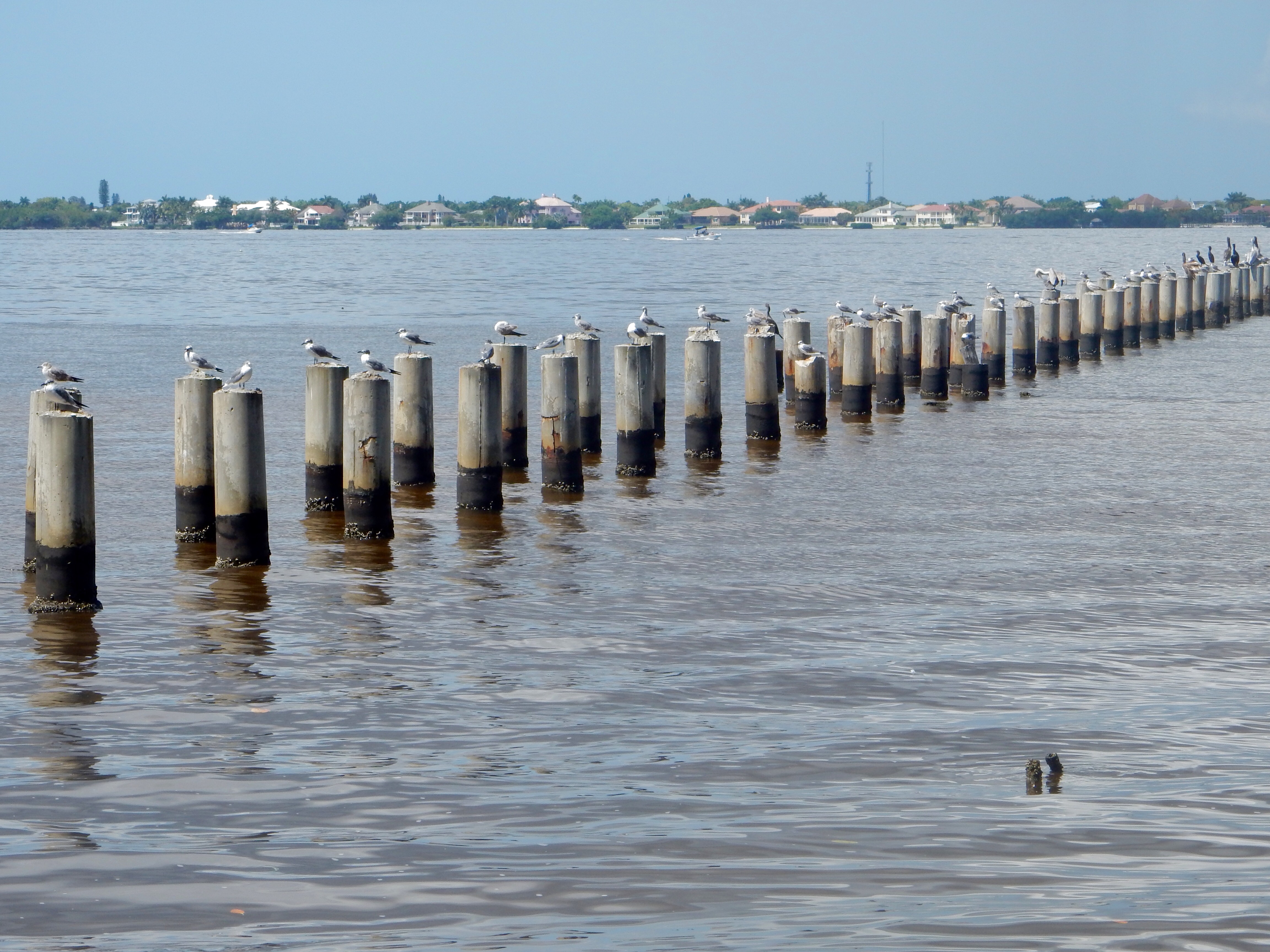
The location where the pier at the Edison House had been located

The location where the pier at the Edison House had been located

While the title of the property is termed estate, it is not palatial. Certainly the homes are more than comfortable and required a large staff to keep the place running. Henry Ford did not purchase his property until 1916 and spent less time here. Edison maintained a research laboratory on the premises so he and assistant researchers could work here during the winter months. Ford only visited, his businesses required his presence up north at a more constant level.

The Ford House at Fort Myers

The Ford House at Fort Myers

The Florida research lab at Edison and Ford Winter Estates in Fort Myers

The Florida research lab at Edison and Ford Winter Estates in Fort Myers

We took a guided tour of the properties, visited the museum and research lab, and read exhibits and listened to videos. I won’t try to provide a biography but will note a few items. A. Edison always felt his invention of the phonograph was his greatest achievement. B. Edison’s early success came in improvements to the telegraph. C. Many of Edison’s patents (1,093) were due to his creation of an industrial research laboratory, probably the first one, where skilled researchers worked under his direction. D. He did not invent the lightbulb, but the first commercially successful one. E. He had many failures, including a decade long effort to improve the iron ore mining process. F. He ran for many years a large Portland Cement manufacturing concern that provided the concrete for the building of Yankee Stadium.

(Atlas Obscura has an interesting little video about Edison’s last breath being sent to Henry Ford in a test tube. http://www.atlasobscura.com/places/edisons-last-breath-henry-ford-museum)

Ed and Chris 3/15 11 pm

Categories: road trip, travel | Tags: , , , , | Leave a comment

2015 Trip 1, March 13, Florida in Winter

Ruskin, FL Friday March 13

Nowadays much of America is similar. Strip shopping areas, subdivisions of neutral color homes, urban centers with science centers, art museums, shopping malls. We are trying to visit at least some of the slightly different parts of the country.

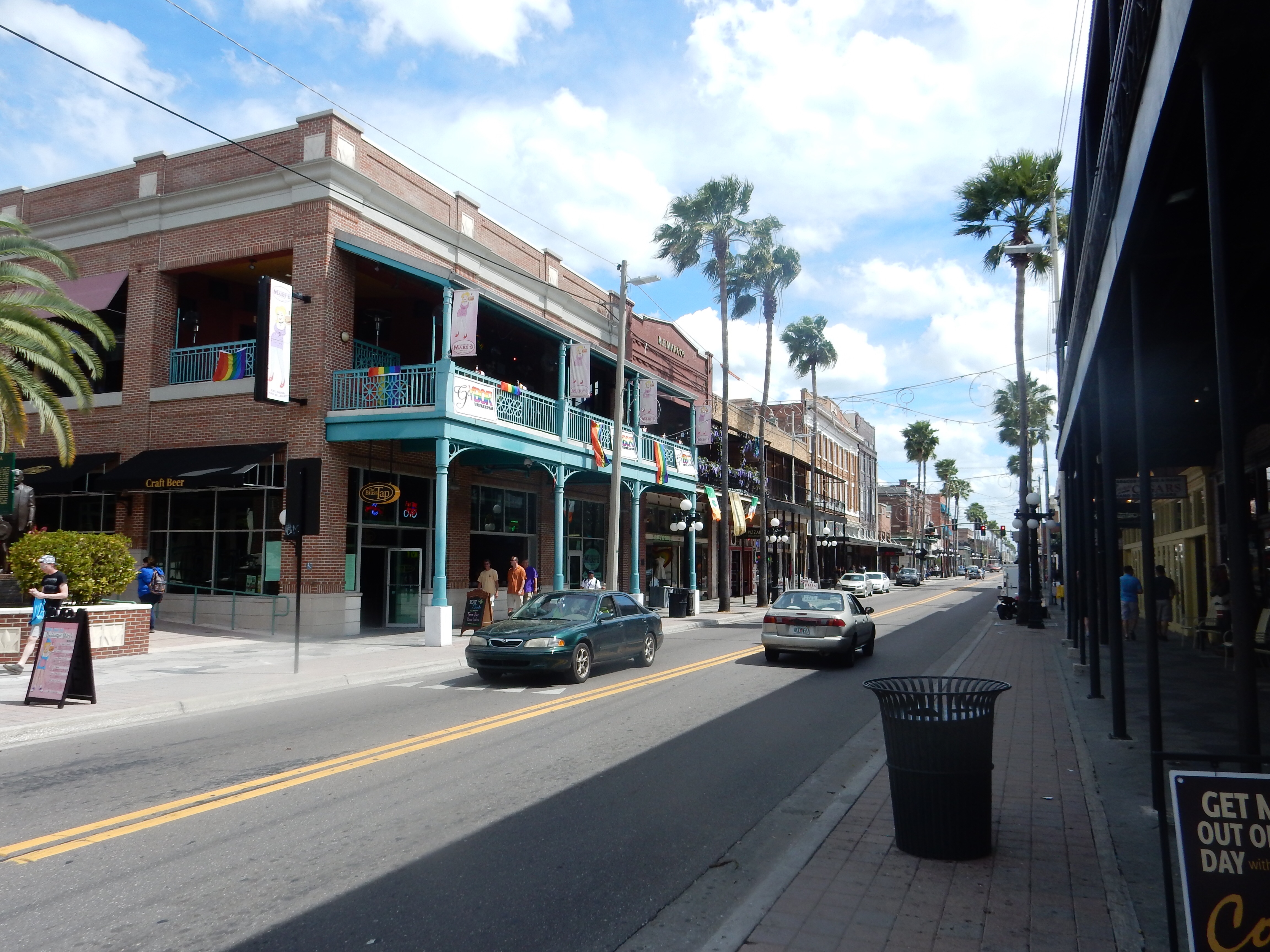
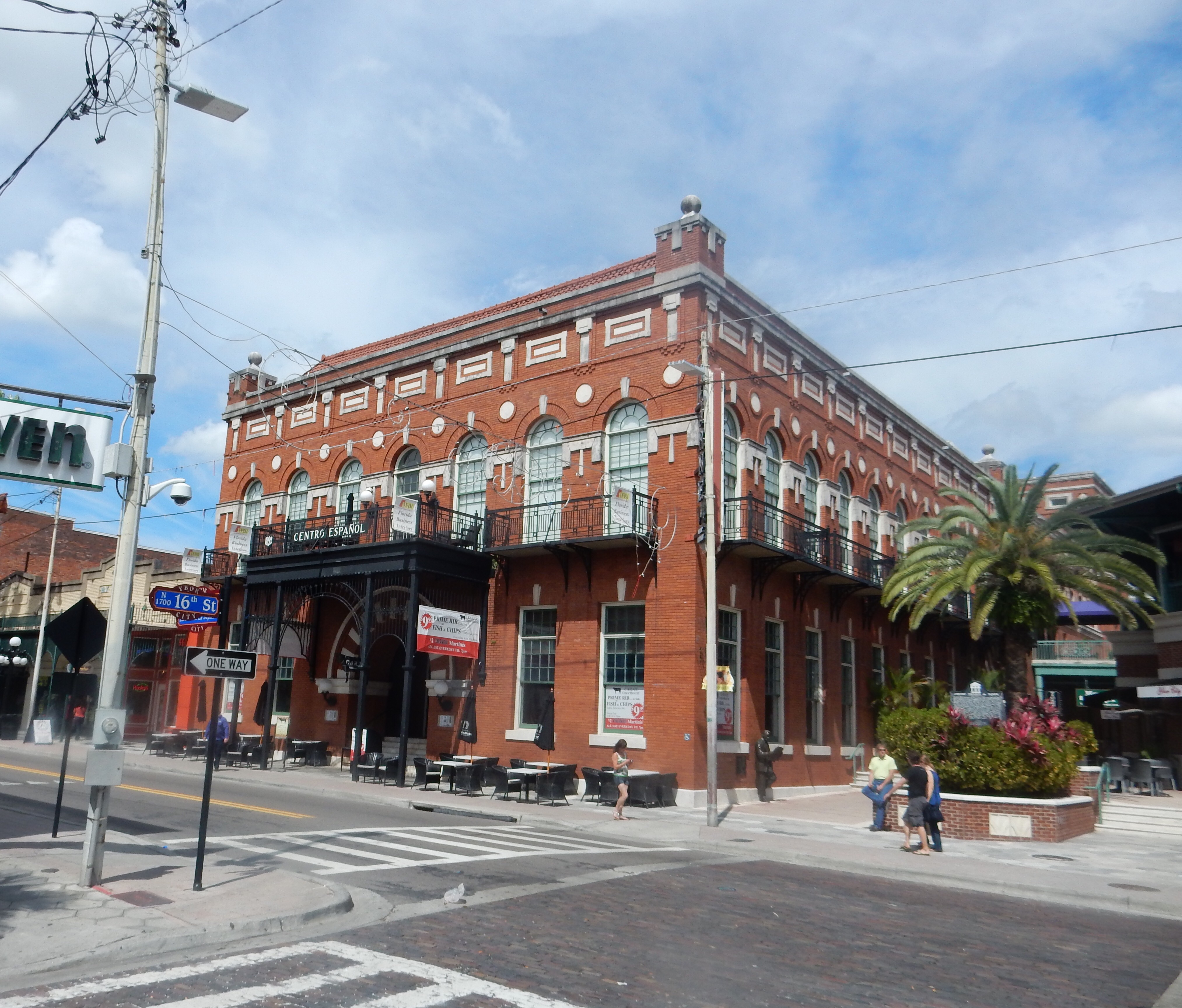
Street view of Ybor City
Street view of Ybor City

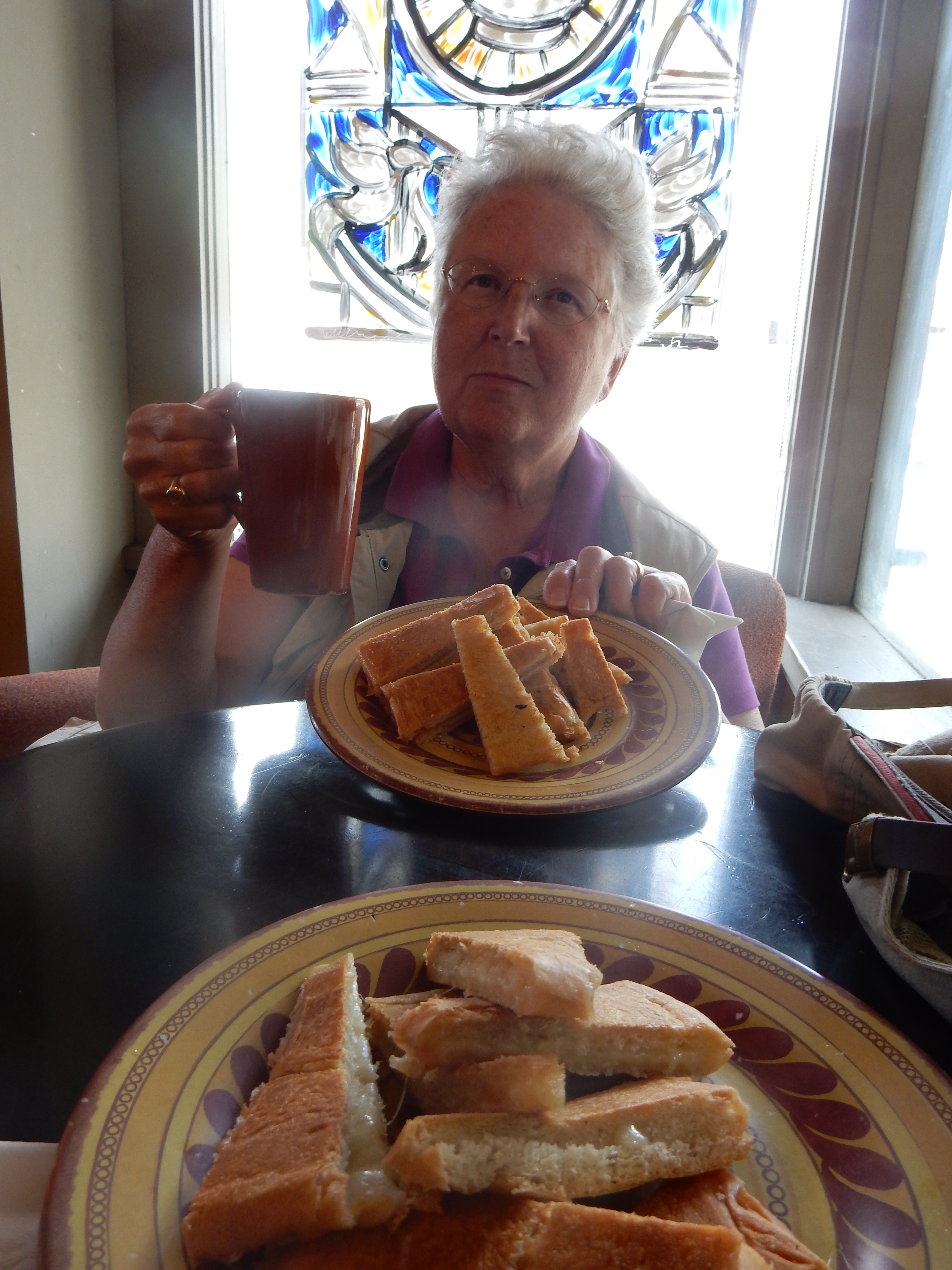
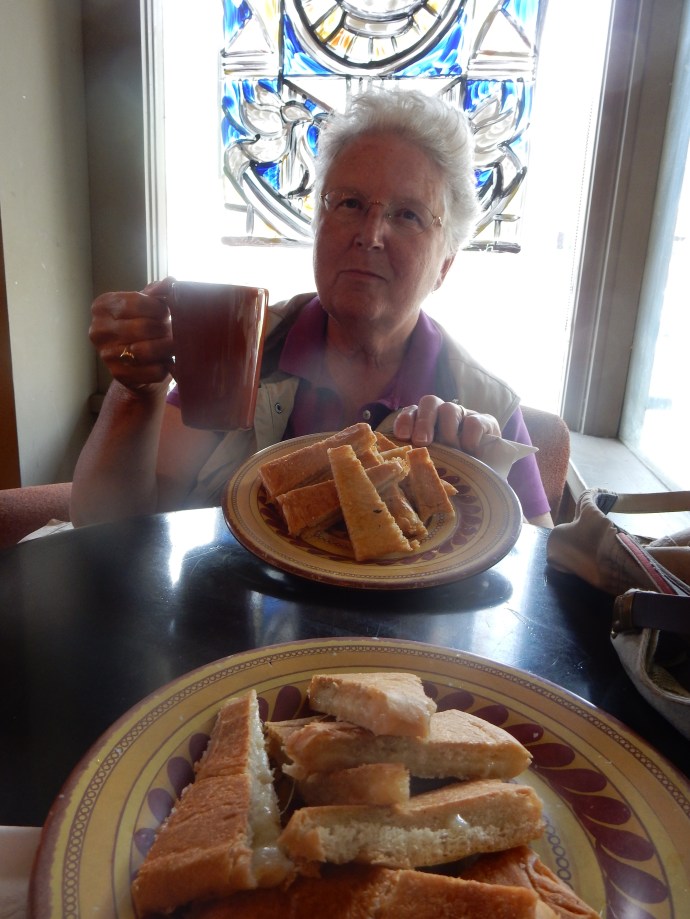
Cuban toast for lunch

Cuban toast for lunch

Friday we visited one such, Ybor City, a part of Tampa. We stopped at the Ybor City Museum State Park located in a former Italian bakery and strolled the streets of the city. We had Cuban toast for lunch and talked with Arturo Fuente Jr., the grandson of one of the long time cigar makers. Cigar stores are abundant on the main street. You recognize early on that this is one of a few communities in America where you do not complain about smoking.

The retail store for Tampa Sweethearts cigars
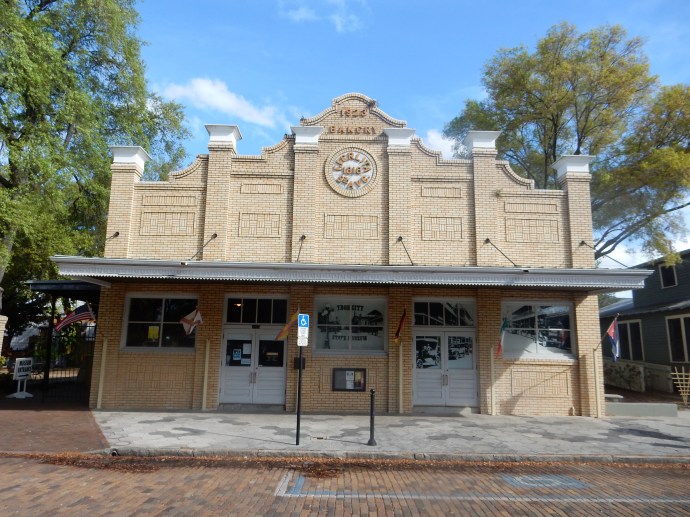
The retail store for Tampa Sweethearts cigars

Ybor City Museum State Park

Ybor City Museum State Park

Ybor City is trying to maintain its uniqueness. Now, after urban redevelopment flattened buildings, interstates divided its neighborhoods, and suburban development emptied city neighborhoods, Ybor City is gaining new economic strength but through the new drivers of economic development, tourism and eating/drinking out.

As we have noted in other posts, Florida developed late in U.S. history, particularly when you consider most development started in the east and worked its way west. Tampa was a small village in the late 1800s with a good port. Henry Plant built the railroad system on the Gulf side of Florida, similar to Flagler’s efforts on the Atlantic Coast. Plant’s railroad reached Tampa when it was still a small village.

At the same time, Cuba was under Spanish control. One of Cuba’s products was cigars. Due to political strife in Cuba, as it was trying to seek independence from Spain, making cigars was difficult. Don Vincente Martinez Ybor was a Spaniard wealthy from the cigar manufacturing business. He sought a stable location for his cigar making business. Initially he set up shop in Key West Florida but the lack of reliable transportation or potable water forced him into looking elsewhere.

The port and city of Tampa were mentioned to him as a potential location. The few business people in Tampa recognized the potential economic driver of the cigar business and in 1885, they underwrote 50% of the purchase cost for land for his business. They also agreed to provide police protection in case of any potential labor strife. Ybor offered his workforce free housing in casitas, small bungalow style homes. His factory became the largest in the world. Ybor City became a thriving cigar making community, as other cigar manufacturers joined Ybor here. (Ybor City was annexed to Tampa in the early 1900s.)

Due to the strife in Cuba, workers thronged to this new community. Unrest in Italy added another immigrant population to work in the town. They were joined by immigrants from Germany and Romania, as well as Spaniards direct from Spain, not just from Cuba. America’s recently freed slaves were also part of the workforce. Ybor City became a melting pot of races, religions and ethnic groups. The access to the port provided a means to ship in tobacco from Cuba. The new railroad lines provided direct distribution to the entire United States. Eventually, Ybor City became the cigar manufacturing center of the world.

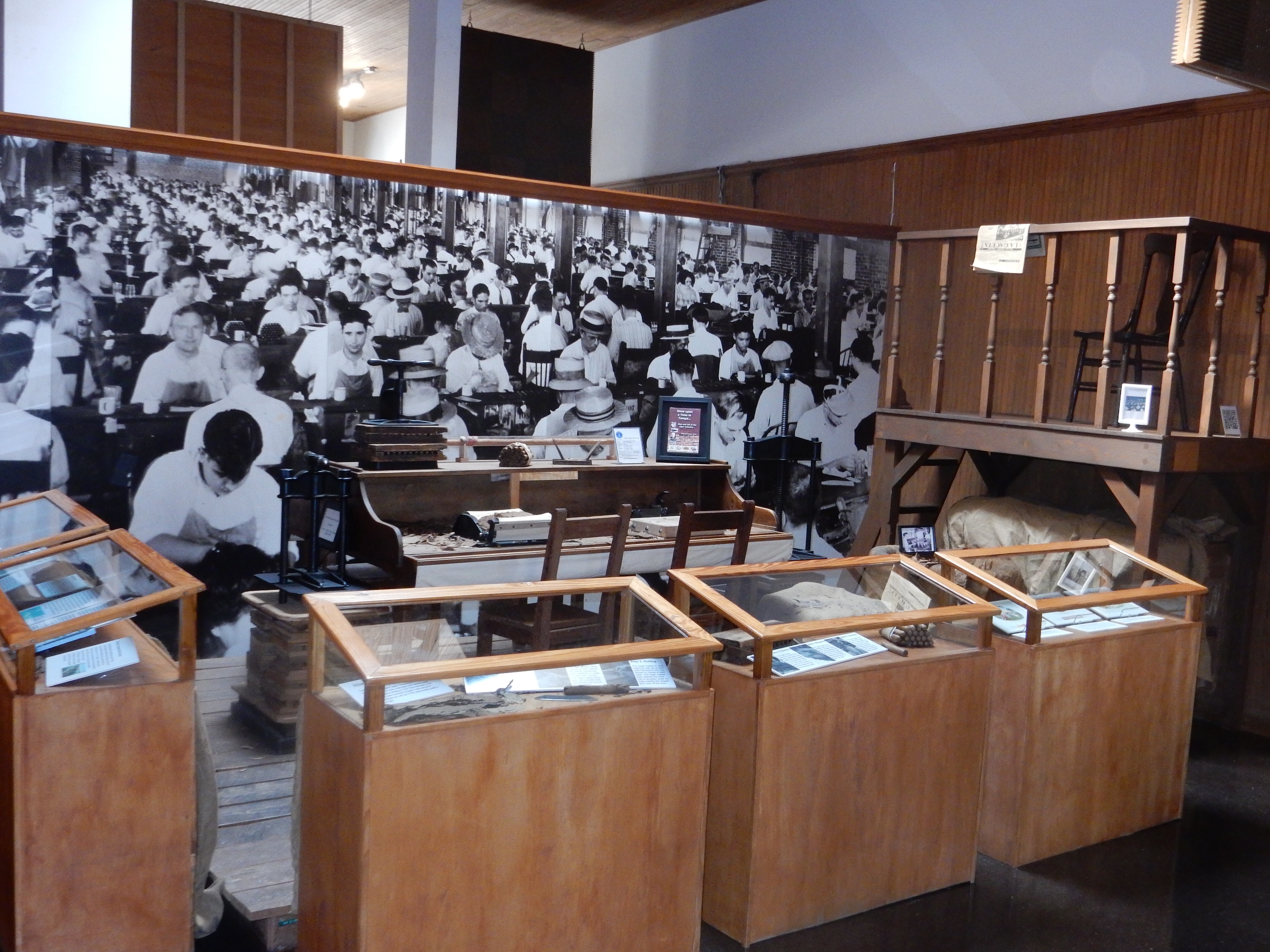
A museum display trying to portray the scene in the factory with the reader' s  box.

A museum display trying to portray the scene in the factory with the reader’ s box.

Besides the free company housing, the cigar manufacturers offered a new and unique benefit. Each cigar factory had a reader. This was a person, hired by the workforce, that for four hours each day read to the workers. During the course of the reading time, workers would hear the daily news, then a classical book, and then a current novel. The reading was in Spanish, so the other immigrant groups would learn Spanish at work. The reading of the novel frequently brought family members to the outside of the factory so they could hear the reader through the windows. Quite a unique set up.
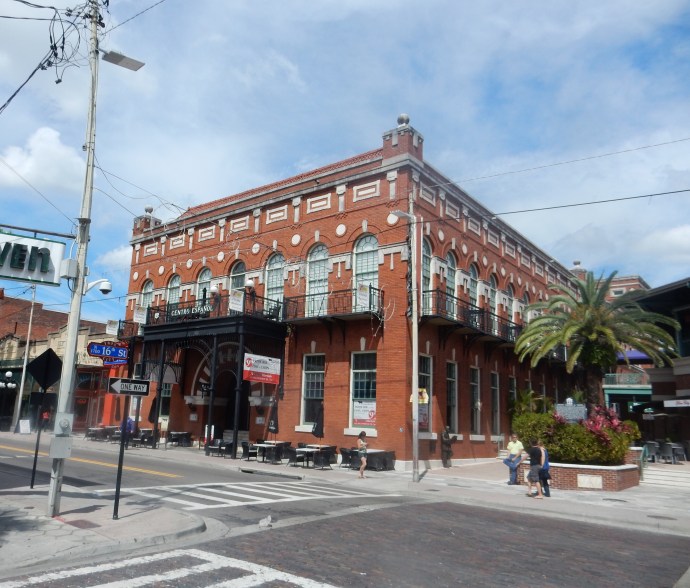
The Spanish social club

The Spanish social club

Similar to some other cities, Ybor city offered local immigrant mutual aid societies. Each immigrant group had its own cultural center. This provided social activities, medical services, and a meeting place after work-for the men. Ybor City was a true melting pot. However, Tampa, like all of the south, had Jim Crow laws. While the factory floor was exempt, other parts of town were segregated. Due to the laws of genetics, within individual families, skin tone varied. Family members were frequently unable to attend the same activities based on their skin color. Ybor City was not perfect, other class stereotypes existed to decide who was management and who was labor. Labor strife was not unknown here.

The heavy Spanish influence made Ybor City an early US home base for Cuban efforts to obtain their independence from Spain. José Marti, recognized as a leader in a Cuban independence, visited here often. Residents of Ybor City provided money, materials, and soldiers for the Cuban revolutionary efforts. Teddy Roosevelt and his rough riders, along with other US soldiers, were stationed here during the war between the United States and Spain in 1898. Ybor City still has a Rough Riders parade annually.

As strife was gaining ground, but before war was declared, Spain forbade the shipping of Cuban tobacco to other countries. Ybor City cigar makers managed to buy a year’s supply of tobacco before the embargo was effected. Fortunately for them, the war ended soon and Cuban independence provided them with a continuous supply of tobacco.

The cigar industry ruled in Tampa until the depression began. Cigar making machines, loss of disposable income, and the introduction of cigarettes brought about the near collapse of the business. Today a few small cigar manufacturers exist, others have moved to the Dominican Republic but maintain the business headquarters here. Of course, the U.S.-Cuba relatonship has ended the supply of Cuban tobacco to the U.S.

So Ybor City and its unique history went away. The uniqueness of the readers, the cigar industry world dominance, the easy mixing of immigrant groups with its mutual aid societies no longer exist. In other ways, Ybor City reflected several American trends; subsidies to businesses, the role of railroads in shaping new towns, interstate construction and VA loans only to new houses decimating urban dwellers, the destruction of unique city areas in the name of redevelopment, even the political control of Tampa politics for decades by the illicit, underground gambling bosses.

Flamenco dancers at the Columbia restaurant

Flamenco dancers at the Columbia restaurant

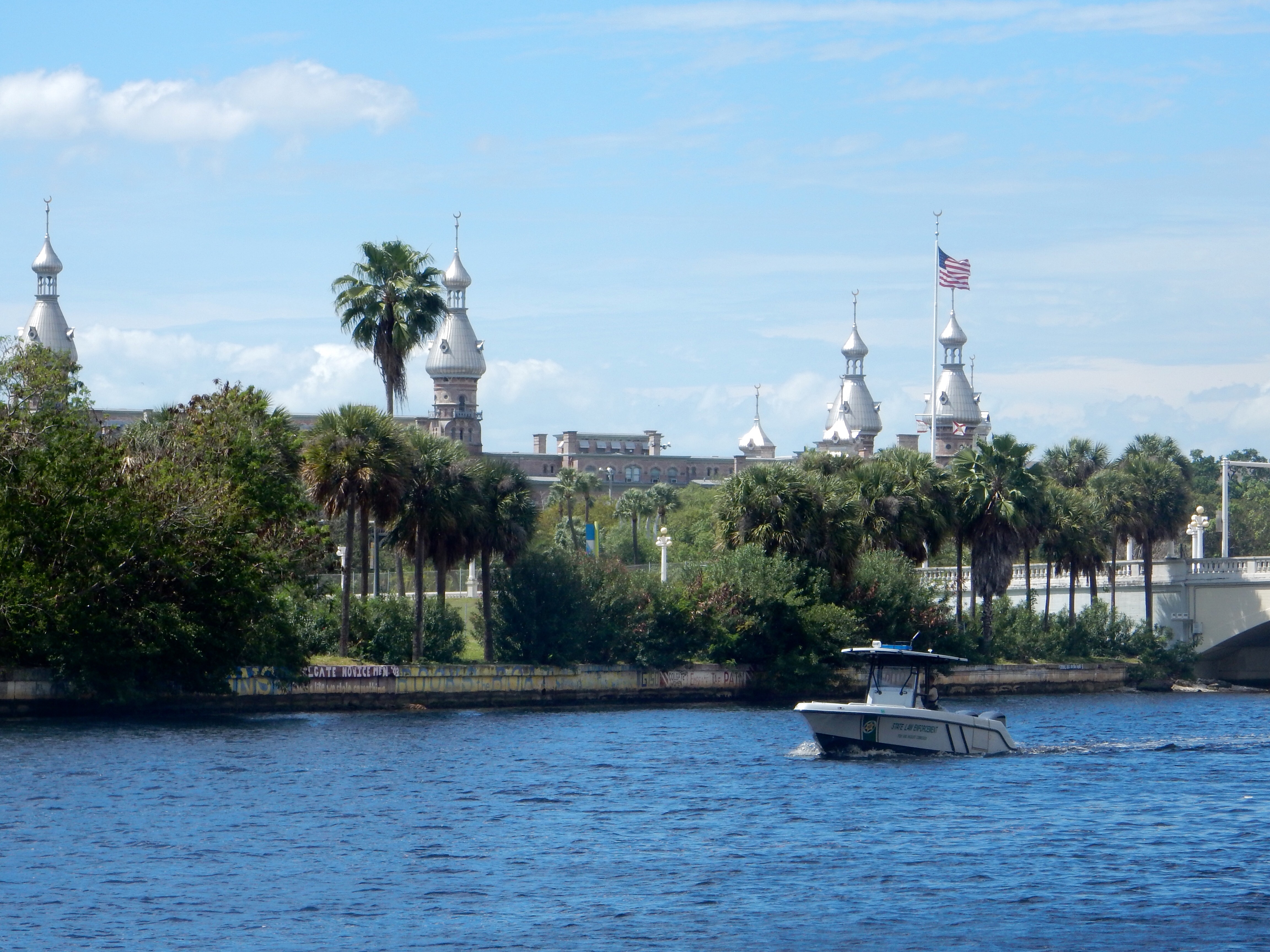
It does not take all day to visit Ybor City. We took a street car to downtown Tampa and walked along their riverfront. We returned to Ybor City to have dinner at the Columbia restaurant. This is Tampa’s oldest restaurant and possibly the largest Spanish restaurant in the world. Family owned since 1905, the restaurant takes up a full city block and can seat 1700 people in 15 dining rooms. We had a great meal and watched 45 minutes of flamenco dancing. But, we chose to have Working Cow ice cream for dessert back in Apollo Beach by Ruskin.
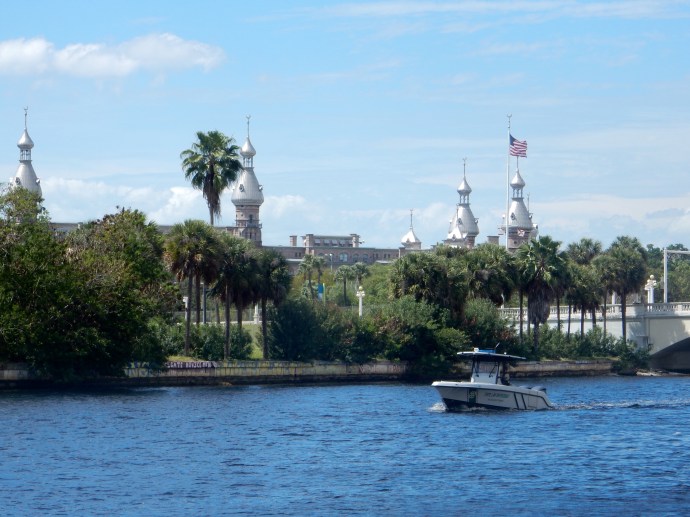
View from Tampa's RIverwalk

View from Tampa’s RIverwalk

Ed and Chris 3/14/15 Noon

Categories: road trip, travel | Tags: , , , , | Leave a comment

2015, Trip 1, March 11-12, Florida in Winter

Ruskin FL Thursday March 12

One of the alligators along Hillsborough River canoe trip

One of the alligators along Hillsborough River canoe trip

Back to Nature and the “Real Florida” as the Florida state parks like to advertise themselves. Today was a four mile, two-hour canoe trip down the Hillsborough River. Canoe Escape was our outfitter. They are located just outside of the Hillsborough River State Park which also rents canoes. Canoe Escape provides shuttle service from the end of the run; the state park only rents canoes and you paddle down stream and back upstream. The two-hour paddle down stream today was tiring enough, I am not sure we would have made a return paddle upriver.

Setting off on the canoe trip

Setting off on the canoe trip

Anhinga drying wings

Anhinga drying wings

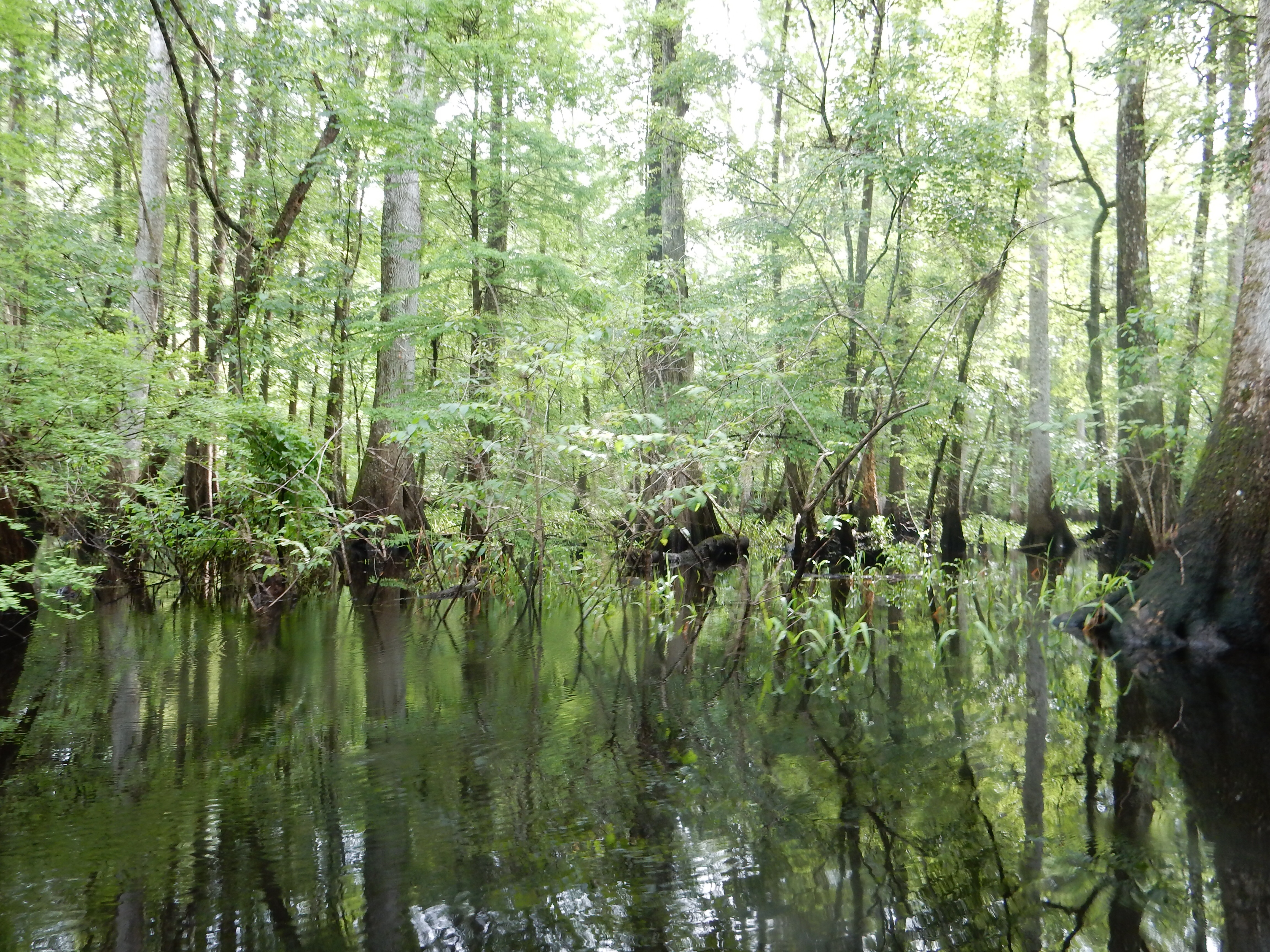
The Hillsborough River runs from northeast of Tampa into downtown Tampa. We paddled a portion that is outside of the city and is preserved for 20 miles and 16,000 acres. The river provides 75% of the drinking water for Tampa. It is brownish in color due to the presence of tannic acid from trees in the swamps and flatwoods. We have observed this in several other rivers in parts of several states in the U.S., West Virginia, Michigan, Minnesota, etc. This outfitter had also been recommended by Adventures Unlimited that we used in Milton FL at the beginning of our trip.

Paddling along the Hillsborough River

Paddling along the Hillsborough River

Today’s weather forecast had changed several times in the last 36 hours. Always warm but possibly cloudy, rainy, foggy, etc. We took our chances and drove to the location. The day ended up being a combination of cloudy and sunny although the river is under a canopy of trees for most of the length we traveled. Rain has pushed water over the banks into marshlands so it was periodically challenging to stay within the river itself.

Hillsborough River

Hillsborough River

I had checked out the river and the outfitter on Tuesday after one of the airport runs. Chris, however, was still nervous due to the uncertain weather forecast, the presence of alligators, and the overflowing stream banks. Once it was completed she acknowledged that it was a good adventure and worth the trip.

And yes, we saw alligators, probably 8-10. Chris’ motto is no eye contact and keep paddling so we only have one picture of an alligator. They ranged in size from about three foot to about eight foot-we did not stop and measure them. The most frequent bird was the anhinga. We saw several, usually perched on a log of a tree with wings outstretched. They dive under the water for fish and periodically have to dry out their wings.

Wednesday we hiked at Little Manatee River State Park, just about 30 minutes away. The day was also hot and we experienced our first major bout with insects. Insect repellant was partially effective; we used an “environmentally sensitive” product. I always have my doubts whether the environmentally sensitive products are as effective as the heavy chemical ones.

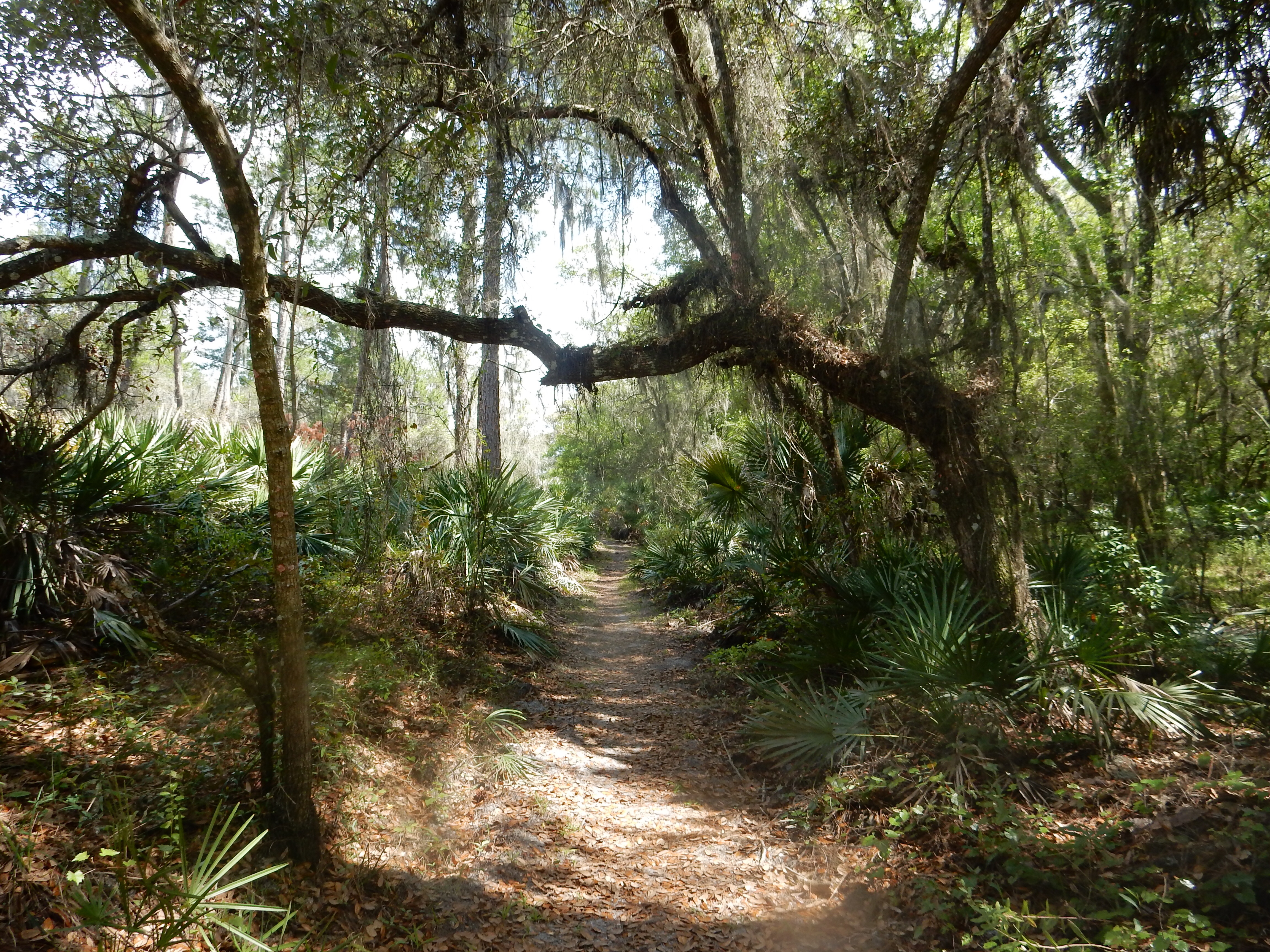
Little Manatee River State Park

Little Manatee River State Park

image

image

This hike was the least enjoyable of our hikes. The heat and bugs detracted from the hike, the scenery has now become old hat of the “Real Florida”; stream and/or marsh, bald cypress, pines, saw palmetto, grass lands, sabal palm, hardwood forests. In my opinion, there were no “Oh, Wow” vistas. This park does offer numerous equestrian trails and an equestrian campground.

To reward ourselves after the hike, we stopped at an ice cream parlor and had Working Cow ice cream, home-made in St. Petersburg and tasting delicious. Thursday’s reward for the canoe ride was more mundane but just as refreshing, jumping in the pool here at the resort. The pool we used faces one of the channels, not the bay itself. We have seen dolphins back there as well as pelicans, terns, etc.

Ed and Chris 3/12/15 9:30 P.M.

Categories: road trip, travel | Tags: , , | Leave a comment

2015, Trip 1, March 4-10, Florida in Winter

Ruskin, FL Tuesday March 10

A headline in the Tampa Tribune recently stated that the Florida Strawberry Festival ran out of shortcake for their strawberry shortcake desserts late in the afternoon of the last day of the festival. The 500,000 or so people were able, for the first time, to eat up all of the shortcake. We almost had the same problem here.

Sarah, Sarah, Deb and Rebecca joined us in Ruskin late Thursday evening and we have been enjoying being together. They returned to their northern homes today. One of their requests when we did meal planning was for strawberry shortcake. It made sense, besides a family favorite, we are at the peak of the winter strawberry season in Florida. We had no idea how popular it would be. When Chris and I were at the Florida Strawberry Festival on March 3, we bought fresh strawberries. We could have purchased a flat of strawberries for $12, a half flat for $7, or two quarts for $5. We said to ourselves, well a half flat is way too much even if it is a better buy. We bought two quarts. Well, from Thursday night through Monday night, we went through 4 dozen Bisquick shortcake biscuits ( a box and a half of Bisquick), 11 or 12 quarts of strawberries, and 3 large containers of instant whip cream. The price of really fresh strawberries was only $1.67 at the grocery store and all of the strawberries came from Plant City, just an hour away.
Friday and Saturday, while warm, were mainly cloudy with temperatures in the 70s (F). Sunday and Monday the sun was shining most of the time with the temperatures in the 80s. We combined relaxation with activities. Probably our most notable group outing was a three-hour boat ride on Tampa Bay Sunday. We chartered a small boat whose captain was a woman recently retired. She and her partner have set up a retirement business of boating charters. This area has a good number of fishing charters but few aimed at people who just want to enjoy the scenery. They are filling this niche.

Pine Island in Tampa Bay

Pine Island in Tampa Bay

Sarah and Sarah on the boat

Sarah and Sarah on the boat

Captain Patti and her boat

Captain Patti and her boat

We were able to see mangrove swamps and the bay. We stopped at an island in the bay. Officially the island is called Pine Key but it also has a nickname of Beer Can Island. It can become a party location on a nice afternoon but our venture there showed everyone pretty subdued and just enjoying the great weather on a Sunday afternoon. Some of us waded in the water, looked for shells, walked around the island or just laid on the sand. It was a relaxing ride and enjoyable time together.

Our resort is only minutes from the Manatee Viewing Center that we reported on in an earlier post. We made sure each of our visitors was able to make a trip to the waters and see manatees up close.

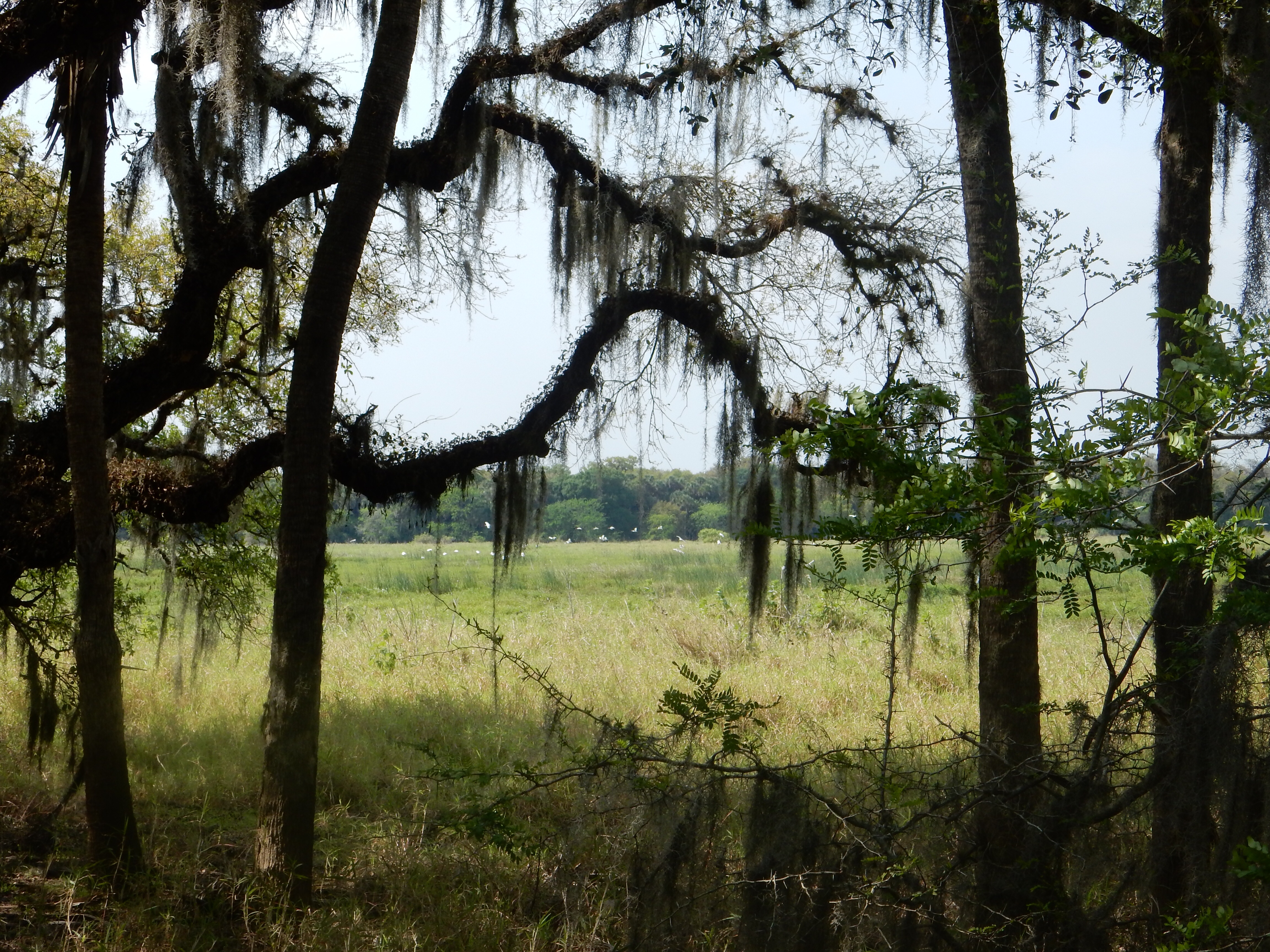
Birds on wing at Myakka RIver State Park

Birds on wing at Myakka RIver State Park

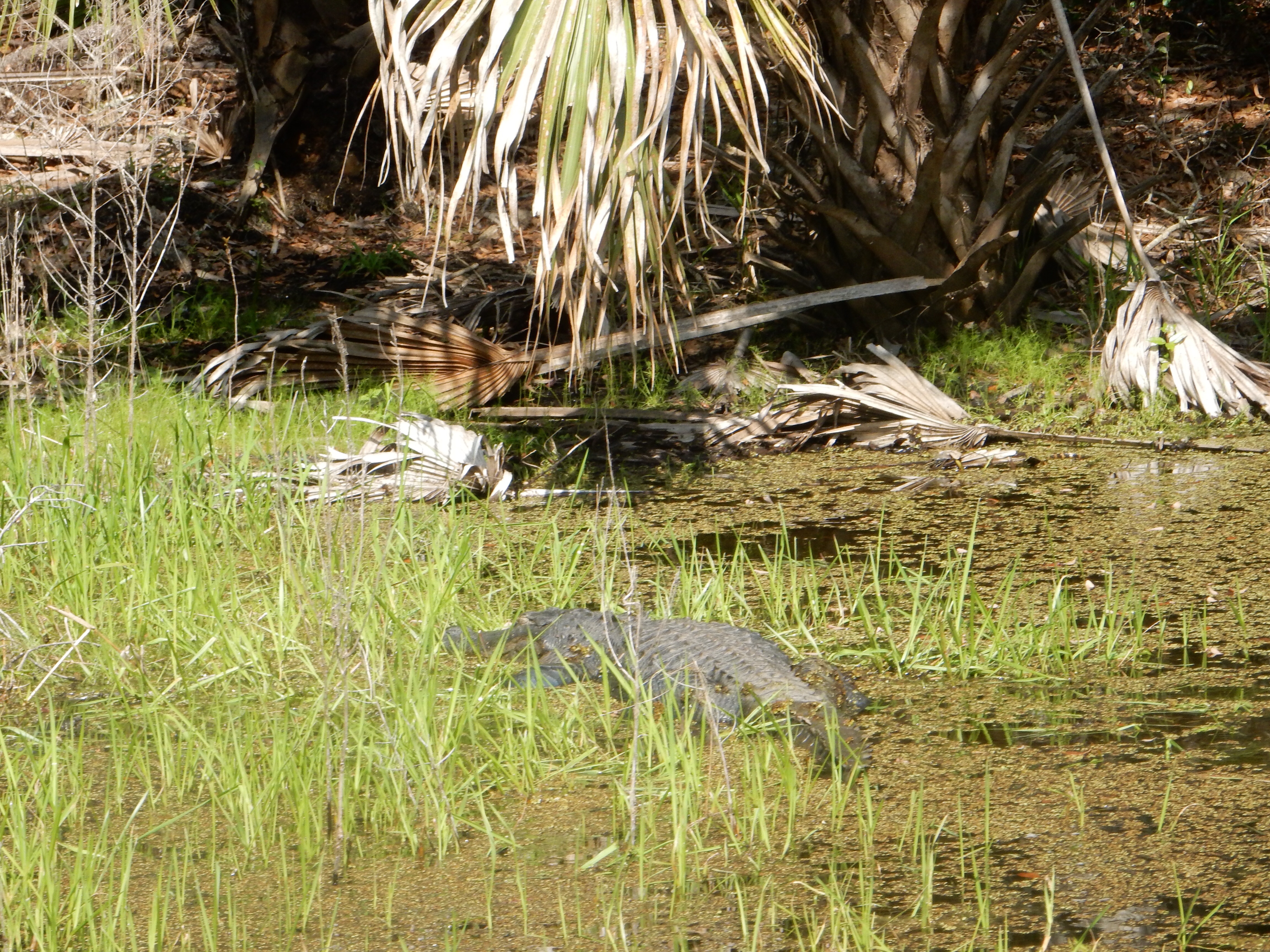
Alligator at Myakka River State Park

Alligator at Myakka RIver State Park

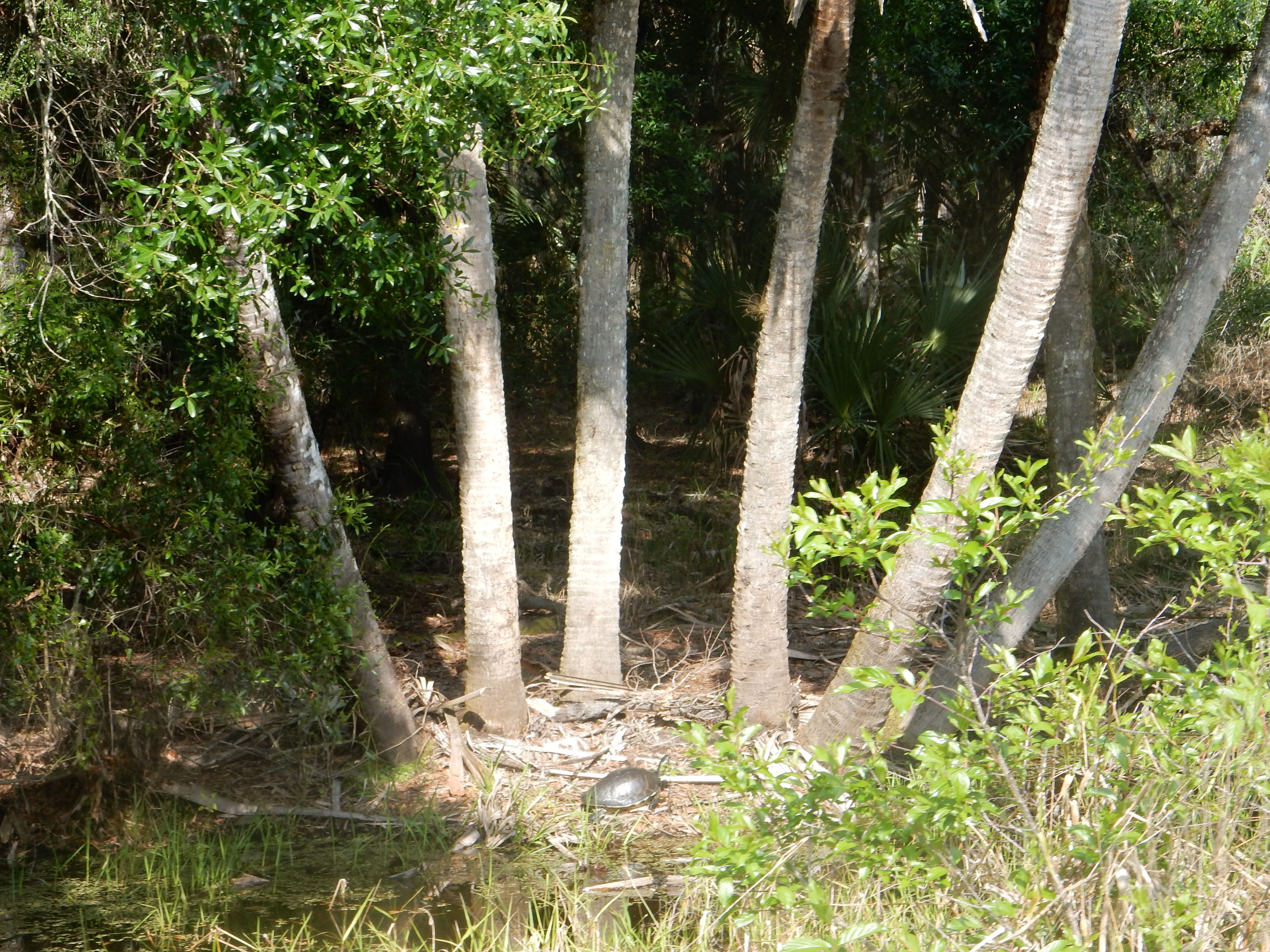
Turtle, favorite food of the alligators, sunning itself at Myakka River State Park

Turtle, favorite food of the alligators, sunning itself at Myakka River State Park

Deb and Reebecca on tree top board walk at Myakka River State Park

Deb and Reebecca on tree top board walk at Myakka River State Park

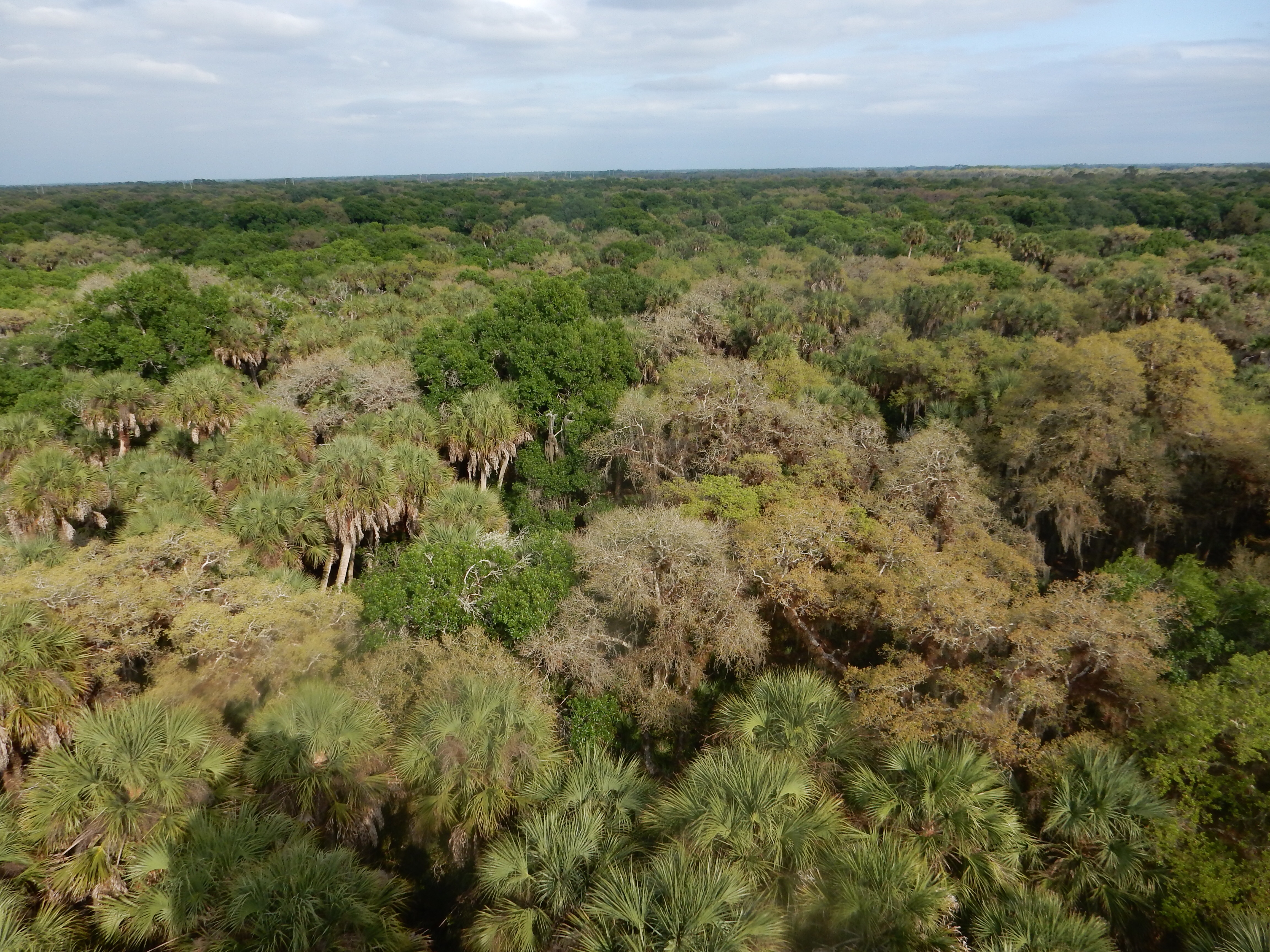
View from the observation tower at Myakka River State Park

View from the observation tower at Myakka River State Park

Saturday we visited Myakka River State Park. We had read about a tram ride through the park in which wildlife can normally be seen and it offers a tree top board walk. While we did see alligators, turtles and egrets, the adventure was less dramatic than I expected. The tree top board walk was the first one in the U.S. but it was short and anticlimactic. The view from the top of the observation tower we climbed was impressive though. The tram ride provided a narration about the landscape but was pretty slow-paced.

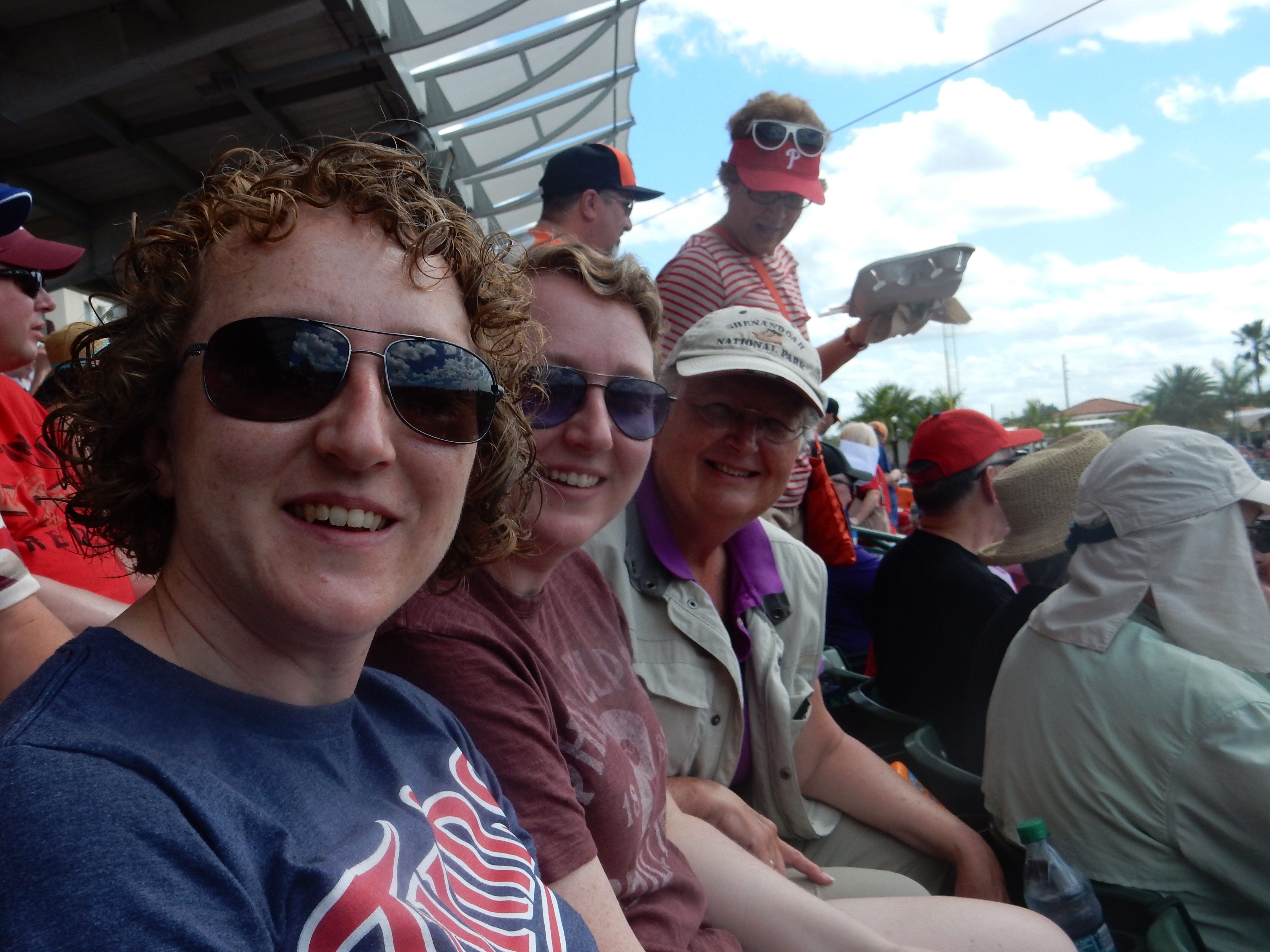
At the Orioles vs. Phillies game in Sarasota FL

At the Orioles vs. Phillies game in Sarasota FL

At the ball game

At the ball game

Florida is home to the Grapefruit League; spring training camp for 15 baseball teams in locations across central Florida from the Atlantic Coast to the Gulf of Mexico. Our people have differing allegiances so we chose a game relatively close to attend. The Orioles home base is in Sarasota, about 45 minutes away. They played the Philadelphia Phillies Monday afternoon. Rebecca is not a baseball fan so we dropped her off at the Ringling Museum of Art in Sarasota which includes art, gardens, the Ringling mansion and a circus museum. She was not able to visit everything.

The Orioles spring training stadium holds 8500 people and appeared to be almost sold out. The Orange shirts of the Orioles fans might have slightly outnumbered the red jerseys of the Phillies fans. Every seat is close to the action; you need to keep an eye out for foul balls headed your way. The Phillies won 1-0 on a solo home run. None of us came away with sunburn, all of us came away full of ball park “delicacies”.

Evenings were for conversation and hot tubbing. The crock pot we purchased came in handy to have meals ready whenever we chose to eat. Chris and I recounted how we had relished our March get-aways in Miami Beach when we were working. That week get-away always refreshed us and sent us home knowing that snow would be melting and temperatures warming up in MN. Hopefully the four of them will return home and find spring just around the corner.

Ed and Chris 3/10/15 9 pm

Categories: road trip, travel | Tags: , , , , | 1 Comment

2015 Trip 1, March 3, Florida in Winter

Ruskin, FL Tuesday March 3

A day of contrasts. An American genius, Frank Lloyd Wright, and then low brow entertainment with pig racing.

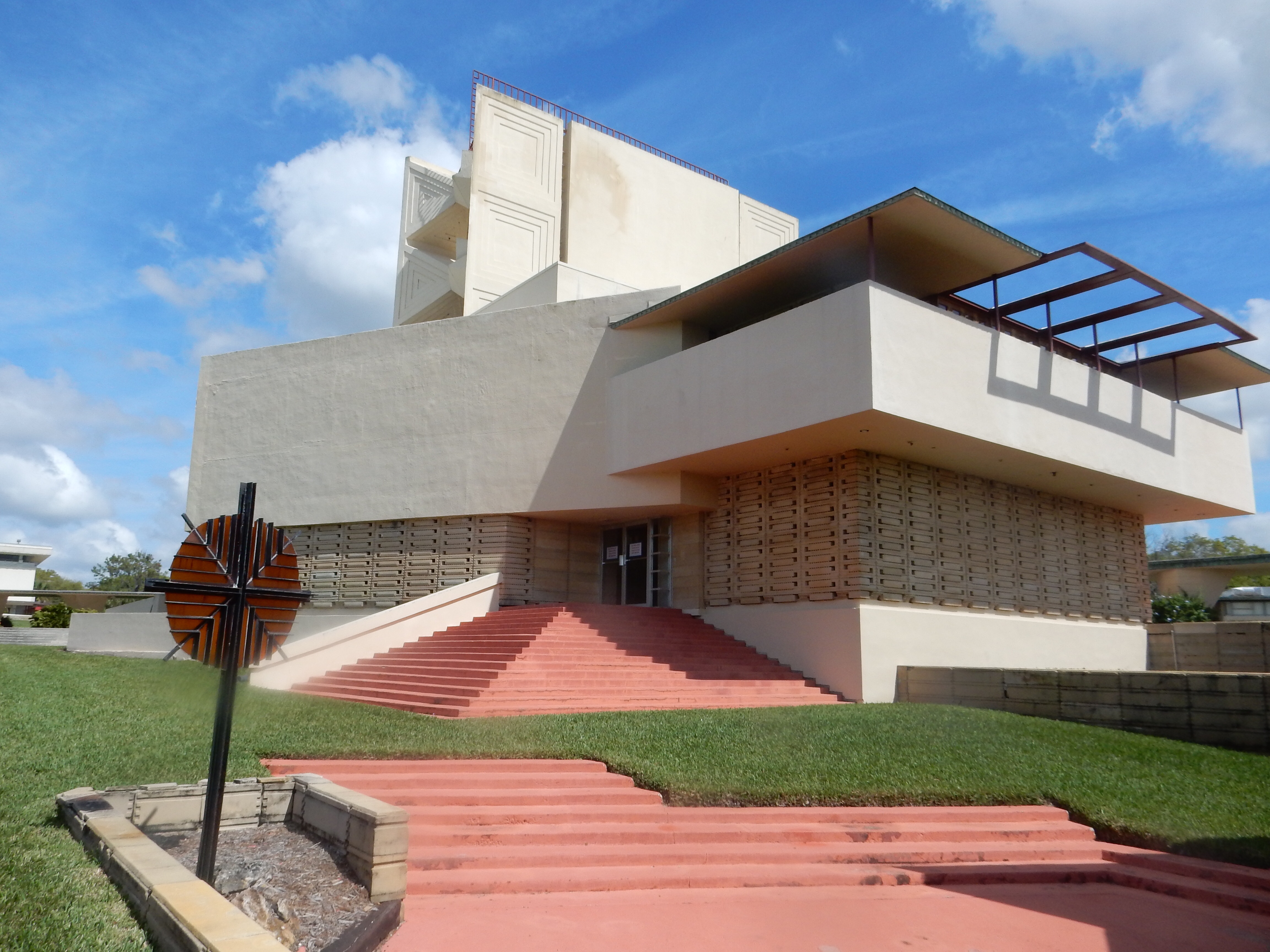
Annie Pfeiffer Chapel designed by Frank Lloyd Wright at Florida Southern College in Lakeland FL

Annie Pfeiffer Chapel designed by Frank Lloyd Wright at Florida Southern College in Lakeland FL

Traffic was tied up on the Interstate this AM so we took back roads to Lakeland, FL, Population 100,000. The roads passed through citrus groves, cattle farms and phosphate mines. Florida is the leading U.S. source for phosphate, a primary ingredient in agricultural fertilizer. On one road, an abandoned phosphate mine has been recycled into a state park with highly rated off-road biking trails.

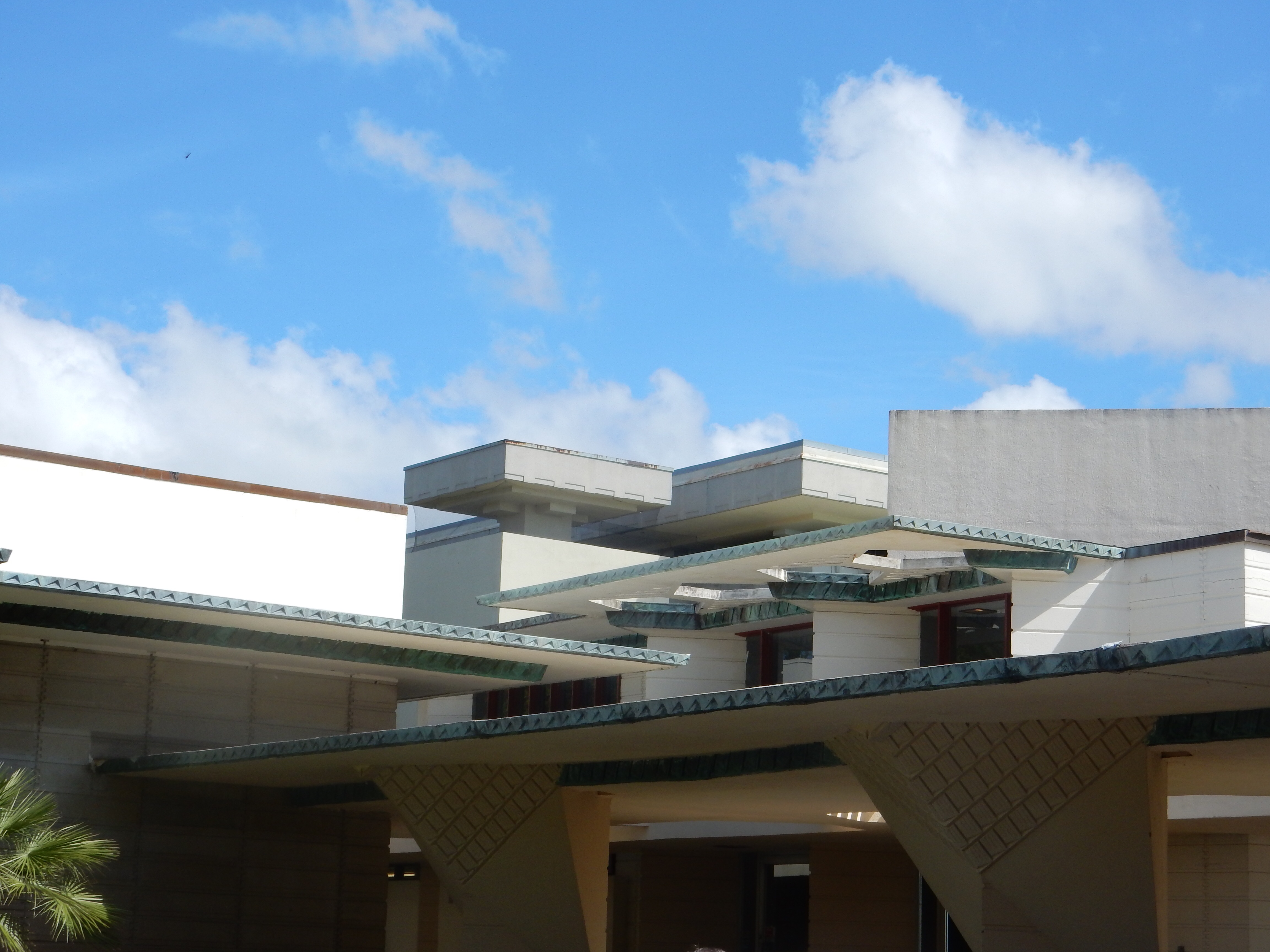
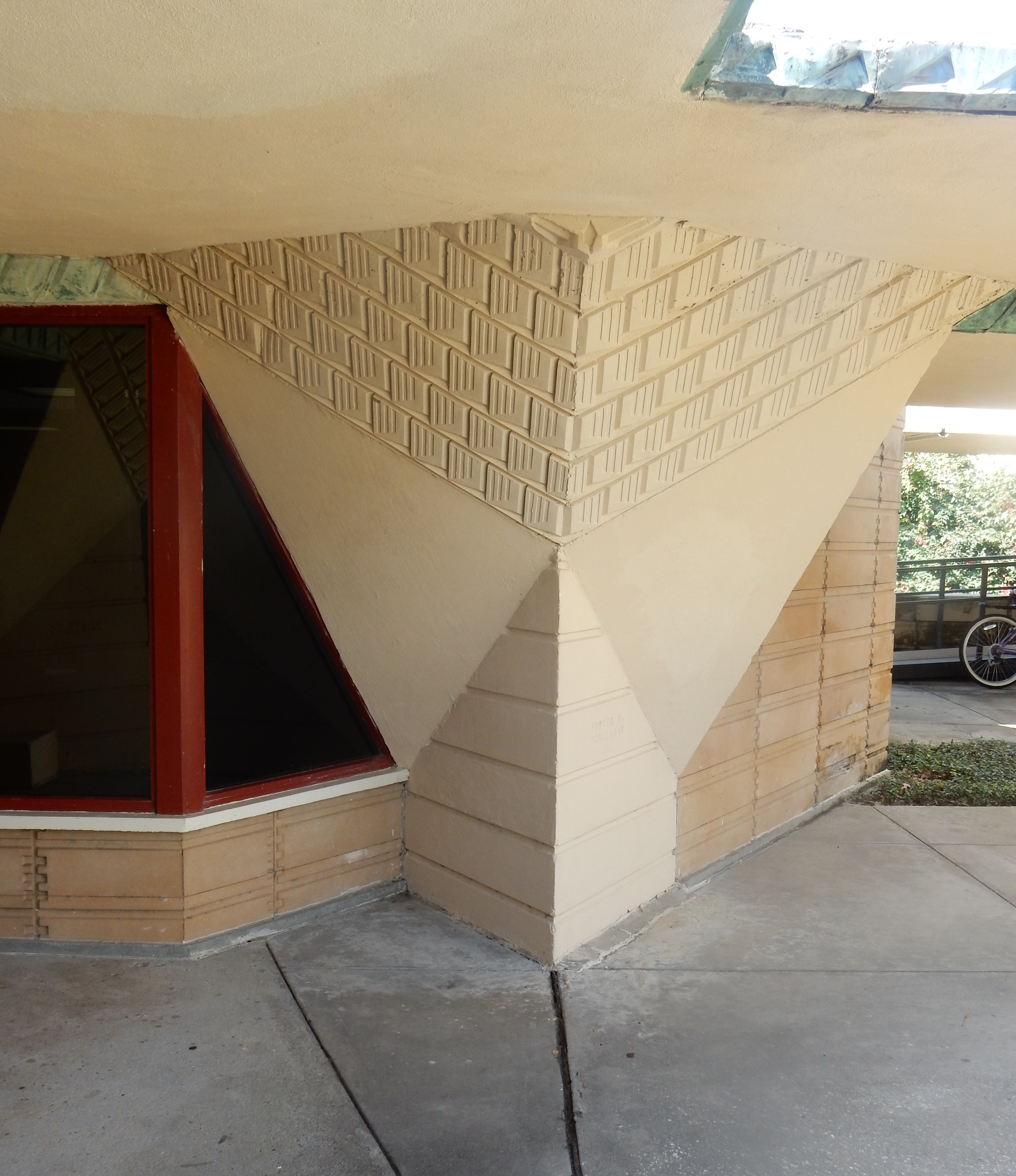
Roof line of Watson Fine Administration Building, Florida Southern College

Roof line of Watson Fine Administration Building, Florida Southern College

Why Lakeland FL? Well, Frank Loyd Wright of course. When thinking of Frank Lloyd Wright, Fallingwater, Taliesin East and West, Spring Green WI, or Chicago’s collection of Wright houses might come to mind. But in Lakeland FL is the largest single concentration of Wright designed structures, his only planetarium, his only built village, his only domed water feature, only theater in the round, and his last stained glass window.

Stained Glass in Danforth Chapel, Florida Southern College

Stained Glass in Danforth Chapel, Florida Southern College

How did this happen? In 1938, Wright was at the peak of his notoriety. He had just completed Fallingwater and the Johnson Wax headquarters. He was on the cover of Time magazine. He was 70 years old and Dr. Ludd Spivey, President of Florida Southern College contacted him. FSC was a small, religious based college and Spivey was looking for a way to differentiate his school. He challenged Wright to design and build a truly unique American educational institution, not one that copied European institutions with red brick and ivy. Spivey had no money but Wright accepted the challenge after visiting the site in Florida. (At this time in Florida history, central Florida was still pretty much Hicksville.) Over the next 20 years, Wright and the college collaborated on building 12 of the 18 structures Wright designed.

We took a fantastic 2.5 hour guided tour of the Wright portion of the campus; the residential portion is not Wright designed and there were a few traditional college buildings present when Wright started his work. His first thought was that the buildings in existence would have to be demolished to give his work a clean slate; but relented saying the comparison would better show off his buildings.

Sky view through Watson FIne Building

Sky view through Watson FIne Building

Interior lines of Watson Fine Admin Building

Interior lines of Watson Fine Admin Building

I do not know how much you know of Frank Lloyd Wright and we are certainly not experts. He is a colorful character and his biography would make for interesting reading, if you are so inclined. The American Institute of Architects declared him the greatest American architect of all time. He designed buildings and their interior furnishings. He expected to have complete control over the design and building. He originated several design theories and was famous for making the building suit the land on which it was sited, rather than the reverse. He also was autocratic and his buildings are known for leaky roofs.

A portion of the esplanades

A portion of the esplanades

Support column designed to resemble an orange tree

Support column designed to resemble an orange tree

View looking out from the Ordway Arts Building

View looking out from the Ordway Arts Building

During the tour we saw such buildings as the Theater in the Round with great acoustics; the original library which was built by female students during WWII (the college instituted a program in 1939 for free tuition in exchange for student labor to construct buildings, 3 days of class and 3 days of work, in WWII all the male students were gone so the women continued the building); the mile long series of esplanades that connect buildings in which the supports resemble orange trees and are trimmed in copper to provide a green tone; and finished at the Usonian House, a recently constructed example of modern American living that should have been faculty housing in 1939 but it was unable to be completed until now.

Interior and furnishings designed by Wright but just completed in Usonian House

Interior and furnishings designed by Wright but just completed in Usonian House

I could go on and on about the design and building process. If you are interested in reading further, the website http://www.franklloydwrightatfsc.com has detailed information.

After lunch, we drove to Plant City FL. Plant City is the home of the Florida Strawberry Festival. The Plant City area is known as the capital of the winter strawberry crop in the U.S. The Florida Strawberry Festival draws 500,000 people during its 11 day run. Numerous people had recommended to us that we attend this festival. Now, coming from Minnesota with an 11 day state fair that draws over 2,000,000 people, we were initially hesitant. Plant City is almost directly in the path we would take back to Ruskin, so we gave it a shot.

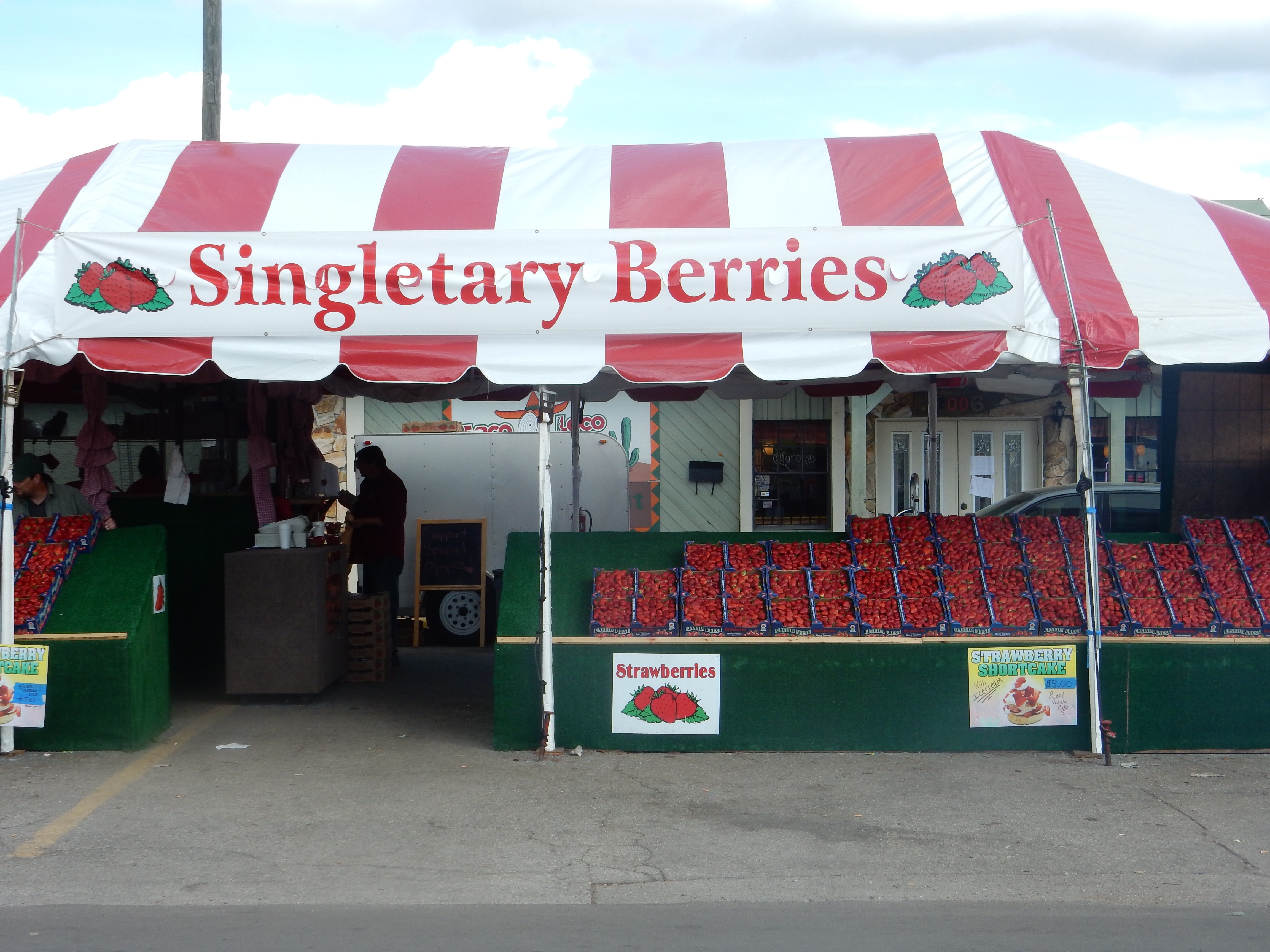
Strawberries on sale

Strawberries on sale

The Festival was a pleasant experience. It is a large county fair in our opinion. Lots of kiddie rides, the horticulture exhibit pales in comparison to other fairs, it has the standard vendors selling food, jewelry, trinkets, home nutrition aids, etc. We encountered a vendor who also attends the MN State Fair; they sell electric switchplates that are made in West Virginia. There are several tents with free entertainment and one large stage with bigger name entertainment. Strawberry shortcake and milkshakes are for sale at numerous stands.

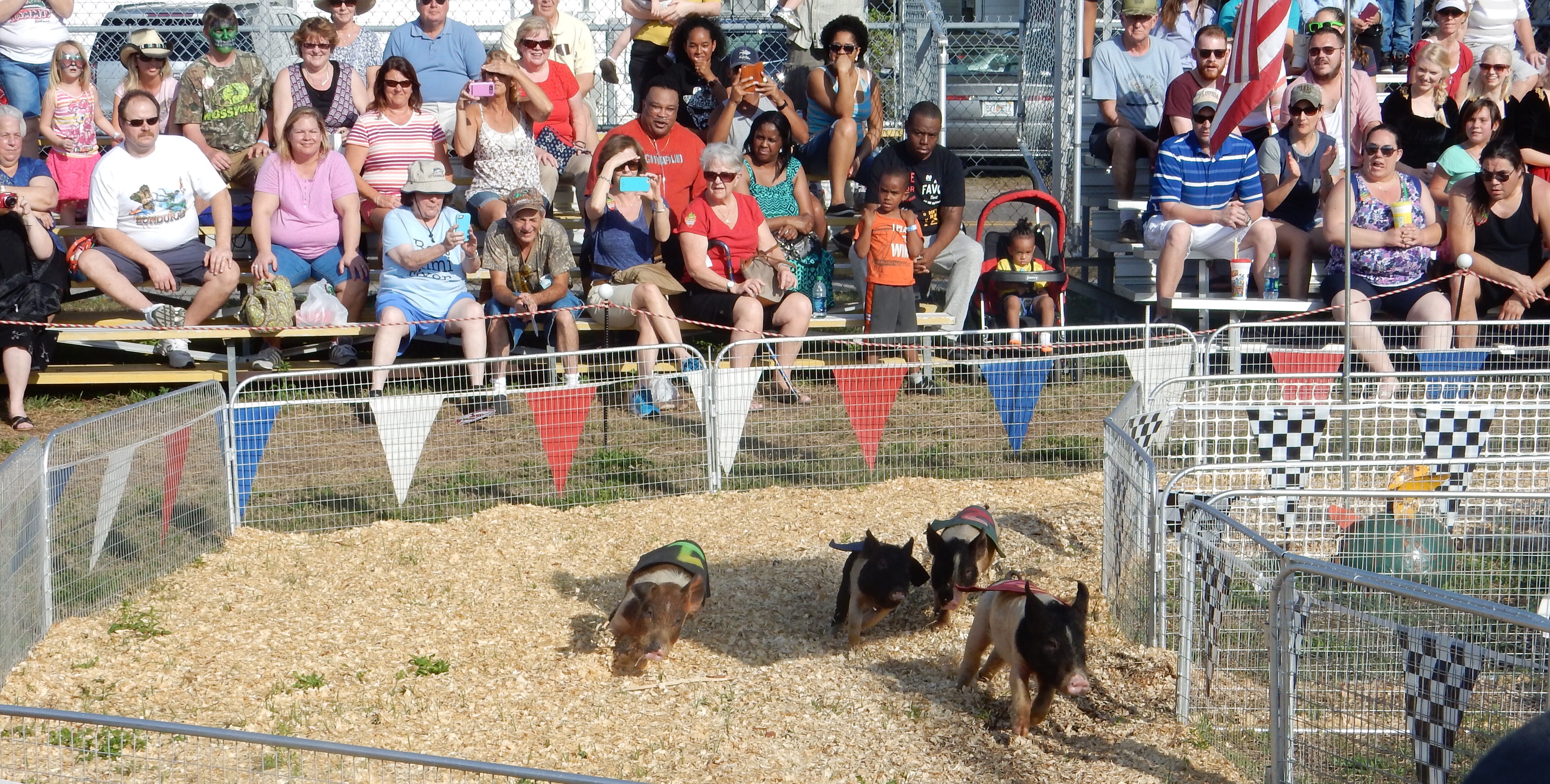
Pig racing at the Florida Strawberry Festival in Plant City FL

Pig racing at the Florida Strawberry Festival in Plant City FL

There were two unusual forms of entertainment that we tried to see; lamb jumping and pig racing. Our time at Florida Southern meant we missed the lamb jumping so I can not tell you if the lambs jump fences or if people jump over lambs. We did make it to one of the pig racing exhibitions.

Four young porkers are lined up and enticed with Oreo cookies to run around a small track. The winner gets a whole Oreo cookie; the other three have to share a second Oreo. There is the usual audience cheering for their favorite pig. For an encore, four other pigs come out, jump into a pool of water, swim to the other end and then race back to the starting point. We can attest that while pigs may not fly, they can swim.

A long day but one filled with interesting contrasts.

Ed and Chris March 3 9:30 PM

Categories: road trip, travel | Tags: , , , | 1 Comment

2015 Trip 1, March 2, Florida in Winter

Ruskin, FL Monday March 2

History lesson time today. Traveled to Bradenton FL, about a 60 minute trip to visit De Soto National Monument. The National Monument is run by the National Park Service, which presented its usual detailed and balanced analysis of its subject through video, publications, and a living history presentation. In their words: “In his native country and many parts of the United States, he is regarded as a romantic hero and trail blazing explorer. In Central and South America, as well as in American Indian tribes of the Southeast, many regard him as a monster and overzealous madman…..The expedition was inconsequential for Spain but disastrous for the Indians it encountered, leaving behind disease and social dislocation.” When he arrived, maybe 350,000 native people lived in Florida. Less than 20 years later, the area had many abandoned villages and scattered people with tribes decimated by European diseases.

A map of De Soto's exploration route in southern United States

A map of De Soto’s exploration route in southern United States

Hernando De Soto was a Spanish conquistador who traveled 4000 miles over four years from the Tampa FL area up into North Carolina and Tennessee, over to Arkansas, and down the Mississippi River to Mexico. Actually De Soto did not make the full trip; he died of an infection and was buried in the Mississippi River. His men competed the journey back to Spanish held land in Mexico.

The time we spent at the Monument was extremely interesting and full of information we had not known or had not remembered. De Soto and the Spanish had just finished over 700 years of constant fighting to reclaim Spain from the Moors. The Spaniards were brutal and skilled at fighting. Their use of armor, guns, horses, fighting dogs, metal swords, and large crossbows allowed a small number of soldiers to overcome much larger numbers of native Americans. The Indians were taller, over 6′ usually compared to less than 5 1/2 for the Spanish, and could unleash arrows by the dozens but the arrows could not compete against the chain mail and metal armor protection the Spanish wore. The Spanish weighed around 135 pounds and their armor might weigh another 135 pounds. The Indians had never seen fighting dogs that were large and trained to attack and kill.

Living history presenter at De Soto National Monument

Living history presenter at De Soto National Monument

Starting at age 14, De Soto had fought with the Spanish in South and Central America. Under Pizarro’s army, he came home rich from the gold and wealth of the conquered Inca. He became bored and was granted a royal charter to conquer La Florida for Spain and God at his own cost. De Soto was inflamed with the idea of even greater gold and riches here than what had been found in South America. He could have established colonies but drove his men, only 50% of whom survived, to keep searching, fruitlessly, for gold.

In addition to the diseases the Europeans brought, De Soto continued the Spanish pattern of brutality to conquer people. Indians were massacred. Captured Indians were enslaved to carry the Spanish goods and equipment; they were forced to act as guides; and “He captured women as diversions for his men.” Indian tribes kept telling De Soto stories of gold and riches “just a little bit further” to try to keep the Spaniards moving. We Americans tend to forget history and the tale of “pagans” killed by Europeans and Americans is ignored. The Spanish government and Catholic Church were accomplices in the plundering and ill treatment.

De Soto’s journey certainly increased European knowledge of this new continent. It is our responsibility to remember the effects, on native people and to recollect America was not just settled by the English. France and Spain played major roles also. The Spanish and Mexican impact on the southern U.S. did not start with immigrants crossing the border just a few years ago. They began the whole colonization of this area.

Well, I probably have bored you by now but we enjoyed and learned from the time spent at De Soto National Monument. Oh, one last tidbit. De Soto did not land at this site. He probably actually landed just about where we are staying. However, a group of women in the Bradenton area pushed for the monument, this parcel of land was donated, and in 1949 the National Monument opened.

Snooty

Snooty

Lunch was at one location of a small local chain called Peaches and then we continued history by visiting the South Florida Museum in downtown Bradenton. This museum started small with a collection owned by a local resident and has been expanded several times. Some of the notable exhibits included a history of the development of the town, a planetarium show, and an aquarium that houses the oldest living manatee in captivity.

“Snooty”, the manatee, was born in 1948 and has been living at the aquarium since 1949. He gets special hand feedings daily. In the history exhibit, there was no mention of the early Spanish settlements in the panhandle area that are prominently mentioned in museums there. The natural history exhibit re-counted why no dinosaur fossils have been uncovered in southern Florida-it was underwater at the time of the dinosaurs. The exhibit on explorer and navigation tools ignored the astrolabe, prominently mentioned at De Soto. The museum did mention that citrus fruit is not native to Florida, but a “positive” invasive species.

Sunset

Sunset

A stroll along the Manatee Riverwalk in downtown Bradenton, and a stop for ice cream, completed our travels for the day. Sunset was back home at the resort.

Ed and Chris March 3 10:15 pm

Categories: road trip, travel | Tags: , , | Leave a comment

2015 Trip 1, Feb. 28-March 1, Florida in Winter

Ruskin FL Sunday March 1

This is an organizational weekend for us. Yesterday we made the drive down to Ruskin (south east shore of Tampa Bay). It rained all day, sometimes making it difficult to see the roadway. We checked in to The Resort at Little Harbor. This seems to be a combination of timeshare and second homes located on the bay with a marina for boats to dock. The beach has returned to the sand and shell combination not unusual to the southern Gulf Coast. We walked around the resort a bit yesterday and stocked up on groceries. Three weeks will be our duration here, the longest we have spent at one spot in the last two and one half years of travel-excluding time spent at home.

Before getting to Ruskin, I did drop Chris off at a St. Catherine University alumnae gatherng (chapter Conversation with Books) in the Sarasota area. She connected with Katies and learned about some interesting books while I did some non-perisable grocery shopping.

A picture of the crash scene

A picture of the crash scene

We do have a few stories to lighten your day. If we had been reading the papers or watching the TV news, we might have known about these, but we neither read nor watched. Evidently last Monday was extremely foggy in the Tampa area. One charter boat captain was speeding and his boat and the seven people on it, went up on shore, across the beach, and straight into the restaurant here at Little Harbor.

We were at the restaurant this morning walking around and it was the first day it had been open since last Monday. The hostess on duty indicated that the restaurant manager, whose office the boat ran right through, happened to call in sick that day, something she rarely does. The hostess on duty had just left the front desk for a bathroom break-she was next in line to be hit. Later on we were on the beach talking to the equipment rental guy whose equipment rental cabana was smashed-on Monday he had left five minutes before the boat crash to return a jet ski to its overnight mooring at the marina. Due to the fog, there were no people on the beach in the path of the speeding boat.

As you can imagine, the boat captain is in a heap of trouble. Reports are that he was going at least 50 mph when he hit the shore. His boat has GPS and radar, and the fog conditions would have mandated much slower travel. He has previous convictions for poor driving.

Second, we talked to a man from Ohio State University. He has been coming to this resort for five years. He comes here after his family goes on a five-day cruise, leaving from Tampa, to some location in the Gulf or Caribbean. The cruise is sponsored by Ohio State University, for alumni, and is a fund-raiser for cancer. The cruise this year had 2500-3000 passengers and the cruise raised $2,000,000 for cancer research. Not sure how all of the money is raised, but they do have silent auctions where OSU sports figures take people out on their yacht or out to dinner, or what have you. He was disappointed I recognized only a few names of the OSU sports greats.

That effort is very commendable. However, also interesting is that his cruise ship, the Royal Caribbean Brilliance of the Seas, also was stuck in the fog on Monday. The cruise ship was scheduled to dock but could not due to the fog. They were delayed a day and a half. People on board missed flights, etc. AND, the next cruise scheduled for the Brilliance of Seas had to be cancelled. The people for the next cruise even had their luggage stored in the terminal luggage area and could not retrieve it for a day. Royal Caribbean refunded the money for the canceled cruise, and put up the OSU people for the additional time on board without charge. What a mess. Mother Nature has thrown more challenges this winter than just snow storms.

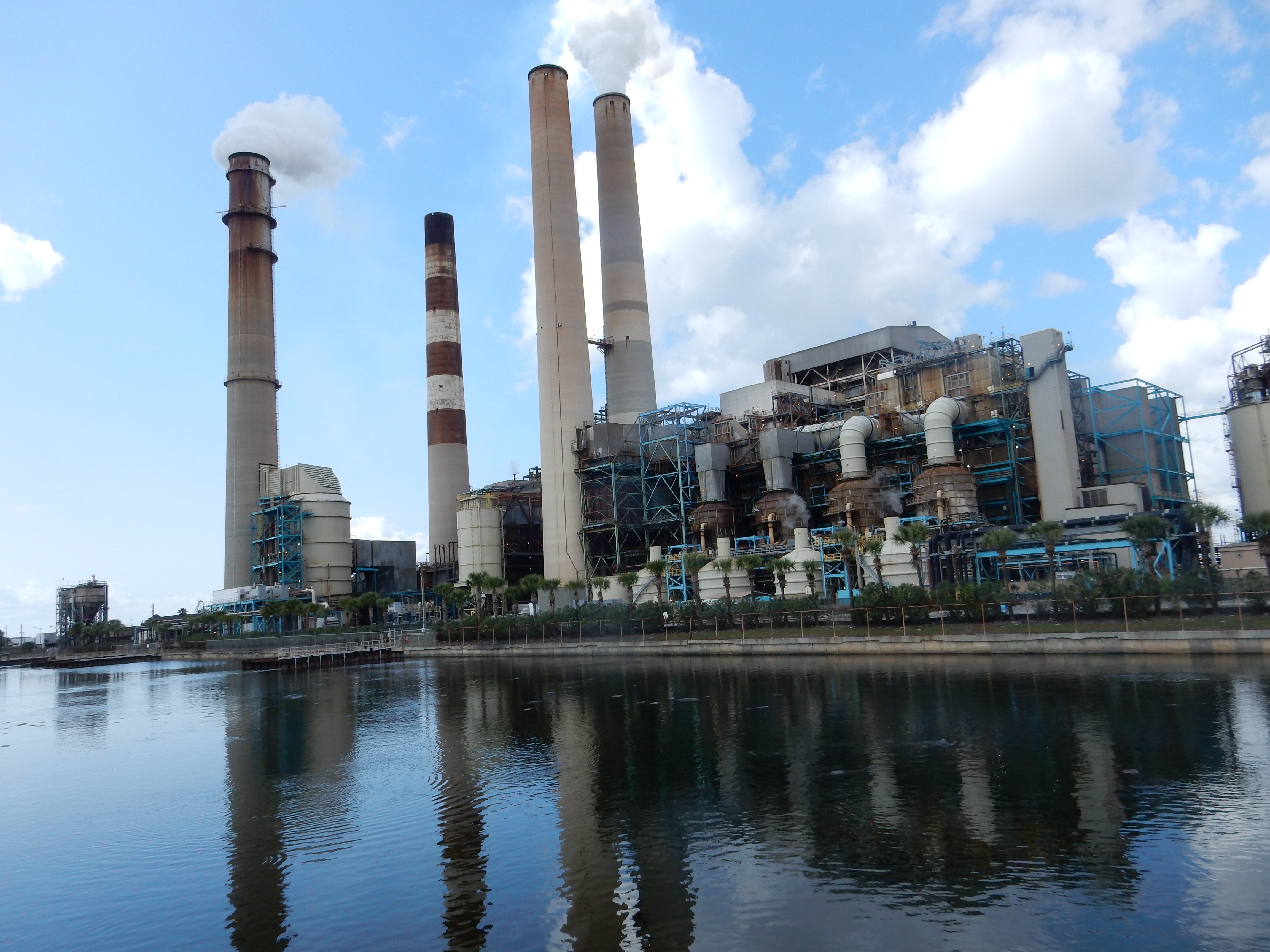
The BIg Bend Power Plant that keeps the manatees happy

The BIg Bend Power Plant that keeps the manatees happy

Manatees

Manatees

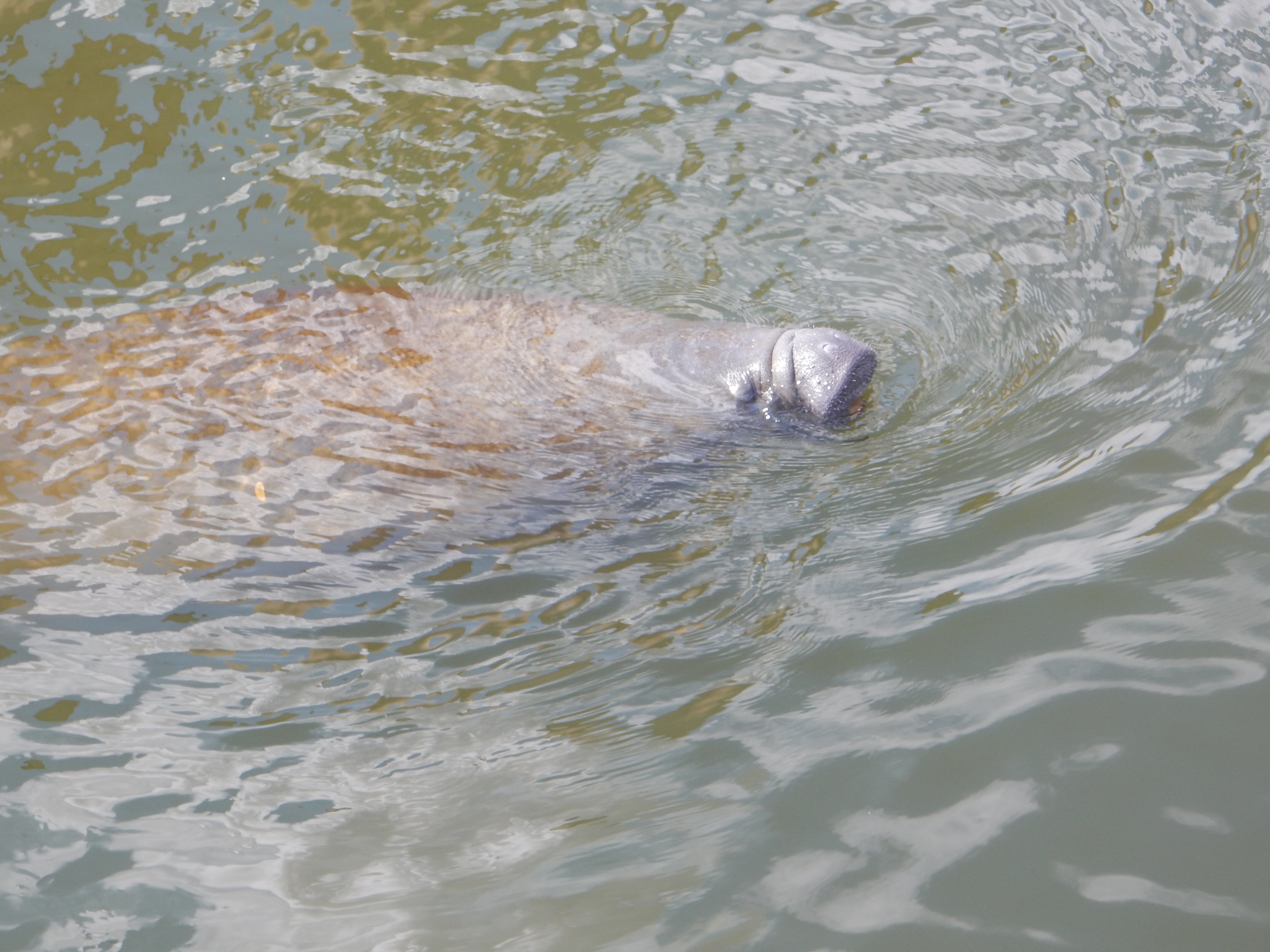
Manatee up close and personal

Manatee up close and personal

Manatees

Manatees

Sunday dawned cloudy but it cleared up and the temperature in the afternoon was 83 degrees Fahrenheit. The earlier part of the day was spent wandering around the resort and running a few errands. Then we took a drive to the Manatee Viewing Center at TECO Power, a coal gasification power plant about 10 miles north of here. The cooling tower for the power plant discharges warm water into the Bay. Manatees and other fish congregate here in great numbers to keep warm during the cooler months.

Given the warm weather today, we were not sure if we would see any manatees. However, the viewing was the best we have encountered yet on this trip. Plenty of manatees, plenty of them close to the surface, and quite viewable.

Sunset over Tampa Bay

Sunset over Tampa Bay

We ended Sunday by going to the late Mass (5 p.m.) at the area church, taking in the sunset from the pool area of our resort and having a yummy homecooked meal. Since we are here for 3 weeks, Chris bought a crockpot (with a discount, $12) and we had a delicious pot roast waiting for us. Added veggies and English muffins and Girl Scout cookies (their table is set up in front of the grocery stores) for dessert.

This Tampa/St. Petersburg/Sarasota/Bradenton/Clearwater area has a multitude of activities to keep us busy over the next three weeks. Hopefully we can report on some interesting items for you.

Ed and Chris 3/1 10 pm

Categories: road trip, travel | Tags: , | 1 Comment

2015 Trip 1, Feb. 27, Florida in Winter

Steinhatchee, FL Friday Feb. 27

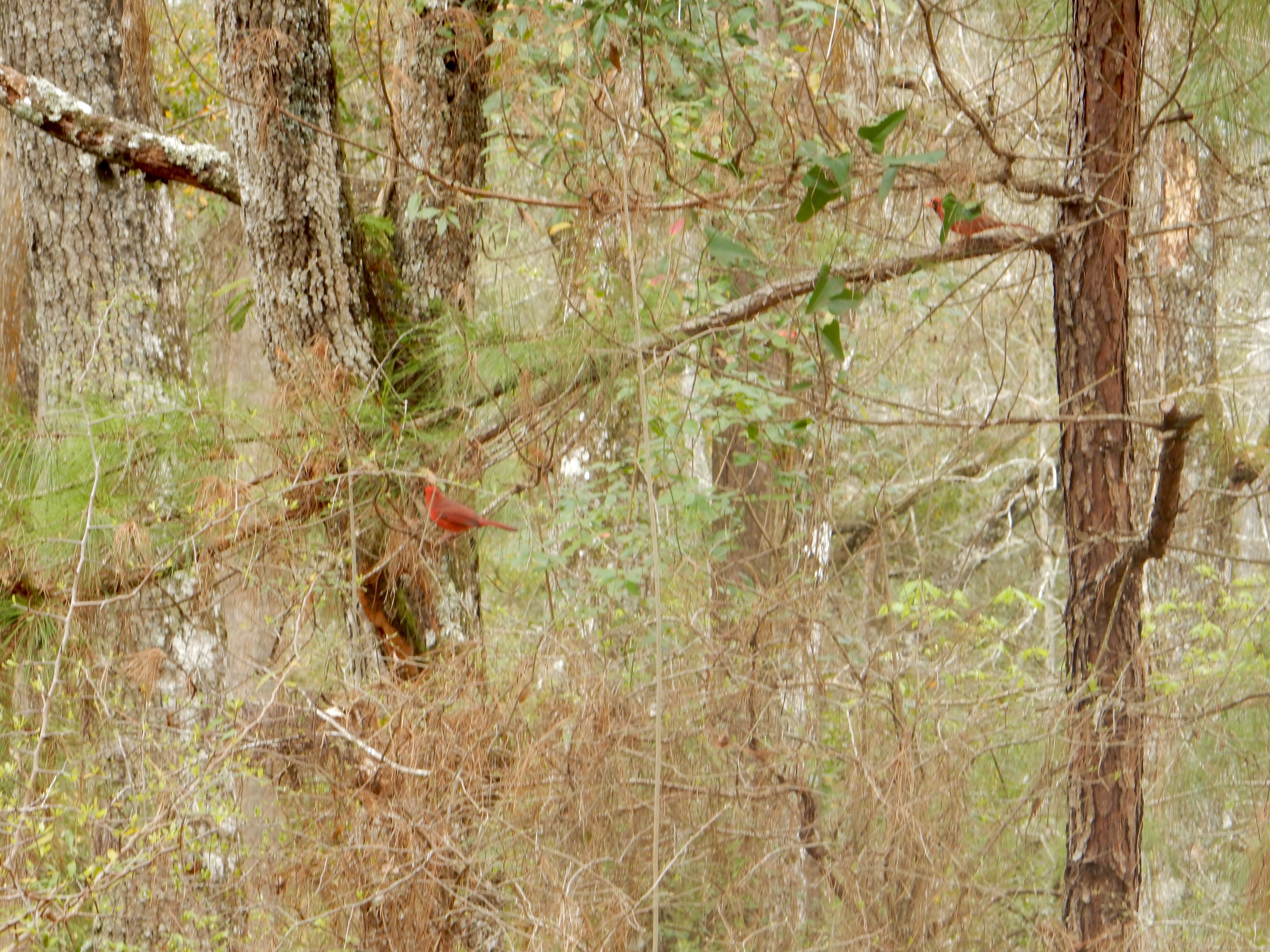
Two red birds along our North End Trail hike

Two red birds along our North End Trail hike

All along Florida highways, we have viewed road signs indicating ” The Great Florida Birding and Wildlife Trail”. We are not “birders”, we can not identify most birds and have no special equipment to spot them. Yet, it is enjoyable to be in the woods with birds singing and flying around. Today, at Manatee Springs State Park, we seemed to see and hear more small birds than the other parks we have visited recently.

Manatee Springs

Manatee Springs

Manatee Springs is a first magnitude spring; that is, the springs pump out between 35 and 150 million gallons of water daily. In comparison, the City of St. Paul MN produces less than 50 million gallons of water per day for the city and suburban population of 450,000 it serves. Florida has more first magnitude springs than any other state or country in the world, 33. Of these 33, depending on calculation method, Manatee ranks 25th.

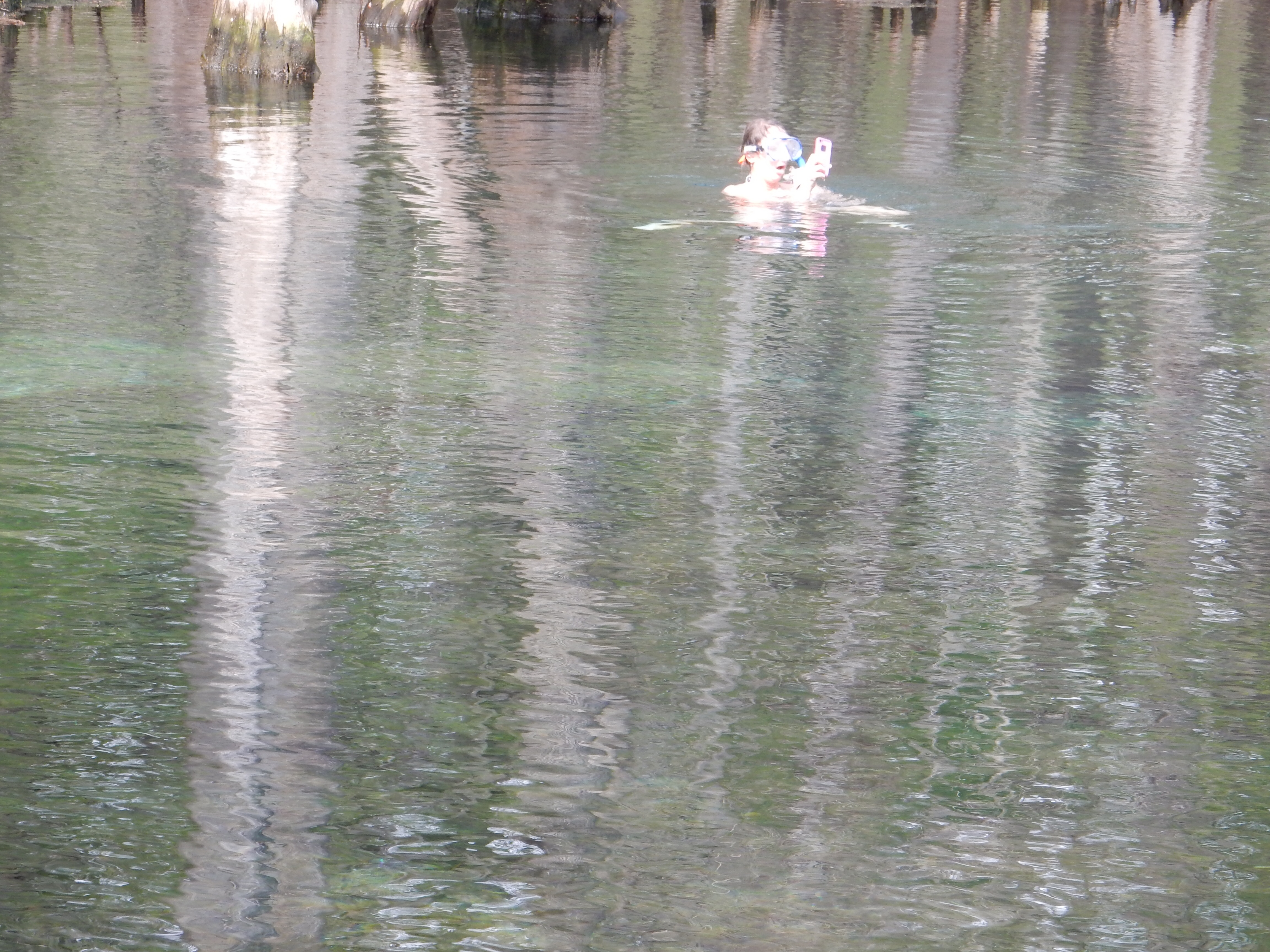
Manatee Springs State Park also frequently hosts manatees during the winter months. In fact, noted naturalist William Bartram, in his 1774 walk through Florida, commented on the manatees here. During our visit, we observed two manatees-and one snorkeler in the water with them. As noted in the last post, the constant 72 degree F water helps the manatees survive. The water from the spring flows into the Suwanee River, just a quarter-mile down stream from the springs.

Along the run leading to the Suwanee River

Along the run leading to the Suwanee River

Cypress Trees

Cypress Trees

The area by the springs has swamps and bottomlands that had an abundant population of birds, mainly small birds, not the herons, egret, ibis, pelicans. We walked along the area enjoying view and sounds. Then we headed out to the North End Trail. We are beginning to observe trees leafing out and flowers beginning to bud.

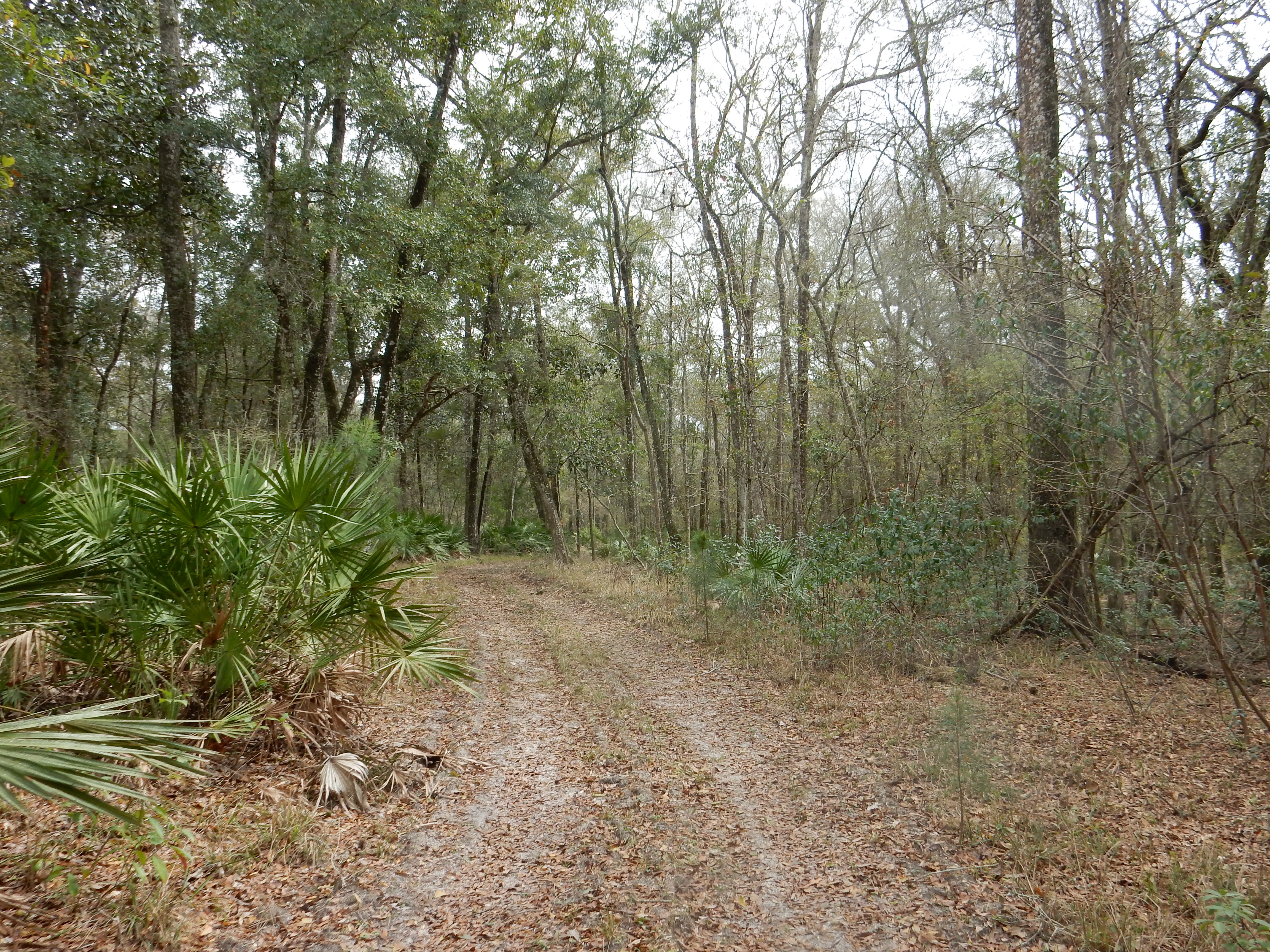
Along the North End trail

Along the North End trail

The North End Trail is a series of trails that wandered through wetter areas with saw palmetto and cypress to the “higher” elevations with numerous pines with oak and magnolia trees and various brush, shrubs, etc. Much of the undergrowth has been part of the prescribed burn process that the state uses to replicate nature’s frequent forest fires. It is interesting for us older folks to remember the days of Smokey the Bear and the thought that all forest fires were bad. Now we recognize the important role they play in maintaining certain ecosystems.

Replica of a chickee hut used by the Seminole Indians when they were pushed into the woods and swamps during the Seminole Wars

Replica of a chickee hut used by the Seminole Indians when they were pushed into the woods and swamps during the Seminole Wars

Early in the hike we encountered our first wild pig. This one came across our path from a group of saw palmetto thirty feet in front of us and kept moving into the vegetation on the other side of the trail. It happened so quickly I was unable to get my camera out in time to take a picture. In height, it would have been between my knee and my waist. When we got to the spot where it had crossed, it was already lost in the undergrowth. Wild pigs (also called wild hogs, feral pigs, or feral hogs) are almost universally disliked due to their rooting for food that destroys ground cover. These pigs were brought to the America by the Spanish. Of course the Spanish also brought over horses and cattle which are almost universally liked. We kept looking for more, but only saw the one.

Snorkeler in Manatee Springs with two manatee

Snorkeler in Manatee Springs with two manatee

Our North End Trail hike was about 6 miles and a little over two hours. We returned to the manatee viewing area where the park concession stand was serving fresh roasted pork sandwiches. We assumed the pork was farm raised pig, not wild.

Tomorrow, we spend most of the day driving to, and getting settled in, our next location. Ruskin is in the Tampa/St. Petersburg/Clearwater/Sarasota area of Florida, on the southeast side of Tampa Bay. We will be there for three weeks.

Ed and Chris Feb. 27th 7 PM

Categories: road trip, travel | Tags: , , , , | Leave a comment

2015 Trip 1, Feb. 25-26, Florida in Winter

Steinhatchee FL Wednesday and Thursday Feb. 25-26

Wednesday Feb. 25

Travel is educational. For instance, although we lived in the East for several decades, I always had this impression of lumber coming from the West and northern Midwest. Growing up in Minnesota and hearing stories of the timber harvests there and in Wisconsin, and then in the Northwest, I tended to minimize Eastern forests. Big mistake. The little data I have found on-line indicates the eastern U.S. produces more lumber than the West, and numerous Eastern states produce more than MN and WI combined.

Florida lumbering has been evident throughout this trip, from the panhandle over through the north central part of the state. As we drove to Gainesville yesterday, we passed logging roads, trucks with logs, sawmills, recently harvested tracts of forest, and plots of newly planted trees. In some ways the ride was boring, the flat sandy soil was not covered with wildflowers or blooming gardens. Small towns that were less than vibrant. The state and county roads were flat and straight; it was surprising that there were so fewer speeders. We saw very few state troopers out; on I-75 and I-10 they had been everywhere.

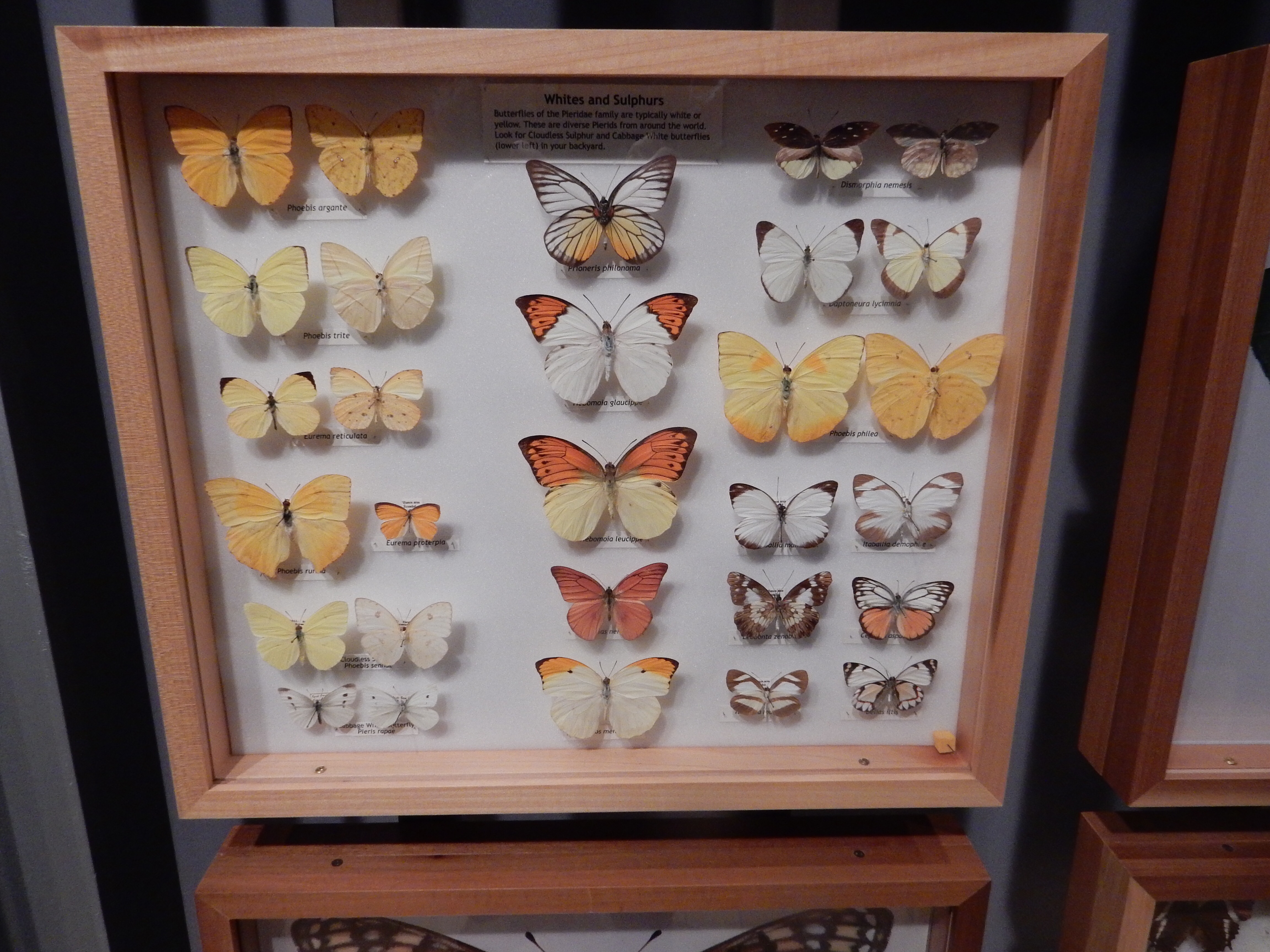
One very small portion of the butterfly specimens at tthe Museum of Natural History Gainseville

One very small portion of the butterfly specimens at the Museum of Natural History Gainesville

Our Gainesville destination was the Museum of Natural History located on the campus of the University of Florida. The exhibits were informative, covering Florida fossils, native Americans, butterflies, waterways and wildlife, etc. They have one of the largest butterfly research departments and specimen collections in the world. We did not visit the butterfly garden, it was raining and the staff indicated the butterflies don’t particularly like the rain and seek shelter. Thus, the viewing was projected to be poor.

a part of the 60 acre nature area at the university of Florida campus

a part of the 60 acre nature area at the University of Florida campus

Instead, after the museum we walked around their 60 acre outdoor natural area. This tract of land is used as a teaching laboratory for ecology and biodiversity. We had to turn back from one path since it was being used by students in a forensic biology class.

The day was finished with a trip to the Harn Museum of Art, also on the campus. The art museum was having an exhibit on Monet and American Impressionism. There were only four Monets that I saw, the major emphasis was on American painters and how they interpreted Impressionism. A quick walk through several other galleries ended the Gainesville adventure.

Mother Nature provided a further adventure that night, though. Rain was off and on during the day but as the evening went on winds increased. Thunderstorms were projected and a tornado watch was in effect. Most of the action occurred from 10 PM to 2 AM. The storm reminded me of our adventure houseboating on Lake Powell in AZ/UT last May when there were concerns by some that the houseboat would float away from its moorings.

Thursday, Feb. 26

A nature day. Of course, we had to decide to choose Lower Suwanee National Wildlife Refuge which requires traveling over an hour to reach this specific nature site rather than somewhere closer to our lodging. By the time this trip is over, I believe we will know Florida better than most of its residents.

The Suwanee River

The Suwanee River

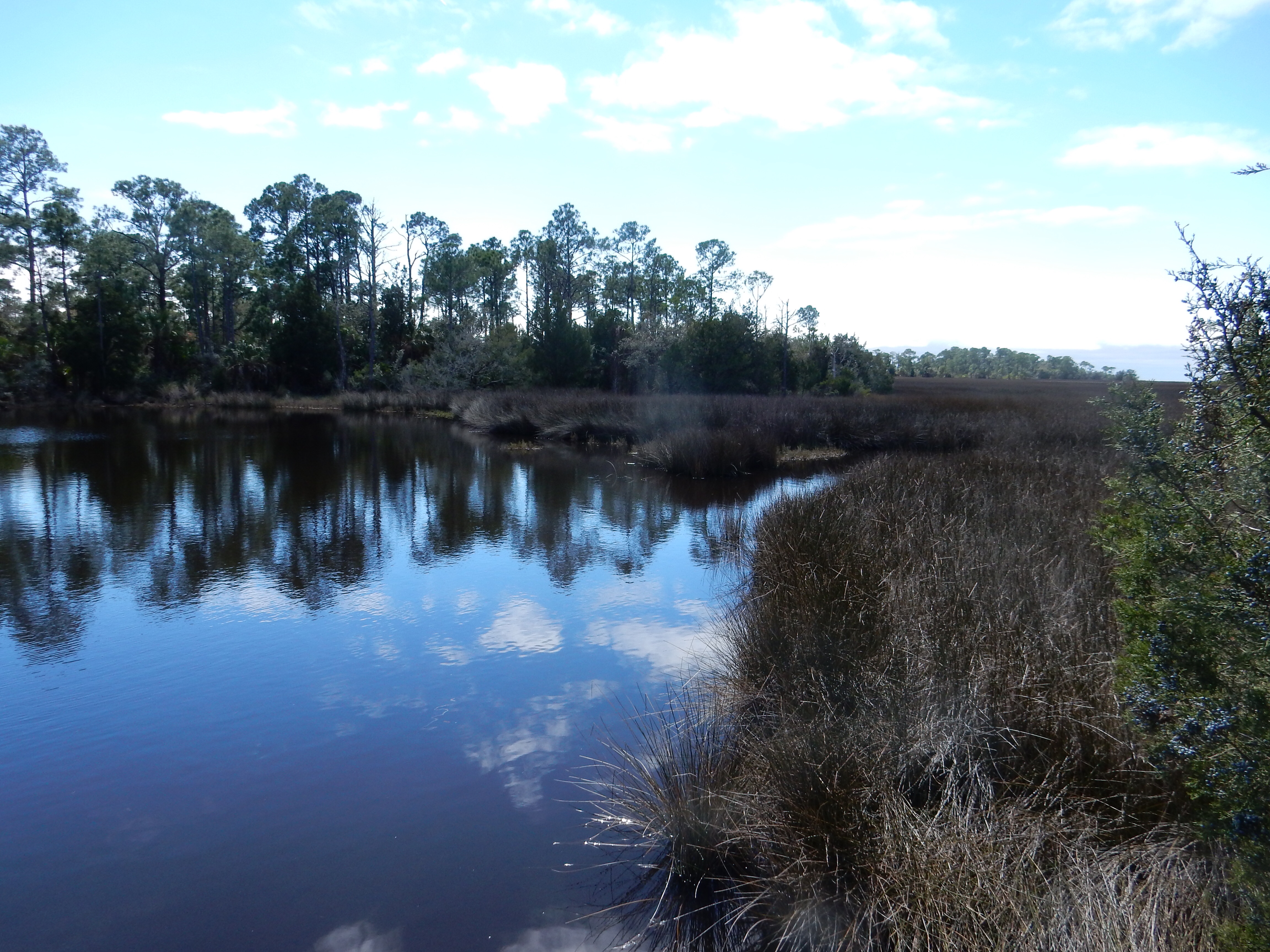
The refuge was established in 1979 and protects the lower 20 miles of the Suwanee River. It is one of the largest undeveloped river-delta estuarine systems in the United States. It has hardwood forests, swamps, tidewater marshes, scrub ridges, etc. The river starts at the Okefenokee Swamp in Georgia which we visited last April. The Suwanee is the second largest river in Florida and more than 50 springs contribute to its flow.

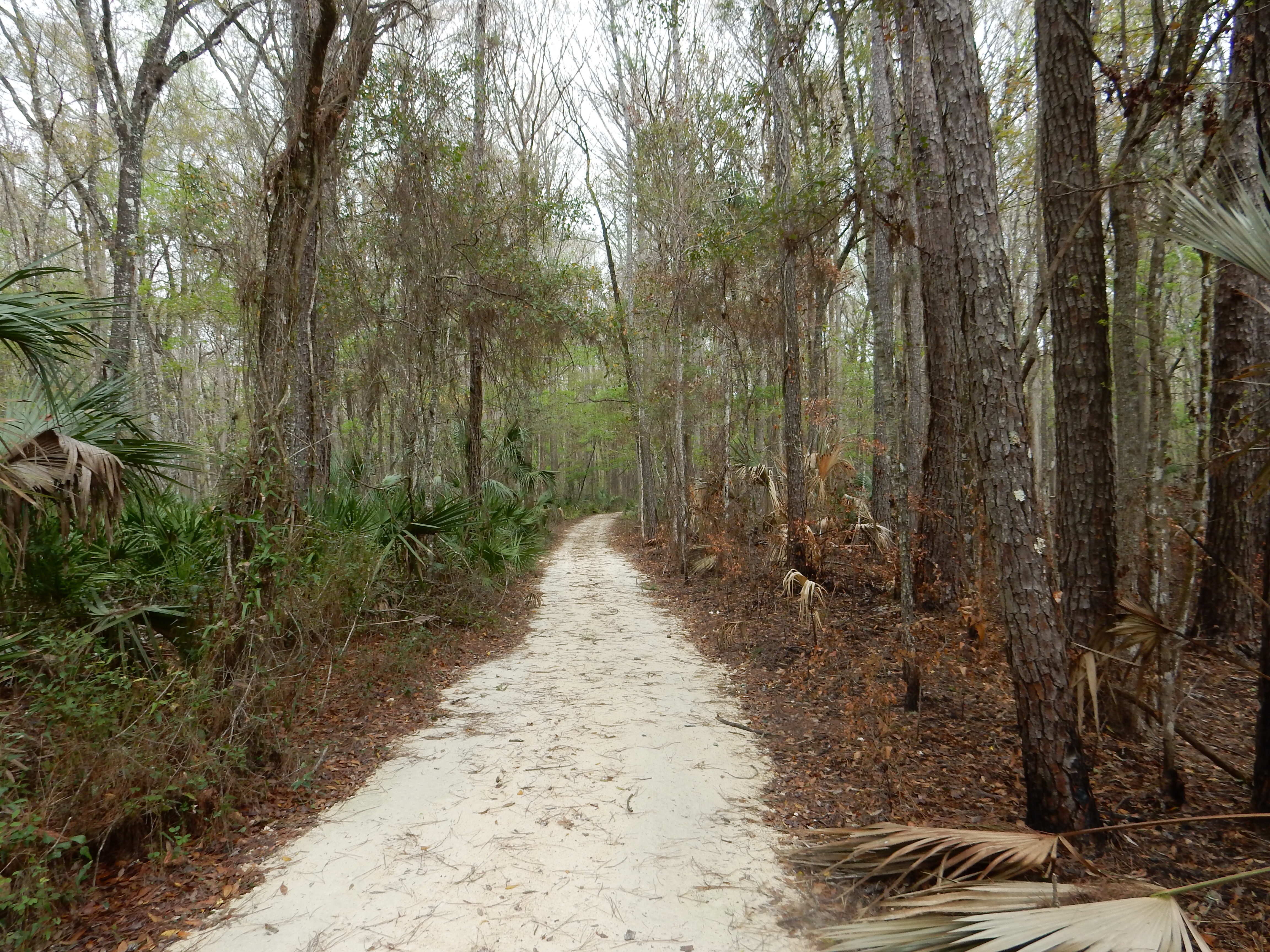
Nature trail at Lower Suwanee with recent  prescribed burn area at right

Nature trail at Lower Suwanee with recent prescribed burn area at right

The refuge is on both sides of the river, which is not a problem if you have a boat. We did not. We stayed on the south shore of the river, starting at the ranger station and taking a nature hike to the river itself. A couple of guys were out hunting wild pigs without any luck.

looking up a section of the Shell Mound at Lower Suwanee National Wildlife Refuge

looking up a section of the Shell Mound at Lower Suwanee National Wildlife Refuge

close up of shells making up Shell Mound

close up of shells making up Shell Mound

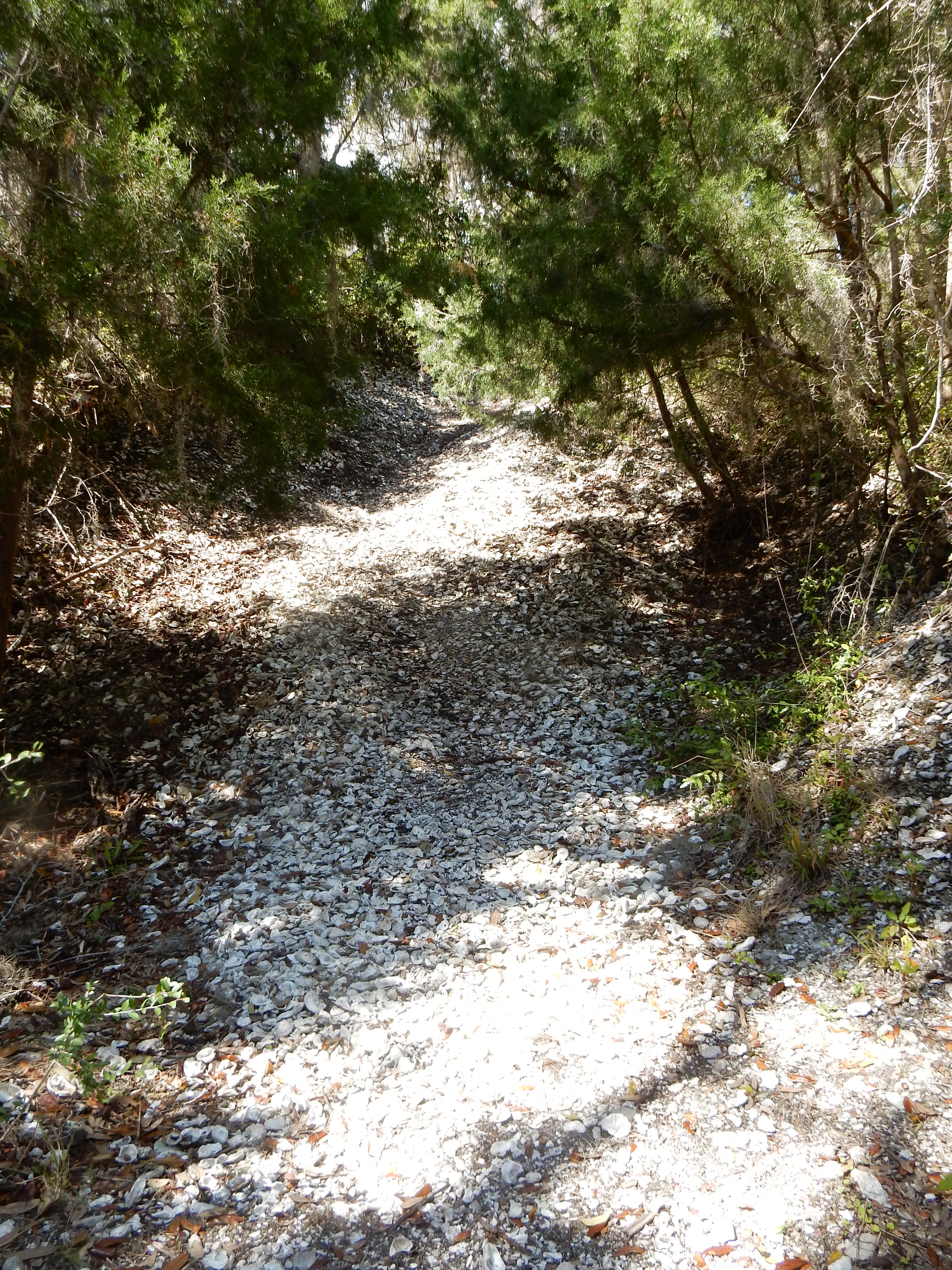
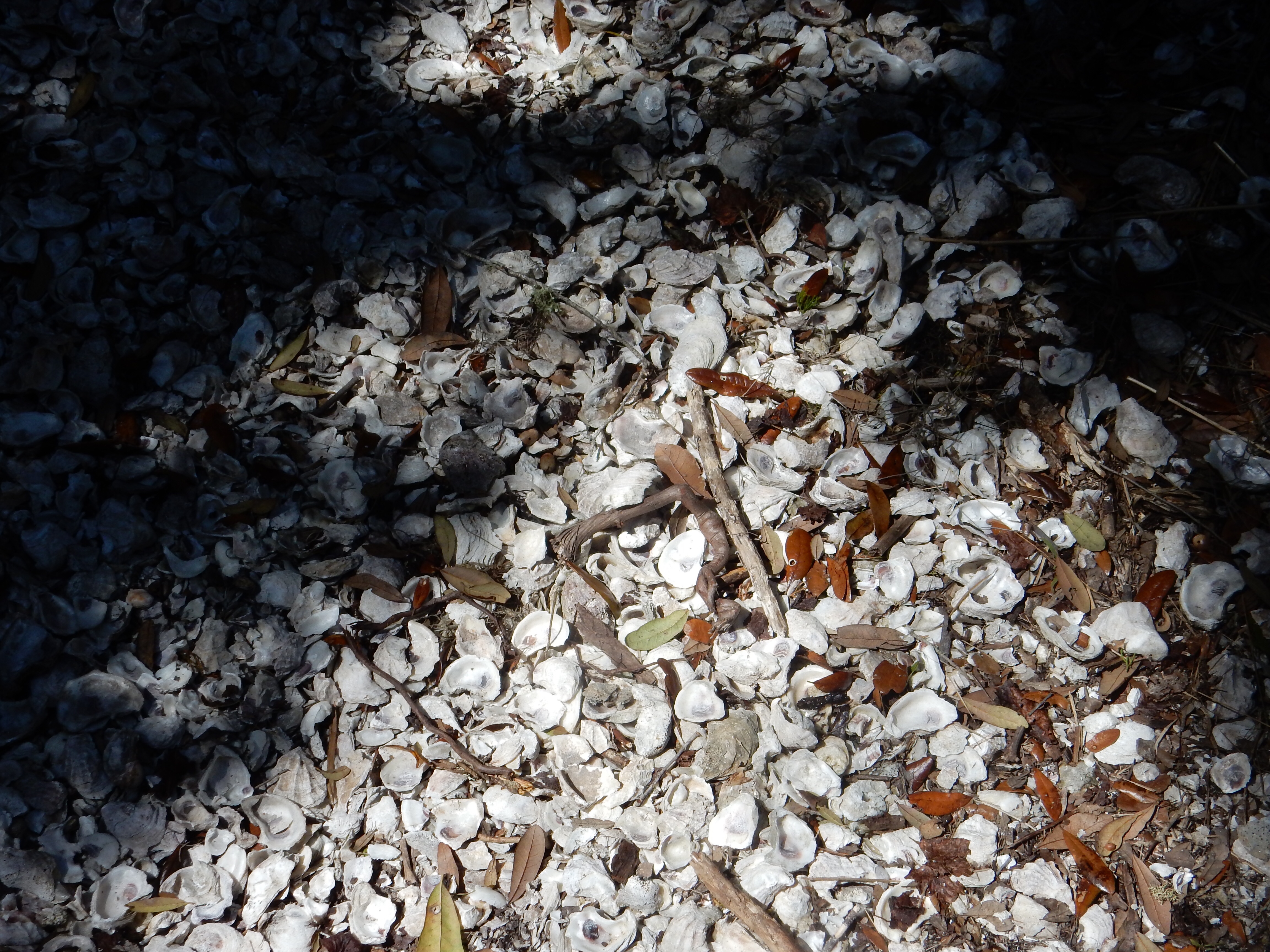
After a nine mile nature drive through the refuge, which other than being a dirt road, had scenery similar to most of the roads in this part of Florida, we drove to the Shell Mound unit. This area right along the Gulf was a site for early Americans. There is a 28′ tall mound exposing millions of shells used by the ancient cultures to build the more than five acre mound. The mound was constructed between the period of 2500 BC to 1000 AD. Much of the mound is covered by vegetation but you can see that the “soil” is primarily shells and not sand.

Lower Suwanee National Wildlife Refuge

Lower Suwanee National Wildlife Refuge

Lower Suwanee National Wildlife Refuge

Lower Suwanee National Wildlife Refuge

We hiked along trails going into the woods and back along tidal marshes. The day had cleared up and the temperatures were in the high 50s F. A great day for walking and very few insects.

Looking out from Cedar Key island

Looking out from Cedar Key island

A late lunch was at Annie’s Cafe in Cedar Key. Cedar Key consists of several small barrier islands connected by causeways. As usual, it too has a claim to (past) fame. The Florida Railroad Company built the first cross-state railroad from Fernandina Beach (Jan. 2013 trip) to Cedar Key in 1861. The shipping business made Cedar Key the second largest city in Florida for a while. Now its population is 700 and 95% of the U.S. farm raised clams are grown in the waters around here.

There is also a Cedar Keys National Wildlife Refuge consisting of 13 islands. Since you need a boat to reach the few islands open to the public, we did not partake of that opportunity.

Ed and Chris Feb. 26 8:30 P.M.

Categories: road trip, travel | Tags: , , , | Leave a comment

2015 Trip 1, Feb. 24, Florida in Winter

Steinhatchee, FL Tuesday Feb. 24

For “branding” purposes, Florida goes wild over naming the various coasts. Today we are in the “Nature Coast”. In case you are interested, the others are (from NE Atlantic Coast down and around to the Gulf of Mexico): A. First Coast-St. Augustine, etc; B. Space Coast-Cape Canaveral, etc; C. Treasure Coast-Palm Beach, etc; D. Gold Coast-Fort Lauderdale & Miami, etc; E. Paradise Coast-Naples etc on the Gulf; F. Cultural Coast-Sarasota, etc; G. Sun Coast-St. Petersburg, Clearwater, etc; H.Nature Coast-this next section north of St. Pete with rivers and springs and not too many people; I. Forgotten Coast-that stretch from St. Marks over through Apalachicola to Panama City,etc; and J. the Emerald Coast-Panama City to Pensacola. Whew, that is a lot of coast and I hope I got it correct.

Our 1 BR unit aaaat Steinhatchee Landing Resort

Our 1 BR unit at Steinhatchee Landing Resort

We left Orlando in clouds and drove through rain to reach Steinhatchee late this afternoon. No check in time was stated on our email confirmation so we had a late lunch/early dinner in a small town called Chieflands at a local Bar B Q restaurant. One advantage of small towns, eating out is usually inexpensive. After the meal, we finished our drive to Steinhatchee and drove around the town to understand where the grocery store and restaurants were. We arrived at Steinhatchee Landing Resort just before 5 pm. The check-in office closes at 5 pm. But this is a small town (population 1,100), if we had not arrived before the office closed, our information would have been outside of the office and our key inside our unlocked unit.

These two came flying in to greet us at Steinhatchee Landing Resort as we walked around

These two came flying in to greet us at Steinhatchee Landing Resort as we walked around

Steinhatchee Landing Resort is a collection of about 50 individually owned second homes, with 1 BR through 4 BR units available for rent. There is a boat dock and boat/canoe rentals. Fishing is about the only major activity in the area. We are here because of a good lodging rate and it is an area we would not otherwise see. President and Mrs. Carter vacationed here in 1994 for a family, fishing vacation.

Only 4 of the units have residents who live here year round. We met one of them while walking around. He spends much of his time fishing; he is in the process of building a home on the property but after two years here is just beginning to get the building under way. He rents from a friend for now. He indicated scallop “fishing” is big here in the summer; the Gulf waters are extremely shallow for miles out; hundreds of boats will go out and the people scuba dive and harvest scallops. There are numerous marinas in town and charter boats are big business with guides who will take you out fishing.

But just so you know how hard we work to keep our readers informed, we stopped at the Ellie Schiller Homosassa Springs Wildlife State Park on our way here. The rain was coming down but we had our rain jackets and umbrellas to fulfill our obligation to report to you.

Lu the hippo

Lu the hippo

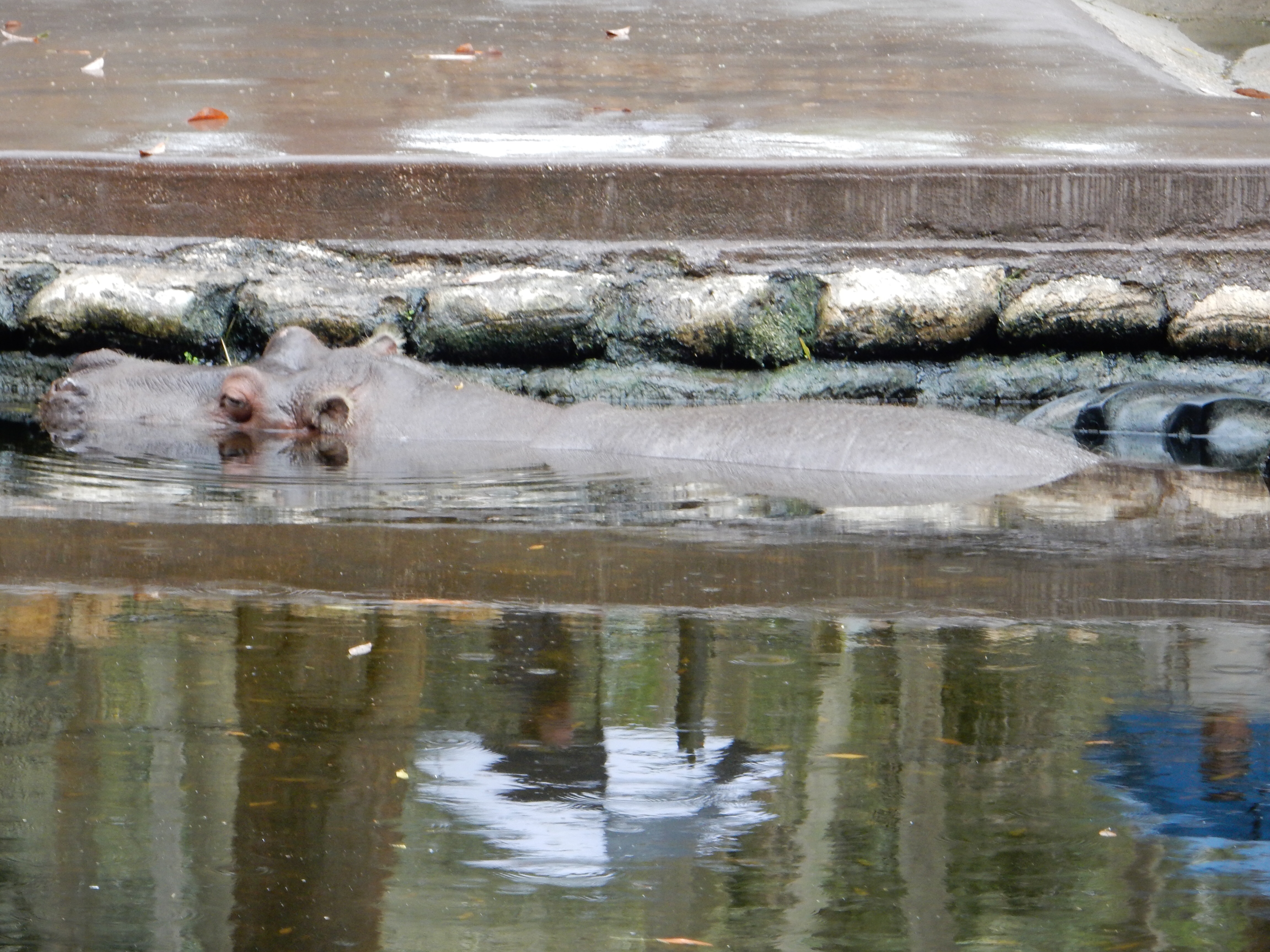
Homosassa Springs Park started as a privately owned fish, animal, and springs attraction. It was one of those early American roadside attractions that were popular in the post WWII era. The state took it over 25 years ago and cleared out the zoo animals that were not native to Florida, except for Lu. Lu the hippo is over 50 years old and when the state took over the park, there was such an outcry about his possible ejection (hippos not being native to Florida after all) that the then Governor of Florida (Lawton Chiles) declared Lu an official resident and he lives on in his watering hole.

Manatees at Homosassa State Park

Manatees at Homosassa State Park

Homosassa is one of several manatee visiting areas in this section of Florida. Manatees are big, slow-moving mammals that live in the ocean and rivers, eating grasses, and spending most of their time underwater. Normally you only see their snout sticking out of the water to breathe. When the weather is cold, they will frequent warmer rivers. When the weather is hot, they are farther out in the ocean. The Homosassa, and several other rivers in this part of the state, are spring fed and are 72 degrees F year round. Depending on the day and the temperature, you might see just a few manatees or throngs of them in the rivers. We have met people on this trip you were touring on cold days and saw throngs of manatees. We saw only two today. Since they are normally underwater, our best photo of them only shows a blur.

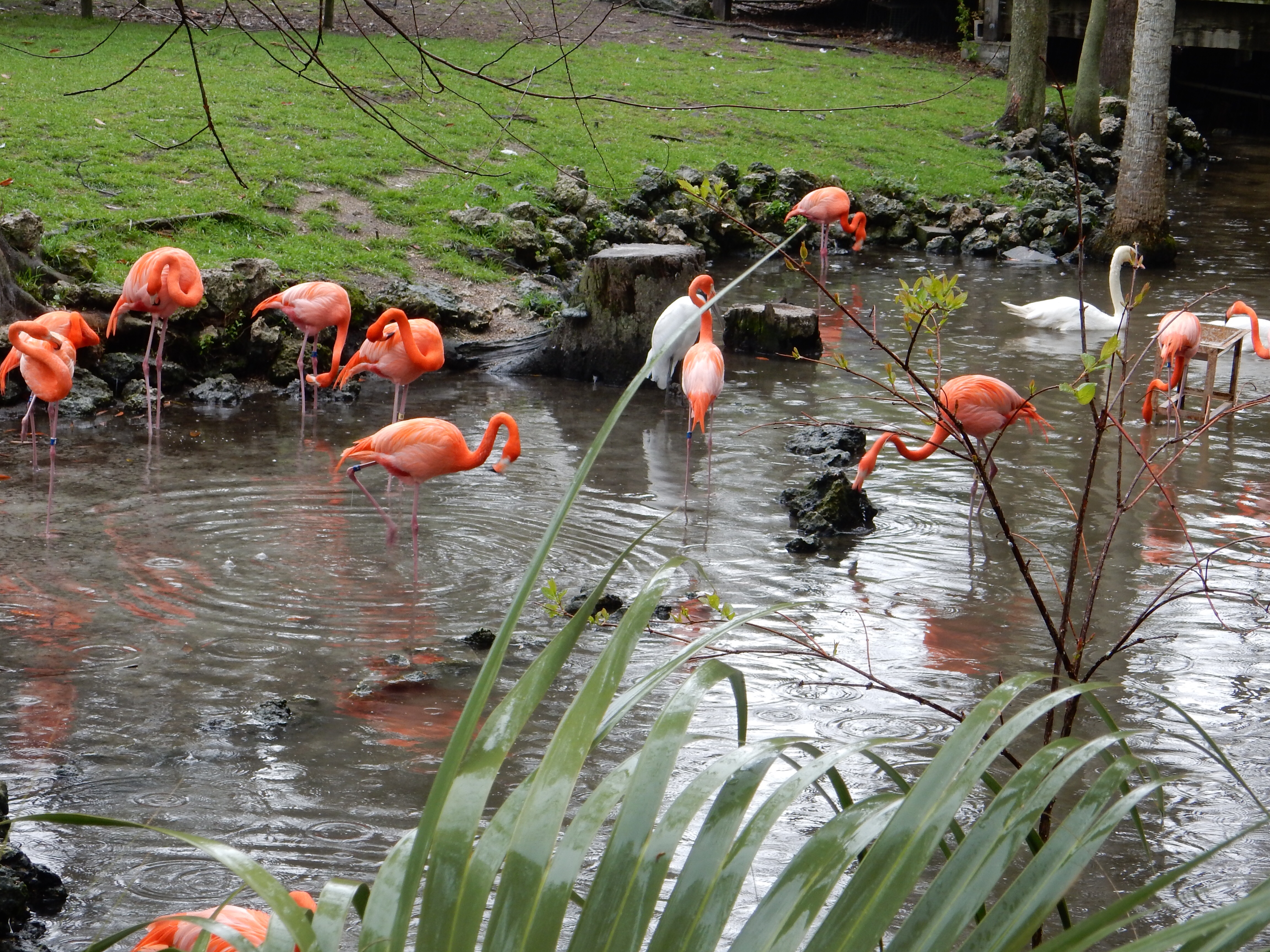
Flamingoes at Homosassa Springs

Flamingoes at Homosassa Springs

The rest of the park has numerous Florida wildlife. We saw panthers, bobcats, black bear, alligators, and lots of birds. Since these animals were in captivity, we were less thrilled to view them then if we were out hiking. Most of the animals were here as part of an animal rescue program; they had been hurt or were in too close of proximity to urban dwellers.

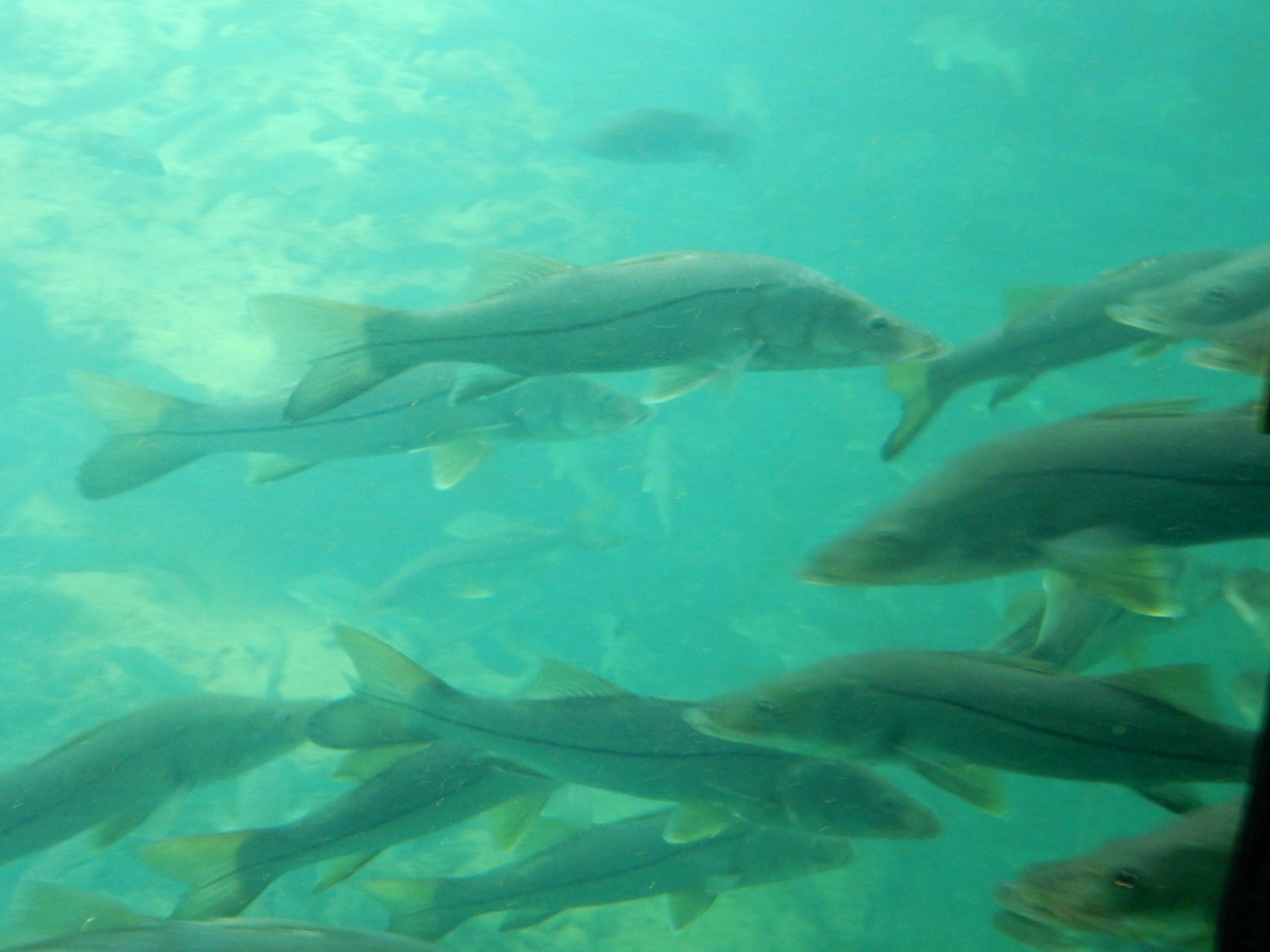
Schools of fish at Homosassa Springs State Park

Schools of fish at Homosassa Springs State Park

As mentioned, the Homosassa River is spring fed. The park has placed an underwater viewing pod just over the spring and you can observe schools of fish, and sometimes manatees, hovering around the spring outlet. Today there were no manatees but thousands of fish just lazing around the spring.

Tomorrow may be more rain and our current thoughts are to drive to Gainesville and take in a museum.

Ed and Chris 2/24 8:45 pm

Categories: road trip, travel | Tags: , , | 1 Comment

Blog at WordPress.com.