road trip

2013, Trip Six, The Northwest, July 26

Mazama, WA Friday July 26

We are guilty. We committed the ultimate crime. We will always be embarrassed about this day.

Leaving Tasawwassen

Leaving Nanaimo

Friday was another driving day. We left Campbell River around 7 AM for Nanaimo to catch the ferry to Tsawwassen, BC south of Vancouver. The ferry seemed larger than the MV Coho, was on time, and the ride over was easy.

We are coming up to the border. (Okay, this is going to sound like a lot of alibis becuase it is.) Signs along the highway indicate that truck traffic for the border crossing should take a specific route. The signs also indicate a 80-90 minute wait at the border. That must be for the trucks, right? I mean, 80-90 minutes to cross the border?

Now, we have done two border crossings so far on this trip. In North Dakota on our way to Winnipeg and in British Columbia on our way to Idaho. Both of those took 3-7 minutes in line and in discussion with the border people. This included the admission and inspection of the bear spray we were carrying in the car. (Bear spray okay, people spray not so okay.)

The signs also indicated three lanes to go across the border. The rightmost lane was kinda empty (there was a rise in the hill leading up to the border and we could only see a little ways ahead. We debated, should we get in the right lane? Was there a reason it was emptyish?

Well, two other cars zipped down the lane so we got into the right lane. NOW, the signs read right lane duty-free shop and Nexus lane. What the hell is a Nexus? Why is there a multi block long line in the two lanes to our left? By now, we were well past where we had been in line and there is a solid wall next to us of cars. We could not get back in most likely, who would say Oh, sure fella, hop in here.
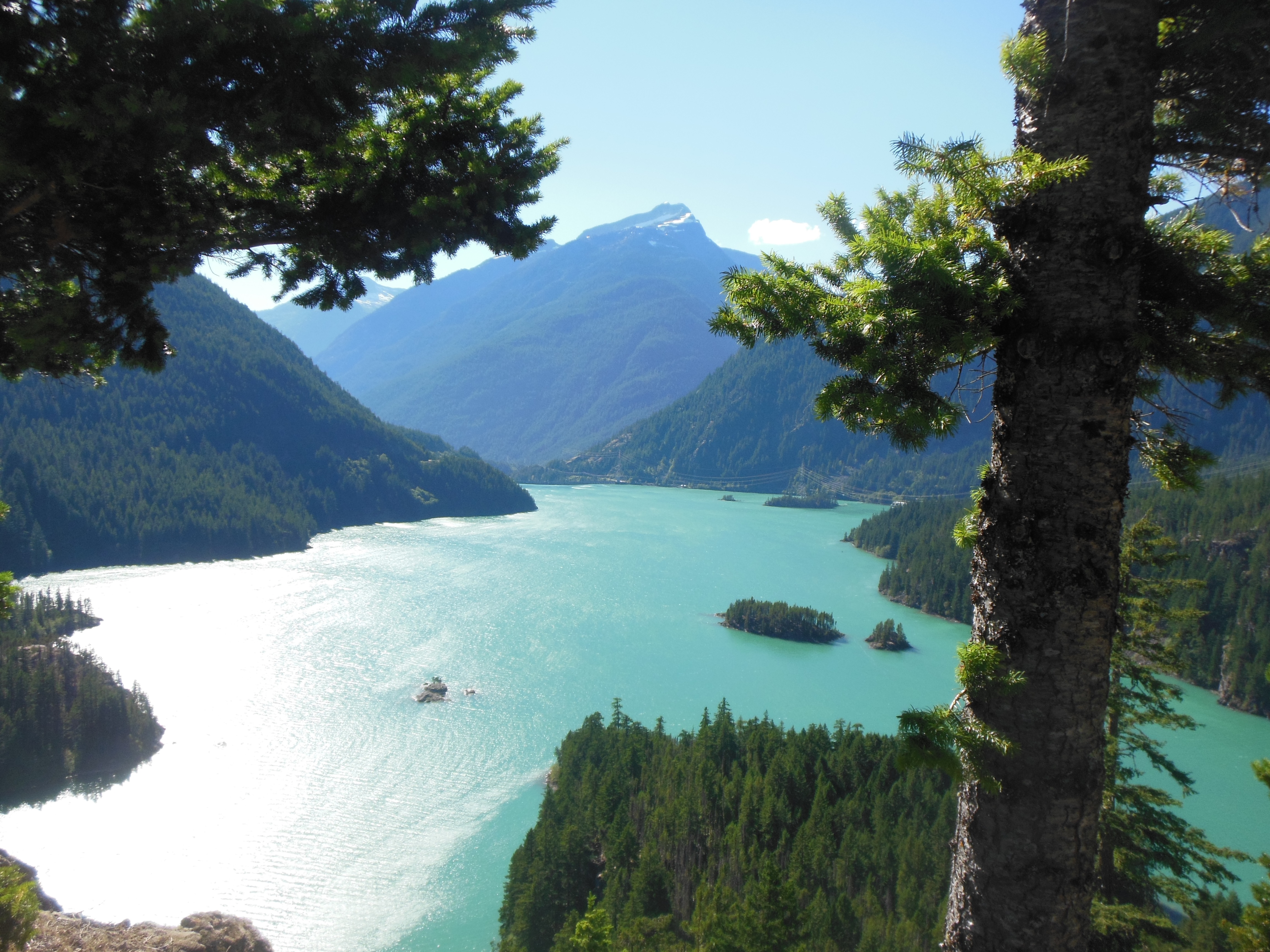
Diablo Lake along North Cascades scenic highway

Diablo Lake along North Cascades scenic highway

We had one last opportunity. As we got real close, there was a kind of opening similar to payment at a toll booth where people are backed up and try to switch lanes from cash to Easy Pass. I actually rolled down my window and asked a neighboring car what a Nexus was and did we need something special to be in this lane. He had no idea. It had taken us maybe, at most, five minutes to reach this point.

So we stayed in our Nexus lane and prayed for divine forgiveness.

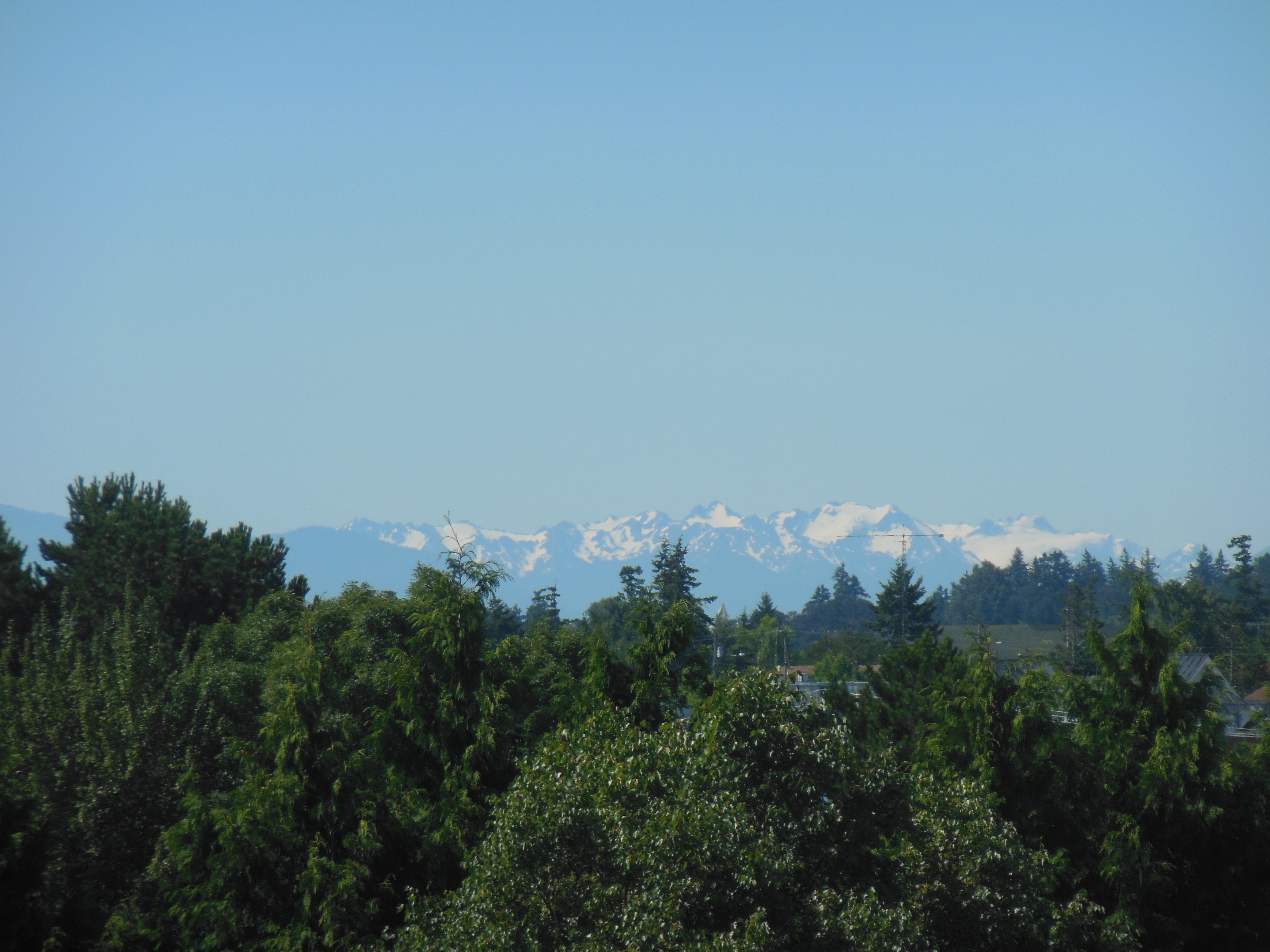
View from Washington pass scenic overlook on North Cascades scenic highway

View from Washington pass scenic overlook on North Cascades scenic highway

We reached the border and it is a Canadian checkpoint, not U.S. The guard is unsmiling as we fumblingly explain we had no idea what we were doing and thought we were in the wrong lane. He quizzed us as to where we were from and why did we think there was such a backlog in the other two lanes we did not take? Our answers did not impress even me but he gave us a warning and let us go through.

2nd view from Washington pass

2nd view from Washington pass


So, I guess we line jumped. Or maybe are now partners in crime. Still feel embarrassed about it.

On the good side, it saved us at least an hour in time that we had not projected to have to spend. AND it appeared that the entry into Canada at this point seemed simple and short so our return to Canada next week should not encounter a problem. AND our final re-entry to the U.S. will be in rural British Columbia into Wyoming – hopefully a simple situation. AND I will never do it again.

The rest of the drive to Mazama was pleasant. We are driving the North Cascades Scenic Highway which was only built in 1972.
We passed Mount Baker, a massive mountain that looms on the horizon like Mt. Ranier did further south.

Our cabin in Mazama

Our cabin in Mazama

We made a few stops at overlooks and short hikes to scenic views. We are staying at a small cabin in the woods so we wanted to make sure we checked in early enough to find the cabin. Mazama is more of a gathering along the highway than a town but there seems to be a sense of community here. Local artisans and food growers and community built walking trails. We ate at a restaurant down the road that is into using local foods as the trend is nowadays.

I had hoped that we would have an Internet connection that would allow us to watch the two Sarahs’ hockey scrimmage but it did not work well enough. Bernie was kind enough to send us several video texts of the scrimmage though. Go Sarahs! Glad that Bernie, Tony, Kathy,Heidi and Jim were able to watch and support them.

I looked up Nexus today. Besides the smartphone, Nexus is a process for expedited entry between Canada and the U.S. It seems like you need to go special hoops get a card. Obviously most of the people in line had not done so. This experience helps explain why we are not excited about international travel.

Ed and Chris July 27 5 pm

Categories: road trip, travel | Tags: , , | 2 Comments

2013, Trip Six, The Northwest, July 25

Thursday, July 25, Campbell River, Vancouver Island, B.C.

Full moon over Georgia Strait

Full moon over Georgia Strait

Today was a relaxing day. We took life a little easier. We walked along the harbor and watched the ships go in-and out. We visited the visitor center, gift shop and gallery. The gallery had a small but interesting display of embroidered art that presented spaces in an almost 3D mode.

BCP-45 at Maritime Heritage m useum

BCP-45 at Maritime Heritage m
useum

There is a small maritime museum. A volunteer gave us a tour. The main claim to fame for the museum is the BCP-45 which has two important historical firsts. British Columbia Packers was one of the largest fishing and cannery companies in the British Commonwealth employing people of numerous ethnic groups. However, for many years, Japanese Canadians and First Nations people were only allowed to work the boats, not own them.

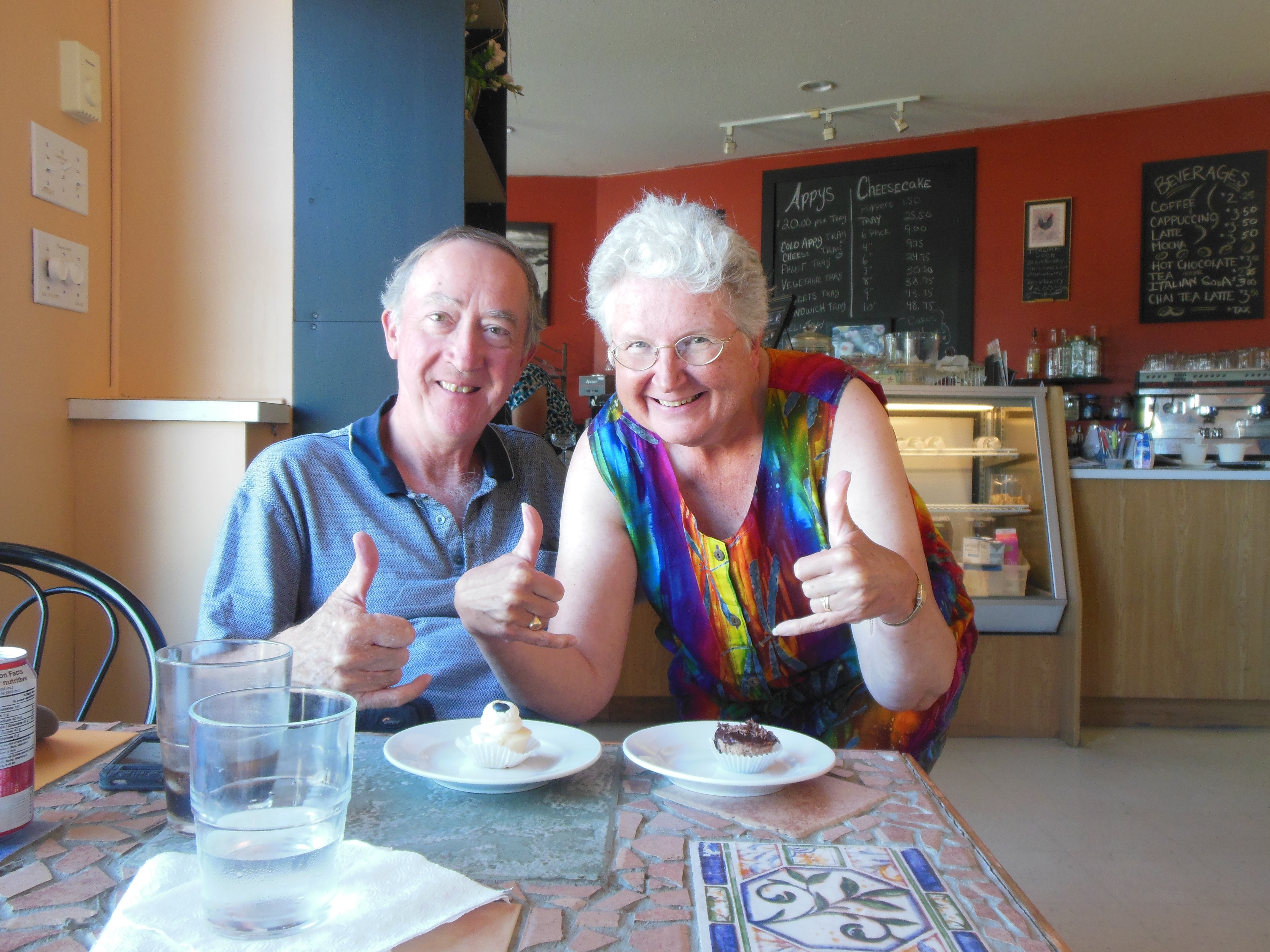
'Appys and Cheesecake for lunch

‘Appys and Cheesecake for lunch

BCP-45 was commissioned by BC Packers in 1927. Its first claim to history is that the BCP-45 was one of the first fishing boats to be owned by an aboriginal (First Nations), starting in the ’40s. Its second claim to history is that from 1972 to 1986, a depiction of this vessel appeared on the Canadian $5 bill. When the boat was retired from service it was donated to a museum in Vancouver.

The boat and its captain fished these waters and the community was justly proud of it. Volunteers spearheaded by the local Rotary built a beautiful museum and spent three years authentically restoring the boat to its original condition. Today it appears in mint condition.

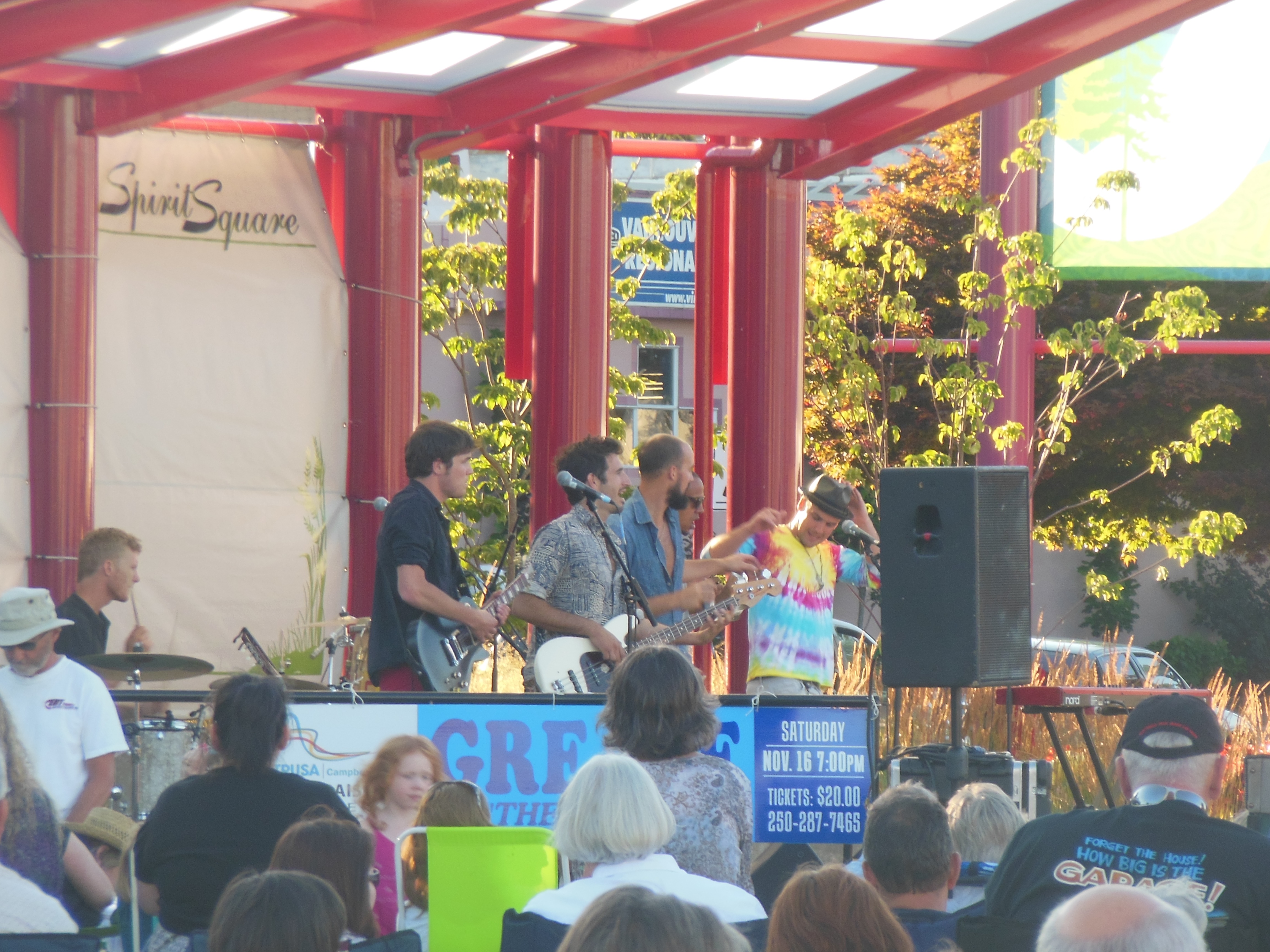
The Boom Booms at spirit Square in Campbell RIver, BC

The Boom Booms at spirit Square in Campbell RIver, BC

We had lunch across the street from the museum at Appys & Cheesecake. This local store serves appetizers and cheesecake for parties and catered functions but also has a retail component. A wide variety of cheesecake “poppers” are available for dessert. Sort of like tapas, a smaller size cheesecake serving that was just right for lunch dessert.

Another walk and future trip planning highlighted the afternoon.
A small public space by the hotel was the site of an evening performance by “The Boom Booms”, a band out of Vancouver. The crowd was large and appreciative. We had an evening repast listening to the music.

The only discord to the two days was the extremely poor Internet connection at the hotel. Not only was it slow, but it kept disconnecting. My patience was tried again but seems to have won out-barely. Now we get to observe the Internet service level in the North Cascades National Park-our next location. I am not holding my breath.

Ed and Chris July 25 11:30 pm Finally uploaded July 26, 9 pm
Categories: road trip, travel | Tags: , , | Leave a comment

2013, Trip Six, The Northwest, July 24

Campbell River, BC July 24 Wednesday

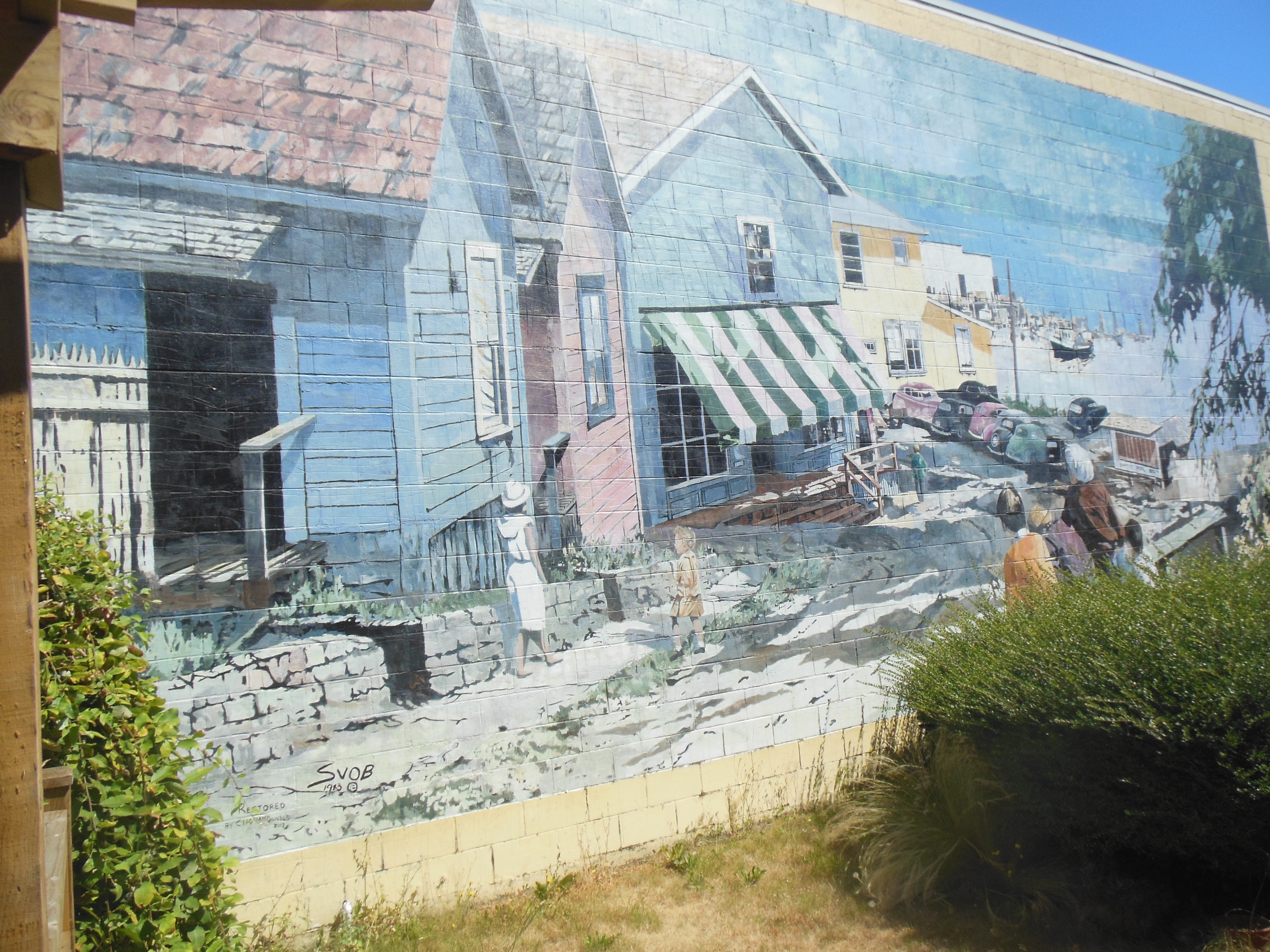
Part of World in Motion mural in Chemainus

Part of World in Motion mural in Chemainus

Wednesday was a driving day. We were traveling from Victoria to Campbell River, a town of about 35,000 on the Georgia Strait. This is the water passage that connects Vancouver with Alaska and is taken by many cruise ships as well as ships connecting the island to the mainland. Forestry is still big in this part of the island. Campbell River is a large fishing port, especially for salmon.

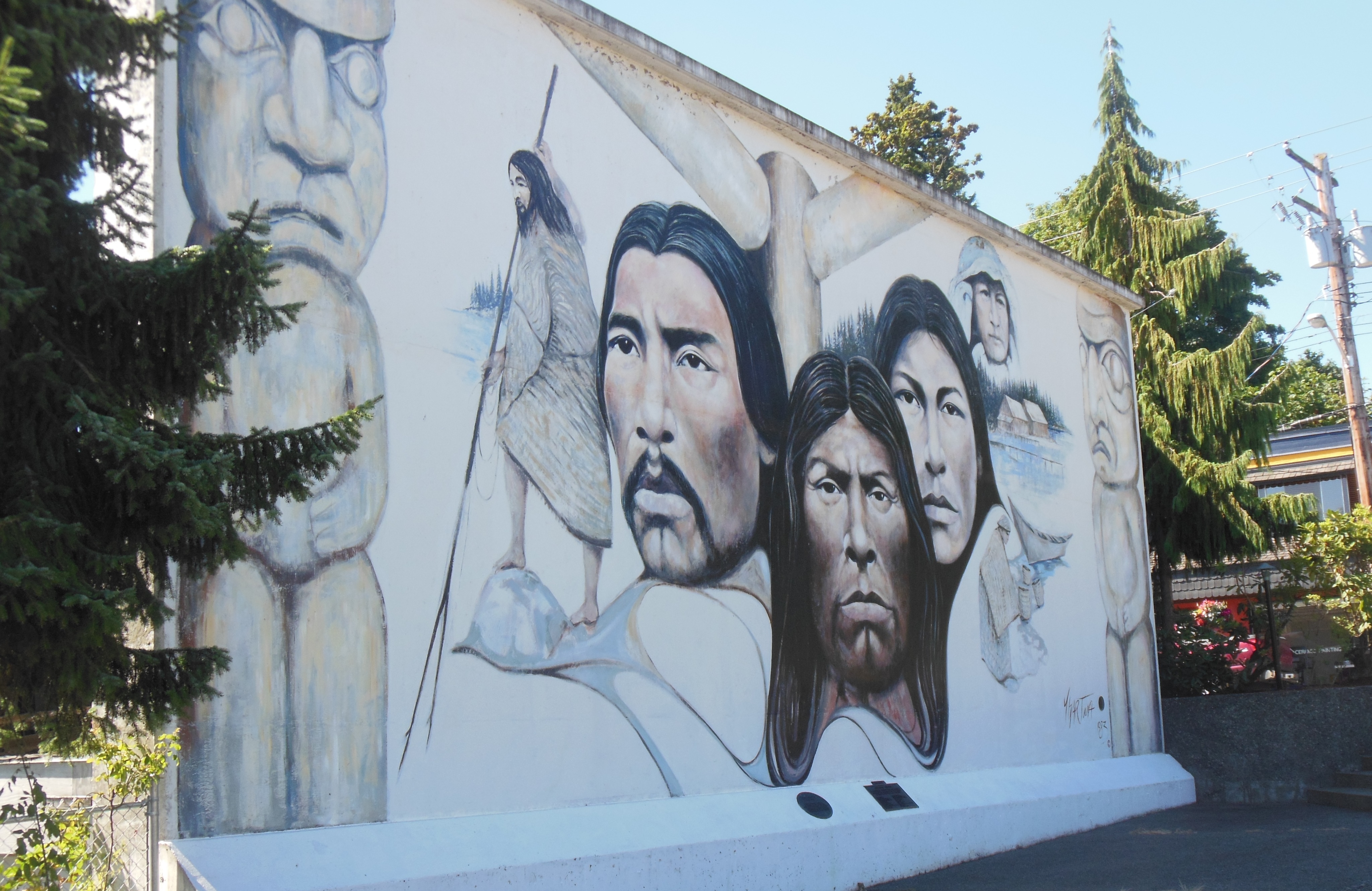
Native Heritage mural in Chemainus

Native Heritage mural in Chemainus

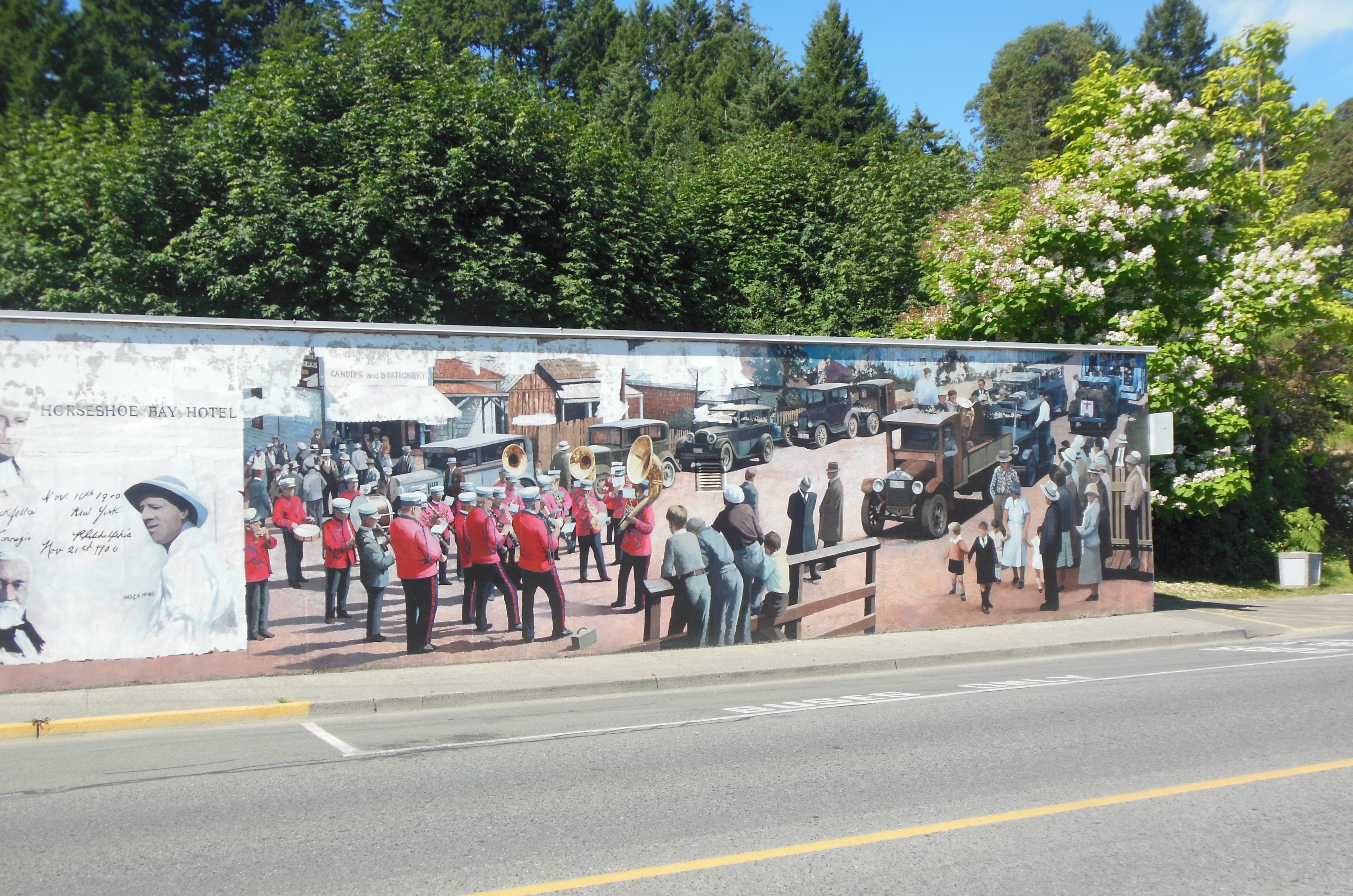
wall mural in Chemainus

wall mural in Chemainus

Thanks to the recommendation of our Evergreen hosts in Victoria, we made an intermediate stop in Chemainus. This small town was devastated in the 1980s when its large lumber mill revamped to be more efficient but cut employment dramatically. The town re-positioned itself as a tourist location with the help of artists.

There are 41 wall murals located around the town, depicting its history. We walked to see most of them, it was a great day to be out and about. Chemainus now has numerous restaurants and artists’ galleries. Wednesday is also farmers’ market day.

Chemainus wall mural

Chemainus wall mural

The murals show the town’s ties to First Nations, to Chinese laborers that worked the hard jobs in early years, to various industry scenes, to artists, and to scenes of normal day to day activities. We were quite impressed.

Campbell River view of local ferry, Georgia Strait, and BC mountains on mainland

Campbell River view of local ferry, Georgia Strait, and BC mountains on mainland

We continued on local back roads to our lunch location, also a recommendation from our Victoria hosts. The Crow and Gate pub has only been around since 1972 but it was one of the first to build outside urban centers. It sits amidst a series of small gardens and is very relaxing.

The pub was busy and we shared our large outside table with two couples who had returned from a 2.5 month motorcycle visit to Europe. We seem to be encountering a number of world travelers as we do our own travels which pale in comparison to other’s experiences.

On our way to Campbell River, we stopped in Nanaimo. This town is a major ferry hub to the mainland. Our ferry trip on Friday will leave from here. We looked up the ferry site and that was a wise decision. There are two ferry departure points, about 15 minutes apart. The back road we had taken into town did not have any signs pointing to our ferry so we had to get directions from the people at the first, wrong, site.

Once we had checked out the ferry site, we drove on to Campbell River. About 10 days ago we had changed our overnight lodgings to this town from another one about 100 miles further north. Campbell River is a little more lively and less distance to reach and to travel back to the ferry Friday.

Marina in Campbell RIver

Marina in Campbell RIver

We arrived early enough to walk the harbor area and just sit and enjoy the view. Later on, we went out to see the full moon. We had some Internet connection issues which allowed me to be awake at 12:30 and spot a cruise ship sailing along the Georgia Strait.

Ed and Chris July 25 8 AM

Categories: road trip, travel | Tags: , , | 1 Comment

2013, Trip Six, The Northwest, July 23

Victoria, BC July 23

We began the day with a change of pace by going for a bike ride. Chris found a bicycle rental store, Coastal Cycle, that was within a block or two of the Galloping Goose trail. The trail goes from Victoria out to Sooke. The portion of the trail closer to Victoria is paved, so we concentrated on that section. It is an old railroad bed and the hills were not too steep.

View from galloping goose trail

View from galloping goose trail

The trail was well used and offered views of the water, the highway, residential back yards and forested sections. We met two couples from Vancouver that had taken the ferry over to Vancouver Island (remember Victoria is on Vancouver Island, Vancouver is not) and were doing a three day ride out to Sooke.

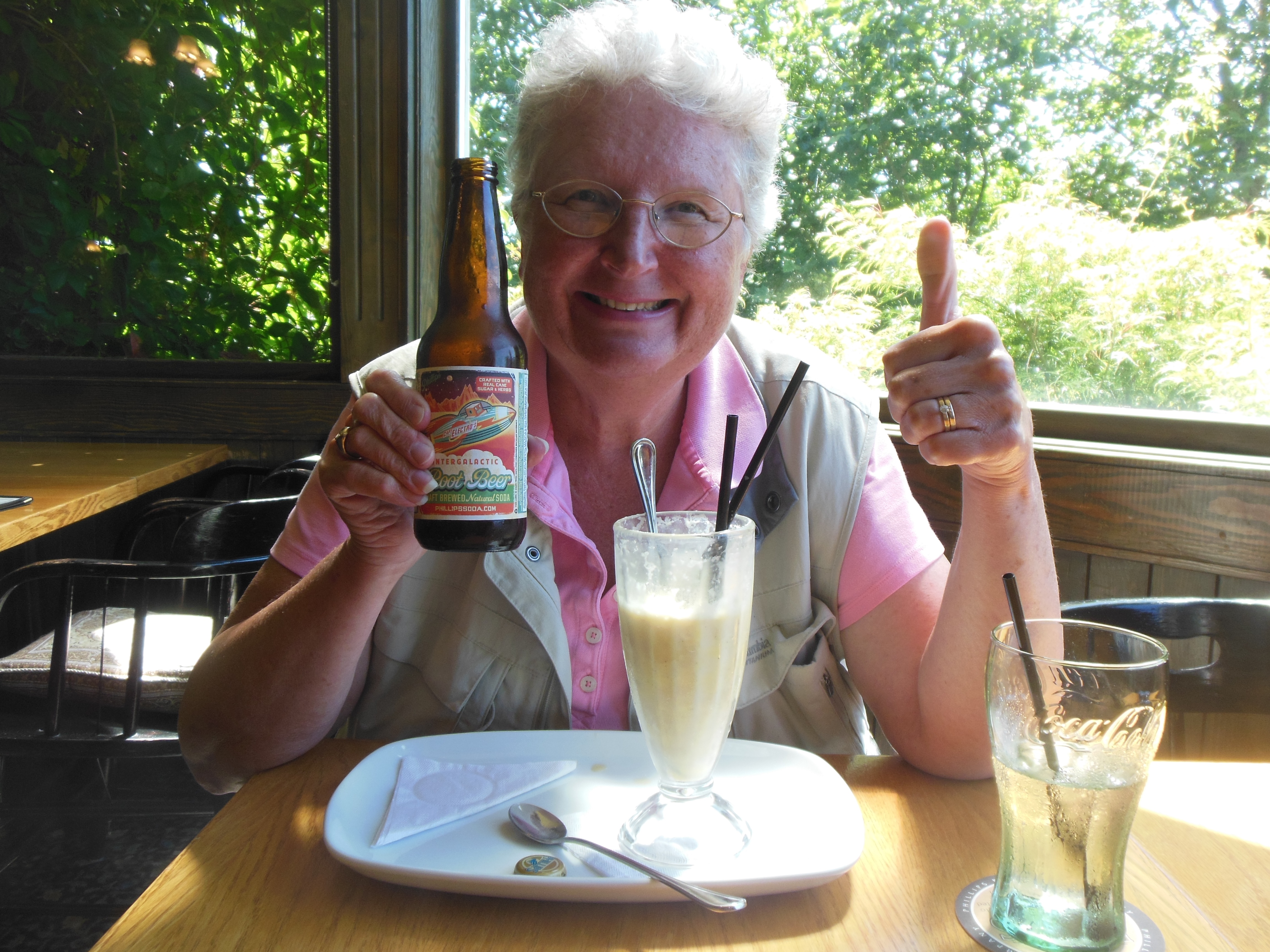
We spent about two and a half hours riding before we had lunch at a pub established in 1855, the Six Mile Pub. Chris treated herself to an “Intergalactic Root Beer Float”. When she ordered it, she asked me to share it with her. When she tasted it, I got to watch her.

At Six Mile Pub

At Six Mile Pub

After lunch, we drove to downtown Victoria and toured the Royal BC Museum. This museum is highly rated and while we enjoyed it, we both enjoyed the Glenbow Museum in Calgary more. The Royal BC had a special exhibit on the race to be the first explorer to reach the South Pole. Roald Amundsen of Norway won, Robert Scott of Britain was second. Unfortunately, Scott and part of his team perished on the return trip to their base camp at the ocean’s edge of Antarctica.

Wooly mammoth at Royal BC Museum

Wooly mammoth at Royal BC Museum

One of the other exhibits had displays relating to the history and development of British Columbia. BC has had problems dealing with racism, having violent anti-Japanese and anti-Chinese riots and discrimination.

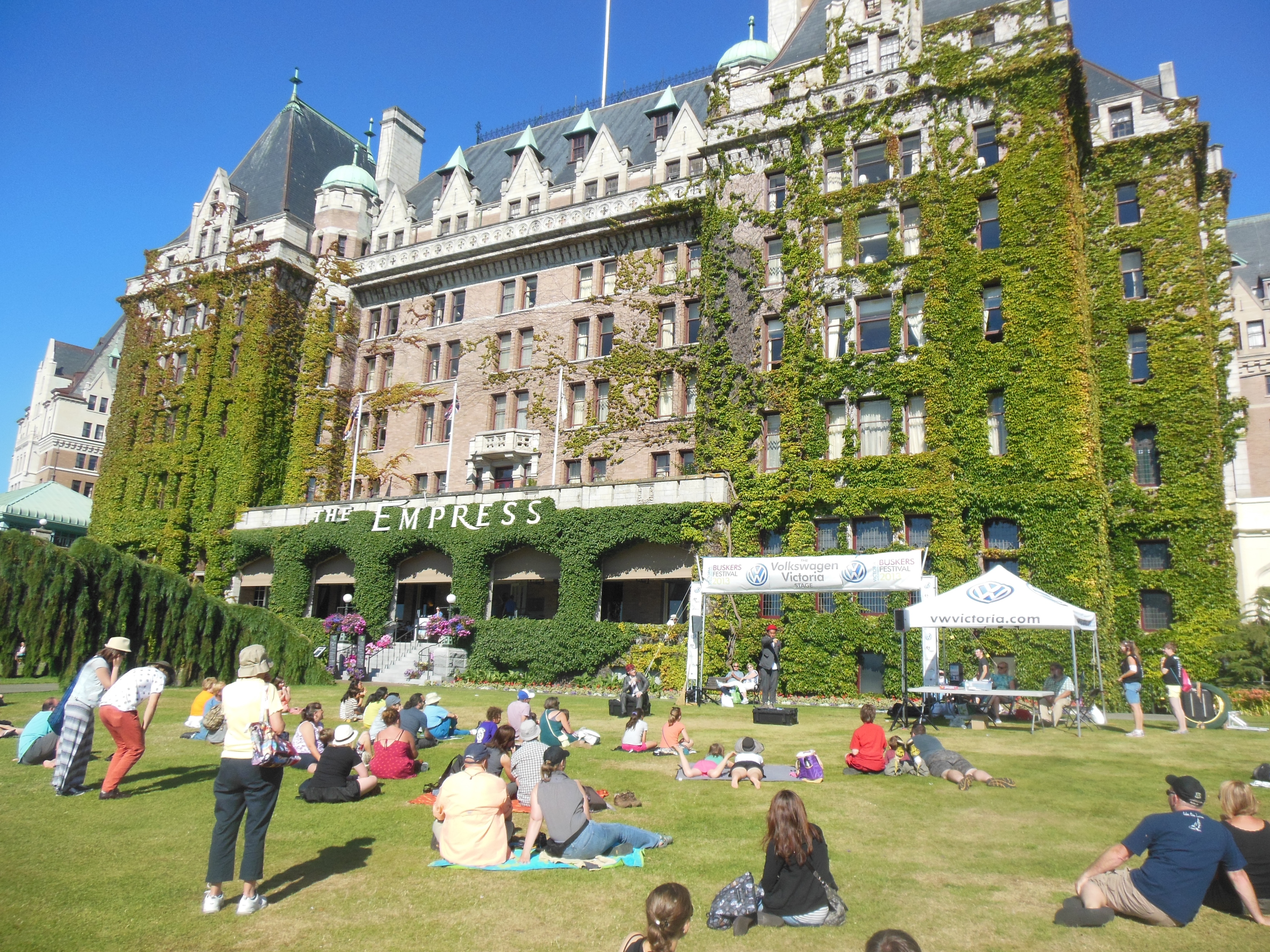
Buskers in front of Empress hotel

Buskers in front of Empress hotel

Asian immigrants were not given the right to vote until after World War Two. Our female speaker yesterday at the Parliament tour who touted women getting the right to vote around 1917 did not mention the denial of voting to other sections of the population.

British Columbia has still not settled land issues with the First Nation tribes. The other provinces have come to grips and worked out arrangements, BC still has a ways to go.

We walked around the harbor area, stopping in at the famous Fairmount Empress hotel but decided not to eat there since we would have probably spent our entire trip budget there.

Once again the weather was great and we returned to the scenic ocean drive and enjoyed the view of the bay. When we returned to our Evergreen hosts, we had to beg off much discussion since we realized that the biking used different muscles than hiking and we were bushed.

One random tidbit that has not been researched. It appears to us that the Canadian electrical codes require residential bathroom light switches to be located on the wall outside the door before you enter. This has been a consistent feature in our Canadian hosts home. It might be a new requirement in the US but we have not observed it before.

Ed and Chris July 24-25, 12:30 am (Internet issues again)

Categories: road trip, travel | Tags: , | 1 Comment

2013, Trip Six, The Northwest, July 22

Victoria, July 22, Monday

Garden. Flowers. Garden. FLOWERS!!!!

Butchart Gardens was the big deal today. But not the only deal.

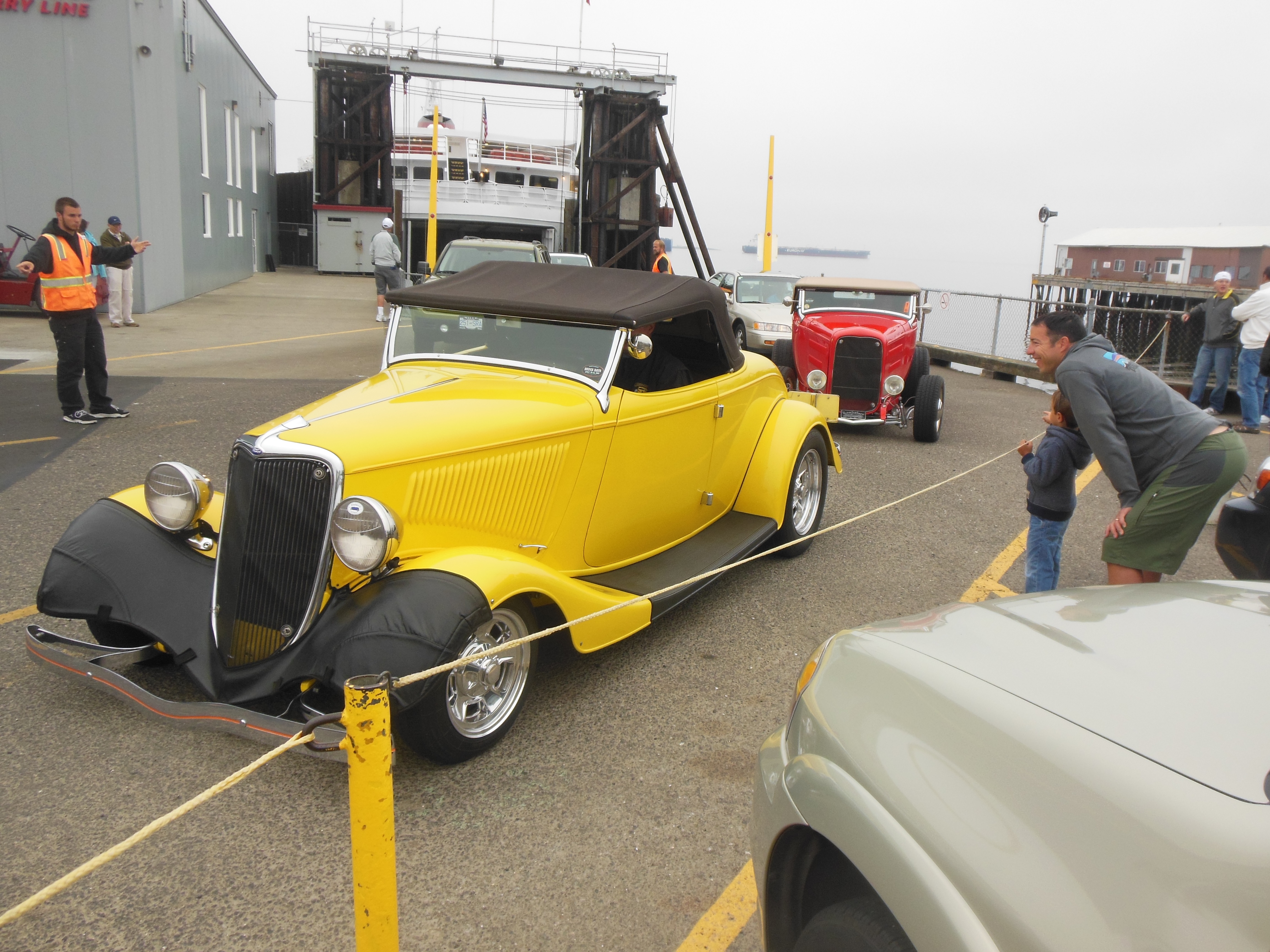
One of many 1932 Ford coupes coming off the MV Coho

One of many 1932 Ford coupes coming off the MV Coho

The 8:15 A.M. ferry from Port Angeles was our mode of transit to Victoria. The MV Coho has been plying the 23 mile route between the two cities for fifty years and carries passengers and vehicles. The passage takes 90 minutes plus you have to arrive about an hour beforehand.

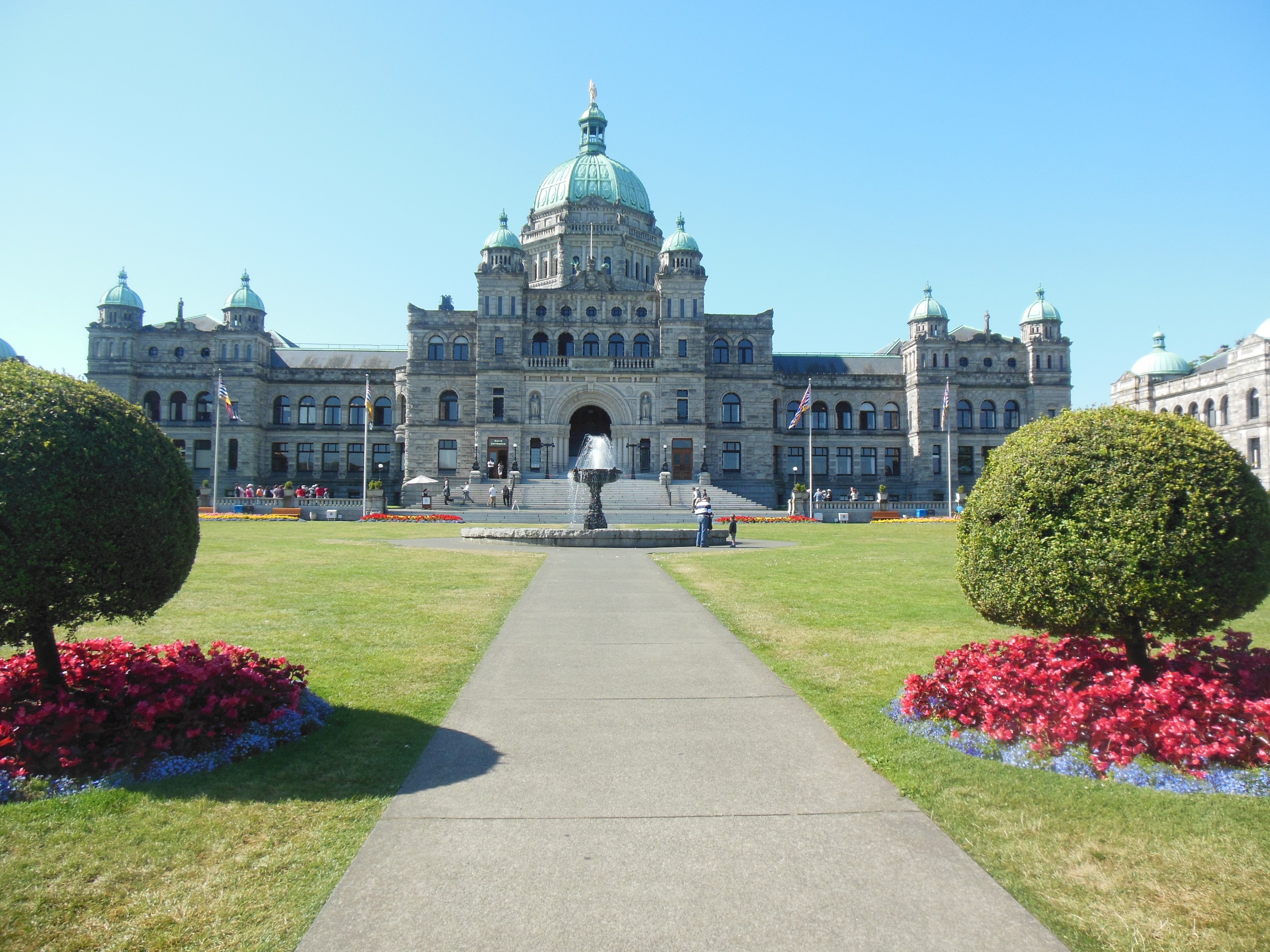
British Columbia parliament building

British Columbia parliament building

An unexpected bonus came before we got on when the Coho docked in Port Angeles and began discharging its load. The first vehicles out were a large number of vintage Ford deuce coupes. Evidently every three years a rally is held in Victoria and hundreds of the 1932 Ford coupes show up. It was a surprising and pleasant experience as many of them are dressed up for show. The ones on the Coho were returning to several stateside locations.

Two character actors on the steps of Parliament building

Two character actors on the steps of Parliament building

The ride across was smooth but picture-taking was basically non-existent. The marine layer of clouds was at water level until just outside of the Victoria harbor. It lifted as we landed.

our first stop was to tour Parliament in downtown Victoria. The provincial legislature was in session so we did not see the two chambers. Before the tour, two actors portrayed early Victorians. For our presentation, the first woman elected to the provincial Parliament and the architect of the building were the speakers. They gave a quick history of the province through their act. At one point, they asked the audience a question about the importance of 1871 and I (Ed) was bold enough to volunteer the (correct) answer. (1871 was the date of confederation of Canada.) There is some retention left in my memory cells from the numerous museums and talks we have heard.

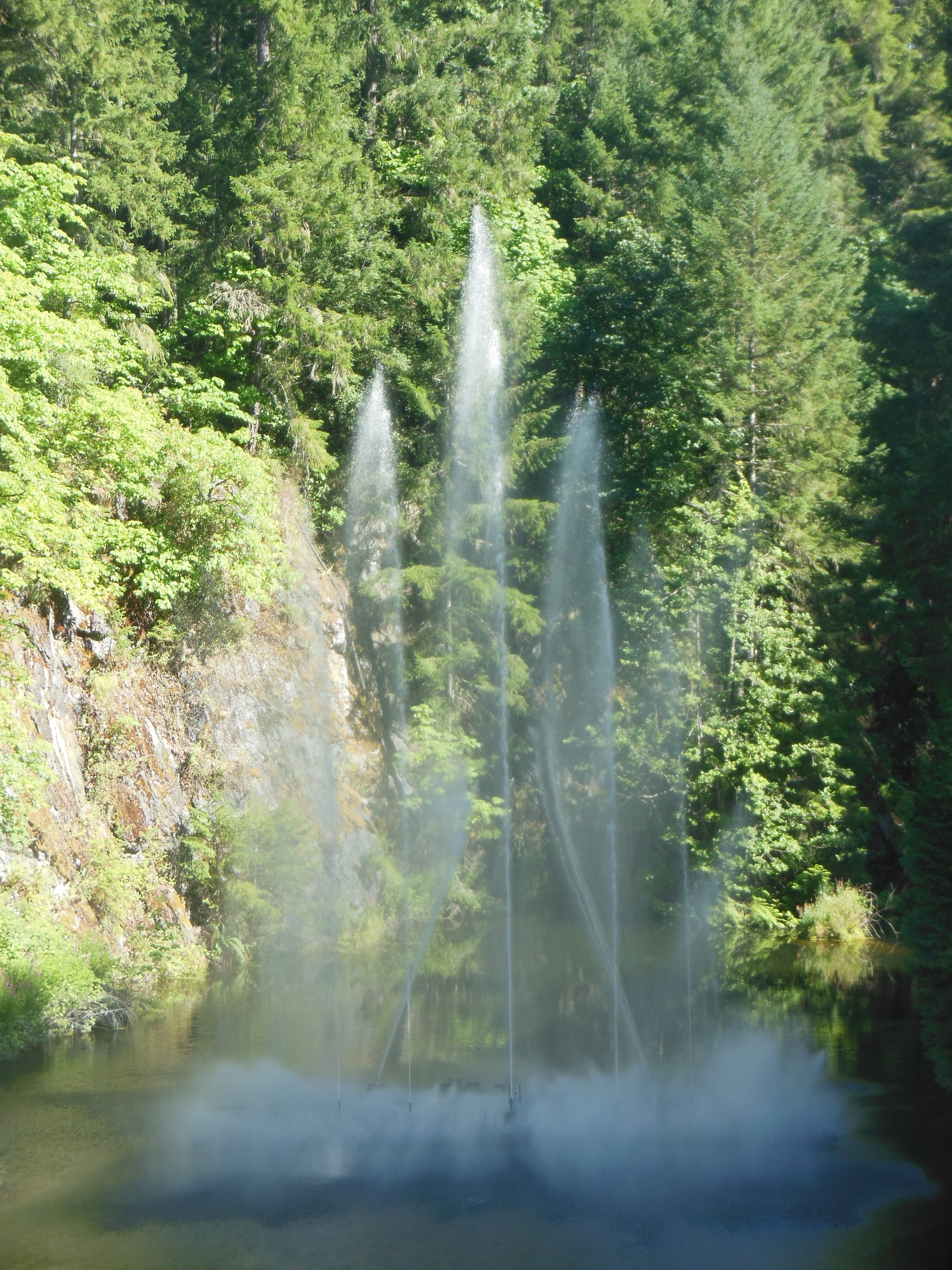
Butchart Gardens

Butchart Gardens


Butchart Gardens

Butchart Gardens

We drove a scenic road along the waterfront but the fog had returned and made the scenery hidden from us. We stopped in a part of town called Oak Bay (think Highland Village or 50th and France). We walked the Main Street and had lunch at an English pub.

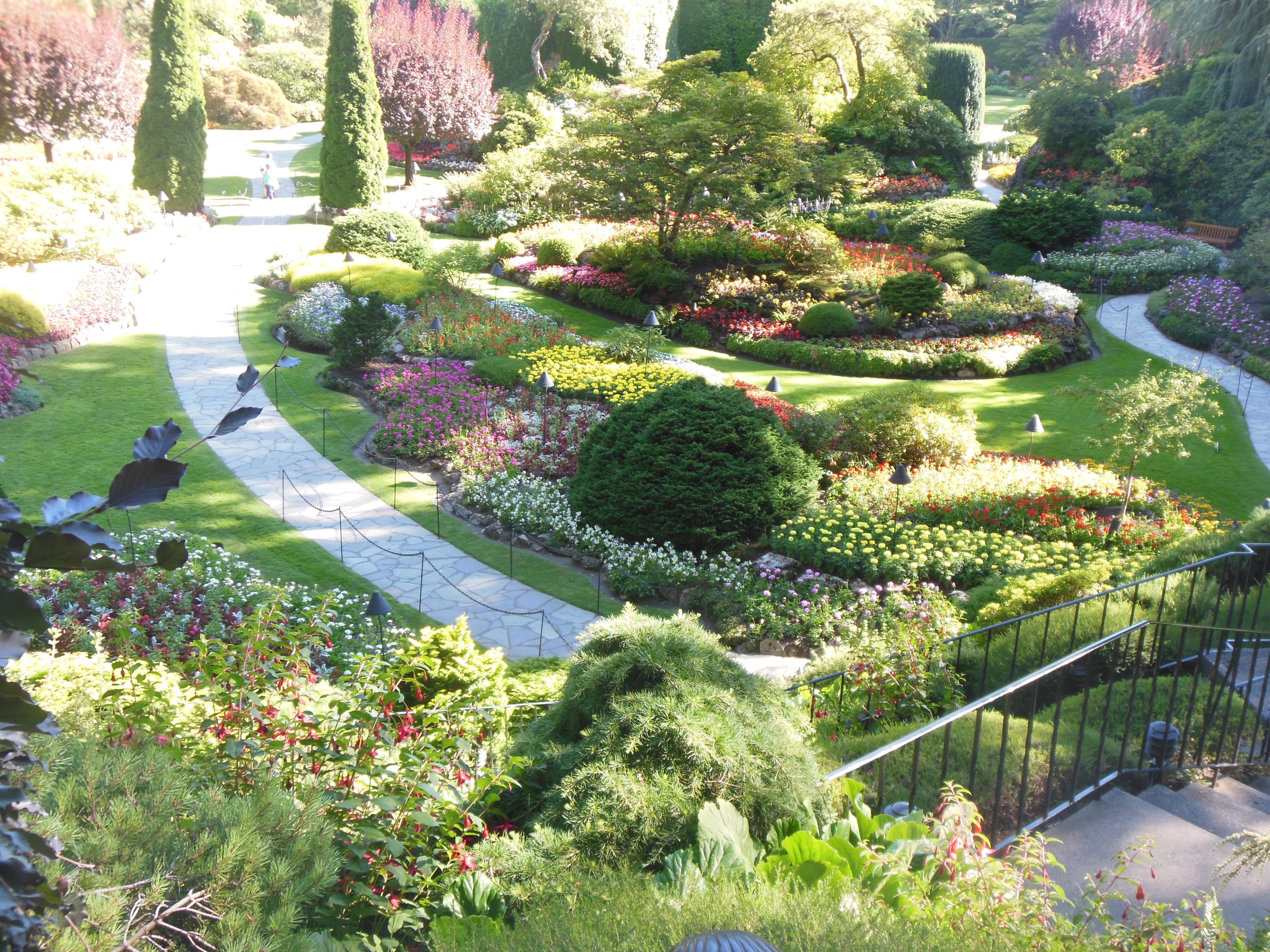
Refreshed, we moved on to Butchart Gardens. They are wonderful. There was a conference in town of perennial plant growers from around the world and they spent much of the day at Butchart. We talked to a gentleman from Modesto, CA who said for many of them, Butchart was like going to Disney World. The garden is so unreal due to the number of annual plants that are changed throughout the year. None of the growers would recommend such a high percentage of annuals as compared to perennials. But the flowers are beautiful and he was taking his share of photos.

Butchart Gardens

Butchart Gardens


Butchart Gardens

Butchart Gardens

We (Chris) asked staff later and they responded that the Garden has over 1,000,000 annuals. Annuals are 60% of the plants, perennials are 40%. Total staffing in the summer is 5-600 people with about 70 of those doing horticultural work.

The gardens are privately owned. The original owners and founders were drawn to Victoria from Ontario and were cement manufacturers. (Cement, not concrete. I am sure you know that cement is but one ingredient in the making of concrete.) The limestone used in the manufacture came from a limestone quarry he owned. As the quarry was depleted, his wife (a chemist and involved in the business also) started making plans to convert the quarry into a garden. As time went on, they expanded the garden’s area and passed it on to their children to run.

Butchart Gardens

Butchart Gardens

We spent several hours touring the site and admiring the flowers. We finished up with a light repast before meeting our Evergreen hosts in Victoria. Despite an early start to the day, we were awake enough to talk with a cup of tea and enjoyed our opportunity to meet them.

Ed and Chris Tuesday July 23 9:30 pm

Categories: road trip, travel | Tags: , , | Leave a comment

2013, Trip Six, The Northwest, July 21

View from Hurricane Hill

View from Hurricane Hill

Sequim, WA July 21

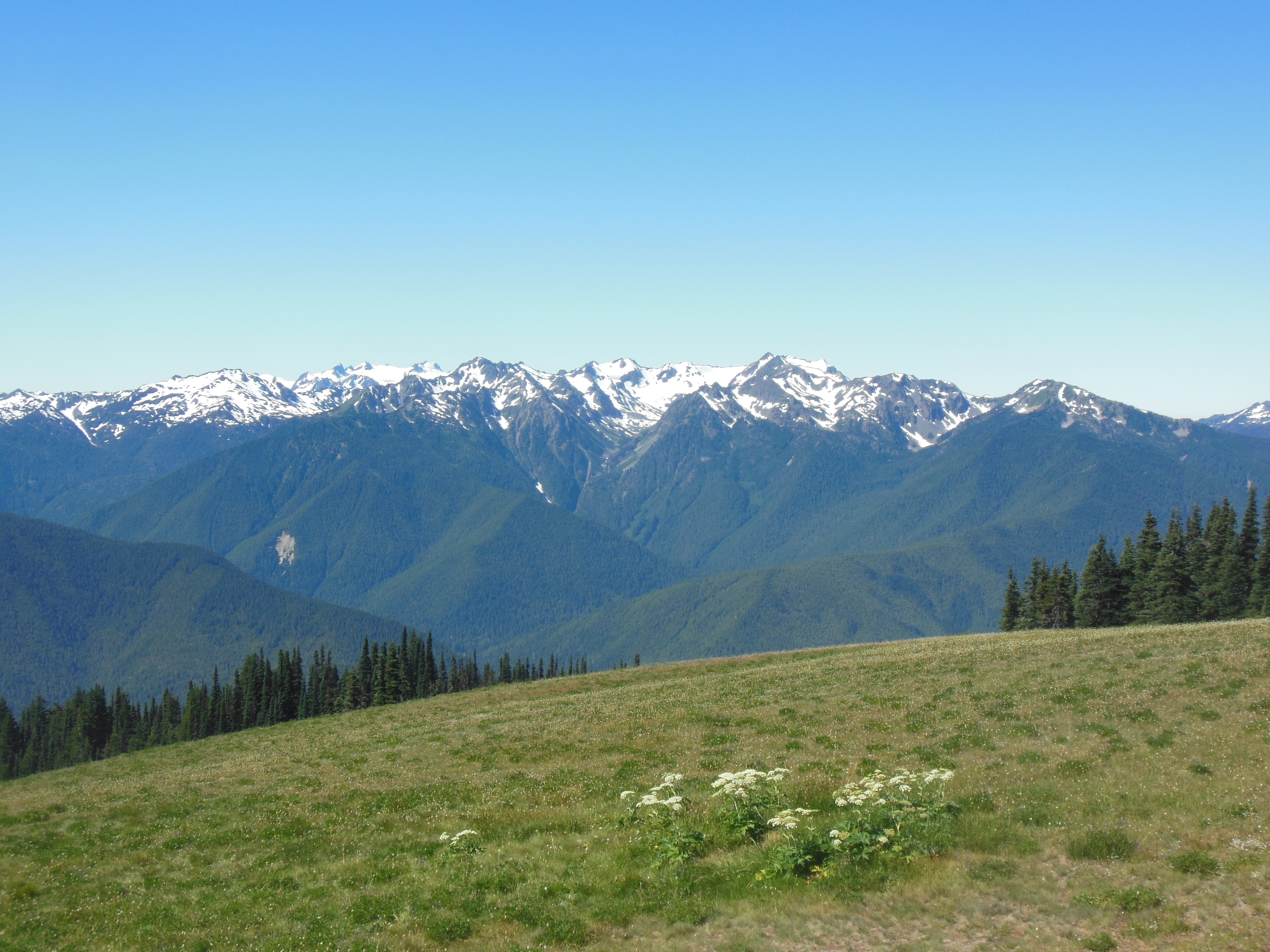
Olympic mountains from Hurricane Ridge

Olympic mountains from Hurricane Ridge


Hiking at Hurricane Ridge

Hiking at Hurricane Ridge


Hurricane Ridge

Hurricane Ridge

I forgot to mention,, Sequim is pronounced Skwim. Luckily Catherine Sweeney made us aware of this prior to arriving here Saturday night.

This was our fourth and last day in Olympic National Park and we focused on the mountains today. The morning in Sequim started out cloudy and we had to guess whether the clouds would be dissipated at our destination. We took a chance that they would be and concerned about Sunday crowds in the park, we headed for Hurricane Ridge first before visiting the lavender festival some more.

Wildflowers in Olympic  national park

Wildflowers in Olympic
national park


Wildflowers

Wildflowers

Our luck has been very good weather wise and today did not disappoint us. Hurricane Ridge is at 5200 feet, Sequim maybe 100 feet. The clouds started to dissipate as we began the climb up the mountain. Of course, our luck was not perfect. We were “fortunate” enough to practice our patience as we drove the 17 miles to the top behind a van going 5-10 miles per hour below the posted speed limit of 35 mph. The van saw no reason to pull over and let others pass so we enjoyed the view which was now cloud free on the mountains. (Clouds still socked in the ocean area.) But we did make it up to the top more quickly than the bike riders.

a cirque-bowl shaped depression caused by a glacier

a cirque-bowl shaped depression caused by a glacier

The highest mountain, Mount Olympus,is “only” 8900 feet but still has snow and glaciers. As with all of the mountains we have visited, pictures clearly show the decrease in glaciers, particularly in the last 30-40 years.

View from Hurricane Hill trail

View from Hurricane Hill trail

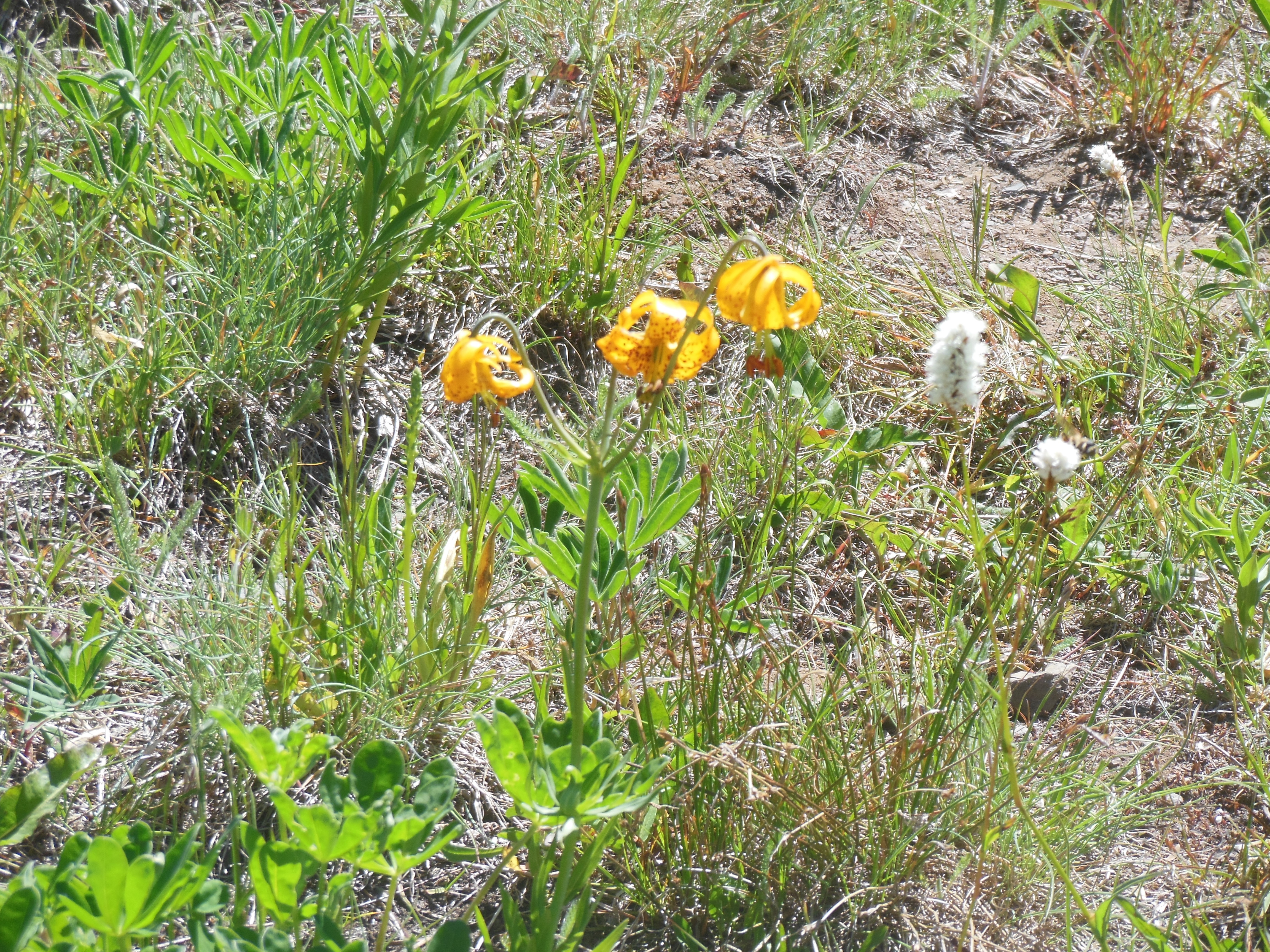
The wildflowers here were abundant. Which were spring flowers and which summer was not clear to me, I just took photos of flowers and will sort out details later.

The mountain hike traversed several ridges. Chris remarked that one should break out in singing Edelweiss from Sound of Music. She mentioned that to a family walking near us and several of the daughters did just that. Sounded pretty good.

We hiked on Hurricane Ridge and Hurricane Hill. The views are of the mountains, the valleys, and the ocean. On portions of several trails, I had to deal with vertigo and step back from the trail’s edge as the downward slopes are steep.

Leaving the mountains behind, we returned to Sequim and visited the lavender fest. There are huge quantities of various lavender flavored and scented products; drawer liners, sachets, bath salts, misters, soaps, etc. Sorry, but we did not buy anything to give away to our friends and relatives. We did have some local ice cream. Chris tried a sample of lavender flavored ice cream but chose strawberry instead for her cone.

Beach at Dungeness Wildlife Refuge

Beach at Dungeness Wildlife Refuge

We did not see any lavender flavored hot chocolate but since we had tried that in Santa Fe when we visited Jude with Sarah and Deb a few years ago, we clearly knew that was not a winner.

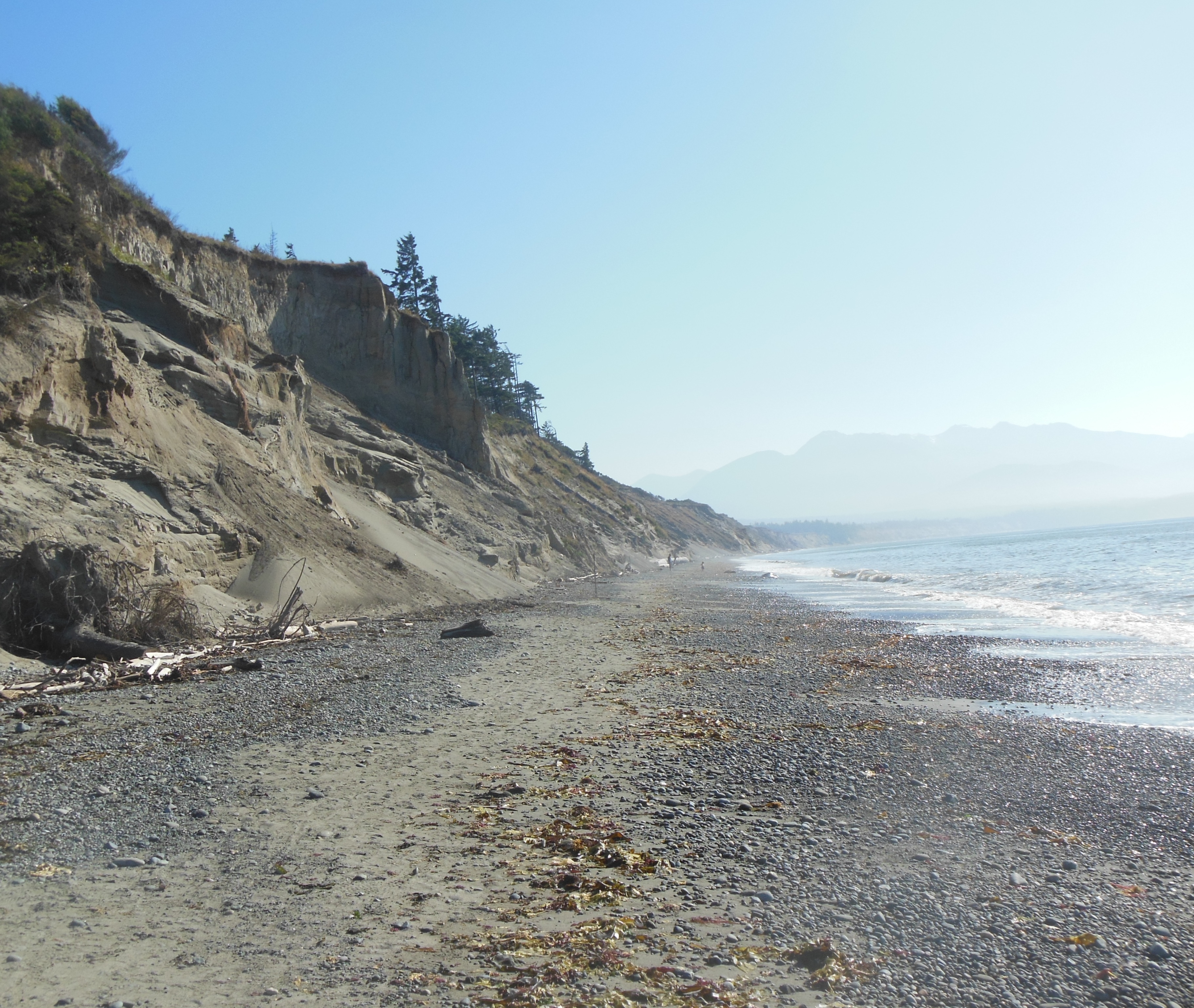
Our next destination was the Dungeness National Wildlife Refuge. This has been around for 100 years and is right next to Sequim. Part of the refuge includes the longest natural sand spit in the U.S. There is a lighthouse at the end of the spit but it is a 10 mile long hike out to it. We were advised not to try it today since the high tide was coming in and we would be trapped or worse. Shucks, that 10 mile hike was the highest hope for the day! We had to settle for a one mile hike to the beach and back. You can feel sorry for us. This short walk had the highest concentration of mosquitoes we have experience yet this year-although the flies were pretty thick on Hurricane Hill.

Dungeness spit

Dungeness spit

Dinner was at a local restaurant and then we returned to our hosts to do a load of wash and more discussion. Interesting people who have an active life and gave us lots of ideas for own future and how to stay active once this year is over.

Monday we are up early to catch the 8:15 ferry to Victoria, British Columbia.

Ed and Chris July 22, 6 am

Categories: road trip, travel | Tags: , , | Leave a comment

2013 Trip Six, The Northwest, July 20

Sequim, WA July 20

Hiking to Sol Duc

Hiking to Sol Duc

Today’s theme in Olympic National Park was water, particularly waterfalls. Breakfast was a quick muffin as we headed out for the day. We hiked to three waterfalls and had lunch next to a lake.

Sol duc falls

Sol duc falls

Waterfall number one was Sol Duc. This one was my favorite; the entire walk had a great fragrance of pine or cedar. Scoff if you will, I could not tell the difference. But the scent was fresh airsy and wonderful.

We started to see more international visitors again as we hiked to the falls. We had more opportunities to take pictures for people again. This did not happen much at the beaches or rain forest.

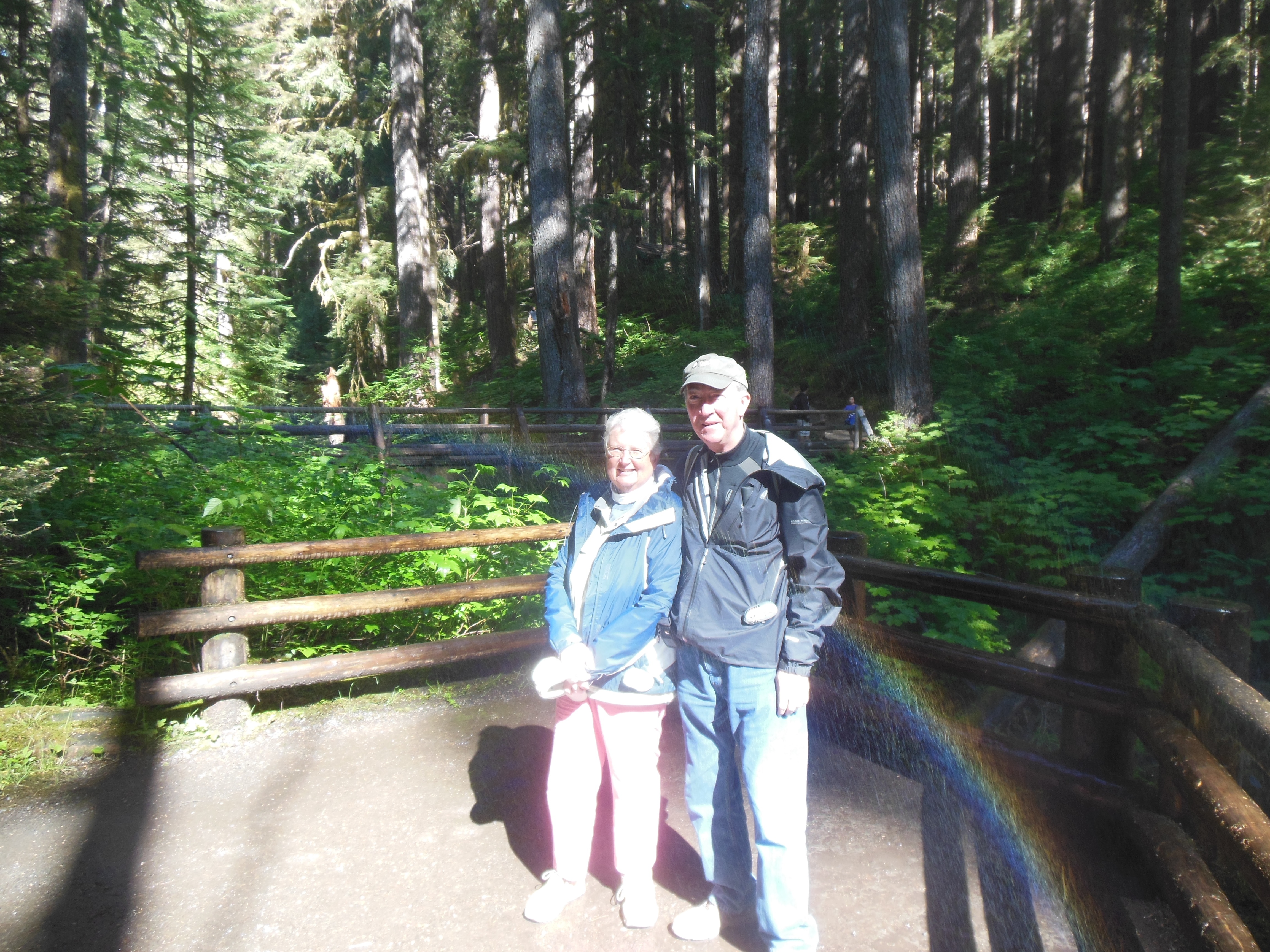
Chris, Ed and a little rainbow

Chris, Ed and a little rainbow

The trail was rocky but not steep. The falls are picturesque but not high. The forest still had thick undergrowth but less moss and ferns. They turn after a small drop and continue to fall in a narrow gorge. The falls created a mist that produced a small rainbow in one spot.

Lake Crescent

Lake Crescent

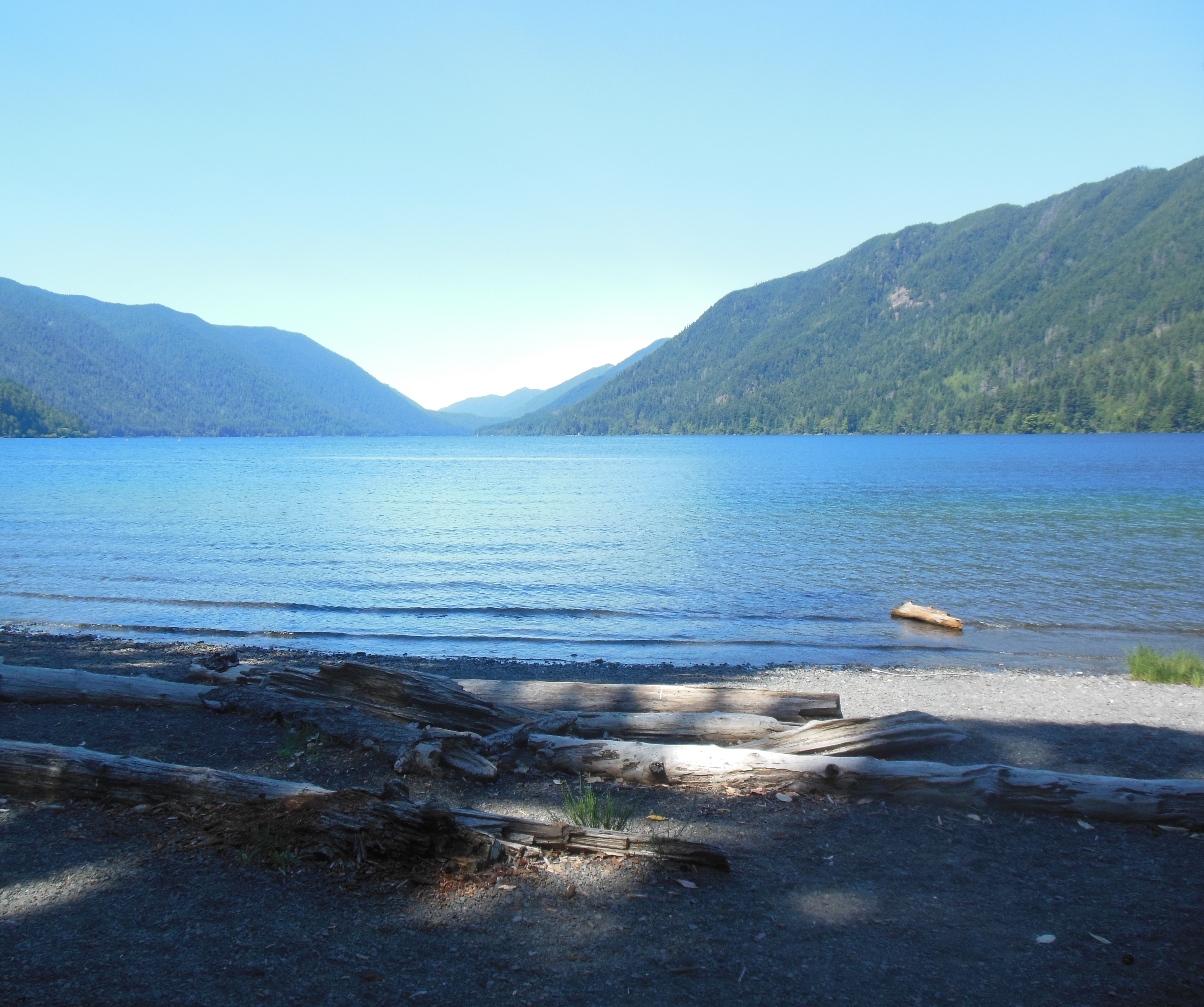
Lunch was at Lake Crescent Lodge. Lake Crescent has brilliant blue color and is very deep. The official depth has not been recorded, but is in excess of 600 feet. Some estimates are over 1000 feet. In any event, we only looked at it and used the trailhead located here to access Marymere Falls.

Marymere Falls

Marymere Falls

I was glad Chris had chosen this hike since the very last section of the trail leading to the falls are steep. If I had chosen the hike, we might not have completed it. The falls begin with a narrow band and then go into a classic bridal veil formation. After the climb, the falls were almost anti-climatic.

Madison Falls

Madison Falls

Elwha RIver

Elwha RIver

Our next stop was Madison Falls. This was only a short hike with the falls bursting upon you as you make a turn in the trail.

Madison Falls is in the area of the Elwha River and the largest dam removal project in U.S. history. After removal, salmon populations are expected to swell from 3,000 to 300,000. The natural flow of the river and the estuary at the bay are expected to improve.

The dam removal impacts are being studied by numerous academic and park groups. Restoration of the previous habitat is underway. The project began in 2010, dam removal in 2011 and will not be completed until next year.

Lavender field

Lavender field

As the afternoon moved on, we headed for Sequim. Our Evergreen hosts had indicated this weekend was the annual lavender festival. The Sequim area grows 80% of the U.S. lavender crop. We managed to visit one of the farms open for touring and pick-your-own lavender.

Lavender farm

Lavender farm

We had never been to a lavender farm before. The color is brilliant. The farm acreage under cultivation was not large and a portion of the rows had already been pretty well picked over. As you can see from the photos, the effect is mesmerizing though. A side factor we had not thought about was the presence of large quantities of bees. Given the number of flowers, the bees were not interested in humans.

After Mass and dinner we arrived at our Evergreen hosts where we will be staying for the next two nights. Once again, a pleasant evening of travel conversation was had.

Our education continues in other ways. Deb probably knows this but it was new to us. On 20 oz bottles of Coca Cola, the inside of the label has printing that is visible when you look through the bottle. The sayings are tied to Coke providing “Ahh” moments. There even is a web site. http://www.ahh.com

We are becoming so knowledgeable on so many different topics.

Ed and Chris July 21 7 AM

Categories: road trip, travel | Tags: , , , , , , | 1 Comment

2013, Trip Six, The Northwest, July 19

Forks, WA, Friday July 19

Hoh rain forest

Hoh rain forest

Hoh rain forest

Hoh rain forest

Today was our day to hike in the rain forest of Olympic National Park. First we had to have breakfast. We stopped at a small, small café just outside of the park boundaries. There was one table. There was the owner and a young woman cooking who had worked just two days besides today. The owner was called away on a 20 minutes errand. The young cook was nervous but the food tasted reasonable and we have not gotten sick yet.

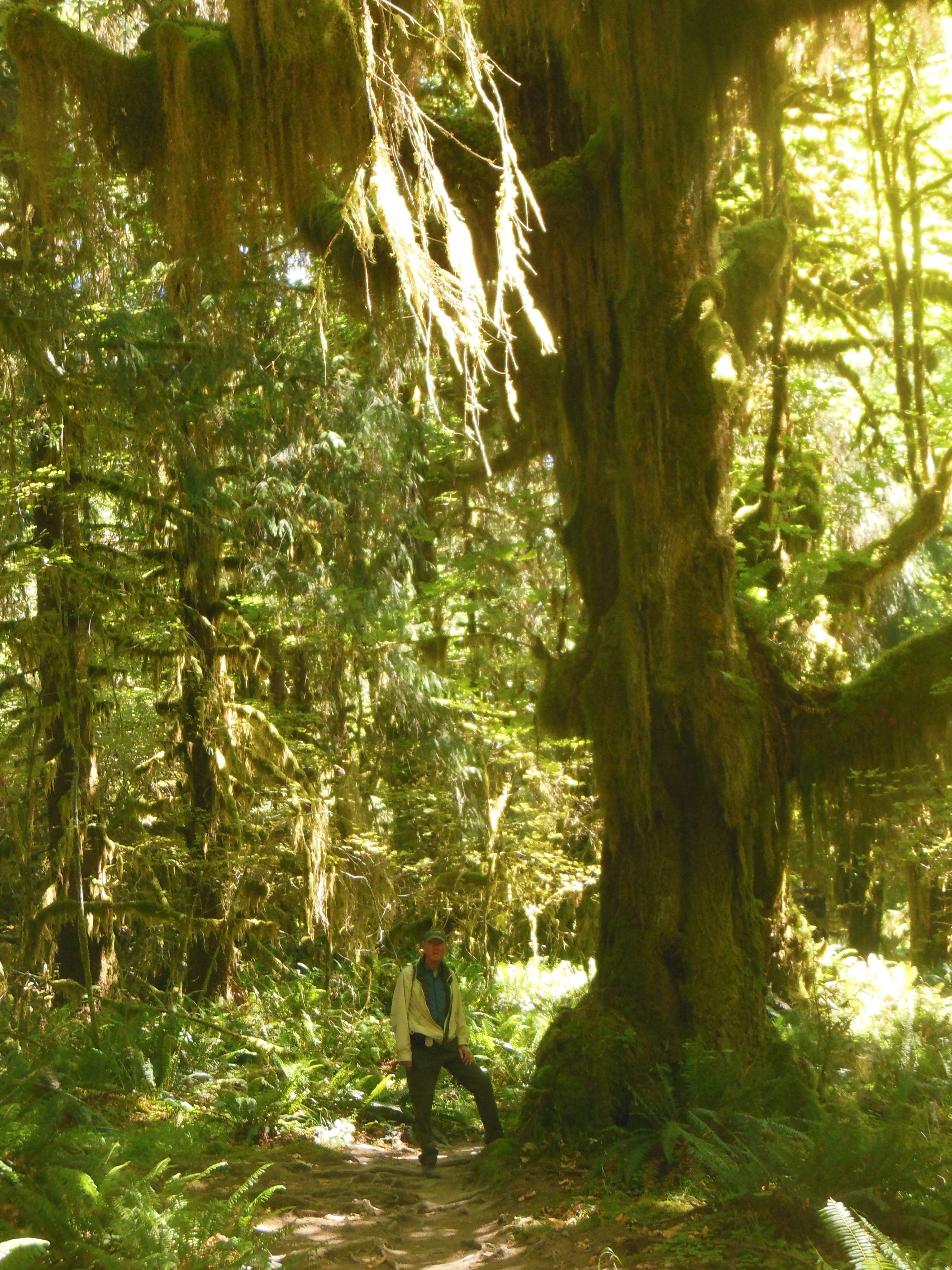
The Hoh rain forest is in the Hoh glacier and river valley. This part of the park receives 140 inches of rain per year on average. We went on a total of three hikes during the course of the morning and afternoon. This is old growth forest, so the trees are quite tall and old. The major difference in this area is the profusion of plants in the undergrowth.

Hoh rain forest

Hoh rain forest

Hoh rain forest

Hoh rain forest

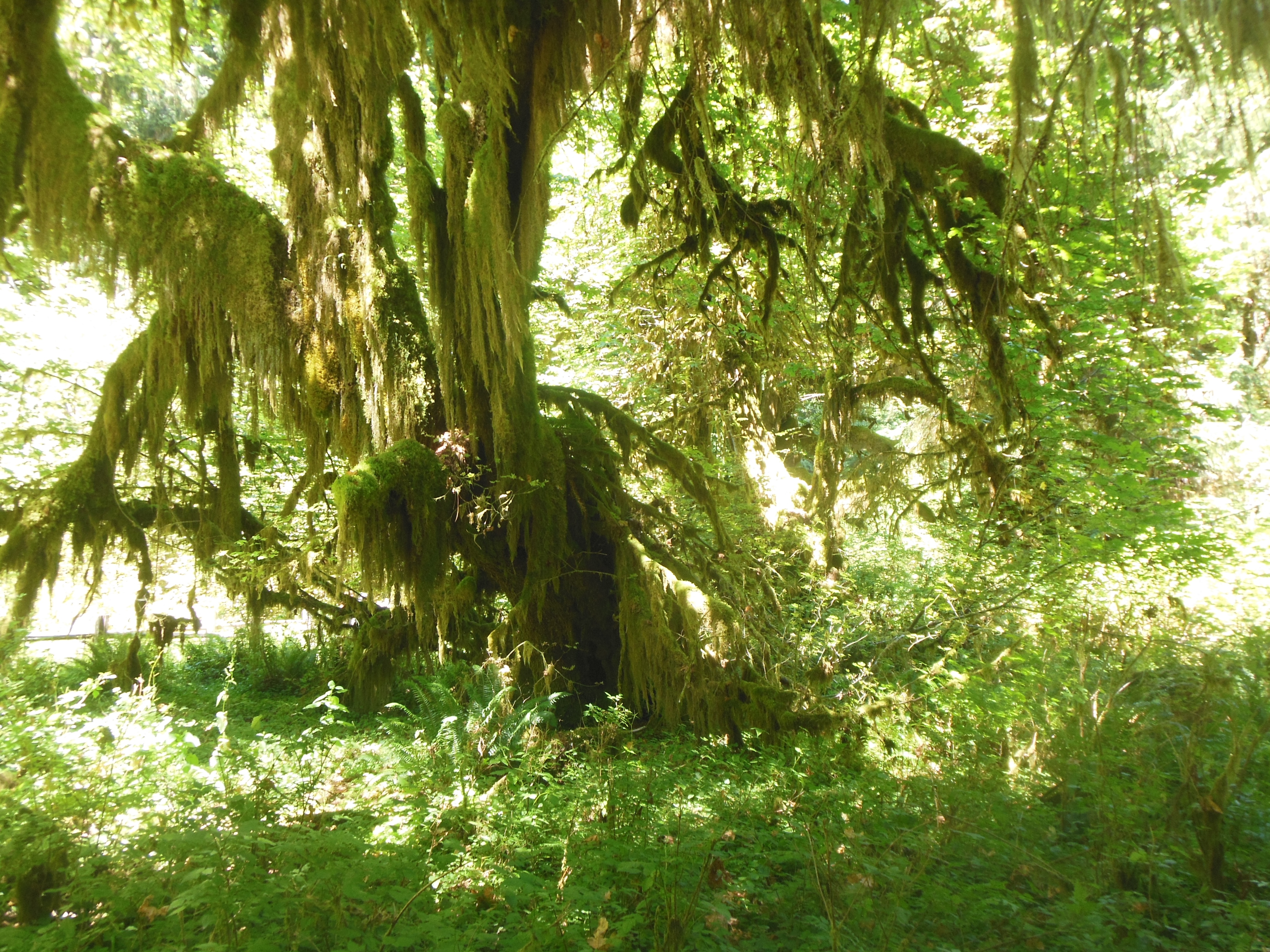
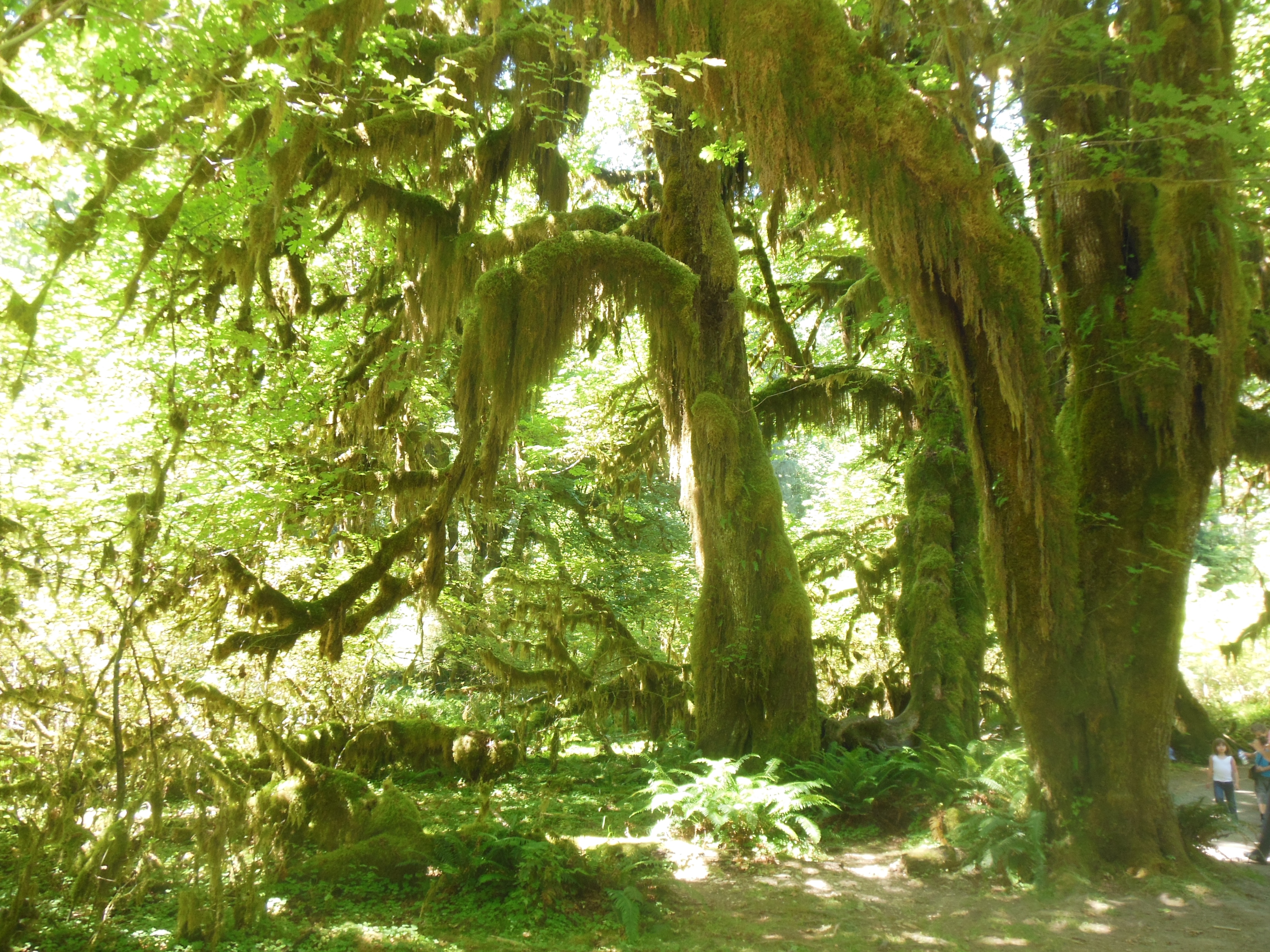
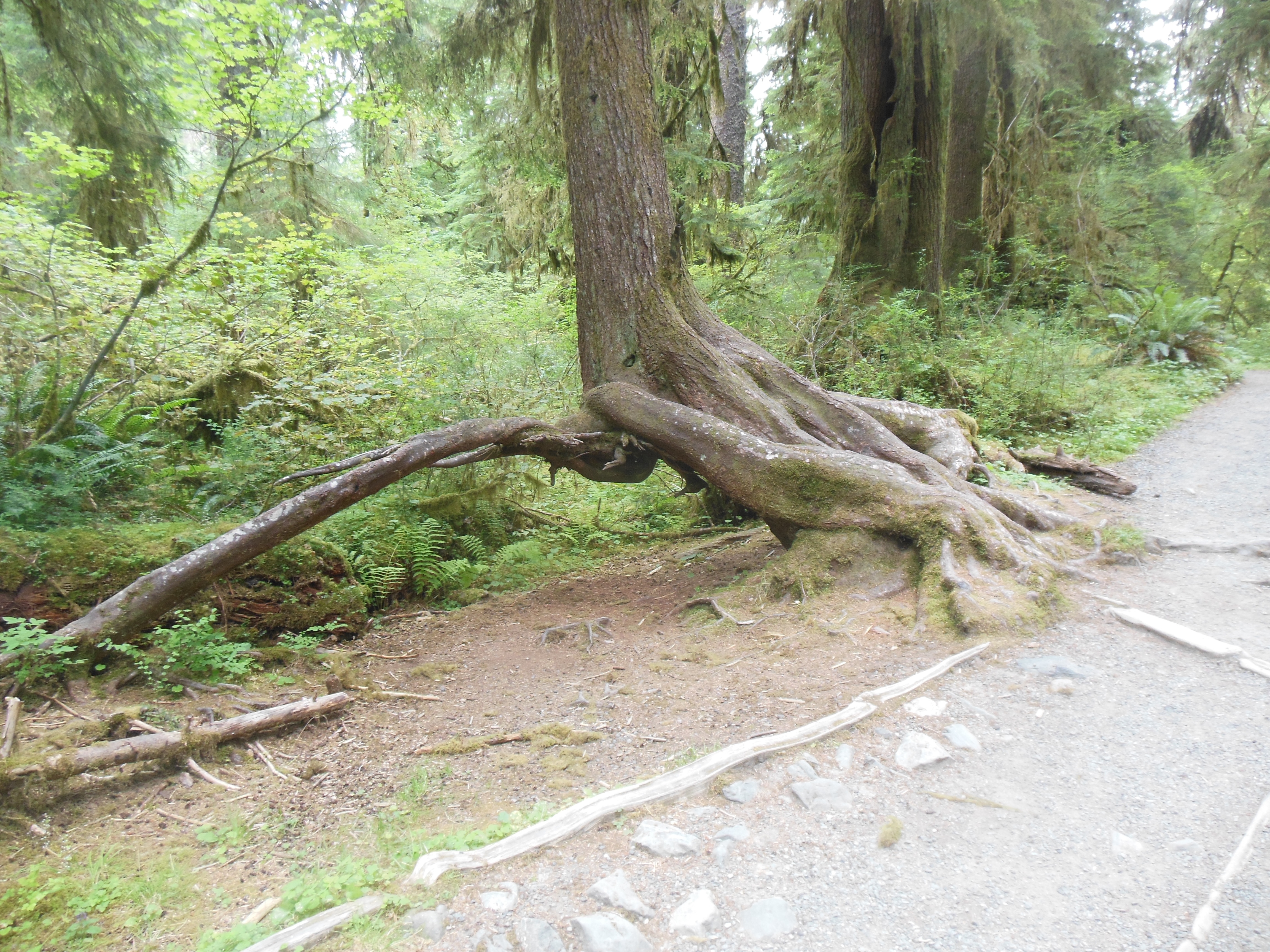
Epiphytes such as moss and lichens are everywhere. Ferns grow abundantly. Sitka spruce trees grow extremely tall and thick due to the rain. Trees that fall over are allowed to decay naturally. When they fall, they provide additional sunlight to the forest floor and a different species of plant will sprout as compared to the shade loving previous plants.

Nurse tree with early growth of new trees

Nurse tree with early growth of new trees

several trees growing around nurse tree

several trees growing around nurse tree


Nurse tree has rotten away

Nurse tree has rotten away

We observed numerous examples of nurse trees. This is a dead tree lying on the ground. Seeds from other trees and from plants land on the dead, nurse tree and begin to grow. This is extremely important for spruce and fir trees in this forest. They will begin growing on the dead, nurse trees. As they grow more, the roots reach the ground and then eventually the young trees grow over and around the dead tree. Eventually the dead tree rots away and the young tree becomes tall with a gap in its trunk and/or root system. (Hopefully the pictures will demonstrate this.)

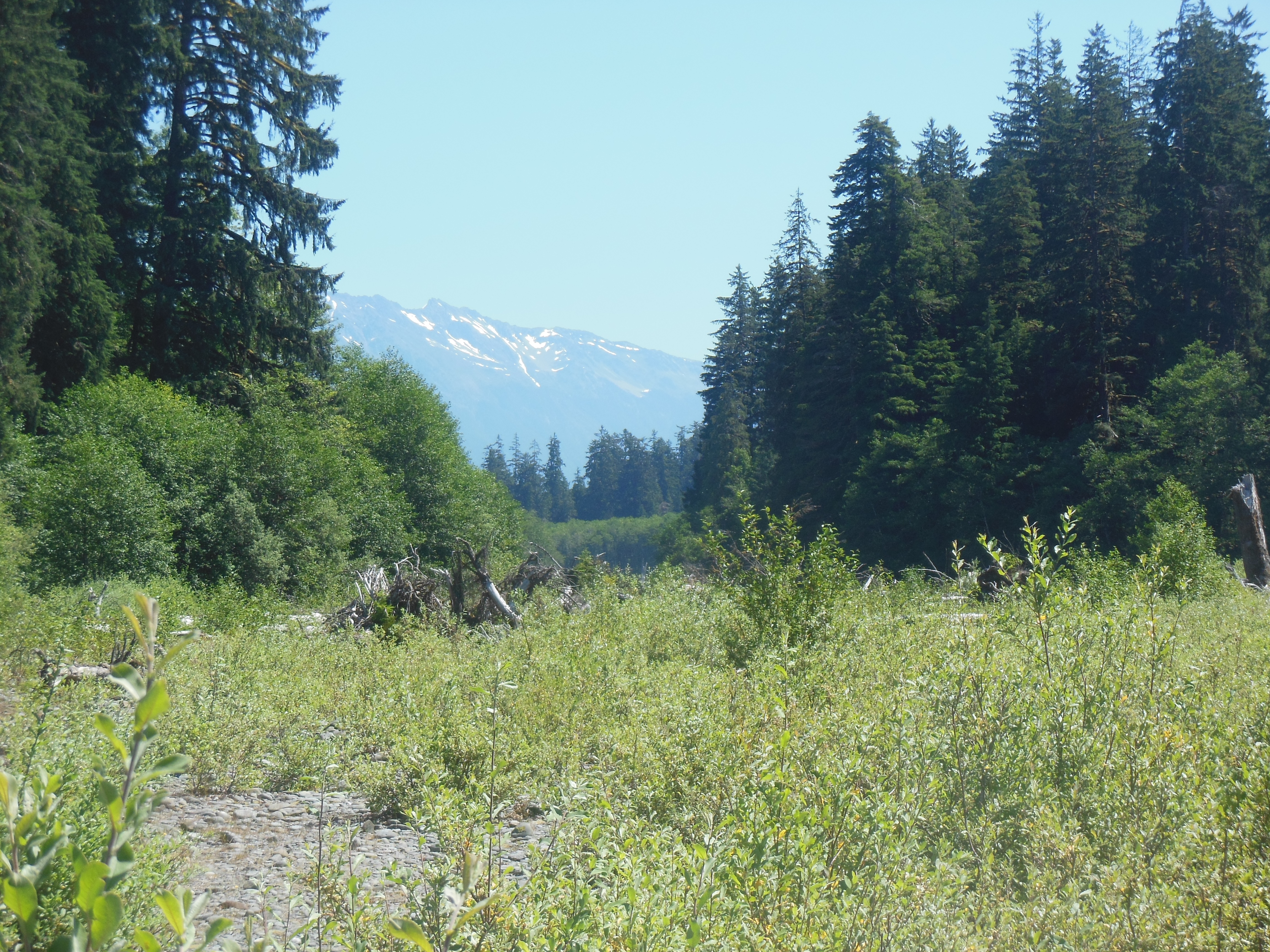
We only saw mountains a few times when we hiked directly next to the river and the gap in trees allowed an unobstructed view. Generally we were looking at: the ground so we did not trip on rocks and roots; straight out to observe ferns, moss, plants, etc.; and up to look at the tall trees.

View of Olympic mountains from Hoh river valley

View of Olympic mountains from Hoh river valley

After the hikes, we made two stops. One was at a huge Sitka spruce tree. The Sitka is the largest of the spruce trees and the ones growing in the narrow temperate rain forest band along the Pacific coast are the largest. The second stop was to view a large cedar tree. Neither stop tried to claim these were “THE” largest such specimen but they were big. Smaller than the sequoias in CA though.

We had a late lunch early dinner at Kalaloch Lodge close to Ruby Beach. Good food and excellent view directly on the ocean and beach.

View from Kalaloch Lodge

View from Kalaloch Lodge

Saturday we head out to cover Sol duc falls, Lake Crescent and Storm King areas of the park.

Ed and Chris July 19 9:30 pm

Categories: road trip, travel | Tags: , , | Leave a comment

2013, Trip Six, The Northwest, July 18

Forks, WA July 18, Thursday

wildflowers along highway 101

wildflowers along highway 101

Today was our Beaches Day even though we did not see Bette Midler (Heimel humor). We left Tacoma early after giving our good-byes to Pat and Harold. We were unable to see Mt. Ranier as we left, the sky was too overcast. It was weird, for us, to be able to see (on a clear day) a mountain looming high on the horizon, even though it was 45 miles from Tacoma.

We drove through Olympia and then west and north to Olympic National Park. Our plan is to visit the park from southwest to northeast before crossing the border into Victoria, BC. Like many national parks, the land intersperses with national forests and Indian reservations.

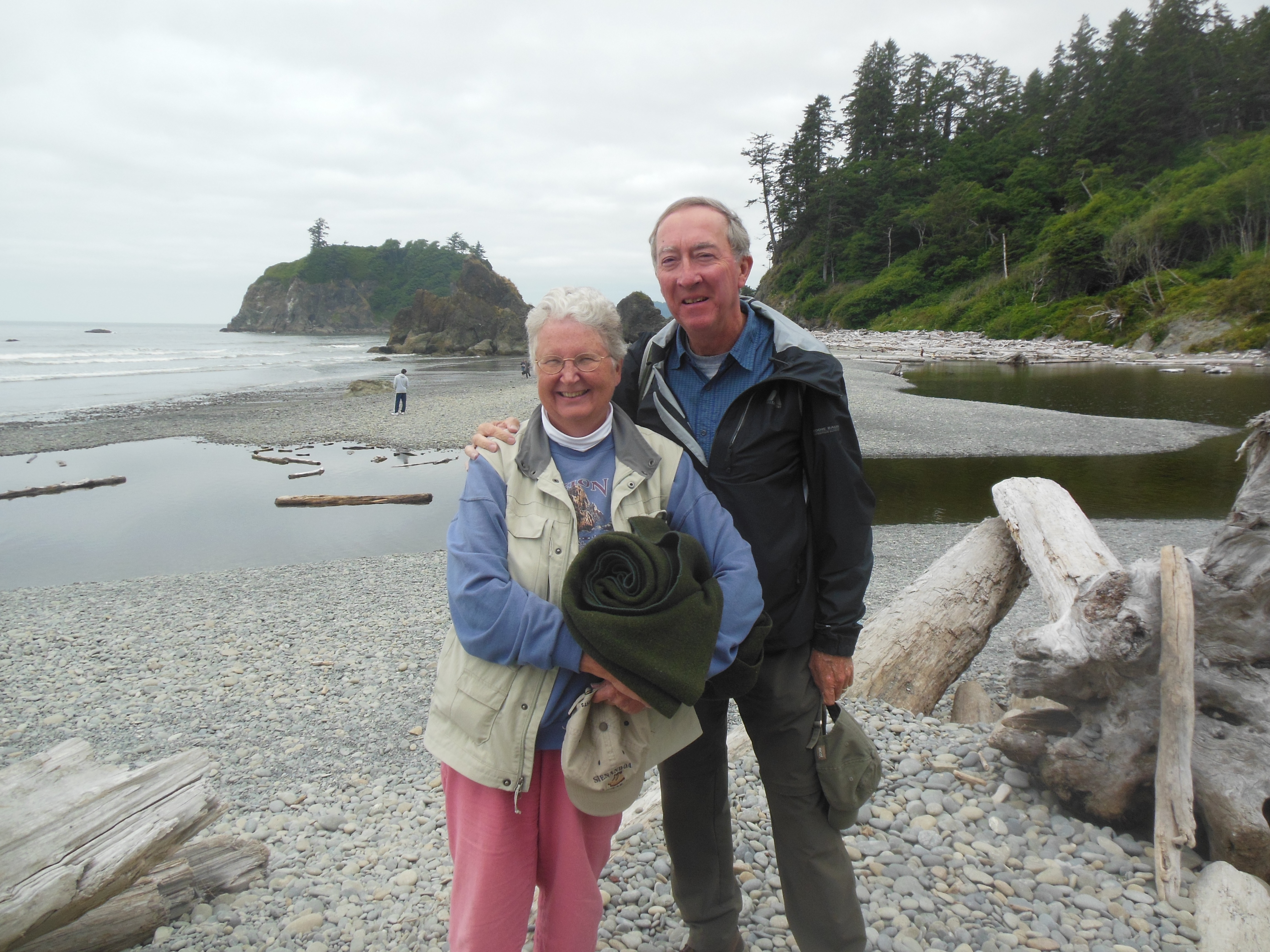
Ed and Chris at Ruby Beach

Ed and Chris at Ruby Beach

Ruby Beach

Ruby Beach

After Olympia, the road went through forests with four lane highway to Aberdeen, WA. After Aberdeen it was primarily two lane but now we picked up wonderful wildflowers along the side of the road. The Olympic mountains are not as high as the Cascades but supposedly Mt. Olympus does have snow year round. We will learn more about that later.

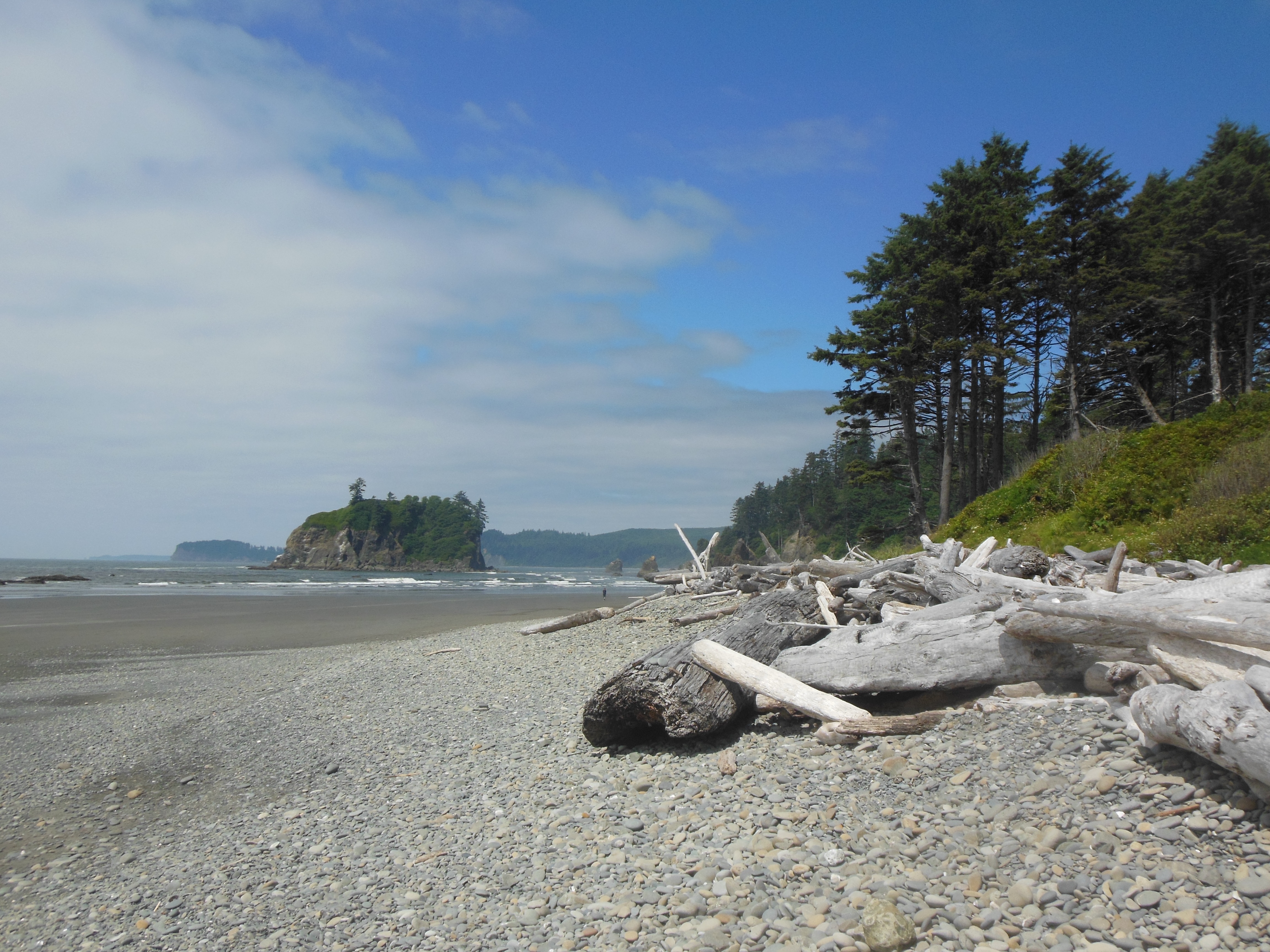
We did pass South Beach. It bore no resemblance to the one in Miami Beach. This one had cold water, chilly air, cold winds, no night life, and very little people watching. Instead we went to Ruby Beach and to Rialto Beach.

Ruby Beach

Ruby Beach

one of many rock cairns at Ruby Beach

one of many rock cairns at Ruby Beach

The day was overcast and cool. Around 3 pm the wind came from the east and pushed enough of the clouds just slightly out to sea. That gave us some pictures with sun in them to offset the numerous cloudy photos.

Olympic National Park has mountains, waterfalls, forests, tall trees, and ocean beaches. We picked two of the beaches to explore today. The first, Ruby Beach, is so named due to sand grains with a reddish tint to them. You have to look real close to see the tint.

We walked along the beach for a good distance and had brought along our blanket so we sat for a while and watched the birds and ocean waves. For both beaches, the sand portion is relatively minor, rocks are more pre-dominant. In this regard, the beaches bear a resemblance to the beaches along the MN side of Lake Superior. Visitors enjoy creating rock cairns along the beach. These beach rocks are smooth due to erosion and relatively easy to stack.

We have not yet noticed as many international visitors as in the more well-known parks like Yosemite and Yellowstone. People from northwest United States are in the majority.

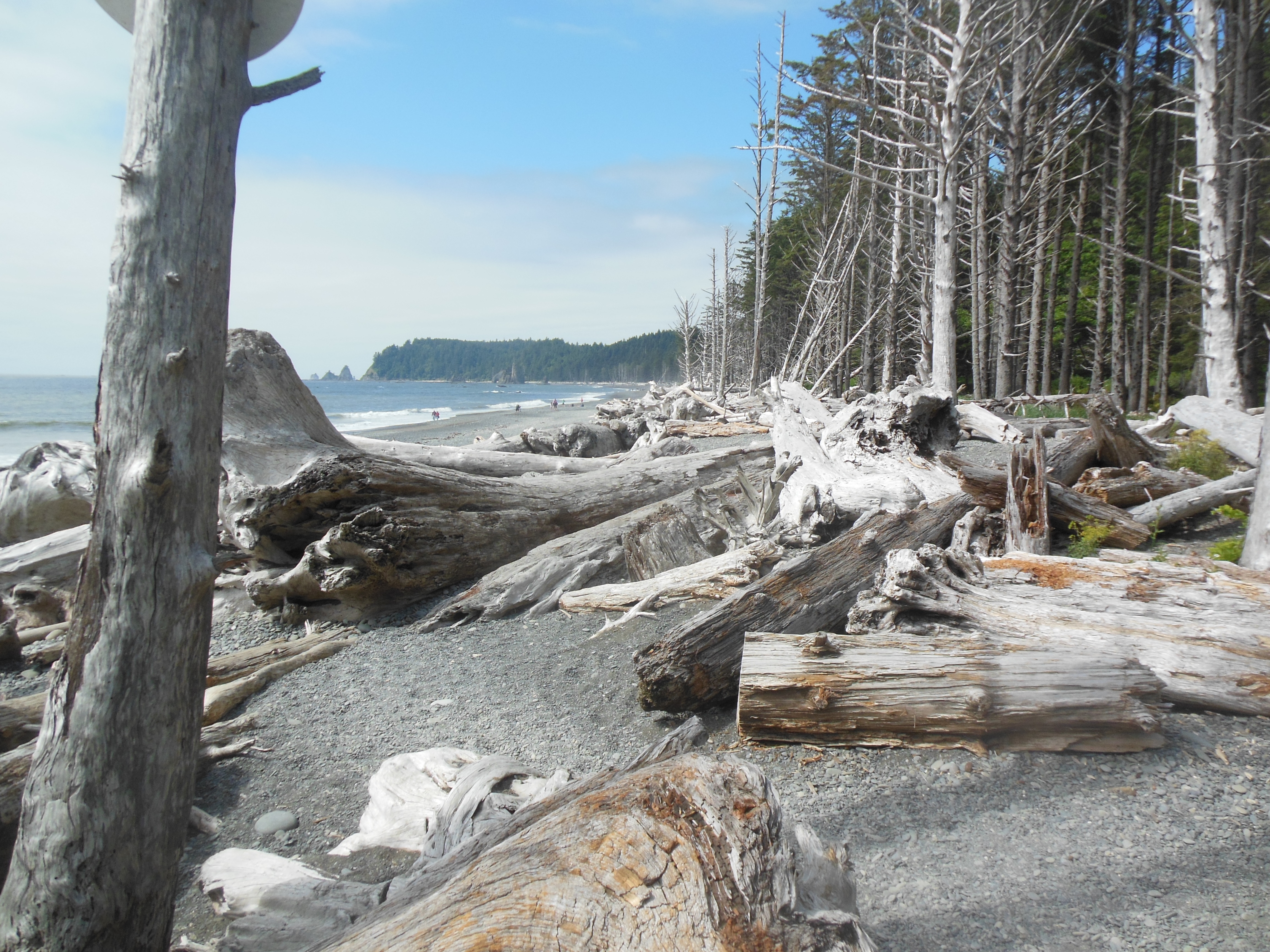
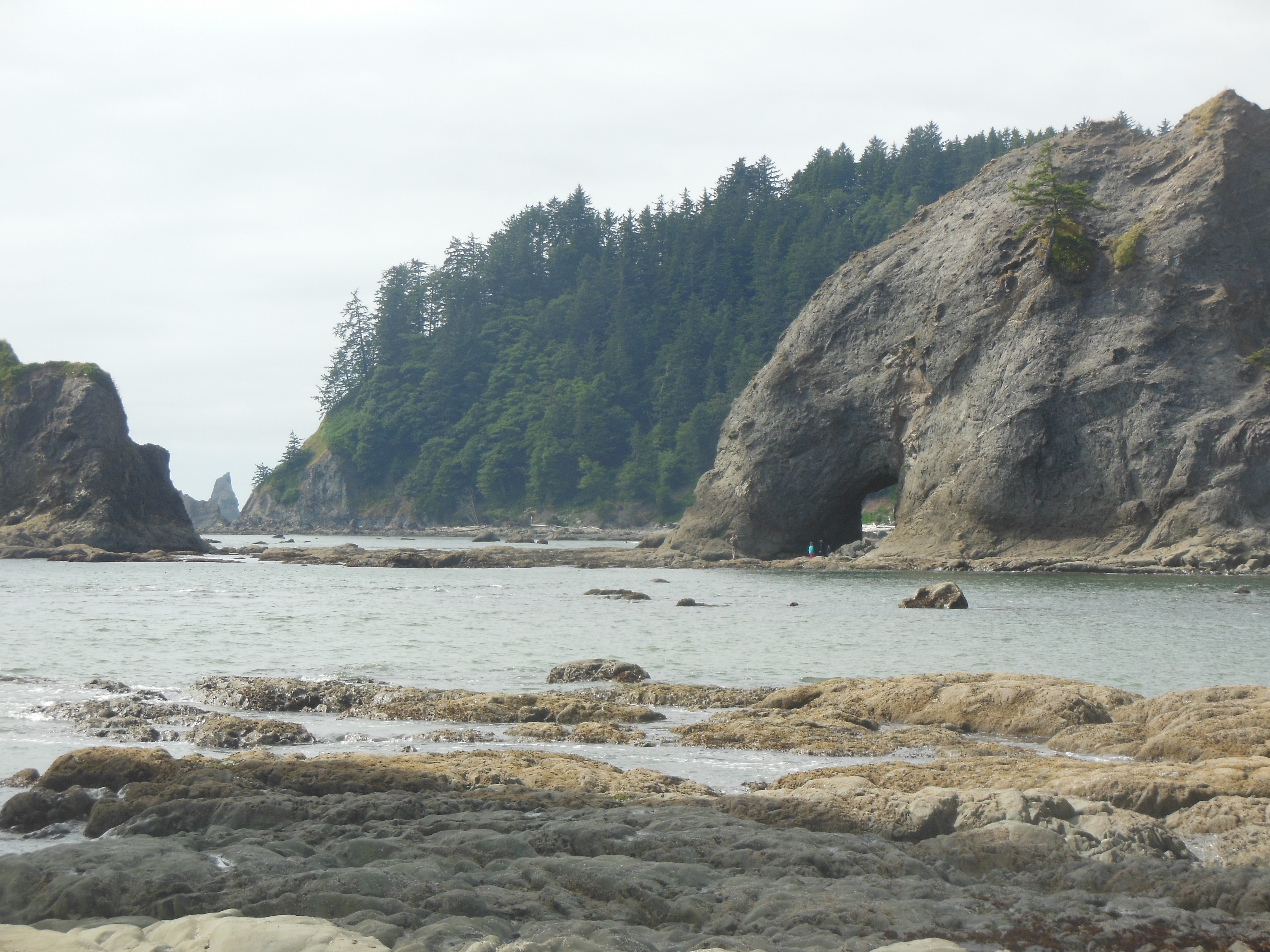
Our second beach was Rialto Beach. The tide was now starting to come in. We walked about 1.5 miles to a rock outcropping called Hole in the Wall and had to make sure we left enough time to get back to the trailhead before incoming tide cut off the path.

Rialto Beach

Rialto Beach

Rialto Beach

Rialto Beach

Besides the usual sea fowl like gulls and pelicans, we did observe two bald eagles. We have not seen seals or walruses; it is past the time when whales are migrating through the area.

Rialto Beach

Rialto Beach

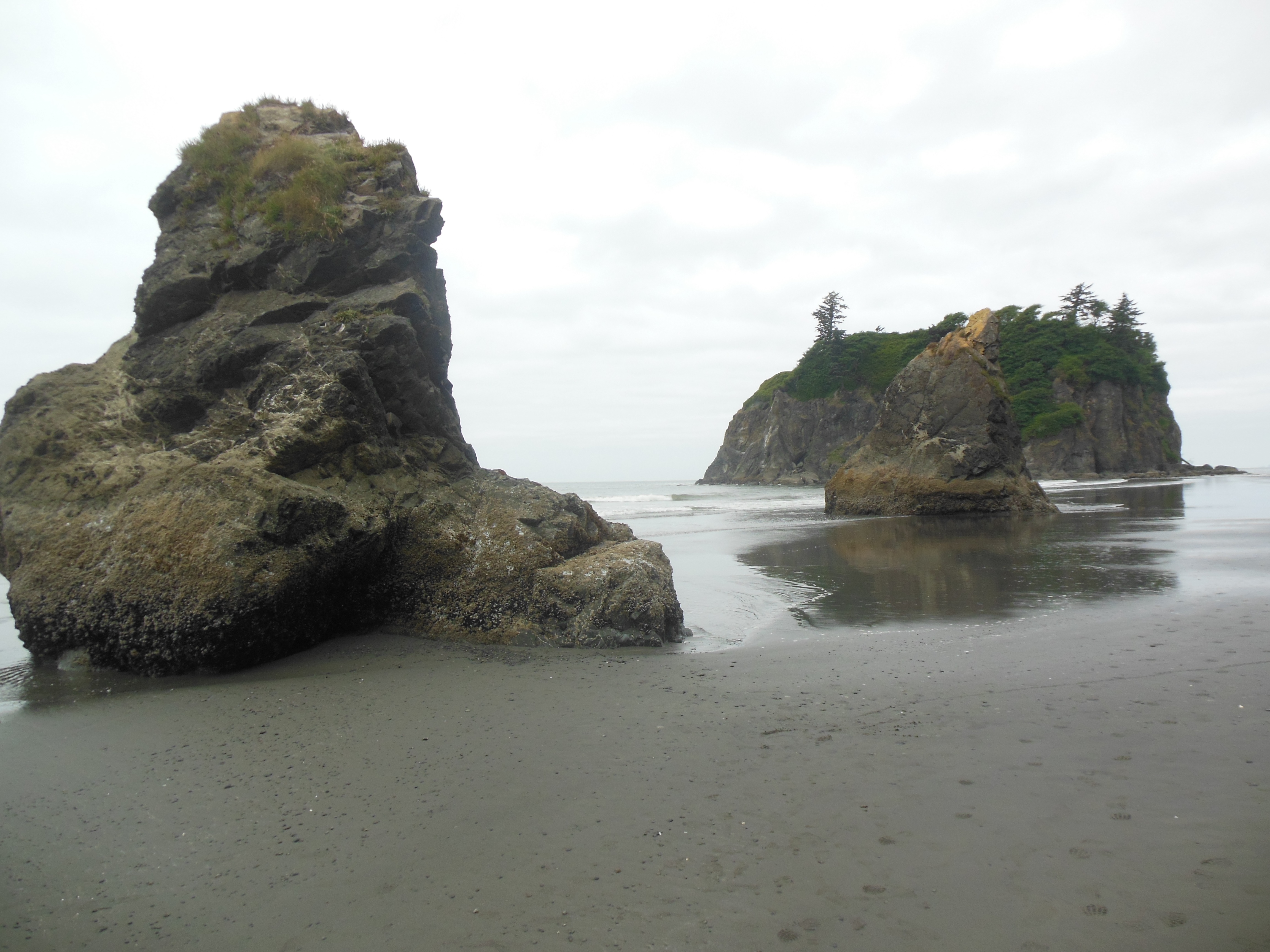
Both beaches have rock outcroppings in the ocean close to shore called sea stacks. These are remnants of rock formations of harder basalt rocks and have eroded more slowly than the surrounding features. We had observed these before along the Oregon coast a few years ago. The sea stacks make for nice photo opportunities. At this beach, there were more people and more camping activities than at Ruby Beach.

Twilight sign at restaurant

Twilight sign at restaurant

Our lodging for the next two nights is in the town of Forks. Unbeknownst to us, this town is the home of Stephanie Meyer’s Twilight book series about teenage vampires-or so I believe.

The town is 14 miles from the ocean on a broad prairie. Several signs in town, including the burger joint we ate at for dinner, allude to the vampire theme of the books and movies. I believe tours of places mentioned in the books are offered but we intend to pass on this unusual treat.

Tomorrow we plan to visit a temperate rain forest section of the park.

Ed Heimel and Chris Klejbuk July 18 10 pm

Categories: road trip, travel | Tags: , , , | Leave a comment

2013, Trip Six, The Northwest, July 17

Tacoma, Wednesday, July 17

Chihuly sculpture at courthouse

Chihuly sculpture at courthouse


It rained during the night with overcast skies this morning so we modified our plans a bit. Rather than going back to Point Defiance for an early morning walk, we made a run to Target and then headed to the Washington History Museum in downtown Tacoma.

at Washington History Museum

at Washington History Museum

We stopped in at the federal courthouse to view some more Chihuly sculptures hanging there before proceeding to the History Museum. The courthouse had been Union Station in a previous life. Tacoma’s history is heavily tied to the railroads, initially the Northern Pacific which ran from Duluth, MN to Tacoma. As the western rail terminus and connection to ocean shipping, Tacoma became a boom town quickly.

At Washington History Museum

At Washington History Museum

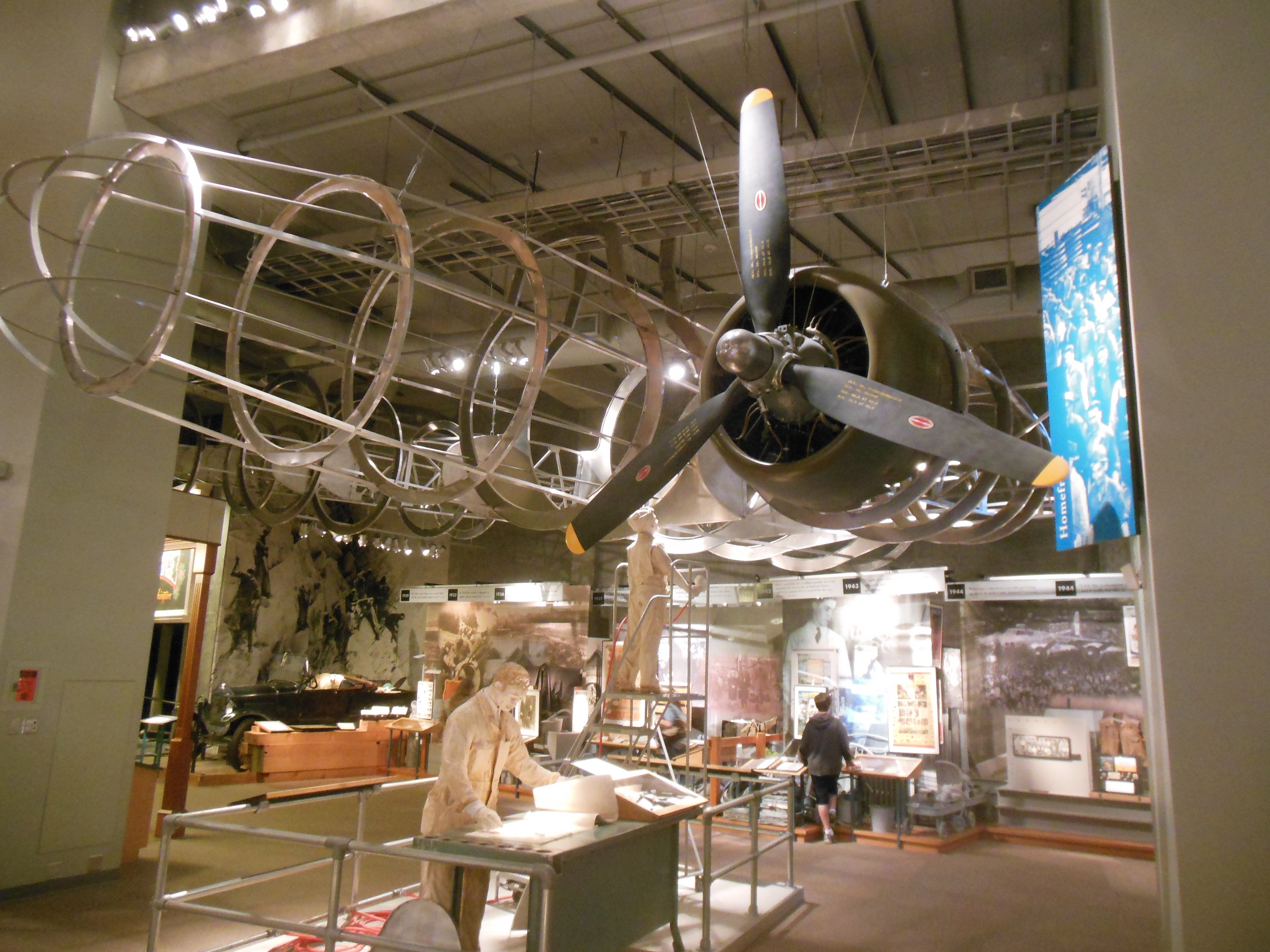
The History Museum does a nice job of covering state history. Displays covered such growth factors as lumbering, shipping, agriculture, and railroads. It made obvious mention of the role of Microsoft and Boeing.

The museum was blunt about discrimination and the labor strifes that occurred in the late 1800s and early 1900s. I paid less attention to the geological aspects, having seen this extensively in the last few months.

Caroline, Harold, Catherine, Pat and Chris. RIchard and Amelia were unable to be in the picture.

Caroline, Harold, Catherine, Pat and Chris. RIchard and Amelia were unable to be in the picture.

We returned to A Renaissance Cafe for lunch before heading back to our lodging. Dinner was with Pat and Harold at their daughter Catherine’s house in Seattle. It was great to recall memories of our times back in Carlisle and to be brought up-to-date on each other’s activities.

Thursday we leave for four nights in Olympic National Park.

Ed and Chris July 18 7 AM

Categories: road trip, travel | Tags: , | 1 Comment

Blog at WordPress.com.