road trip

2013 Trip Eight, Oct. 28, The Ozarks

Monday, Oct. 28, Mountain View, AR

South central Missouri was mostly a mystery to us this morning. We drove from Lake of the Ozarks to Mountain View Arkansas. The fog was heavy until about 11 AM, and intermittent for another hour thereafter. We were able to observe that one highway was named the Fox Trotting Highway and we drove by one livestock auction house. The fog caused us to vacillate back-and-forth about which driving option to use. We had planned to take a ferry in northern Arkansas. However, it would not be running if the fog was heavy.

Ferry departs without us

Ferry departs without us

The "ferry"

The “ferry”

As we approached the cut off where we would decide on the option to take, we decided to take a chance to go with the ferry. We arrived at the ferry landing about three minutes after it had departed. There is only one ferry (run by the AR Dept. of Transportation) going back-and-forth and the option to double back was not realistic. So we waited. By this point, the sun was out and made for a pleasant day.

As the ferry returned, we noticed that it was not so much a ferry as a barge pushed by a tugboat. The barge appeared capable of holding 6 to 8 vehicles.
We made it safely across Bull Shoals Lake. The lake was another long lake created by a dam on the White River in northern Arkansas.
image

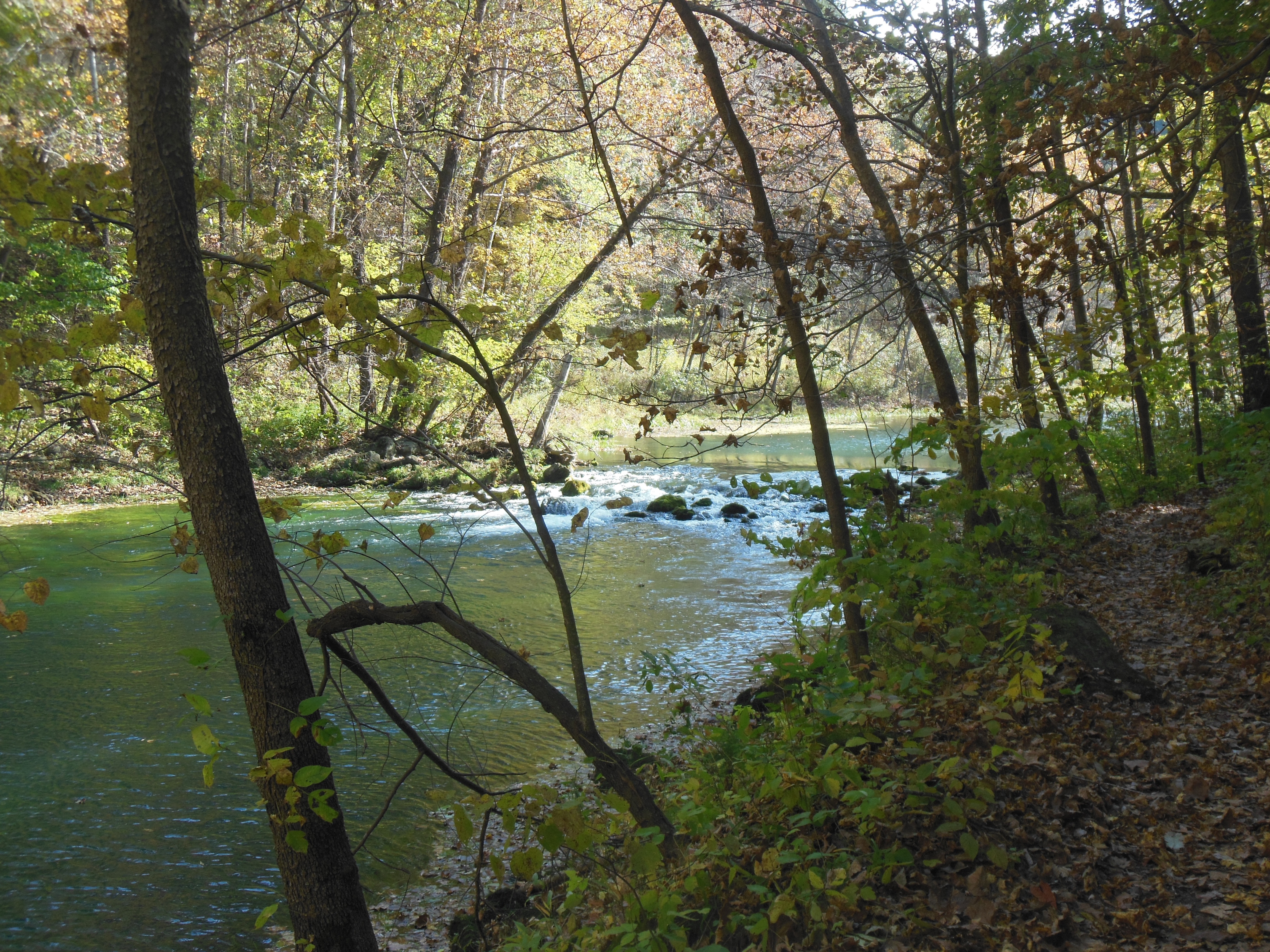
Hiking at Buffalo National River

Hiking at Buffalo National River

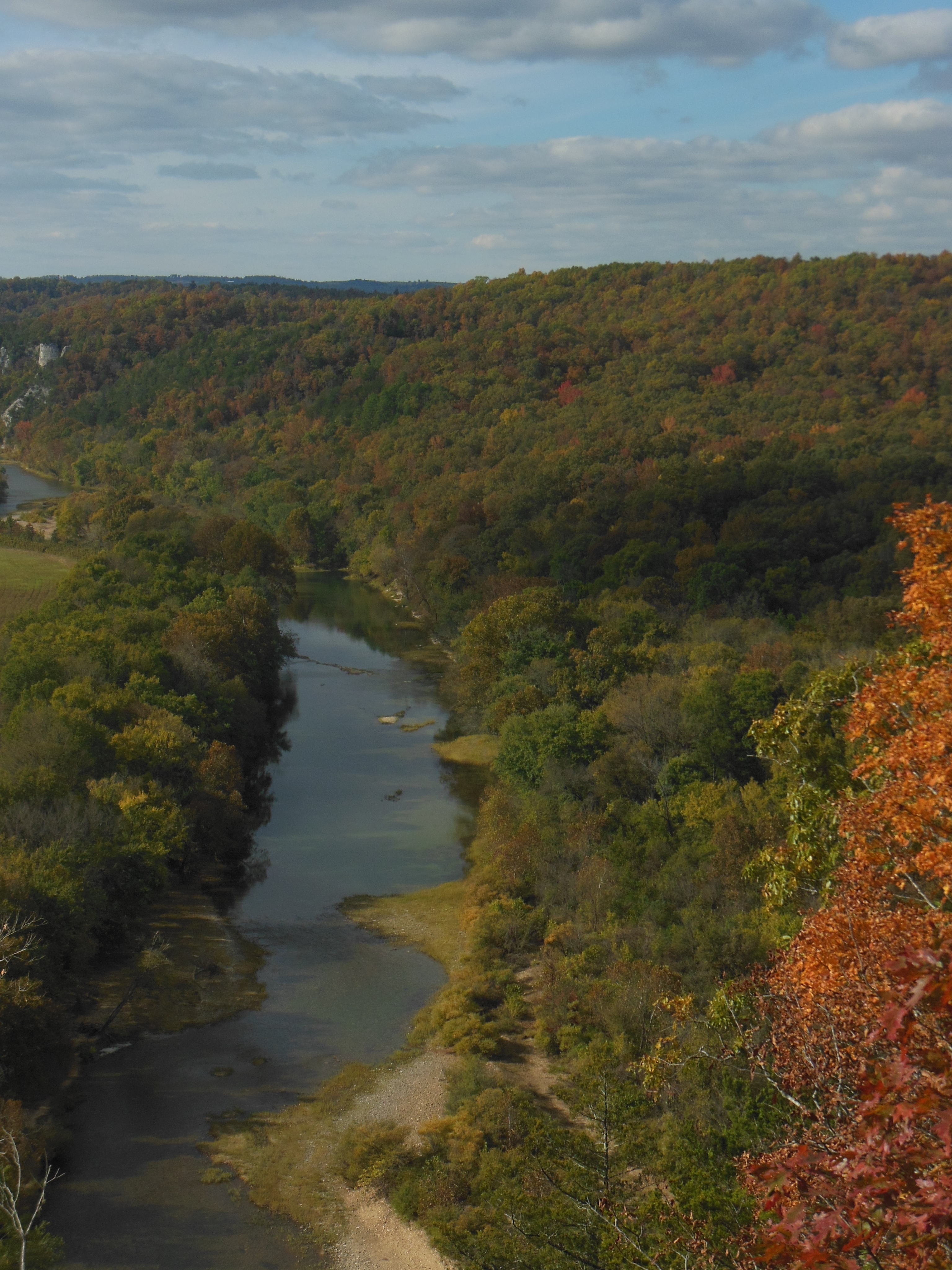
We drove through rolling hills in Northern Arkansas. The fall colors were better here than they were in Missouri. Our second stop was the second US river designated as a national river. The only two rivers are the New River in West Virginia (which we saw in April) and the Buffalo River in northern Arkansas. At the Buffalo National River, we hiked to two overlooks. Canoeing was not an option. Now that we have seen the Buffalo, we have visited both of them.

Our drive to Mountain View occurred almost exclusively on two lane, curvy roads. Looking for something to eat, we stopped at Leslie, Arkansas. Motto: one of the best kept secrets in Arkansas. I think there is a good reason it is a best-kept secret. But the shopkeeper at the store we visited was extremely pleasant and informative. He helped us understand why all the restaurants in town were closed at the moment–it is Monday, they are only open for lunch, etc.

Driving a back road at Buffalo River

Driving a back road at Buffalo River

Our lodging is at the Ozark Folk Culture State Park. Tomorrow we will visit the arts and crafts village here and go to the Blanchard Springs Caverns run by the Forest Service. The caverns were on our plans for today but the weather was decent today and likely to be raining tomorrow so hiking seemed better than caverns today.
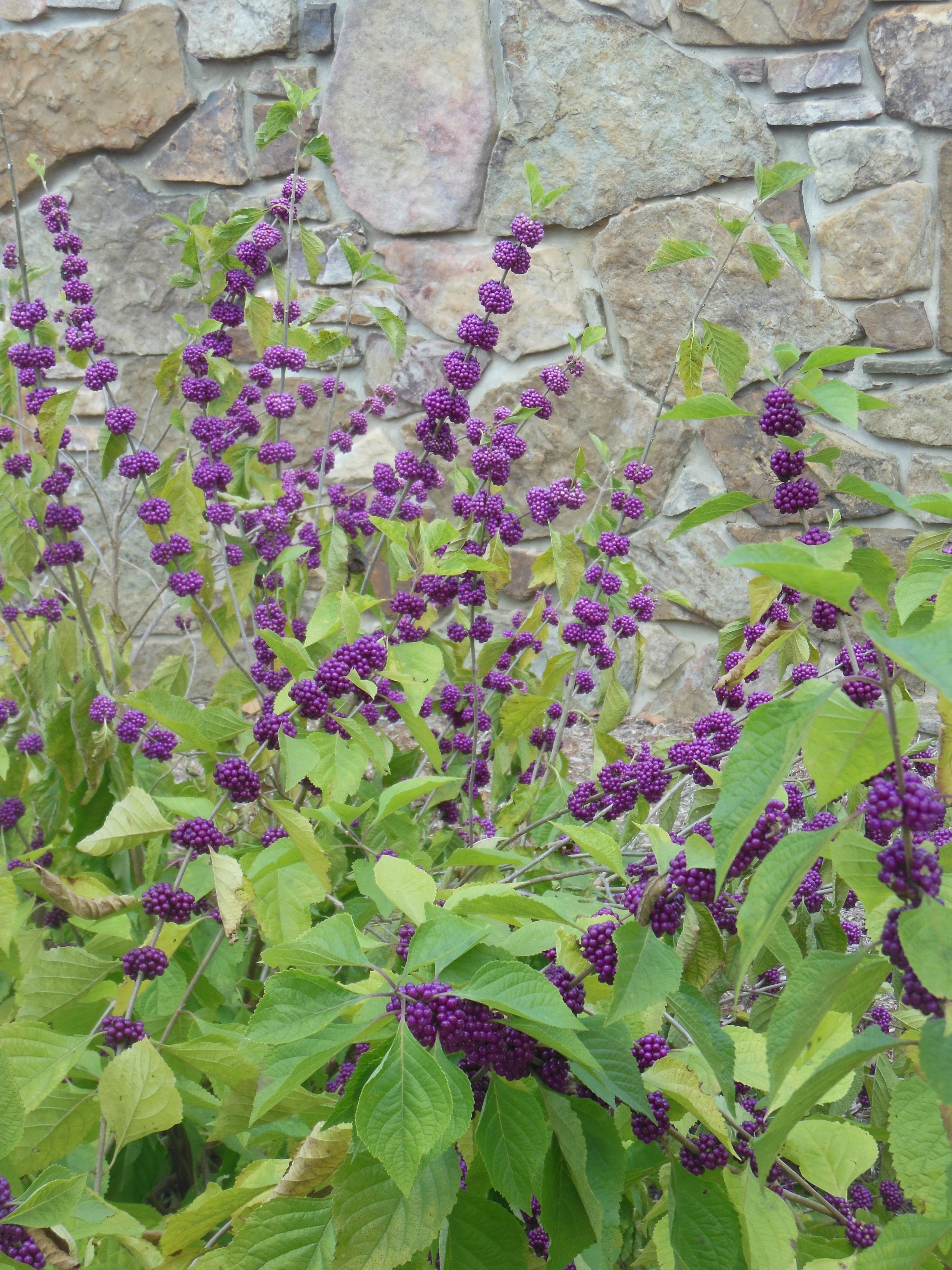
Beauty berries in the Ozarks

Beauty berries in the Ozarks

Dinner at the restaurant at the park was local food: ham and beans, chicken and dumplings, blueberry cobbler, turnip greens, fried okra and cornbread for $21.

Not real exciting but some days are like that.

Ed and Chris Oct. 28 9 pm

Categories: road trip, travel | Tags: , | Leave a comment

2013 Trip Eight, Oct 27, The Ozarks

Sunrise Beach, Oct.27th, Sunday

Early morning mist on Lake of the Ozarks

Early morning mist on Lake of the Ozarks

Another gorgeous fall day. We are enjoying it while we can. The middle of the week will probably have rain and thunderstorms.

Lake of the Ozarks State Park

Lake of the Ozarks State Park

Lake of the Ozarks State Park

Lake of the Ozarks State Park

It is Sunday. So we took things a little slower. After sleeping in a bit, we went to Lake of the Ozarks State Park. It takes about 45 minutes to get there, a little farther than Ha Ha Tonka. We spent about three hours hiking. There was not as much elevation gain as Saturday. The trails were just as rocky and challenging. There were noticeably fewer people hiking than on Saturday.

Lake of the Ozarks state park

Lake of the Ozarks state park

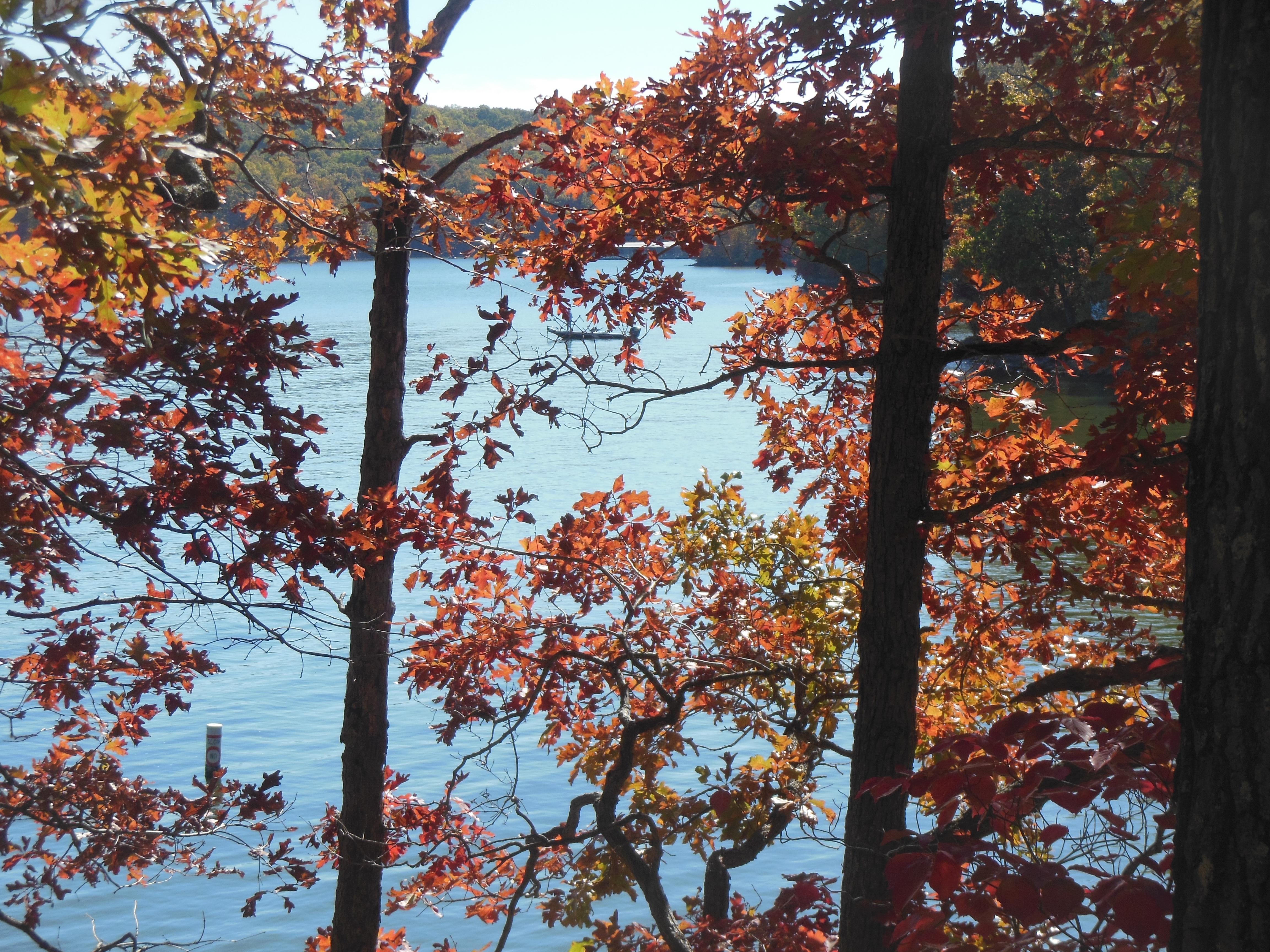
Boaters were on the lake enjoying the fall weather, boating and fishing. Other then a little hiking, there is not much else to do in the area. We are spending the balance of the afternoon enjoying the sun’s rays and the warm temperatures. Sunset will be in less than an hour. So while we enjoyed our time, we aren’t upset about packing up and leaving on Monday.

Relaxing at Sunset Inn Resort

Relaxing at Sunset Inn Resort

Sunset at the resort

Sunset at the resort

Sunset at the resort

Sunset at the resort

Ed and Chris Oct 27 8 pm

Categories: road trip, travel | Tags: | Leave a comment

2013 Trip Eight, Oct. 26, The Ozarks

Sunrise Beach, MO Oct 26

Morning view of Oct. 26

Morning view of Oct. 26

This was just a gorgeous fall day. Sunny skies. Temperatures in the 50s and 60s. The fall leaf colors are still muted. They are changing but it does not appear this fall will be a glorious leaf color year.

Cliffs of Ha Ha Tonka State Park

Cliffs of Ha Ha Tonka State Park

We spent most of the day at a Missouri State Park called Ha Ha Tonka. The name stands for laughing waters. This park has a natural bridge, a 500 foot long and 300 foot wide sinkhole, lake side cliffs of 250 feet, and a spring discharging 48,000,000 gallons of water per day. We hiked by, around, up, down, and over all the above.

Boulder Ridge trail

Boulder Ridge trail

The Spring-source of 48,000,000 gallons of water

The Spring-source of 48,000,000 gallons of water

Along the Island Trail

Along the Island Trail

We stumbled and bumbled along Boulder Ridge Trail. Aptly named, the uneven trail is full of stones, boulders, and exposed tree roots. The Island Trail circled a small island and passed by a rock neatly balanced on one edge. The Spring Trail took us to the visible source of the 48 million gallon discharge of clear, fast flowing water. The Colosseum (their spelling) Trail took us down into the center of the sinkhole and then up and around the surrounding bluffs.

Castle ruins

Castle ruins


Castle ruins

Castle ruins


Oh, and the castle ruins. A wealthy Kansas City man acquired 5000 acres and began construction of a castle like home. His death in 1905, one of the state’s first automobile deaths, delayed the completion of the home by his sons until the 1920s. Unfortunately, a fire in 1942 destroyed the interior of the building, leaving only the stone walls standing. We hiked around the castle ruins, by the water tower and carriage house, both gutted also.

Mothers' Shrine

Mothers’ Shrine

Before church we visited the Mother’s Shrine, an outdoor amphitheater established by the local Catholic Church to seat 6,000 people for Mass during the summer months. They have erected a statue, fountains, and plaques honoring all mothers. It did not take long to see but since it was attached to the church, we made the effort to visit it.

We had asked a woman greeting people at church for dinner recommendations. We took her advice and went to the “Chances R” restaurant. It had all the ambience of a VFW hall, complete with a bar area that allowed smoking and the same level of high quality furniture. But the food was great and the prices very reasonable. Judging by the banter between the customers and the servers, all of the locals go here. One of the beverage options was buttermilk, my Dad would have loved it. We did not see a wine list, sorry Kathy.

So, a full day. Tomorrow is forecast to be equally pleasant.

Ha Ha Tonka bluffs with castle ruins at very top

Ha Ha Tonka bluffs with castle ruins at very top


View during hike

View during hike

Ed and Chris Oct 26 9:30 pm
Categories: road trip, travel | Tags: | Leave a comment

2013 Trip Eight, Oct. 25, The Ozarks

Sunrise Beach, MO Friday October 25

Lake of the Ozarks was created by the construction of a dam and hydro power plant on the Osage River in 1931. With over 1100 miles of shoreline, the dam created one of the largest man-made lakes. The “lake” is narrow, curvy and has many inlets and coves, creating the long shoreline. On a summer weekend, it is estimated that there are 60,000 boats and personal watercraft on the lake over a holiday weekend.

Well, we came here in late fall. There are only a few boats on the lake that we can see. But with the trees, hills, and long man-made lake, it is easy to see why this would be a popular place in the summer. We will spend three nights here, probably hiking in state parks most of the days.

Daniel Boone home

Daniel Boone home

Lake of the Ozarks is not far from St. Louis. We made three stops on our journey here today. The first location was the Daniel Boone home. This was his home later in life and where he died (in 1820). Those of you who know your history will remember that he was born in PA, came from North Caroline over the Cumberland Gap into Kentucky and Tennessee before moving even further west. The historic site is owned by Lindenwood University. They manage it and have brought in about two dozen other historic homes to present a village of that time period.

The Missouri River at Herman

The Missouri River at Herman

Our second stop was the town of Hermann. To reach it, and the Daniel Boone site, we drove along Missouri Highway 94. This narrow two lane road parallels the Missouri River through bluffs and river bottomland. Vineyards and wineries dot the bluffs.

German immigrants settled this area. They came from Germany seeking freedom and chance to own their own land. Germany at that time was governed by numerous small fiefdoms and life was rigidly control. Hermann was a center for the Germans and still reflects much of that heritage, although that heritage seems likely to be replaced by winery tours. German food is now only served in a few restaurants.

Missouri State Capital in Jefferson City

Missouri State Capital in Jefferson City

Our third stop was the state capital in Jefferson City Missouri. We took a guided tour of the building. When the capital was built, they mandated that a portion of the building include a history museum. We found the museum quite enlightening. For instance, we did not know that Missouri was a major lead mining state. The section of the museum regarding the Civil War was also illuminating. The state of Missouri itself resembled a little Civil War. Secessionists and unionists contended for control the state. Missouri had been a slave state and bloody skirmishes over the Kansas-Missouri border began a decade prior to the Civil War.

A portion of Thomas Hart Benton mural in the State Capital

A portion of Thomas Hart Benton mural in the State Capital

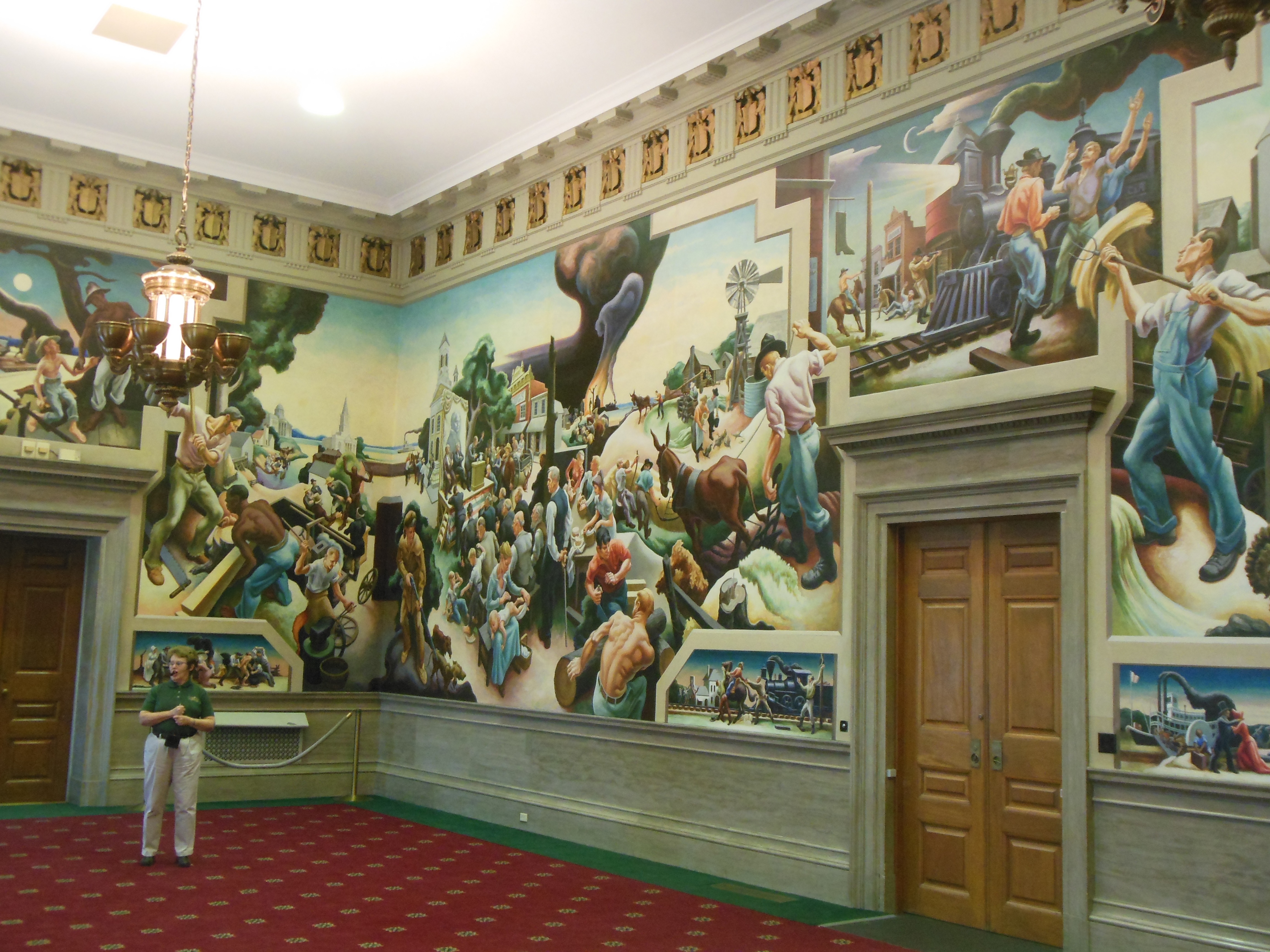
One room in the Capitol was particularly dramatic. Murals on all four walls had been painted in the 1930s. The murals reflected the social history of Missouri. They were created by Thomas Hart Benton. The murals alone are a Missouri history lesson, the good and the bad.

The drive from Jefferson City to Lake of the Ozarks was quick. We had hoped for a dramatic photo opportunity. The location we chose was a scenic overlook by the dam creating the lake. However, electric power lines made the photo less than desirable.

We are staying at a family owned resort in Sunrise Beach. The resort is called Sunset Inn. The town of Sunrise Beach is primarily located on the west side of the lake, thus sunrises are more prevalent. Sunset Inn is on the east side of the lake and thus are sunsets more prevalent. The inn will be closing for the season in a few days, it is fairly quiet here now.

image

Sunset from Sunset Inn

Sunset from Sunset Inn

Ed and Chris Oct 25 10:30 pm

Categories: road trip, travel | Tags: , , , , | Leave a comment

2013 Adventure, Trip Eight, Oct. 24, The Ozarks

October 24, St. Louis

Chris and I may have to change our opinion of Herbert Hoover. How is that for a catchy phrase to begin this post?

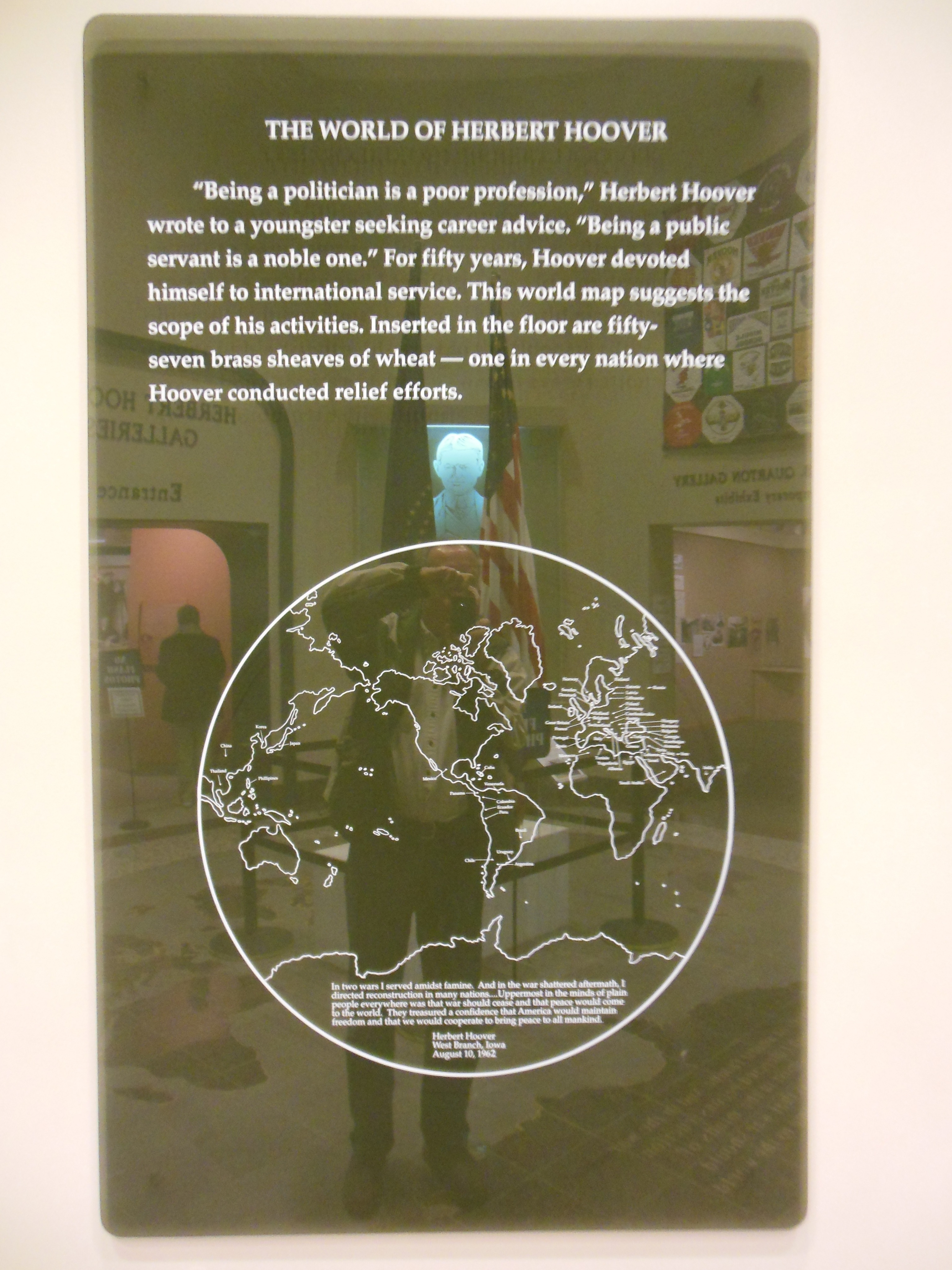
Some people think our extensive trip planning means we cannot be spontaneous. Far from it. Discipline leads to creativity and exploration. Today we canceled our plans to visit the Mark Twain Museum in Hannibal Missouri in favor of visiting the Herbert Hoover National Historic Site and Presidential Library in West Branch Iowa. We spent two hours learning about Pres. Hoover and could have stayed longer. We don’t intend to write his biography today, but to give several salient points that we had forgotten, and which have been overshadowed by his connection with the Great Depression.

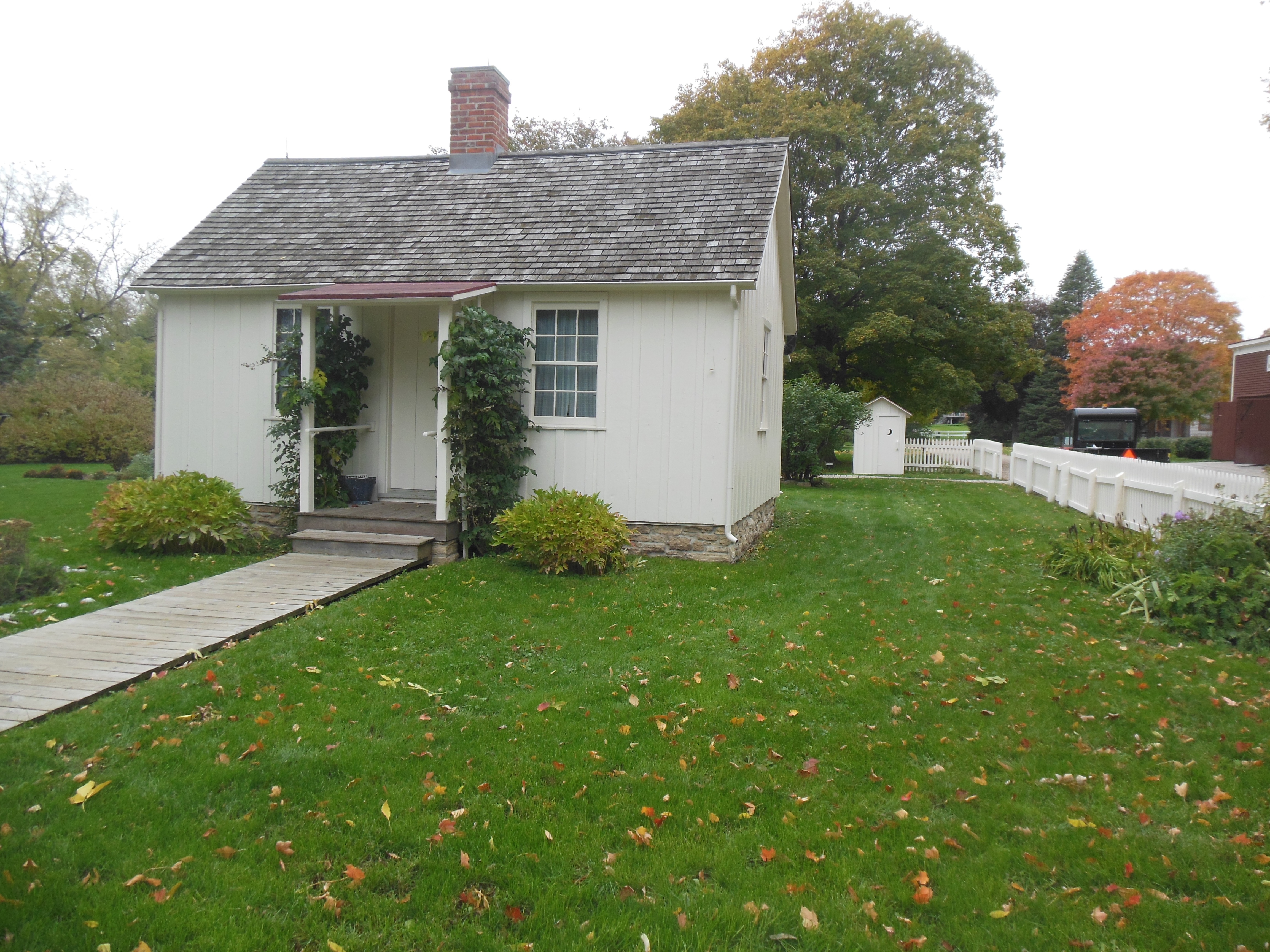
We visited the two room cottage where Hoover was born in 1874. He was raised in the Quaker faith. By age 11, he was an orphan and sent to live with relatives in Oregon. He graduated from Stanford University, as a member of its inaugural class begun in 1891. At Stanford, he met his wife Lou, the first female geology graduate at Stanford and the only female geology major for the next 20 years. She has her own record of amazing contributions.

Hoover birthplace

Hoover birthplace

Hoover became a mining engineer and executive and amassed a fortune through his abilities and hard work. For our purposes, his accomplishments really began after this point. For instance:
a. At the beginning of World War I, he organized a relief effort to bring stranded Americans back home from Europe when all travel was impossible.
b. After the First World War, he was chairman of the American Relief Administration which fed hundreds of millions of people in European countries.
c. During WWI, he was responsible for the relief of starving Belgians.
d. As Secretary of Commerce for seven years, he made major changes in radio broadcasting, drove successful efforts to increase home ownership, instituted improvements to the census, forged an agreement about how to allocate water rights that led to the building of the Boulder (later Hoover) Dam, and provided personal oversight for massive relief efforts after a record flood in the lower Mississippi River in 1927.
e. As President, he instituted numerous improvements in the administrative activities of the US government.
f. Truman called upon Hoover again after the ending of WWII to organize relief efforts in Europe.
g. Chaired two Hoover Commissions, one under Truman and one under Eisenhower, to restructure the U.S. government and eliminate waste and inefficiency.

plaque commemorating Hoover's relief work

plaque commemorating Hoover’s relief work

Of course the Library-Museum is focused on Hoover and the accomplishments he and Lou made during their years. Even so, the depth and breath of their activities is amazing and inspiring. So, next time you are driving through east central Iowa, stop in West Branch. By the end of this Trip Eight, we will have visited three presidential libraries, planning to see the Clinton Library in Little Rock, and the Truman Library in Independence, MO. Hopefully they will be as enlightening as Hoover’s.

West Branch was only a half hour drive from Cedar Rapids where we had spent the previous evening. The rest of our day after the Hoover National Historic Site was spent in driving to St. Louis. We drove by Hannibal, but did not stop there. We began to see increased fall colors as we started moving south through Missouri.

Our evening dinner in St. Louis was spent with Bob and Bonnie Wendt. Ed met Bob through work and appreciated the opportunity to catch up. We had a delightful time and will need to schedule another opportunity to continue our conversations about travel.

Ed and Chris Oct. 24 10 pm

Categories: road trip, travel | Tags: , | 3 Comments

2013 Adventure, Trip Eight, The Ozarks, Oct.23

Wednesday, Oct. 23 Cedar Rapids, IA

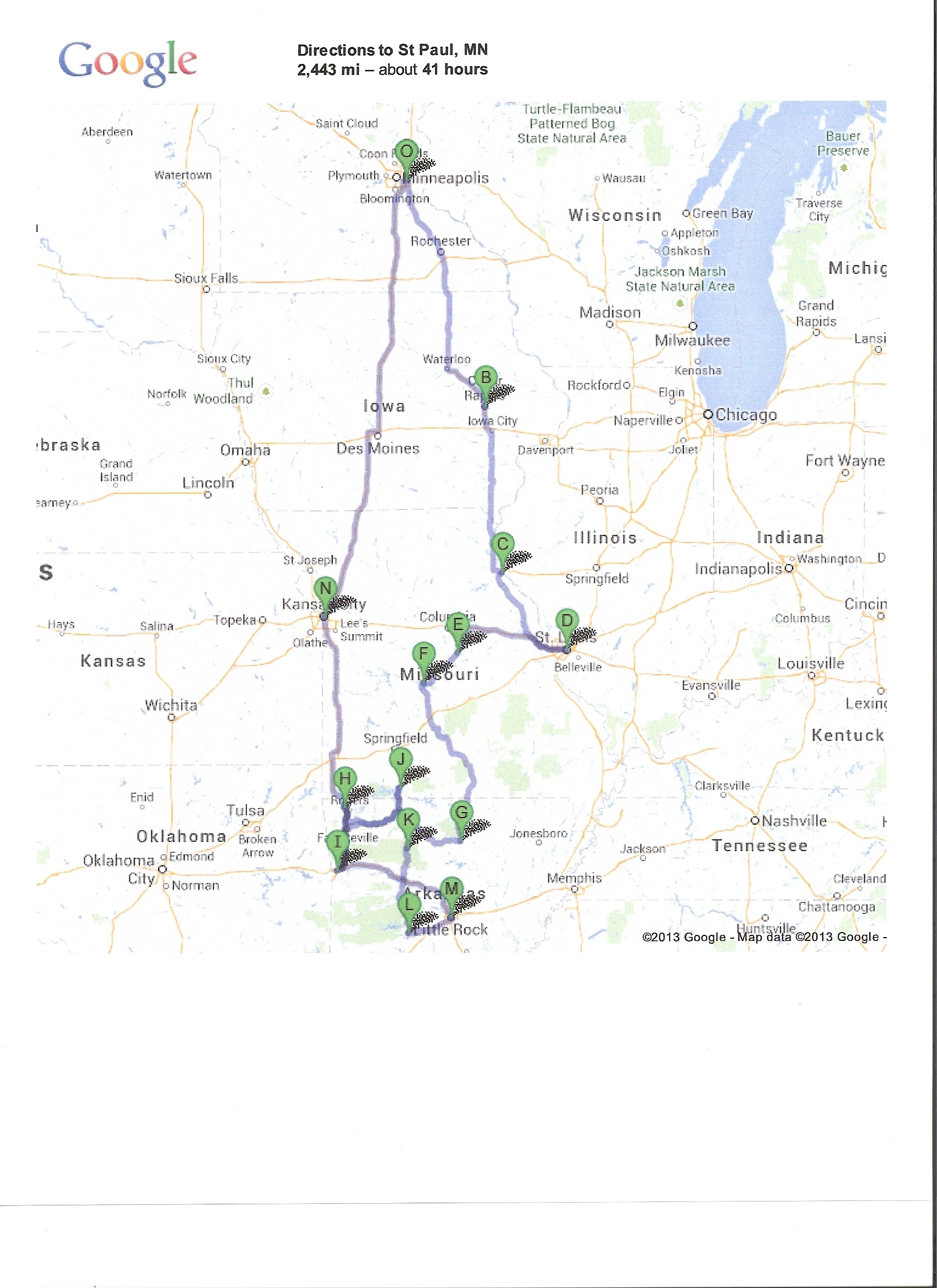
The Ozarks Trip map

The Ozarks Trip map

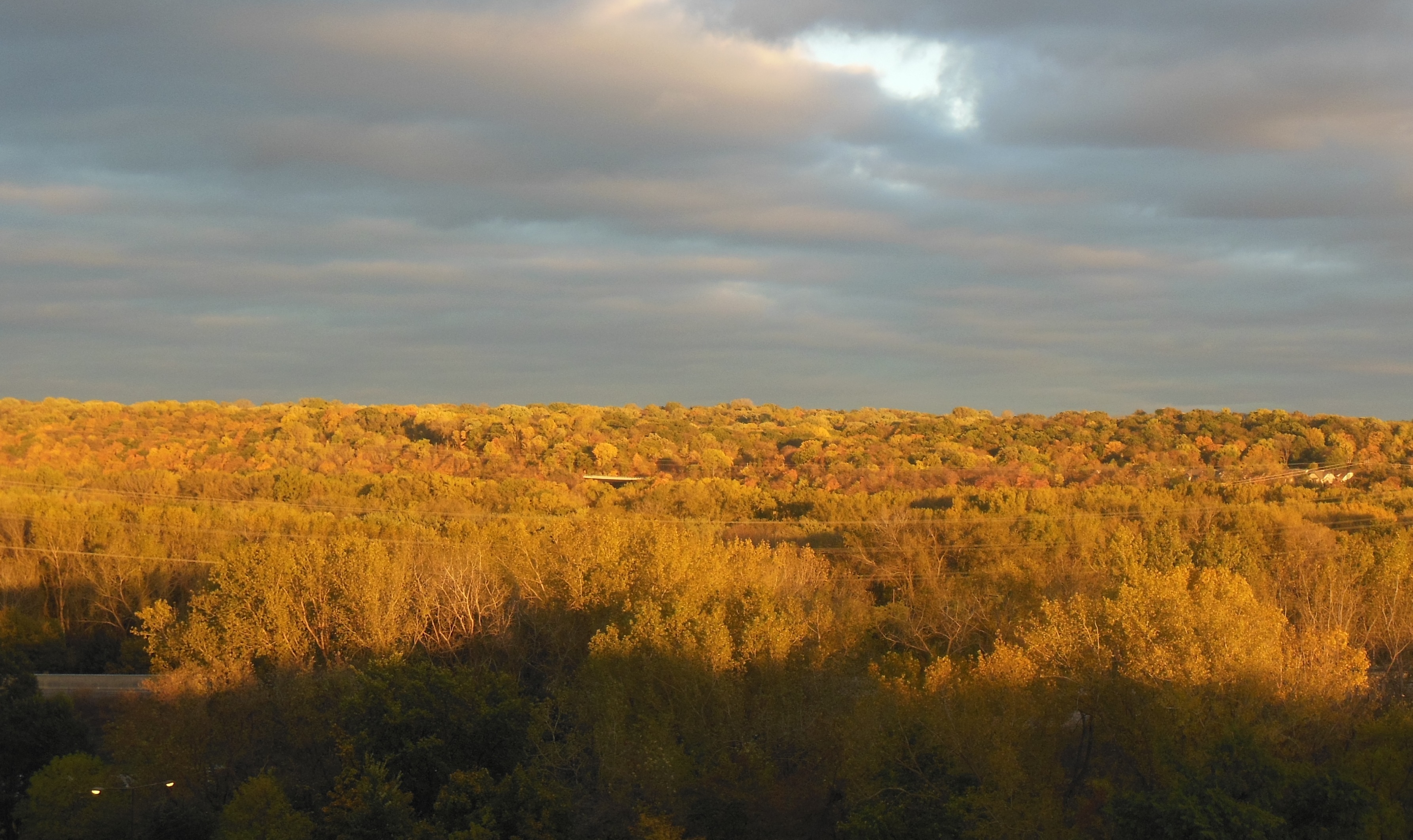
St. Paul fall colors a day or two before we left on Trip Eight.

St. Paul fall colors a day or two before we left on Trip Eight.


We left St. Paul under cloudy skies and the temps in the 30s. We traveled through the Midwest farm breadbasket as we drove to Cedar Rapids Iowa. There were periods of sleet, hail, and the weather finished up with rain in Cedar Rapids. But, we also lucked out weather-wise. While this was a travel day, we were able to squeeze in some exploration and local education. For those experiences, the weather was reasonable enough.

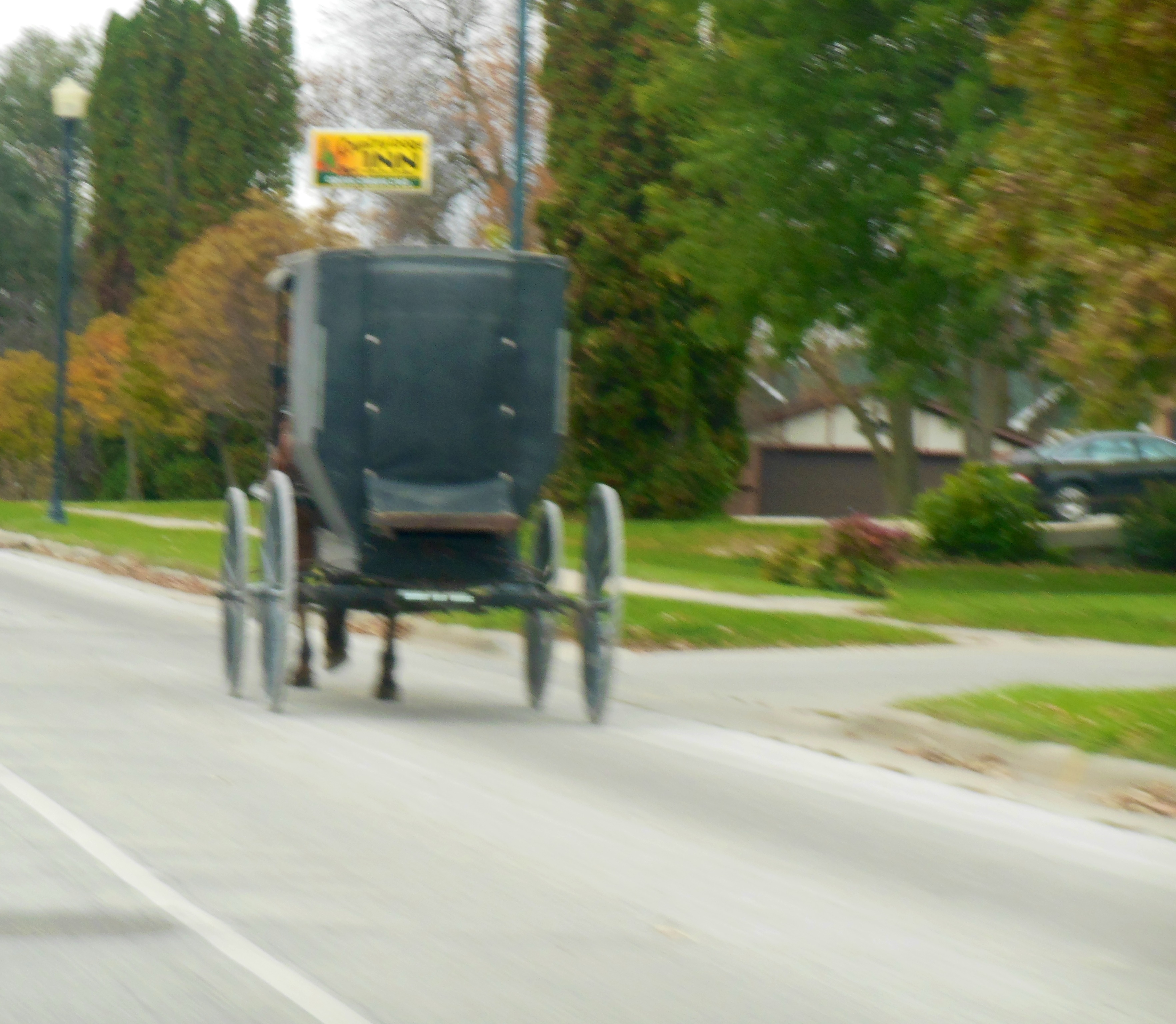
As we drove through southeastern Minnesota, we experienced a small Amish farming area.

Horse and buggy in SE MN

Horse and buggy in SE MN

This trip was not designed to see fall colors. However, we expect to experience fall leaf colors at least some of the time. The Twin Cities still had some color in the trees. As we drove south, the trees became grayer and had fewer leaves on the trees. Evidently, the Twin Cities are a slight anomaly. As we go yet further south, we expect to pick up on fall colors again.

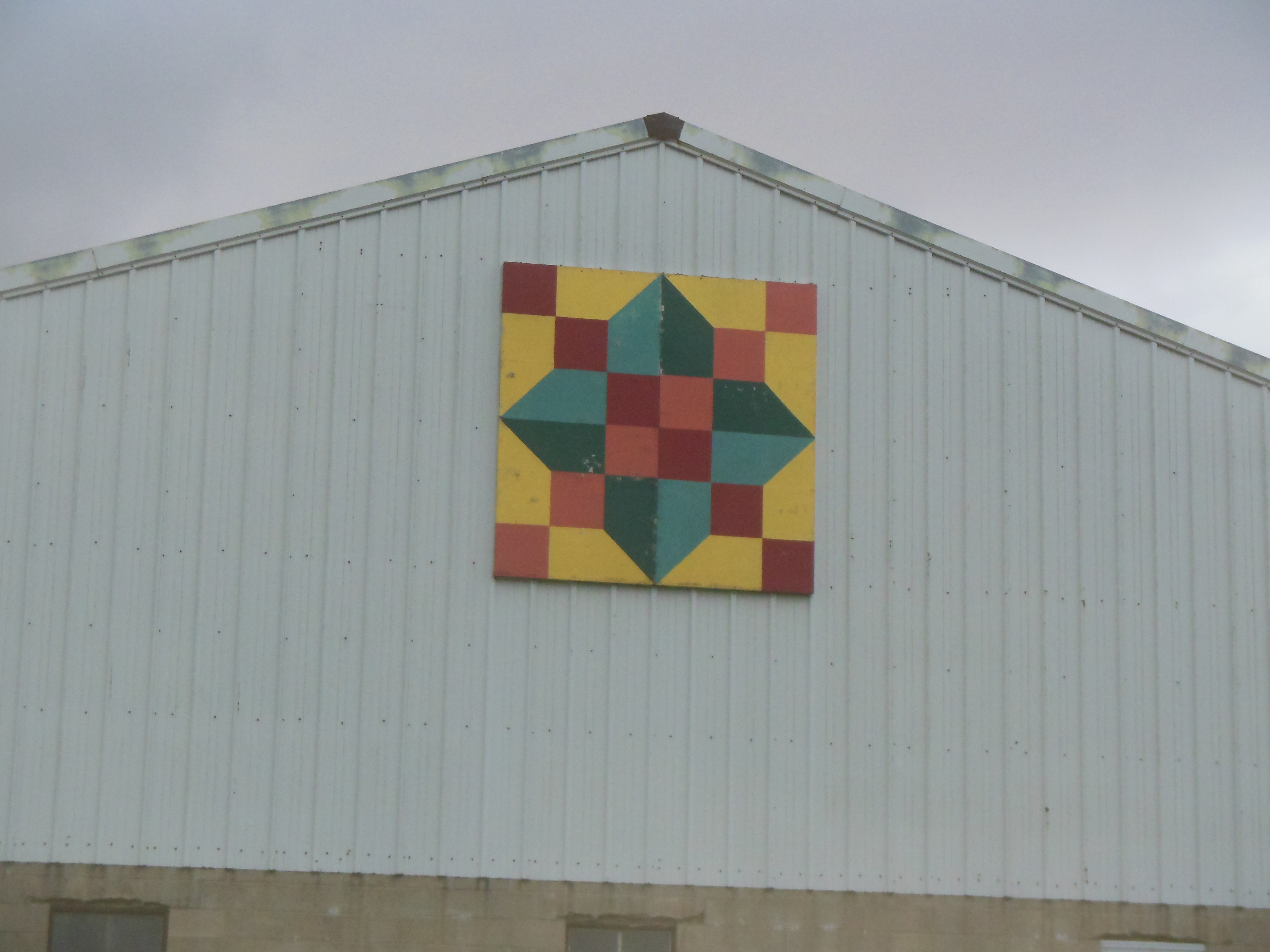
There is no direct, easy interstate route to St. Louis from St. Paul. As we journeyed on back roads, we experienced numerous farm tractors and equipment on the shoulders of the two lane roads. Most of the modern farm buildings on either side of the border had PA Dutch like decorations. We passed through numerous small towns where the speed drops to 25 to 30 mph. It made for a slower but enjoyable drive.

Typical decoration on farm buildings

Typical decoration on farm buildings


We stopped in Spillville Iowa. This is the home of the Bily clocks and Antonin Dvorak Museum. Spillville is a Czechoslovakian immigrant town. Population 367 people. The Czech composer Antonin Dvorak spent the summer of 1893 in Spillville. His assistant had relatives here and Dvorak enjoyed the Czech flavor of the area and the rural nature as compared to New York City. He made corrections to his new world symphony and created two other works while here. He got up for walks at 4 AM and played the organ at the 7 AM church mass.

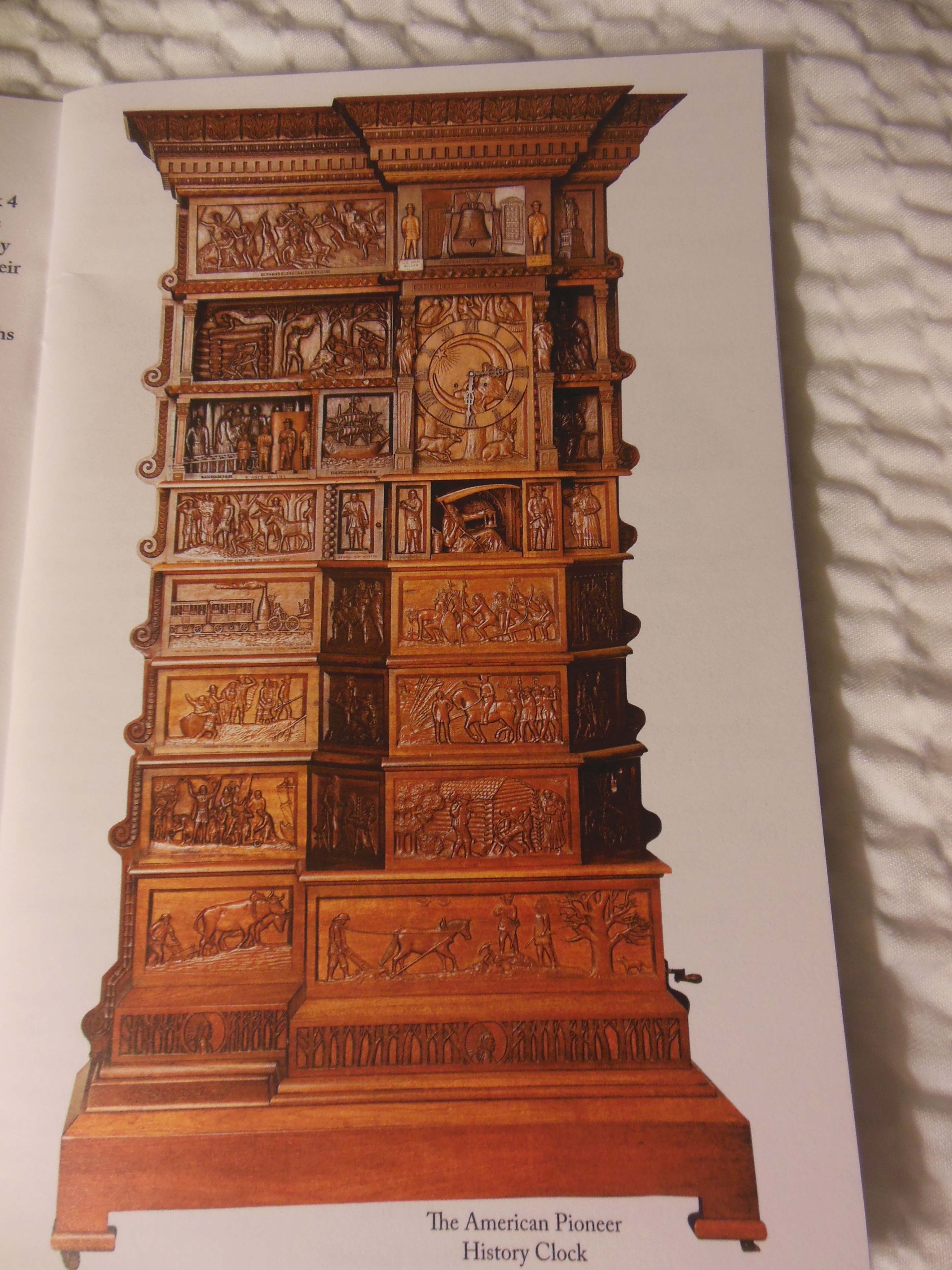
Frank and Joseph Bily made hand crafted clocks. This was their hobby during the winter while they farmed during the rest of the year. The clocks are dramatic with intricate carvings. They also made the timing mechanisms. The brothers had a fifth grade education. None of the clocks were ever sold or given away. Henry Ford in 1928 offered $1 million for one of their clocks. This clock, called the American pioneer history clock, was not sold to Henry Ford. They turned him down.

The two brothers had two siblings. None of the four ever married or moved from the area. Frank and Joseph never traveled farther than 35 miles from Spillville. When their mother died, they moved into town from the farm and remained there till they died, bachelors, in 1964 and 1965 in their 80s. The brothers made arrangements that the entire collection of clocks would remain in Spillville in the home Dvorak had summered in.

You’re not allowed to take pictures inside the Museum of the clocks. The pictures we include are photographs from the Bily clock book sold by the museum. They do not do justice to the intricate carvings but were the best we could provide you as an illustration.

The $1,000,000 clock

The $1,000,000 clock

Bily clocks

Bily clocks

The brothers carved a few other items. One was a reproduction of the smallest church in the US. This 10 by 12 foot church is south of Spillville and we stopped there later. We were not able to get inside and see the four pews in the church. The maximum seating capacity is eight people.

Smallest church in America.

Smallest church in America.

While in Spillville, we also stopped at St. Wenceslaus Catholic Church. It was built in 1860. The Czech community built the church while the Germans in the area built another one a mile south of town. St. Wenceslaus is reputed to be the oldest surviving Czech Catholic Church in America.

St. Wenceslaus Church

St. Wenceslaus Church

Continuing our Czech theme, we had dinner at the Blue Toad in Cedar Rapids. The Blue Toad serves Czech food and is located in the Czech Village area of Cedar Rapids.

Tomorrow we drive to St. Louis by way of Hannibal Missouri and visit the Mark Twain Museum.

Ed and Chris 10:30 pm Oct 23.

Categories: road trip, travel | Tags: , , , | 2 Comments

2013 Trip Seven, September 12, The Sarahs’ Wedding and the UP

Thursday, September 11, 2013
Back in St. Paul, MN

All good things come to an end and so it has been with Trip Seven. The weather cooperated with alternating sun and clouds as we left the shores of Lake Superior and Keweenaw Peninsula and drove through the Porcupine Mountains of Michigan, through back roads of Wisconsin and arrived back in St. Paul at day’s end. But I am typing this as I watch the glorious sun rise in the east over the Mississippi River valley. This must be a portend of a great six weeks here at home before we leave on Trip Eight in late October.

Lake of the Clouds, Porcupine Mountain Wilderness area

Lake of the Clouds, Porcupine Mountain Wilderness area

The Porcupine Mountains, or Porkies, are not western style mountains but rise just under 2,000 feet. At the western end of the UP, they were an appropriate finish to our visit there.

We stopped at Lake of the Clouds scenic area at the eastern end of the Porkies where the rise in elevation provides a view of a long, shallow lake in the mountains. Leaves have not yet attained their fall colors but the scenery is striking none the less.

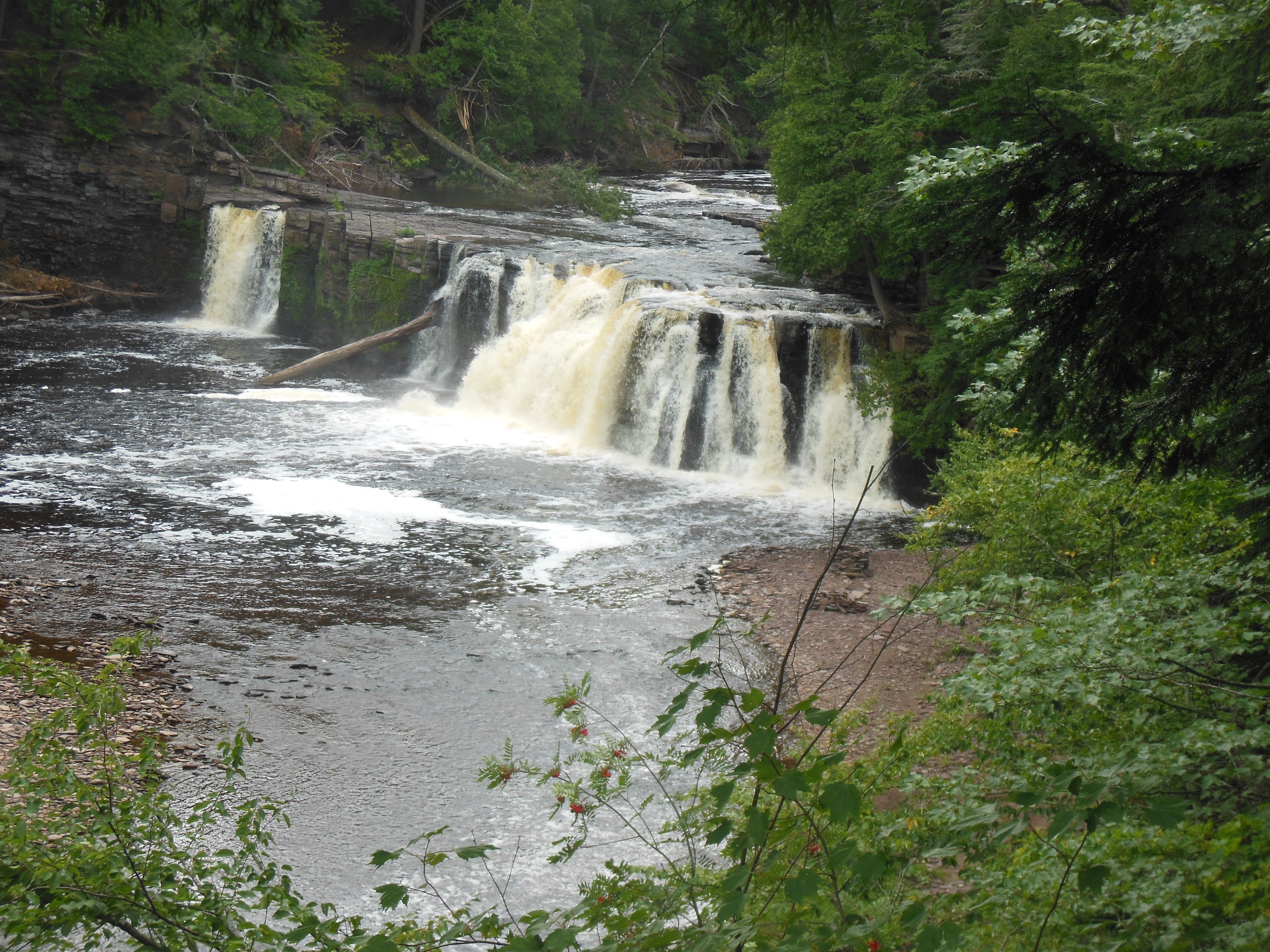
Manabezho Falls, Presque Isle RIver, Porcupines Mtns

Manabezho Falls, Presque Isle RIver, Porcupines Mtns

Presque Isle RIver

Presque Isle RIver

Michigan has declared the area a wilderness area to preserve old growth forest. The copper deposits are small and not economical to mine. Had we more time, the hiking trails would have beckoned to us.

The roads in the park were undergoing stormwater culvert improvements. The culverts were in but the excavations had not yet been repaved. It was drive a quarter mile, brake, avoid the potholes, accelerate and drive a quarter mile, brake, avoid the potholes, etc. It made us appreciate the areas where the roads are smooth; fresh line stiping on the edges and center lines are great but not always evident.

Presque Isle RIver

Presque Isle RIver

Presque Isle River

Presque Isle River

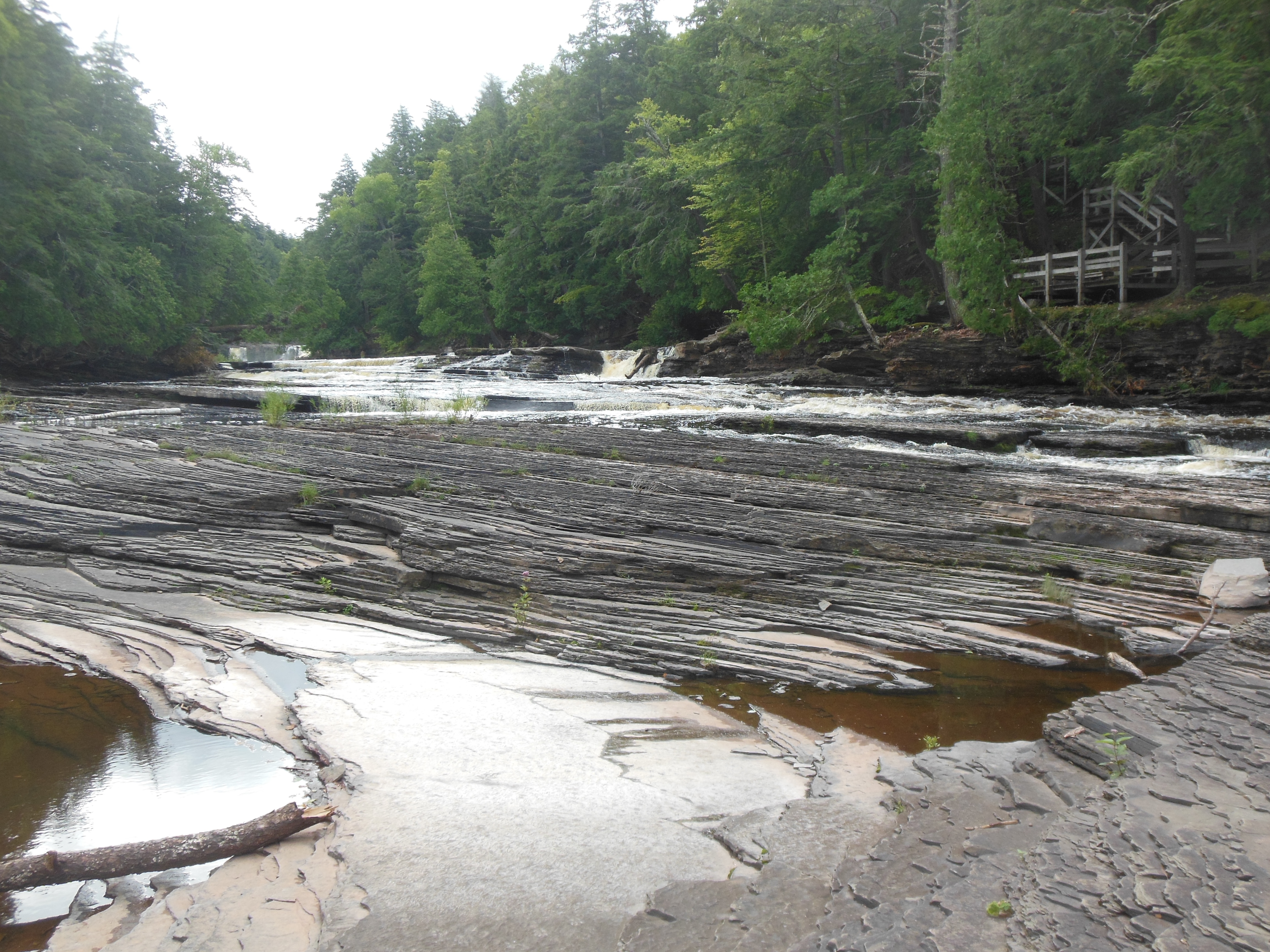
At the western end of the park and mountains, Presque Isle River forms several falls just before dumping its water into Lake Superior. The hike to the falls required us to take hundreds of stairs along boardwalks providing varying views of the falls and rapids. The swirling water creates several areas of smooth, circular potholes in the rock. Part of the creekbed is layered with rocks laid down when ancient oceans covered the area.

Lake Superior

Lake Superior


Lunch was in Ironwood MI at a local restaurant. Nothing fancy but good food and dessert. Ironwood and Hurley WI share the border of this combined old lumber and mining area. I told Chris of brief comments I had heard over the years of Hurley’s legendary status as a red light and saloon town. The town appears to be re-inventing itself but the number of bars still seems disproportionately high.

Our trip through Wisconsin was on two lane back roads, state and county primarily. We did not hit a four lane road of any size until I-94 at Baldwin. Forests and lakes were periodically interrupted by small towns. While we have been in Wisconsin frequently, this part of the state was new to us.

Home now, almost 4000 miles in this 2.5 week trip. A memorable trip involving family, historic moments, scenery, and history.

Ed and Chris September 13 7 AM

Categories: road trip, travel | Tags: , , , , | Leave a comment

2013, Trip Seven, September 11, The Sarahs’ Wedding and UP of Michigan

Baraga, MI Wednesday, September 11

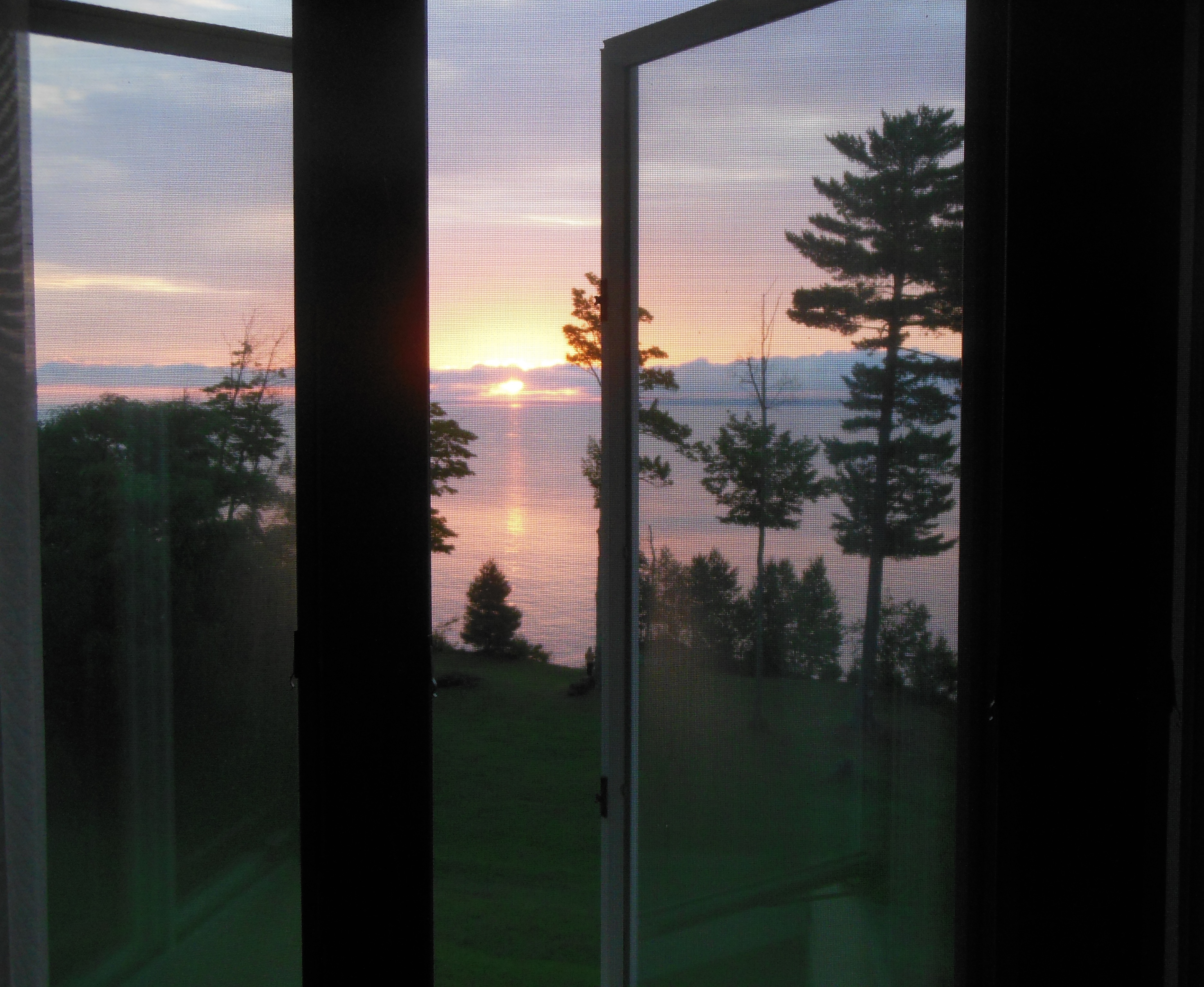
Sunrise from our room at La Rose Wellness Retreat

Sunrise from our room at La Rose Wellness Retreat

Wednesday was our day to explore the Keweenaw National Park and Peninsula in the Upper Peninsula of Michigan. The Keweenaw Peninsula is a peninsula jutting out into Lake Superior as part of the total Upper Peninsula of Michigan. (How many times can I get the word peninsula into one sentence?) It is maybe half way between Duluth and Sault Ste. Marie.

Exhibit area at Keweenaw National Park visitor center

Exhibit area at Keweenaw National Park visitor center


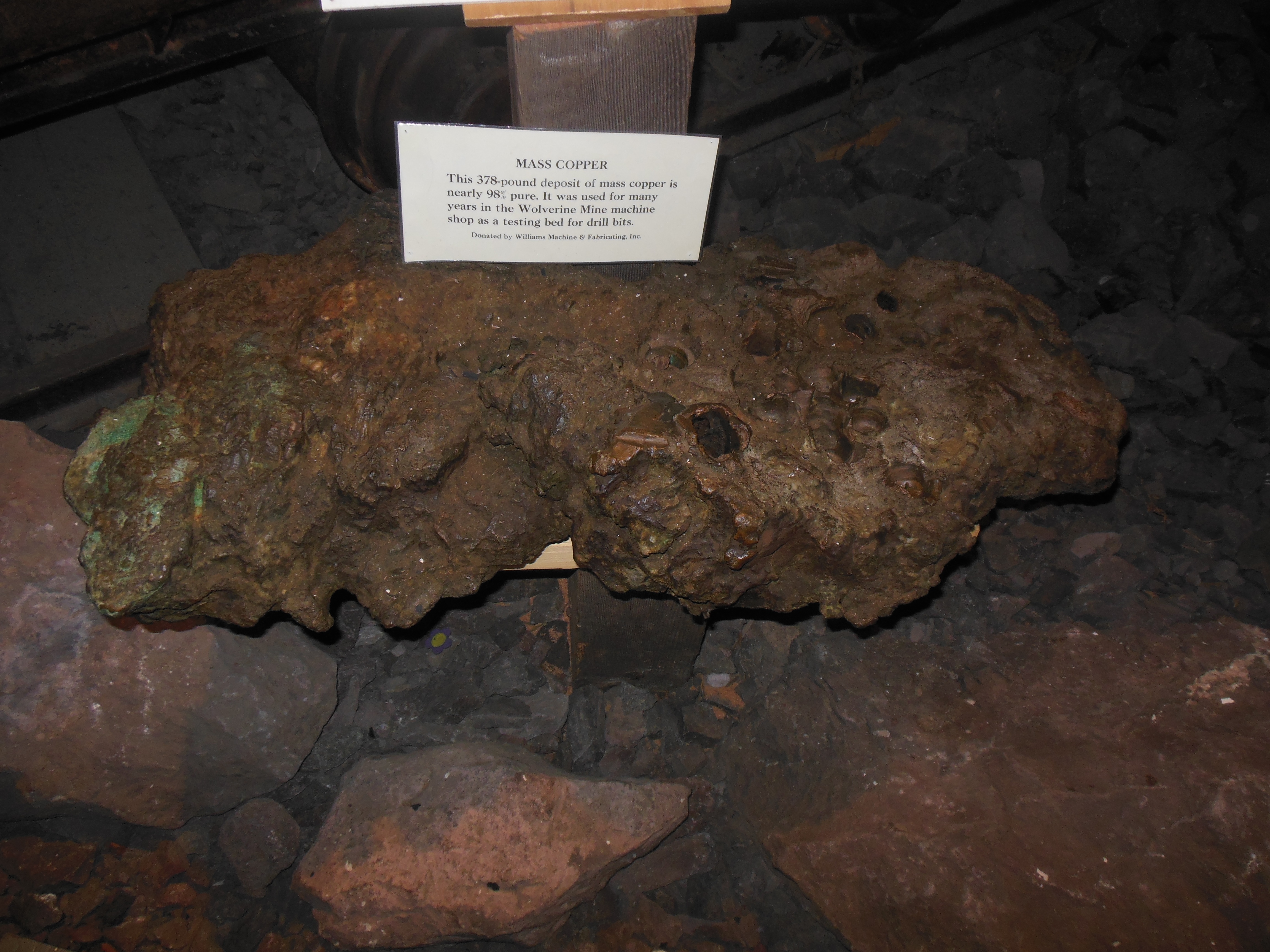
The K.P. is home to most of the mineral resources of Michigan. It was the site of the first mineral rush in the 1840s, predating the gold rush in CA. Here the mineral was copper. Huge quantities have been hauled out of the area over the years. Cheaper supplies in the west and other countries have caused all of the major mines here to close down.

Sample of copper  ore at Copperworld Mining Museum

Sample of copper ore at Copperworld Mining Museum

As we saw yesterday, iron ore was a second major mineral extracted from the ground. Copper was located more in the northern part of the KP, iron further south in the main art of the UP, closer to the WI border.

The national park was established in 1992 and in 2011 opened a new visitor center in Calumet. Like several other new national parks, this one does not own vast acreage but works with other organizations to coordinate the historical heritage of the area. In this case, it is copper, how copper mining developed the area, and the ethnic and social heritage were changed.

Arch from Italian Hall. Destruction of building began conservation effort of buildings.

Arch from Italian Hall. Destruction of building began conservation effort of buildings.

Like most mining operations, particularly in the 1800s and early 1900s, major damage was done to the area. Forests were stripped, waste piles left uncovered, mines abandoned, mine leachate fouling the water. The area is still working to clean up the residue.

Having visited a copper mine in British Columbia in August, we passed on taking another mine tour. Instead we focused on the area itself. The visitor center has wonderful exhibits and videos on life in the KP. Along with a copper museum, we were educated on copper mining and life in a mining community.

The major mining company was a benevolent despot. Owned by Boston financiers, it provided health services, schools, good homes, etc. It also vociferously opposed unions, increased pay, shortened hours, etc. It faced competition from out west as the mines here had to dig deeper to mine the copper ore.

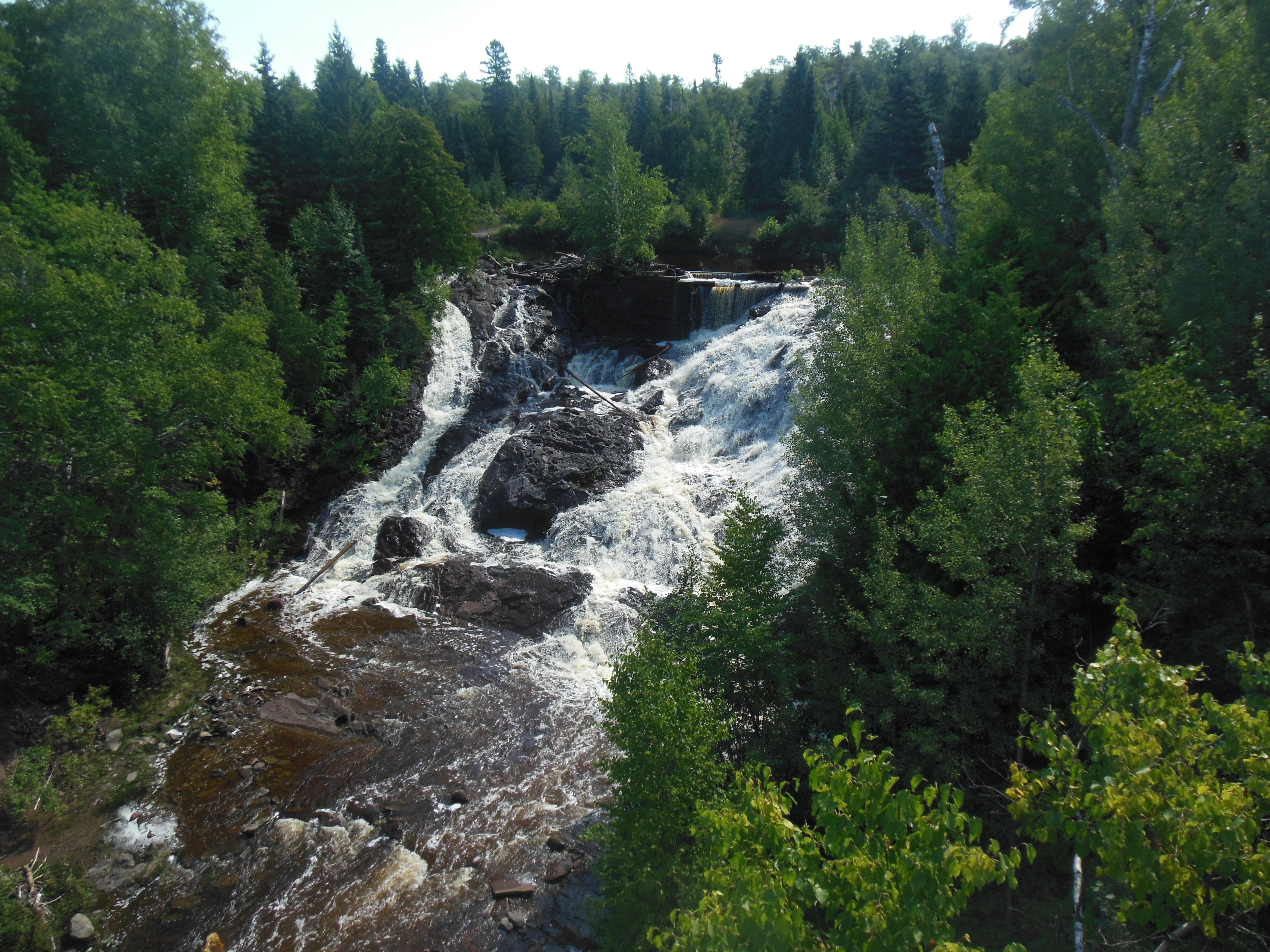
Eagle River falls along Lake Superior coast

Eagle River falls along Lake Superior coast

Strikes in 1913 divided the community and a major catastrophe occurred on Christmas Eve while the strike was still ongoing. At a Christmas Eve party sponsored by the union for families, someone yelled “Fire”. There was no fire but 73 people, mainly children, died in the rush to exit the building.

Eventually the strike was resolved but the slow process of mine closings and economic decay had begun. Immigrants from many countries had moved here for jobs, they began to move to other areas even as the ethnic diversity enriched the area. Today tourism is the main economic engine. The natural beauty of the area continues to draw people. As time heals or hides the environmental damage, the beauty increases. As one statement said about living here and jobs, “If you want to live in the UP, that is your career.” You do what is necessary to obtain sufficient income to live here.

Along Brockway Mountain Drive by Copper  Harbor

Along Brockway Mountain Drive by Copper Harbor

Our journey continued through small towns that had once been bustling. We saw three more waterfalls. One was of a nice size.

We stopped at a monastery along the coast to buy cookies and jam and then ate the cookies at a rest stop right on the shoreline.

Copper Harbor

Copper Harbor

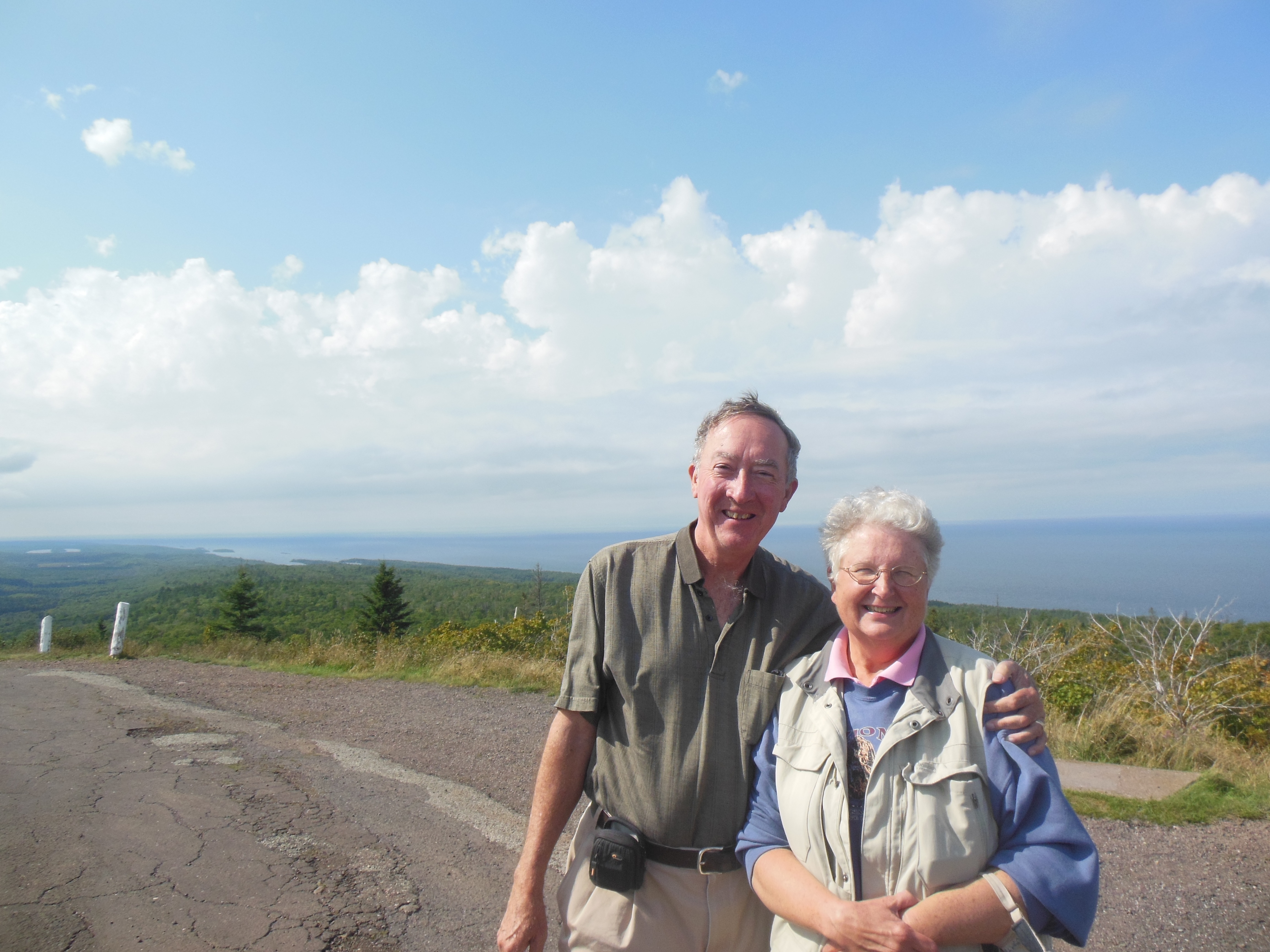
The Brockway Mountain Drive in Copper Harbor provided a great view of the lake from up high. At the major overlook there, we ran into a couple from Farmington, MN that we had talked to several times previously. We are traveling with differing timetables but by coincidence have crossed paths at remote locations.

It was an enjoyable day. Tomorrow we head for home via the Porcupine Mountains and then Wisconsin.

Categories: road trip, travel | Tags: , , , | Leave a comment

2013, Trip Seven, September 10, The Sarahs’ Wedding and the UP of Michigan

Baraga, MI Tuesday, September 10, 2013

The exploration of the Upper Peninsula of Michigan continued today. It rained during the night but the morning started out clear. We attempted to visit Munising Falls but road construction that began Monday cut off access to the site.

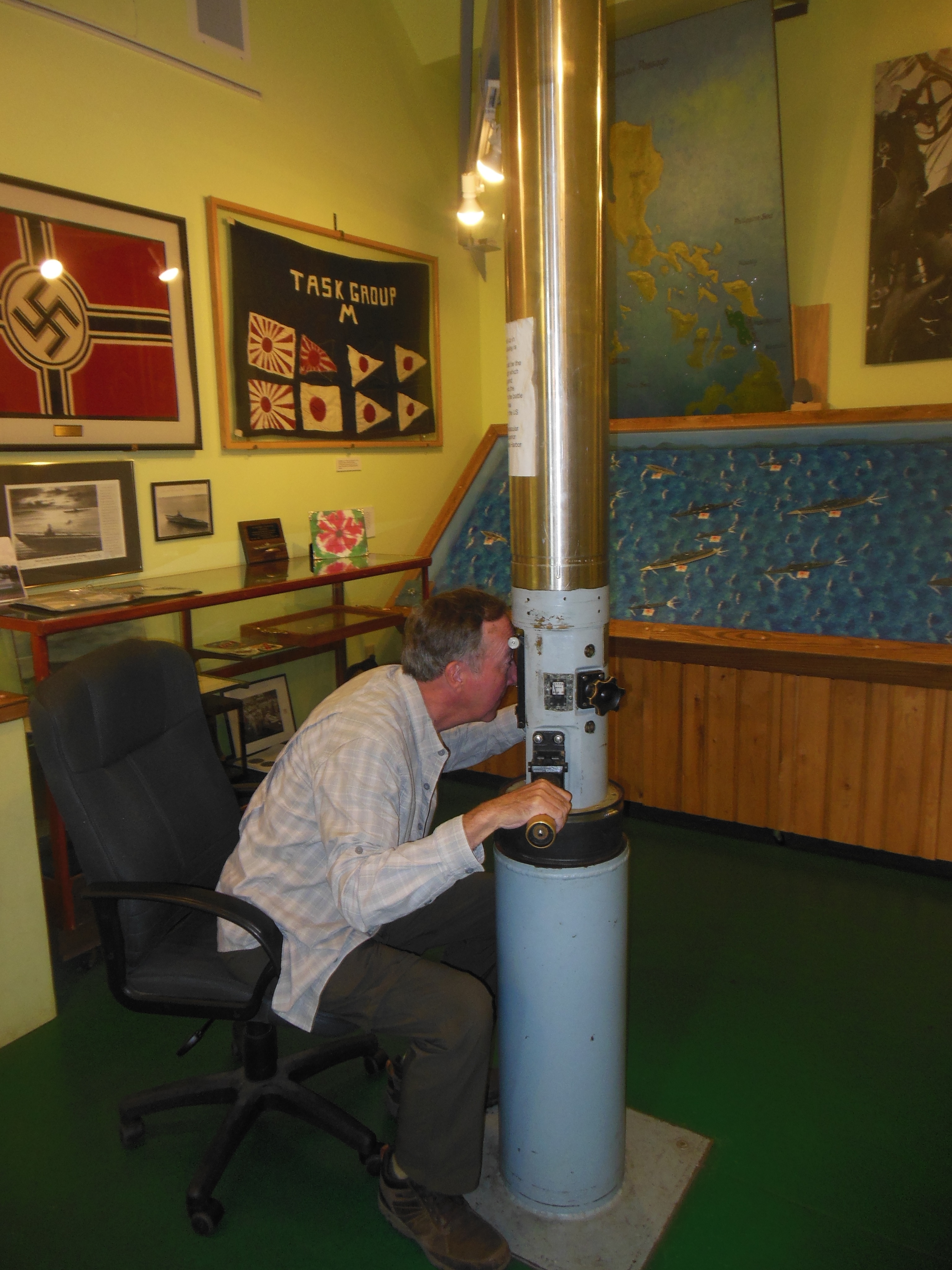
Submarine periscope at Marquette Maritime Museum

Submarine periscope at Marquette Maritime Museum

We decided this was an omen and we decided to focus on several museums instead. Our first stop was the Maritime Museum of Marquette. Marquette was an early port for the lumber and iron ore shipping from the Upper Peninsula. They have a nice little museum and a lighthouse tour.

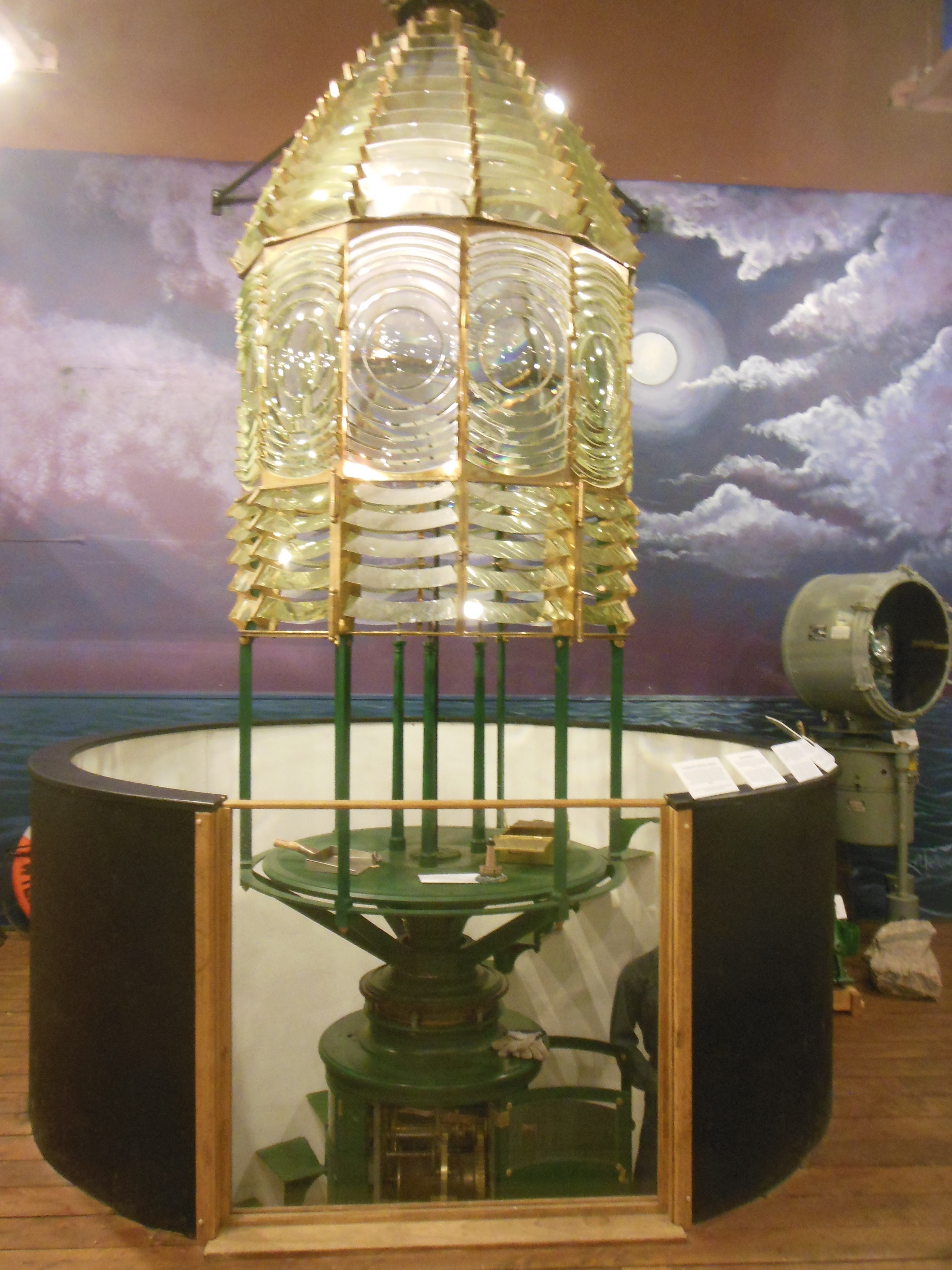
We passed on the lighthouse tour. After you have seen a few, there really is not a major difference between them. The museum had several lighthouse lens on display though.

Second order Fresnal lens

Second order Fresnal lens

Fresnel lens were developed in France in 1822 and proved extremely effective in focusing light in a concentrated pattern that was useful for lighthouses. However, the U.S. was slow to adopt them since the head of lighthouses was a friend of the person who developed the outdated system. It was not until the dept head retired in 1852 that the US implemented the Fresnel lens. They are ranked in size from first order to seventh order.

Pocket dock in Marquette

Pocket dock in Marquette

Most of the Fresnel lens on the Great Lakes were fourth order.
There were a few as large as second order. Each lighthouse had its own “characteristic”, determined by how long the light flashed and how long between flashes.

This Michigan museum also had a section devoted to one of its natives who served as a captain of a submarine which played a critical role in the Battle of Leyte Gulf in the Pacific during WWII.

Marquette was the site of the first pocket dock. This was developed to more quickly load iron ore into freighters. The dock was constructed with “pockets” which held the entire contents of iron ore carried by a rail car. The pocket then emptied directly into a freighter by means of a chute. We passed one that had been taken out of service and one that was still used at a Marquette coal fired electrical generating plant.

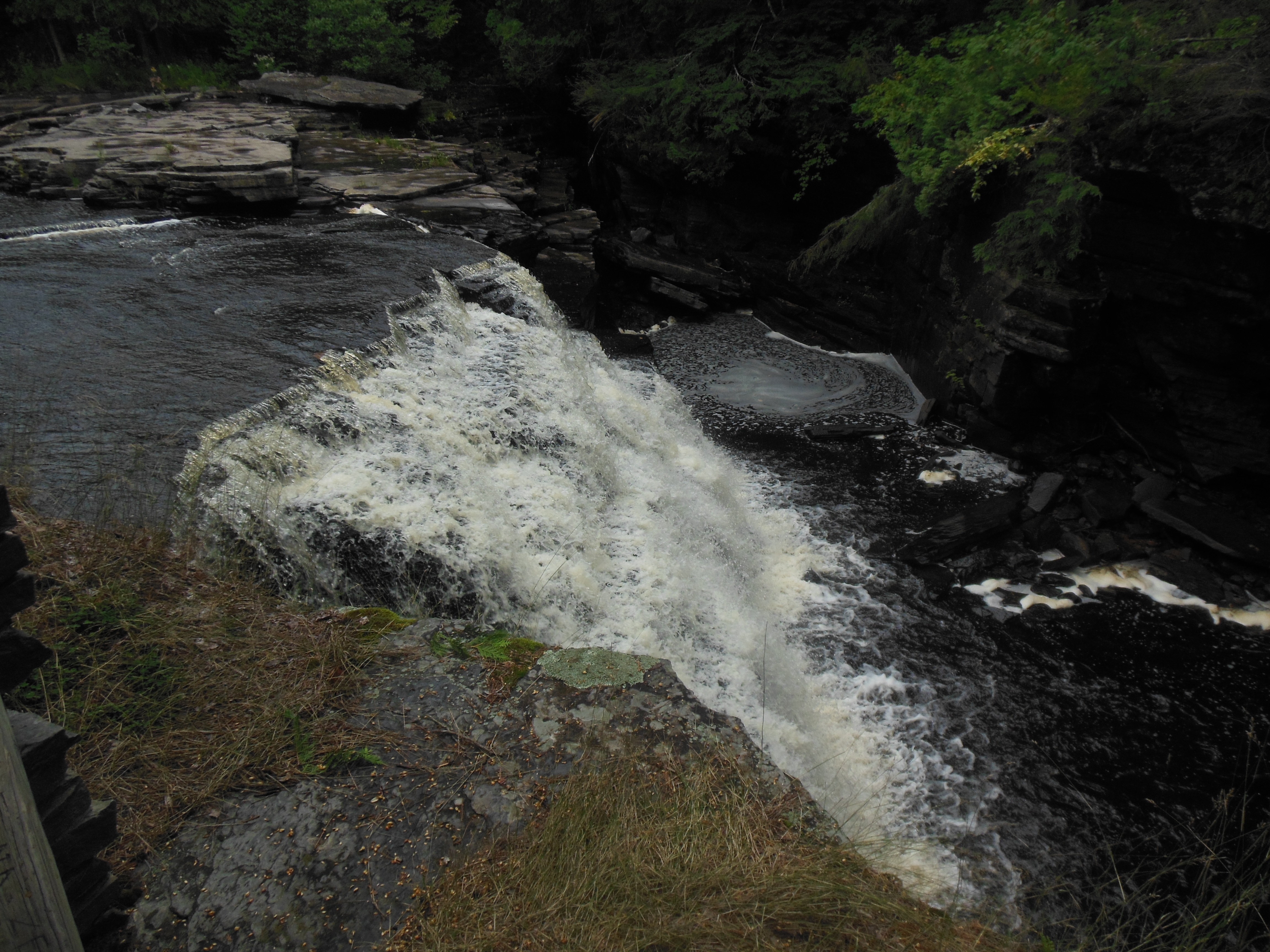
Canyon Falls

Canyon Falls

The Iron Industry Museum is run by the Michigan Dept of Natural Resources and is located in Negaunee. Negaunee is about 10 miles west of Marquette and was the site of the first iron ore mines in Michigan. Eventually three major ore fields were discovered in Michigan, only two are still operating, both in the Negaunee area.

Michigan’s iron was instrumental in manufacturing during the Civil War. The museum and film highlighted the development of Michigan mining and was another worthwhile and educational stop.

The day was continuing to be cloudy with spotty drizzle. We passed up the US Skiing Hall of Fame to try our luck at Canyon Falls. The docent at Point Iroquis lighthouse a few days ago said this was not to be missed.

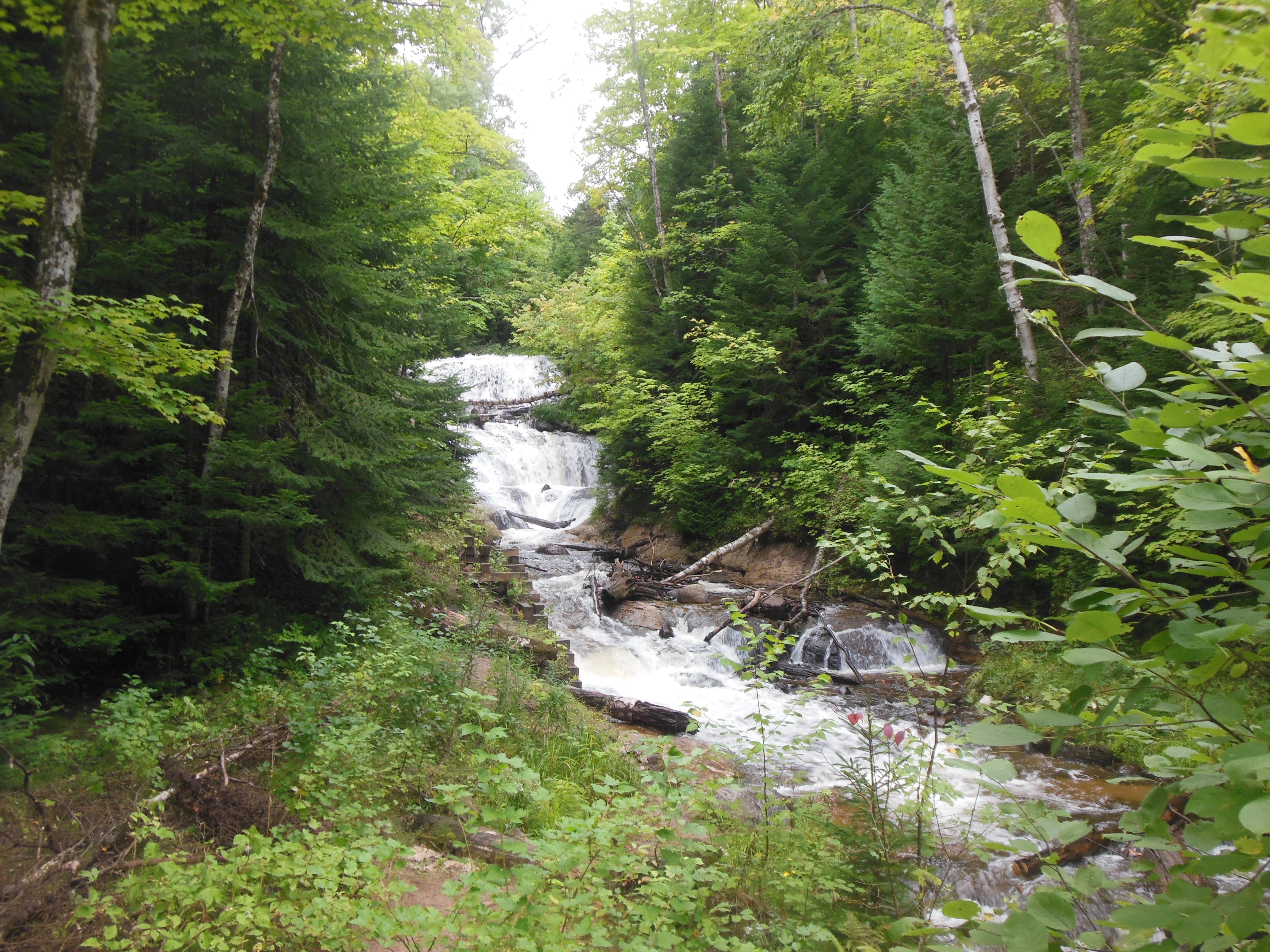
The falls are located directly on the road to Baraga. The hike through the forest was not too long and the drizzles minor. The falls though were anti-climatic. Minnesota says every body of water must be at least 10 acres in surface size to be considered a lake. Someone should mandate a minimum drop for waterfalls. The falls were pleasant, but not at all fantastic. Maybe we have become jaded.

View from La Rose Wellness Retreat

View from La Rose Wellness Retreat

After the falls, we stopped at the visitor center close to Baraga. The woman staffing the office gave us a waterfall map and guide. I told her we had just come from Canyon Falls and she asked how we liked it. I told her it was so-so and she was disappointed. Evidently it is the crown jewel in local waterfalls and we would be bound to be disappointed at the remaining ones on the list.

We located the La Rose Wellness Center which is our B and B for the next two nights. Dinner was at Carla’s Cafe (and motel), run by Carla and her husband since 1979. The Lake Superior whitefish was great and fresh from the lake.

Ed and Chris September 10

Categories: road trip, travel | Tags: , , | Leave a comment

2013, Trip Seven, September 9, The Sarahs’ Wedding and UP of Michigan

Munising, MI September 9, Monday

41 years ago today Chris and Ed were married in Southington, CT. Our honeymoon consisted of driving back to MN through Canada to Minnesota. When we got to the MN/Ontario border, it was my goal to see all, or most, of the waterfalls from Thunder Bay Ontario to Duluth along the North Shore of Lake Superior.

Sable Falls in Pictured Rocks National Lakeshore

Sable Falls in Pictured Rocks National Lakeshore

Chris was a little less excited about visiting 20 gazillion waterfalls and after only 10 or 12 gazillion I had to agree and we went express the rest of the way home. So it seems fitting to be visiting waterfalls, among other activities, along the southern border of Lake Superior in the Upper Peninsula of Michigan as we celebrate our 41st anniversary.

Our first stop of the day was Sable Falls in Pictured Rocks National Lakeshore. The U.S. has four national lakeshores, Pictured Rocks being the first in 1966. We have visited the other three, Apostle Islands, Indiana Dunes, and Sleeping Bear.

Looking down the Log Flume site in  Pictured Rocks National Lakeshore

Looking down the Log Slide site in Pictured Rocks National Lakeshore

The Log Flume is in the trees at the front, the rear of the photo gives an idea of the drop the flume would have

The Log Slide is in the trees at the front, the rear of the photo gives an idea of the drop the flume would have

Sable Falls is in a forested area and drops 75 feet on its way to Lake Superior. The mosquitoes were out but according to the ranger at the next visitor center, they are vastly reduced in number. In June, she said she was practically eating mosquitoes. We had thought we would be lucky enough to avoid them as an issue and so far it has not been a major problem.

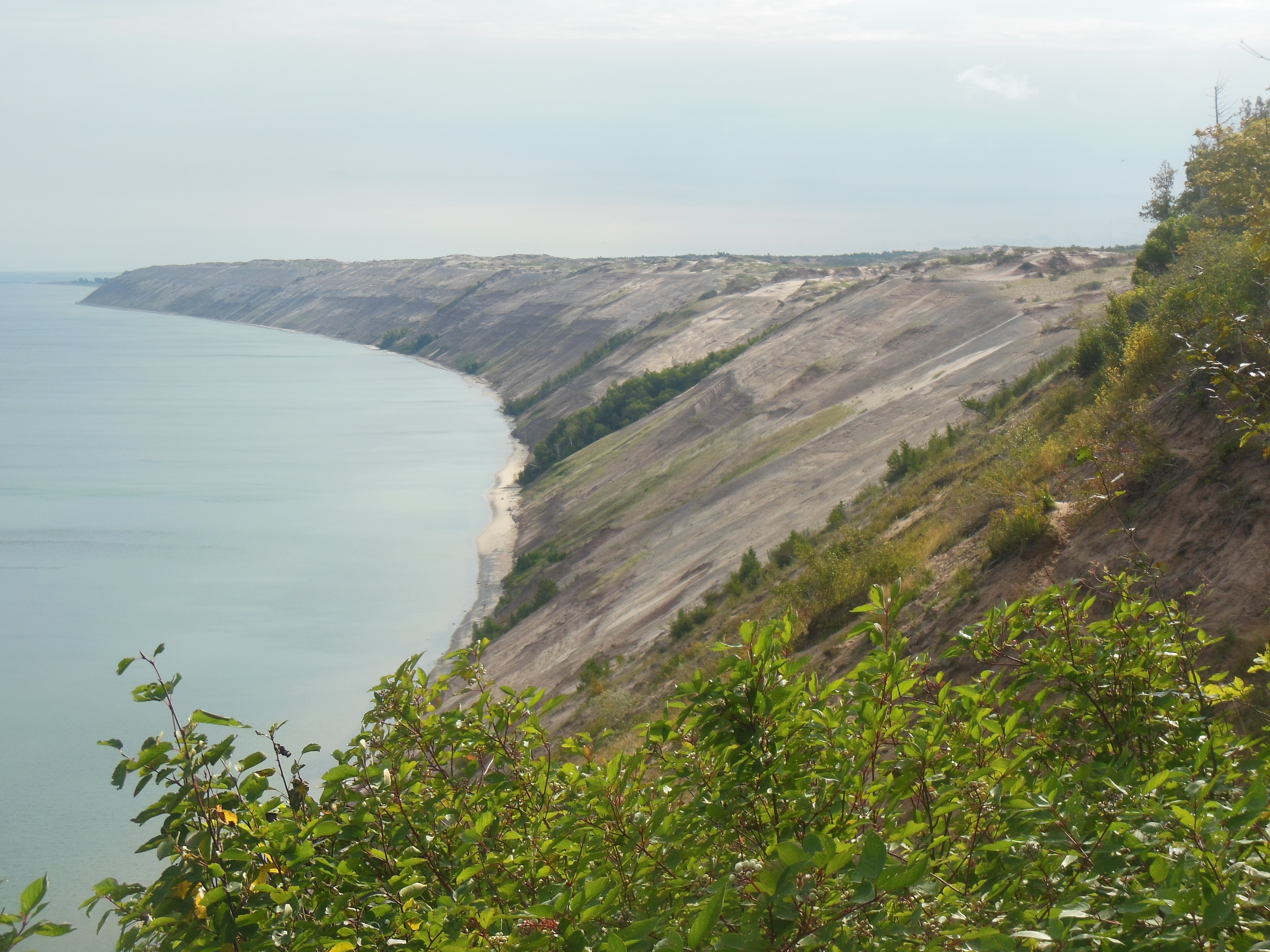
As we mentioned in earlier posts, the UP was a major logging area and our second stop was the site of the “Log Slide”. At this location, the lumbering operation would haul logs to the top of the sand dune, slide the logs down to the water, form log rafts and float the logs to Grand Marais (MI) to the mill located there.

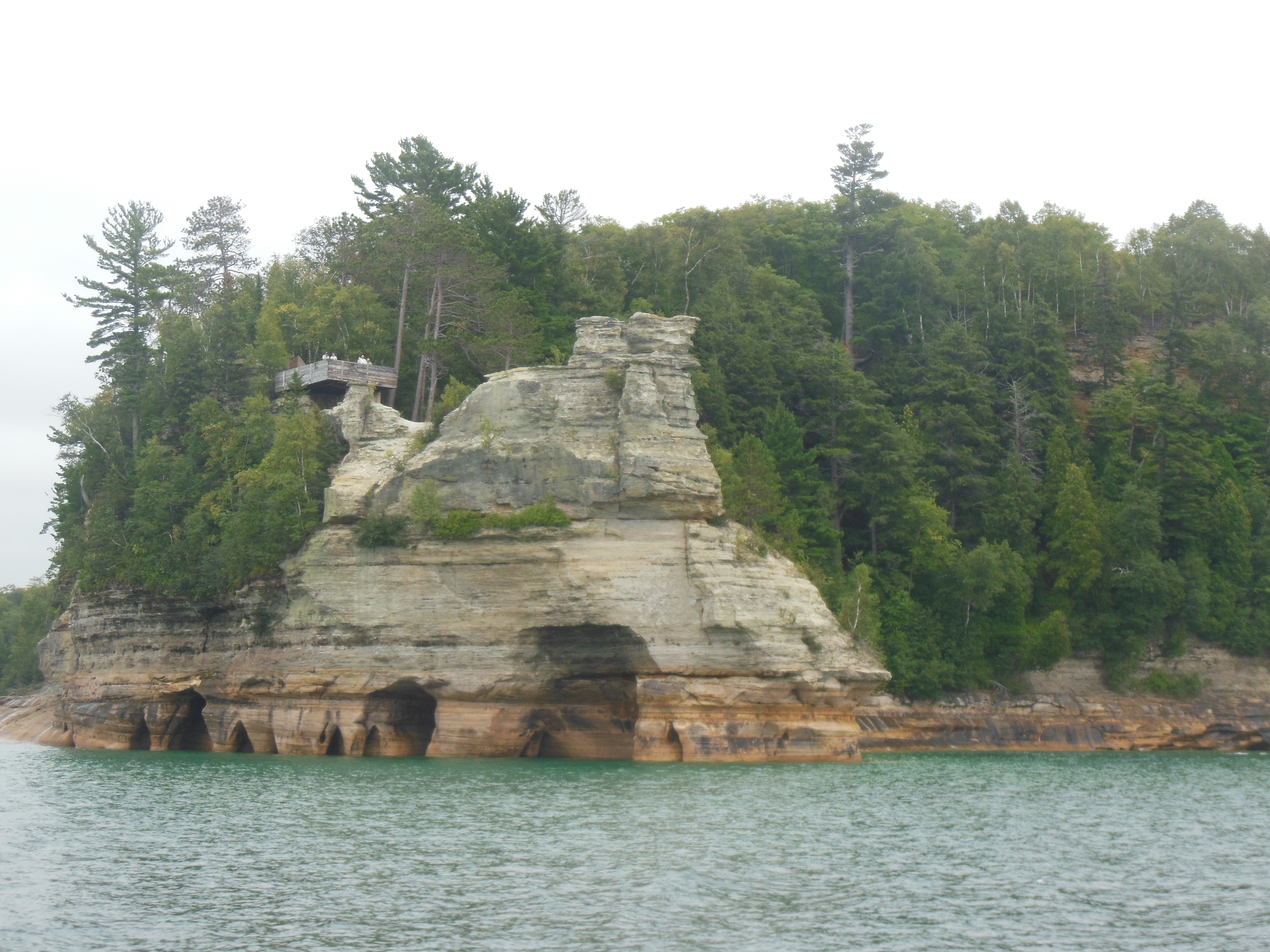
Minors Castle Pictured Rocks

Minors Castle Pictured Rocks

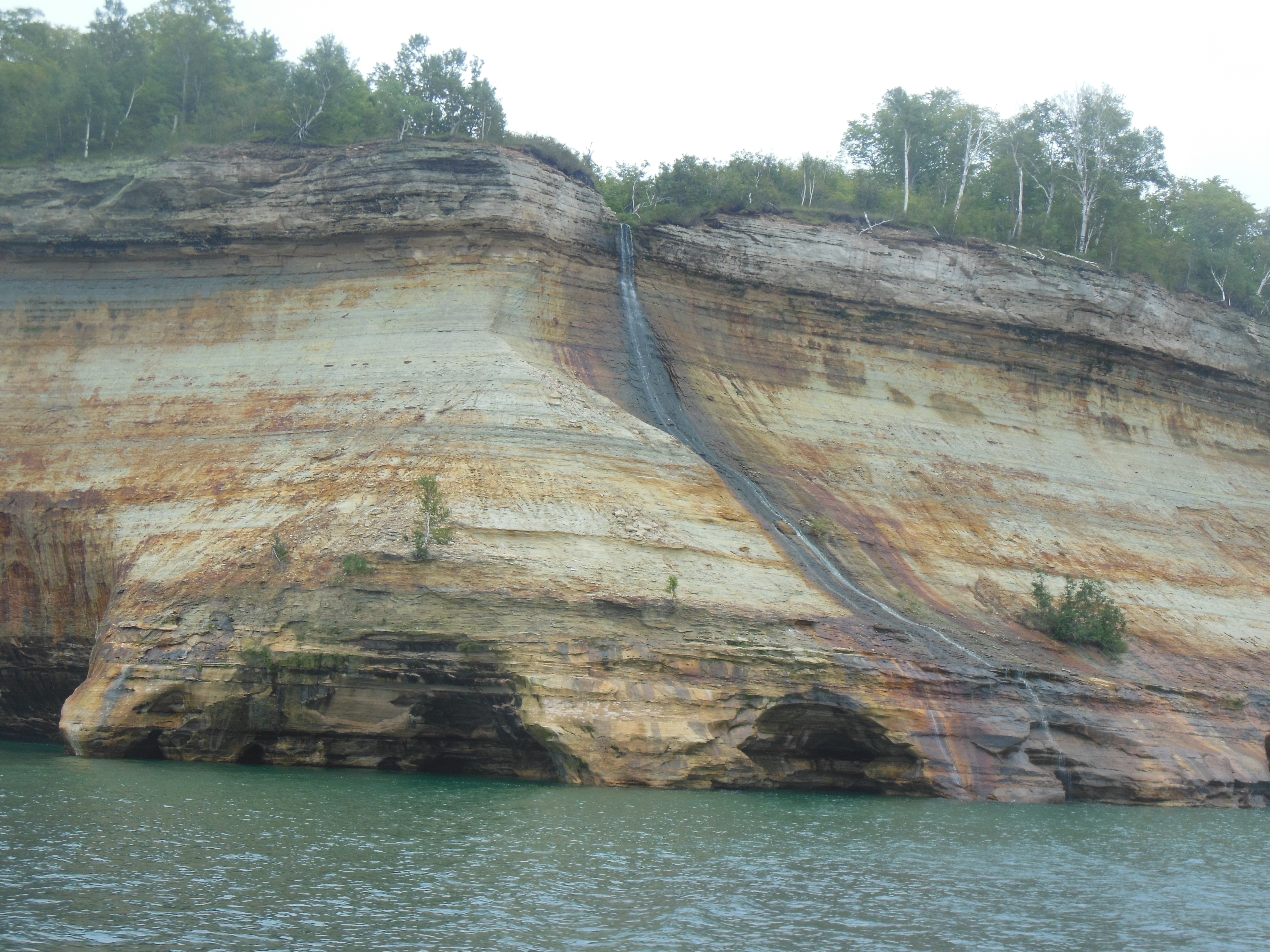
Bridal veil falls, Pictured Rocks

Bridal veil falls, Pictured Rocks

We met a group of people there and one woman indicated that in her younger days she, after a few beers, would slide down the dune and then walk back to Grand Marais along the beach. The dune’s pitch is very steep and the sign posted warns that sliding down takes only a few minutes but coming back up usually takes an hour.

The road from Grand Marais to Munising (where our boat ride will take place) was paved in the last few years and made for a smooth, though curvy, drive. It seems most people still remember this road as unpaved and traffic was light. (The section from Grand Marais east to Paradise where we were Sunday is still unpaved.)

Pictured Rocks

Pictured Rocks

Pictured Rocks

Pictured Rocks

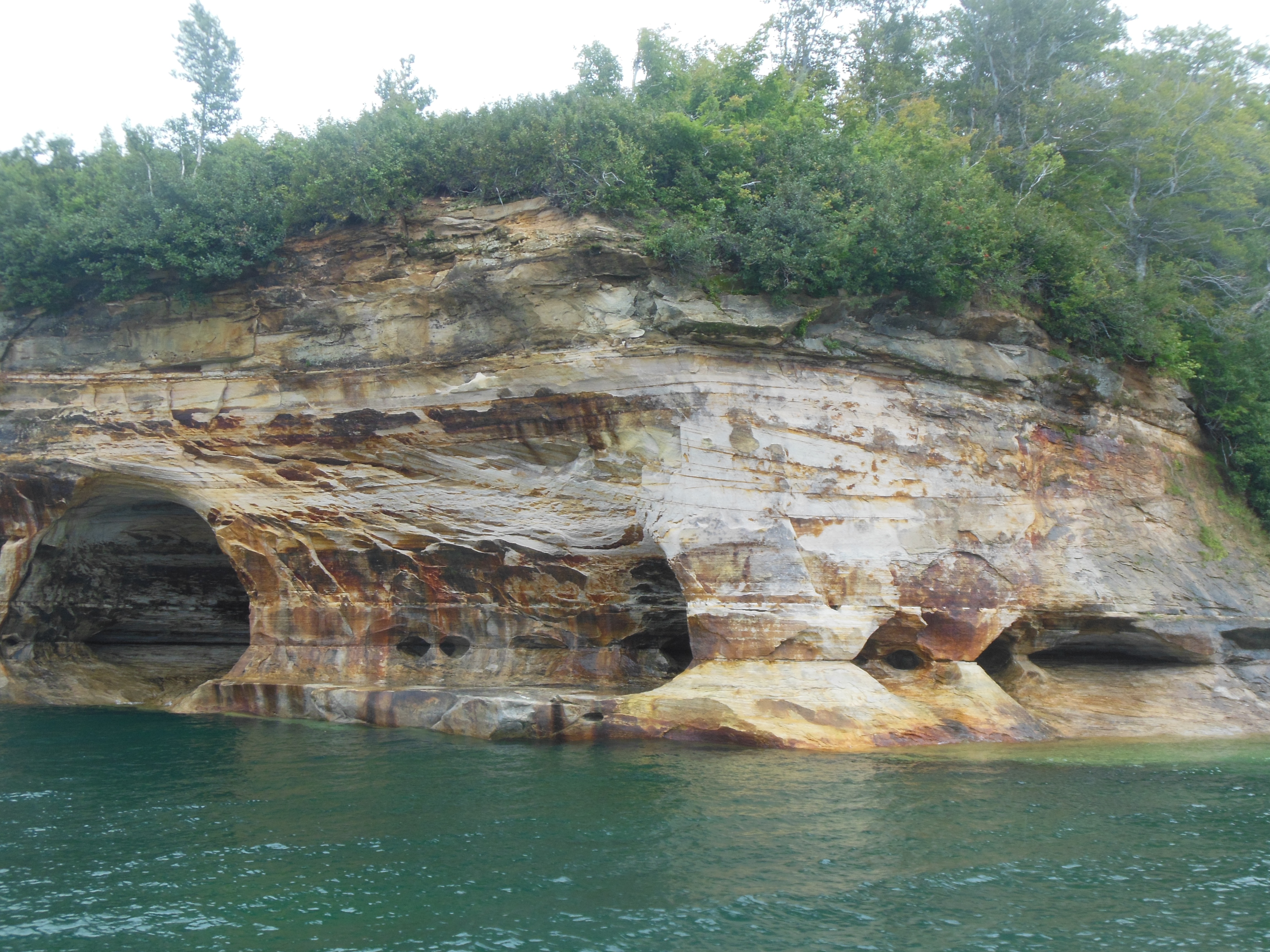
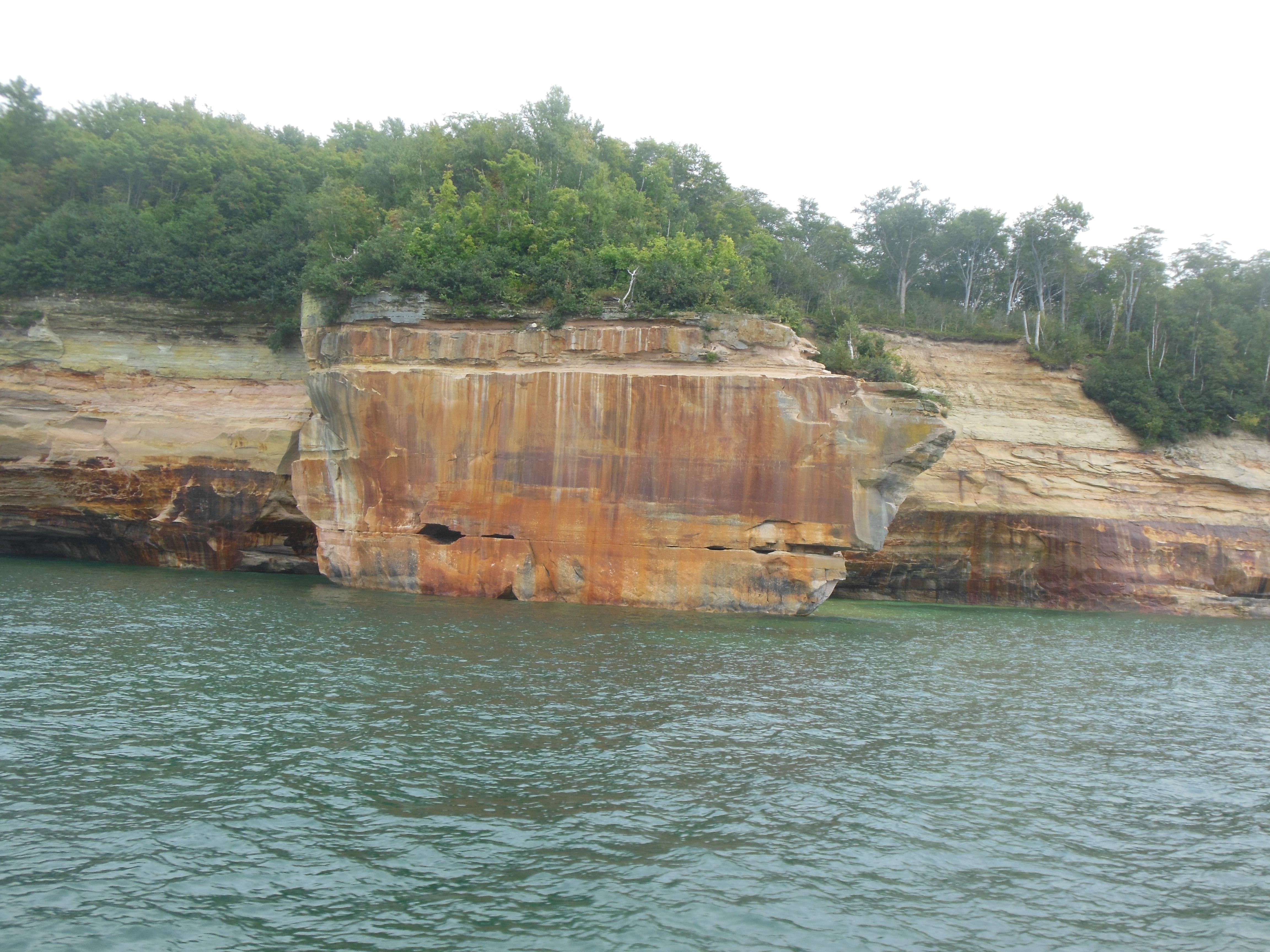
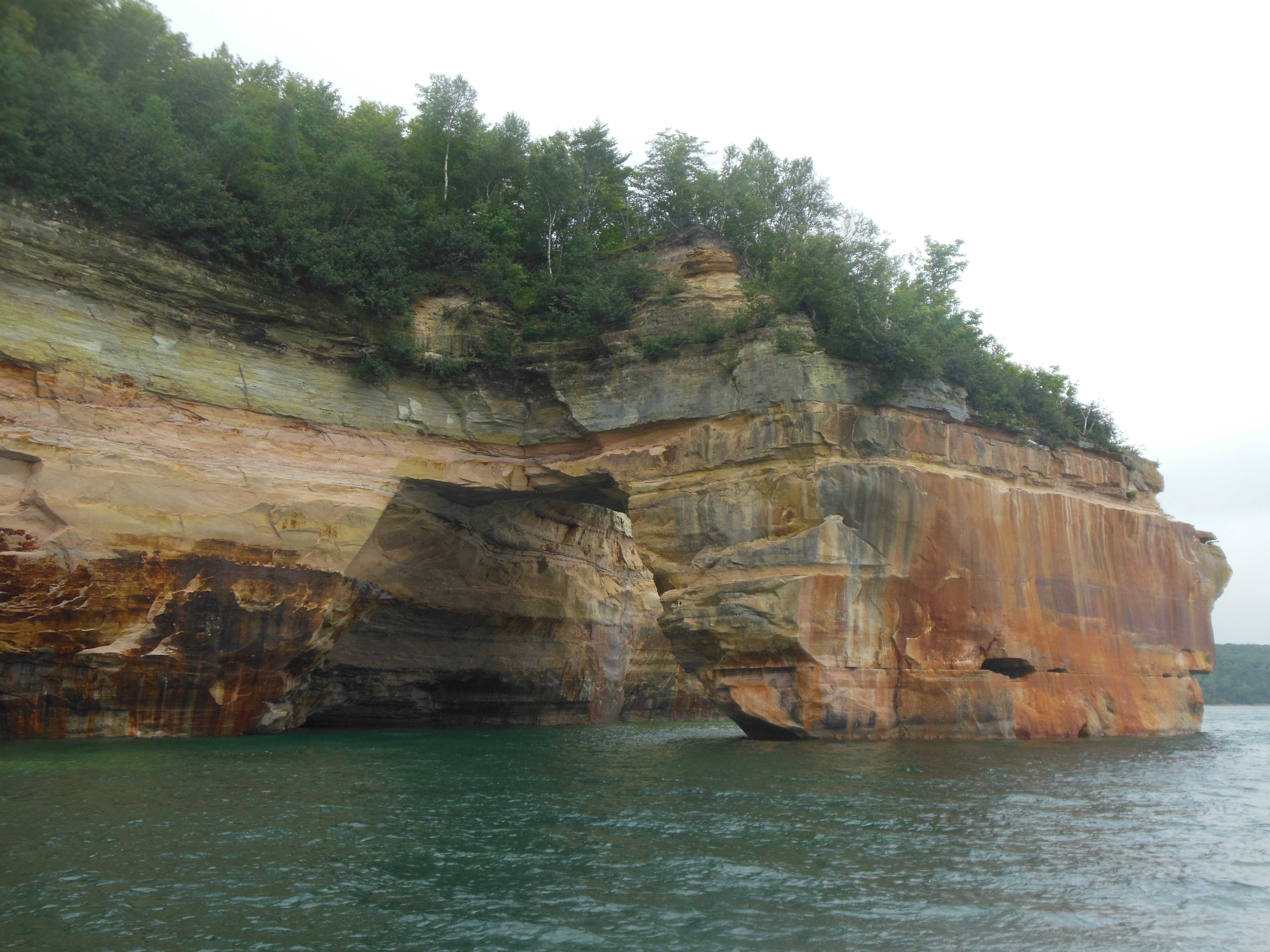
Our third stop was Miner’s Castle, a rock outcropping that we would see from a different perspective when cruising the lake later in the day. Pictured Rocks has been so named because of the streaks of mineral stain that decorate the face of the sculpted cliffs. Our view from Miner’s Castle only provided an intriguing glimpse of the scenery ahead.

Lunch was at Joe’s Dogs, a small hot dog stand in Munising that had a dozen varieties of hot dogs. The two we had were both great.

Pictured Rocks

Pictured Rocks

Pictured Rocks

Pictured Rocks

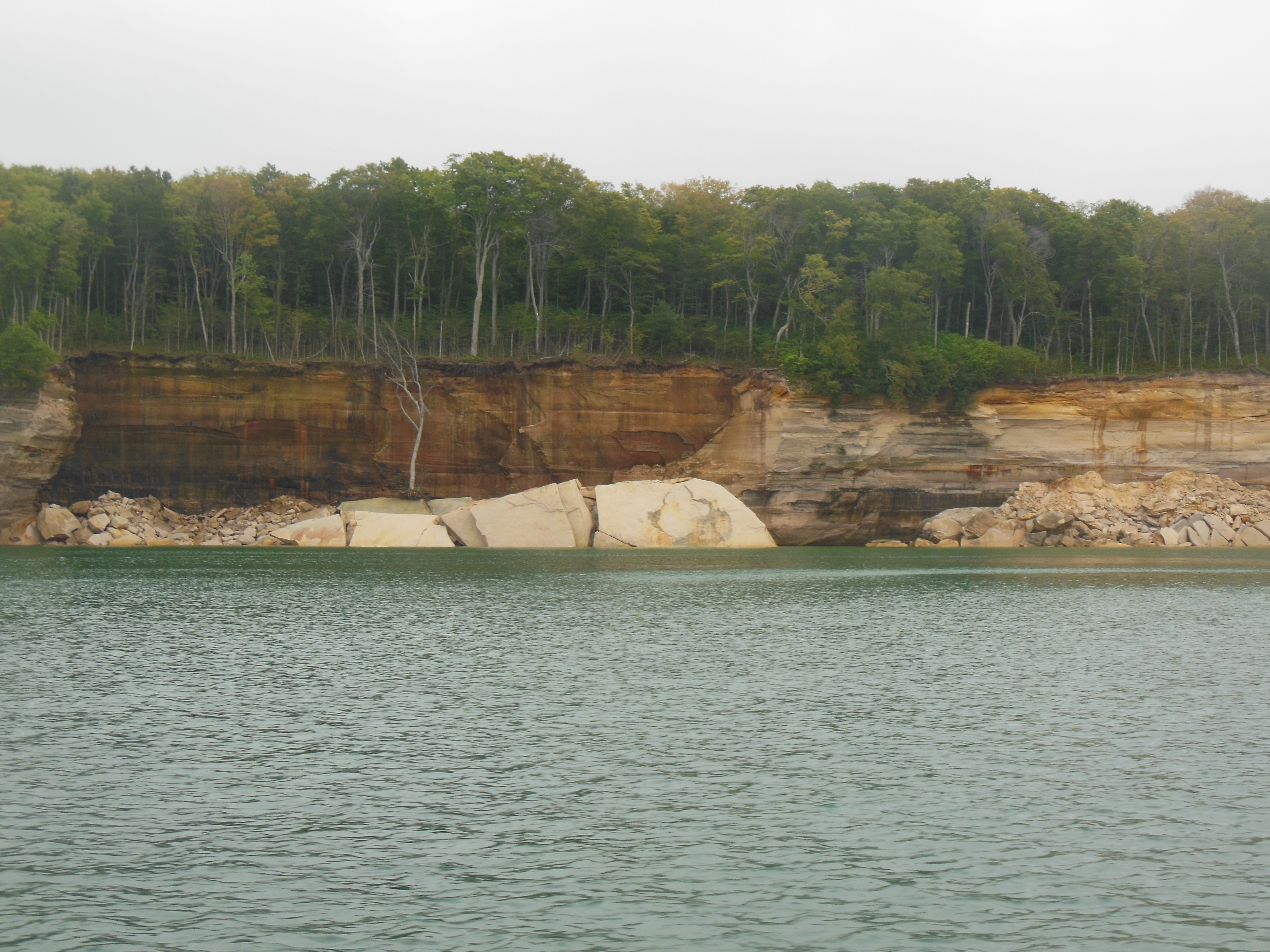
Our afternoon was taken up by a 2.5 hour boat ride viewing Pictured Rocks from Lake Superior. Unfortunately the day was overcast and drizzly so our photos may not be as dramatic as they could be. But they still reflect the beauty as we saw it today. And since we had a hard tine deciding on which shots to use, you will see numerous photos.

Pictured Rocks National Lakeshore

Pictured Rocks National Lakeshore

Pictured Rocks

Pictured Rocks

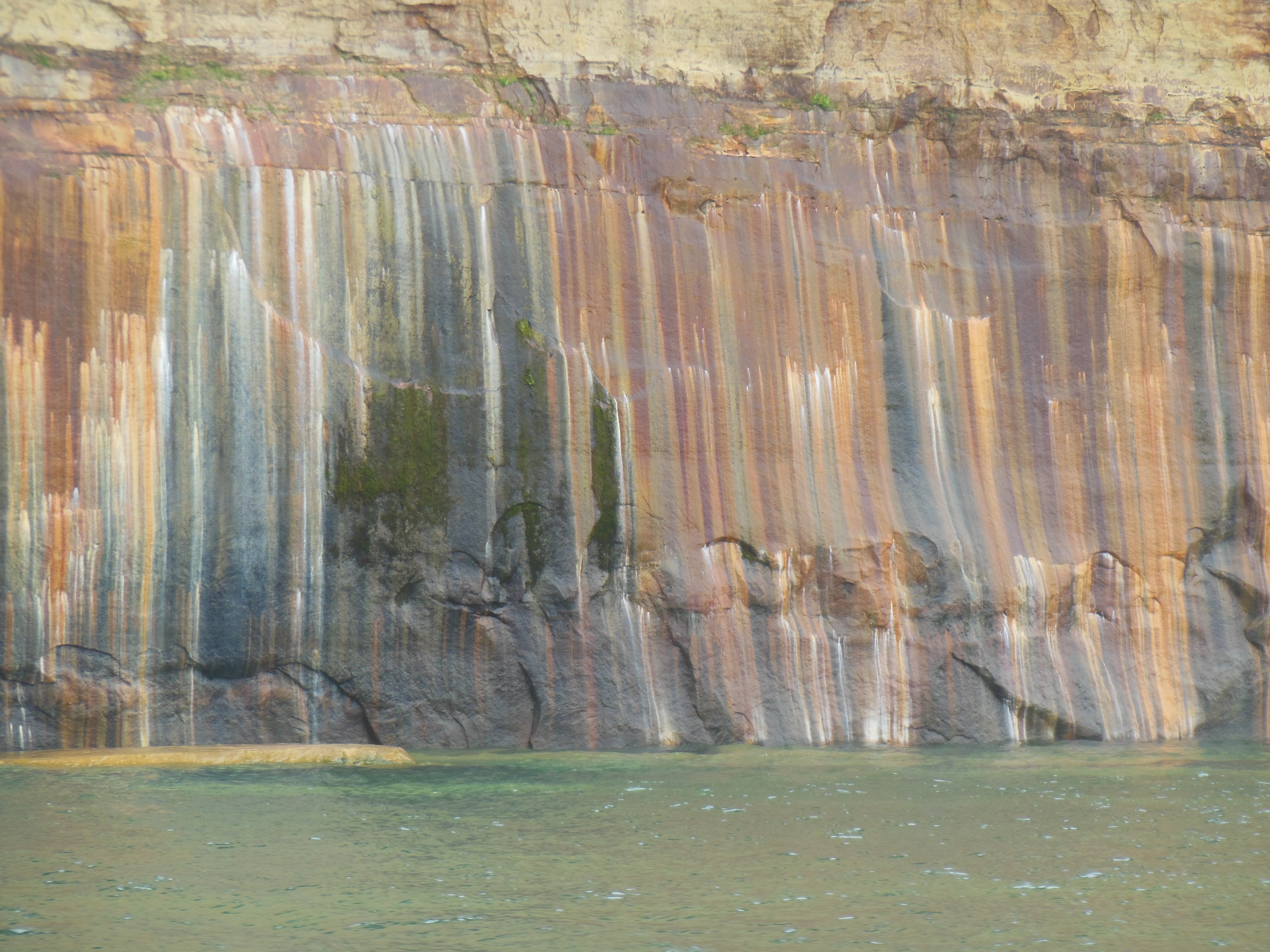
The boat ride is narrated by the captain and a park ranger provides additional information. The colors you will see are from minerals leaching out of the ground water flowing over the cliffs. There are rock layers of whitish dolomite, yellowish sandstone and red sandstone.

image

image

The green color comes from copper. Red from iron. White is calcium. Black is magnesium. Tannic acid adds some brown coloring.

There is wide variety in the coloring and the formations. Erosion and gravity make differing shapes of the cliffs. Grand Island which is just off-shore protects parts of the cliffs allowing more trees to grow in the area closest to Munising. Small caves form from seeping groundwater.

image

image

Dinner tonight will be at what appears to be the one non-burger/pizza, etc restaurant.

image

Ed and Chris September 9 10 pm

Categories: road trip, travel | Tags: , , | 3 Comments

Blog at WordPress.com.