road trip

2015 Trip Five, Voyageurs National Park and NW MN, August 20

Roseau MN August 20

The skies have brightened, the temperatures improved and we spent most of the day indoors with few pictures to show for it. Our primary stop today was the Marvin Window factory visitor center in Warroad, MN (population 1800). Warroad is just down the street from Roseau, a short 25 minute drive. It is located right on Lake of the Woods, which is the 100th largest lake in the world in size and has over 14,000 islands in the lake.

Warroad’s official nickname, it owns the name legally, is “Hockeytown USA”. It is home to nine US hockey Olympians. This is a big deal here, in a state where the state hockey tournament (according to Wikipedia) is the largest state sport tournament in terms of attendance and viewing in the US, exceeding Texas and Florida football tournaments and Indiana’s basketball tournament.

But we came to see Marvin Windows, an inspiring story in many ways. The founder came here in 1904, began a lumber and pulpwood business and which had only 8 employees by 1939. Through expansion with WWII, innovation, listening to employees, the company moved into making windows and doors. Now the company employes over 2,000 people in a facility that spans 45 acres and 2 million square feet of production space here. (There are also facilities in ND, OR, TN, and VA).

A selection  of products from Marvin Windows and Doors

A selection of products from Marvin Windows and Doors

The #1 feel good story relates to a fire in 1961 that destroyed the plant completely. By that time, the company had grown and had a substantial market. Offers came in from numerous other communities to provide the company with incentives to relocate from this small town in the middle of nowhere. The owners, still the Marvin family, pledged to remain in their town where they grew up and where the workforce was dependent on them. The contractor rebuilding the plant was made to hire many of the Marvin employees who did not have jobs. The plant re-opened in a year and has continued to expand dramatically since then.

The #2 feel good story relates to a production problem in the 1980s that caused many of the products to fail after installation. Before knowing the cause, the company made good on the repairs. The cause turned out to be a defective preservative supplied by a third-party. It took 20 years before litigation paid back the Marvin Window and Door Company for all of the costs to fix the damage caused by the faulty preservative. The company almost went bankrupt until the settlement came through.

The #3 feel good story relates to the 2008 recession when the housing market crashed. All Marvin employees were kept on the payroll at 32 hours per week with benefits.

The owners have shown remarkable dedication, entrepreneurship, and community loyalty over decades and through several generations of family ownership. The employees have voted down unionization efforts three times (and I generally like unions). The Marvin family efforts have led to jobs for thousands of workers across northern Minnesota. Kudos!

We spent time at the Marvin Visitor Center which has an excellent display of the company history. It seems to talk candidly of its success and failures; including some pollution fines in previous times. We had expected to return to Roseau for a Polaris factory tour but learned that we could make an 11:30 plant tour (which is not advertised) of the Marvin Windows and Doors facility. We jumped at the chance. Okay, I jumped at the chance and Chris agreed.

The 90 minute tour took us through much of the plant. Here, though, you got headsets and the guide talked through a microphone connected to your headset. Much better for hearing what she had to say. Marvin custom makes your order, so the plant is not laid out in a production assembly line order. Different sections work on various types of product; there is much hand assembly.

We were able to watch as incoming wood planks are computer evaluated for quality and laser lines individually drawn for cutting the wood to minimize waste and faults (i.e., knots in the wood). We watched wood being bent to meet specific curvature needs. We watched cladding being applied to outside finishes. All in all, I found it rewarding and entertaining.

Lake of the Woods

Lake of the Woods

We had a late lunch at the Seven Clans Casino in Warroad and headed back to Roseau to check out some shopping destinations. Well, the shopping left a lot to be desired so we finished up the day at Polaris. This was their off-plant store and museum.

Polaris product

Polaris product

Polaris was the leader and originator of the snowmobile business in the US in the mid-1950s. Arctic Cat, which we toured previously, was started later by one of the three Polaris founders. In the 1970s and 80s, when all snowmobile companies had tremendous problems, Polaris never went bankrupt as Arctic Cat did. Polaris did go down to 30 employees at one point. It has recovered, now making snowmobiles, ATVs, boats, motorcycles, etc. We probably know enough to skip the factory tour tomorrow and start heading over to International Falls.

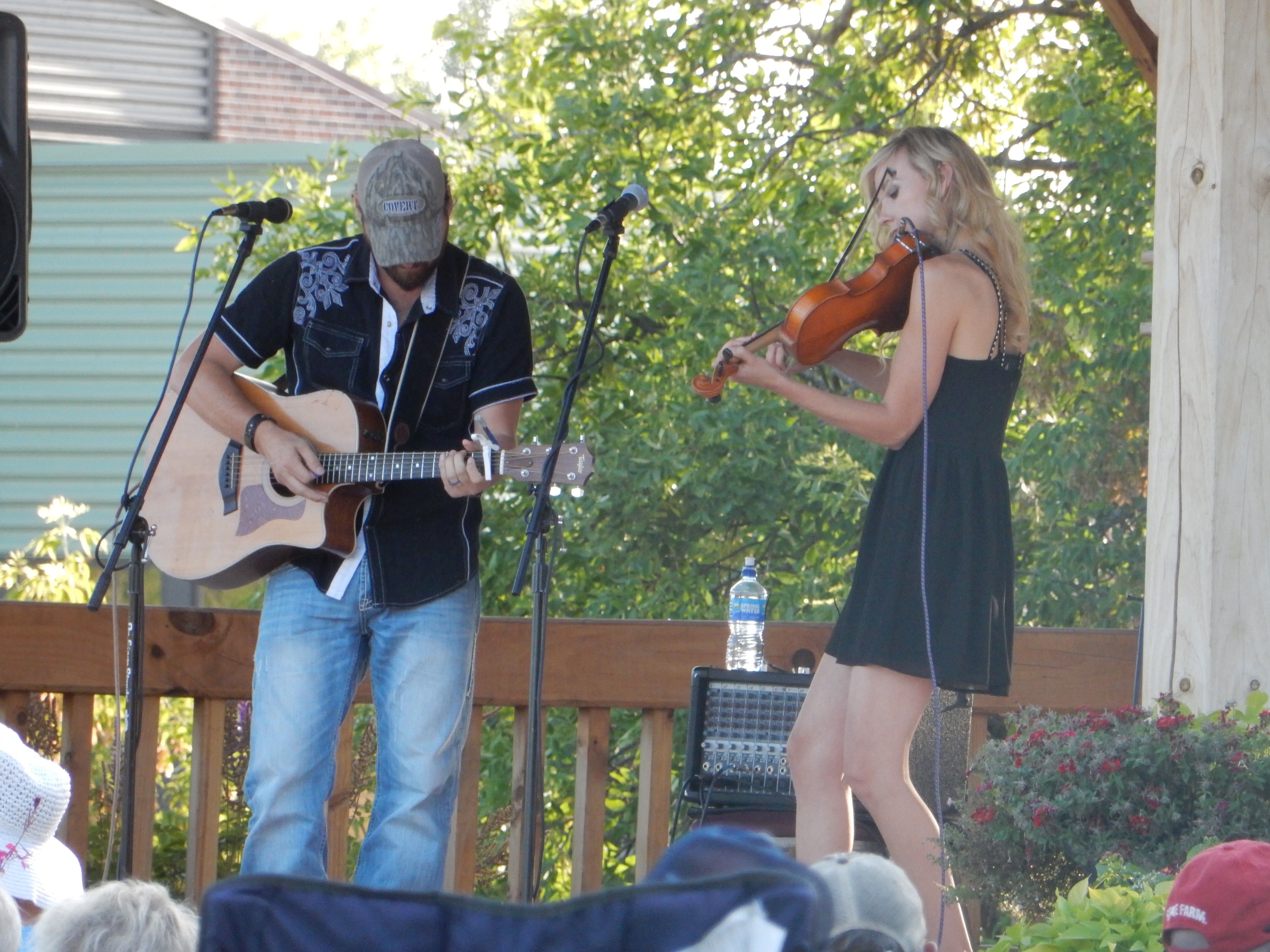
Kari and Billy --free concert in Roseau

Kari and Billy –free concert in Roseau

Our evening entertainment was Kari and Billy,a Nashville duo. Kari is from Roseau and the couple were in town visiting family. They gave a free concert at the local park.

Ed and Chris

Categories: road trip, travel | Tags: , , , , , , , | Leave a comment

2015 Trip Five, Voyageurs National Park and NW MN,August 18-19

Tuesday, August 18, East Grand Forks, MN

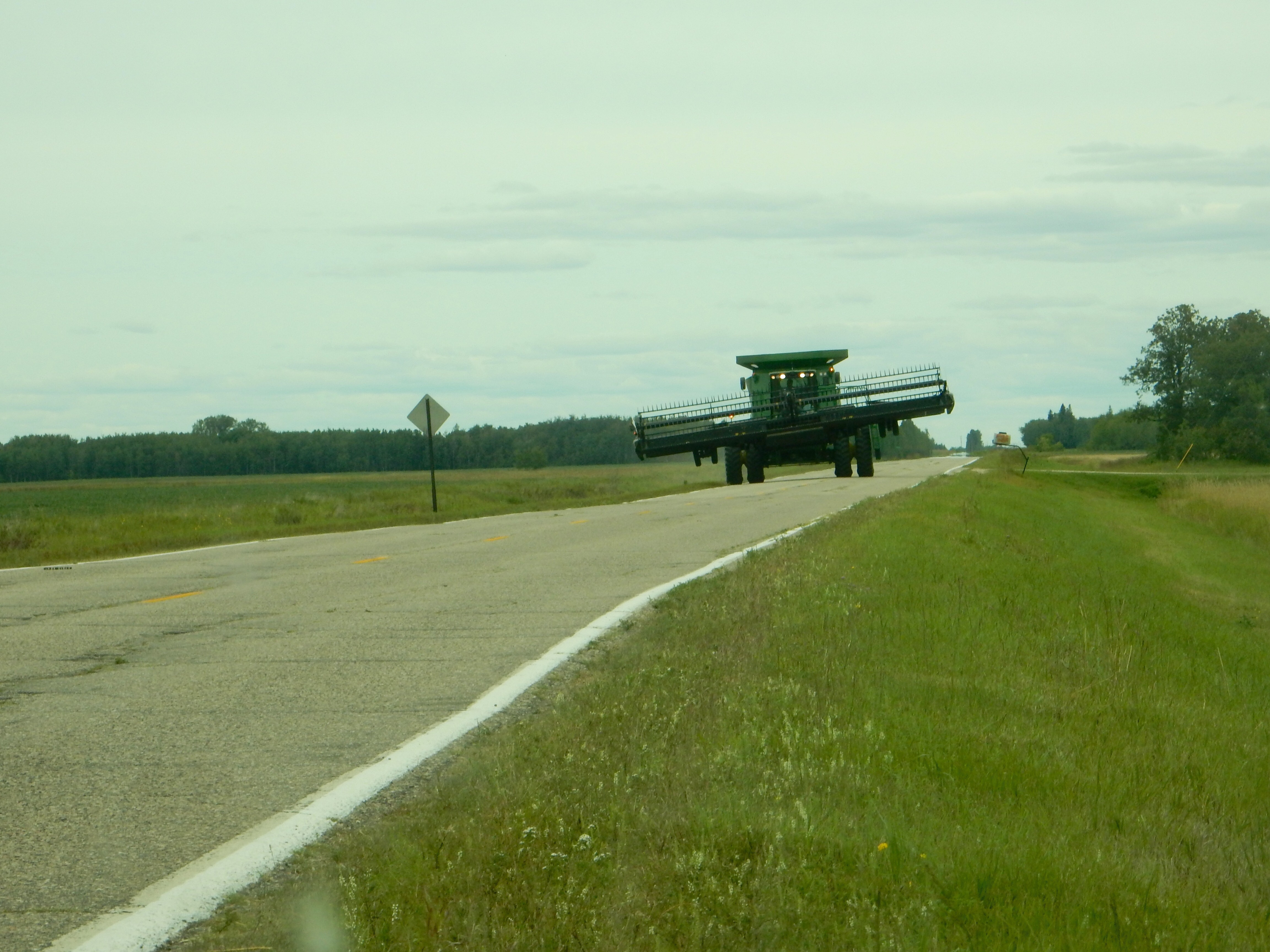
Along the road in MN

Along the road in MN

Just because the roads are flat and straight up here does not mean the driving is easy. We came across the monster above while driving to Thief River Falls on a county road. We had to not only pull over onto the shoulder of the road (without going in the ditch), we had to make sure we had pulled over at a spot where he could also spread out on to his shoulder.

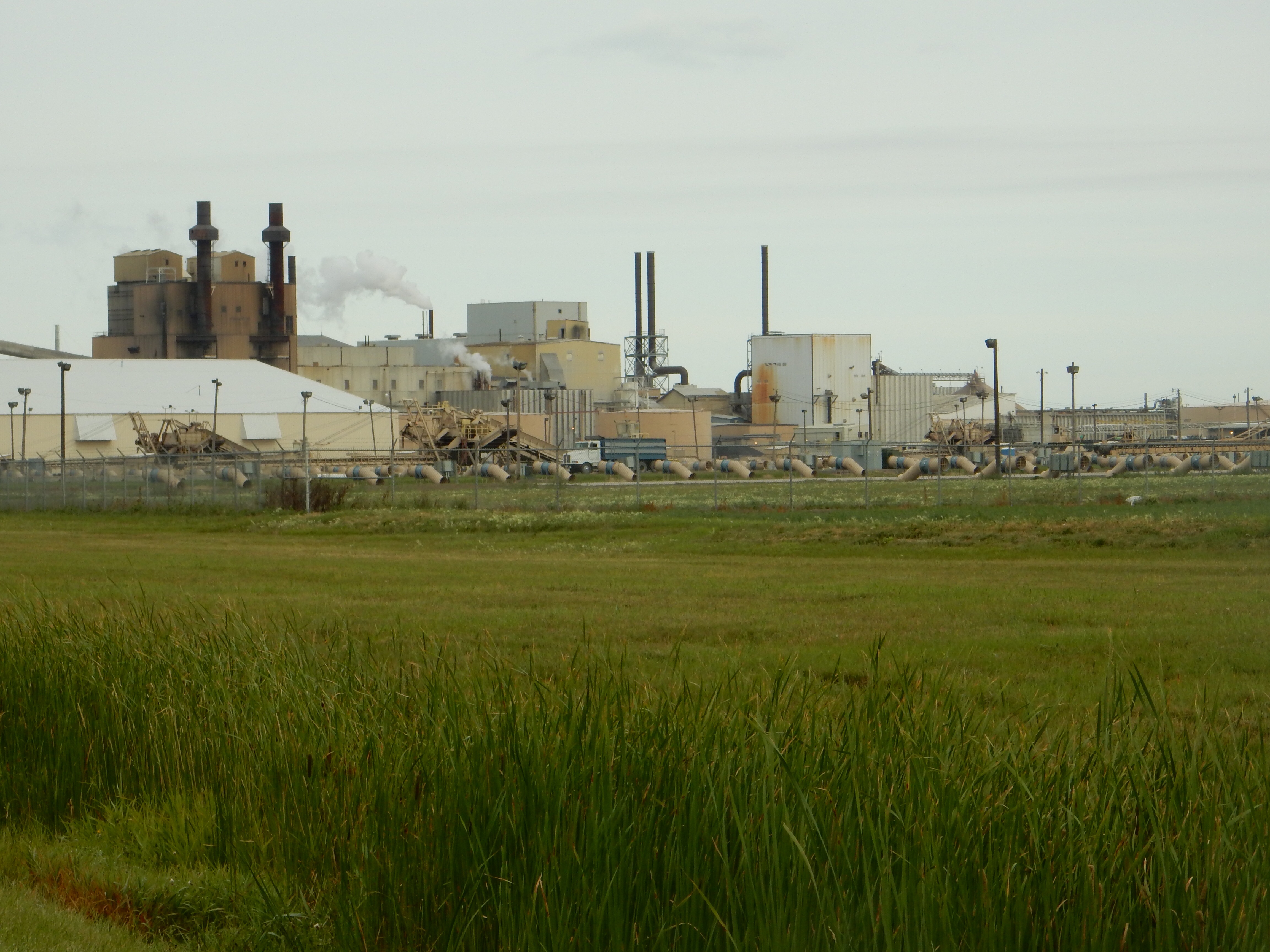
American Crystal Sugar plant in East Grand Forks

American Crystal Sugar plant in East Grand Forks

Sugar beets

Sugar beets

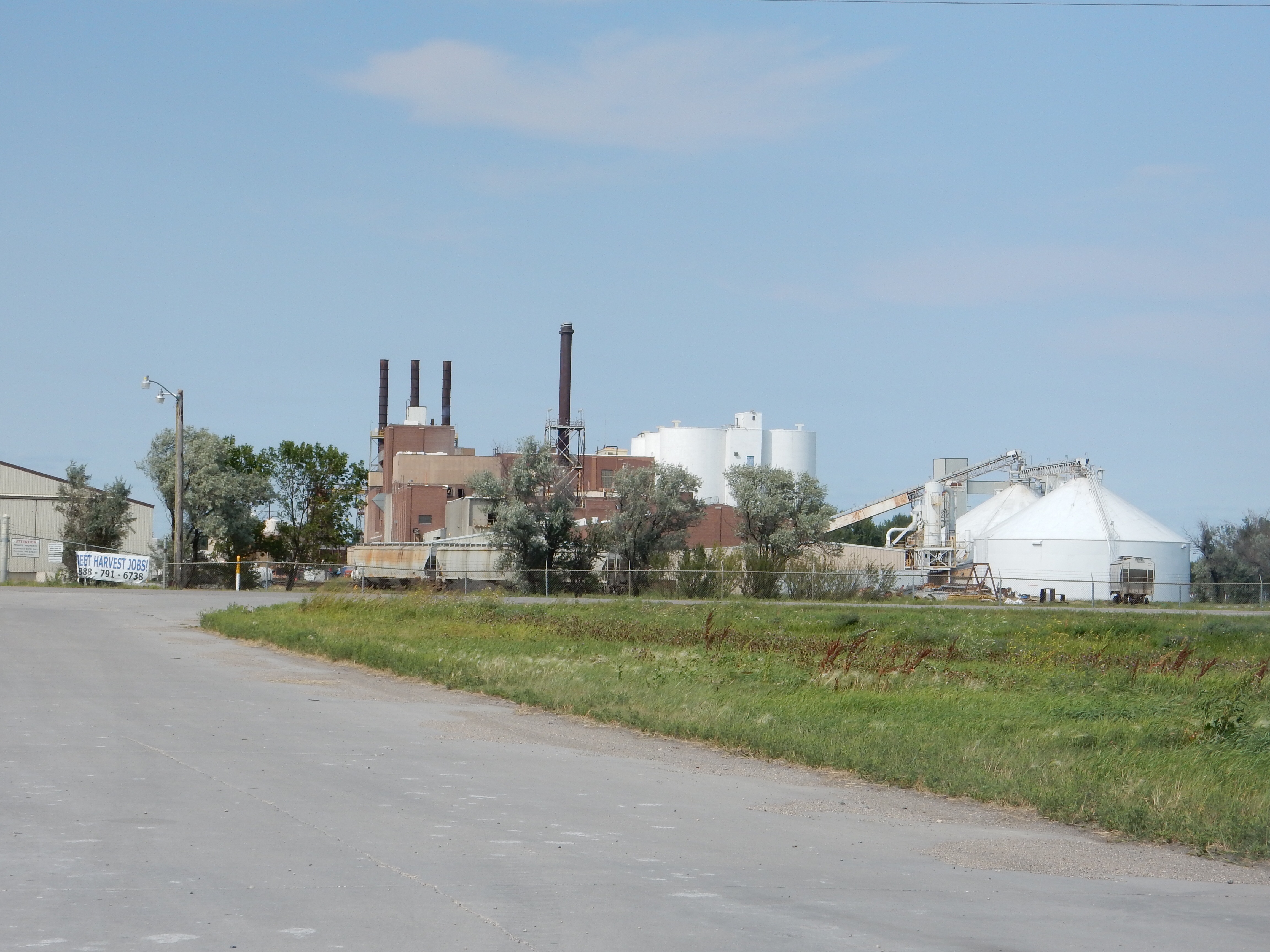
Before starting our major endeavors, we had read that the sugar industry was starting to harvest sugar beets. We drove over to the plant and saw the beets being stacked outside on concrete pads..

Red RIver of the North at Grand Forks-East Grand Forks

Red River of the North at Grand Forks-East Grand Forks

Tuesday started with a five mile hike up the MN side of the Red River and back down the ND side of the river. Although, now that I think about it, we went down river by going north in MN and upriver by going south in ND. I forgot already the information I posted last time about the way the Red River of the North flows northwards.

The levee at East Grand Forks

The levee at East Grand Forks

The flood control efforts here cost over $400,000,000; about one half of the cost of the new Vikings football stadium. The landscaping is nice, the walls are attractive, and there are plenty of restrooms and recreational facilities. There are new bridges and new civic buildings. The number of homes removed has been equalled or exceeded by new housing built away from the river. They have removed the dam in the river and made it easier for fish to swim upriver.

Red River rapids, no dam

Red River rapids, no dam

For those of you who do not remember, the flood control measures are necessitated since the Red River of the North flows through very flat land, resulting in spring flood waters that spread out for a dramatic distance. In addition, since it flows north, river waters in the south melt first and then run into a roadblock of ice on the river as the water flows downstream (north).

A memorial indicating the height of the past floods along the Red River

A memorial indicating the height of the past floods along the Red River

After the morning walk, we drove to Thief River Falls. Our goal was to make the 1:00 PM tour of the Arctic Cat factory. Arctic Cat makes snowmobiles, all terrain vehicles, recreational off highway vehicles. (No pictures can be taken inside the factory.) Arctic Cat is a MN company, founded in 1960 as a spin-off from Polaris Industries, the original maker of snowmobiles.

Arctic Cat snowmobiles

Arctic Cat snowmobiles

Arctic Cat employes 1800 people in the Thief River Falls area. Population here is about 8500. As we found out at dinner, another company,Digi-Key, employs another 3000 people here. Digi Key buses (free of charge) employees in from Crookston, East Grand Forks, etc. If you want a job in this part of MN, you can get one real easy.

The 90 minute tour took us through the manufacturing lines for snowmobiles, all terrain vehicles (ATV), and recreational side by side off highway vehicles (ROV). They assemble here; most parts are made by third-party suppliers. We did view close up the section where the foam seat cushions are molded and one woman demonstrated how she placed the leather finish over the seat. Women and men worked side by side at almost all production jobs.

Arctic Cat makes 225 snowmobiles per day and 75 each of the ATVs and of the ROVs. Some of the product they assemble is for Yamaha. The plant tour is noisy and it was difficult sometimes to hear the presenter but still it made for an interesting experience. Thursday we go on the Polaris factory tour.

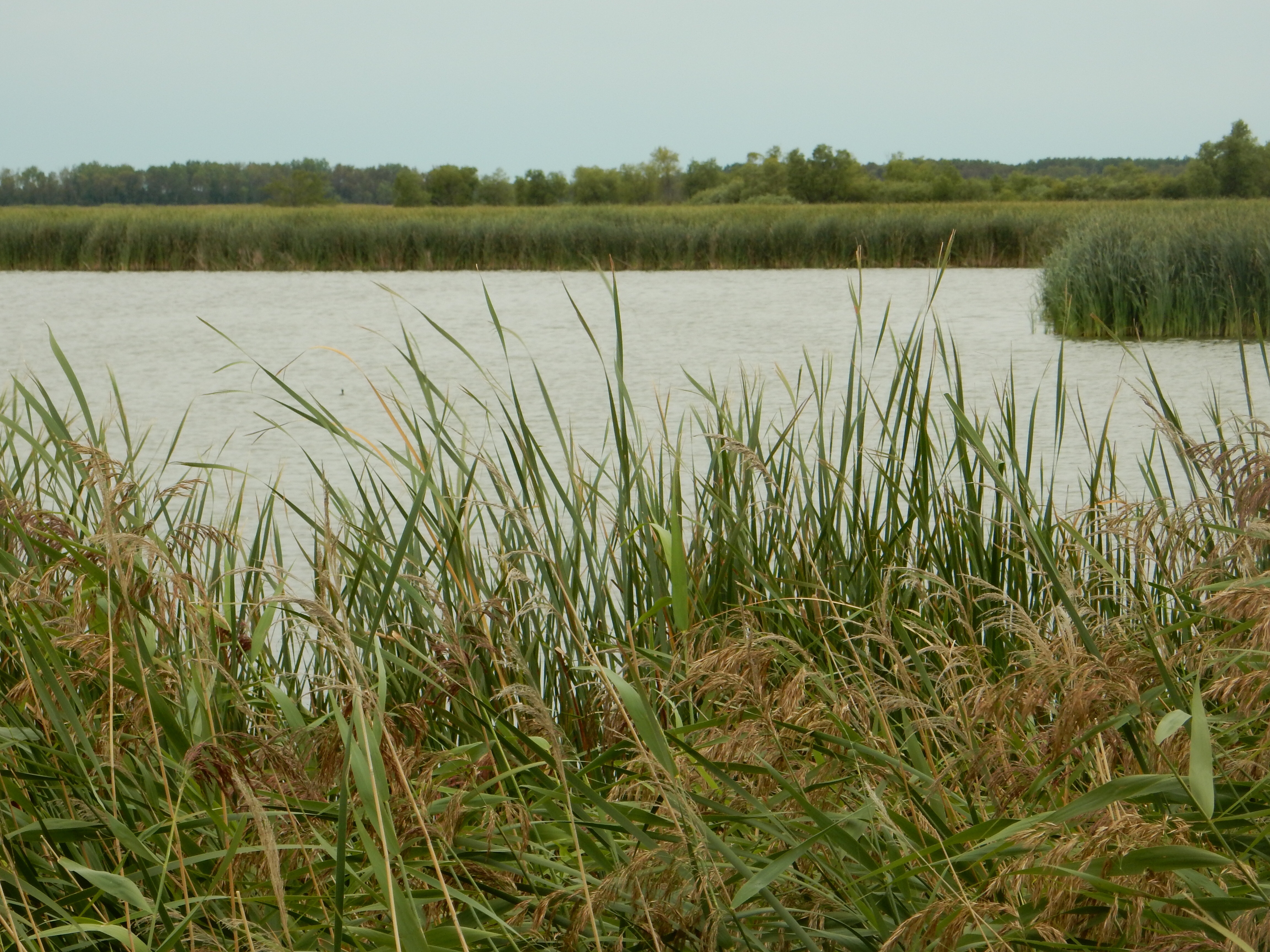
Agassiz Wildlife Refuge

Agassiz Wildlife Refuge

We left Thief River Falls and headed out to Agassiz National Wildlife Refuge, our third wildlife refuge in three days. Agassiz is 60,000 acres of wetland, shrubland, forests and grasslands. The name comes from the Swiss-American naturalist for whom Glacial Lake Agassiz was named. Glacial Lake Agassiz existed 8-10,000 years ago when the snow and ice from the last glacier melted and covered this area. The glacier formed the very flat land we have been driving across. The refuge was created in the 1930s in reaction to the same issues that created Rydell Wildlife Refuge. The attempts by local farmers and counties to drain the land was unsuccessful and the tax forfeited land went to the state. Even the state could not afford the upkeep so they handed it over to the feds.

Agassiz Wildlife Refuge

Agassiz Wildlife Refuge

A hike and a four mile driving tour of the refuge left us less impressed than we had been with Rydell. Rydell seemed more visitor friendly; but then the mission of the refuges is to preserve and protect the fish and wildlife. Agassiz is larger and may be a better resource for the animals. Our drive was through wetlands; without much elevation, it is hard to see beyond the cattails and water.

Dinner was at the Evergreen Eating Emporium in Thief River Falls. An excellent meal. The hostess was the one who filled us in on the employment patterns in the area. She has worked for Digi-Key for 20 years, and for 20 years for the restaurant. Kind of knows the ins and outs.

Wednesday, August 19.

East Grand Forks was left behind as we headed out to Roseau MN. Along the way, we stopped at two State of Minnesota parks, Lake Bronson and Hayes Lake. Both of these lakes are man-made, not natural. Both offer much desired water recreation options.

Lake Bronson state park

Lake Bronson state park

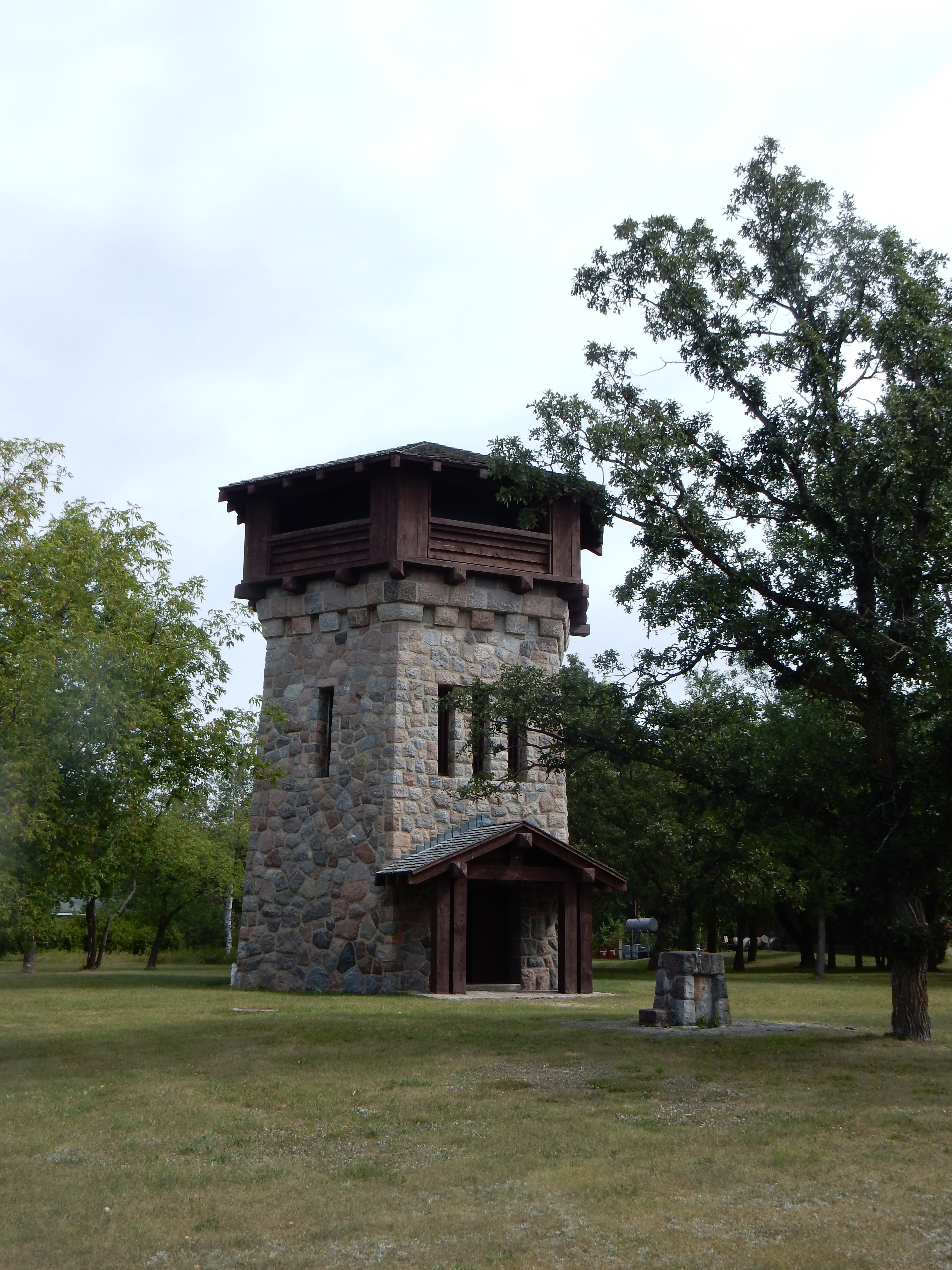
WPA constructed water tower and observation tower at Lake Bronson

WPA constructed water tower and observation tower at Lake Bronson

Lake Bronson was formed due to a water shortage in the 1930s. This area of MN actually has slightly salty groundwater. Remember those acidic bogs at Big Bog Recreation Area a few days ago? Bronson and Hallack wanted a reliable drinking water source and the WPA (Works Progress Administration) came through. The WPA was one of FDR’s answers to the Depression. The WPA built a dam here, along with park facilities, water treatment plant and piping, and enough other public projects to make this location the largest WPA project in the State of Minnesota.

Our walk here was okay but shortened. We planned to reach a second portion of the park, but found that the gravel road was so washboardy that we worried about the suspension on the car. The other dirt roads we have been driving on were fine, this one was not. We decided not to risk the suspension and drove on to Hays Lake State Park. Unfortunate for us; Hayes Lake was far enough away with greater rainfall that the mosquito count was much higher than at Lake Bronson.

Lake Hayes State Park

Lake Hayes State Park

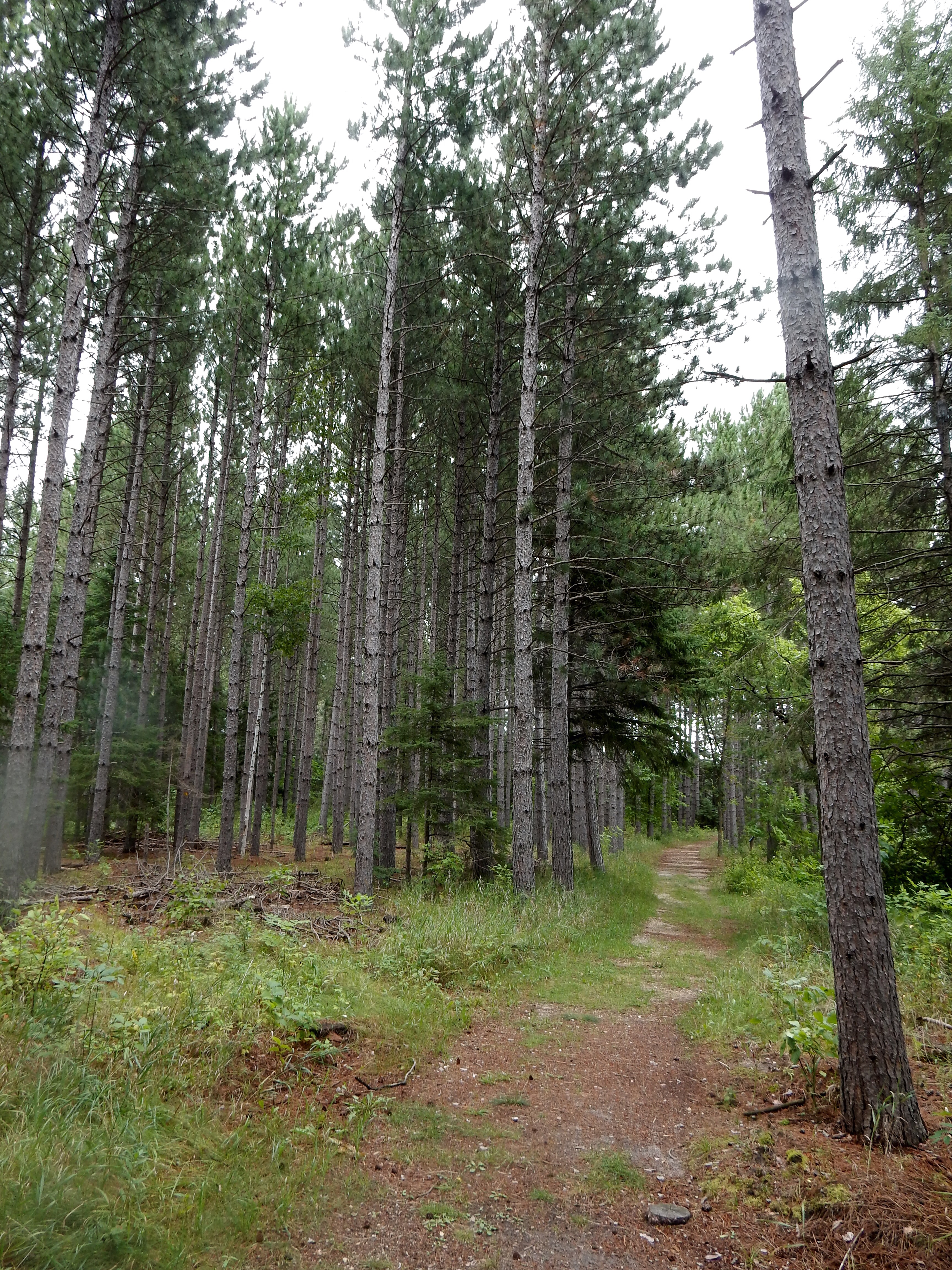
But we persevered and are now enduring fresh mosquito bites in order to bring you new, and exciting (?), experiences. Hayes Lake was also formed by damming a river, the Roseau River versus Two Rivers at Lake Bronson. We hiked along the lakeshore, hoping to spot moose, which are frequently seen in the park. No luck for us. There are still several more days in the north woods before we head home, so maybe all of the moose are waiting for the end of the trip. The hiking trail was level with the pine needles providing for a soft cushion underneath. No tripping on tree roots and rocks here.

Lake Hayes State Park

Lake Hayes State Park

As we drove from Lake Bronson to Hayes Lake, we encountered more trees and slightly hillier landscapes. Flat agricultural land still predominates, but as we continue east that will change. We are only ten miles from Canada. We expect to be looking across the Rainy River into Ontario and Manitoba over the next four days.

There are 76 state parks and recreation areas in MN. We have visited 23 of them in the last four months. Today in order to make sure we visited both state parks, we even passed by the Kittson County Historical Museum without stopping in. The county was named for Norman Kittson, a pioneer in early MN heavily involved in the ox-cart trains, along with later interests in steamboats and railroads.

Now we are in Roseau, a community of 2,600. Smaller than Thief River Falls and East Grand Forks, but still larger than many of the small towns we have driven through with populations well under 1,000.

Ed and Chris
August 19, 2015

Categories: road trip, travel | Tags: , , , , , , | Leave a comment

2015 Trip Five, Voyageurs National Park and N.W. MN, August 17

East Grand Forks, MN
Monday August 17th

Flat agricultural land as far as you can see

Flat agricultural land as far as you can see

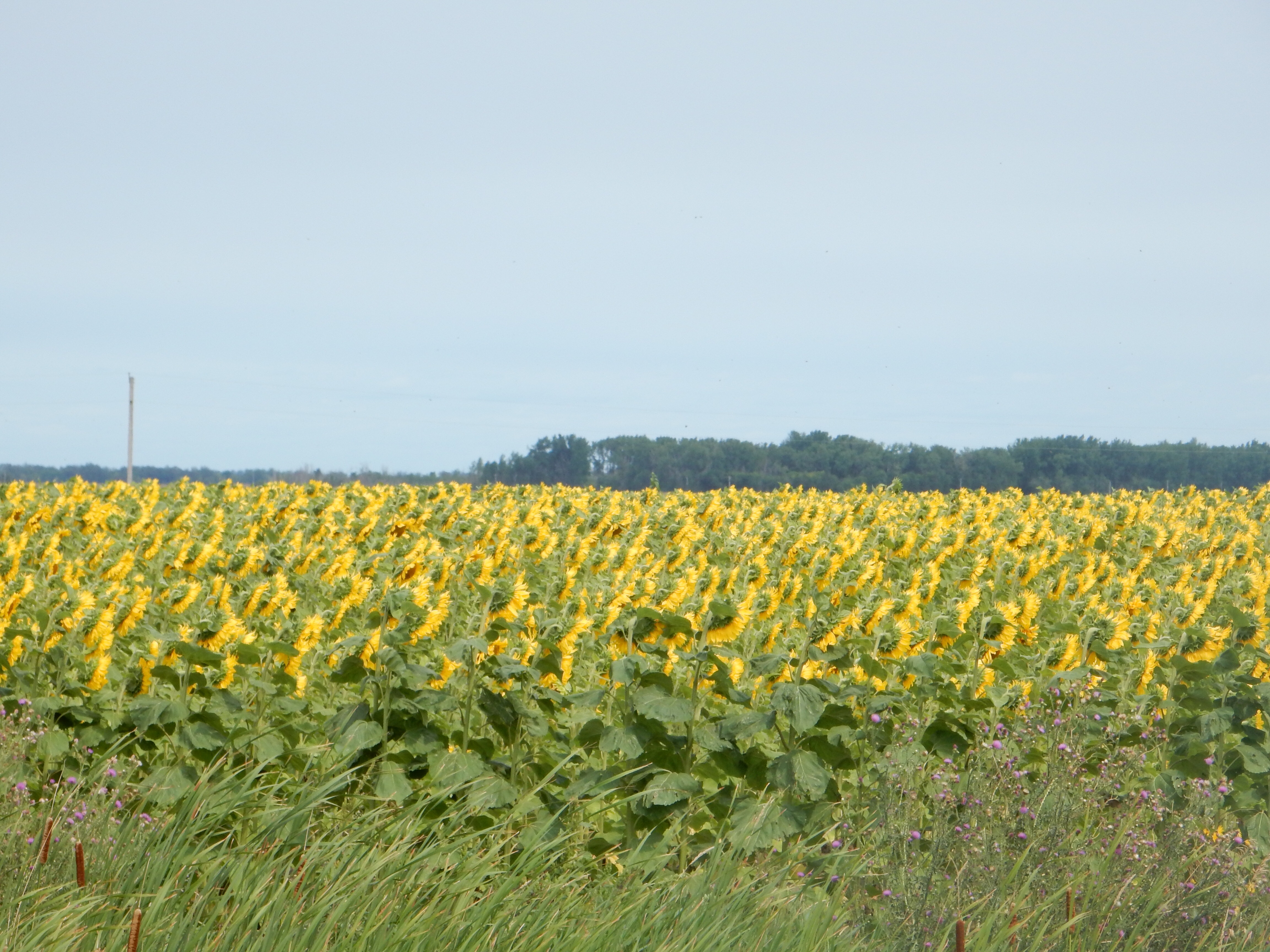
We just had to throw another sunflower picture in.

We just had to throw another sunflower picture in.

The name Lars Larson today sounds like it is made-up but Lars Larson Sr. was a Swedish immigrant who homesteaded in MN in 1882. He also built a mill for grinding wheat into flour. That milling process frequently became a community gathering process. The Old Mill State Park near Argyle MN keeps that memory alive. It took us a little over an hour on two lane roads to reach the park. Yes, the roads were straight and flat; the agricultural lands brimming with crops starting to be harvested. No change from yesterday in that regard.

The Larson mill at Old Mill State Park

The Larson mill at Old Mill State Park

The mill is still there with some of the original grindstones still here. Placards in the shape of the mill describe how it operated and history of the area. One placard mentions how Lars brought Scotch pine seeds with him and how some of the trees from those seeds still exist in the park. We passed on going to find them, the mosquitoes were out again.

The mill is not a major tourist site. We stop at these places to get a sense of the land and its people. We find it more enjoyable than just reading a book about it and frankly also because we like to travel. The state park holds an annual grist mill festival Labor Day weekend to remember life and times from an earlier period in our history.

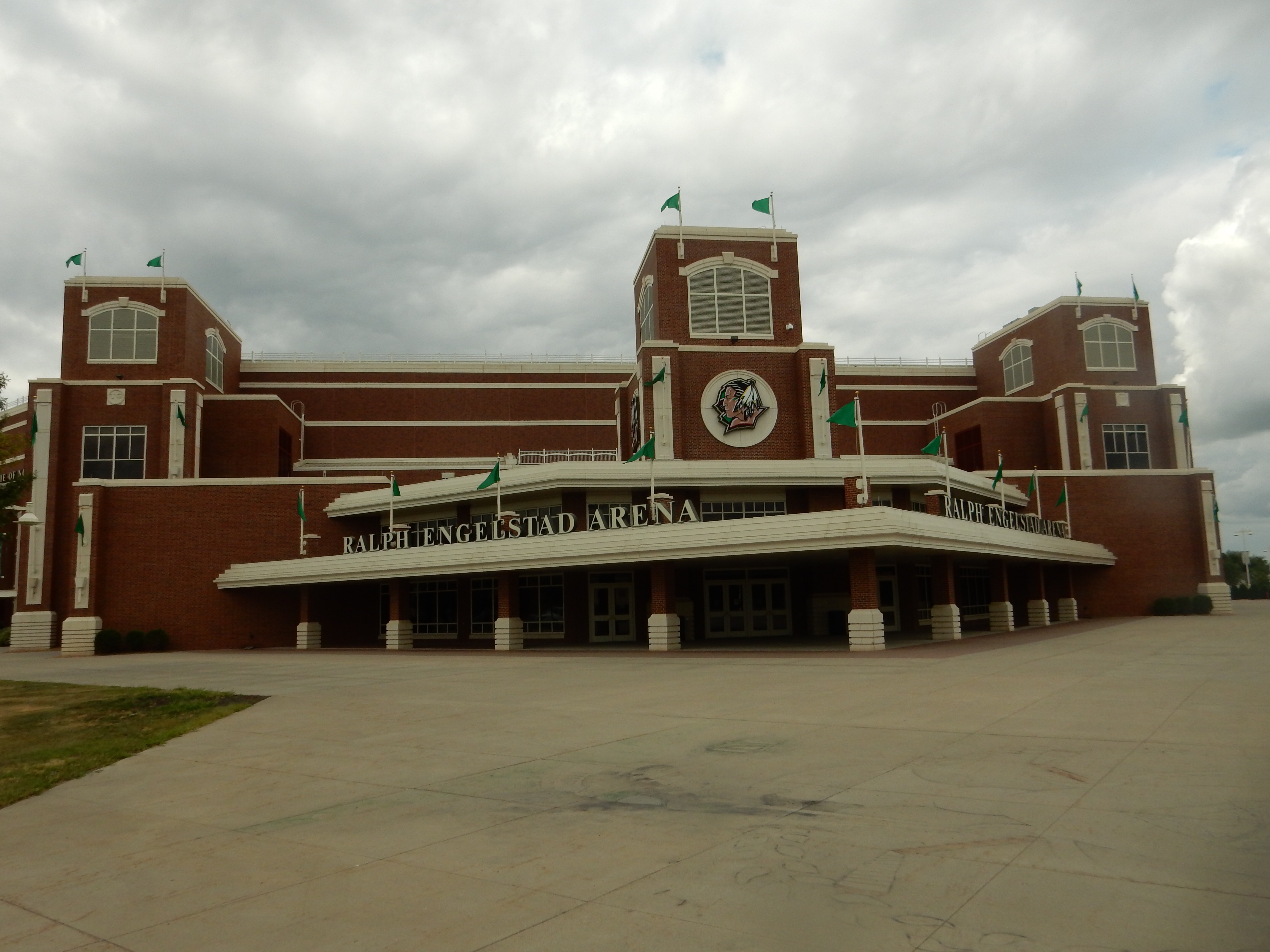
Ralph Englestad Arena in Grand Forks

Ralph Englestad Arena in Grand Forks

Grand Forks ND was our second stop of the day. Hockey is a big deal up here, as it is in many northern states. The hockey arena for the University of North Dakota here in Grand Forks is a BIG deal also. First, though, lets bring some of you up to speed on the UND nickname. Briefly, though and assuredly incomplete.

The University of North Dakota Ralph Engelstad Arena ice rink.

The University of North Dakota Ralph Engelstad Arena ice rink.

For years, the nickname of the university was the Sioux, then The Fighting Sioux. Supposedly this was done with approval of the Sioux tribes in North Dakota. Over time, attitudes changed about wording and what was offensive to Native Americans. The NCAA forced the issue and told UND the nickname had to go. Over much wrangling, debate with the Sioux, voting by the residents of North Dakota, the nickname and logo are officially gone. The replacement nickname has not been finalized although five substitutes have been proposed.

This is all brought up here because we took a tour of the Ralph Englestad Arena. Our 90 minute tour was run by a woman who has been doing this for years and is enthusiastic about the school and the arena. The arena has been held up as the exemplar of a modern collegiate arena with all of the bells and whistles. And I do mean all.

Ralph Englestad was born in Thief River Falls MN, played hockey at UND, and went on to develop real estate and two casinos; one being the Imperial Palace in Las Vegas. It was one of the very few independently owned casinos in the world. Englestad died in 2002 and the property now belongs to Caesars and is called the LINQ hotel and casino.

Before he died however, he committed to building UND a new hockey arena. He committed $100,000,000 for its construction and outfitting. He was heavily involved in the details of the design and overseeing the construction. The final cost for the 11,634 seat arena when completed in 2001 was $104,000,000 and he paid it all. In contrast, in 1994, the University of Minnesota built 10,000 seat Mariucci Arena at a cost of about $20,000,000. The Xcel Center in St. Paul, built in 2000, is a 18,000 seat NHL arena and cost $170,000,000.

The bar and Belgian Organ at the arena

The bar and Belgian Organ at the arena

Englestad Arena is a true American monument to athletics. There is a 1903 Belgian Organ. Floors have granite from Italy and accent granite from India. The seats are leather. There are 300 television sets so a spectator does not miss the action if they are in the restroom or at a concession stand. There are 2400 Fighting Sioux logos throughout the building. There are 48 private suites that go for $32,000 per season.

The men’s and women’s (hockey team only) shared weight room is 10,000 square feet, has an underwater treadmill, and a jacuzzi the entire men’s hockey team can fit into at one time. The men’s hockey locker room rivals those in NHL arenas and is off-limits to all but hockey team members and staff. There is a separate hockey stick room also off-limits to all but a few select hockey staff.

The arena has collegiate and Olympic sized rinks. It has three Zamboni ice making machines. It is faced with $1,100,000 in brick. It has room for four buses to drive inside, discharge passengers, and park until the hockey game is over and the visiting team has to leave.

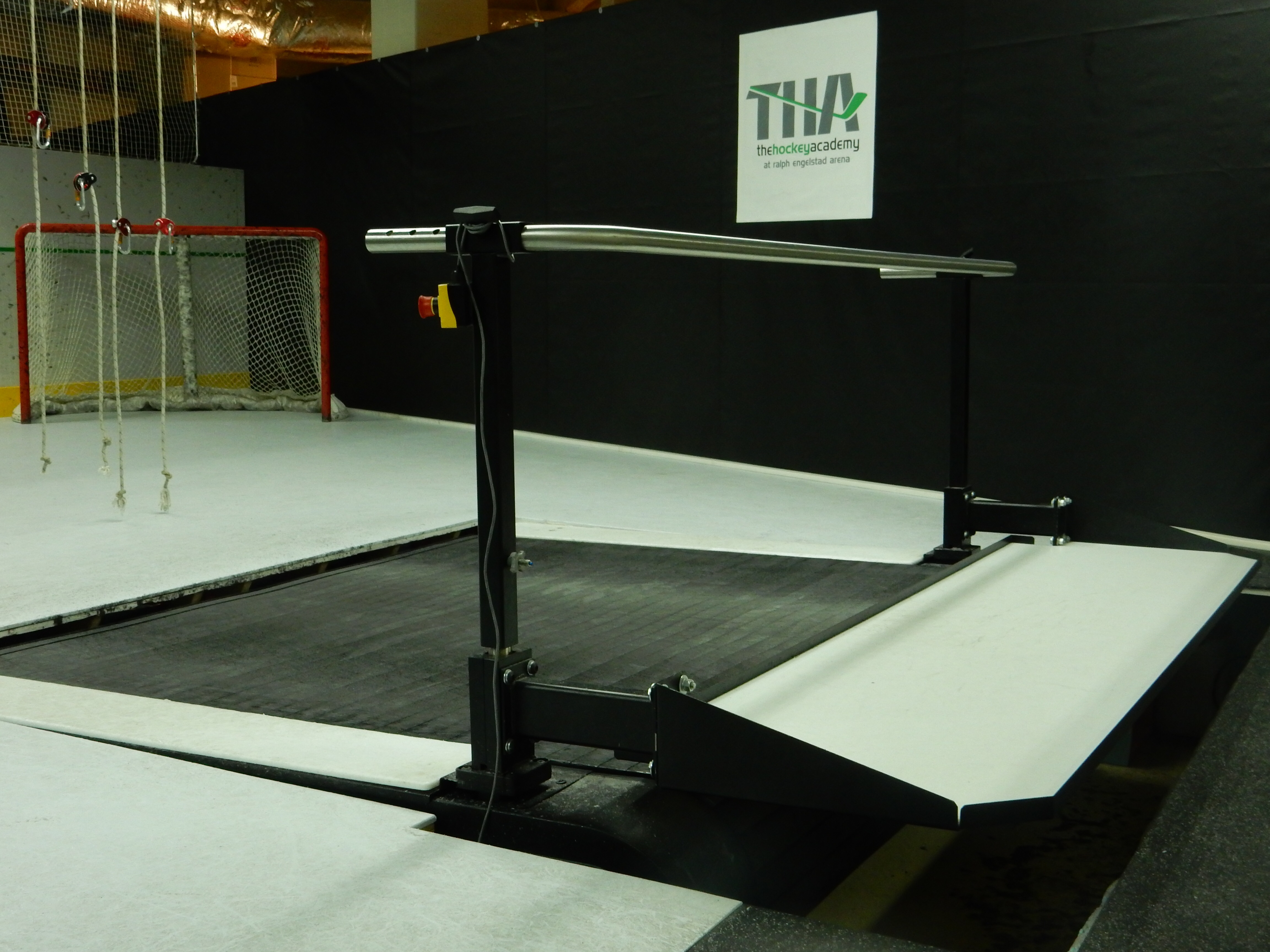
Finally, it has a practice area open to camps and young people as well as UND hockey players. In this area is a treadmill with a non-ice skatable surface where athletes can practice skating-not running, or jogging. As one staff member said, “By high school, the young players should be able to skate on this treadmill at a speed of about 20 mph.” They do wear a safety harness, just in case.

The skating treadmill at UND

The skating treadmill at UND

Well, I controlled myself and did not ask any questions about the balance between sports and academics. I avoided comments about the fact that the facility is not UND controlled but managed by an outside group on land donated so alcohol can be sold on the premises. I made no comment after learning that the arena makes a profit of $1,000,000 a year that is given to UND. I made no comment about the nickname controversy or the 2400 Fighting Sioux logos around the building. (Englestad fought to retain the logo and nickname, even threatening to pull out if it was changed.) Surprising behavior for me, yes?

All in all, an educational afternoon for us and 15 other people who took the tour.

Dinner was Italian, down by the waterfront. Mamma Maria’s and a good choice.

A short video on the treadmill.

Ed and Chris

Categories: road trip, travel | Tags: , , | Leave a comment

2015 Trip Five, Voyageurs National Park and N.W. Minnesota, August 16

East Grand Forks, MN Monday August 17

Old church by the side of the road in NW MN

Old church by the side of the road in NW MN

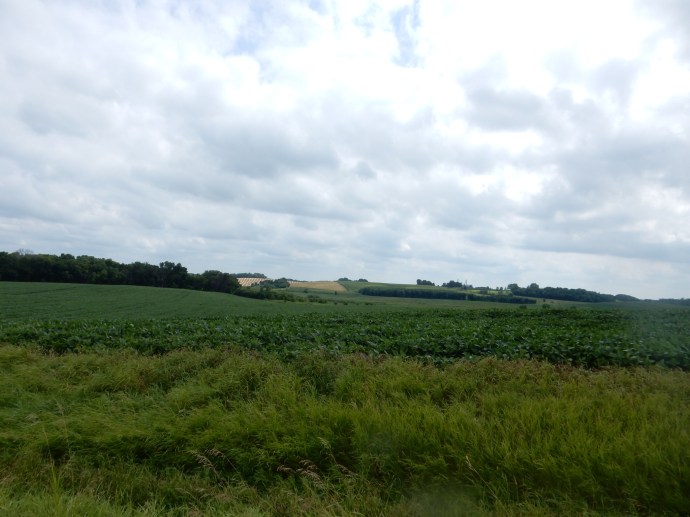
Minnesota has 11,842 lakes greater than 10 acres in size. Sunday morning we left the land of lakes and forests and headed over to the prairie land where there are very few lakes. The transition does not happen immediately but by Sunday afternoon we were in flat, flat, flat land. But first, we had three stops scheduled before our planned arrival in East Grand Forks Minnesota.

Silos,elevator and train along road

Silos,elevator and train along road

We left behind an area where every second vehicle was a pick-up or SUV pulling a boat and trailer. The road Sunday was straight with varying fields of sugar beets, corn, wheat, sunflowers, potatoes, and soybeans. Trees were planted as wind breaks, not as part and parcel of a forest. Every small town had its huge stack of elevators storing crops. Trains were comprised of hopper cars of coal or grains along with tanker cars we presumed with North Dakota oil but possibly other liquid goods. Small white-painted churches dotted the countryside.

Field of sunflowers

Field of sunflowers

Rydell National Wildlife Refuge was our first stop. Here we are out in the rural, sparsely populated area and we run into three women with their children going for a Sunday morning walk. The refuge office was closed but the trails were open. This refuge is still in the transition zone, so there were wetlands, small forest areas, ponds and grasslands. This part of MN was primarily prairie until the European settlers arrived and plowed up the land for agriculture. One can see the rich, black dirt that produces such good crops.

Wheat Field

Wheat Field

The railroads were the major driver of settlement in this part of the US. The railroads were given land by the federal and/or state government which they used to sell land to European immigrants. Other immigrants used the Homestead Act to gain their 160 acres of land at low cost. Towns were built along the railroad tracks where the crops were raised and then the crops sent back east on the same railroads that brought the immigrants out here to settle. Wheat was the primary crop planted by the settlers. That wheat was ground into flour in Minneapolis which was the flour milling capital of the world from 1880 to 1930. Even today, wheat is heavily grown in the Red River Valley of the North.

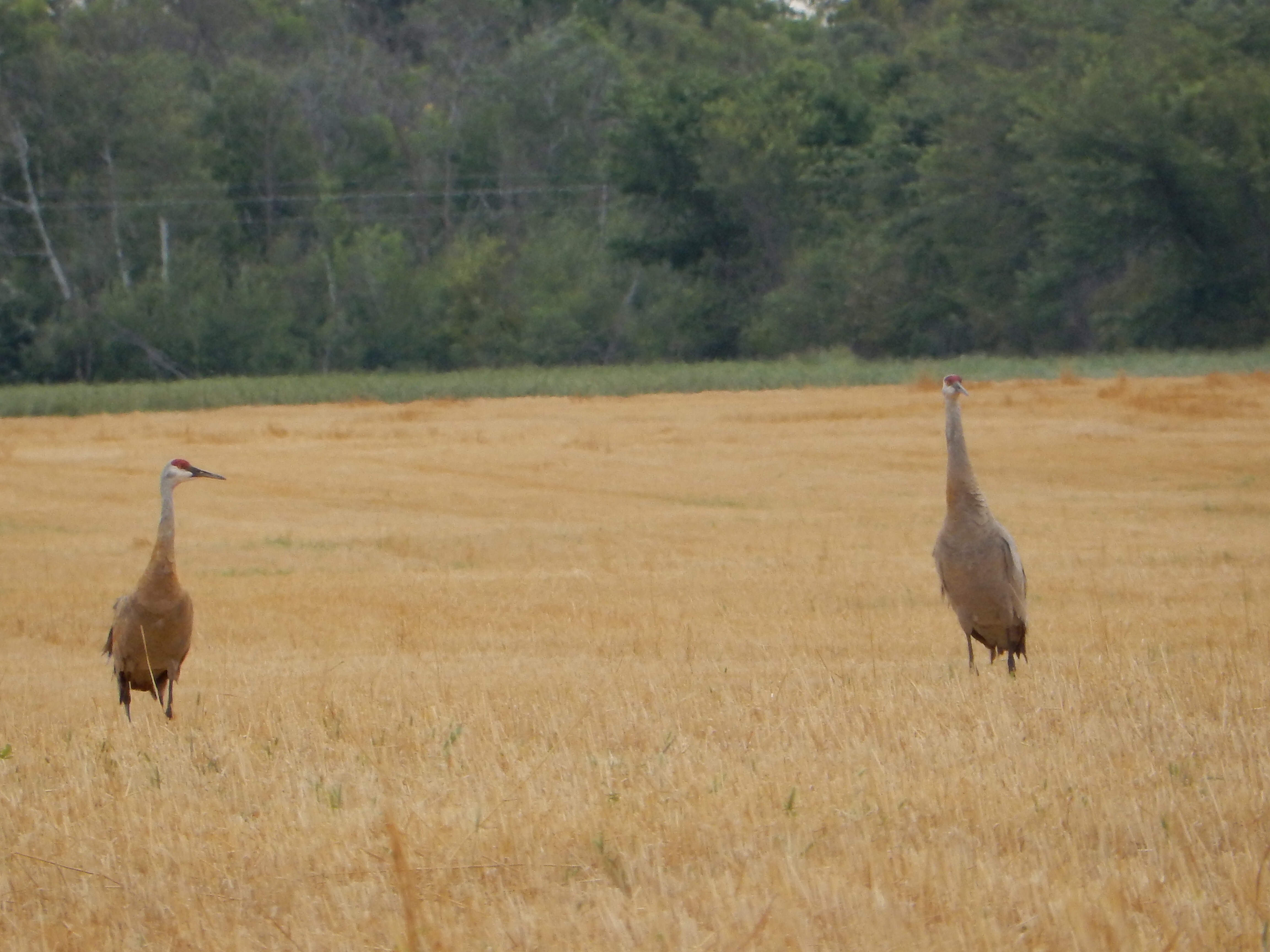
Two Sandhill Cranes

Two Sandhill Cranes

Part of Rydell National Wildlife Refuge

Part of Rydell National Wildlife Refuge

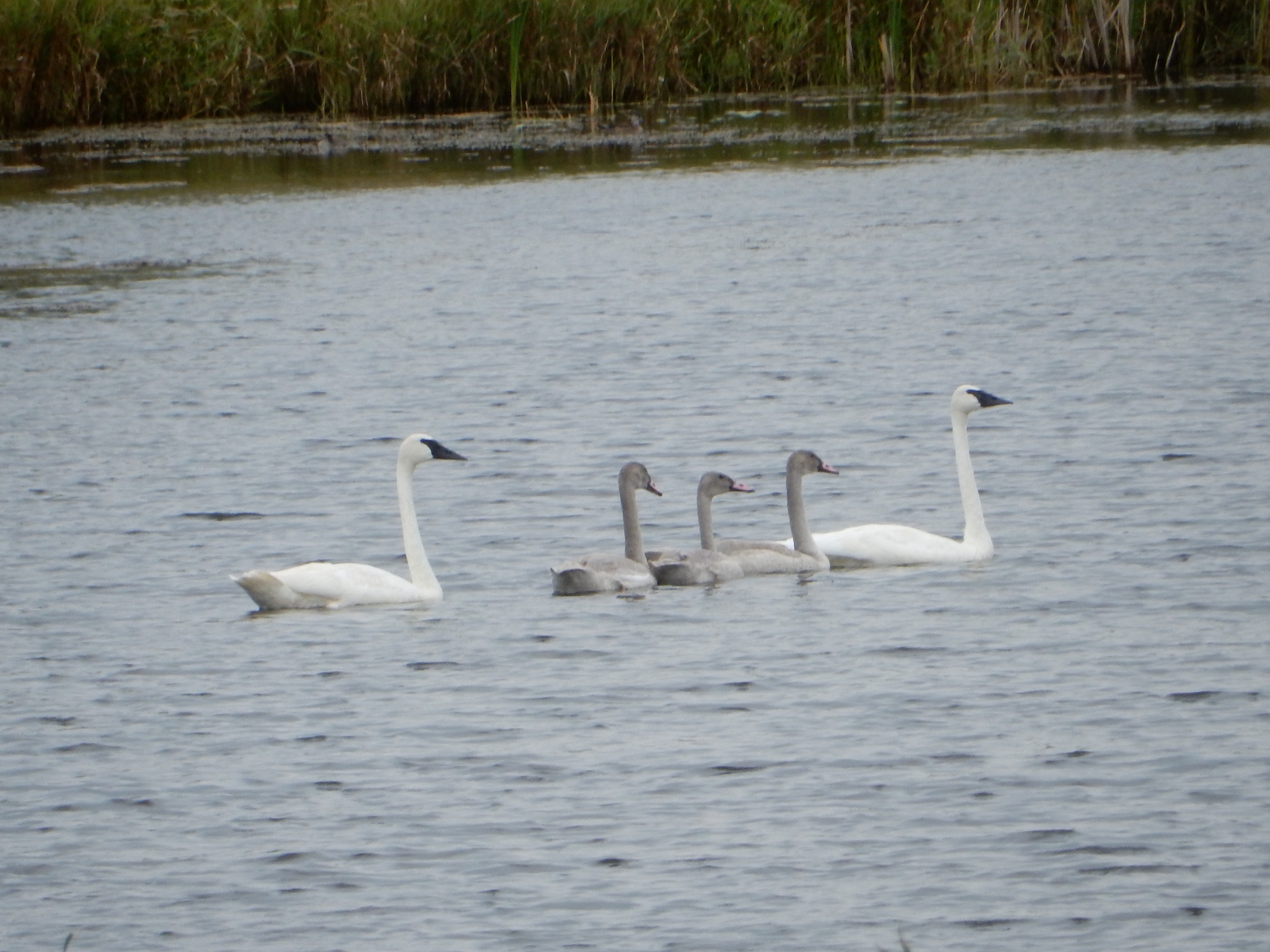
Swan family

Swan family

The Rydell National Wildlife Refuge was formerly home to 19 farmsteads. Its 2200 acres is bordered by land still being farmed. In one field located just across from the refuge entrance, we observed, and listened to the calls of, two Sandhill Cranes in a field where the wheat had just been harvested. In the refuge itself, we could view numerous prairie grasses and flowers. Trumpeter swans were swimming in two of the ponds.

Glacial Ridge Wildlife Refuge

Glacial Ridge Wildlife Refuge

A second stop was the Glacial Ridge National Wildlife Refuge. This one is so new that we drove past the small, off the road sign announcing it. Glacial Ridge is a partnership of over 30 agencies that hope to eventually make this the largest restored prairie in the U.S. Its goal is over 35,000 acres (Rydell is only 2,200 acres). There is only one short trail currently usable. We had hoped there would be more. We did drive past numerous signs indicating the refuge was located behind the fences, but only the one trail. One major goal for Glacial Ridge is the creation of sufficient habitat for prairie chickens which are dying out. The prairie chicken has a unique “booming” sound during its mating ritual.

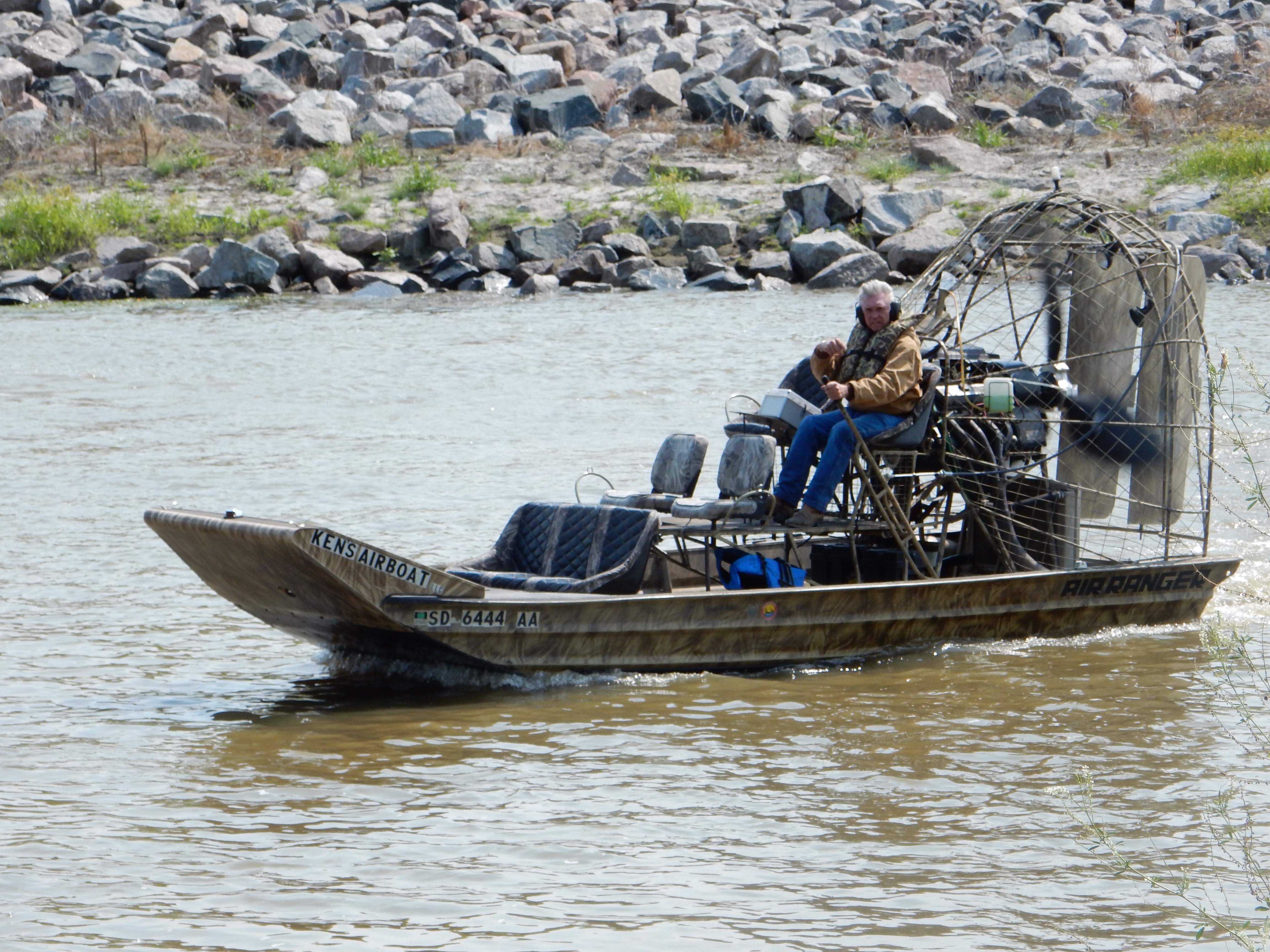
Airboat on Red Lake River

Airboat on Red Lake River

The city of Crookston MN was our third stop. The city was holding its annual Ox-Cart Days festival this weekend. Most of the festival was over by Sunday but we managed to go on an air boat ride on the Red Lake River. The river flows out of Red Lake which we visited on Saturday. Two of our companions were Bob and Joyce from Crookston who filled us in on the flooding history of Crookston. When you read of the floods in Grand Forks, Crookston was usually hit also. The Crookston/Grand Forks area is one of the few parts of the U.S. where the rivers flow north. This exacerbates the spring snow melt floods since the snows melts and then it has to flow north where the river is usually still frozen.

The old ox cart  used until the 1870s

The old ox cart used until the 1870s

Ox Cart Days are the town’s effort to remember its history. Way back when, even before the railroads, ox carts were the primary means of commercial traffic between Winnipeg and St. Paul. Ox carts, with large wheels to better handle the muddy roads, traveled in “trains” of several hundred at a time, and were pulled by one or two oxen. They moved at a slow pace of 20 miles per day. The train of carts had ungreased wheels which made a creaking sound that could be heard six miles away. It took hours for them to pass by a single location, leading to memories of “no other sound you ever heard in your life”. The ox carts were only able to make one or two round trips per year due to their slow speed and the short summer season. And I sometimes complain that Amtrak is an hour or two behind schedule!

One of the local churches was having a pizza and Celtic music picnic where we ended the day. The church had just built their own outdoor stove to make pizza. The wife of the stove builder explained to us that this was their public endeavor with it. We had three slices each. Good job folks.

The drive from Crookston to East Grand Forks was completely in the prairie area. Flat lands in every direction. I have not yet been able to differentiate between fields of potatoes, soybeans, and sugar beets. While Idaho and Washington produce over half of the U.S. crop of potatoes, this section of ND and MN rank sixth and seventh.

Crookston sugar beet facility

Crookston sugar beet facility

Sugar beets are a big deal up here; you may have read over the years of the impact the sugar beet lobby has in limiting imported sugar and in providing for strong sugar beets subsidies. We have seen two large sugar beet producing facilities, one in Crookston and one near our Fairfield hotel in East Grand Forks.

We had dinner Sunday night at the Blue Moose in East Grand Forks. It is located as close to the Red River of the North as a business can get nowadays. After the disastrous 1997 floods, much of the two downtowns (Grand Forks ND is on the west bank of the river) were destroyed. Instead of reconstruction, the properties were torn down and a park installed. On the MN side of the river, it is the Red River Recreation Area. The businesses were pushed back aways and dikes built to better protect the town.

We went walking through the river park. It has great bike and walking paths and some campgrounds. There are still plans to do more flood prevention work which is very controversial-and expensive. Since the land up here is so flat, any flooding back-up can impact miles of territory. Not sure how it will eventually be resolved.

Ed and Chris

Categories: road trip, travel | Tags: , , , , , , , | Leave a comment

2015, Trip Five, Voyageurs National Park and Northwest Minnesota, August 14-15

Bemidji, MN August 14, 2015

Well we are “Up North” in Minnesota, currently in the lakes and forest region around Bemidji. Later on we will be out on the prairies of the Red River of the North, finishing up by following the Rainy River (the boundary between Canada and the US) over to International Falls, home to Voyageurs National Park. Voyageurs was our original destination but we thought we would include the NW corner of MN which we had not visited previously.

Lakes and trees and rivers are much of the beauty of the area. Most tourists fish and swim in the summer, hunt and ski/snowmobile in the winter. We will do our usual of hiking/biking, touring historic sites, go on a few industrial plant tours, and get out on the water at Voyageurs.

Paul, Ed and Babe in Bemidji MN

Paul, Ed and Babe in Bemidji MN

Bemidji is 225 miles from St. Paul and we arrived here just after lunch time. We sacrificed lunch to go on a 90 minute bike ride at Lake Bemidji State Park and on the Paul Bunyan State Trail. Bemidji is “Home” to Paul Bunyan and Babe, the legendary lumberjack and ox. It is also a town of 13,000 people; the largest northern MN town between Grand Forks at the ND border and Duluth at the WI border.

Part of the bike trail

Part of the bike trail

The sunny Paul Bunyan Trail

The sunny Paul Bunyan Trail

Lake Bemidji State Park has bike rentals which even include a helmet that you can keep. We took them, even though we had brought our own along with us. The weather today was hot (90 degrees) and sunny. We justified only biking for 90 minutes due to the heat. Dinner was at Brigid’s Cross Irish pub in downtown Bemidji, great food (hunger may have impacted on that evaluation) with a group of four local musicians providing entertainment.

This part of MN was settled by European immigrants late in the 1800s, around 1890. Logging was the first driving force for settlers, followed by the railroad (James J Hill’s Great Northern). Bemidji grew, partially due to lobbying to make it the county seat, and partially due to friendships between town settlers and James J Hill. The settlers convinced Hill to change his original planned route which would have gone south of Lake Bemidji to one directly through their town site. Then flour magnate John Pillsbury had lumber lands back north of the lake and they had to construct a feeder railroad to bring his lumber down to his mills in Brainerd and in Minneapolis.

In any event, there was enough lumber to make several people rich. Between lumber and railroads, the early town prospered. Today lumber is still a major economic force, along with higher education and tourism. The lakes in this region are home to numerous resorts and fishing is a major sport.

Well before the Europeans, the Dakota lived in this area. In the 1750s, the Ojibwe drove the Dakota south and west, taking over this part of MN until the Europeans arrived. Once again, through broken treaties and land fraud, the Native Americans were removed to reservation lands-much of which was later stolen from them. Today three main reservations are in this area, although much of the land is still owned by whites. The Leech Lake Reservation, the Red Lake Reservation, and the White Earth Reservation.

The Mississippi River flowing out of Lake Bemidji

The Mississippi River flowing out of Lake Bemidji

The Mississippi River headwaters are only 30 miles away at Lake Itasca. When the river reaches Bemidji, it flows through the lake, entering on the west side and exiting on the east side. Bemidji actually means lake with crossing waters in Ojibwe. The river is not dramatic in scope here, resembling many other small rivers.

August 15

We were wilderness hikers today, out in what may be Minnesota’s last true wilderness area. You were probably thinking of the Boundary Waters Canoe Area or maybe Voyageurs National Park. If so, you would be wrong. Big Bog State Recreation Area. More than likely you have not even heard of it. It took us over an hour to reach it from Bemidji.

Big Bog State Recreation Area

Big Bog State Recreation Area

Big Bog is 50 miles long, 12 miles wide and almost completely uninhabited. It is the largest peat bog in the continental United States; i.e., excluding Alaska. You might think of it as the Everglades of the North. It contains enough water to cover the entire state of Minnesota to a depth of two feet (per the Park Ranger).

The Big Bog dates back to Glacial Lake Agassiz 10,000 or so years ago. As this area warmed up and the glacial waters receded, the glacial drift left in this area was relatively flat. The vegetation here is primarily peat and sphagnum moss as the base material. Black spruce and tamarack trees are here, usually in stunted form due to the acidic water.

Our walk was primarily on a special boardwalk. Walking on the vegetation kills it and regrowth is slow. The boardwalk is about 10 years old and was experimental at its time of installation. The posts are drilled down into solid footing, which varies from 3 to 14 feet. The grates are a plastic material, and the construction was undertaken by extending out new portions from the section just completed. No construction equipment drove on the bogs.

Site of a failed canal in Big Bog State Recreation Area

Site of a failed canal in Big Bog State Recreation Area

Technically a bog is a nutrient poor, slightly acidic wetland characterized by sphagnum moss. It has less plant species than fens. (I hope that clarified things in your mind.) Our walk started in an area with enough short trees to be shaded. It progressed to being able to see the hillock areas covered in moss and grasses with fewer trees, until at the end, the view was primarily of waving grasses growing out of the soft moss/peat on undulating ground. Water was sometimes visible, many times not. Evidently the moss is like a huge sponge, soaking up the water.

Big Bog State Recreation Area

Big Bog State Recreation Area

At the park headquarters, there is an aerial map that was very helpful. From the air, one can see islands of slightly higher elevation where trees tend to grow. The flow of water is quite visible primarily in the wavy lines of vegetation but also in the flow of certain water channels. In between are lighter colored areas of grassy vegetation.

This area is uninhabited for a reason. Man could not conquer nature. Those European settlers thought this would make great farm land. Ha! Efforts to drain the bogs failed. Even today one can see where the failed drainage channels were dug. The acidic soil meant that the trees here were not valuable to lumberjacks. Individuals lost their shirts in homesteading and in major commercial ventures. Abandoned land went back to the counties for unpaid taxes.

The counties sold bonds to construct the drainage canals and hoped to repay the bonds from land sold for farming. Part of the area seceded from one county and set up its own in order to avoid the debt. When the canals did not work, the county debt was taken over by the state in exchange for the land so the state was stuck with it. It was not until the 2000s that the area was made into a park, partly to offset lost tourism when Upper Red Lake walleye fishing went into a slump-from which it has since recovered. Thus, the area is not agriculturally viable, not forestry viable, and not viable for much of anything but attracting people like us.

There is supposed to be wildlife like moose in the area. We did not see any. This is a major birdwatching area, sandhill cranes, eagles,etc; we did not see those and were not blown away by what we did see. We did see insect-eating pitcher plants. BUT, lest you misunderstand, the trip was great fun and amazing. We had no concept this existed. Seeing miles of waving grasses, the up close view of the moss, seeing man’s effort to conquer nature defeated (much like the Okefenokee Swamp in GA). If interested, I did find two other newspaper articles about Big Bog you might find more interesting than mine. The Star Tribune of July 24, 2014 and the New York Times of June 13, 2008.

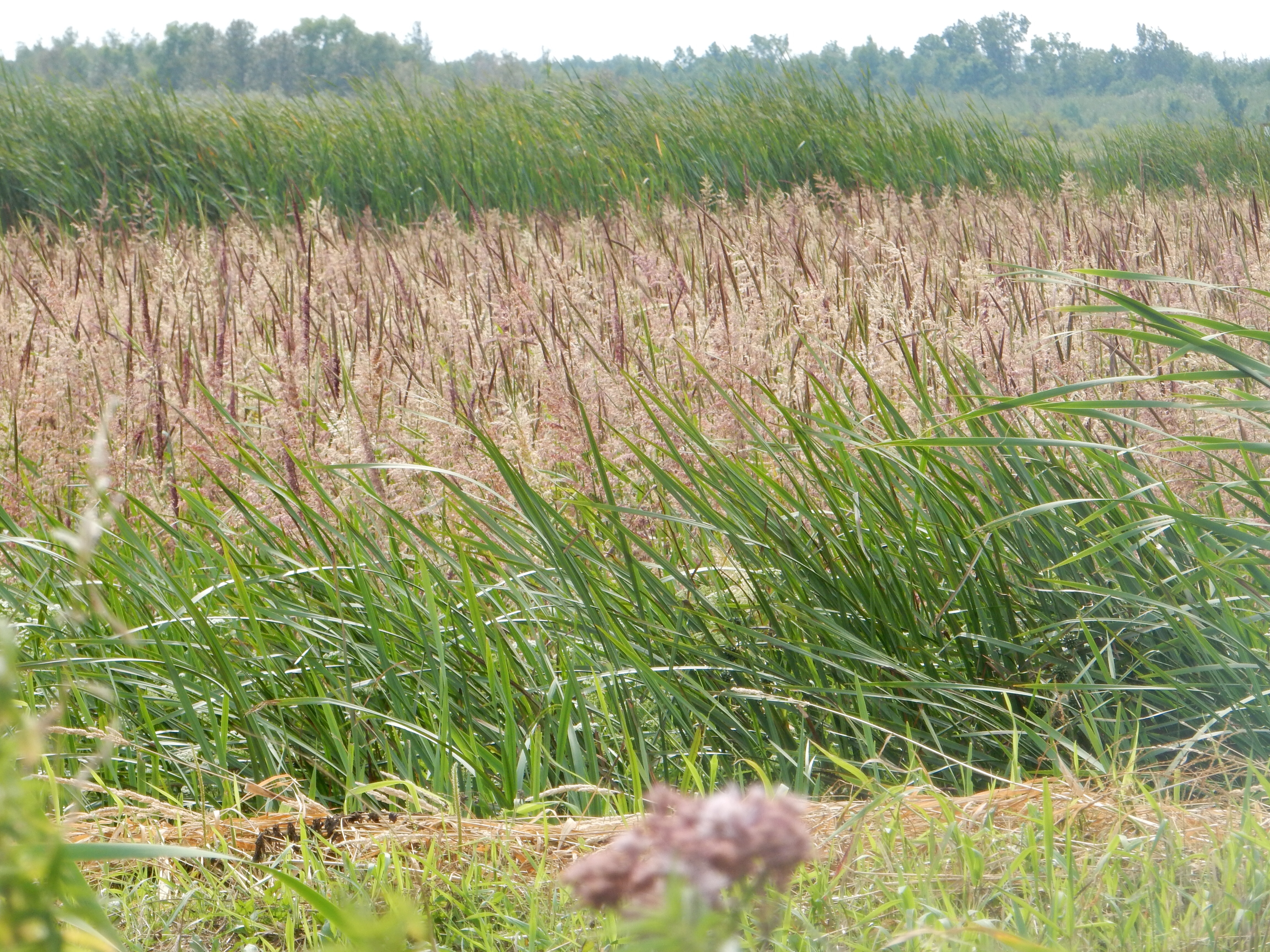
Wild RIce

Wild RIce

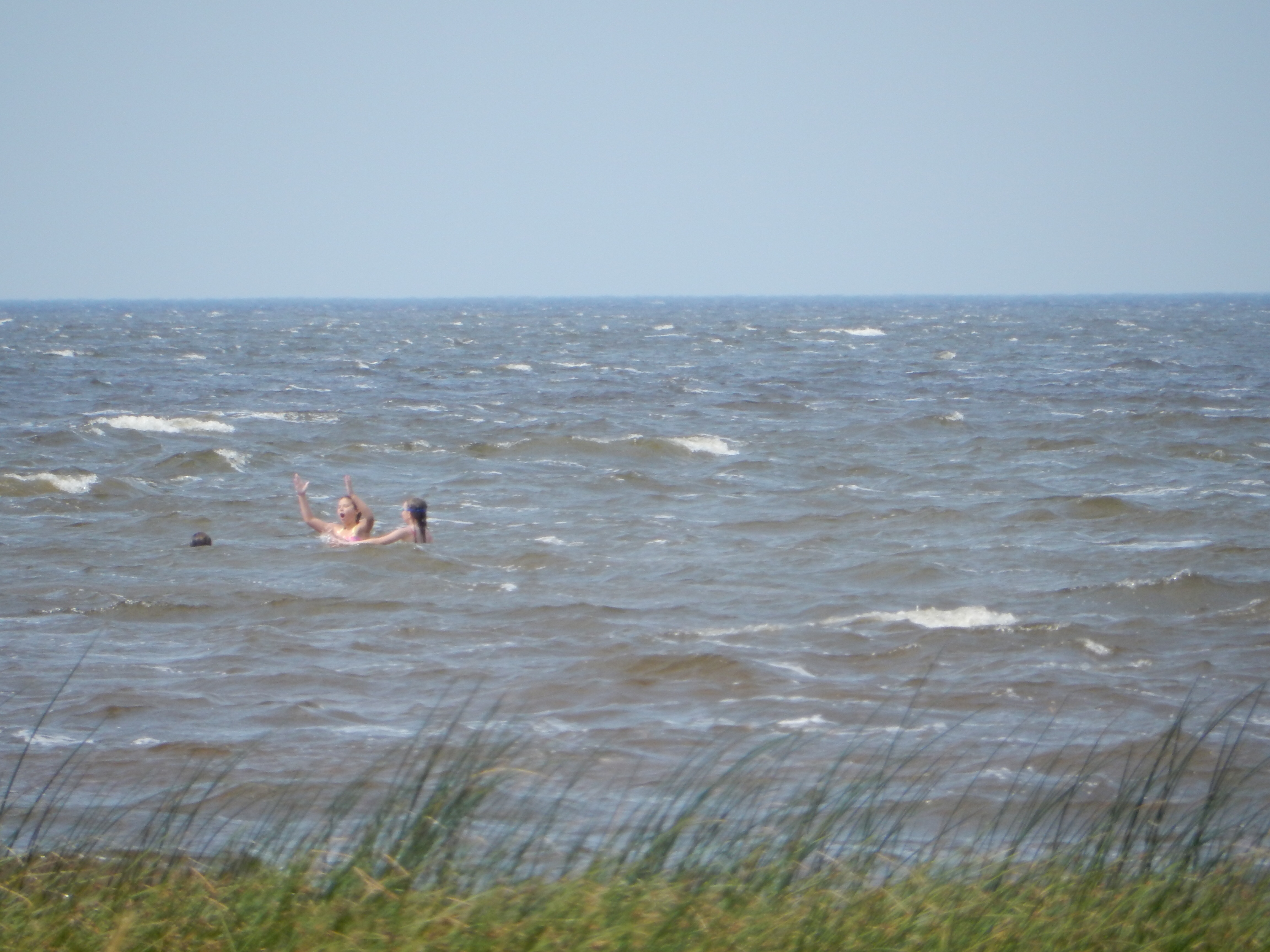
While in the area, we went out exploring on back roads and came across numerous fields of wild rice. This was our first time that we knew we were seeing wild rice growing. We stopped by the beach at Red Lake, the largest lake totally within the borders of MN and the 14th largest non-man made lake in the U.S. I climbed the fire tower at Big Bog (137 steps) for a view of the area.

People swimming in Red Lake

People swimming in Red Lake

Now remember we are in a remote area; this bog area is practically uninhabited. So for lunch our options were limited. We ate at the West Wind “Resort”, the only game in town, so to speak, of the town of Waskish, the nearest town to Big Bog. The interior was standard northern MN; log paneling, trophies mounted on the walls, Twins banners, and the bait shop was just across the parking lot. But the burgers were great, the onion rings and wild rice soup quite good.

Part of the Lost 40

Part of the Lost 40

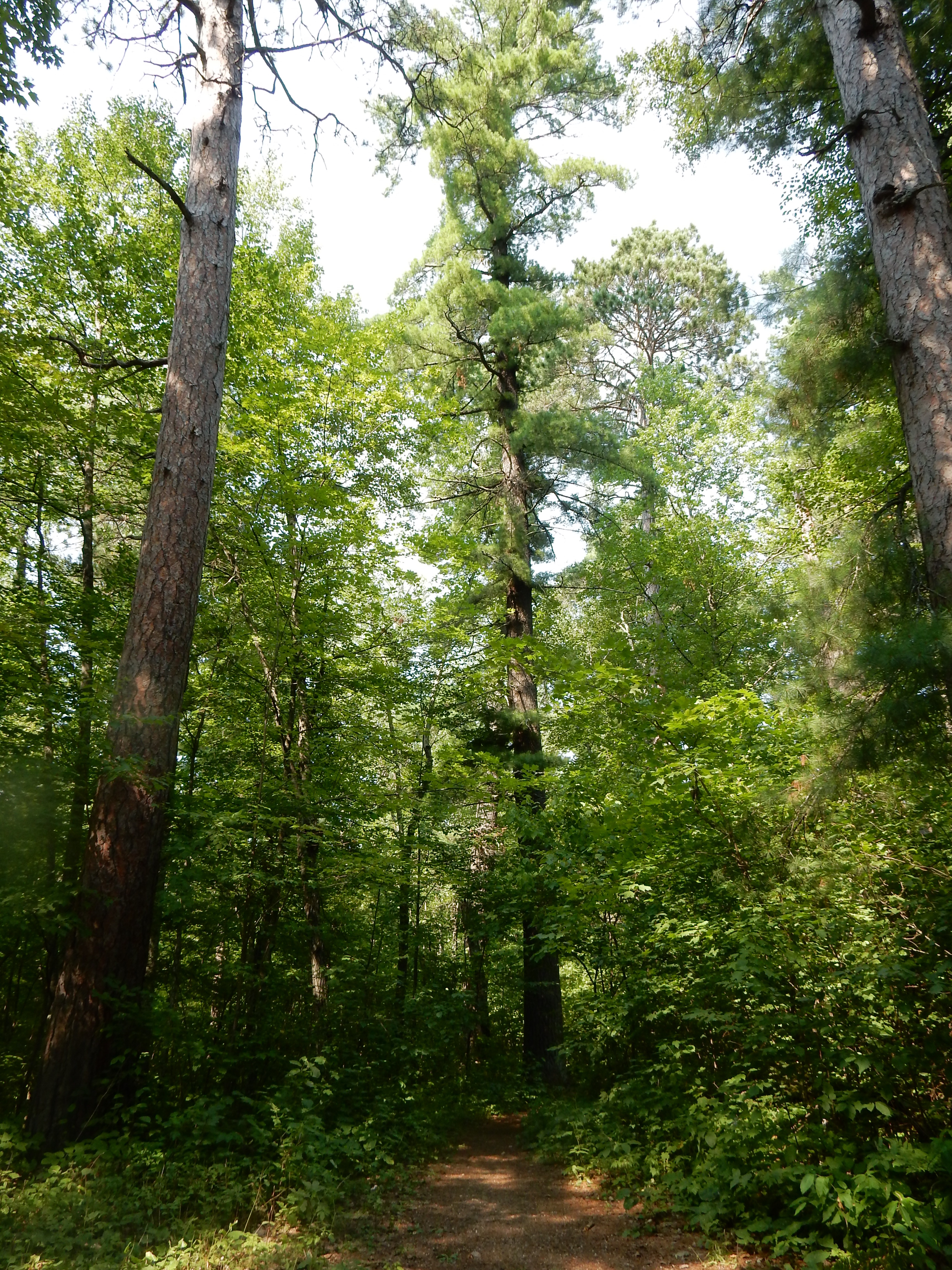
After lunch, we hit another remote area; a result of inaccurate surveying. The Lost 40 refers to an area where the lumbering whirlwind of the late 1800s missed some of the largest trees around. The surveyor for the area made a mistake and plotted this parcel of land as water and swamp, so no lumber company bought it. When all of the large red and white pines trees around were cut down, this area remained. Today it provides a rare glimpse into what old growth MN forests looked like over a hundred years ago. Not redwood or sequoia size, but impressive nonetheless.

After returning to the Doubletree here in Bemidji (very nice with a great breakfast) we showered and went to church. (A full house.) For dinner lets just say we did not make the best decision and leave it at that. The group at the next table complimented Chris on her dress (her Hawaii purchase) and then warned us that one of our next towns was a real “wasteland”. We will leave it nameless until we explore it in person.

Bemidji seems nice. I know, one makes these superficial judgments but that is all we have to go on. The town seems clean, there is sculpture on many corners in the business district, and Bemidji State University must be an economic engine to the area. There appear to be numerous cultural and social activities thriving. We made an early morning stop at the Bemidji Woolen Mills, a factory that still makes woolen products here in town and also sells other U.S. made clothing products on-line. Check ’em out. http://www.bemidjiwoolenmills.com

I do miss the longer days and earlier sun rises from June and early July. The Doubletree is on the water’s edge and sunrise and sunset views are wonderful. Families are out and about enjoying the water sports. Boats dot the lake. It all ends too soon each day.

Sunday we head out to East Grand Forks for three nights.

Ed and Chris
Saturday August 15

The Minneapolis Star Tribune featured Big Bog in this article: http://www.startribune.com/exploring-big-bog-state-park/268499352/
In addition, on December 11, 2015 the Outdoors section discussed the photographer and reporter that journeyed around the state ranked Big Bog as one of the special features of the state. http://www.startribune.com/state-of-wonders-lives-on-in-book/361435711/

Categories: road trip, travel | Tags: , , , , , , , , , | 3 Comments

2015, Trails and Rails-Amtrak and National Park Service

Saint Paul, MN

In July of 2012 I retired and, as readers of this blog know, began traveling extensively in January of 2013. I have also been seeking out volunteer opportunities that would still allow for travel. Periodically in 2013 and 2014 I would do some volunteer work for the Mississippi National River and Recreation Area, a unit of the National Park Service. As we cut back on our travels this year, I have been able to increase that volunteer work. In the words of the website for the Mississippi National River and Recreations Area, “In the middle of a bustling urban setting, this 72 mile river park offers quiet stretches for fishing, boating and canoeing. Other spots are excellent for bird watching, bicycling and hiking. And there are plenty of visitor centers that highlight the history and science of the Mississippi River. If you are interested in the Mississippi River, this is a great place to start your exploration.”

Empire Builder arriving at St. Paul's Union Depot

Empire Builder arriving at St. Paul’s Union Depot

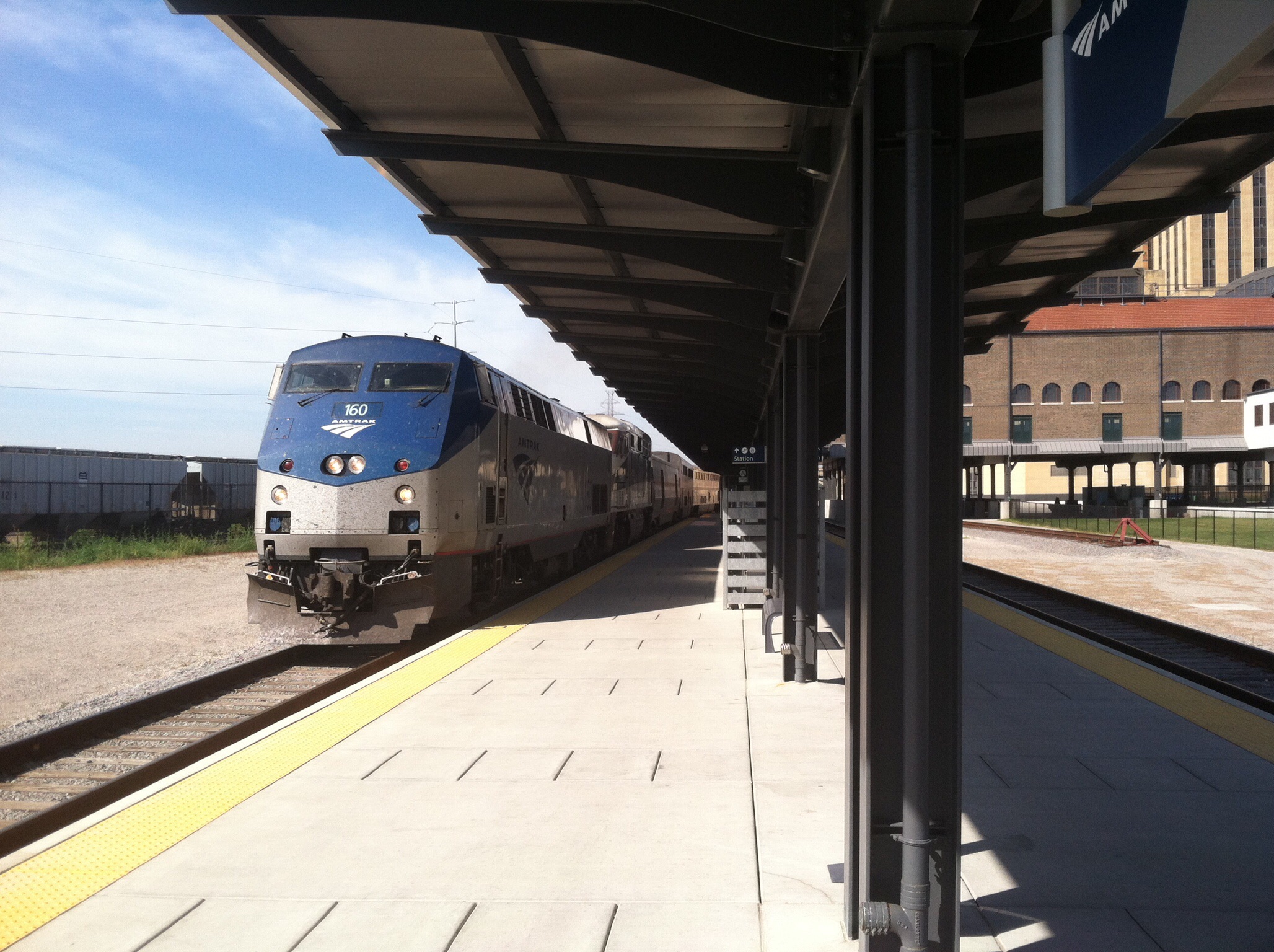
The National Park Service and Amtrak cooperate on a program called Trails and Rails. In this program, volunteers from local national parks provide a combination of education, enlightenment, and entertainment on 25 to 30 Amtrak passenger routes around the United States. Our Amtrak passenger train travels between Chicago Illinois and Seattle Washington and is called the Empire Builder. The Empire Builder train is named after James J Hill, the founder of the Great Northern Railway. His efforts in making his railroad successful had a tremendous impact on the growth of the Midwest and Northwest. He was heavily involved in promoting Glacier National Park and his company ran the concession lodging there for many years. Here in St. Paul, our national park, the Mississippi National River and Recreation Area, is one of those sponsors with Amtrak for a Trails and Rails program.

Mississippi River Valley from Frontenac State Park

Mississippi River Valley from Frontenac State Park

20 volunteers from the Mississippi National River and Recreation Area, myself included, take turns providing the service from May 1 to September 1, Monday through Thursday. The program here is in its seventh year. Two volunteers will ride each train going from St. Paul Minnesota to Columbus Wisconsin. The train leaves St. Paul Union Depot around 8:15 AM. The train normally will arrive in Columbus Wisconsin around 1:15 PM. The volunteers wait a few hours and then board the returning westbound train at Columbus around 5:15 PM and arrive in St. Paul around 10 PM. Volunteers must monitor the progress of the eastbound train before it arrives in St. Paul, since overnight lodging is not provided. If the train is too late, the volunteers will not be able to catch the return train. For instance, this year, forest fires in Washington closed down the tracks to all train traffic, not just Amtrak, for several days. When the train is too late, we do not make the trip, or get off prior to Columbus. The eastbound train will frequently encounter delays as it goes through the mountains. It does not get priority over freight traffic and may have to wait for freight trains, and particularly oil tanker trains to go through. Track maintenance work will also require slower speeds through construction zones.

Winona MN Train Station

Winona MN Train Station

Mississippi RIver from downtown Red Wing

Mississippi River from downtown Red Wing, across the tracks from the train station

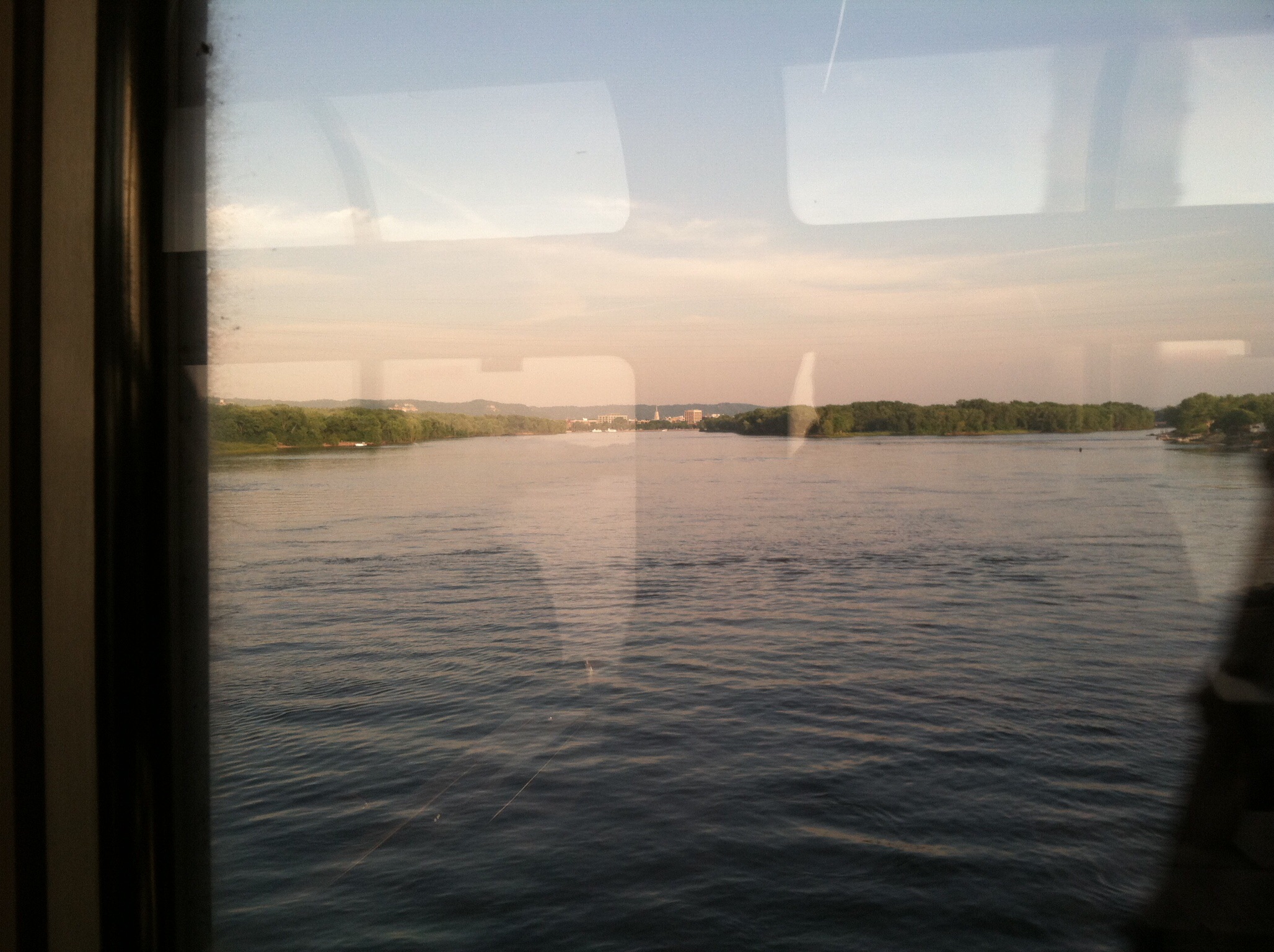
The Trails and Rails program out of St. Paul is dictated by the Amtrak schedule. There is no value in running a program at night when people are sleeping and no views outside the window are possible. The Empire Builder traveling between St. Paul and Columbus offers several hours of viewing of the Mississippi River, which is the purpose of our park here in St. Paul. The sights are beautiful, whether seeing a sunset over Lake Pepin or just viewing the river and farmlands. In the words of Mark Twain: ““Neither in this country nor in any other, have I seen such interesting scenery as that along the Upper Mississippi. One finds all that the Hudson affords-bluffs and wooded highlands-and a great deal in addition.. Every hour brings something new.”

Crossing the Mississippi River at LaCrosse WI-LaCrescent MN on Empire Builder for Trails and Rails

Crossing the Mississippi River on Amtrak Empire Builder Trails and Rails at LaCrosse WI-LaCrescent MN

So this year, I began as one of the 20 volunteers on the Empire Builder Trails and Rails. Training includes a six-hour classroom session, a two-hour train ride introduction, two trips on the train from St. Paul to Columbus with experienced volunteers, and a package of information to provide the starting material for your own narration. We are expected to provide narration, not read the material in the handouts. Thus the volunteer has the requirement and the opportunity to personalize the presentation. I was reassured by the fact that two volunteers always travel together and that we are not expected to be talking constantly. The presentation is made in the upper level of the lounge car. This car has higher dome windows to provide a better view. This type of car is normally not seen in the eastern United States due to lower bridge heights the trains pass under in the eastern half of the U.S.

Tow boat with a single barge on Mississippi RIver

Tow boat with a single barge on Mississippi River

One of my initial concerns was whether the passengers in the dome/lounge car would be irritated by our conversation and how receptive they would be to the presentations. After the first several rides in which we were applauded when we got off in Columbus; or overhearing passengers say “I did not know that”; or hearing passengers discuss your comments by themselves later during the trip made me realize that the effort was worthwhile and well received. Personally, I still have some trepidation each time a new trip starts but these are starting to go away. I continue to add to my own narration copy and work on my ability to know when to present various topics. I have over 50 pages of narrative by now. I do not intend to try to put that all in this post. I will highlight a few comments as an example of the information types we present. Even during my presentation, not all material gets presented. Some of my narrative is a fuller background on a locale but in speaking, I summarize the material. Based on the audience, if the view is being blocked by other trains on neighboring tracks, or whatever, not all material is presented.

Wisconsin farmland with rainbow

Wisconsin farmland with bike trail and rainbow

First, we talk about geology; there are interesting examples along the way. One of the areas that is mentioned I was completely unaware of prior to this activity. This is the so-called famous Driftless Area, particularly of Wisconsin. The upper portions of the United States have been covered by several glaciers over the past millennia. However, the last, or fourth, glacier did not descend as far south as the previous ones. Glaciers move sediment and rocks along with them, this has been categorized as glacial drift. Since the fourth, and last, glacier did not descend as far south, this un-glaciated area of Wisconsin, and a small portion of Minnesota, is called the Driftless Area. It has impacts for landscape and produces different topography then the glaciated area.

Standing in Columbus WI watching a freight train roar by

Standing in Columbus WI watching a freight train roar by

Second, we talk about the Mississippi River. We discuss its length, shipping in the 1800s, current barge traffic, wildlife along the river, and particularly, bald eagles. I mention the Upper Mississippi National Wildlife Refuge which is a major protective area for migratory birds. This wildlife refuge also has an interesting Facebook page.

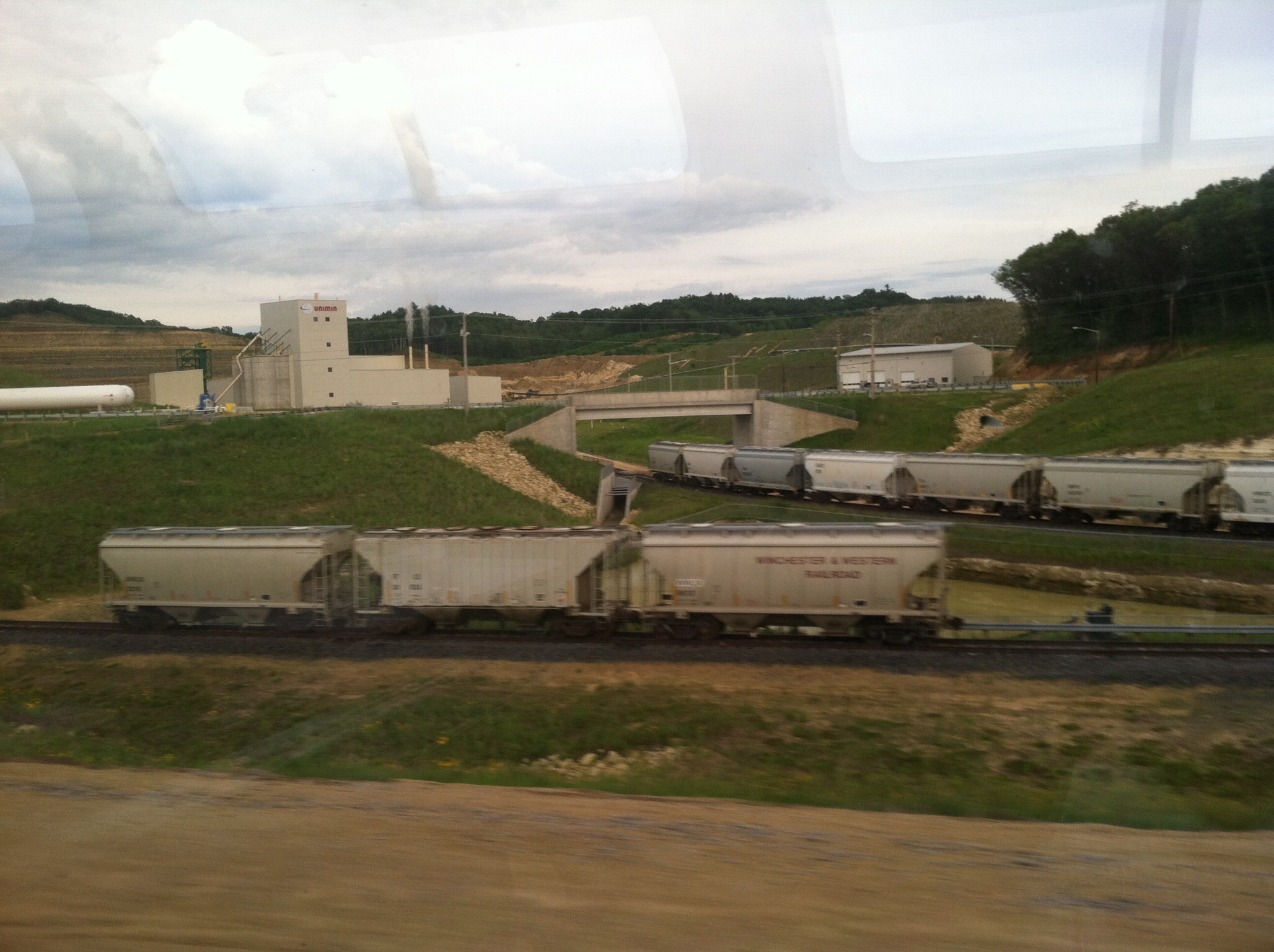
Frac sand mining operation just east of Fort McCoy, WI

Frac sand mining operation just east of Fort McCoy, WI from Amtrak Empire Builder Trails and Rails

Third, we pass Fort McCoy in Wisconsin. This is a large National Guard training base which was also used by the army for training troops prior to being sent to the Middle East. There is even a reproduction of a Middle Eastern village that is partially visible from the train.

ADM mill and elevators in Red Wing MN

ADM mill and elevators in Red Wing MN

Fourth, we talk about the history of various times. For instance, Portage Wisconsin is a point where the early French explorers transferred from the Fox River to the Wisconsin River in their efforts to explore the Upper Midwest and discover a passage to the Pacific ocean. Lumbering, agriculture, shipping and railroads played important roles in the development of most of the communities along the route of the Empire Builder.

View of trains and barges on the Mississippi RIver at St. Paul from Union Depot platform.

View of trains and barges on the Mississippi RIver at St. Paul from Union Depot.

Fifth, miscellaneous bits of relevant trivia are scattered throughout. For instance; it takes 10 pounds of milk to produce one pound of cheese, 12 pounds of milk to make a gallon of ice cream, and 22 pounds of milk to make a pound of butter.

Sixth, we offer youngsters the opportunity to become Junior Rangers. There is a Junior Ranger booklet designed for this route and one of the volunteers normally walks the train, letting parents know the program exists and asking if they would like a booklet for their child(ren). Upon answering the questions, spotting various landmarks and items unique to this route, and completing some drawings, the child will be made a Junior Ranger with a badge. We normally announce their first name and ask the riders in the lounge car to join us in applauding them.

Lock and Dam number five just above Winona, MN

Lock and Dam number five just above Winona, MN

So who is riding the Empire Builder? Well, college students are one frequent group traveling to and from their school. International travelers are often on board, sometimes taking long journeys like the fellow who started in South America, came up the Pacific Coast to Seattle, and was heading towards Montreal. Families on vacation, such as the family from the Winona area, parents and three teenagers, heading down to Chicago for a surprise weekend vacation. Amish, sometimes traveling in groups to weddings and other family get-together. People who enjoy riding trains and who do not have strict timetables to meet like the couple traveling to a convention in New Orleans from Seattle. Less frequently at the moment, but still present, are workers in the North Dakota oil fields who stay there for months and then go home to see the family.

Those who start their journey in Seattle or Portland will be on the train for 48 hours. They board in Seattle or Portland around 4:40 PM, ride through the night, the entire next day and night, arrive in St. Paul around 8 AM of the following day and enter Chicago about 4 PM. 48 hours but parts of three days.

Sunset over Lake Pepin on Mississippi River

Sunset over Lake Pepin on Mississippi River from Amtak Empire Builder Trails and Rails

A final note. I am not a paying passenger but I will say that all of the Amtrak personnel I have encountered have been extremely kind and helpful. Thanks for making our work so pleasant.

For another perspective on the Trails and Rail program, read the article in the Minneapolis Star/Tribune of August 11, 2015 written by reporter James Walsh and photographs by Rachel Woolf.
http://www.startribune.com/amtrak-volunteers-tell-passengers-tales-in-trails-and-rails-program/321296911/

Other links:
Mississippi National River and Recreation Area: http://www.nps.gov/miss/index.htm

Upper Mississippi National Wildlife Refuge: http://www.fws.gov/refuge/upper_mississippi_river/

Ed Heimel St. Paul, August 10, 2015

Categories: road trip, travel | Tags: , , , , , , , , , , , , , , , | 1 Comment

2015 Small town Minnesota, July 24-25

Waterville, MN

If you are looking for dramatic landscapes and vistas, or culturally important historical sites, today’s post is not for you. This is a slice of Americana. A visit to a small town and its community festival. Not even a visit to small towns with major sightseeing opportunities; that will come later as we travel along the Mississippi. As usual, this is not a definitive post, it represents our impressions and our way of traveling.

The idea for this weekend came from Kolacky Days in Montgomery MN and from the Singing Hills Sakatah Lake Minnesota State Bike Trail. Kolacky Days are a community festival based around the kolacky pastry. Kolacky, also kolach, kolachy, kolache, etc is a Czech word for a pastry that has a fruit type filling; prune, apricot, poppy seed, apple, raspberry, etc are all popular. The pastry resembles a soft dinner roll. Montgomery MN has a strong Czech heritage; in the late 1800s the town had the largest Czech population of any MN town. Even today, when reviewing the last names of the festival queen candidates, it is obvious that many of those early settlers descendants are still living in the area.

The festival has been in existence since 1929. We have heard about it numerous times over the years and thought it might be worthwhile to visit. We have been to other community festivals over the years; Summerfair in Carlisle, Grand Old Day and Highland Fest in St. Paul, Lumberjack Days in Stillwater, etc. Montgomery is about an hour south of St. Paul and is a town of about 3,000 people. An easy drive.

However, we decided to make a weekend of it. Chris has been wanting to bike the Sakatah Singing Hills State Trail for some time now. The trail is paved, basically level, and runs from Faribault to Mankato, a distance of 39 miles. The trail is on an abandoned railroad line. Sakatah State park is along the trail.
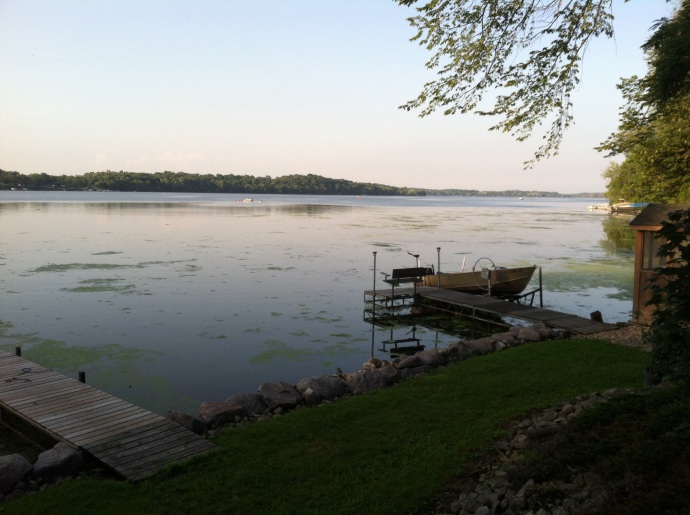
Upper Sakatah Lake, Waterville MN

Upper Sakatah Lake, Waterville MN

Chris found one of those old-time Minnesota lake side resorts, Sakatah Bay Resort Motel, and booked a room for Friday and Saturday nights. Sakatah Bay is in Waterville, population 1800, about 15 minutes south of Montgomery. There is a small bike shop in town, BW’s Bikes, and we rented bikes instead of transporting ours. Our bike carrier is just one of those old-fashioned tied by belts and buckles and I do worry that something will come loose over a drive of more than 15-20 minutes. Besides, it helps the local economy, right?

Friday morning we headed down to Waterville. Waterville was platted in 1856. While it is on water (lakes and the Cannon River) it was the railroads in the latter half of the 1800s that gave it life. Its history has seen saw mills, furniture factory, seed company and now tourists.

First stop BW’s Bikes where we picked up our bikes from Linda. She has had the bike store for three years and started it due to an interest in bike racing by her grandsons. One of them is very successful in BMX racing. In fact, they were headed out to Faribault that evening for some races and would be at St. Michaels MN most of Saturday. We made arrangements to drop off the bikes this afternoon and pick up the bikes again on Saturday, working around their other activities. The bike shop is right on the bike route through Waterville and an easy 5-6 blocks from the paved state trail. (Technically the state trail runs on city roads through Waterville.)

Taking a break on the trail

Taking a break on the Sakatah Singing Hills Bike trail
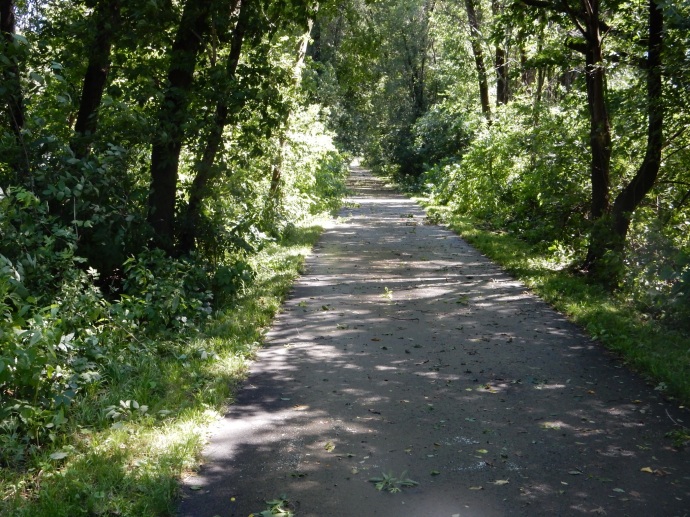
Sakatah Singing Hills Bike Trail

Sakatah Singing Hills Bike Trail

We biked for two hours, going east towards Faribault and then returning. The route goes through Sakatah Lake State Park. The lake is visible early on, then the remnants of the “Big Woods” are next. The tree-shaded route here was comforting on a hot day, but the biting insects were out and our brief rest stops, after the first one, were in sunny areas. Finally, the trail advances along open farmlands with enough patches of shade trees that the hot sun is not constant. The weather here has been good for crop growing, early spring, plenty of rain so far. In fact, the town received 4 inches of rain Thursday night, knocking down some branches. A light rain also fell Saturday night.
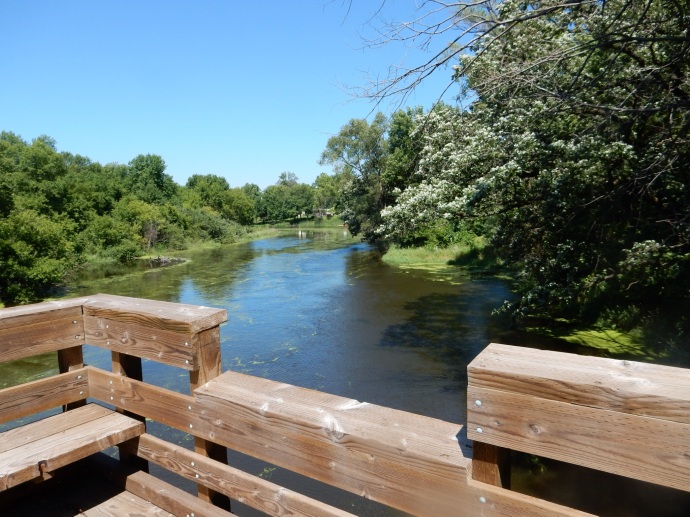
A view of the Cannon River along the trail

A view of the Cannon River along the trail

Chris loved the smooth, relatively flat surface. Evidently, according to Linda, the trail heading west needs re-surfacing. Recent repaving was done from Faribault to Waterville, along with trail bridge replacement. The funds to re-surface the trail going west to Mankato evidently got sucked up by other needs. Our two-hour ride was at a relaxing pace, we probably covered about 15 miles.

Lunch was at the Singing Hills Coffee Shop, a small, two-year old cafe run by a couple from Eagan, a St. Paul suburb. It is only open during the summer months. Food was fine and inexpensive. While there, we noticed photography for sale, both cards and prints, by an Owatonna man, John Muellerleile, who is an optometrist by day and photographer by choice. Interesting and attractive work. Chris wondered if he was related to Muellerleiles she knew back at St. Kates.

Check-in began at 2 PM and we made it to the resort soon after. Sakatah Bay has 12 units in a motel fashion. They do have boat launching and some boat rentals. After showering, we headed out to Montgomery, taking county roads to get a feel for the land. Our destination was the 5 PM Czech dinner at the American Legion Hall. It cost $18 each and we thought we would get to meet locals and learn more about Kolacky Days.

First, though, we drove around Montgomery, scoping out where various Kolacky Days activities would be held. We did stop to view a restored steam engine. A former Montgomery man who died about 15 years ago, Joe Rynda, once had the largest collection of agricultural steam engines in the U.S. These engines were used on farms to power various attachments to thresh wheat, etc. At one time Joe had 50 such engines. In 2004, years after his death, the collection was sold at auction and the engines were scattered over the world to various collectors. A second stop was at the art and culture center which had more news about Joe Rynda and photos of the Kolacky Days Queens for the last 50 or so years. Joe was one of the founders and long time supporter of Kolacky Days.

Libby Food (now Seneca Brands) has a processing plant in Montgomery. The festival used to be held in September, then switched to the summer and its current date selected to not interfere with corn harvesting times.
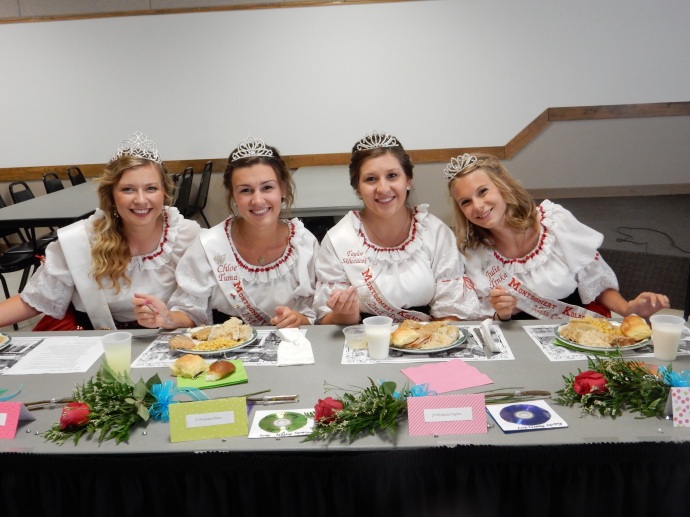
The outgoing royalty

The outgoing royalty for Kolacky Days Montgomery MN

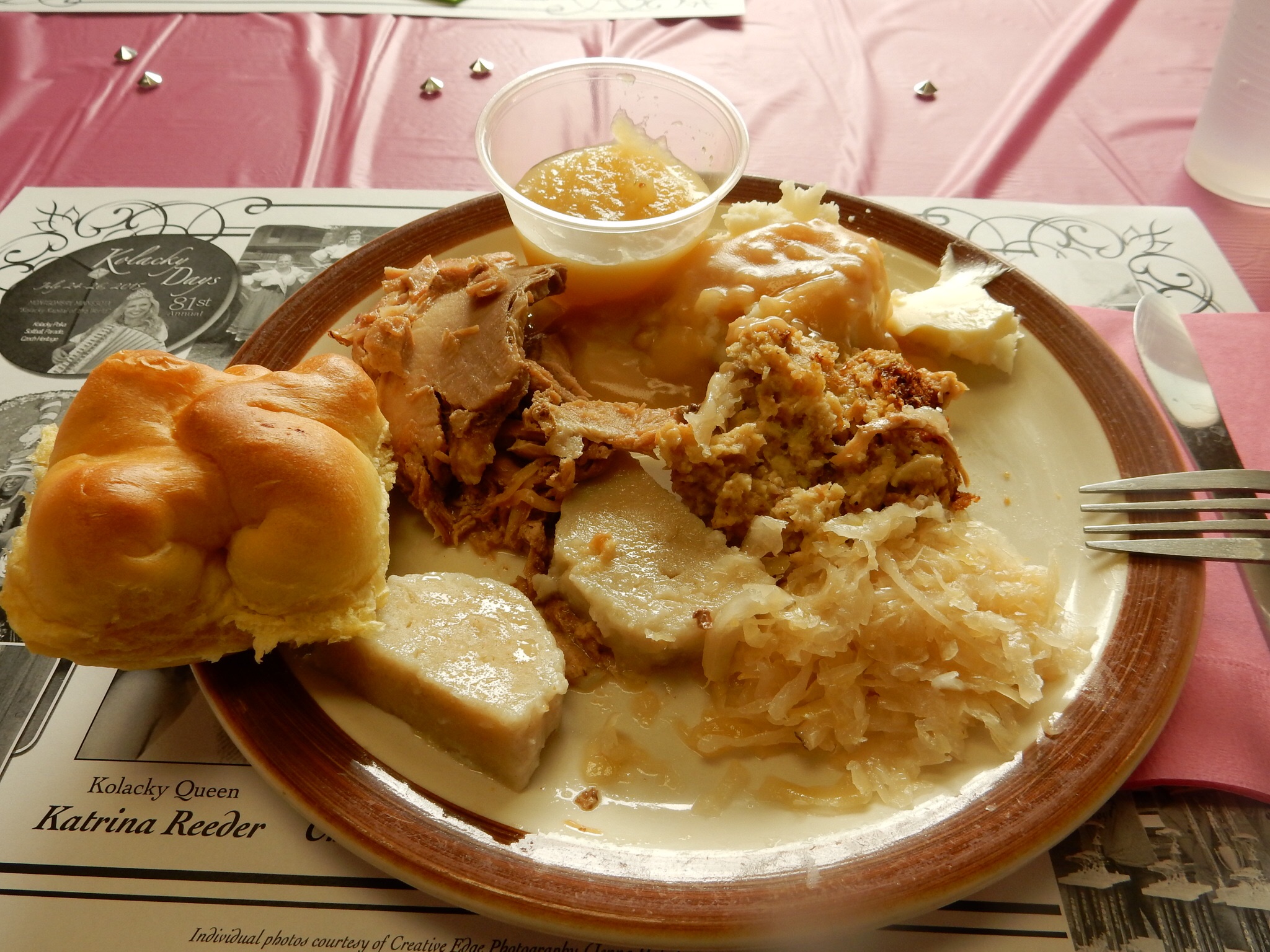
The American Legion was just a few blocks away. We arrived on time and were a little surprised as we went in. What we thought was an open dinner for everyone was more of a dinner for the queen candidates and their families-although not exclusively so. Chris had called them because the printed information indicated advance reservations were needed. The phone call, said no problem, just show up. Well we showed up in casual attire and while some others were in casual, most were dressed up. We sat next to the parents (Mom and step dad, Dad and step mom) of one of the contestants. (Their daughter ended up making the court but not being the queen.) So we explained why we were there and they welcomed us. We ended up not feeling too much out of place-besides they probably needed the cash to help cover the cost of the free dinners for the current and upcoming royalty. The mother had been a contestant and part of the royalty previously. In looking at the list of past queens, it appears that there were some Mother-Daughter queen families along with families with several daughters who became queen. Dinner was roast pork, flat dumplings, mashed potatoes and gravy, applesauce, canned corn, kolachy, sauerkraut, and stuffing. Heavy food. We did not go to the pageant where the queen would be selected from among the nine contestants but headed back to Waterville.
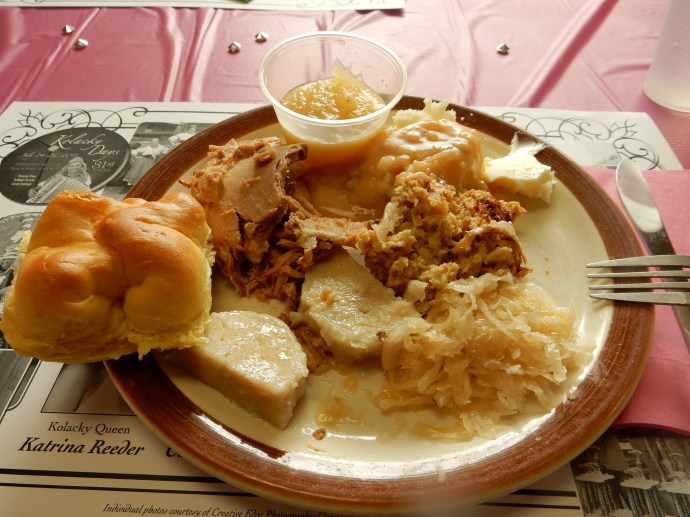
Czech dinner at the American Legion Post

Czech dinner at the American Legion Post for Kolacky Days Montgomery MN

Waterville, for a town of 1800, was fairly lively Saturday. We had breakfast at The Cafe where the pies and sticky buns are made 230 miles away in Sully IA. Our waitress’ boyfriend’s mother makes them. The sticky buns were fantastic and so was the piece of peach pie I bought and placed in our refrigerator to eat later that night. You know, meal prices and food are pretty good in small towns. The menus do reflect old fashioned selections and large serving sizes. The small omelet was at least three eggs while the large was eight eggs.
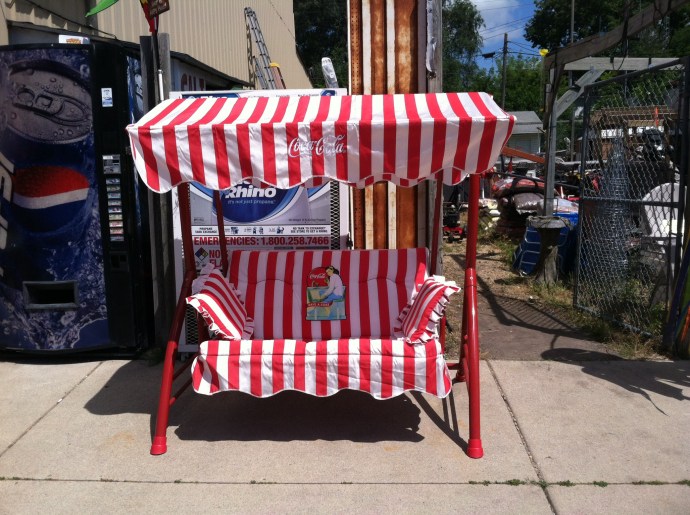
The Coca  Cola swing

The Coca Cola swing in Waterville MN

As we walked by the next door hardware store, the owner talked to us about the Coca Cola swing he had for sale. He also owns the restaurant and two other buildings in town. Waterville, he indicated, does better than most communities of its size due to the 50 lakes within 15 miles of the town. Summer produces a lot of lake dwellers. Who knew? We always thought “going to the lake” meant going up north or over to WI.

The lakes we observed were busy with boaters, fishing being a major activity. Minnesota has the most registered boats per capita of any other state, Wisconsin is second. Florida has the most boats but on a per capita basis, MN and WI are the tops. It is interesting if you search this on the Internet. You see many different answers but since the only agency to monitor this data is the U.S. Coast Guard, their data is the relevant one. There even is a ridiculous claim that Arizona has the most. Disproven.

The hardware store owner’s wife is part Lakota Sioux and the Native-Americans and the European origin folks have different pronunciations of the name Sakatah. Either way, the Indian definition meant muddy brown water, referring to the shallow connection between Upper and Lower Sakatah Lakes. Upper Sakatah, where we are staying, is shallow, only about 10-12 feet in depth. We left the hardware store without buying the swing but planning to return for breakfast Sunday for more sticky rolls at the cafe.
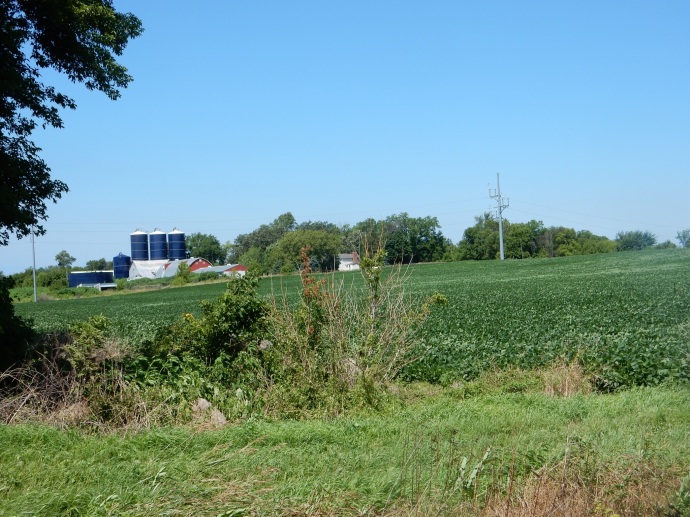
Along the bike trail

Along the Sakatah Singing Hills bike trail
Farm scenes

Farm scenes

We picked up our bikes again and headed back to the trail. Today’s jaunt was slightly longer than Friday’s and busier. Plenty of people enjoying the day and justifying the expense of public funds on this bike trail. Most of the users were biking, not walking. All of them were friendly though.

As we completed the trail we came across a candy and crafts store. This store is just one year old and run by a dynamo. She has assumed the presidency of the local Chamber of Commerce and has about 95% of the local businesses as members. They produced a very nice handout about Waterville, printed professionally, and are distributing about 2500 of them. The store seems to attract people from the lake resorts and from the bike trail. The crafts are a collection from 20 or more local artisans.

One of the vehicles on display at the classic car show

One of the vehicles on display at the classic car show

Most of the activities at Kolacky days began after 12 PM. When we scoped the activity area out Friday, we noticed the prune spitting contest was not being held. We hoped other activities scheduled for today would not be canceled. Our first stop was in downtown Montgomery. The classic car show was a big draw. We saw more people here than anywhere else. The schedule talked about a Big Honza museum. We walked to it. Evidently, it’s days are over. Much of the material that had been in there has been sold or given away. Someone forgot to check before the schedule was printed.

Most of the activities were being held at Memorial Park. However, it was a slow people watching experience. I think that horseshoes and volleyball are more exciting when you’re drinking a beer and cheering on or yelling at your friends and neighbors. Standard fair food was available along with Kolacky and some Czech food items. Overall, it was not terribly exciting. Based on this, we made a snap decision to not come back Sunday for the parade. The parade would be in 85° weather and just did not seem to generate enough excitement and participants to keep us hanging around for a couple of extra hours Sunday.

We went to 5 o’clock mass in the local church at Waterville. There was a visiting mission priest. We went to Bullheads bar for their Saturday steak special ($15 per person) and the local pastor (who must’ve been at least 80) and the visiting mission priest stopped in after us for their dinner also. The bar reminded me of Cheers in that as people came in, they all seemed to have their regular seat, whether at the bar or at a table.

Sunday we went back to the cafe and had sticky buns while we shared a small “Yeah, you betcha” omelet. (The omelet was filled with hash browns, sausage, bacon, tomatoes, green peppers, and mushrooms and covered with melted cheese.)

So, small town, pleasant area, friendly people, well-maintained homes. I could live in a small town, Chris not so much.

Ed and Chris

Categories: road trip, travel | Tags: , , , , , , , | Leave a comment

2015 Trip 4, Boston, July 14-18

Boston-Saint Paul, July 18

This was a brief trip to visit Deb and Rebecca in Boston. It is a tribute to Boston and the eastern Massachusetts area that we still are able to find new places to visit despite our frequent trips there. We flew out on Sun Country Airlines, our first time using them. Seats are as cramped as other airlines but we liked their process to board the passengers. There is the usual first class, people who need help, parents with young kids, etc. But they then board passengers who have no overhead compartment luggage and passengers who have given up their overhead compartment luggage to be checked at the gate. This loads a group of people who can get into their seats quickly. Then the seating is more random, some up front and some from the back. It avoids the mad rush we have seen on Delta when passengers jam the front of the waiting area, hoping to get on early enough in their seating order to get their luggage up in the overhead compartments.

Garden in the Woods, Framingham MA

Garden in the Woods, Framingham MA

Deb picked us up at the airport and drove us to Waltham where we picked up our rental car, saving us the rental charges tacked on at airports. We only had one destination for the day, the Garden in the Woods in Framingham. This garden is sponsored by the New England Wildflower Society and was listed in a book we have, the National Geographic Guide to America’s Public Gardens.  The garden is home to the largest collection of wildflowers in New England. It was the dream and creation of one man, Will Curtis, beginning in 1931. The 45 acre garden was turned over to the New England Wildflower Society in 1965.

We found it a pleasant, although not overwhelming, diversion for the afternoon. This might be due to the fact that no one area was overwhelming in blooms or due to having seen so many wildflowers in the last few weeks that we did not dawdle and examine numerous smaller plants and flowers. In any event, our Como Park membership once again meant we did not have to pay an admission fee and maybe that allowed us to be more cavalier in our impression.

But the primary reason for the trip was to see Deb and Rebecca and while they had to be at work sometimes, tonight we were able to have dinner grilled on their deck. Chris got her burnt hot dogs and thus all was well with the world.

Longfellow House-Washington's Headquarters Cambridge MA

Longfellow House-Washington’s Headquarters Cambridge MA

Wednesday the 15th was my 65th birthday-Welcome to Medicare, Ed.  Chris and I drove and then rode the “T”- Boston’s subway – to Cambridge. Rain was  a likely possibility but we managed to avoid all but a few sprinkles. The Longfellow House-Washington’s Headquarters is a National Historic Site managed by the National Park Service.  The site’s history began with the construction of a country estate by a John Vassall in 1759. On the eve of the American Revolution, Vassall and his family fled to Boston, being Tories.  For nine months beginning in July 1775, Washington used the abandoned buildings as his headquarters during the battle of Boston until the British decamped and moved on to New York. In 1791, the property was purchased by Andrew Craigie and after his death in 1819, it was the property of his wife until she died in 1841. Craigie left his wife with many debts in 1819 and she rented out portions of the property to many tenants, one of them being Henry Wadsworth Longfellow, the poet.

The gardens at Longfellow House

The gardens at Longfellow House

After Longfellow’s marriage to Fanny Appleton in 1843, the couple were given the property as a wedding gift by his wife’s parents. Fanny and Henry re-planted the garden which then fell into dis-repair after his death; then restored in 1904 and 1924 by their daughter Alice. In 2003 another restoration took place. We were able to tour the garden with a park ranger and enjoy its renaissance.

We also toured the house with a ranger, the furnishings all belonging to Longfellow’s family. The house was the home for Longfellow during the most prolific and influential times of his life. He wrote his poetry here, he was a professor at Harvard,  he hosted many influential members of society here ( Emerson, Hawthorne, Oliver Wendell Holmes, Charles Sumner, Charles Eliot Norton, James Russell Lowell, etc.). His poetry included “Song of Hiawatha”, “Paul Revere’s Ride”, in 1842 he wrote a series of poems condemning slavery, and others.  His poetry informed Americans of their roots and he became an American hero. The last and somewhat diminished stage of Longfellow’s career began in 1861 with the tragic death of his wife Fanny. In the midst of melting sealing wax, she set fire to her own gauzy clothing and was enveloped in flames. She died the next day. In his futile efforts to put the fire out, Longfellow burned his hands and face. To hide his facial scars, he eventually grew the beard that gave him the sage, avuncular look reproduced in so many later paintings. It was during this time that he translated Dante’s Divine Comedy; the first American translation and still a solid classic available today.

After our time at Longfellow’s house, we headed over to Harvard and its Museum of Natural History. This museum had been highly praised and was a “GEM” in the AAA Tour Book. However, once again, maybe we have been traveling too long and visited too many museums.  We were not impressed; possibly the best section in my mind was the section on Native American cultures but even that struck me as so-so.

As stated earlier, this was my 65th birthday. Deb and Rebecca treated us to dinner at Jimmy’s Steer House in Arlington. Another place that had been recommended to us, this time accurately. The menu was extensive, reasonably priced and very good food. We could not finish all of our desserts, however, just too much food.

Saugus Iron Works National Historic Site

Saugus Iron Works National Historic Site

Thursday was our long day of touring. Our first stop was Saugus Iron Works in Saugus. This National Historic Site is the home of the first successful iron works in the United States, operating from 1646 to 1668. Saugus had ample quantities of timber to run the furnace, a quantity of iron ore in bogs nearby, water power, and access to the ocean for shipping the product. AND, I was amazed to find out, the Puritan government of Massachusetts  offered tax incentives to build and operate the iron works.  Even in the 1640s, tax incentives were being given out in America. The workers who ran the iron works were generally indentured servants from Wales and England. The Puritans ran the town, most of the iron workers were not assimilated into the Puritan society until the forge closed down and families moved elsewhere, their children became freemen and intermarried. The cause of the cessation of the iron works seems to be a combination of poor management and some bad years for river flow to provide power. The workers trained here were highly skilled and moved on to other iron works in New England.

The Iron Works as viewed by us are a reconstruction, the site had generally been destroyed over the intervening centuries. In 1943 the community formed a local group and with funding from the American Iron and Steel Association, began digging  through the site and cataloging their discovery. They uncovered the remains of the blast furnace, a large section of the waterwheel, a 500 pound hammer-head and the footprint of the principal structures. The lead archeologist was Roland Wells Robbins, a self-taught archeologist who also discovered the location of Thoreau’s Walden Pond cabin. Evidently his success and methods upset later, better educated archeologists who downplayed his role in helping to discover early American sites in New England. The National Park Service took over the site in 1968.

Thomas Hart Benton painting at Peabody Essex Museum in Salem MA

Thomas Hart Benton painting at Peabody Essex Museum in Salem MA

Our second and third stops were in Salem, the Peabody Essex Museum and the Salem Maritime National Historic Site. The Peabody was hosting a special exhibit on Thomas Hart Benton, the American painter and muralist we have come across before (2013 Trip 8, Missouri State Capitol). The exhibit here used as a theme Benton’s work for Hollywood movies. Once again, we took advantage of a docent’s tour through the exhibit and found it quite fascinating. The exhibit demonstrated his use of multiple sketches and three-dimensional plaster casts used as models and ideas before the painting of the final product. His realistic portrayal of working class people, Native Americans, and African-Americans was a delight to behold.

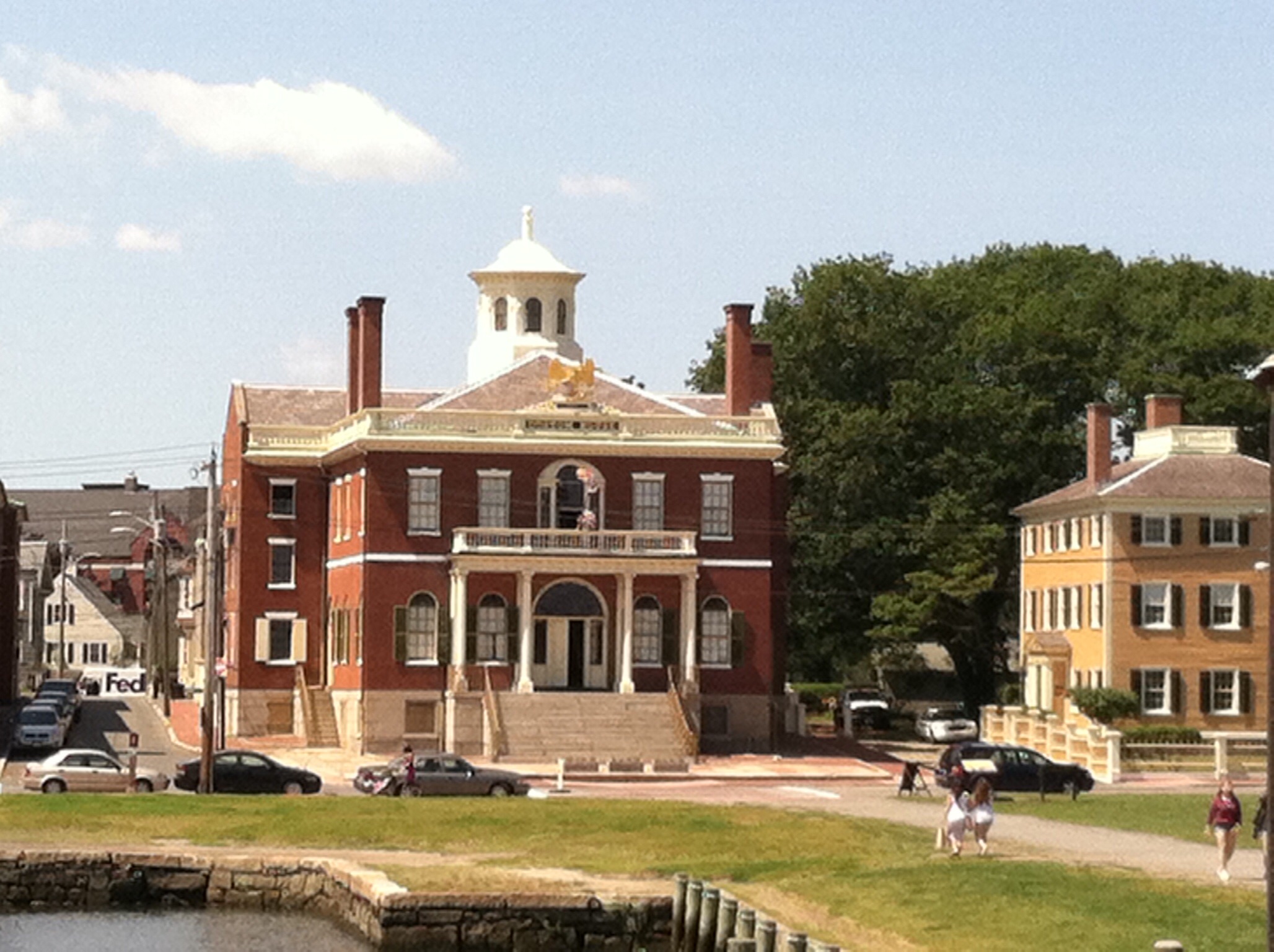
Custom House at Salem Maritime National Historic Site

Custom House at Salem Maritime National Historic Site

We then headed over to the Maritime Historic Site (note we made a conscious decision to ignore the Salem Witch Trial portions of town, particularly the commercial endeavors). Before the enactment of the income tax in America, tariffs (taxes on imported goods) provided the vast majority of the revenue to run the country. Thus, ports had a collection of buildings related to shipping and custom duties; wharves, warehouses, scales, the custom house to collect duties/tariffs, etc. Salem was at one time the nation’s sixth largest city and its port collected 17% of the nation’s tariffs. This was during its glory days from the Revolution to the War of 1812. Its ships sailed to the East Indies and the shipowners here were most likely the nation’s first millionaires. During our countries early days, private vessels operated as privateers, essentially government authorized pirates who captured enemy ships and warships for their own profit. Salem had a high percentage of these ships. The disruption of the War of 1812, an 1807 embargo on foreign trade, and better road networks in Boston and New York ended Salem’s dominance. Our visit included the Custom House, the Public Stores, the Scale House, and a recreated sailing vessel from that era.

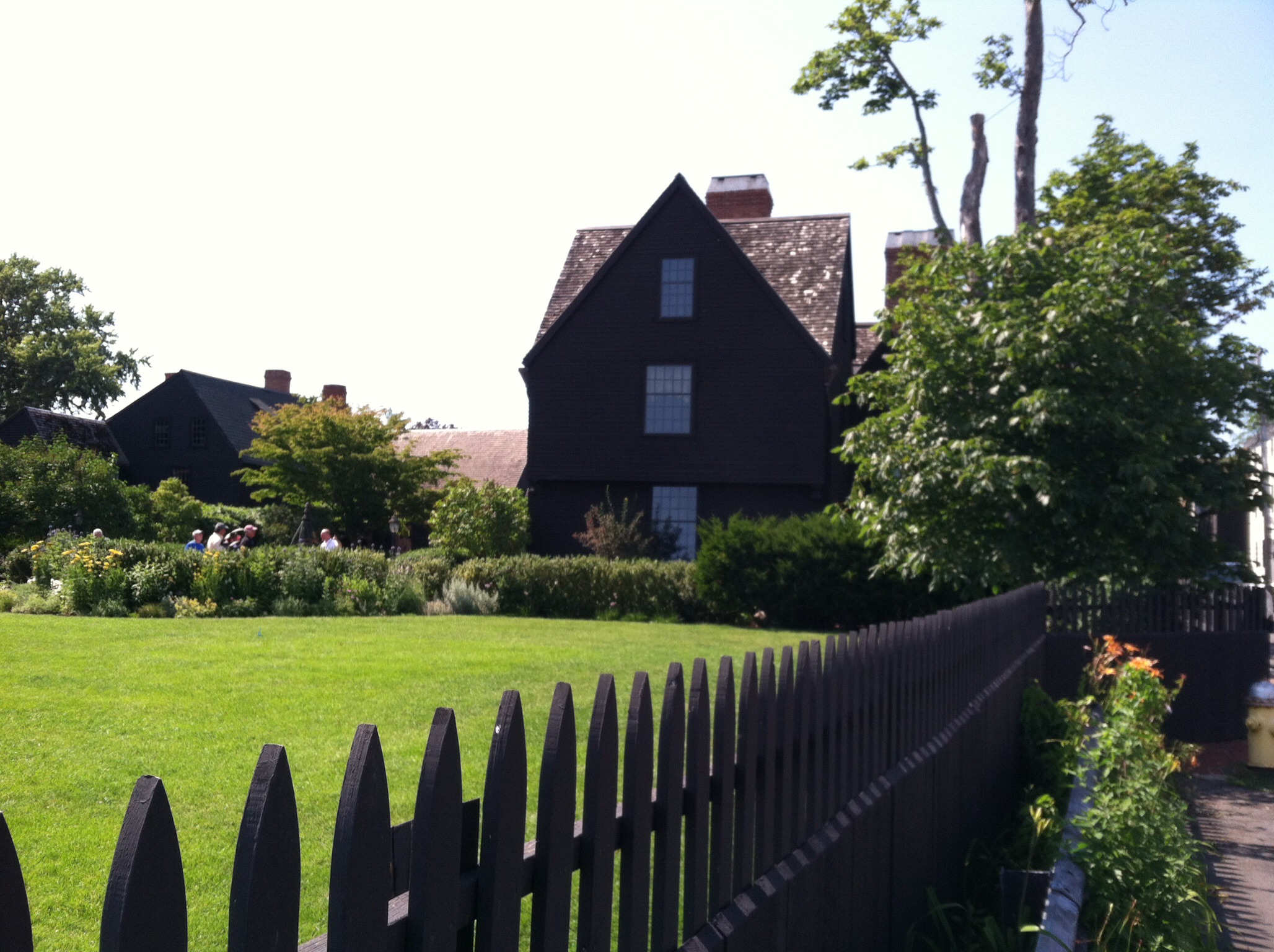
The House of Seven Gables in Salem

The House of Seven Gables in Salem

The House of Seven Gables is a classic American novel by Nathaniel Hawthorne, written in 1851, which is set in this town around an actual house erected in 1668 and which still exists. We walked by it but decided not to take the tour.  The first candy store in America was our last stop to purchase a few treats. Ye Olde Pepper Company dates back to the early 1800s. Their first product, a hard sugar candy called “Gibraltar” is still made although the taste did not impress us.

Dinner in Waltham

Dinner in Waltham

Friday was a day off for all of us. We stayed home, viewed the photos of Deb and Rebecca’s trip to Portugal and Spain, Chris went in the pool, and we walked to downtown Waltham for dinner. A very pleasant way to end a great trip.


Ed and Chris   St. Paul, Saturday July 18
 

Categories: road trip, travel | Tags: , , , , , , , , , , | 2 Comments

2015 Trip 3, Isle Royale, June 28-29

Two Harbors, MN June 28

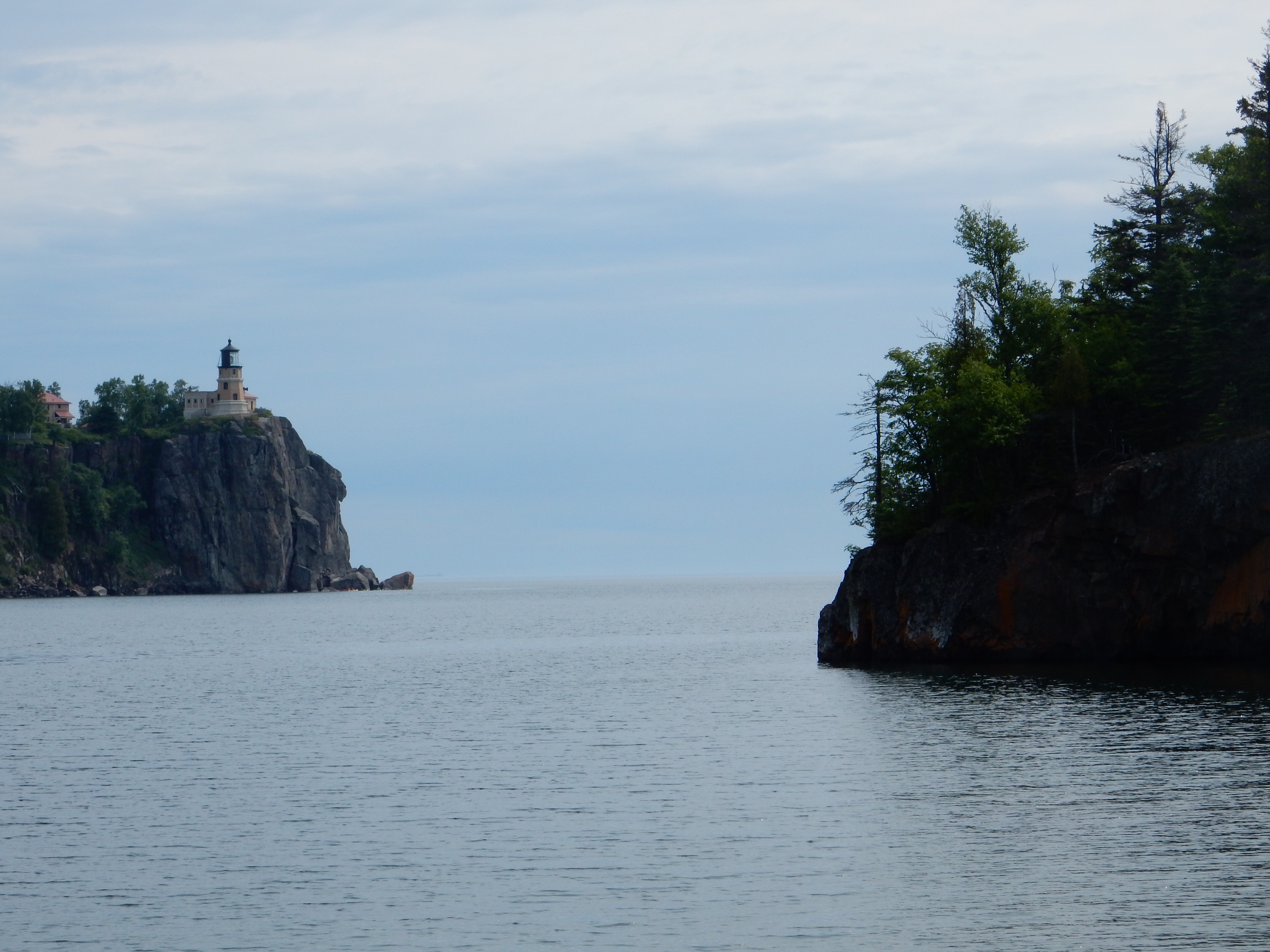
Split Rock Lighthouse

Split Rock Lighthouse

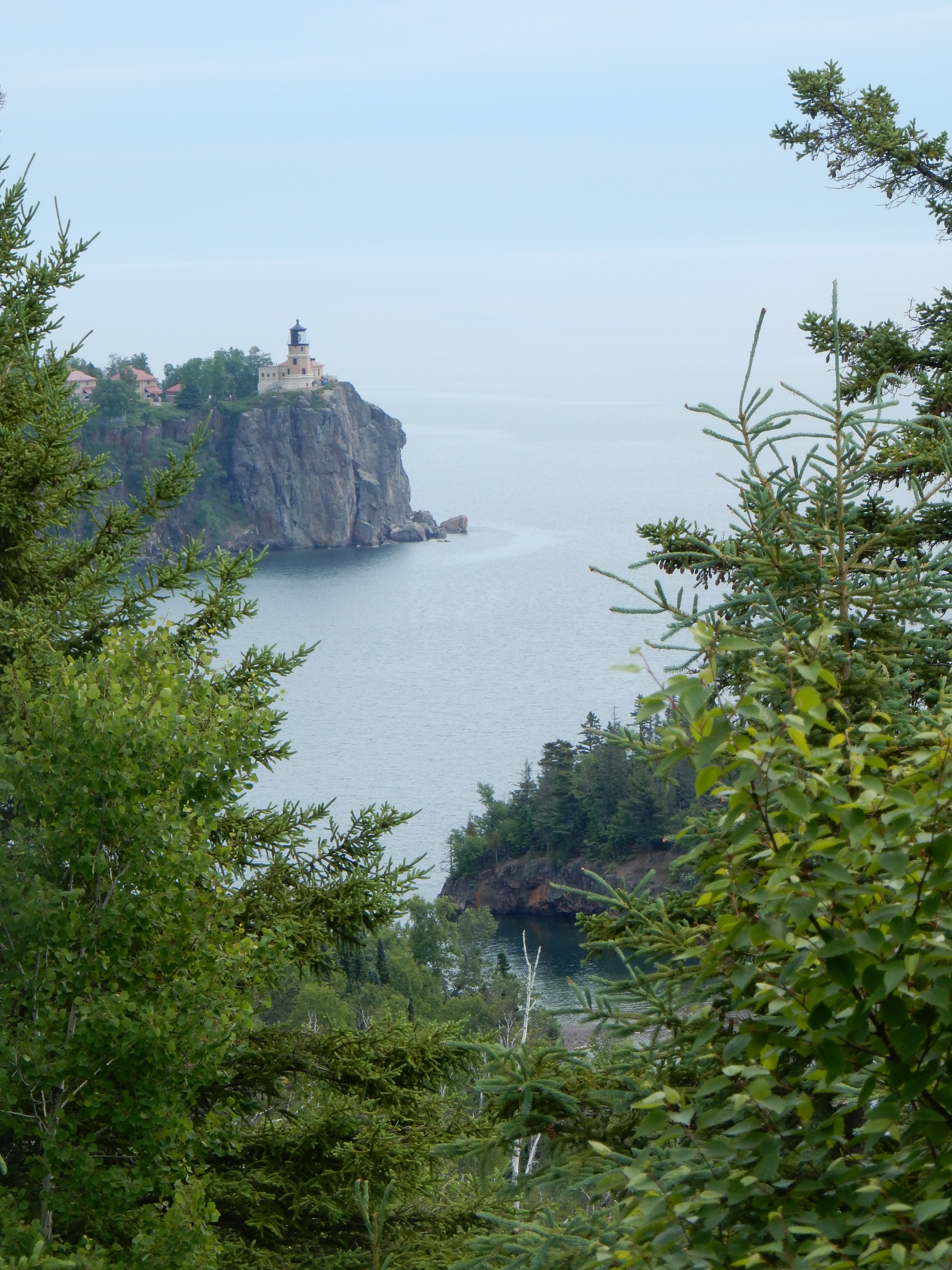
Split Rock Lighthouse from Days Hill

Split Rock Lighthouse from Days Hill

Sunday morning was another foggy dawn at the lake without a brilliant sunrise. We packed up and left our tiny cabin at Lakeside Cabins in Little Marais and ventured further south and west to Split Rock Lighthouse State Park. The lighthouse is maintained by the MN Historical Society while the park consists of 2200 acres of land along Lake Superior. The lighthouse was completed in 1910 after a storm in 1905 caused six ships to crash within twelve miles of the Split Rock River. Changes in technology have made the lighthouse obsolete but it stands as a memorial to an earlier age. We hiked along the Lake Superior shoreline and to the top of Days Hill, an observation point overlooking the lake and the lighthouse.

One of the falls at Gooseberry Falls State Park

One of the falls at Gooseberry Falls State Park

Our second stop was just down the road at Gooseberry Falls State Park. Gooseberry is the second most visited state park in Minnesota. It has waterfalls, Lake Superior, hiking trails including portions of the Superior Hiking Trail, biking trails including the Gitchi-Gami Trail and it does not hurt that the visitor center and falls are easily accessible and close to MN Highway 61. Gooseberry is another park we had visited previously and by the time we arrived on Sunday, it had started to drizzle. The skies looked even more threatening and we kept our visit short.

We left the park and headed south and west into Two Harbors for lunch. Well, Sunday on the North Shore is “head back to the Twin Cities” time and there was a two-mile back-up on Highway 61 leading into Two Harbors. The line moved slowly due to the signal lights in Two Harbors but we made it and chose Judy’s Cafe for lunch. We made it into the cafe after a group of young men from some baseball league which meant the food took a while to be prepared. However, the drizzle had turned into a steady downpour so our entertainment was to watch the cars go splashing through the rain.

The 3M museum in Two Harbors MN

The 3M museum in Two Harbors MN

One of the displays at the 3M museum

One of the displays at the 3M museum

After lunch, we visited the 3M Museum. 3M (Minnesota Mining and Manufacturing) is a Fortune 500 company headquartered in St. Paul (Maplewood) MN. You might recognize 3M due to its Scotch brand masking and adhesive tapes or Post-It Notes. 3M began here in Two Harbors in 1902-partially by mistake. Early industries needed abrasives and corundum was one of the most highly prized. A rock specimen believed to be corundum was found along Lake Superior and a company (Minnesota Mining and Manufacturing) was begun to mine the mineral and make abrasives. Unfortunately the Lake Superior mineral was not corundum and it was useless as an abrasive. The five founders of the company had a major problem.

The history and culture of the company were created by its ability to be flexible, to conduct pure and applied research, to innovate, and to continue in operation with other products. It was the first developer of sandpaper that could be used wet or dry and in the burgeoning auto manufacturing business, this was a critical improvement. The company went on the develop masking tape as a means to assist in properly painting two-tone automobiles. Scotch cellulose tape (early predecessor of Scotch magic tape), was another early success. Its success and innovation continue to this day. Several of the early leaders and backers of the company have set up major foundations that provide critical funding to non-profits in the Twin Cities. The museum is housed in the small corner building in which 3M was first officed.

A lakes freighter loaded with taconite pellets heading east

A lakes freighter loaded with taconite pellets heading east

The ore loading docks in Two Harbors

The ore loading docks in Two Harbors

After the 3M Museum, we stopped at the Duluth and Iron Range Railroad Depot Museum in Two Harbors. This museum celebrates the role of three early industries that built Two Harbors; logging, transportation, and fishing. I found the part about trains in the history of the Iron Range and of Two Harbors to be the most interesting.

The first steam locomotive used by the railroad

The first steam locomotive used by the railroad

The last steam locomotive used; it had more power than the diesel ones that replaced it

The last steam locomotive used; it had more power than the diesel ones that replaced it

The Iron Range is located about fifty miles west of Two Harbors. Iron ore is/was abundant here; the iron ore here supplied most of the steel used in WWI and WWII. When the rich deposits of iron ore ran out, new technology allowed lower grade ore to be made into taconite pellets that concentrated the ore into higher percentages of iron. Trains were critical to the transportation of the ore over to Lake Superior where it was placed into ships and transported to steel foundries in the East. On display at the museum are the first and last of the steam locomotives used prior to the switchover to diesel engines. One ship was leaving the loading docks to head East as we watched from shore.

The Northern Rail Traincar Inn in Two Harbors MN

The Northern Rail Traincar Inn in Two Harbors MN

Our lodging for the evening was at the Northern Rail Traincar Inn. Actual boxcars have been re-located here and placed on rails. The boxcars have been furnished to provide modern rooms and the two rows of boxcars are connected with a new corridor. Quite ingenious and unique. We waited out another rainstorm and then headed to Betty’s Pies, an institution on the North Shore. Our two pies were great.

Wildlife pond at Moose Lake State Park

Wildlife pond at Moose Lake State Park

Monday we headed back to the Cities. (In Minnesota, St. Paul and Minneapolis are simply “the Cities”. Likewise, the northern part of the state may be referred to as going to the lake or going up north.) We stopped at Moose Lake State Park to see their agate collection. Unfortunately, due to some issue at another park, the display and office were closed. We took a miserable one mile hike around a lake; the bugs were worse than ever and the damp grass somehow managed to soak into our shoes while the rainstorms we have walked in had not. We were more than willing to leave the park behind and head home.

Ed and Chris June 29
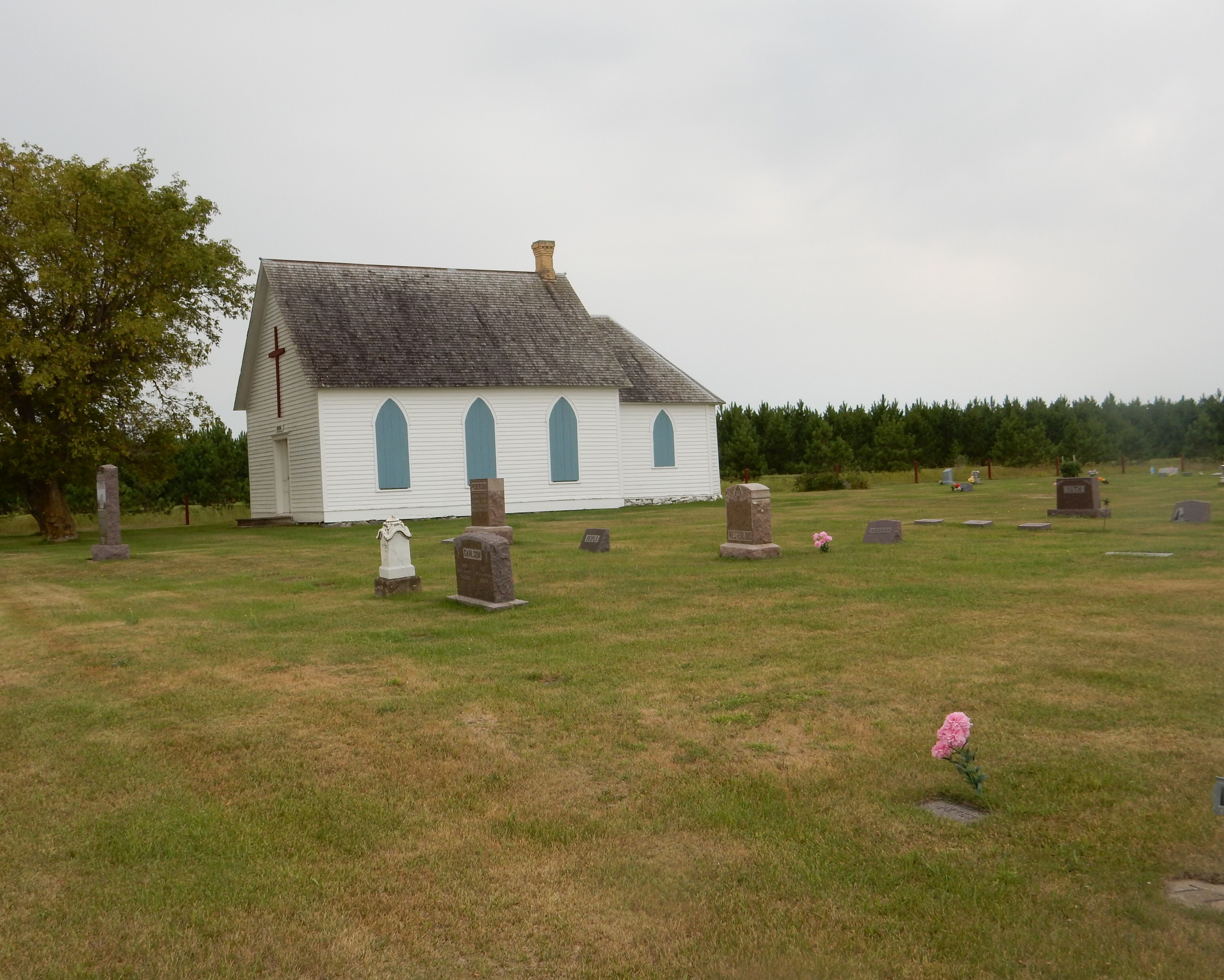
Categories: road trip, travel | Tags: , , , , , , | Leave a comment

2015 Trip 3, Isle Royale, June 27

Little Marais, MN June 27

Tettegouche State Park was our primary destination today. A year ago they completed a brand new and expanded visitor center and rest stop on MN Highway 61. The large and attractive park name sign has yet to be installed; we normally take a picture of each park or location sign as a reminder of where pictures were taken. Today I took a picture of the glass door with the park name on it.

Baptism River at Tettagouche State Park in MN

Baptism River at Tettagouche State Park in MN

Tettegouche State Park is a combination of the previous Baptism River State Park (6000 acres of land) and an additional 3400 acres of land which had previously been the largest lumbering site on the North Shore and then a gentlemen’s club when the pine forests were all cut down. The name Tettegouche originated in the New Brunswick Canada origins of the owners of the lumber company. They replicated many of the French and Algonquin names of that area.

The hike along the cascades of the Baptism River

The hike along the cascades of the Baptism River

Along the Baptism River

Along the Baptism River

We hiked along the cascades trail. It was a glorious hike; birds were chirping, you could hear the sounds of the river just below, wildflowers continued to be blooming, and there was a slight breeze to complement the 70 degree temperature. Oh, I suppose the undergrowth along the trail could have been cut back a bit but that just added to the ambience.

one of many colorful spots along the trail

one of many colorful spots along the trail

We could have hiked more trails but we had decided to explore the area. In our travels up to the Finland Co-op Store, we had driven past the Finland Heritage Site. It was a cluster of buildings along the side of the road in the middle of nowhere. It seemed to be one of those little curiosities that we tend to check out, so we had decided to visit it after Tettegouche.

The Heritage Site is open Thursday through Sunday from 11-4 during the summer months. A couple of retired RVers from Minneapolis are the volunteer staff. The wife took us around the site. It was originally the homestead of a bachelor Finnish immigrant farmer who, when in his eighties, just disappeared one winter day, breakfast sitting on the table, and was never seen again.

Finnish bachelor farmer homestead

Finnish bachelor farmer homestead

When the property eventually reverted to the county due to non-payment of taxes, volunteers formed an organization to recognize the Finnish immigrant heritage of the area. The volunteers exhibited plenty of “Sisu”, a Finnish word meaning plenty of guts and determination under adversity.

The bachelor farmer’s house and property were the first buildings but they have added a one-room schoolhouse, a blacksmith shop, the state’s first forestry field building, a museum with informative displays, and a stage and food stands for the cultural events held there during the year. The town of Finland is still heavily Finnish, with several generations of families of the original immigrants still living here. The site is a pleasant means to spend a little time.

Wall mural on the Finland co-op

Wall mural on the Finland co-op

Lunch was at Our Place, a typical small town bar/restaurant with a northwoods ambience. Prices were a lot less expensive than the cities and we each had their pork bar-b-cue and potato salad for $6.50 each. A raspberry and a rhubarb shortcake for $2.50 each completed the meal. Everything was quite tasty.

We left and headed out to find George Crosby Manitou state park. This park is a wilderness park, meant for backpacking only. Their literature suggests day hikers use other parks. We thought we would at least check it out.

"St. Urho"

“St. Urho”

On our way to the park, we stopped and took a picture of the wood carving of St. Urho, patron saint of Finland. What, you never heard of St. Urho? Well, that is not unusual. St. Urho is actually a fiction, created by a Minnesotan in reaction to constant comments about St. Patrick of Ireland. Finland is over 80% Lutheran and does not recognize saints. But, they celebrate St. Urho around here just before St. Patrick’s Day.

Lupine near George Crosby Manitou State Park

Lupine near George Crosby Manitou State Park

Along the roads in this area, we have just seen an explosion of lupine, particularly purple in color. We thought maybe there was a concerted effort to plant them as an identifying mark of the area. But, no, it seems the lupine tend to grow in clusters when their seeds are disbursed. A few people locally seem to be getting tired of them.

As we were driving to Manitou State Park, the skies darkened and there was lightning off in the distance. The asphalt road ended and became gravel. Then the rains came. We reached the park and agreed we had no need to go hiking in the wilderness under these conditions. The Superior Hiking Trail runs through this park and we had talked to several hikers just minutes before the rains who still had 4-6 miles left to hike today.

Gravel roads were our companion for most of the ride back to Lakeside Cottages in Little Marais. A nap was our reward for our activities.

Before church, we had dinner again at the Northwoods Family Grille in Silver Bay. Good food; not artisanal, not organic, not small plates, not locally sourced, just good food in the old style. The bowl of chili was large enough to feed a family. Reminded me of my parents’ restaurant back in the 1960s.

We spent our last night at the “Nest”, our small cabin at Lakeside Cabins and Estates. The unit is comfy, plenty of hot water; they ingeniously arranged the space so there is room for a TV, small refrigerator, table, chair, kitchen dishes, etc.

Ed and Chris June 28
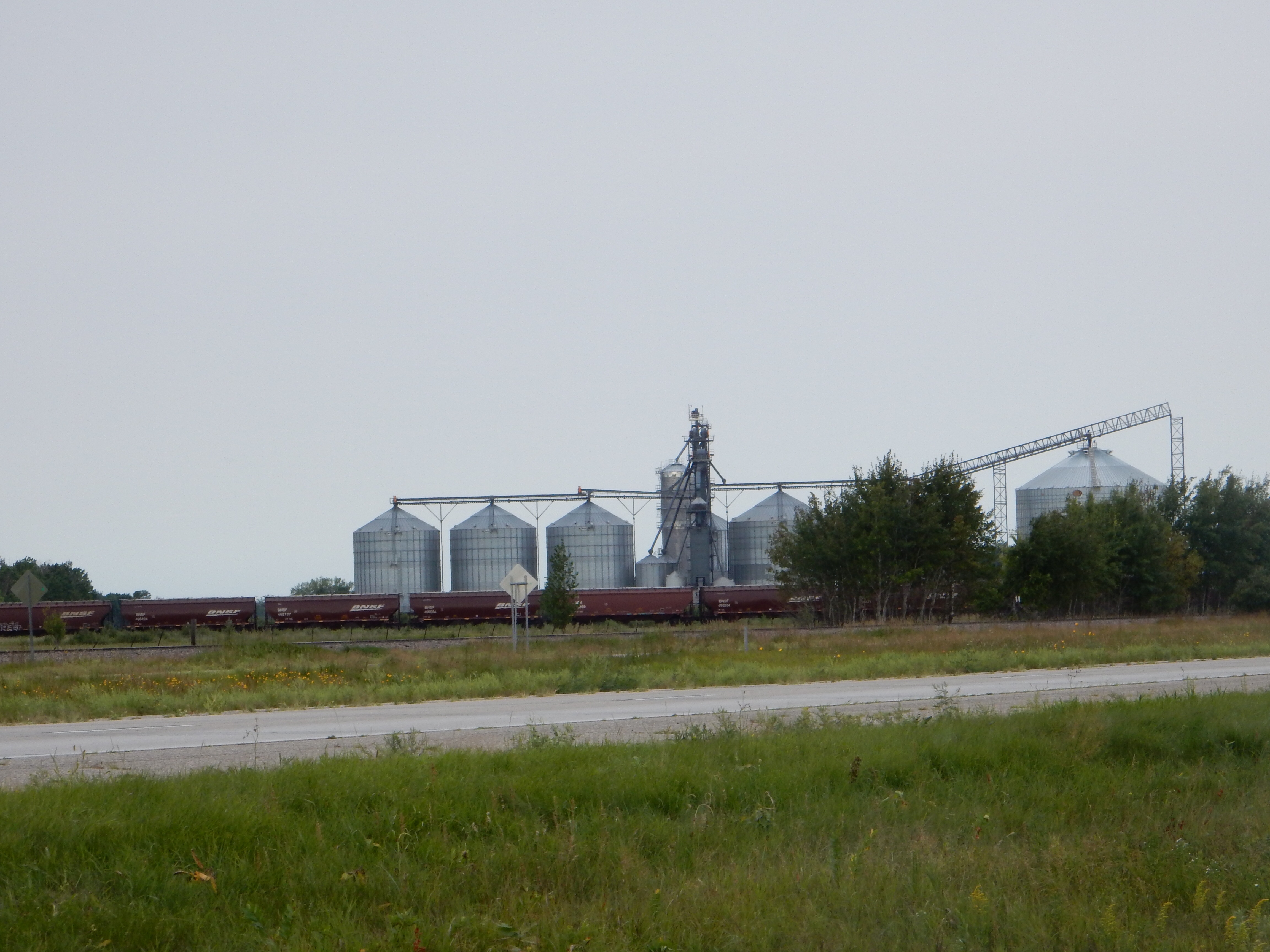
Categories: road trip, travel | Tags: , , , , , , , , | Leave a comment

Blog at WordPress.com.