

Potter Marsh, Anchorage Alaska
Anchorage, Alaska. Saturday August 31
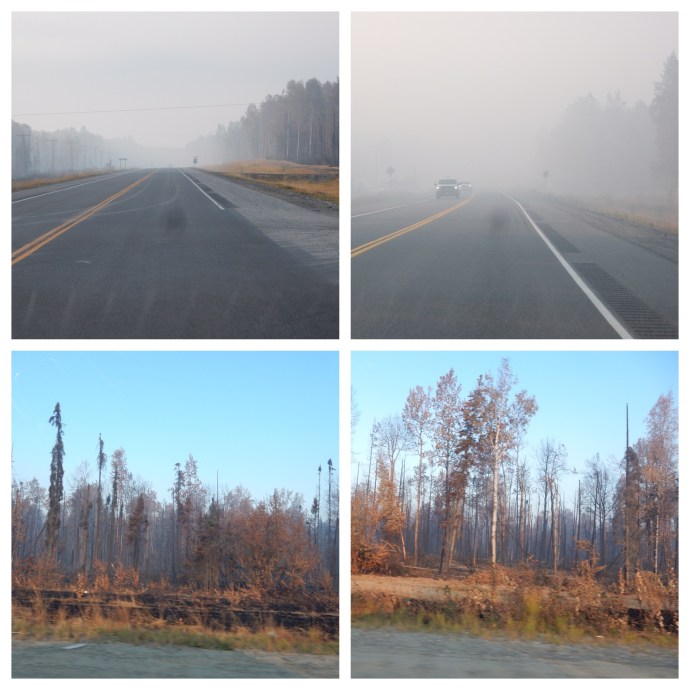
While people back in Minnesota are thronging to the State Fair in record numbers, we are still exploring Alaska. Our current adventure has us in Anchorage for an alternate date, avoiding the town of Cooper Landing since the wildfire would not have allowed us to do the hiking and touring we had planned. It does appear that last night’s rain may make travel to Cooper Landing Sunday and Homer on Monday much more feasible.
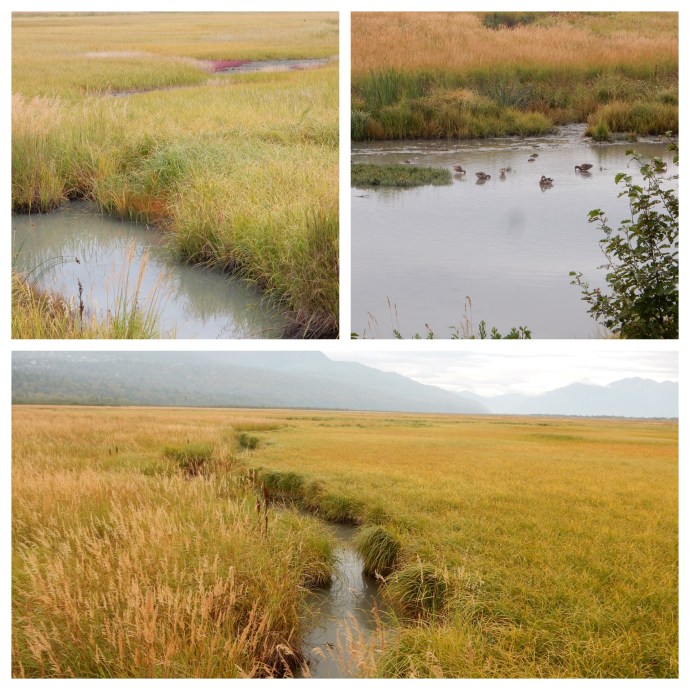
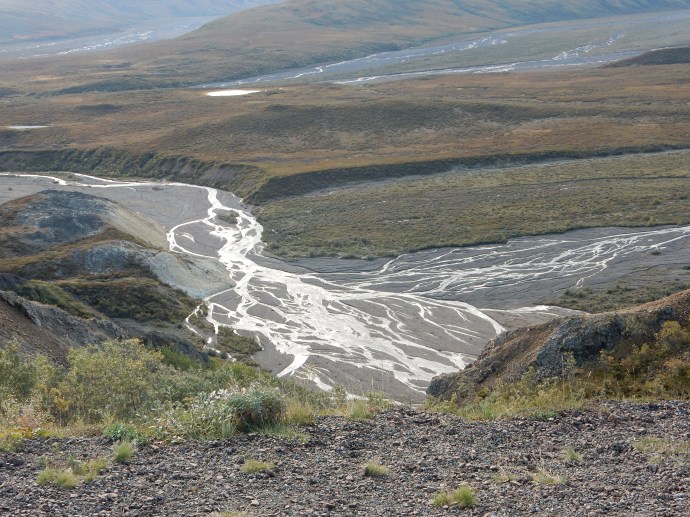
Potter Marsh just south of Anchorage
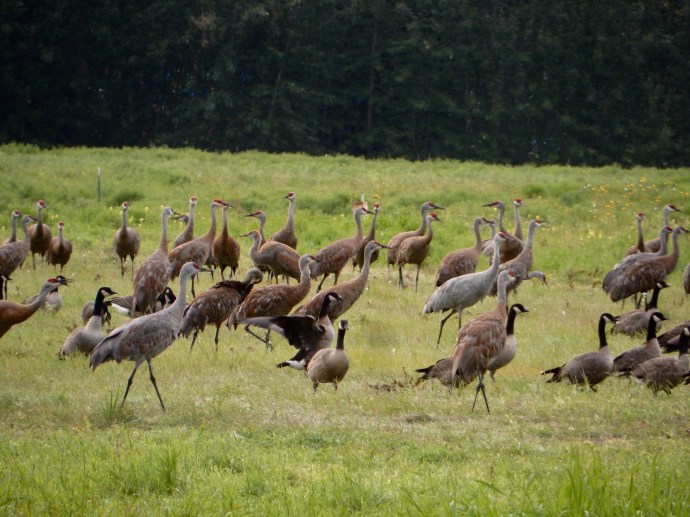
The day started at Potter Marsh, a well-known and highly touted wildlife marsh just minutes from downtown Anchorage. The boardwalk at Potter Marsh takes you on several paths into the marsh. The marsh is partially salty with tidal influence. The day was windy with overnight rain and a promise of more rain to come. The birds did not cooperate. We saw a few ducks of some type and a magpie or two but that was it. The boardwalk was popular with humans; none seemed to be having better luck at finding birds.
Leaving the marsh, we went in to Anchorage and spent four hours at the Anchorage Museum. The museum is the largest in Alaska and focuses on Alaskan art, cultures, history, and science. We took advantage of two docent led tours although the one focusing on art was less worthwhile. The art collection focuses on images of Alaska and, where feasible, on art by Alaskans. Sydney Lawrence, probably the best known Alaskan painter, is heavily represented.
Chris and I were extremely impressed by the areas of the museum that focus on the various native groups of indigenous Alaskans. I used to wonder why there appeared to be so many different names; weren’t they all Eskimos or some such? The docent covered it nicely; as did James Michener in his novel “Alaska”. When the last period of glaciation occurred in North America and Europe, sea levels dropped dramatically exposing Beringia.
In very basic terms, Beringia is the land exposed by that sea level drop; extending from the McKenzie River in Canada to the Lena River in Russia. The Chukchi and Bering Seas were not seas then, but grassy steppes. Peoples from Asia migrated at many different times; each group of migration tended to end up as a different indigenous people. The indigenous peoples stayed in Alaska, developing their own history and culture since the glaciers in America and Canada blocked further southward movement until the glaciers receded, Each group developed according to its own locale; vast differences occur between the Tlingit people down along the southeast coast of Alaska from the Unangan people of the Aleutian Islands, as an example.

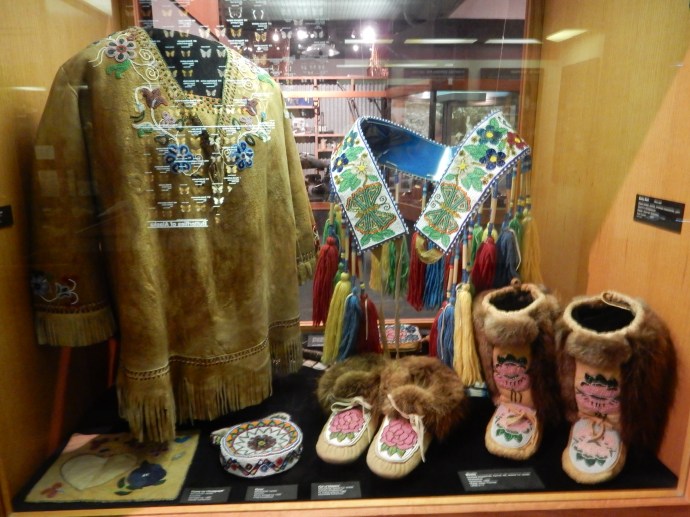
Child’s snowshoe hare parka
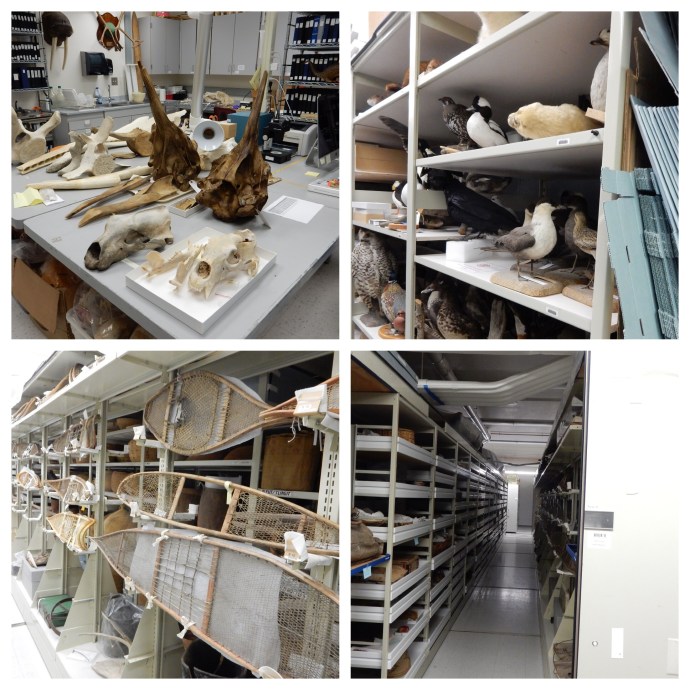
Somewhat similar to the museums in Flagstaff and in Fairbanks, each indigenous group is highlighted. The items in the displays have been selected by the elders of each group from items in the possession of the Smithsonian Institute. The exhibits are enhanced by video monitors that describe each specific item in greater detail. One can go online to see this at: http://Alaska.si.edu. A snowshoe hare child’s parka might only be made every few years; the snowshoe hare population has peaks and troughs. The peak years would produce enough hares for a parka, other years, no.
An example that the docent highlighted included a winter parka made out of the intestinal guts of seal and a winter parka made out of ground squirrel hides. Each used the wealth of resources Alaska makes available to them in the area in which they live. Each peoples had sufficient free time to create works of art, either for pleasure or for ceremonial purposes.
Of course, the coming of Russian and American explorers and settlers negatively brought disease and high rates of death, forced labor, forced loss of cultural habits, etc. Positively, it brought new materials and habits that made their life easier. The resources of the state were a prize to be extracted and shipped back to the parent country, whether that was furs, salmon, or gold and copper. The profits from the resources were not spent on local improvements.
A separate exhibit highlighted the past and current media representations of Alaskan indigenous peoples. “Molly of Denali”, a new PBS kids show, was highlighted as an example of improved accuracy in media presentation. Another exhibit demonstrated the role and importance of salmon. Hopefully we will not foolishly waste away that important resource in favor of indiscriminate mineral extraction. It took time for humans to acknowledge their overfishing of salmon threatened it with extinction. Reasonable safeguards and regulations seem to be keeping the salmon fisheries at a sustainable level.
AAA rates the Anchorage Museum a “Gem”, the top honor. We would agree and encourage others to take time to explore it in depth.
The rest of the afternoon was housekeeping; laundry, church, and dinner. Tomorrow, Cooper Landing.

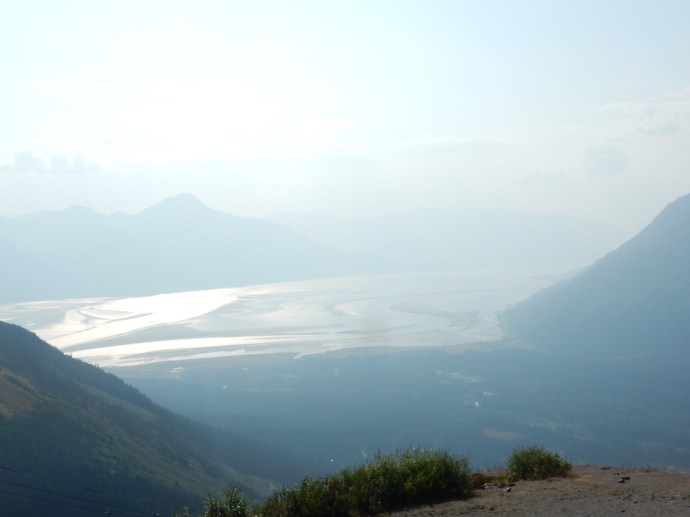
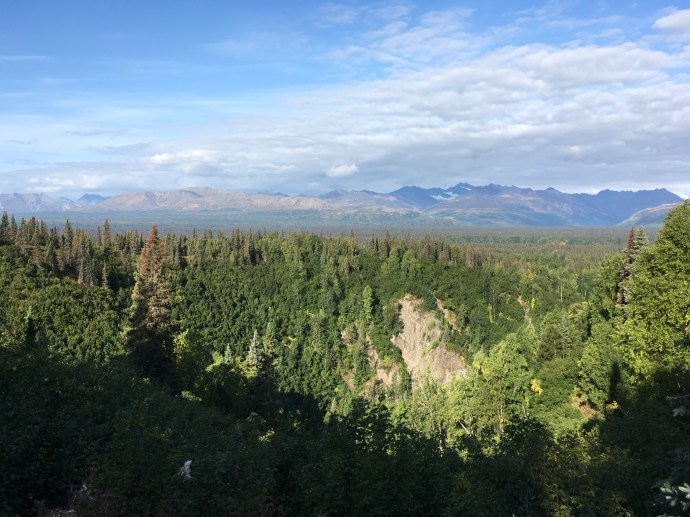
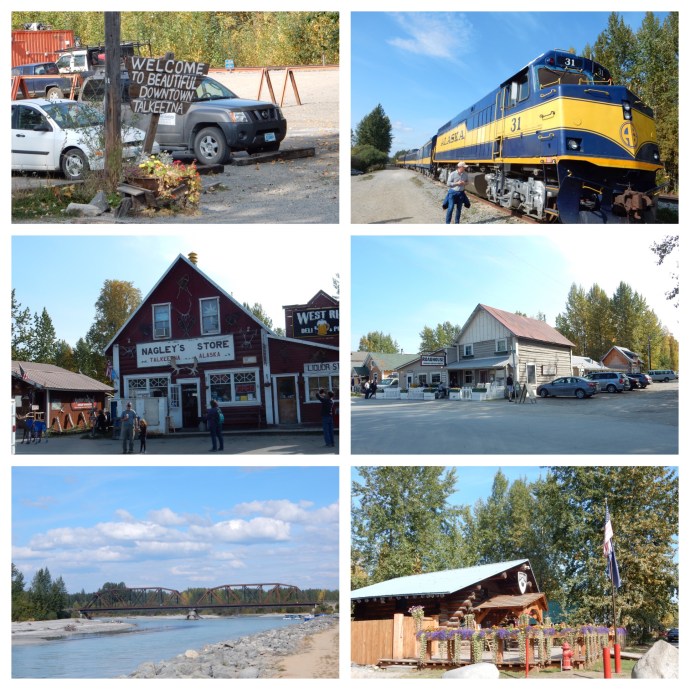
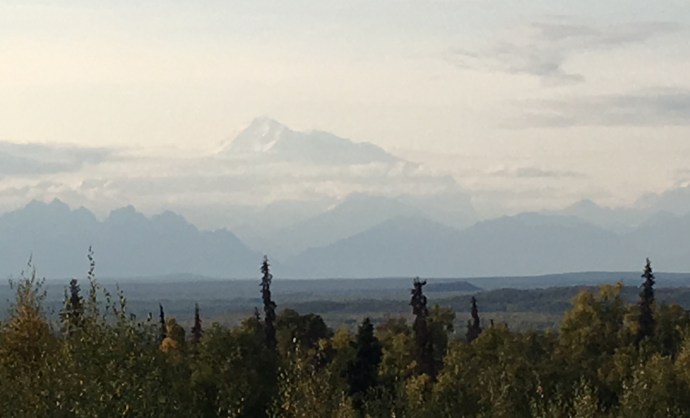
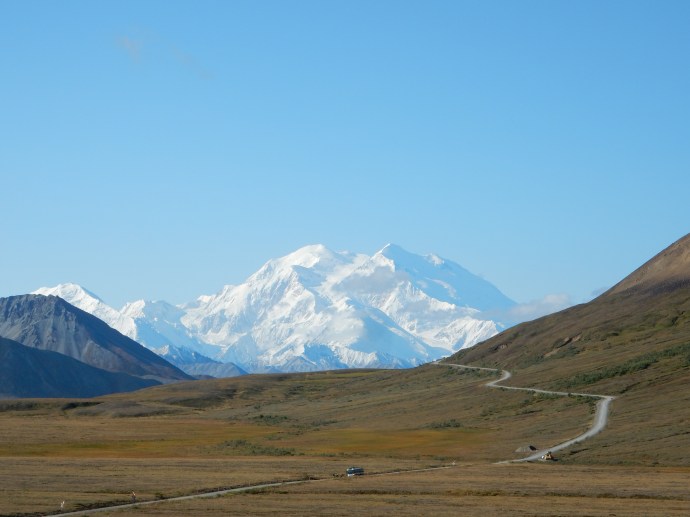
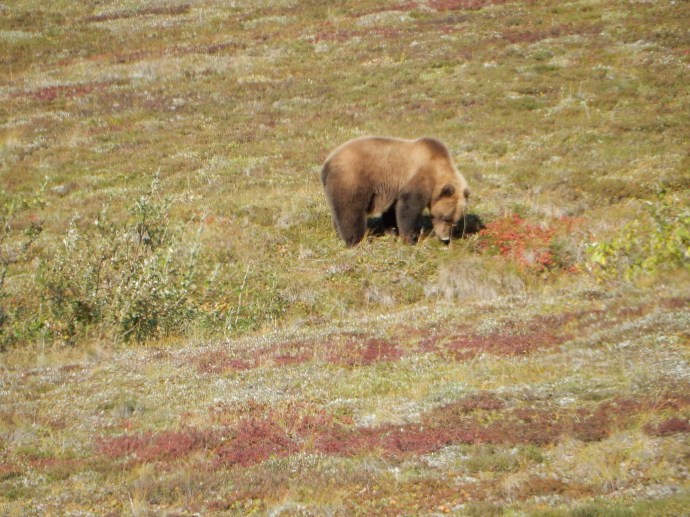
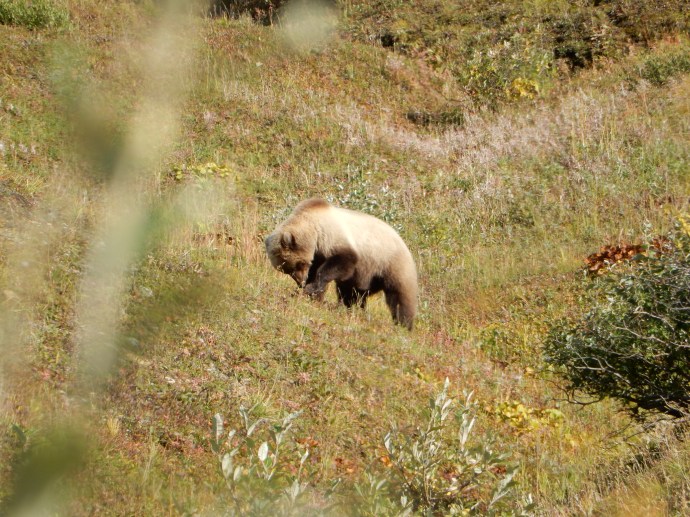
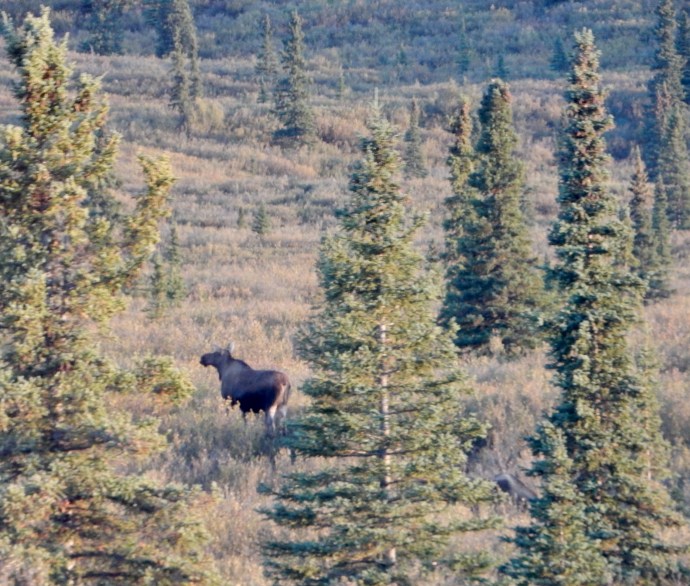
Varied photographs by Fred Marchetanz of Alaskan scenes in the Anchorage Museum
Ed and Chris, Saturday August 31. 9 PM










































 Chris Klejbuk and Ed Heimel travel adventure
Recent Comments