Monthly Archives: March 2014

2014 Trip Two, March 18, Deep South

Mobile, Tuesday March 18

Berney Fly B and B

Berney Fly B and B

Well tonight is our last night at Berney Fly B and B, one of only two remaining B and B’s in Mobile. We have enjoyed our time here and appreciated the local insights given by Steve.

The day started at the Mobile History Museum, reviewing the exhibits about the history of the city. It began as a French territory, went over to the British, then the Spanish took over and finally it went U.S. in 1813. Wrought and composite iron was used extensively in Mobile construction. However, during WWII, the people of Mobile sacrificed much of the iron works for conversion into armaments. Its location on Mobile Bay made it a major ship building site during the two world wars. Some ship building continues.

Outside front of one of the miniature houses

Outside front of one of the miniature houses

View of interior of miniature house

View of interior of miniature house

One room  detail

One room detail

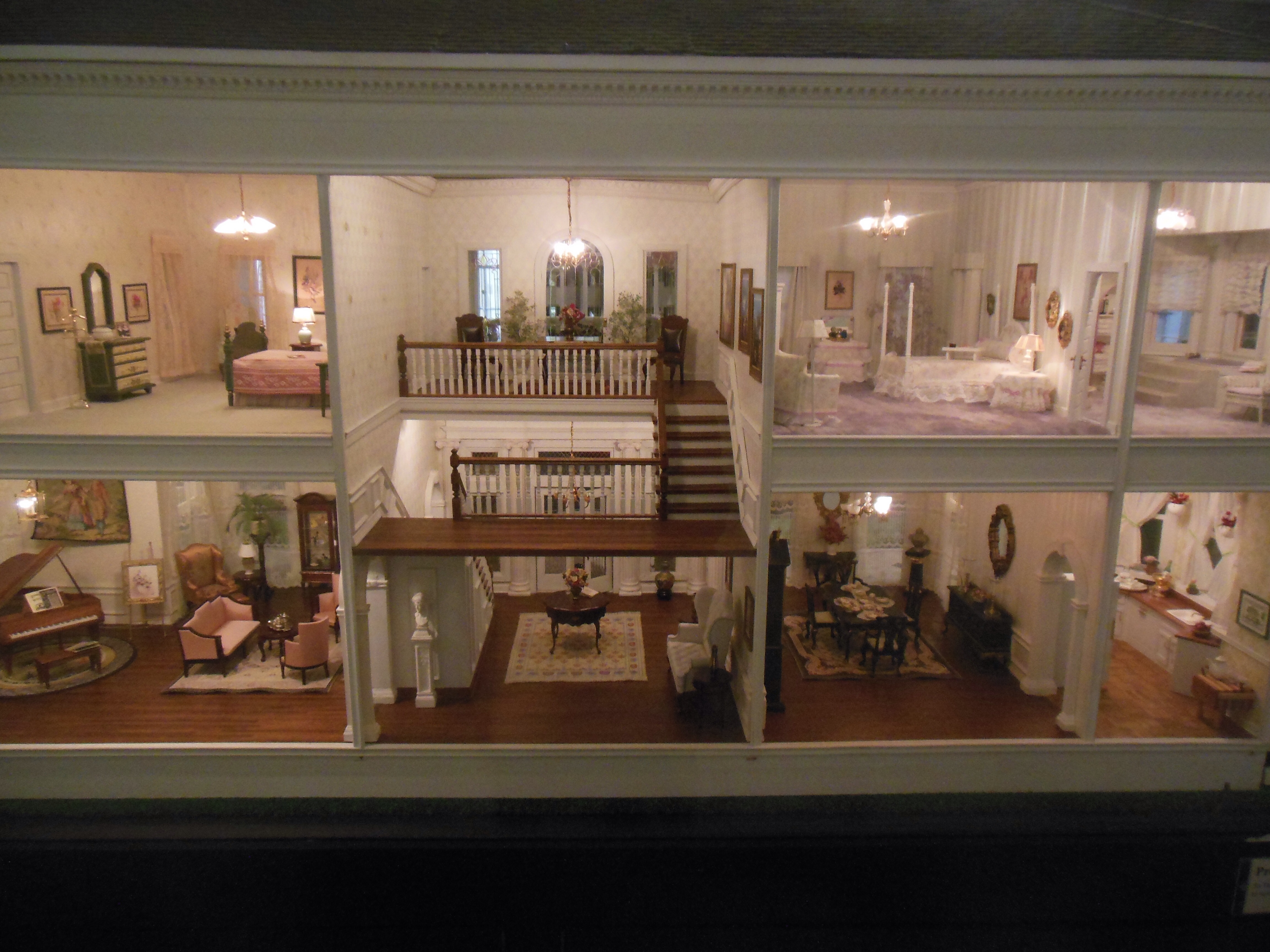
There was a special display unrelated to Mobile history that we also enjoyed. A local man made numerous miniature houses, down to intricate detail for interior decorations. The craftsmanship was amazing.

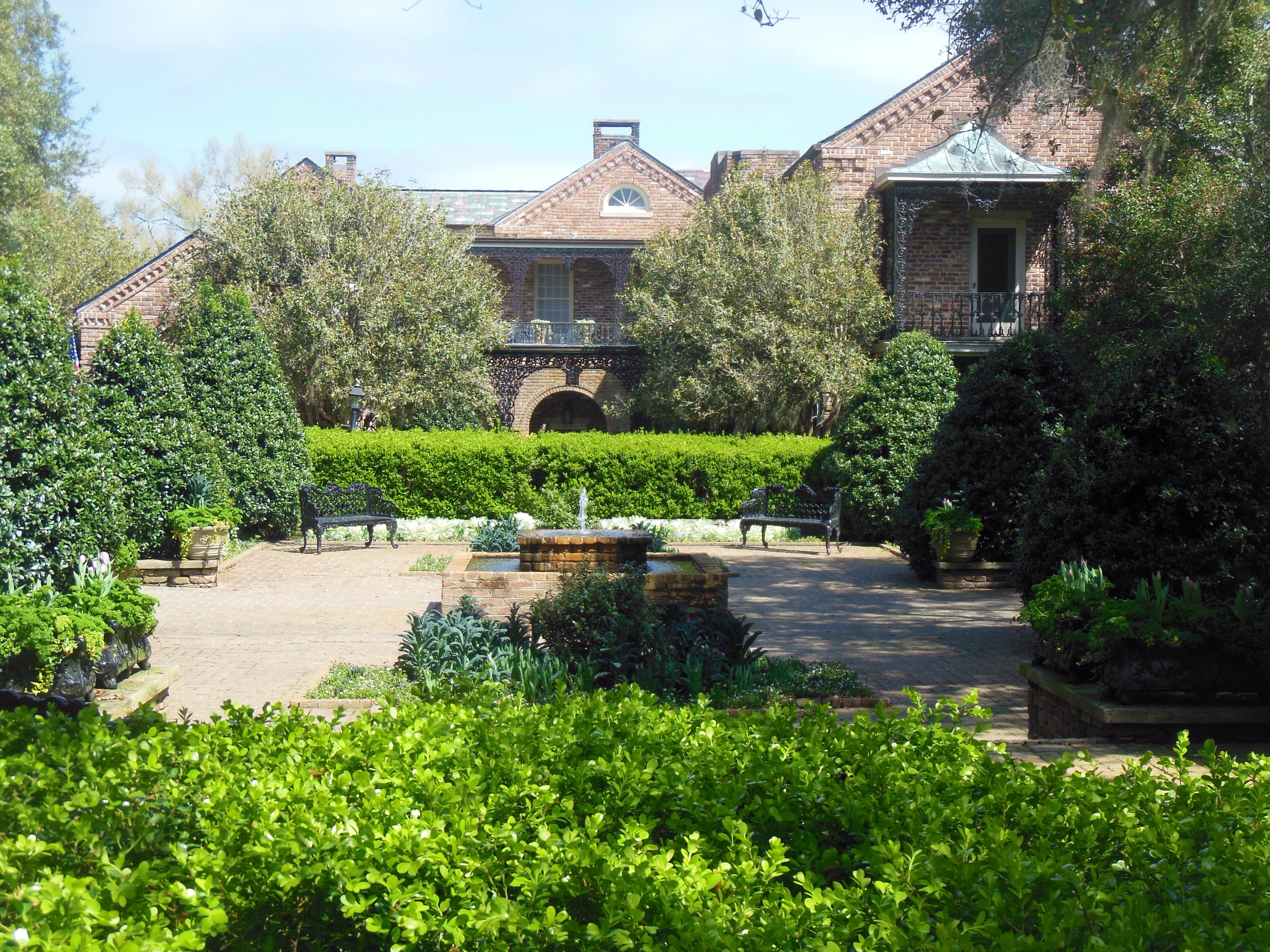
Bellingrath home

Bellingrath home

Our major destination for the day was Bellingrath Gardens. This was once the home and grounds of the local Coca Cola bottler and his wife. It was originally the site of a fishing camp along the Fowl River because the husband was ordered by his doctor to take more time off from work. The gardens were developed over many years and without children, Mr. Bellingrath established a foundation to run it and the home after their deaths.

The grotto and steps leading to Fowl River

The grotto and steps leading to Fowl River

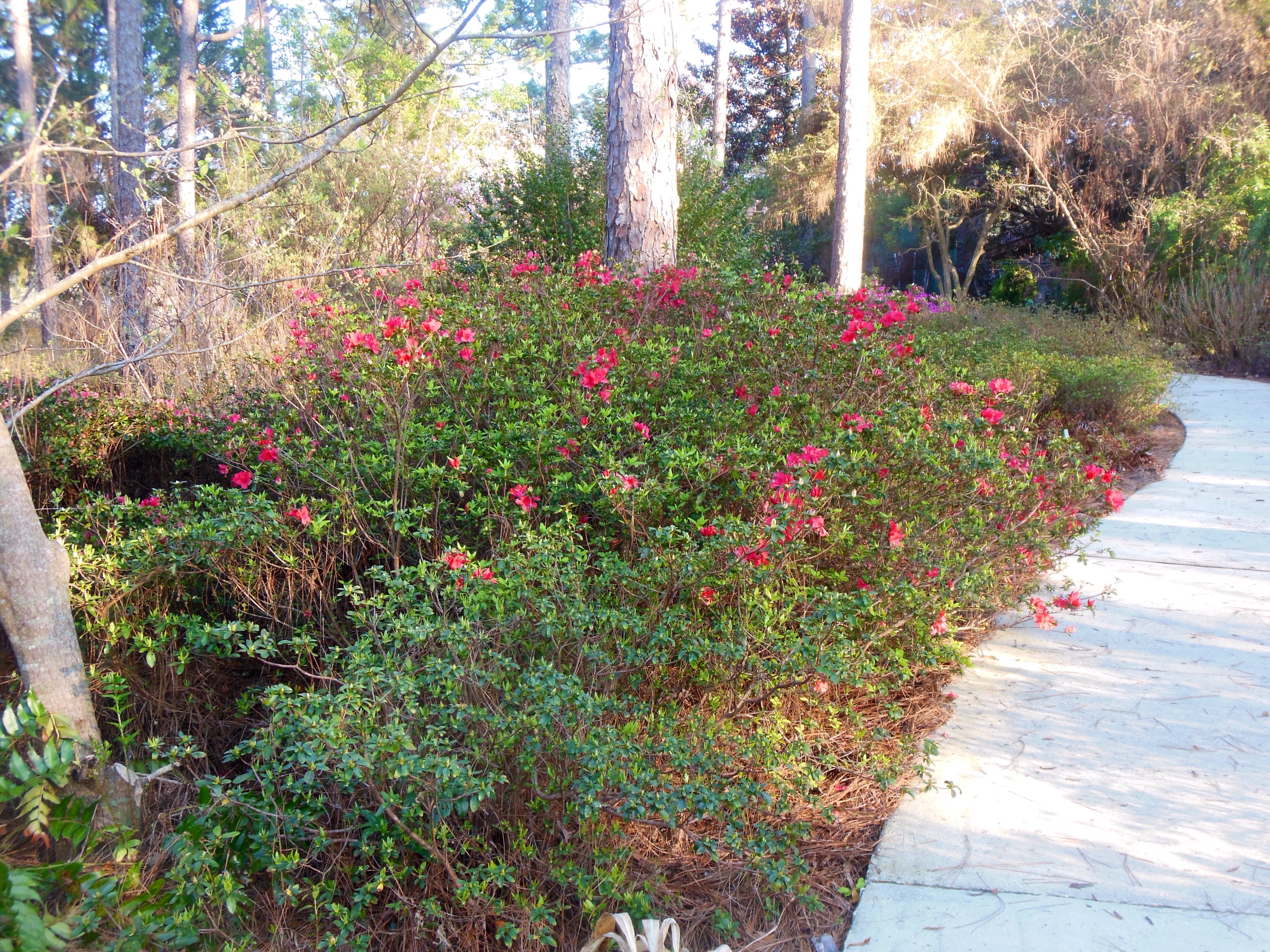
The gardens encompass 65 acres. Due to this winter’s colder weather, we arrived at a time when many buds were out but the mass blooming of flowers for which we were hoping had not materialized. The camellias are ending their time, azaleas and other rhododendrons are just starting.

Some of the blooming flowers

Some of the blooming flowers

Not that we did not enjoy the garden. The sun was out and temperatures rose to the mid 60s. There was enough color around the garden to make for a pleasant stroll. There is a boardwalk along the river and bayou. When Sarah told us St.Paul was to receive 3-5 inches of snow today and tonight, the day seemed even better.

The sign says "Drink Coca Cola" in  Japanese

The sign says “Drink Coca Cola” in Japanese

Before dinner, we stopped at the Mobile Botanical Garden. It has just been designated an exceptional garden by the International Camellia Association. There were fewer blooms here, much of the Garden’s mission is to educate gardeners. But it was another pleasant stroll for the late afternoon.

Mobile Botanical Gardens

Mobile Botanical Gardens

Dinner was at The Brick Pit, a local Bar B Q joint highly ranked by various groups and by our hosts. The ribs were some of the meatiest we have tasted.

So tomorrow it is off to Florida via another ferry and our first look at the white sand beaches of the Gulf Coast.

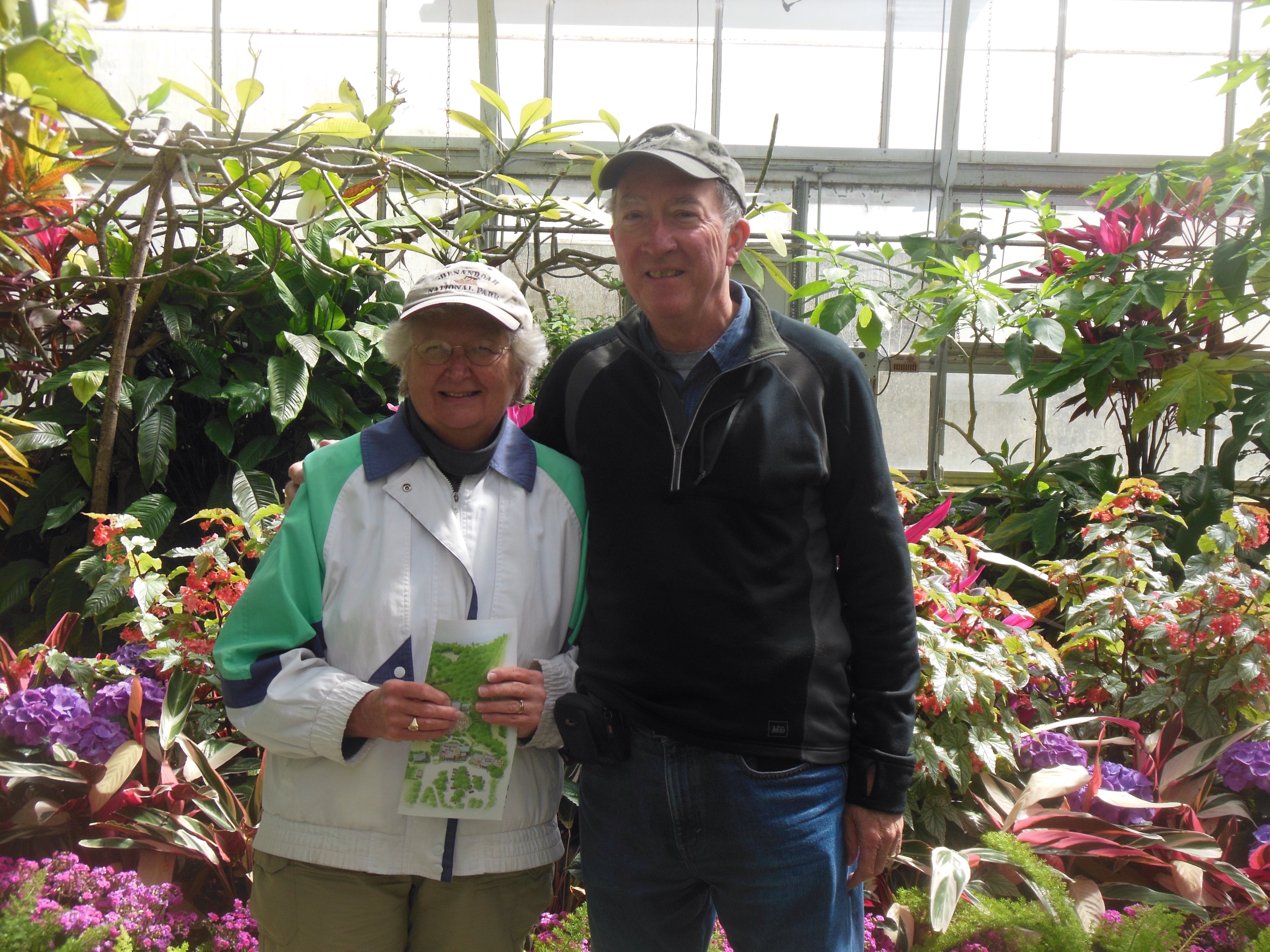
Ed and Chris at Bellingrath

Ed and Chris at Bellingrath

Ed and Chris 9:05 pm

Categories: road trip, travel | Tags: , , , | Leave a comment

2014 Trip Two, March 17, Deep South

Monday, March 17 Mobile AL

Happy St. Pat’s Day to all of the Irish and the Irish wannabe’s out there.

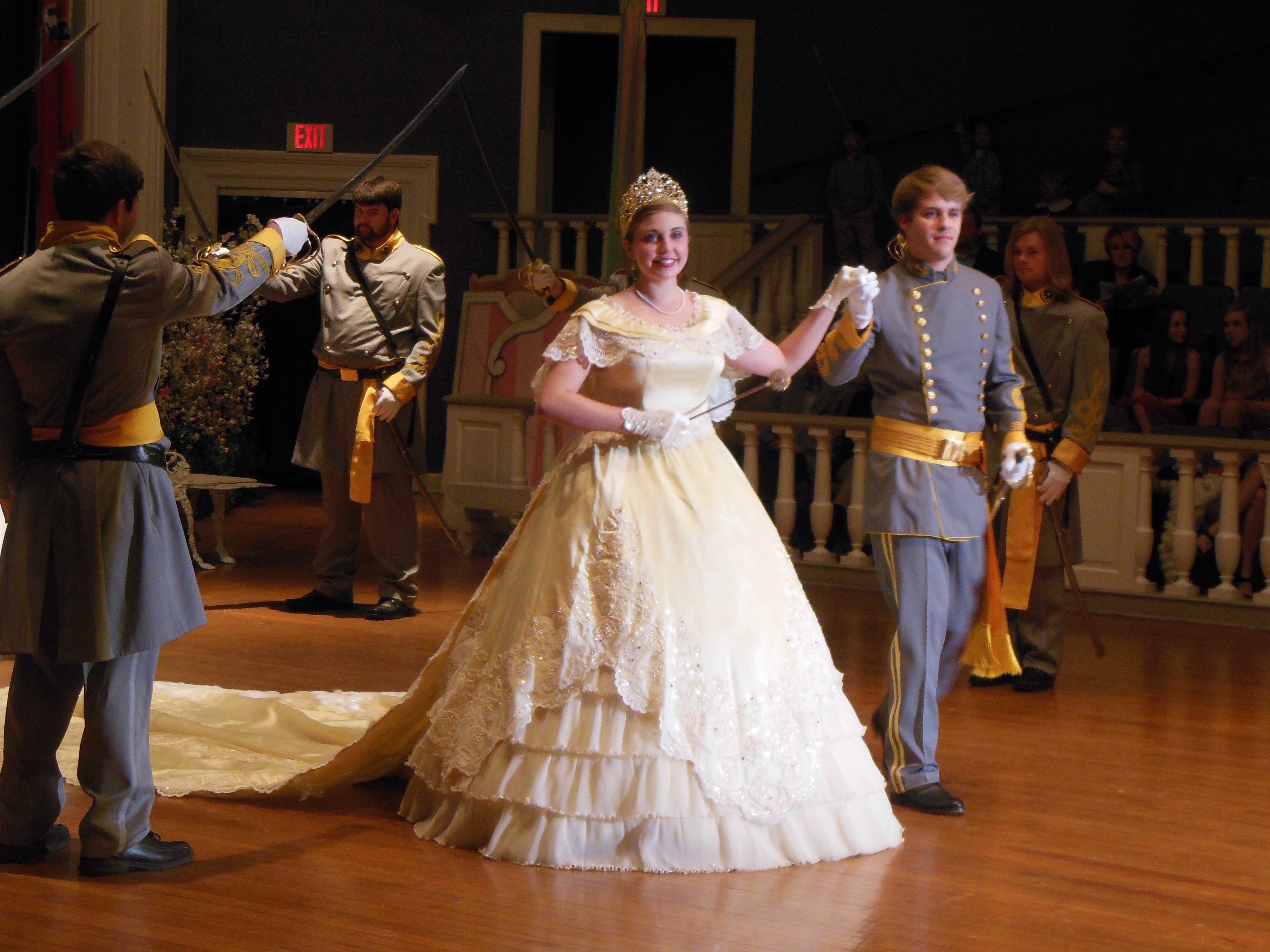
No Civil War or Civil Rights today. We are in L.A.; Lower Alabama to y’all. On the advice of Steve from Berney Fly, we went to the Mardi Gras museum. I will not be able to fully describe the Mobile Mardi Gras culture but will try to summarize it a bit for you.

First, Mobile is the first U.S. city to celebrate Mardi Gras. Second, the parades are much more family friendly. Third, there are parades beginning three weeks prior to Ash Wednesday. Fourth (A), there are about 60 Mardi Gras societies, about 30 of which sponsor parades. Fourth (B), each society’s parade is separate and distinct from all of the others with seniority in tenure deciding when their parade is held.

Fifth, there are two Mardi Gras associations, one black and one white and the royalty attend each other’s functions. Sixth, Mardi Gras in Mobile is an opportunity to have social get togethers, whether those be family re-unions, social groups. fraternities, what have you.

Seventh, Mardi Gras parties begin at Thanksgiving and continue until Ash Wednesday. Eighth, at Mardi Gras parties, men must wear white tails and ties and women floor length gowns. It is said that outside of Los Angeles, Mobile uses more full dress white tie and tails than any other city.

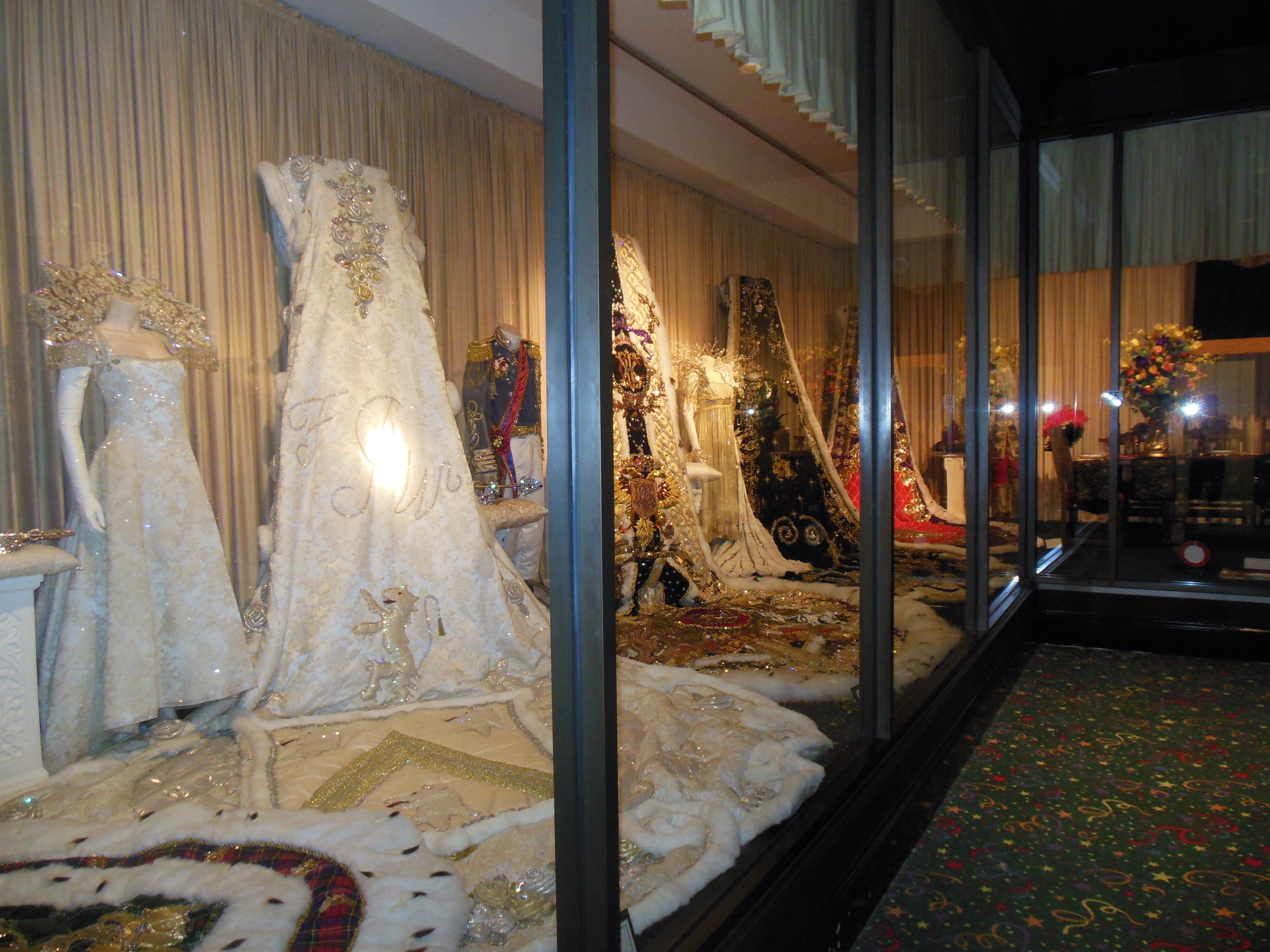
A recent King and Queen robe and  train.

A recent King and Queen robe and train.

Ninth, the king and queen must be over 21, single, and foot the bill (or their parents) for the robe and train (see pictures) which can cost as much as a new car. The heaviest train weighed 60 pounds and actually had ball bearings under the bottom end of the train to help it roll along. Tenth, the parade route is two miles but the kings and queens and court get to ride, it is at the balls that they must pull the train along and mount the stairs to their throne.

The 60 lb train

The 60 lb train

Eleventh, Mardi Gras is Fat Tuesday (before Ash Wednesday) while Carnival is the entire season of balls and parades up to Ash Wednesday. Balls seem to start at Thanksgiving while the formal start of Carnival begins on the feast of the Epiphany (Jan. 6).

Several of the recent robes and trains

Several of the recent robes and trains

How do we know this? From Steve and from the docent at the Museum. The museum is an amazing collection of memorabilia and history. Oh, the woman taking our admission fee was the queen in 1955. In Mobile, the Mardi Gras tradition has continued for generations and families are still involved. Schools and businesses close for the Monday and Tuesday before Ash Wednesday. School bands are normally in the parades separating the floats. That is a lot of band time. We learnt a lot more; we have forgotten a lot already; and hopefully have not stated anything incorrectly.

USS Alabama

USS Alabama

After the museum, we headed out to the USS Alabama battleship complex. We spent a long time clambering up, down and through the battleship. That is one big ship! It takes about 2500 sailors and marines to man the boat. The self-guided tour goes up eight levels and down three or four. We managed to only bump heads once on the traipsing up and down. The stairs are steep and ladder like. Women are not recommended to wear skirts on this tour.

A view from  the bow of the boat.

A view from the bow of the boat.

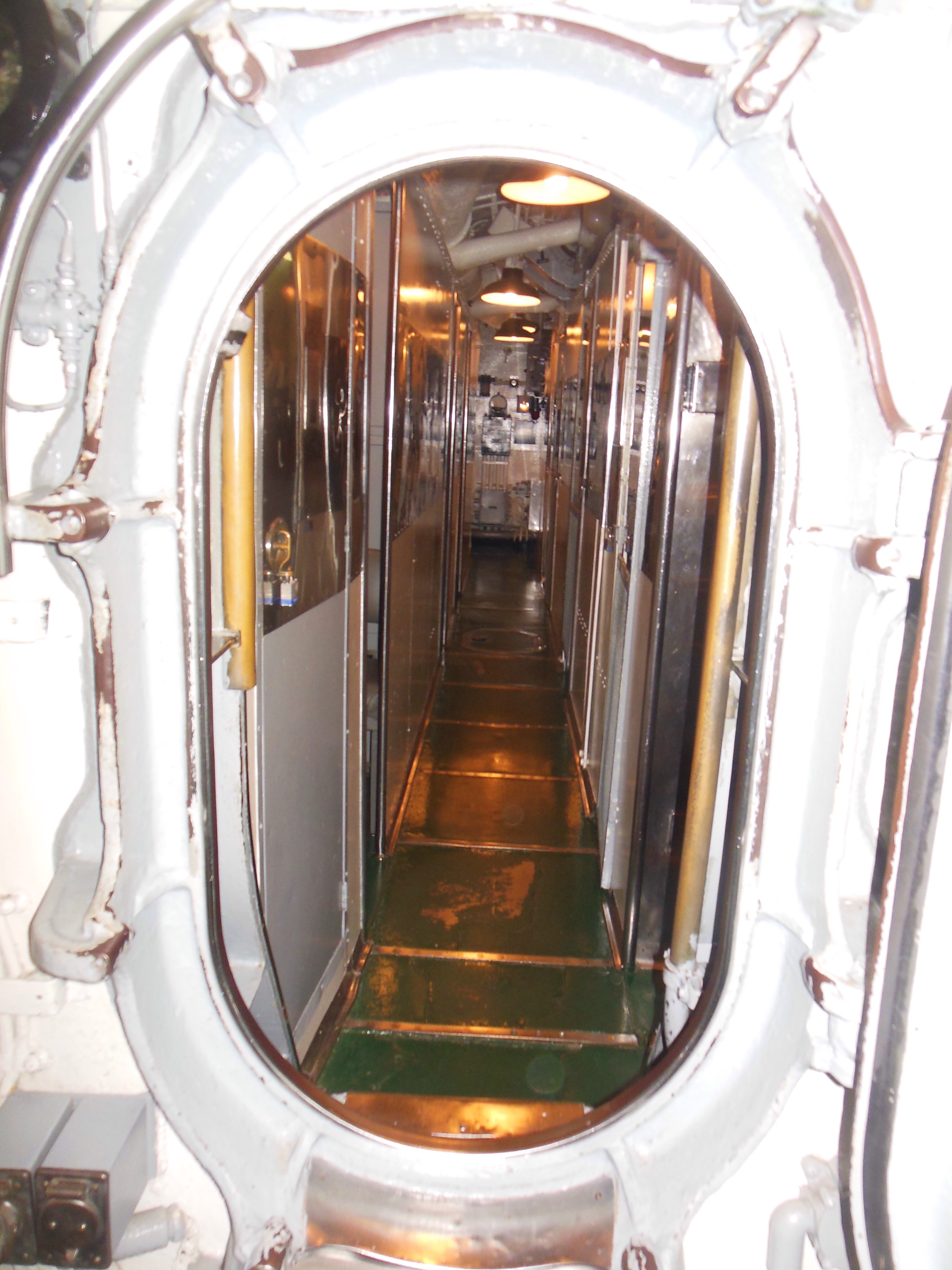
The ship was de-commissioned after WWII and brought here in 1965 as a memorial. The memorial park has an aviation hall showcasing numerous WWII and after military planes; a WWII submarine-which we also toured; and numerous tanks and amphibious vehicles.

sub interior  corridor

sub interior corridor

The battleship tour includes going through the turrets that house the ship’s big guns. Math majors, statisticians, and engineers would appreciate one factoid listed on the tour: The big guns are accurate to 20.97 miles away. (Not 21 miles, not 21.9 miles, but 20.97 miles)

Bunk area for USS Alabama crew

Bunk area for USS Alabama crew

We have a greater appreciation of the conditions sailors endured, and probably still do.

Afterwards we had a late, light lunch at Felix’s. This is a must-see that deserves its reputation. Long, long lines are common here but today’s rain, cold, and 2 pm time made it easy to get in. The crab bisque soup was fantastic. A drive down the east side of Mobile Bay to Fairhope finished off the afternoon.

Our evening entertainment was spent at the opera-somewhat. The Mobile Opera on the third Monday of each month has an event where the opera singers come to a local restaurant and perform a medley of tunes ranging from classics like “Danny Boy” and “My Little Valentine” to opera songs that I could not identify. They sing while the rest of us eat dinner. The event is held at a very nice restaurant that is normally closed on Mondays.

We took another guest at the B and B to it. She was down here for a historic homes tour this weekend and her car broke down. She is waiting for a clutch part for a 1996 Saab to arrive from her mechanic in Atlanta. We could sympathize with her situation.

When the singing began, we three were still talking and a woman at the next table “shushed” us. We got the hint. But then we noticed that the table was quite noisy as new songs were being sung. It struck me as a little hypocritical to tell us to be quiet when they were not. At an intermission, we got to talking with a woman at that table and she happened to mention that one of the women at her table was the mother of one of the singers and would hush everyone when her son was performing. Then we understood.

We believe today is likely to be our last coolish day. Shorts, sandals, etc may be in our future.

As they say in Mobile, “Let the good times roll”.

Ed and Chris 10:15 pm March 17

Categories: road trip, travel | Tags: , , , , | Leave a comment

2014, Trip Two, March 16, Deep South

Sunday, March 16, Mobile AL

A slower paced day. A shorter posting.

After another great breakfast, we made Mass at a suburban Church where almost everybody was dressed up. A quick stop at Dunkin Donut and we were off to the Hank Williams museum. Since it is Sunday, our options were limited.

Hank Williams was an early country music star who died at age 29 on Jan. 1, 1953. This museum was put together by a long time fan and much of the material inside is on loan from others. We did not really know a lot about him and we spent about half an hour here. There are many old outfits, pictures, and record casings. Pleasant but not dramatic. No pictures allowed. He wrote over 200 songs in his short career, including “Hey,Good Lookin”, “Jambalaya”, “I Saw the Light”, and “Your Cheating Heart”.

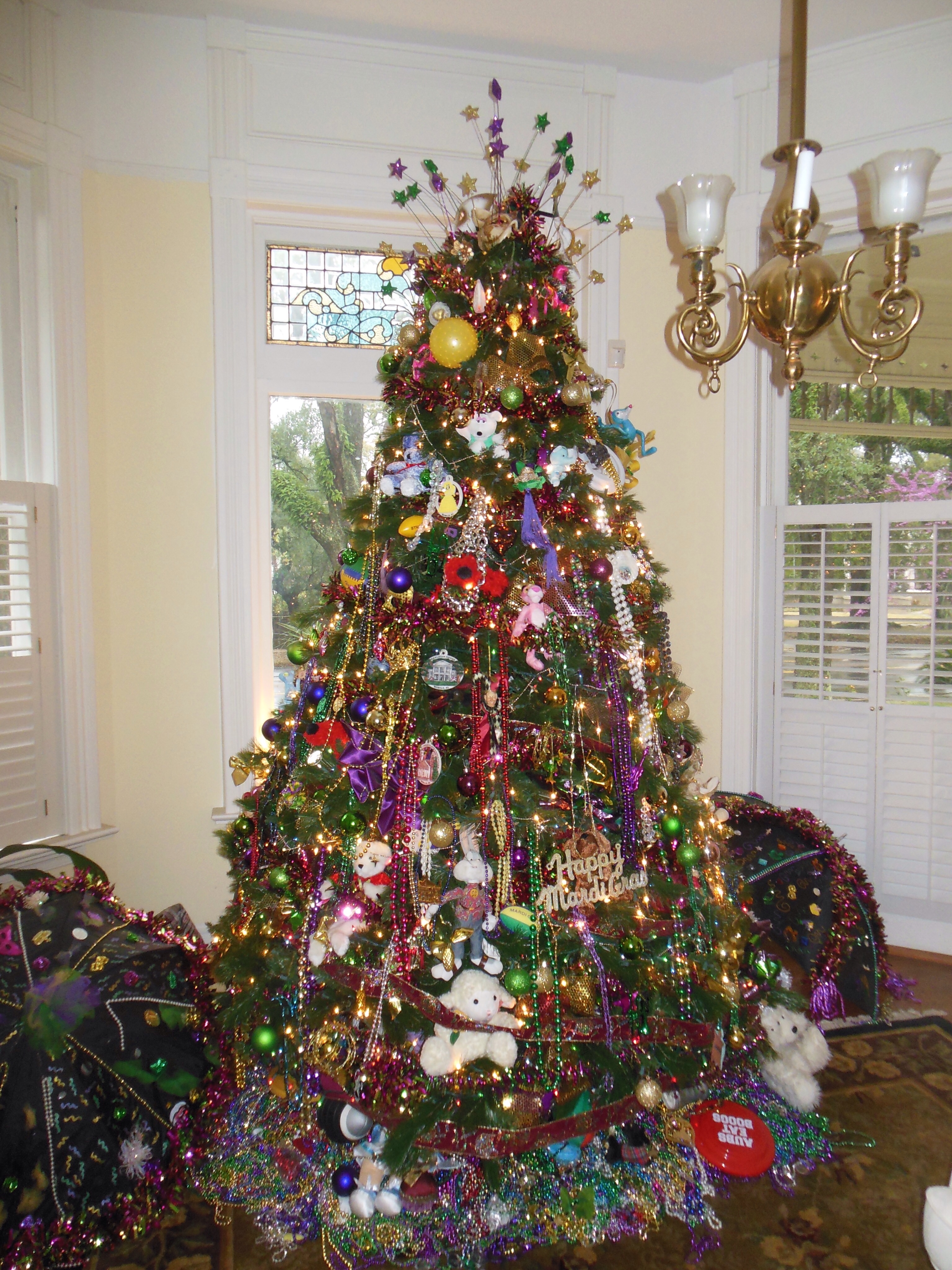
Mardi Gras tree

Mardi Gras tree

So, it was on to Mobile where we are staying for three nights. We had rain this morning, it cleared up around noon, and then has been raining again in Mobile. Our three nights here are at Berney Fly B and B. The original home dates back to 1895. Luckily we are on the first floor.

Our inn keeper gave us details about the Mobile Mardi Gras which predates the one in New Orleans. I will leave those details for a later day after we visit the Mardi Gras museum here. However, I will give you a picture of the Mardi Gras tree located in the living room of the B and B. After January 6, the decorations change from Christmas to Mardi Gras.

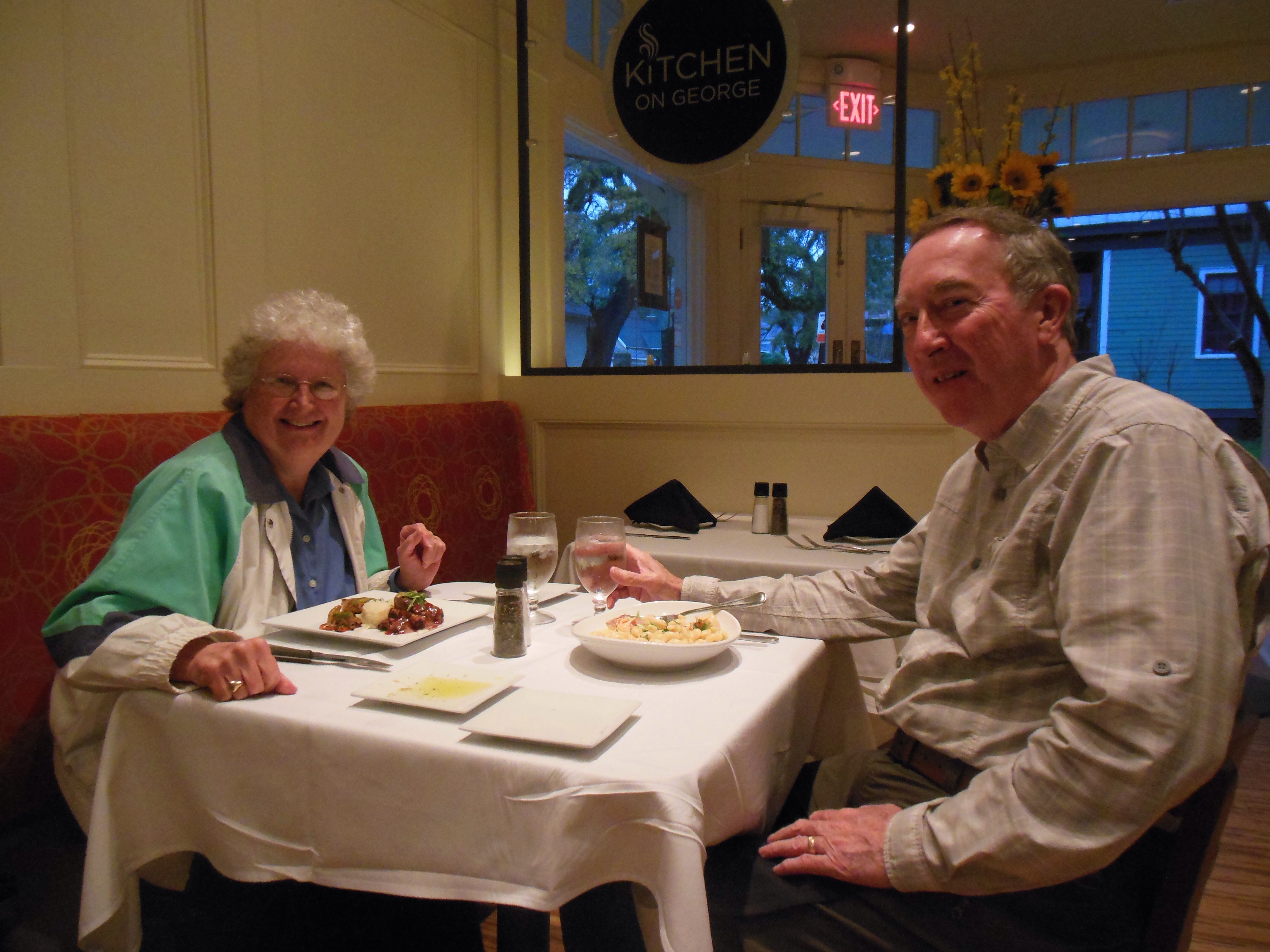
Sunday dinner

Sunday dinner

Dinner was at Kitchen on George, excellent. I even tried the Jambalaya Shrimp Pasta and enjoyed it.

Ed and CHris 8:30 PM

Categories: road trip, travel | Tags: , | 5 Comments

2014 Trip Two, March 15, Deep South

Saturday March 15, Montgomery AL

From the Civil War to Civil Rights. That is how our docent described the Alabama State Capitol. Before we got there though, our day started with breakfast at the Red Bluff Cottage B and B. Rebecca is an inn sitter; that is, she fills in for owners who have to get away for whatever reason. The owners here had a commitment and Rebecca was called in. It is her fifth time here.

Rebecca and Chris at breakfast

Rebecca and Chris at breakfast

Breakfast was fruit in cream in a fancy parfait dish followed by eggs/spinach/cream sauce on a croissant with sausage patties. Plus, I had cold milk in a glass with ice cubes. What more could I ask for?

Chris and I drove east to Tuskegee, AL. Tuskegee is home to the Tuskegee Institute National Historic Site. This is a private, primarily black university founded in the late 1800s and initially headed by Booker T. Washington. George Washington Carver spent many years here doing research (We saw his homesite in SW Missouri last fall.) Unfortunately, despite website information and signs on the grounds, the Carver Museum was closed and tours of Booker T. Washington’s home were being held at a different time. The home was locked when tours are not being given. So we saw the buildings and grounds and then left for our second site in Tuskegee, the Tuskegee Airmen National Historic Site.

Tuskegee Airmen fighter with red tail-their logo

Tuskegee Airmen fighter with red tail-their logo

The recent movie has probably made many of you aware of the Tuskegee Airmen. Short summary. In 1941 the Army, under pressure, sets up a training program for African-Americans to become pilots. Because the army is still segregated, the entire unit is black (mechanics, cooks, pilots, etc) except for the officers. Tuskegee University is chosen due to its historical setting and the fact that it has run a successful civil aviation training program.

The Tuskegee AL area was still racist, so the soldiers face the then current attitude of African-American inferiority, segregated public facilities, KKK, etc. Their units go through delays in getting into combat, are posted to facilities where they live in segregated quarters, etc. In the end, they acquit themselves admirably and earn scads of medals and acclaim. Then they return to the U.S. and segregation.

Moton Field in Tuskegee

Moton Field in Tuskegee

The historic site is located at Moton Field where the Tuskegee Airmen trained during WWII. Once again, the exhibits were moving and insightful. A large group of young men and women from Officer Candidate School at Maxwell Air Force Field in Montgomery were also present. I had never heard quite so many “Sir” and “Ma’am” while talking to a group of people before.

We drove the 40 miles back to Montgomery to make our visit to the State Capitol. Tours were to be at 1 and 3 pm. Luckily we chose the 1 pm since there was an unadvertised cancellation of the 3 pm tour due to a high-level function was being held this evening.

Antoine Irby and Chris at Alabama State Capitol

Aroine Irby and Chris at Alabama State Capitol

Even luckier for us, our docent was Aroine Irby. This gentleman was 19 and present at the Bloody Sunday police riot at the Edmund Pettus bridge in Selma; he walked the entire 54 miles of the Selma to Montgomery March; he witnessed in the King Memorial Dexter Avenue Baptist Church George Wallace’s conversion and apology to blacks for his segregated stance; and later he served in Wallace’s cabinet and was a pall bearer at his funeral. Finally, his mother has a quilt in the Smithsonian being a member of the Gee’s Bend quilting cooperative that was mentioned on Oprah a number of years ago. He served in the Army for years and has a PhD in history and was responsible for the exhibits and film at the Lowndes County Interpretive site on the Selma to Montgomery March. Man, how could we ever get a more impressive docent? Besides he was informative and entertaining.

AL  state capitol murals

AL state capitol murals

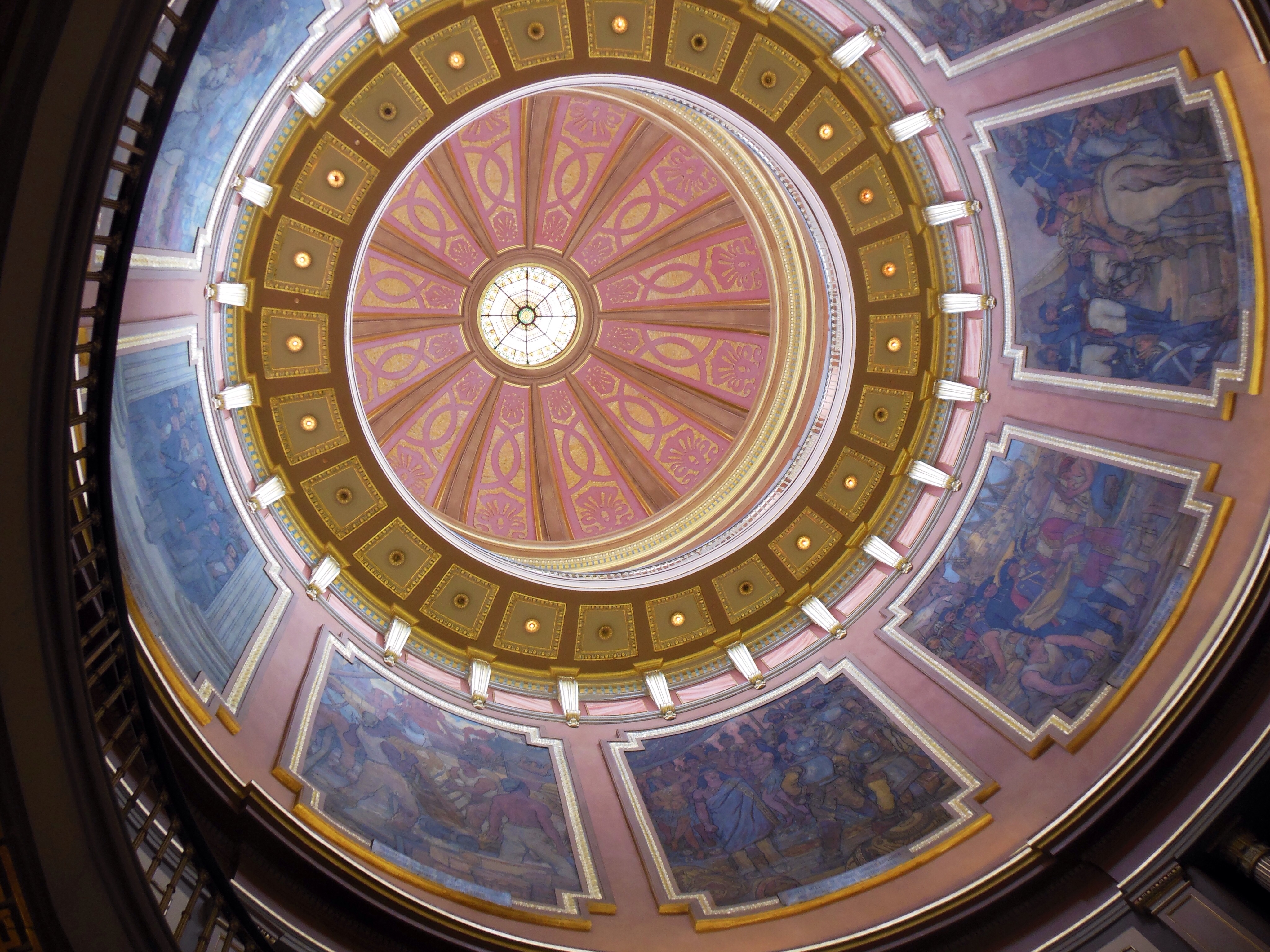
The State Capitol does not have a lot of offices. The legislative bodies have moved across the street. However, the Capitol has been recently restored and has several examples of trompe l’oeil painting-realistic painting used to create a false image. Here it make portions of the walls in two rooms to appear three dimensional. (Missouri’s capitol has examples of this painting also.) The rotunda dome has murals depicting important moments in the history of the state.

The star marks where Jefferson Davis and George Wallace stood

The star marks where Jefferson Davis and George Wallace stood

But the theme of Mr. Irby’s talk was the role this building has played in the Civil War to Civil Rights of this country. Jefferson Davis stood here and was inaugurated as the President of the Confederacy. George Wallace on his first inauguration proclaimed “Segregation now, segregation tomorrow, segregation forever”. A little later the marchers from Selma stood at the street below where Wallace and Davis stood and Dr. Martin Luther King Jr. spoke to the crowd. And later, Mr. Irby and his sons had earned degrees from the University of Alabama.

One view of the Alabama state capitol

One view of the Alabama state capitol

After the tour, we headed to Chris’ Hot Dogs, a family owned restaurant in Montgomery for over a hundred years. It is an institution. But the food tasted institutional and was not worth writing home about. It turned out that all 8 people on the tour ended up here eating a late lunch. We sat with a couple from Great Falls, Montana and discussed their 6-7 month RV excursion in southern U.S.climes.

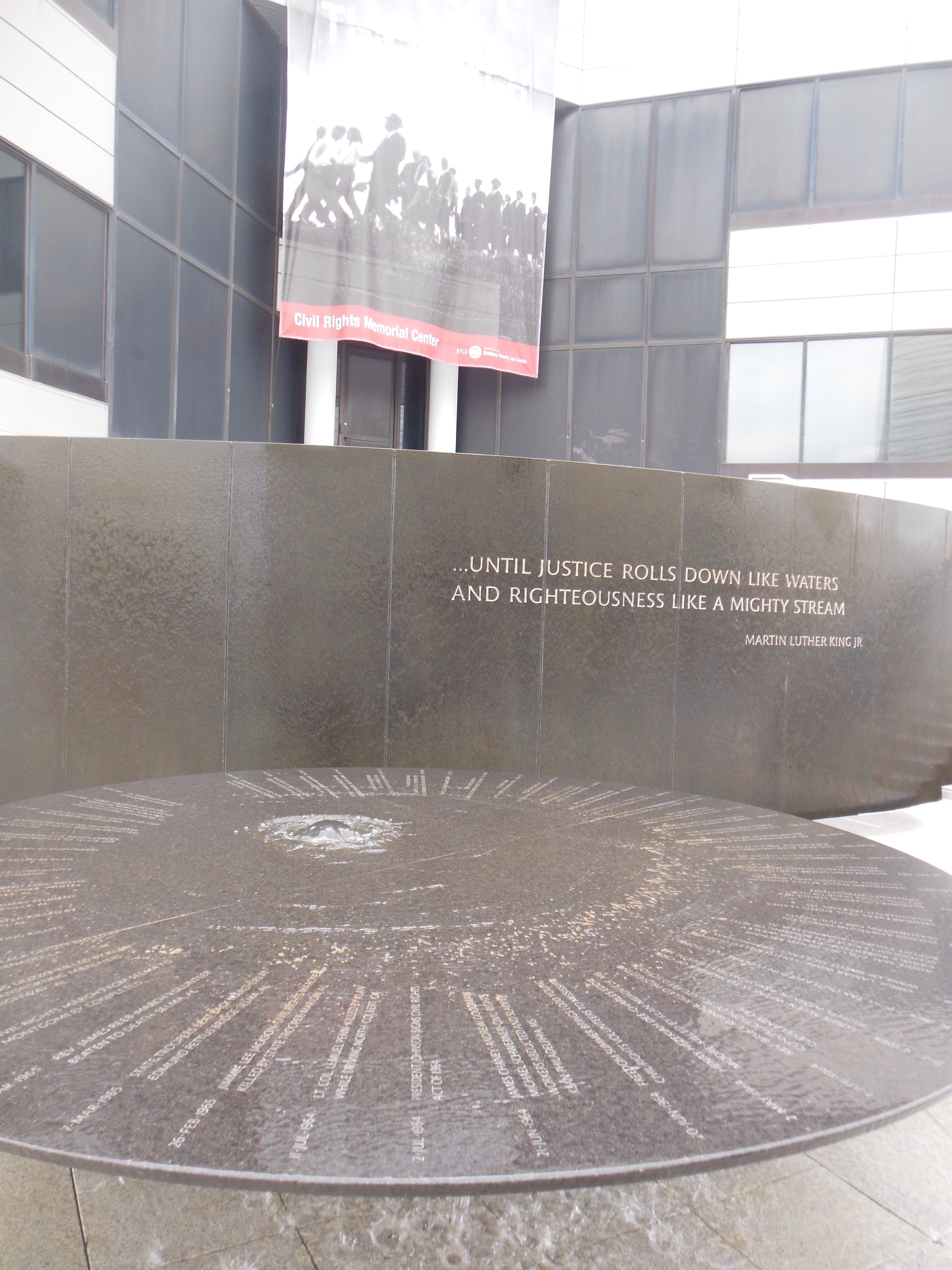
Exterior of Civil Rights Memorial

Exterior of Civil Rights Memorial

Our final stop was at the Civil Rights Memorial Center sponsored by the Southern Poverty Law Center. This was a powerful exhibit of individuals who have been murdered in the South because they were black or were working for civil rights issues.

Ed and Chris March 15 9:15 pm

Categories: road trip, travel | Tags: , , , | 2 Comments

2014 Trip Two, March 14, Deep South

Friday, March 14 Montgomery AL

Not much dramatic scenery today. We drove from Jackson MS to Montgomery AL. Logging and agriculture primarily along the road.

After a great breakfast at the Old Capitol Inn, our first stop on the route was in Selma, Alabama. It was already lunchtime so we stopped at the Downtowner restaurant where I am sure we were the only non-locals. In that regard, it reminded me of the social ambience of “Cheers” where everybody knows your name. The interior was 1950s lunchroom; the food was good, quick, and inexpensive.

For the young’uns reading this post, I hope you know why we stopped in Selma. It was the site of both tragedy and victory. This part of Alabama in the 1960s was still markedly racist. Voting rights were violently repressed. Only 156 of the county’s 15,000 voting age African-Americans were registered to vote.

Local voter registration efforts were thwarted, frequently violently. The Southern Christian Leadership Conference and the Student NonViolent Coordinating Commission undertook marches and Dr. Martin Luther King Jr. came in to help coordinate and publicize the marches. Police violence, mass arrests, refusal to allow registration, and a murder drew nationwide attention to the Selma efforts. We actually parked our car 50 feet from the murder site.

The bridge which was at the beginning of the marches.

The bridge which was at the beginning of the marches.

On March 7, 1965, a march was planned to go from Selma to Montgomery, a distance of 54 miles, to protest in front of the MS capitol. The marchers were met and blocked by state troopers and county sheriffs at a bridge over the Alabama river. The marchers did not return to their homes as ordered and the police used whips, nightsticks, horses and tear gas and chased and beat the marchers through the streets of Selma for hours.

In the next two weeks, several intermediate actions incurred including a murder, more beatings, and nationalization of the Alabama National Guard to protect marchers for a planned March again from Selma to Montgomery.

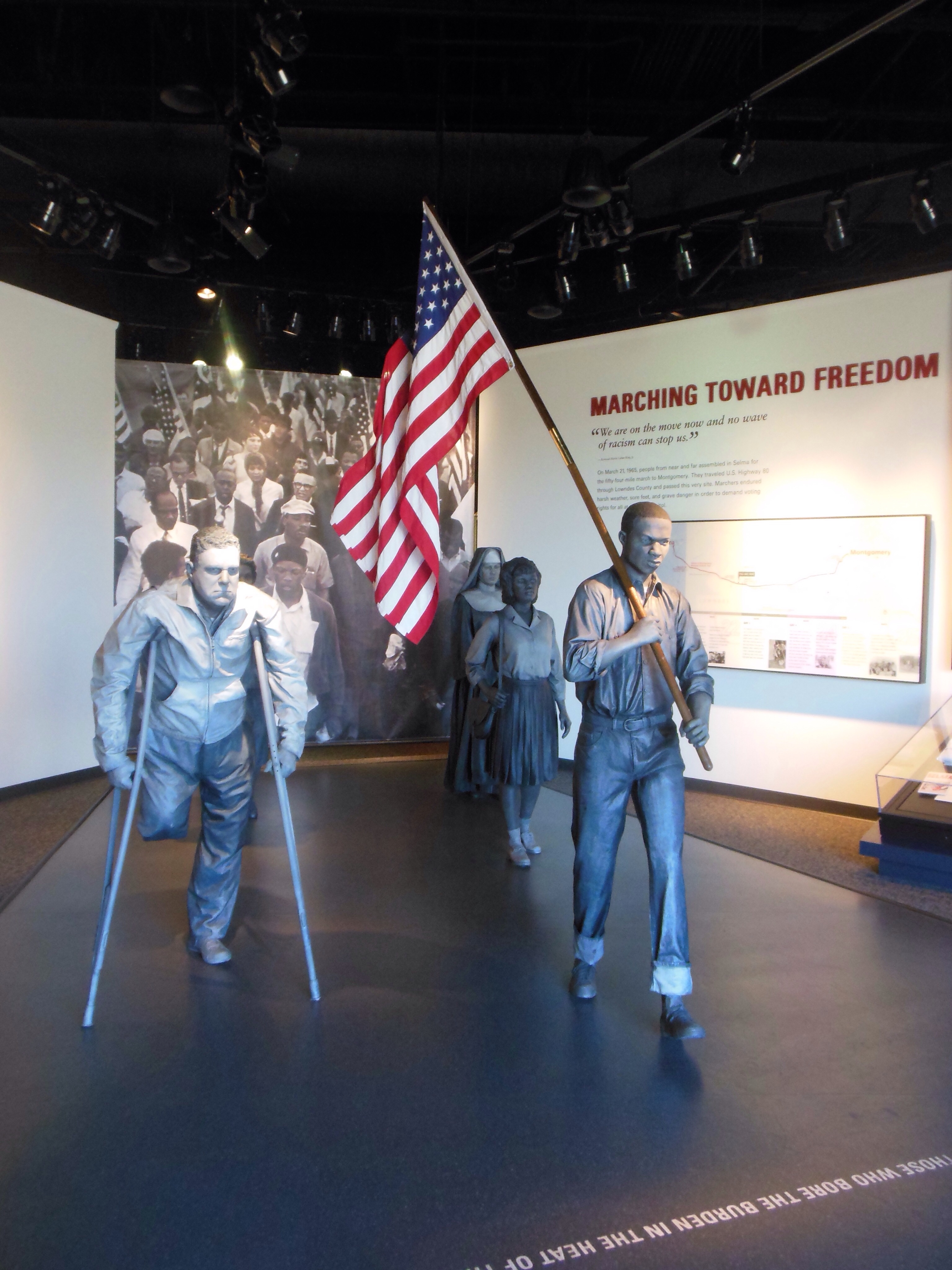
Portrayal of the March 21-25 Selma to Montgomery march

Portrayal of the March 21-25 Selma to Montgomery march

On March 21 began the five day march to Montgomery. It was limited in numbers for part of the route by court order but by the end of the march on the 25th, the crowd had grown to 25,000 including religious from around the country.

National attention to the march and the continued non-violent response of the marchers despite the violence of the police provided great strength to the adoption of the federal voting rights bill in August of 1965.

We made two stops in the Selma area. The National Park Service maintains a visitor center in Selma with exhibits and a video. We walked to the Edmund Pettus Bridge where the marchers were beaten on March 7th.

Our second stop was at the Lowndes Interpretive Center about halfway to Montgomery where there are further exhibits. Lowndes County is the next one to Selma and in 1965, 86 white landowners owned 90% of the land and even fewer blacks were registered to vote.

Bust of Rosa Parks

Bust of Rosa Parks

The Rosa Parks Museum in Montgomery was our final stop of the day. This exhibit documents the 1955 bus boycott in Montgomery sparked by the refusal of Rosa Parks to give up her seat for a white person on a crowded city bus. The museum does an excellent job, including a holographic depiction of the bus incident.

The boycott lasted over a year and the exhibit detailed a lot of information that we did not know-or forgot. For instance, the actual Supreme Court case that forbade the segregation of the buses was based on three other women who were denied service. Mrs Park’s case sparked the national attention that was essential to providing support and initiating the successful boycott.

Dexter Avenue Baptist Church

Dexter Avenue Baptist Church

We drove by the Dexter Avenue Baptist Church where Dr. Martin Luther King Jr. was pastor from 1954-1960. It was the base for the boycott planning. Lodging tonight is at the Red Bluff Cottage B and B. It is very nice and uniquely (for us) it offers 24 hour coffee, tea, pop, snacks and candy. So far I am not doing well in resisting the jars of M and M’s.

Ed and Chris March 14. 10 pm

Categories: road trip, travel | Tags: , , , | Leave a comment

2014 Trip Two, March 13, Deep South

Thursday, March 13, Jackson MS

A great spring day and a delightfully nice place to stay in Jackson. A boutique type hotel, it is set up like a suite, has a patio-garden-pool on the ground level and a garden on the roof. Next time you are in Jackson, MS, try out the Old Capitol Inn. In its former life, it was the YWCA.

The Natchez Trace is a 440 mile long parkway extending from Nashville, TN to Natchez, MS. It was an Indian path for the Natchez, Choctaw and Chickasaw nations. It gained “fame” as the path used by men from the Ohio River valley who floated crops, livestock and other material from that area down the Ohio and Mississippi to Natchez and New Orleans.

Natchez Trace Parkway

Natchez Trace Parkway

Since steamboats did not go into wide use until the 1815 or later, these men walked or rode horses back to their homes along the Natchez Trace. Today it is a smooth auto route controlled by the National Park Service. Biking and walking are allowed but we did not see much, no separate trails exist and shoulders are non-existent.

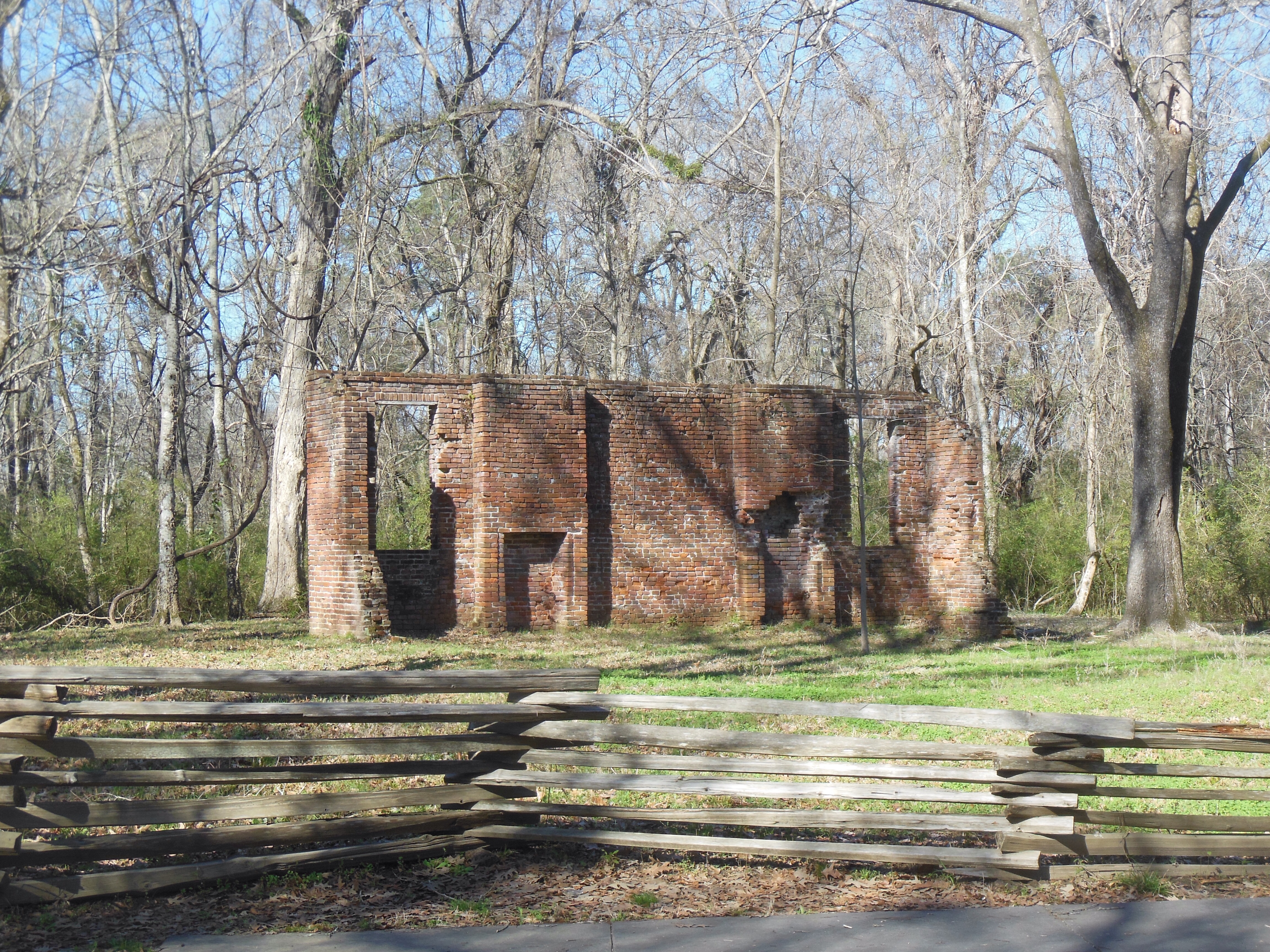
Elizabeth Female Academy

Elizabeth Female Academy

Our experience with the Natchez Trace was only from Natchez to Jackson, about 100 miles. The first stop was at the site of the first female academy in Mississippi. The Elizabeth Academy was chartered in 1811 and only lasted until 1845. One wall of one building still stands.

Emerald Mound

Emerald Mound

We stopped at Emerald Mound. Emerald Mound is the second largest Mississippian Period ceremonial mound in the U.S. Built and used between the years 1200 and 1730 AD, the mound covers eight acres and is 35 feet high at its tallest point.

These mounds were still in use when the Spanish explorer DeSoto came by in mid 1500s. By the late 1600s, they were pretty much abandoned. The best guess is that European introduced disease and internal strife led to the decline in numbers of the Indian cultures.

Mount Locust

Mount Locust

Another stop was at Mount Locust. This is the last remaining inn on the Natchez Trace. Inn may be a strong word, but it was a log building constructed in 1779. Travelers could obtain a covered place to sleep and a bit of food before continuing their journey back north. We took a walk along a portion of the original trace which still exists in many areas. A little farther along we hiked a portion of the “Sunken Trace”, a bit of the trail that is about 10 feet below the surrounding area. The trace here was located on deep deposits of sand blown in from the Great Plains and it was easily eroded and worn down.

Our final stop was at the “town of Rocky Springs”. Its population in 1860 was 2600. It was unclear from the signs if this number included 2000 slaves or if the 2000 slaves were in addition to the 2600. In any event its population today is zero. A Methodist church still stands here but the congregation has shrunk and no longer uses the building for church services. Over use of the land, yellow fever, cholera, boll weevil infestations and other problems led to its demise.

Back of the Old Capitol

Back of the Old Capitol

We had lunch at the Froghead Grill outside Jackson and proceeded to the Old Capitol. This was Mississippi’s first capitol, constructed 175 years ago and replaced about 110 years ago. Maintenance and upkeep had been spotty over the years but it has been improved nicely and now houses some history exhibits. The building is not beautiful but stately. The state wanted a prestige look but it also was thrifty and used convict labor and construction methods that took plain materials and made them appear to be fancier stone or marble.

Front of the Old Capitol

Front of the Old Capitol

The state displays are clear about the denial of voting rights to blacks and also the ejection of the Indian tribes from their lands here. This state, like many others, endured debates from competing factions over the location of the capitol. In the end, the capital was located in the center of the state as it existed at the time. Indian lands were not factored into the calculation. The later assumption of their lands placed Jackson not in the actual center of the state.

As mentioned at the beginning, our lodging for this one night in Jackson is at the Old Capitol Inn. Our dinner was at the Underground 119 with live music, folk instead of blues, but the female musician had a nice voice and I recognized the songs.

Ed and Chris 10 pm

Categories: road trip, travel | Tags: , | 2 Comments

2014 Trip Two, March 12, Deep South

Natchez, MS Wednesday March 12

A cold windy morning has given way to sun, light breezes, and relative warmth. A typical spring day I guess. Flowering trees are in bloom, grass is green and some flowers are out.

We are in Natchez, MS continuing our explorations along the Mississippi River. This area of the country was extremely wealthy before the Civil War with river commerce and rich farmland exploited with slave labor. We keep hearing that Natchez had the highest per capita concentration of wealth before the War.

Natchez was a town heavily settled by northerners and voted not to secede from the Union. When the State of Mississippi did secede, though, most people from this part stuck with their friends from the South. Unlike Vicksburg, which was primarily destroyed by Union artillery, Natchez was spared from the destruction.
Melrose Plantation

Melrose Plantation

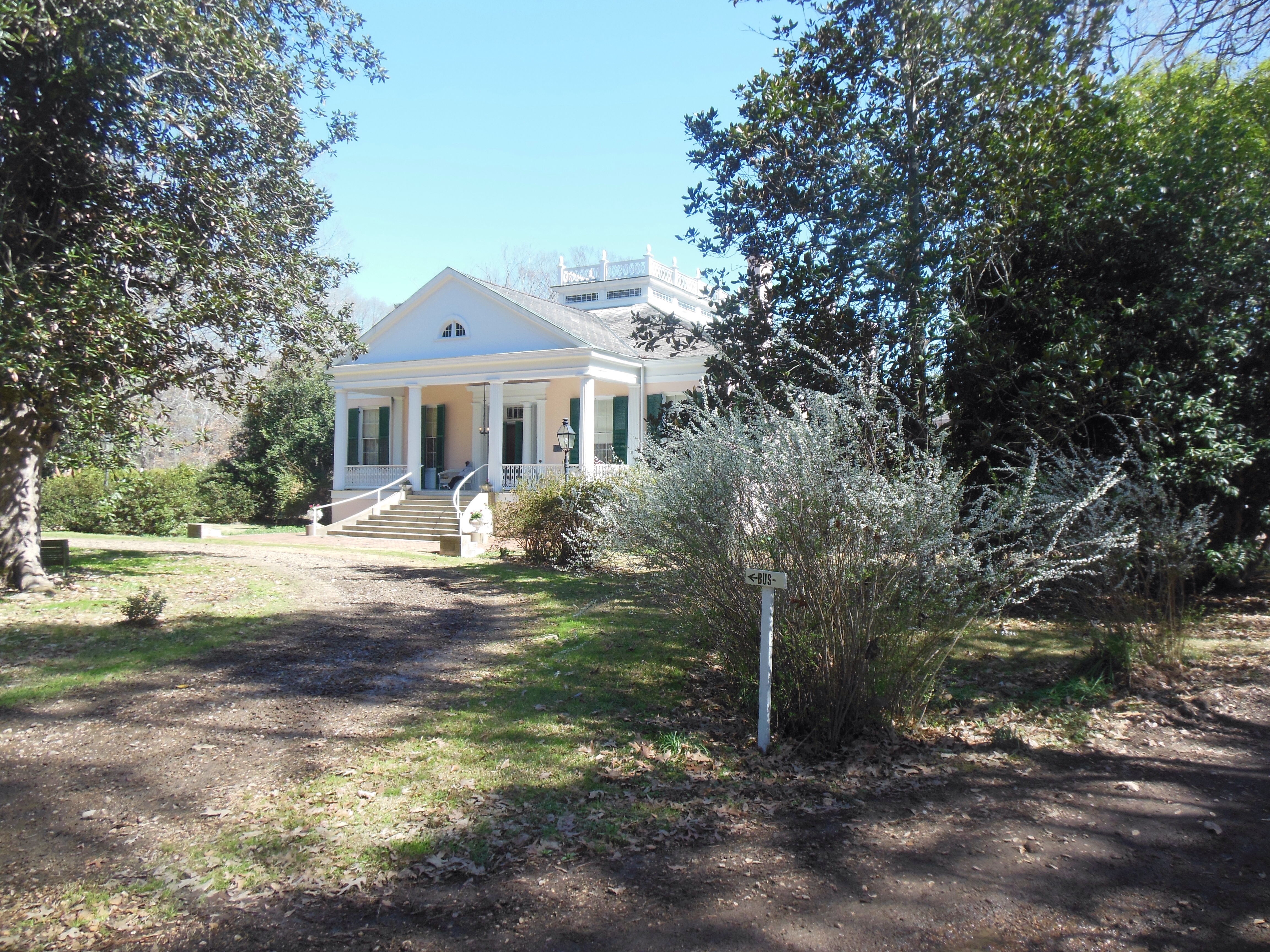
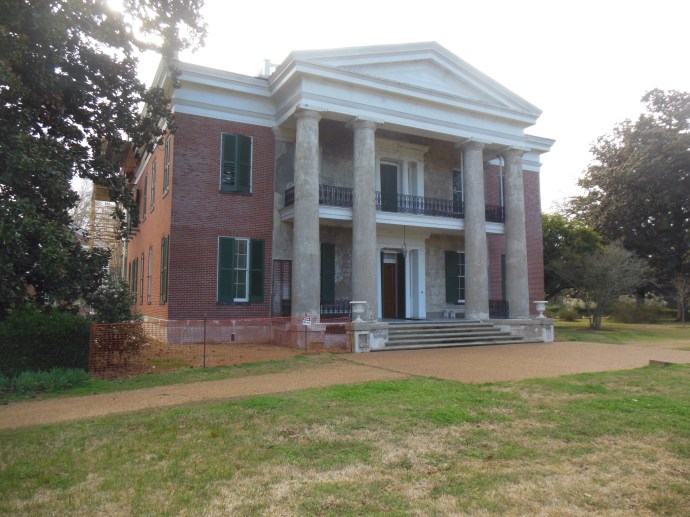
Natchez comes across in a quick view as the most favorable city we have seen so far. It has a population of only 16,000 but has 80 B and B’s, plus hotels. We are staying at an Airbnb house, Waverly Cottage, just outside of town. It is very nice, the type of housing one might use for an elderly parent, with its own kitchen, bathroom, bedroom and living room. Plus, there are no stairs to climb.

Most of our day has been spent exploring homes. In the springtime, many southern towns have a period of open houses, frequently called a Pilgrimage. The Natchez Pilgrimage runs for four weeks, features 24 homes open on a rotating basis, with three open in the morning, and three in the afternoon. Each day of the week (Wed-Sat) features a different set of homes.

Melrose Plantation

Melrose Plantation

We drove up from St. Francisville this morning and made our first stop at the Natchez Historical Park which spotlights the Melrose Plantation. Since this is a U.S. Historical site, there is a greater coverage of the slave aspects of the plantation with no use of the euphemism “servants”.

Melrose was constructed by a former Pennsylvanian who became a lawyer, partnered with a future governor, married into a high-class local family and acquired the first of five plantations and slaves. The home was built around 1849 and was considered one of the finest homes in all of Natchez. The Park Service bought the site in 1990 partially because the families who owned it through the years kept meticulous records.

I won’t encumber you with all of the details, assuming I could remember them, so just a few comments. The house is undergoing some exterior restoration. The interior is quite sumptuous with many of the original furnishings. Chris and I saw our second punkah, or shoo fly. These are devices hanging over the table with an attached cord that was pulled by a young male slave, scared flies away and created a cooling breeze.

Carpets were created in strips and shipped to the house where each strip had be sewn to others to create the pattern. Other flooring was woven fibers and covered with some sort of varnish that made them look and function like linoleum-which had not been invented yet.

Our tour was provided by a volunteer. She and her husband have been full-time volunteers for the last ten years, working for the federal and state parks, corps of engineers, wildlife refuges, etc. This is their second time here.
The Lansdowne

The Lansdowne

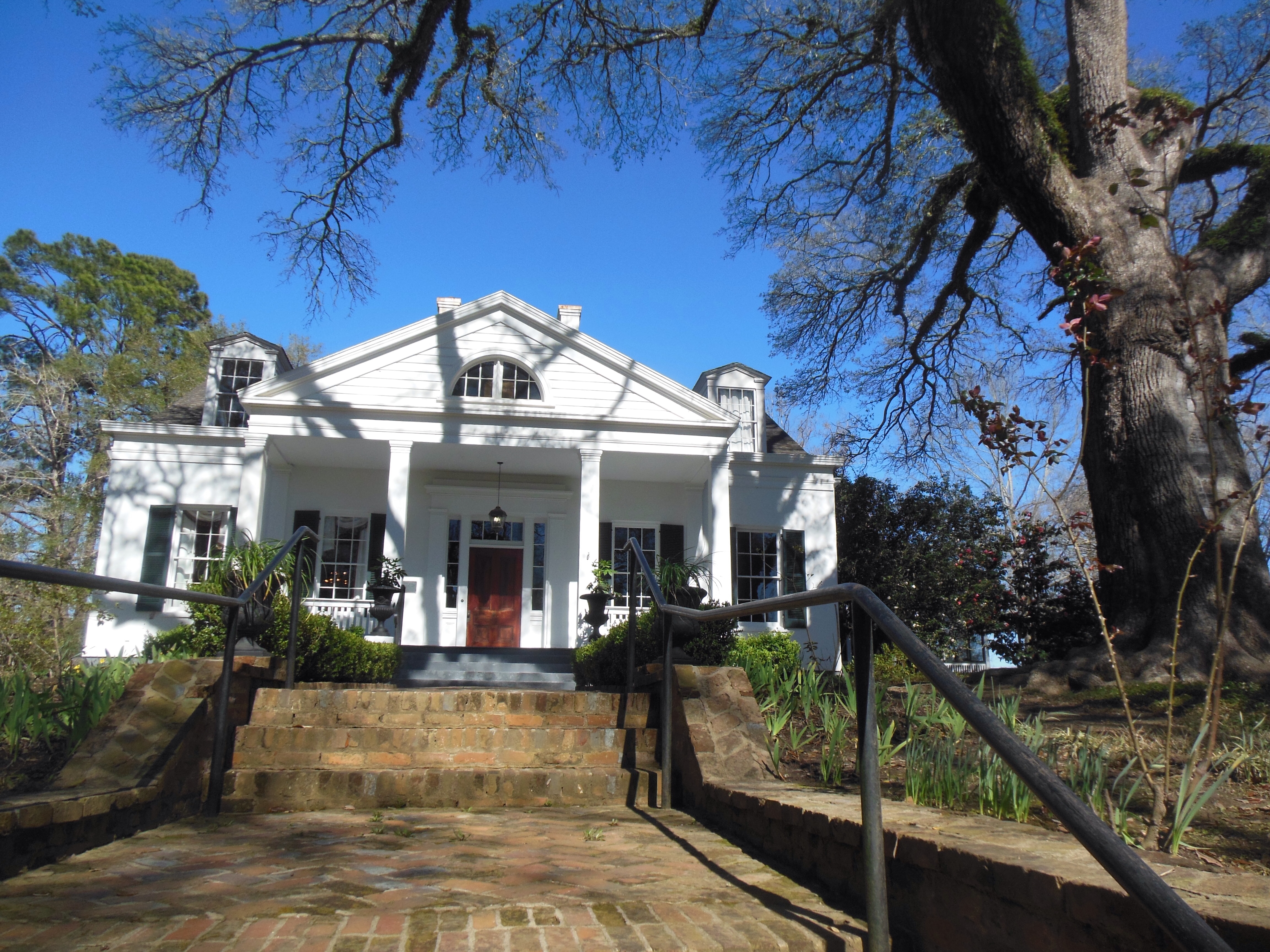
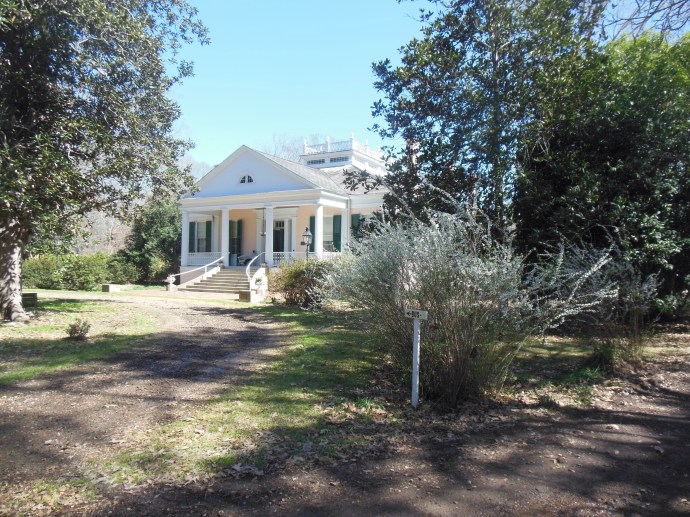
After the tour and lunch at a local cafe, we began our afternoon “Pilgrimage”. Our three homes were The Burn (Scots for creek); Lansdowne named for European noble family, and Twin Oaks-named for two oaks on the property way back when. One is still alive.

Twin Oaks

Twin Oaks

Not all of the homes on show are plantations but are obviously of some size and age. It did not hurt to have wealthy parents where one side would gift the new couple with a city house and the other parents would provide the starter plantation and some slaves.

The Lansdowne has been in the same family since it was built in the early 1800s. The Burn home was taken by Union forces and used as a hospital and headquarters during the war. It is currently a B and B.
Twin Oaks

Twin Oaks

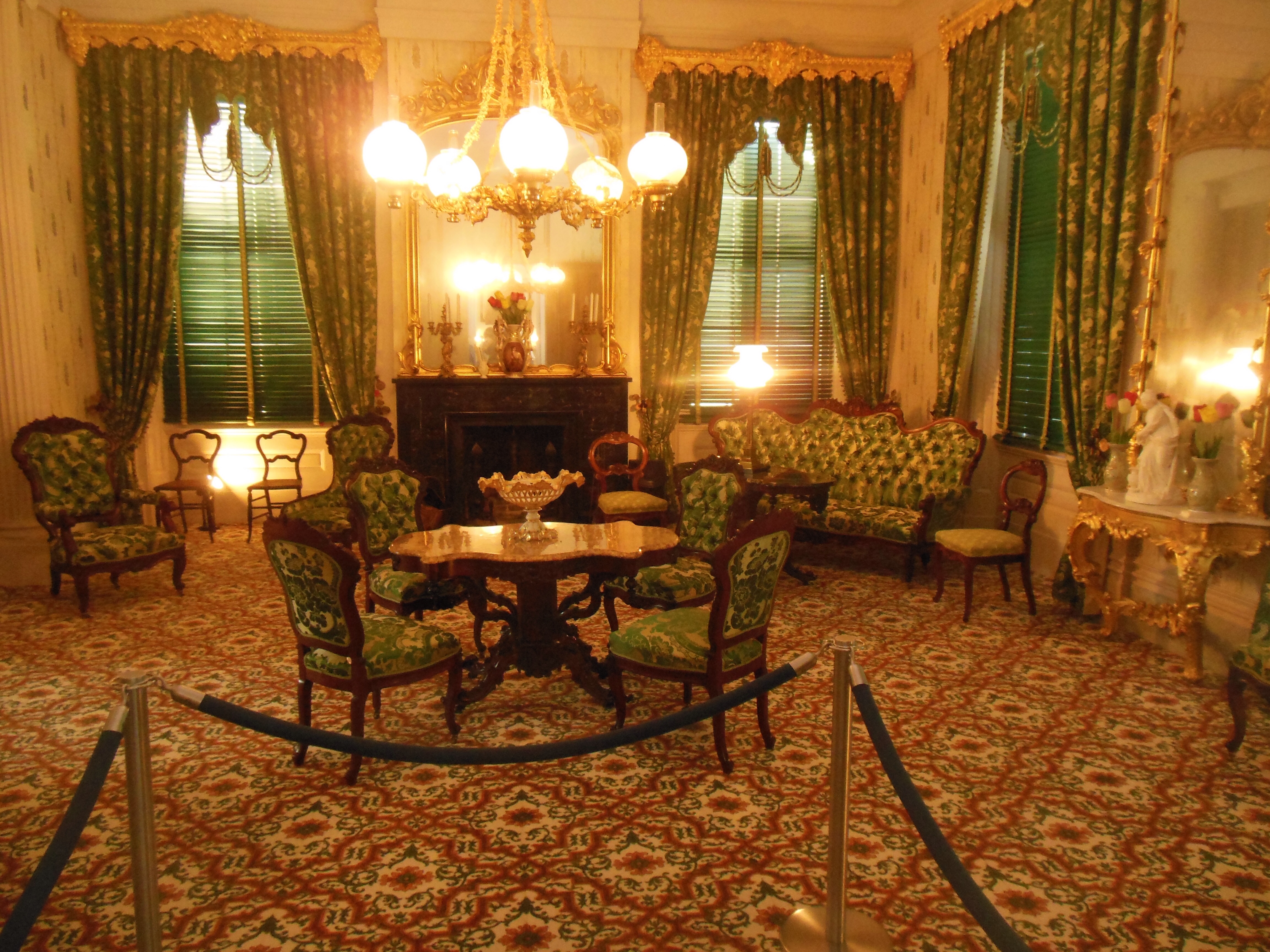
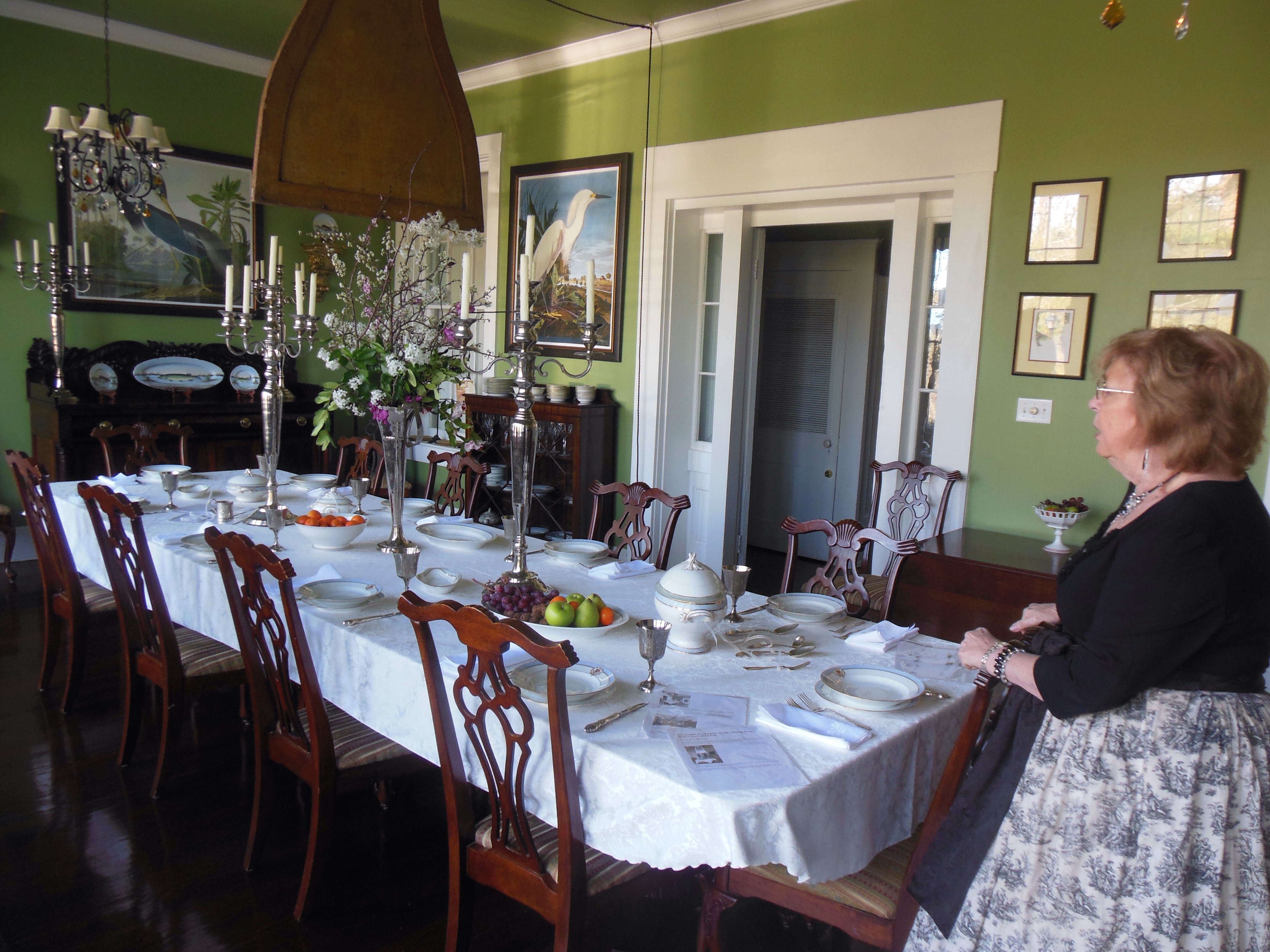
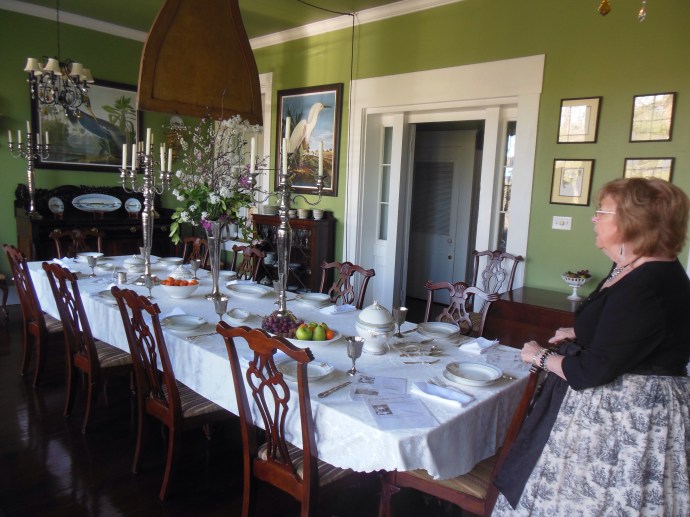
Twin Oaks was a treat. Not only were we given almond iced tea and home-made biscuits, the owner is married to a man from Nordeast Minneapolis and his mother arrived today from Minneapolis for a visit. The owner, Regina Charboneau, is a chef who owns “Biscuits and Blues” in San Francisco, publishes cookbooks (Regina’s Table at Twin Oaks), has hobnobbed with stars (Mick Jagger was a recent guest), and had two Audubon prints in the dining room. (John Audubon spent four months at a nearby plantation and painted 32 of his bird paintings there.) The owner had a person re-enacting the scandalous life of the owners.

Our final stop was at “The Forks”. This was a crossroads outside the city limits where slaves were sold. For decades, slaves from New England and the Upper South were sold here to planters to work the cotton fields as the cotton fields further east were worn out by over planting.
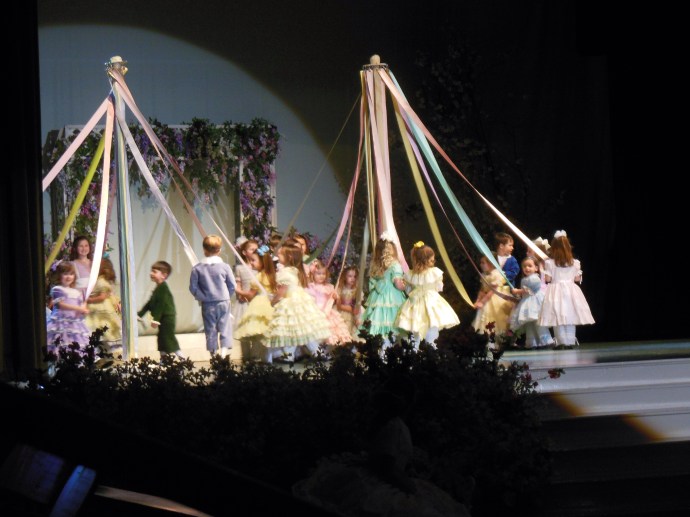
Natchez Tableaux

Natchez Tableaux

Dinner was at a local restaurant recommended by our host. The evening was spent at “The Historic Natchez Tableaux”. The show is put on four nights per week. Not showing today was another show, “The Southern Road to Freedom”; gospel music put on by the Holy Family Catholic Church Gospel Choir relating the story of African-Americans in the area.

Natchez Tableaux

Natchez Tableaux

The Natchez Tableaux includes a series of scenes depicting an event prominent in the life and culture of the Natchez area up to the Civil War. It is a community sponsored program put on by hundreds of volunteers and two local garden clubs. Our host has a role in the organizing of the tableaux and was able to upgrade our tickets to put us in the President’s Box. We chatted with the President ( a four year position) and her husband. The show does a nice job of summarizing southern life and features entertaining dance skits.

Natchez Tableaux

Natchez Tableaux

We are meeting Minnesotans frequently. Just this evening there was a couple from Oakdale at our dinner restaurant. Behind us at the Tableaux was a Roads Scholar tour group and the people directly behind us were from Arden Hills. The woman sitting next to Chris was from East Grand Forks.

Ed and Chris 12:10 am March 13th

Categories: travel, Uncategorized | Tags: , , , | 1 Comment

2014 Trip Two, March 11, Deep South

Tuesday, March 11 St. Francisville, LA

Well, we are not in Minnesota anymore. Short sleeve shirts, humidity, my first mosquito, and flowers. The joys of staying at Bed and Breakfasts pales a bit when once again you are on floor 2 or 3 and there is no elevator. I asked Chris “Now when do we sleep in a regular hotel again???”

Today began in Vicksburg MS as we toured the Lower Mississippi River Museum. I found it not quite as exciting as hoped for given the number of museums we have been to. Part of the exhibit discusses the history and role of the Corps of Engineers-which is not new to us. Part of the exhibit talks about the ecology and species of the Lower Mississippi. Only a small portion discusses the floods and development along the Mississippi which interests me the most.

MV Mississippi IV at Lower Mississippi River Museum

MV Mississippi IV at Lower Mississippi River Museum

The flood of 1927 (which we read about when visiting the Herbert Hoover Museum in Iowa) was featured. This devastating flood lasted for months, resulting in large-scale evacuations. It is said that the flood accentuated the movement of blacks from the South to northern cities to find work. Hoover was the head of the Commerce Department and was instrumental in providing relief efforts. However, discrimination and inequity in relief camps were covered up at Hoover’s request,leading to his loss of the black vote in his presidential campaign.

The 1927 flood led to further powers given to the Corps of Engineers to improve flood control. Decades of levee building and river channel changes have followed. The Corps of Engineers eliminated many horseshoe bends in the Mississippi, speeding up river flow and shortening the length of the river by over 150 miles.

Ed inside the MV Mississippi. This time I did not destroy anything.

Ed inside the MV Mississippi. This time I did not destroy anything.

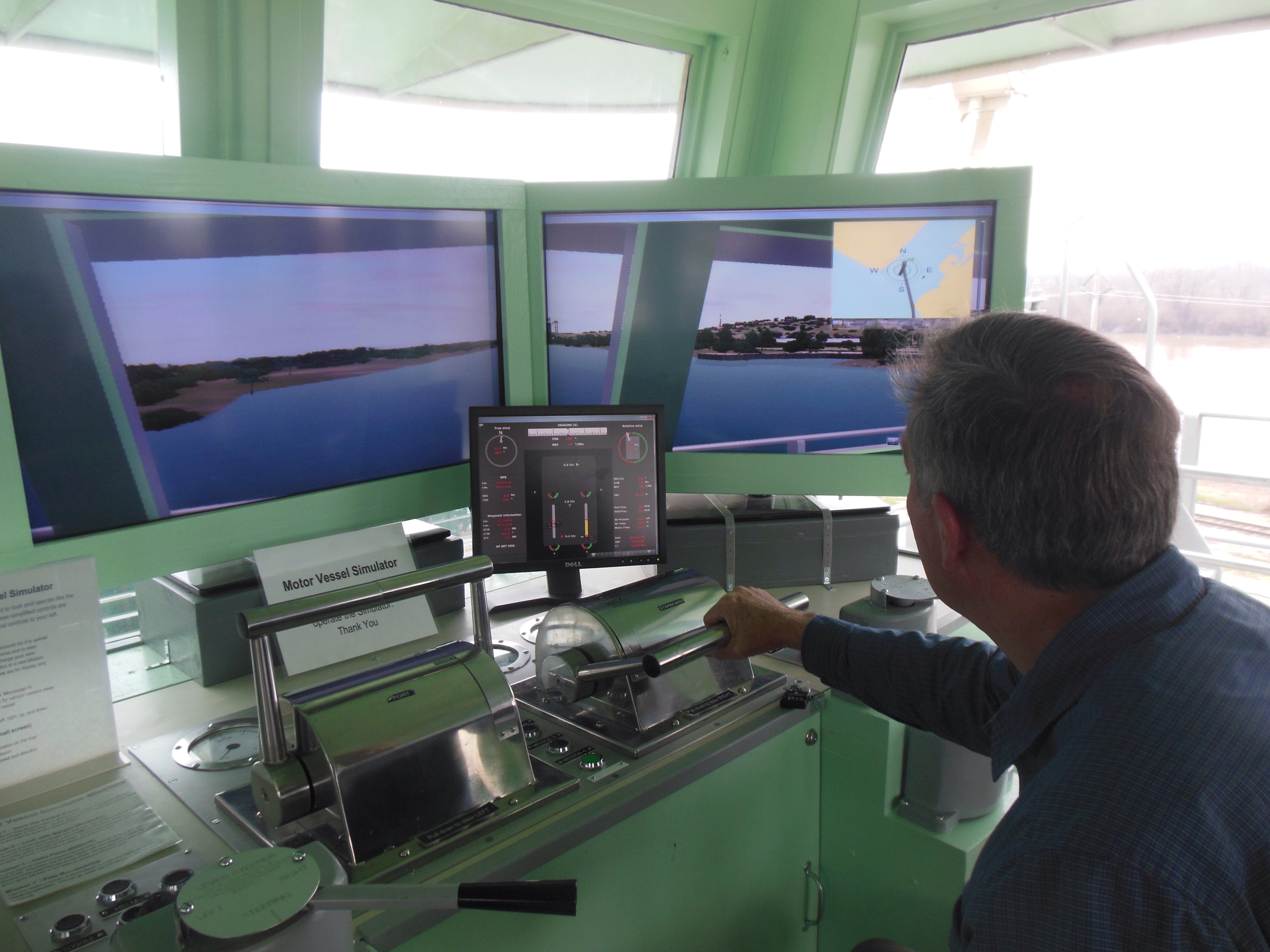
A river ship retired from service is located next to the museum. The MV Mississippi IV. This vessel served as a work horse tug for the Corps, delivering equipment and materials to Corps projects up and down the river.

Our lunch was at the Old Country Store in Lorman, MS, a true gem. The two couples at the Duff Green Mansion had mentioned it to us. We were not really hungry to we only had cobbler instead of the chicken buffet. Mr. D, the owner, was quite the character. He opened the restaurant after retiring from a Florida utility company. The restaurant gives him full rein to express his outgoing personality, singing, and to showcase his fried chicken recipe.

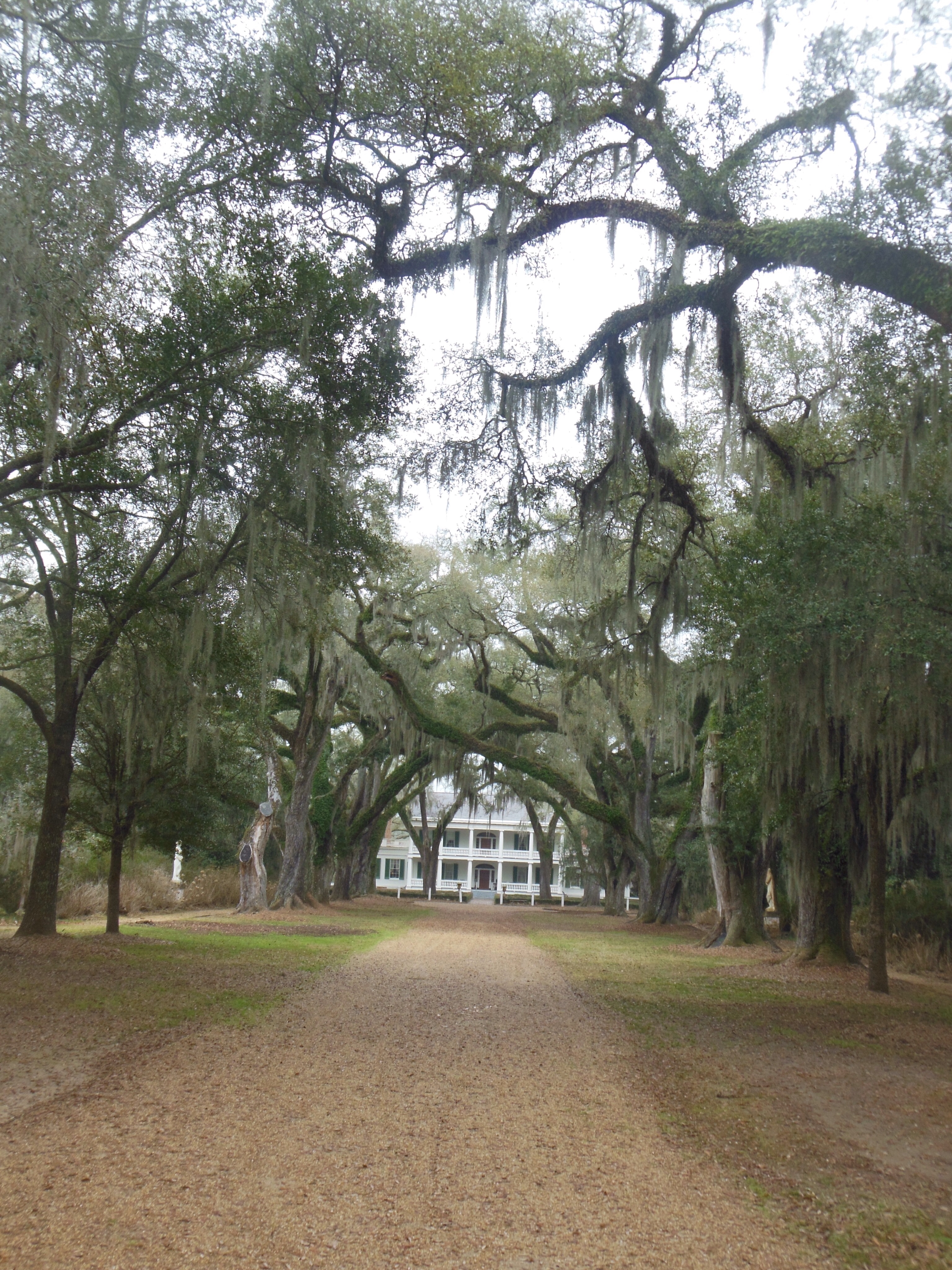
Rosedown Plantation house

Rosedown Plantation house

Now we are over the LA-MS border in St. Francisville. This is another small town featured in National Geographic’s Best Small Town book. We spent an hour and a half touring the Rosedown Plantation. Even though one can not agree with the slavery aspect of plantation life, it is part of our history so we believe visiting a limited number adds to our understanding of life in the Deep South.

Front entry at Rosedown

Front entry at Rosedown

This plantation had 250 slaves and 3500 acres. The owner and his wife owned a total of four plantations. After the Civil War, some of the former slaves continued working the land as sharecroppers until the boll weevil devastated cotton crops in the U.S. It was not until recently that efforts have been successful in eradicating the insect in much of the U.S.

Part of the grounds for Rosewood

Part of the grounds for Rosewood

The last of the descendants lived in the house until 1955. This was an unmarried daughter and she used the “ladies outside privy” until the very end. In the 1950s, a wealthy couple from Houston bought the plantation and spent $10,000,000 to restore it. It became a state historic site in 2000.
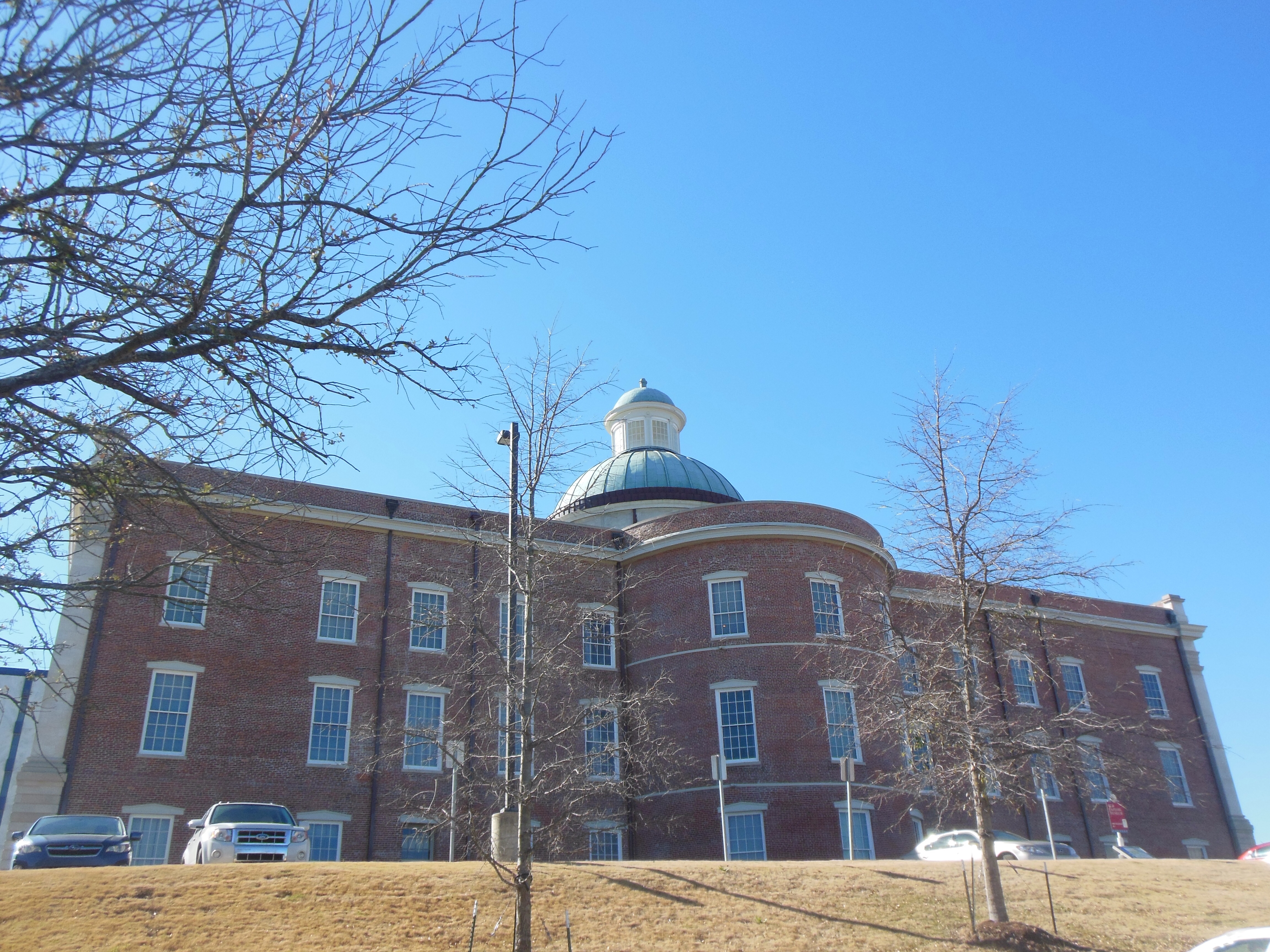
The St.  Francisville Inn, our B and B

The St. Francisville Inn, our B and B

Dinner in St. Francisville was initially a challenge. One recommended place had closed, another was not open on Tuesdays. Finally we went after a place based solely on the name, The Bluffs. It turned out to be at a golf course in what seemed to be the middle of nowhere. However, it is a community planned around an Arnold Palmer designed golf course with expensive homes. But the clubhouse restaurant is open to the public and had a pot roast buffet for a reasonable price so we lucked out.

St. Francisville started as a Spanish town. When the U.S. purchased the Louisiana Territory, West Florida, the area along the Gulf Coast, was retained by Spain. Governmental dithering kept the confusion going as to where the boundary line was. In 1810, a group of Anglo-Saxon planters attacked the fort at Baton Rouge, captured the Spanish governor, and set up their own republic. After 2 1/2 months, the U.S. Army marched in and said okay this area is part of the U.S.

Barge traffic in the mist on the Mississippi

Barge traffic in the mist on the Mississippi

Ed and Chris 8:30 pm

Categories: road trip, travel | Tags: , , , , | 3 Comments

2014 Trip Two, March 10, Deep South

Monday, March 10, Vicksburg MS

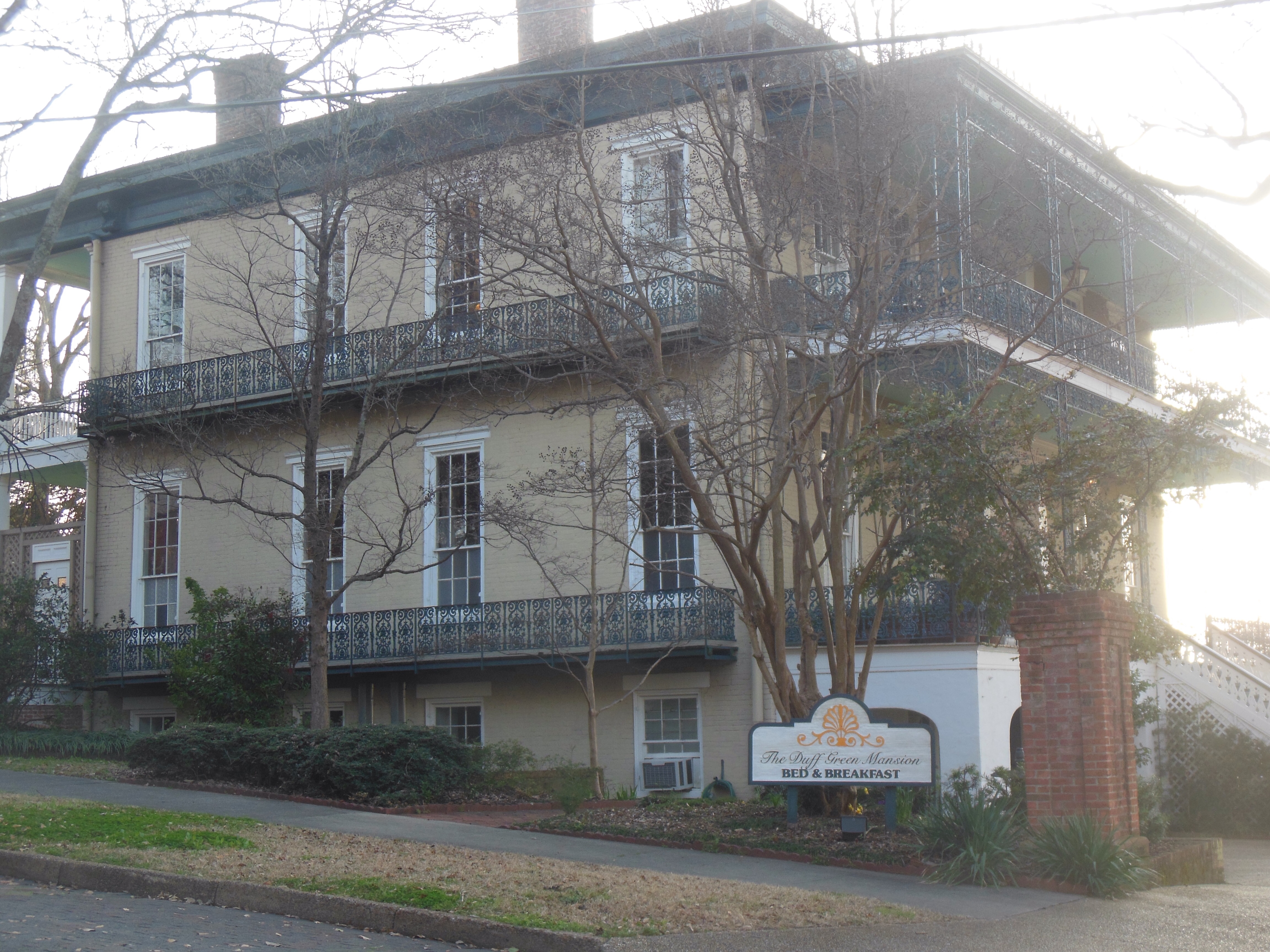
We are staying two nights at the Duff Green Mansion, a B and B in Vicksburg. It was built in 1856 by a wealthy businessman as a wedding gift for his daughter. After being hit by at least five Union cannonballs during the siege of Vicksburg, the owners decided to offer the building for use as a hospital for soldiers. It served that purpose for the remainder of the siege. Our sleeping room was supposedly the place where amputated arms and legs were stored.(I have no idea of the eventual disposal of the limbs.)

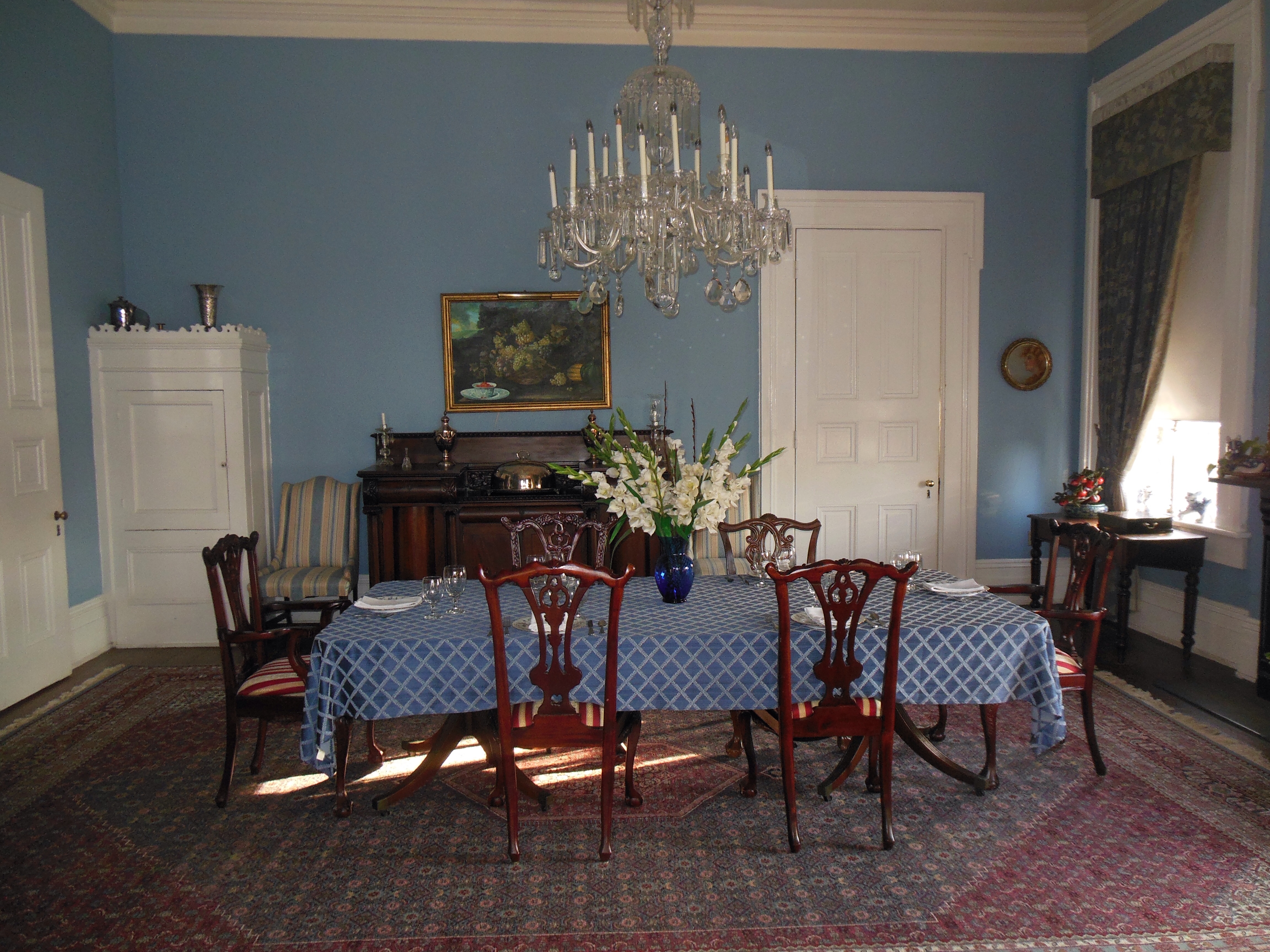
dining room Duff Green Mansion

dining room Duff Green Mansion

All four of the sleeping rooms were occupied Monday night. Breakfast this morning was fine, a full hot breakfast. Spring has been late here also but flowers are starting to bloom. The inn is undergoing some minor painting type maintenance.

Biedenharn Coca Cola  museum

Biedenharn Coca Cola museum

After breakfast we went downtown and visited the Biedenharm Museum of Coca Cola. The claim to fame here is that this drug store/candy company was the first place to bottle Coca Cola (in 1894). Prior to that time, Coke (which nick name was not accepted by the company until the Second World War) was only dispensed at soda fountains since the product was produced solely as a syrup. The Biedenharns went on to own several regional Coca Cola bottling companies.

early bottling process

early bottling process

The museum is definitely not in the top tier of historical attractions. It is more of a collection of memorabilia with a limited number of explanatory displays.

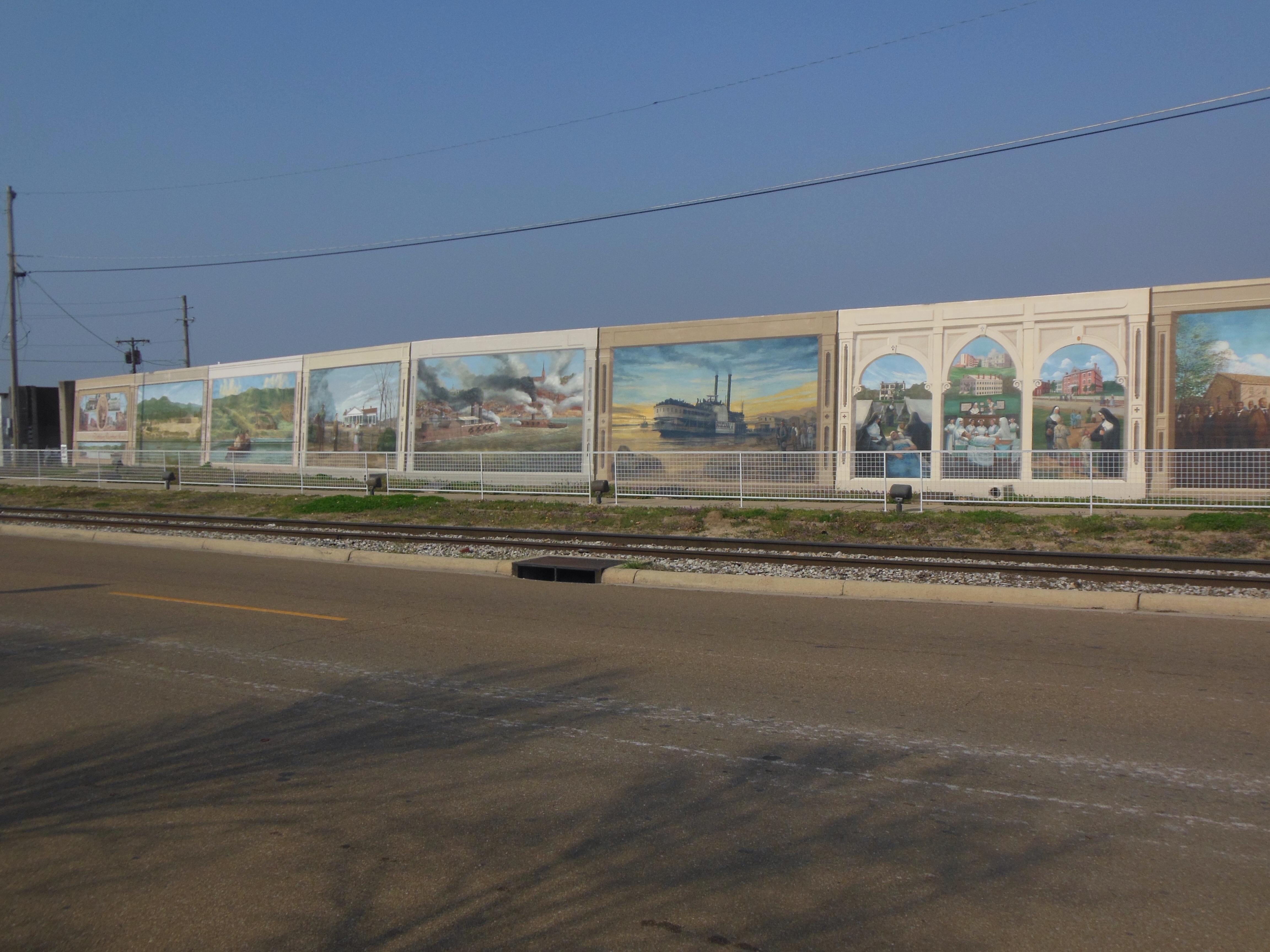
Vicksburg  flood wall murals

Vicksburg flood wall murals

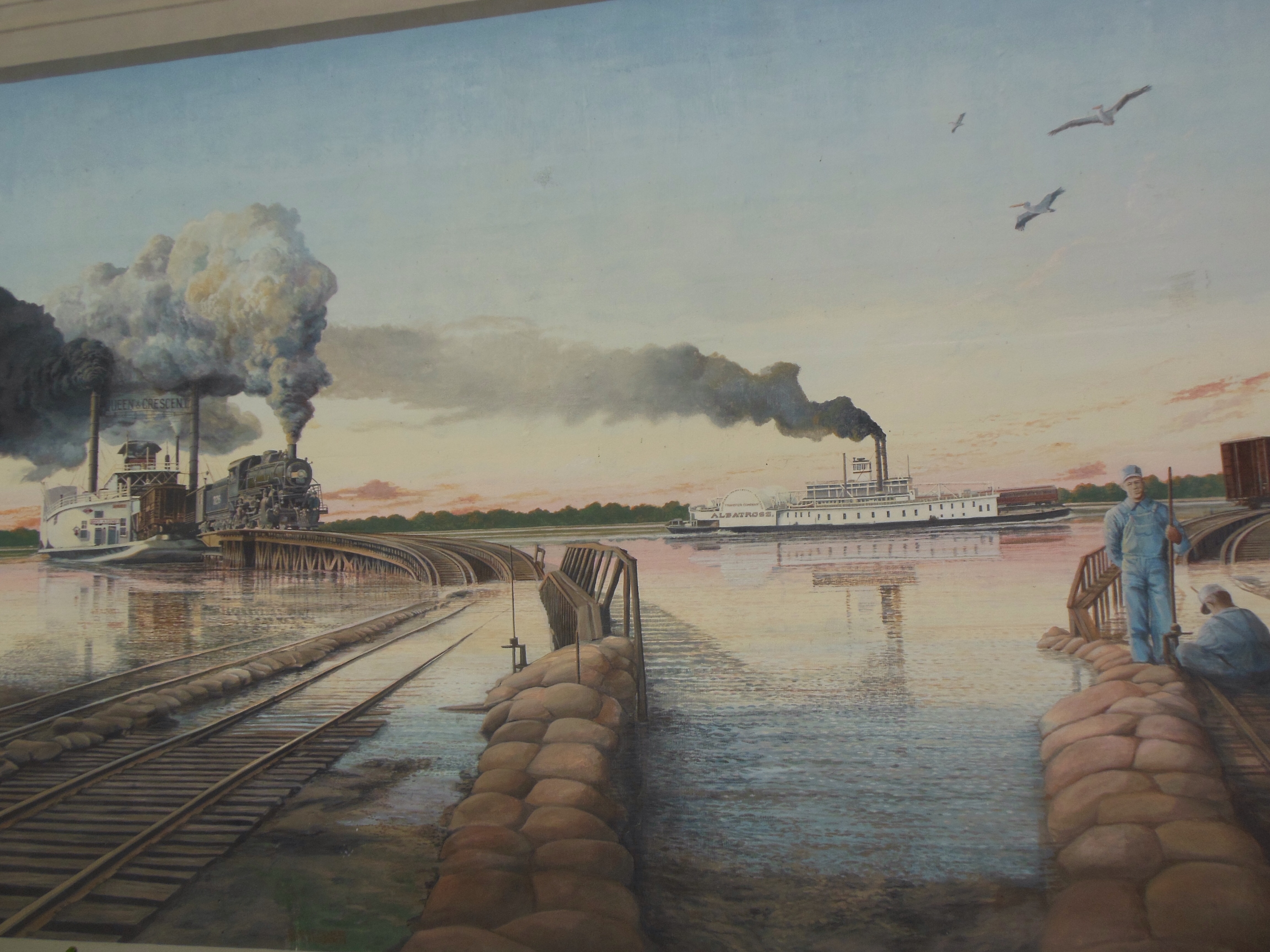
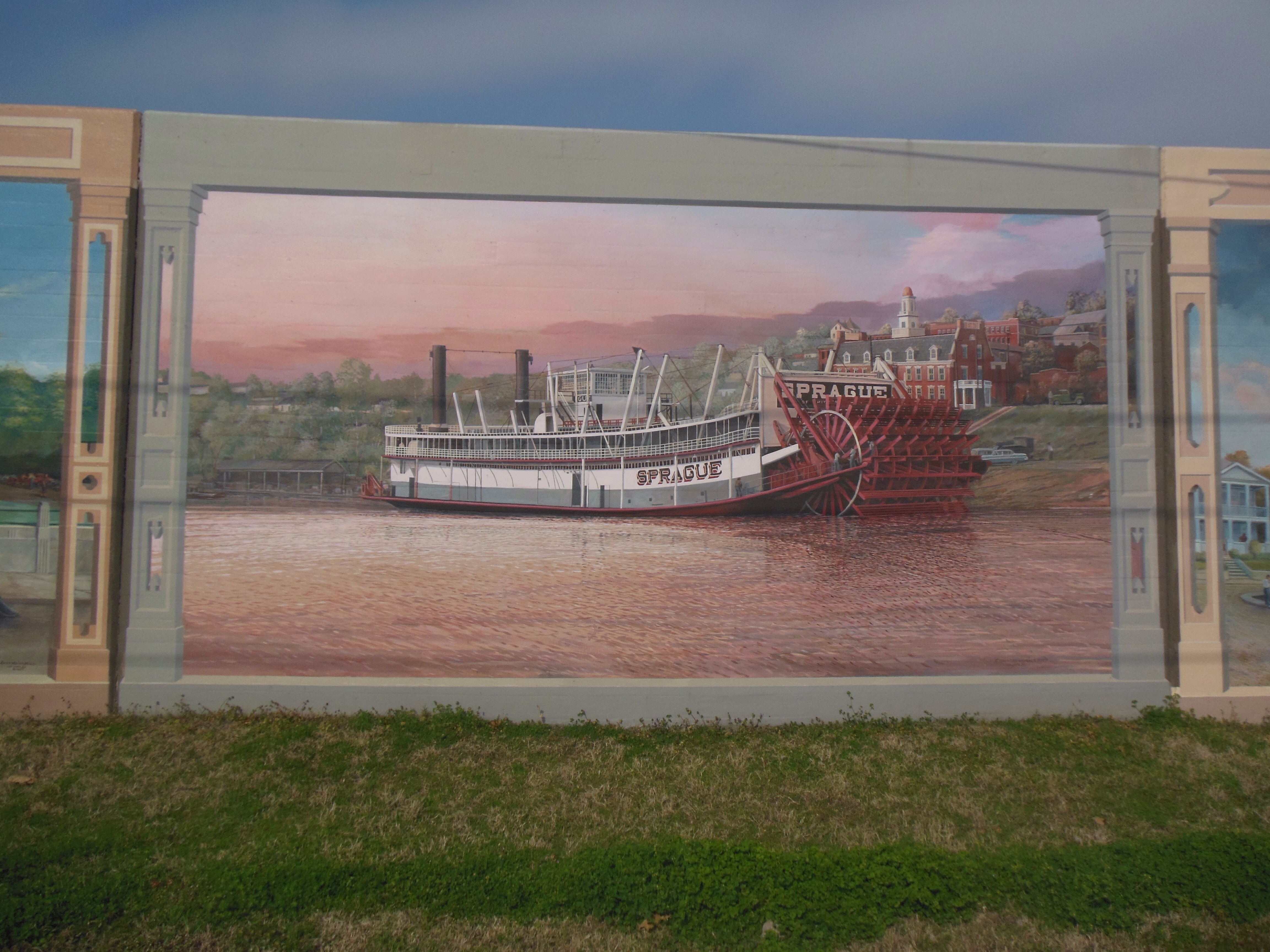
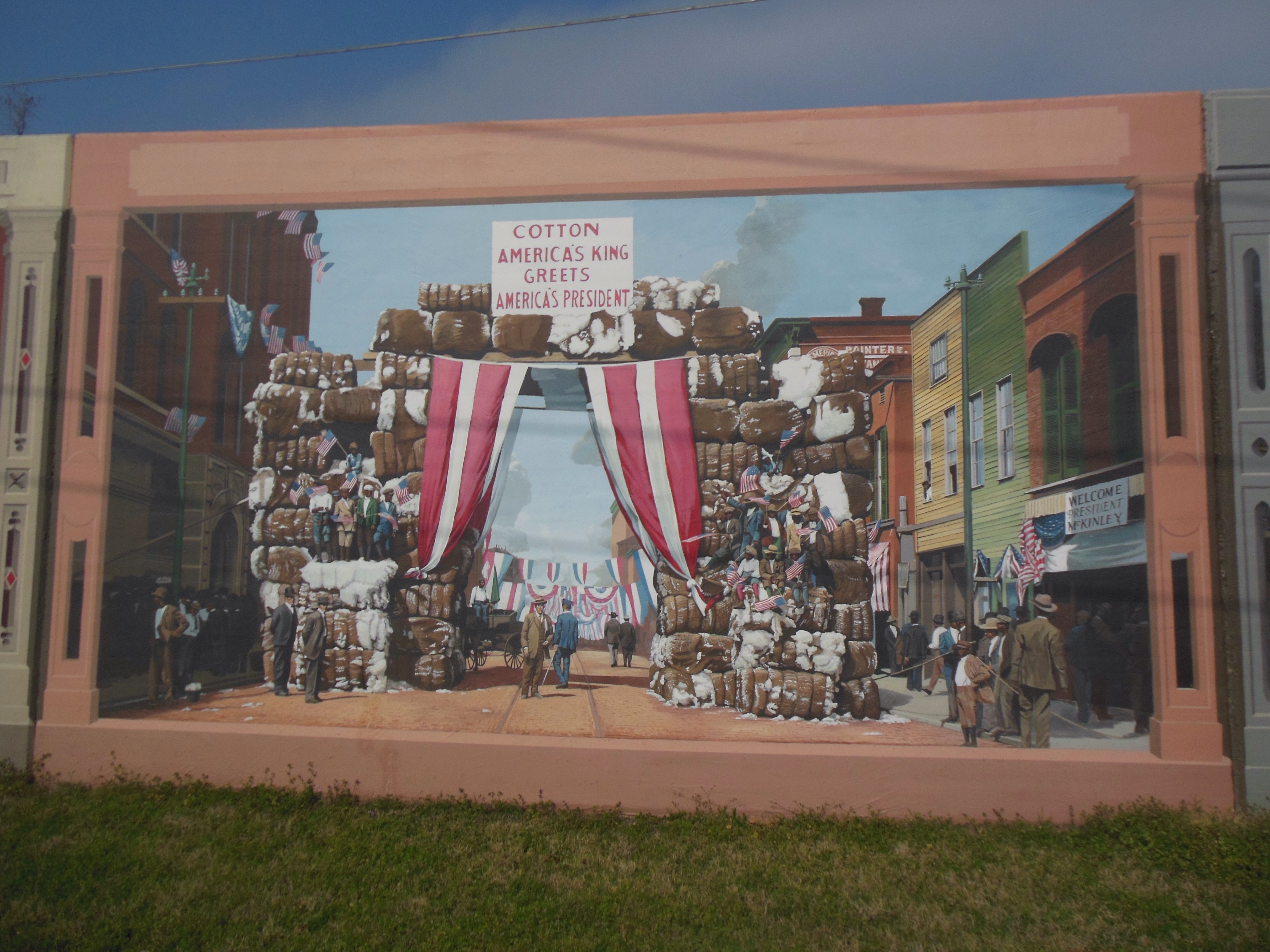
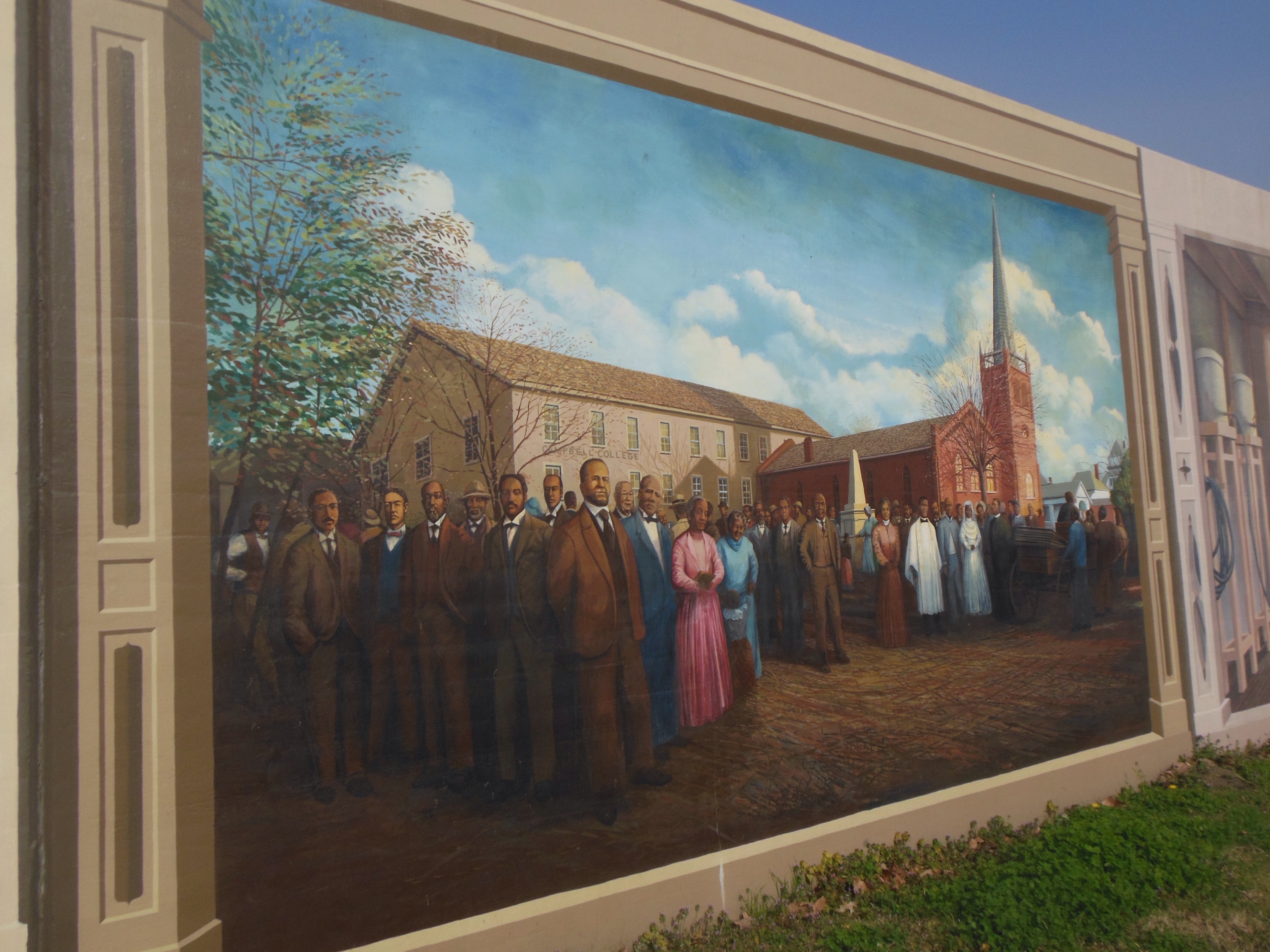
Our next stop was the riverfront, home to 34 murals painted on the flood walls from 2002 to 2009. Like most flood walls, they are basic concrete. The 34 murals present various scenes from the history of Vicksburg. I have inserted at the end of this blog additional murals in a smaller picture format. If you wish to see them in more detail, clicking once or twice on the picture should bring up the full size photo. The murals are well done and each one has a plaque describing the background of the mural and the significance to Vicksburg of the scene.

Trains were ferried across the river before  bridges were built across the Mississippi

Trains were ferried across the river before bridges were built across the Mississippi

Lunch was at a restaurant that has been in town for over 50 years and then on to the Vicksburg National Military Park. We spent four hours here, having purchased the two CD audio tour that explains the siege in great detail. Two of the couples staying at the Duff Green Mansion yesterday had hired a guide to ride in their car and provide historical background. We opted for the less personal touch.

Minnesota monument at Vicksburg

Minnesota monument at Vicksburg

Vicksburg was one of the most critical Civil War Battles. Vicksburg was the last holdout preventing the Union forces from controlling the Mississippi River and dividing the Confederacy into two sections. Vicksburg was a critical rail and river transport center serving the Confederacy.

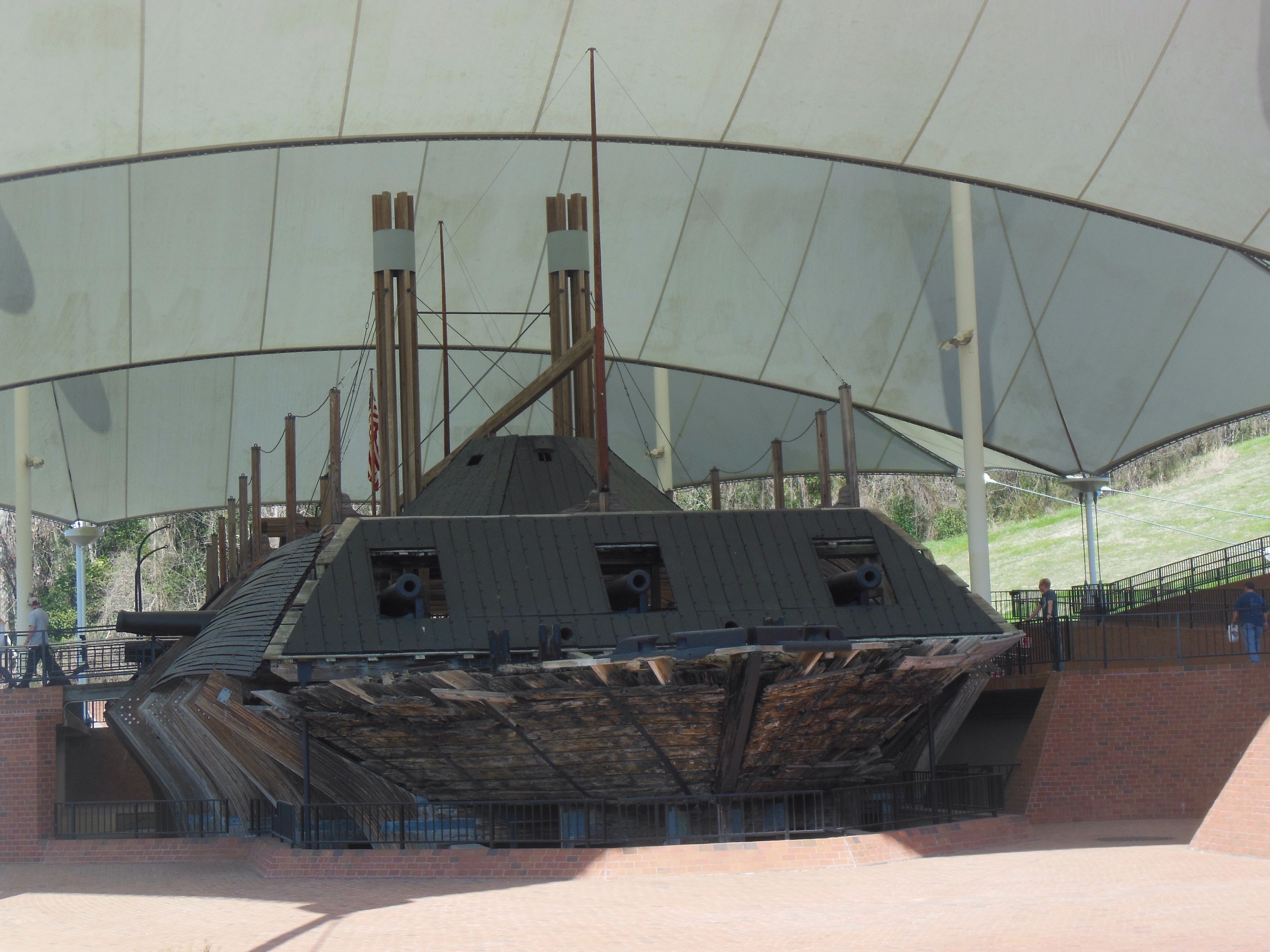
USS Cairo gunboat

USS Cairo gunboat

U.S. Grant was the union commander and operations against Vicksburg began in Oct.of 1862. Vicksburg was well defended and located on a bluff above the Mississippi giving it a naturally defensible position. Grant’s efforts to capture the city kept being repulsed by the Confederates. Finally in the spring of 1863 a 47 day siege resulted in the surrender of the city and Confederate forces on July 4. The surrender of Vicksburg coupled with the Union victory at Gettysburg PA on July 1-3 together sealed the Confederate defeat although the war dragged on until April of 1865.

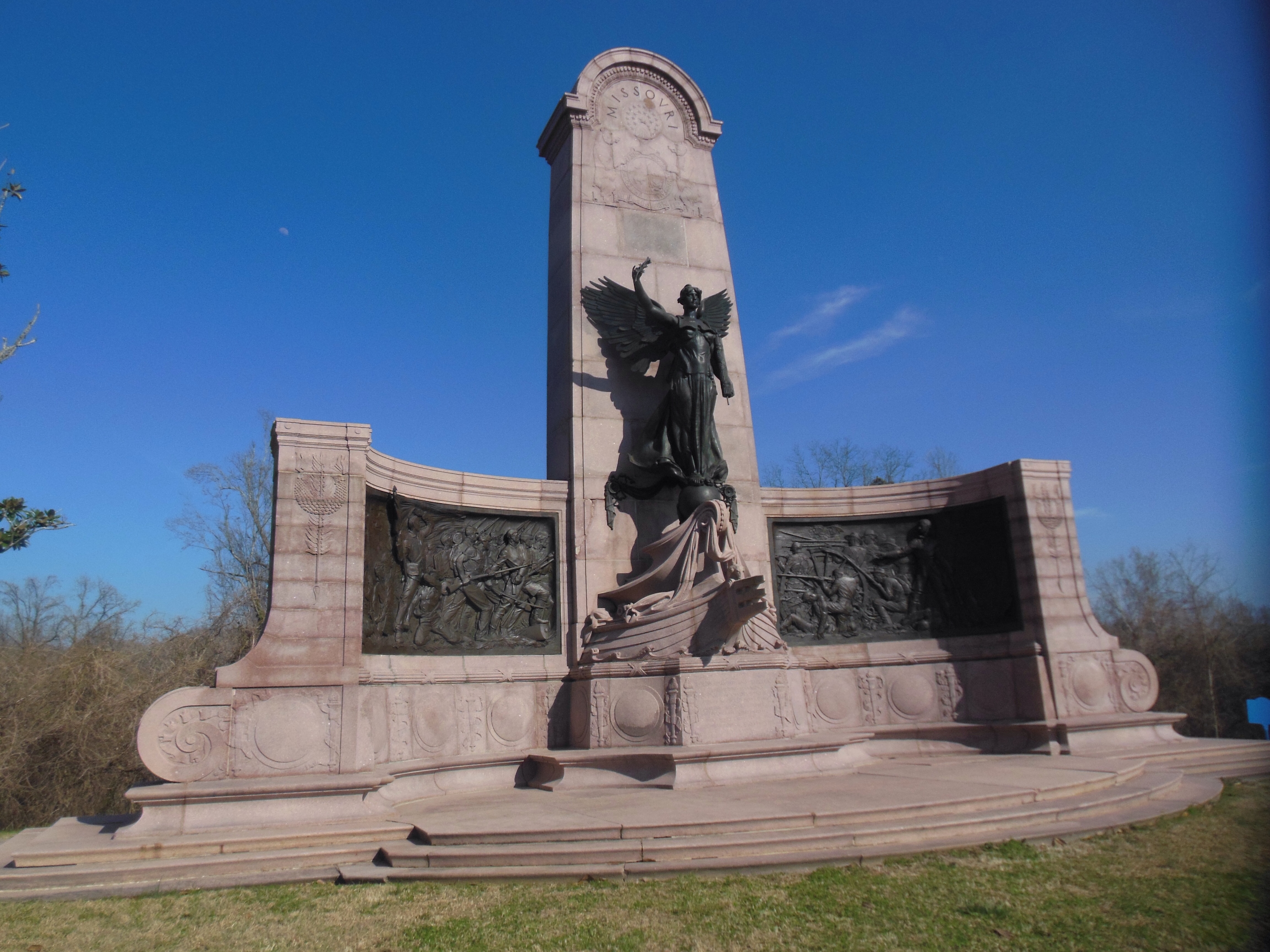
Missouri brothers vs brothers monument: MO had many troops on each side of the battle

Missouri brothers vs brothers monument: MO had many troops on each side of the battle

Our audio tour presented a detailed description of the siege. An unexpected highlight was the restored Union ironclad gunboat, the Cairo. This gunboat, one of 7 that helped control the Mississippi for the Union, was sunk by mines on Dec. 12, 1862. Its remains were discovered in 1954 and finally raised in December of 1864. The exhibit was completed and given to the Vicksburg National Military Park in 1977. The exhibit allows one to see clearly now the extent of the damage caused by the mines, the inner workings of the paddlewheel, the cannon, the iron plating, etc.

Dinner was in another local restaurant. Tomorrow we hope to see the Lower Mississippi River Museum before heading to St. Francisville, LA.

Ed and Chris
Tuesday morning 9:30 AM
image

image

image

image

Categories: road trip, travel | Tags: , , , , , | Leave a comment

2014 Trip Two, March 9, Deep South

Vicksburg, MS Sunday March 9

As “professional travelers” we work on Sundays. Not so much for many of the places we wanted to see or local restaurants to dine in. This impacted on our day’s options.

We left Memphis after church and breakfast and headed for Mississippi. U.S.Route 61 in this area was described in one of the resources we used as “Not much to write home about”. The source was correct and so we won’t. The weather was overcast and foggy but the snow has completely disappeared. I think we have turned the corner. Green fields are starting to pop up. The weather is warm; time to put the fleece and heavy socks away, break out the windbreakers and light shoes.

Route 61 was our major road all day long. It is publicized as the part of the “Blues Trail”; a series of historical markers detail significant places and times in the lives of numerous blues musicians who are from Mississippi. Clarksdale MS was planned to be our first, and brief, stop.

Cutrer Mansion in Clarksdale, Tennessee Williams knew the family here well.

Cutrer Mansion in Clarksdale, Tennessee Williams knew the family here well.

Tennessee Williams spent most of his childhood here. Like Hannibal and Sam Clemens, many people he encountered in his childhood turned up later in his novels. Clarksdale is also noted as one of many towns that had an important role to play in the development of the blues. But the town sidewalks were rolled up tight, few people about, and many, many storefronts boarded up. It was depressing and we just kept moving on.

We had lunch in Cleveland MS. Downtown was deserted. Local restaurant options were closed. Luckily Cleveland is the home of Delta State University so chain restaurant options were available. We chose Back Yard Burgers, a regional chain. Good food, but the money spent on interior aesthetics must have been miniscule.

B.B. King museum in Indianola MS

B.B. King museum in Indianola MS

Indianola MS was our major stop of the day. Getting there continued the drive through farm lands that looked rich and fertile. Our destination was the B.B. King Museum. It was excellently done and we spent several hours enjoying the displays.

In the B.B. King Museum

In the B.B. King Museum

The museum presents many aspects of B.B.Kings life. One theme I am sure we will experience frequently in the first part of this trip is the change in the U.S. from the brutal segregation actions and policies of the first half, or more, of the 20th century to the much improved current status. It is difficult to read the displays describing the lynchings, murders, almost non-existent schools for blacks, etc. Then you realize you are standing in the heart of that part of the country.

BB King was born Riley B King and learned his musical skills from a variety of self taught sources. The displays describe the other musical influences on him and how he grew from playing the “Chitlin Circuit” of African-American clubs in the late 1940s and early 50s to becoming a world renowned blues musician and ambassador of American music by the end of the 70s.

Kermit the Frog in Leland MS

Kermit the Frog in Leland MS

After Indianola, we made a quick stop in Leland MS. Leland is the birthplace of Jim Henson, creator of the Muppets. Leland does not have a major Muppet museum but the visitor’s center (closed on Sundays) does have a logo of Kermit the Frog on the building.

Our B and B in Vicksburg

Our B and B in Vicksburg

Vicksburg is our home for the next two nights and the scene of the first flowers we have observed.

FLOWERS

FLOWERS

Ed and Chris Vicksburg 10:30 pm

Categories: road trip, travel | Tags: , , , | Leave a comment

Blog at WordPress.com.